

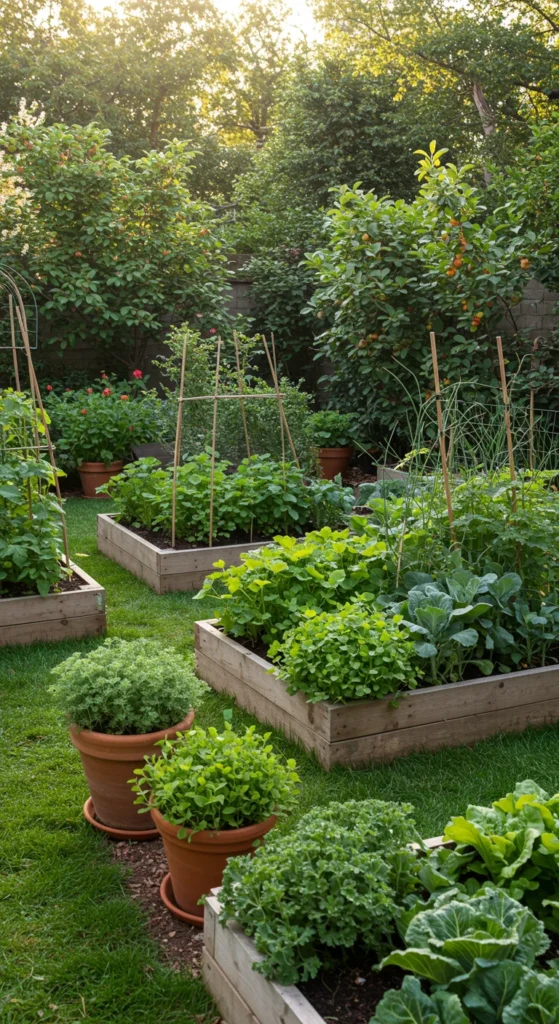
Growing your own food is one of the simplest ways to cut grocery bills while eating healthier. An edible garden doesn’t need acres of land—it can thrive on a balcony, patio, or small yard. From herbs in containers to fruit trees in corners, there are endless ways to make your space both beautiful and productive. Here are 23 delicious edible gardening ideas to inspire your next harvest.
1. Grow Salad Greens in Containers
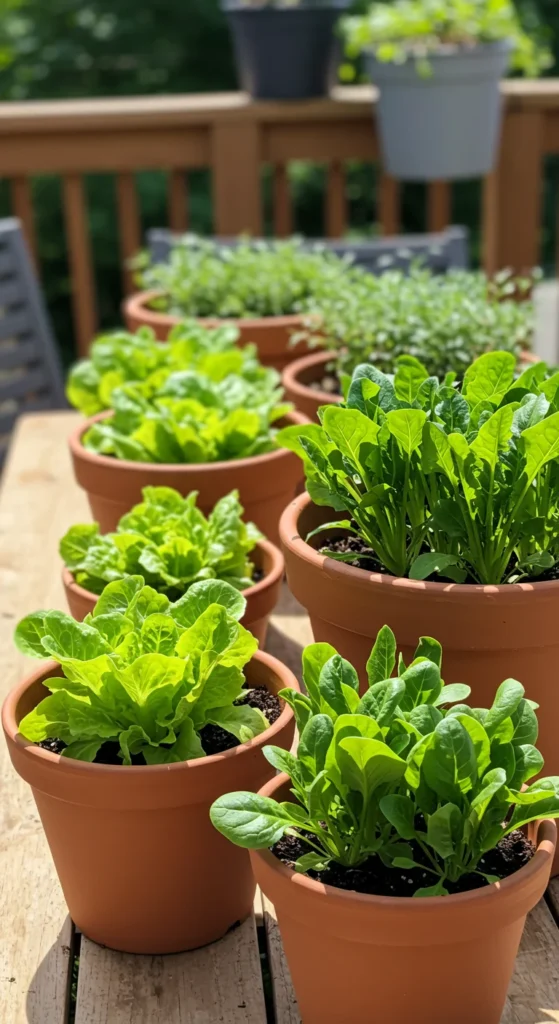
Leafy greens are some of the easiest crops to grow. Plant lettuce, spinach, or arugula in containers for quick harvests. Cut leaves as they grow, and they’ll regrow for weeks. A few pots can supply enough greens for daily salads without buying bagged lettuce at the store.
2. Plant a Kitchen Herb Garden
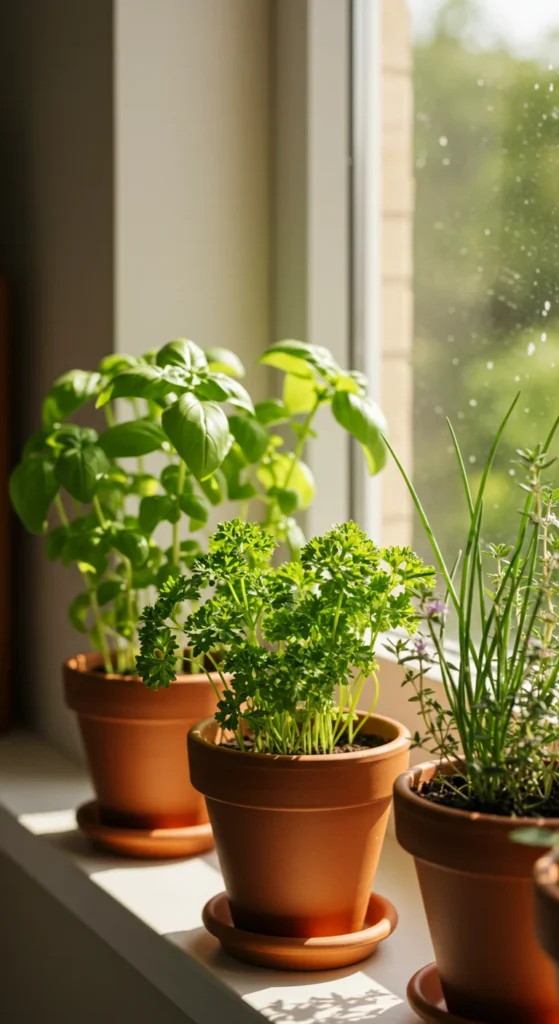
Herbs are expensive at the store but simple to grow at home. Basil, parsley, mint, and chives thrive in pots indoors or outside. Snip them fresh for cooking, and dry extras for later. A kitchen herb garden saves money and adds instant flavor to meals.
3. Start Tomato Plants in Buckets
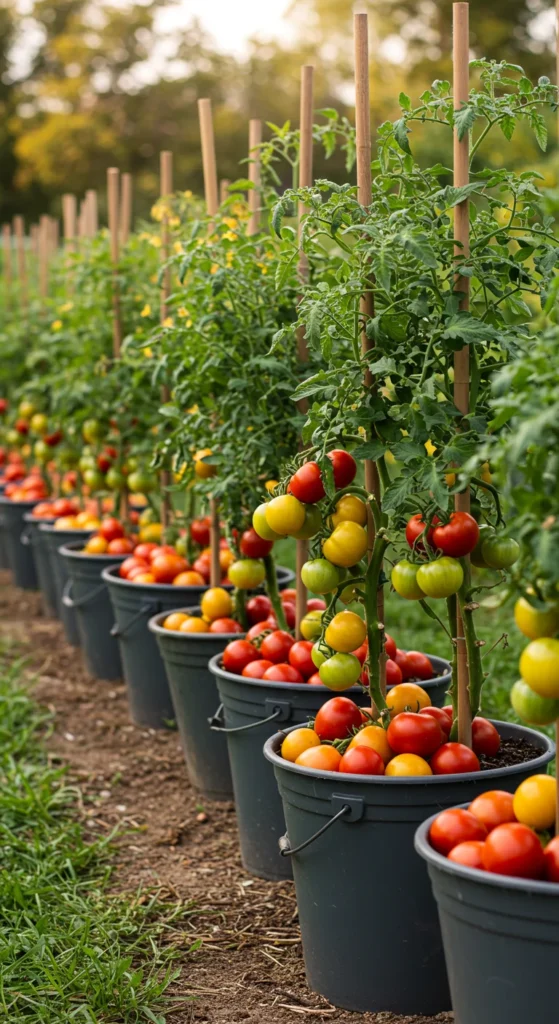
Tomatoes are perfect for container gardening. Use buckets or grow bags with drainage holes. Add a stake or cage for support, and you’ll harvest juicy tomatoes all summer. Cherry varieties are especially rewarding, producing dozens of fruits per plant.
4. Add Berry Bushes Along Fences
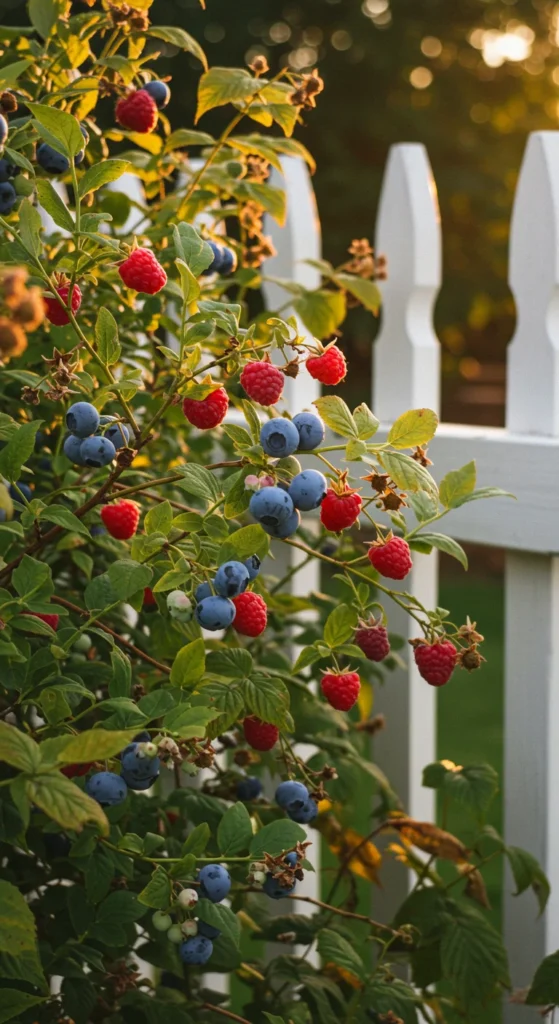
Berry bushes fit easily along fences or garden edges. Blueberries, raspberries, and blackberries return every year with little care. Freeze or preserve extras to enjoy them long after harvest.
5. Plant Fruit Trees in Small Yards
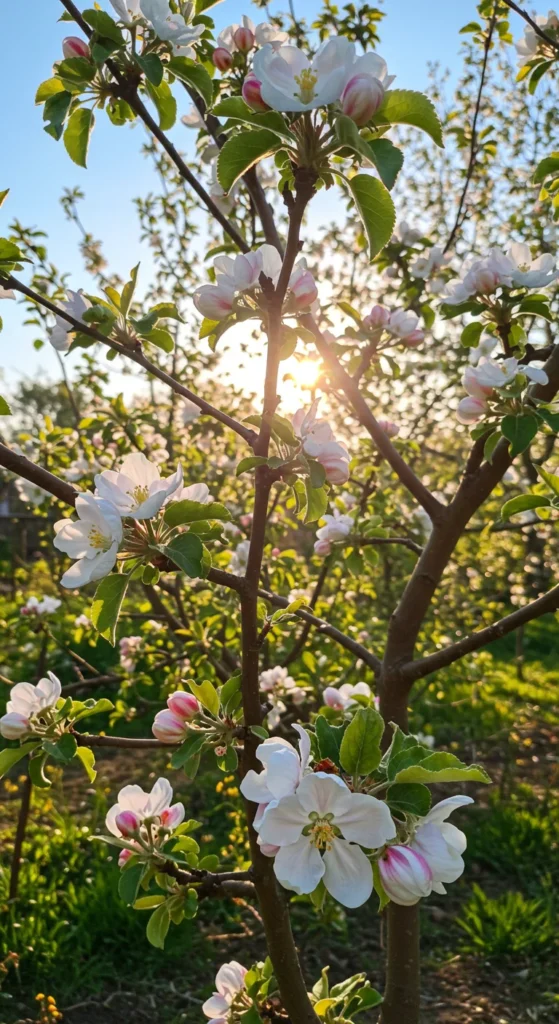
Dwarf fruit trees are ideal for small spaces. Apples, peaches, or plums provide shade and food at once. Plant them in large containers or directly in the ground. Choose self-pollinating varieties if you only want one tree.
6. Grow Peppers in Raised Beds
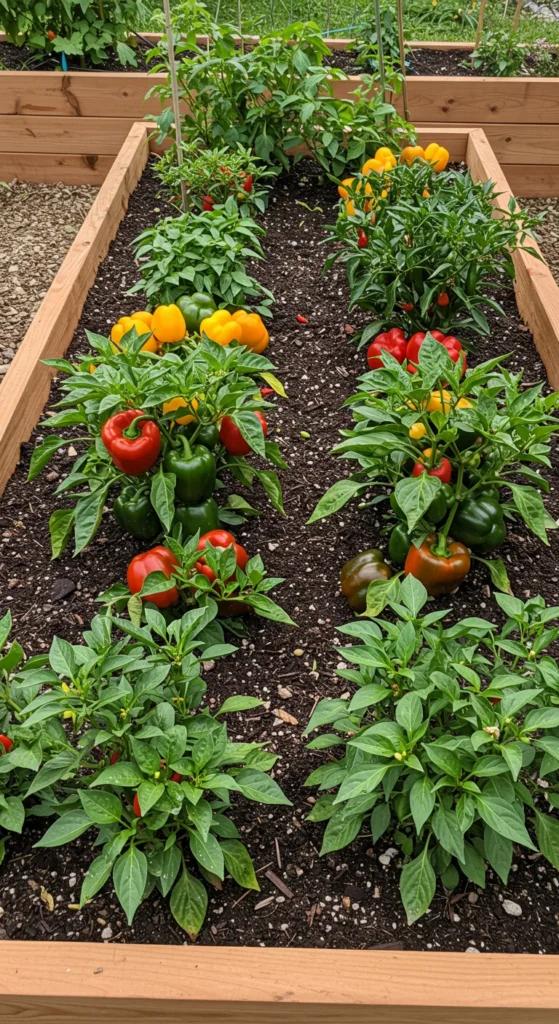
Peppers thrive in warm weather and produce well in raised beds. Plant a mix of sweet and hot varieties to cover all your cooking needs. Pick them early for green peppers or wait until they turn red or yellow for a sweeter flavor.
7. Add Strawberries in Hanging Baskets
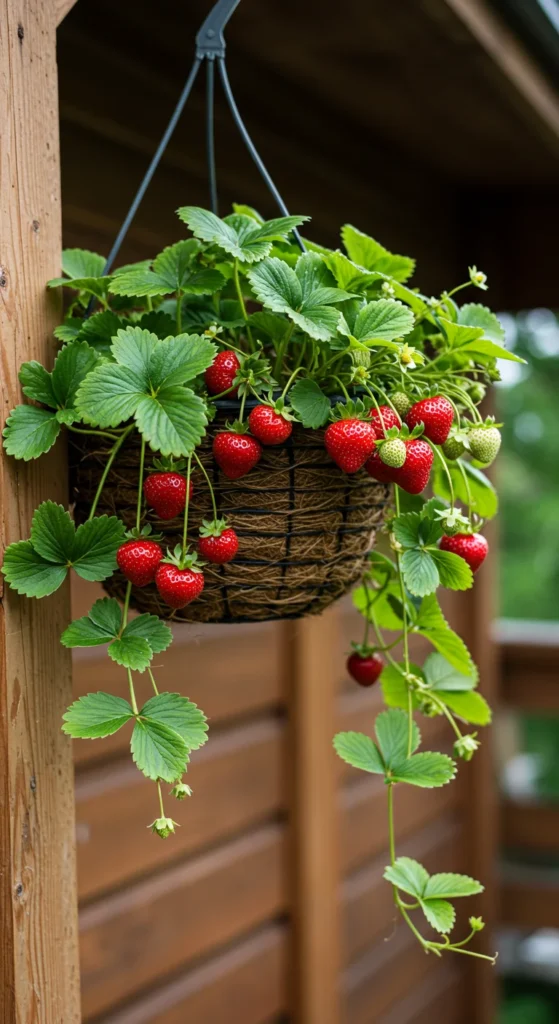
Strawberries look beautiful and taste even better when grown in hanging baskets. The trailing vines spill over the edges, making it easy to pick fruit. They’re also safe from ground pests this way.
8. Plant Beans on Trellises
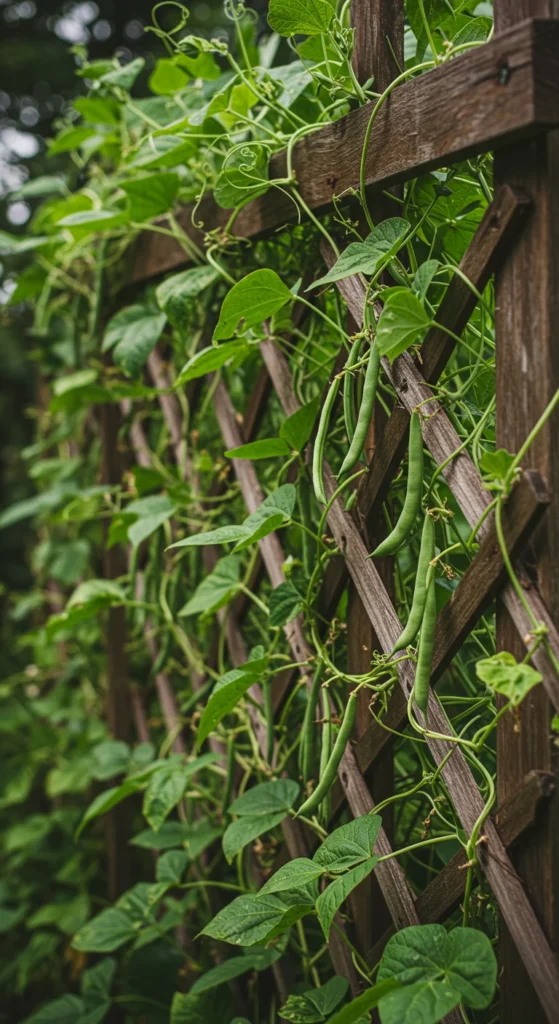
Beans climb beautifully on trellises or fences. They grow quickly and provide generous harvests with little effort. Pole beans are great for vertical gardens, while bush beans fit raised beds.
9. Try Potatoes in Bags
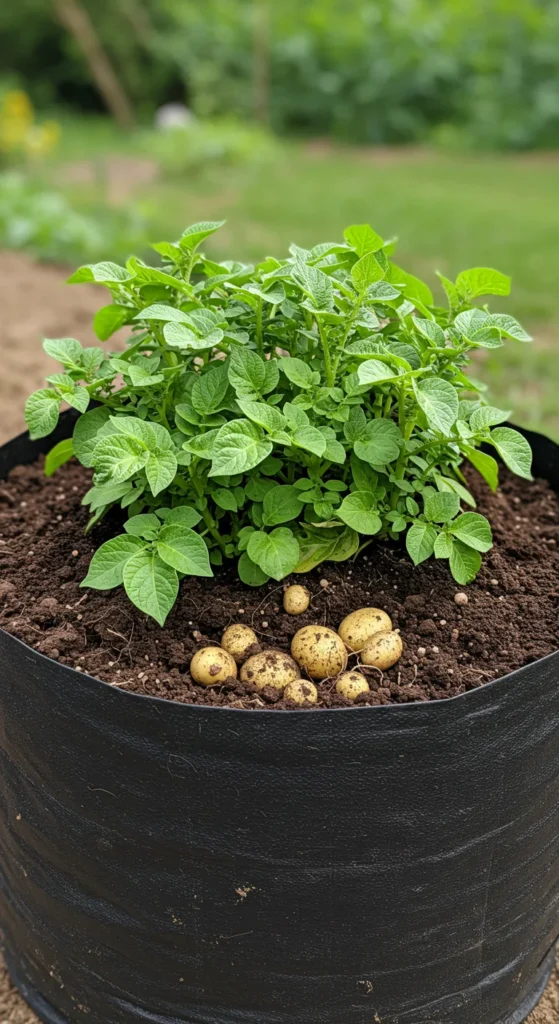
Potatoes don’t require traditional beds. Use grow bags or buckets to harvest pounds of spuds in little space. As the plants grow, add more soil to encourage extra tubers.
10. Mix Edible Flowers into Beds
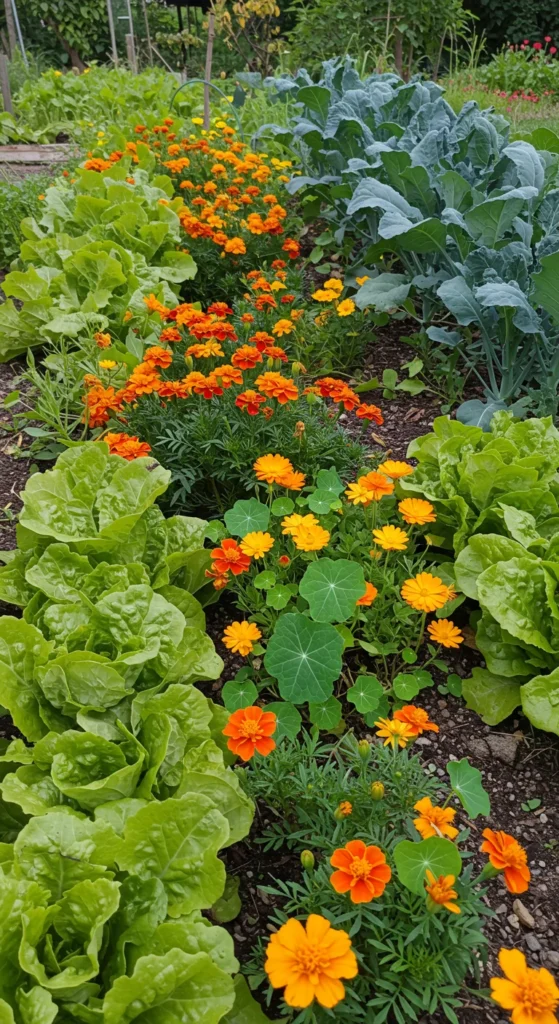
Edible flowers add color and flavor. Nasturtiums, marigolds, and calendula brighten beds and salads. Plant them with vegetables to attract pollinators while decorating your meals.
11. Grow Cucumbers on a Fence
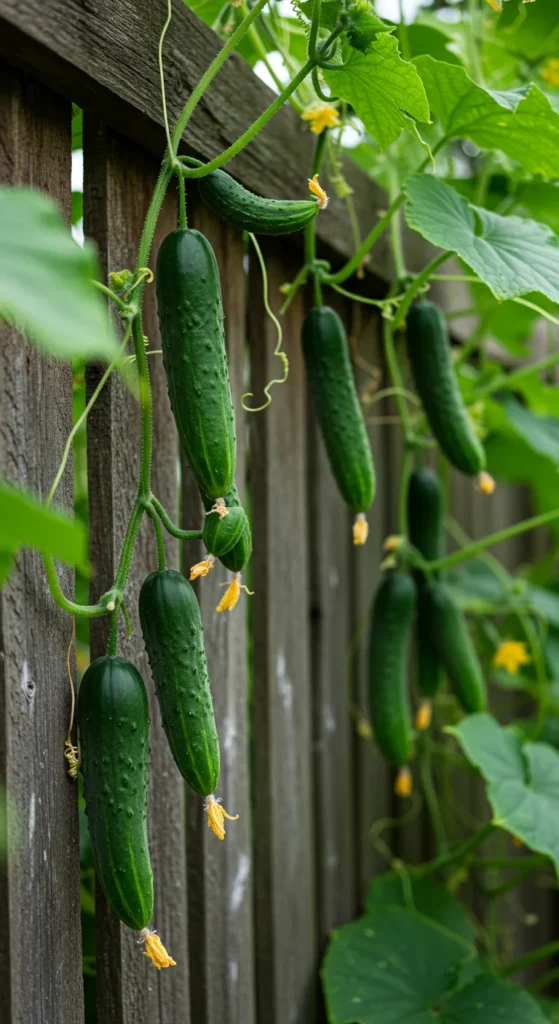
Cucumbers climb easily and save ground space. Train them on fences or trellises, and pick often to encourage more growth. They’re excellent for salads, sandwiches, and pickling.
12. Create a Tea Garden
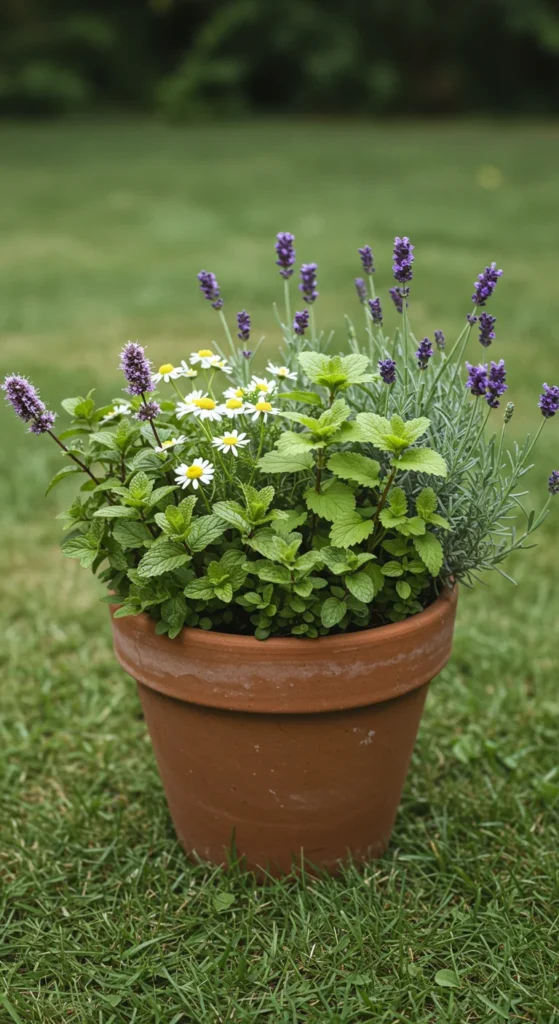
Plant herbs that can be dried for teas. Chamomile, lemon balm, mint, and lavender all thrive with minimal care. Harvest leaves or flowers, dry them, and store in jars for homemade tea year-round.
13. Plant Zucchini in Containers
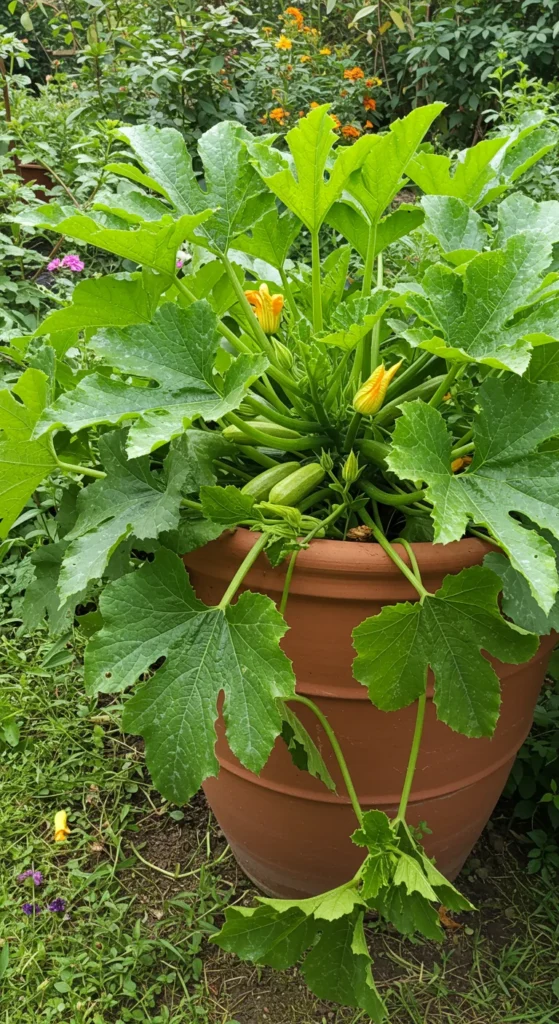
Zucchini produces heavily, even in containers. Just one or two plants can supply weeks of stir-fries, baked dishes, or zucchini bread. Harvest them small for tender flavor.
14. Add Grapevines on Arbors
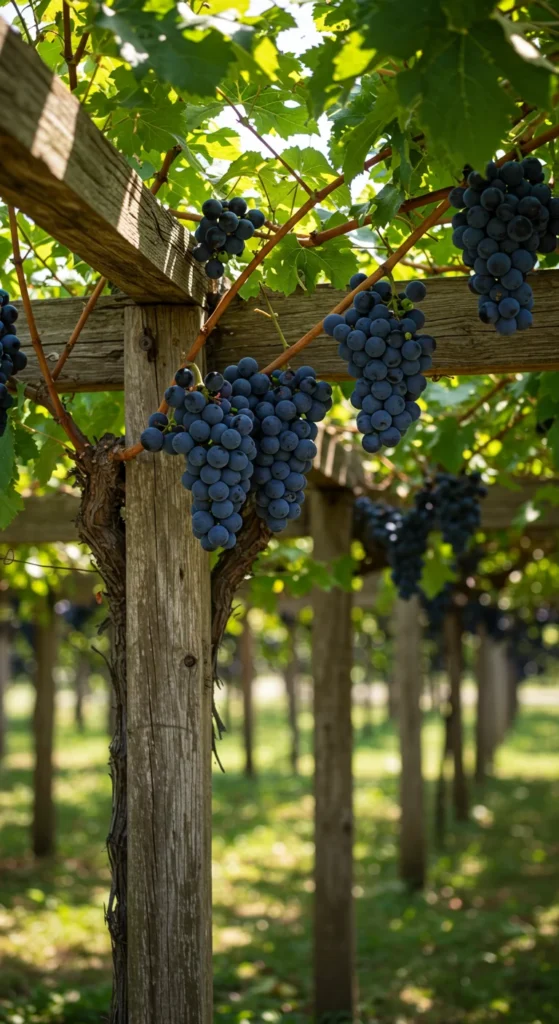
Grapevines bring shade and food. Train them over arbors or pergolas for natural cover. Grapes can be eaten fresh, made into juice, or dried as raisins.
15. Use Vertical Planters for Herbs
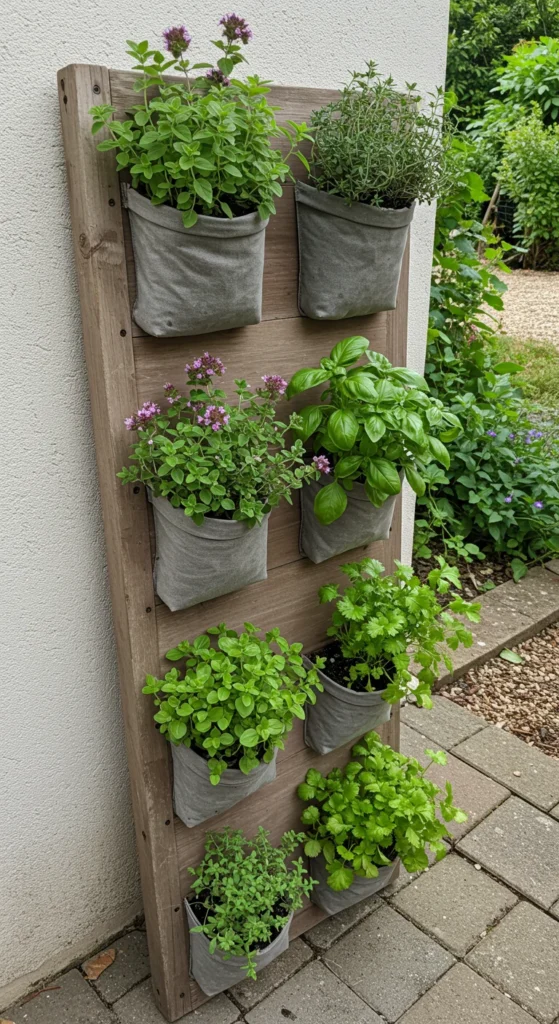
Vertical planters save space while providing herbs close to the kitchen. Stack pots or use hanging fabric pockets. Herbs grow happily in small amounts of soil and sunlight.
16. Grow Garlic in Garden Beds
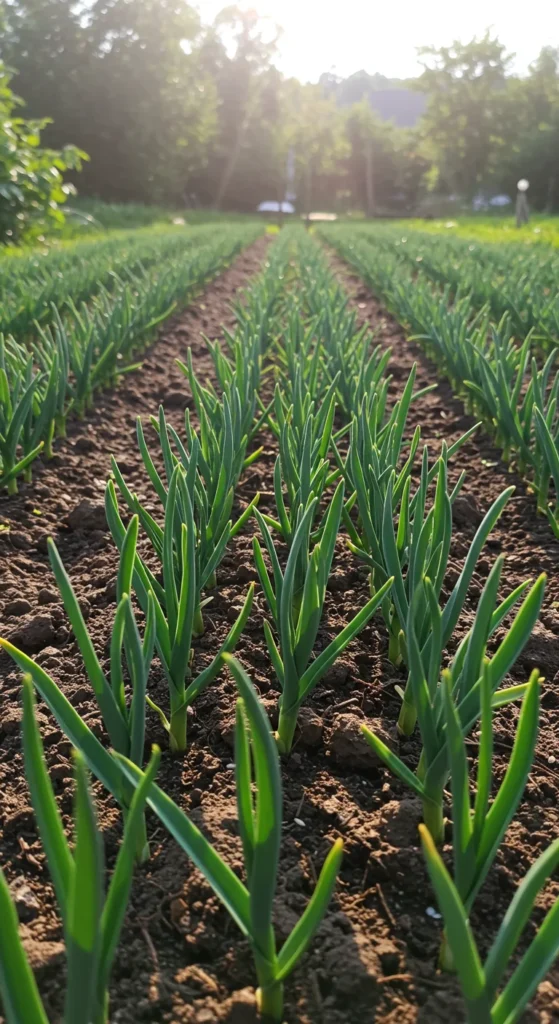
Garlic is simple to plant in fall and harvest in summer. Each clove turns into a full bulb. Store them for months, cutting one more item from your grocery list.
17. Plant Carrots in Deep Containers
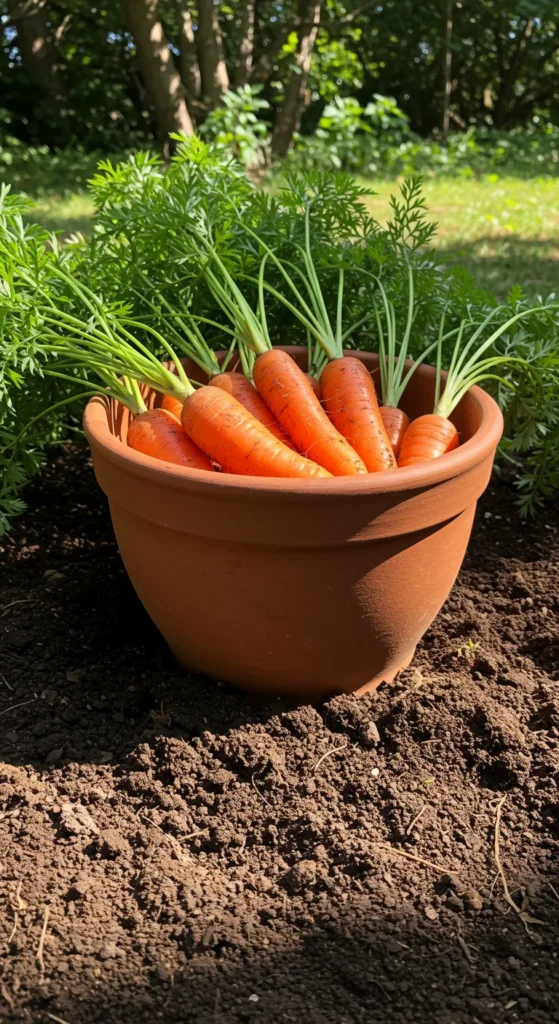
Carrots love deep, loose soil. Use tall pots or deep garden beds for best results. Sow seeds directly, and thin them for larger roots. Carrots keep well in cool storage.
18. Add Onions to Borders
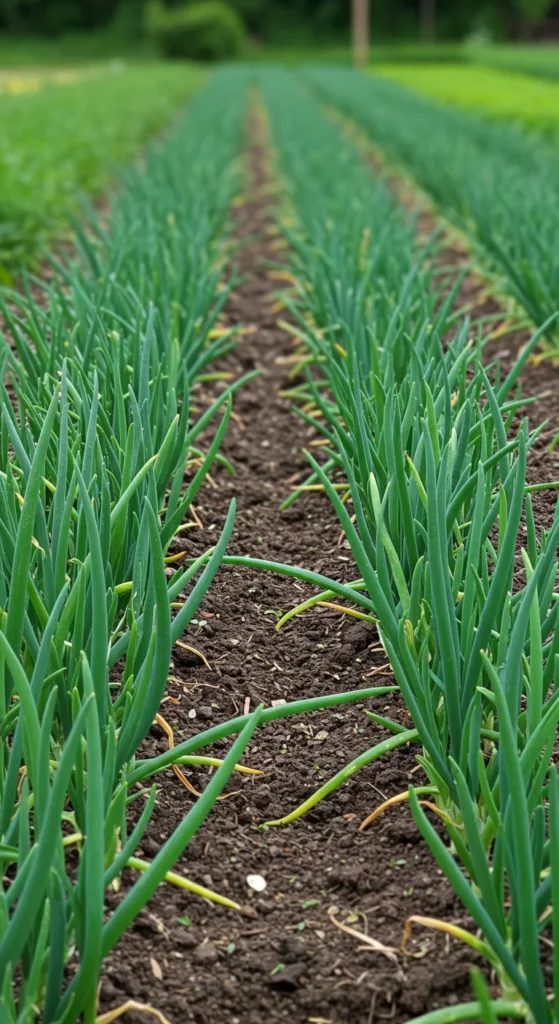
Onions fit easily into garden borders or edges. Plant them from sets or seeds, and they’ll store for months. Green onions can be harvested early for quick use.
19. Try Eggplants in Pots
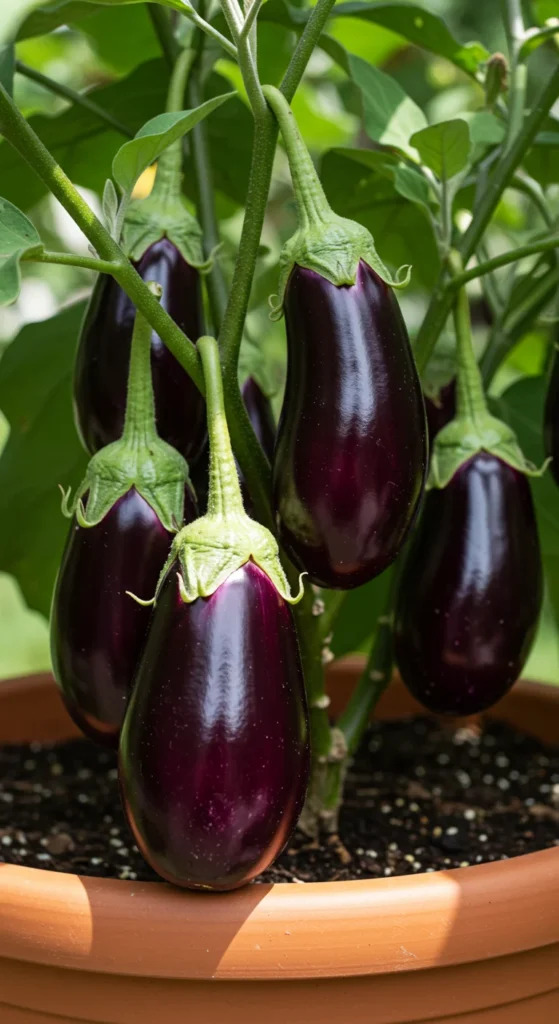
Eggplants grow well in pots if they get enough sun. Choose compact varieties for small spaces. Their shiny fruits are perfect for grilling, roasting, or stews.
20. Plant Corn in Blocks
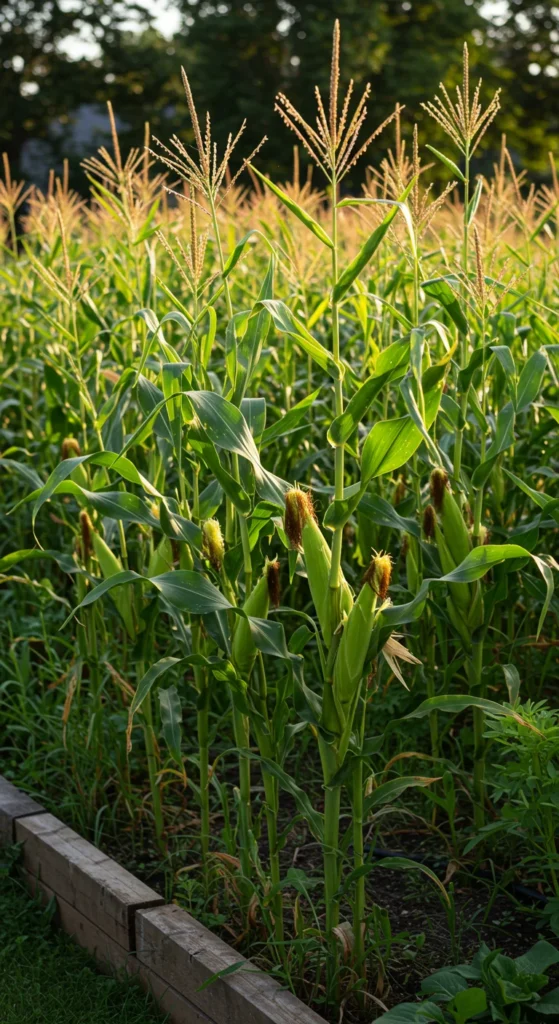
Corn grows best when planted in blocks instead of single rows. Even a small patch can yield dozens of cobs. Pair it with beans and squash in a classic “three sisters” garden.
21. Add Citrus Trees in Pots
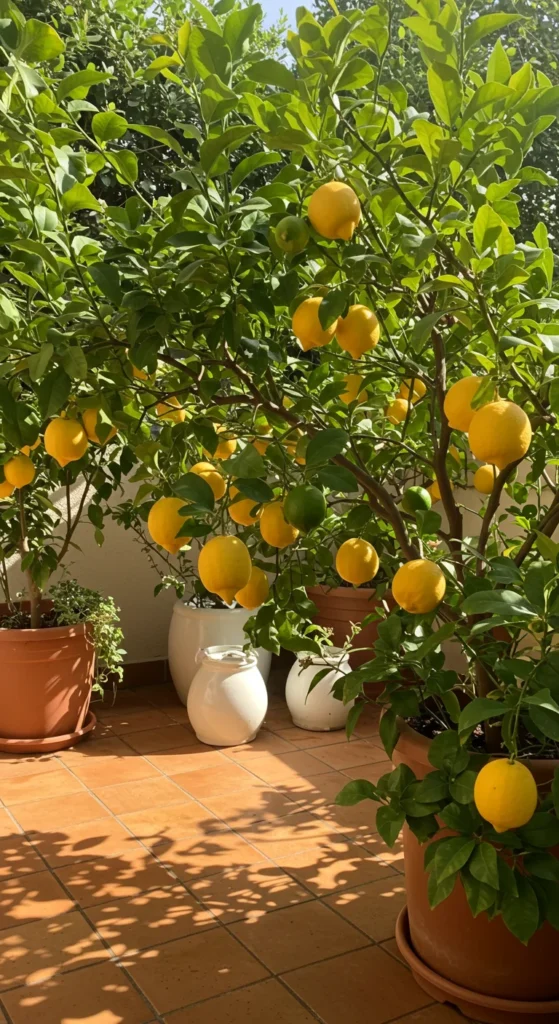
Citrus trees thrive in large containers. Lemons, limes, or mandarins can grow on patios or balconies. Move them indoors in cooler months for year-round fruit.
22. Grow Radishes for Quick Harvests
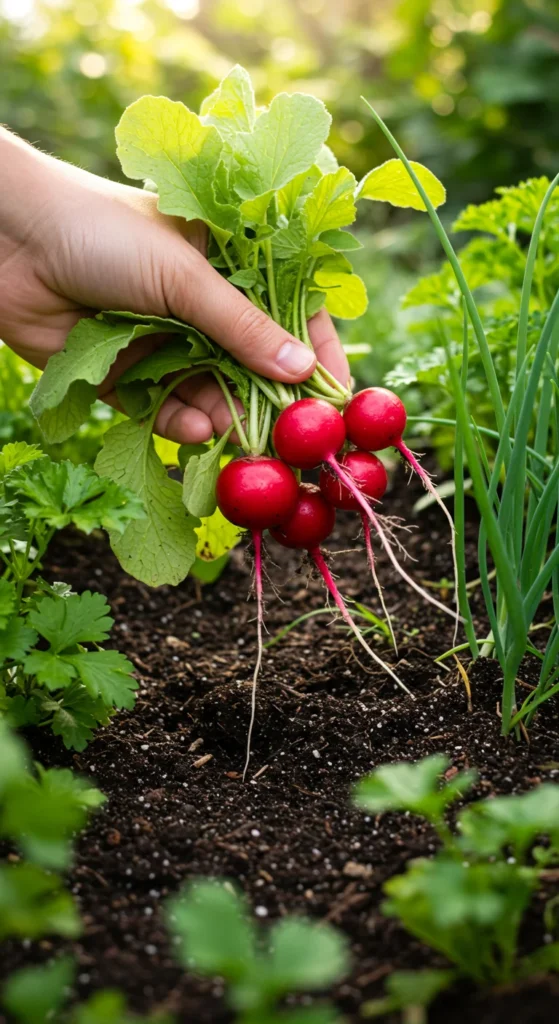
Radishes mature in just a few weeks. They’re perfect for filling gaps between slower crops. Sow them often, and enjoy crisp additions to salads or sandwiches.
23. Create a Mixed Edible Bed
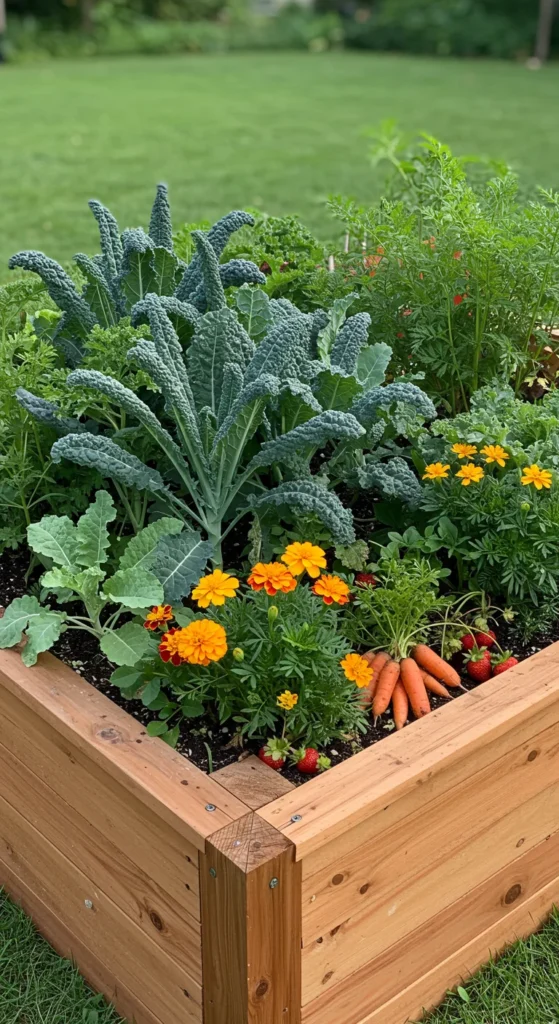
Combine vegetables, herbs, and flowers in one bed for variety and beauty. Mixed planting reduces pests, maximizes space, and gives you multiple harvests from the same spot.
Conclusion
An edible garden doesn’t just cut grocery bills—it makes meals healthier, tastier, and more rewarding. From herbs in pots to fruit trees in small yards, every idea here can be adapted to your space and budget. Start with a few simple plants, and soon you’ll enjoy baskets of homegrown food right outside your door. Save this guide for inspiration and begin your edible gardening journey today!
Leave a Reply