

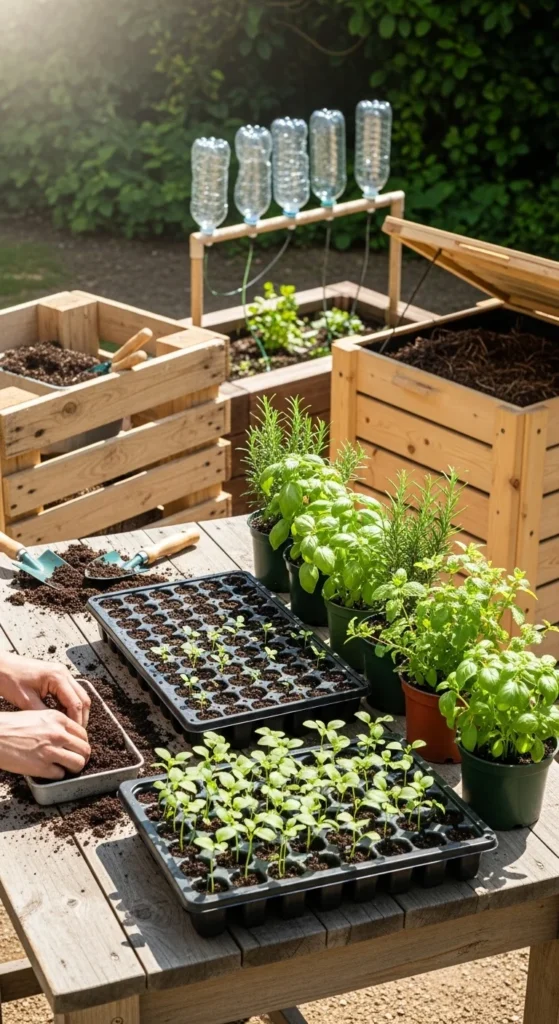
DIY gardening is popular because it makes progress feel fast, even on a small budget. With a few household scraps and simple tools, you can create vertical planters, water-saving systems, and small wildlife habitats that make your space more productive and easier to care for. These weekend projects are beginner-friendly and family-friendly, and most can be done in a few hours. Pick one idea that solves a real problem—limited space, drying soil, messy corners, or lack of pollinators—then build from there.
1. Pallet Vertical Herb Planter
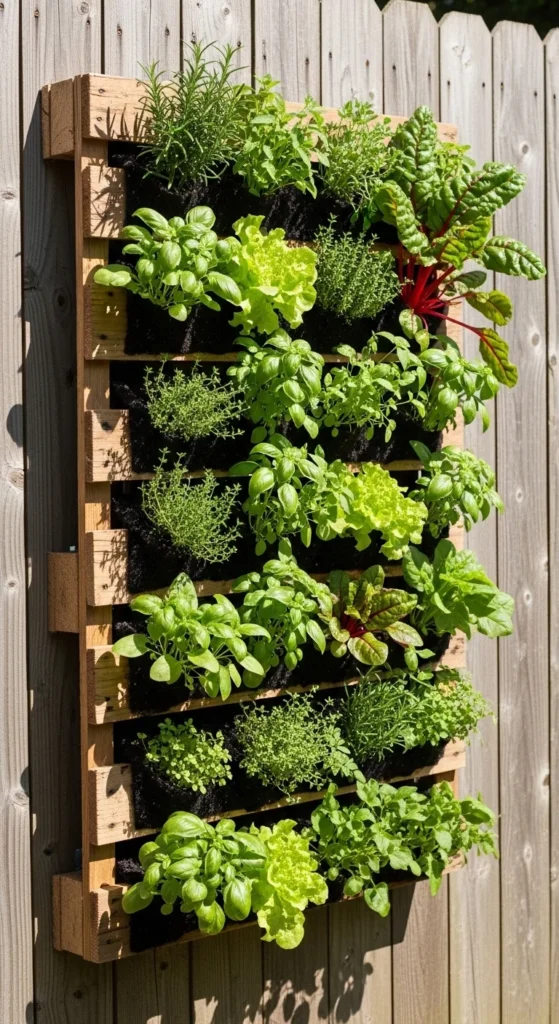
A pallet planter is a classic space-saver. It turns one wall into a mini garden. Start by sanding rough spots and stapling landscape fabric to the back and bottom to hold soil. Stand the pallet upright or lean it against a fence. Fill the slats with potting mix and tuck herbs into each pocket.
Keep it simple with plants that like similar watering. Basil, parsley, mint (in its own pocket), and chives work well. If your pallet has wide gaps, add thin scrap wood to make smaller “shelves.” That keeps soil from spilling.
Budget tip: check local shops for free pallets, but avoid pallets marked for chemical treatment. Water slowly so the soil settles instead of washing out. A small tray under the pallet catches drips on patios. This project looks finished fast and keeps herbs close to the kitchen door.
2. Recycled Bottle Drip Irrigation
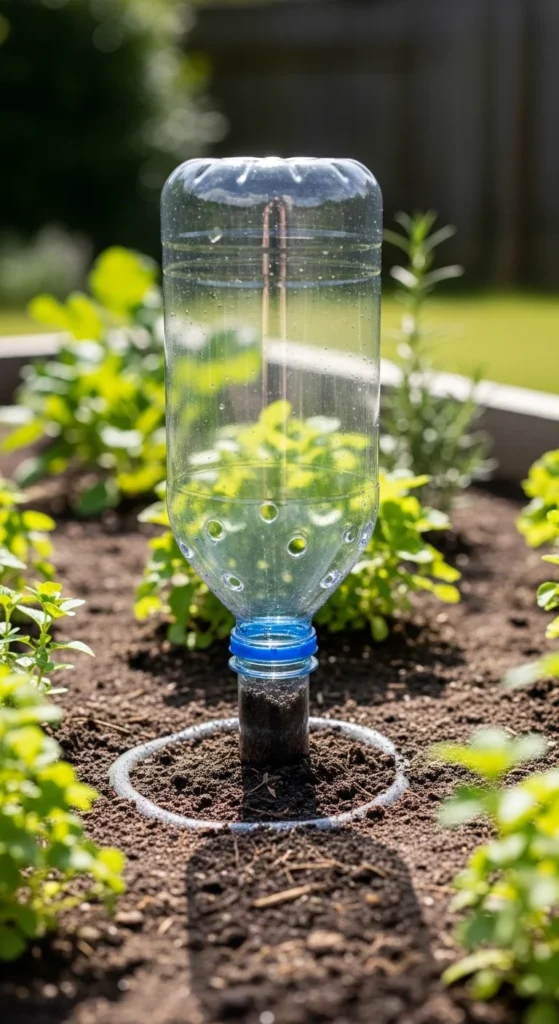
This is a simple way to water slowly with zero fancy gear. Take a plastic bottle, poke a few tiny holes in the cap, fill it with water, and bury it cap-down near plant roots. Water seeps out over time and helps soil stay evenly damp.
You can also cut the bottom off the bottle and use it as a refill opening. For containers, use smaller bottles so they fit neatly. This works well for tomatoes, peppers, and thirsty herbs.
Budget tip: label bottles with a marker dot system instead of words—one dot for daily refill, two dots for every other day. Place bottles under mulch so they don’t heat up as fast in sun. It’s an easy fix for busy weeks and hot weather.
3. Hanging Gutter Wall Garden
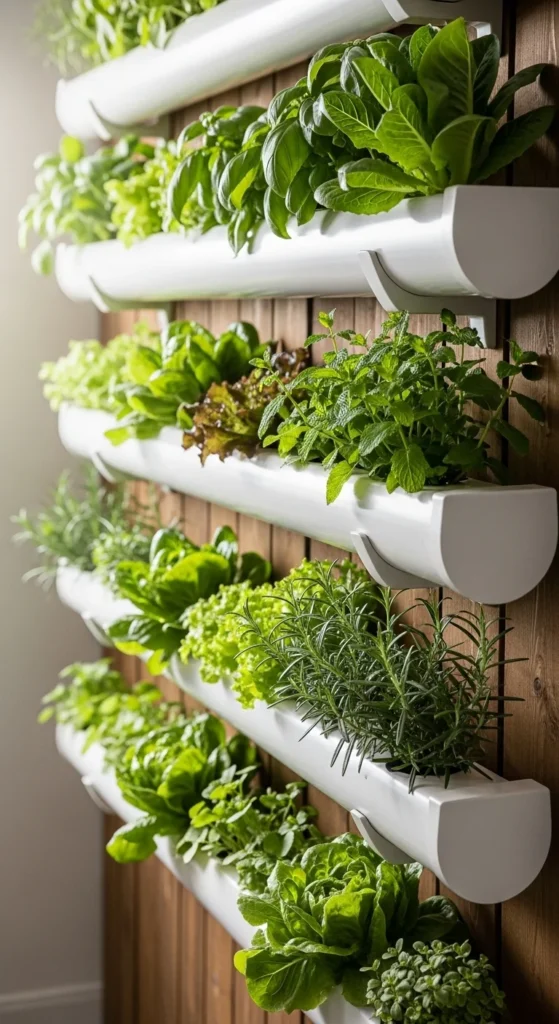
Gutters can become a tidy wall farm. Mount two or three rows of gutters on a fence or wall using brackets. Drill drainage holes along the bottom, then add potting mix and plant shallow-root crops like lettuce, spinach, strawberries, or herbs.
Keep the layout neat by planting in repeating groups. For example, one row of herbs and one row of greens. Water from the top row so extra moisture trickles down, but don’t overdo it.
Budget tip: look for leftover gutter pieces from local jobs or reuse older ones after a good cleaning. Add end caps so soil stays put. If you want it to look more finished, paint the gutters one neutral color. This project is great for balconies and small patios.
4. Old Ladder Plant Rack
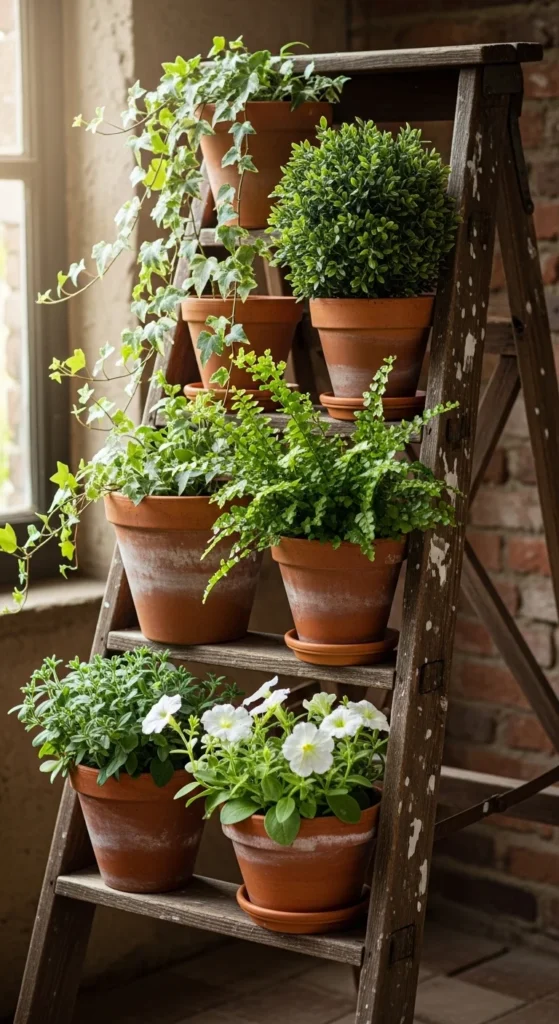
A ladder rack gives you instant tiered planting. Use a sturdy old ladder and place it against a wall or set it in an A-frame position. Put heavier pots on lower steps and lighter pots on top. This makes the display stable and easy to move around.
Choose a theme for a clean look. Succulents, herbs, or colorful annuals all work. Add a small tray under pots if you’re using it on a porch. If the ladder is rough, sand and paint it for a simple upgrade.
Budget tip: thrift stores often have ladders for low cost. You can also add scrap wood planks across rungs to make wider shelves. This is a fast weekend win that looks styled without buying new furniture.
5. Mason Jar Herb Wall With Soft Lights
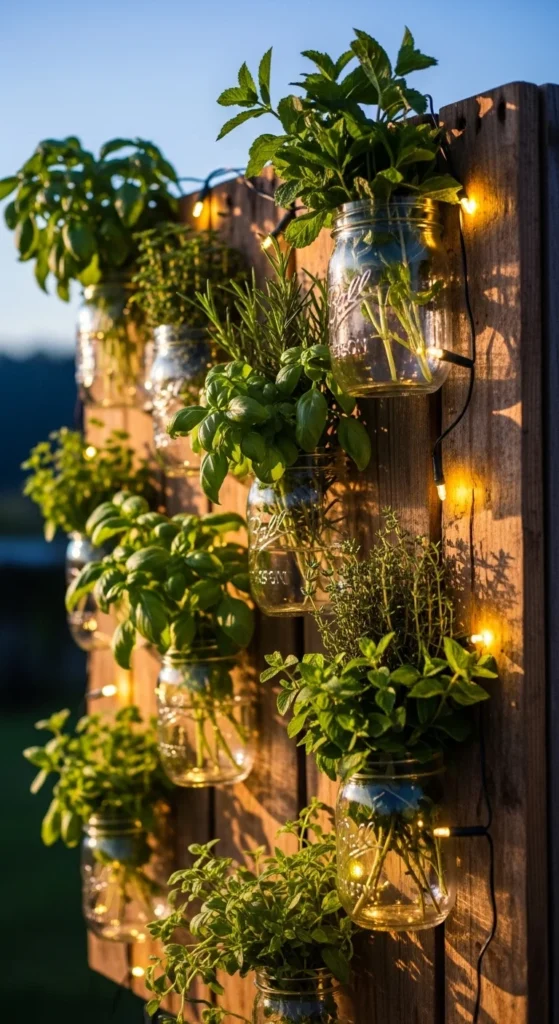
This project makes a small herb setup feel cozy. Attach a wooden board to a wall, then clamp mason jars to it with metal hose clamps. Fill jars with water and place herb cuttings like mint, basil, or rosemary stems to root.
Add a warm string light strand nearby for evening vibes. Keep lights outside the jars and away from water. Once roots form, move cuttings into small pots.
Budget tip: reuse jars from kitchen storage. If clamps are pricey, use wire and hooks instead. This works indoors near a bright window or outdoors on a covered porch. It’s a small project, but it adds charm and function at the same time.
6. Painted Tire Stack Planters
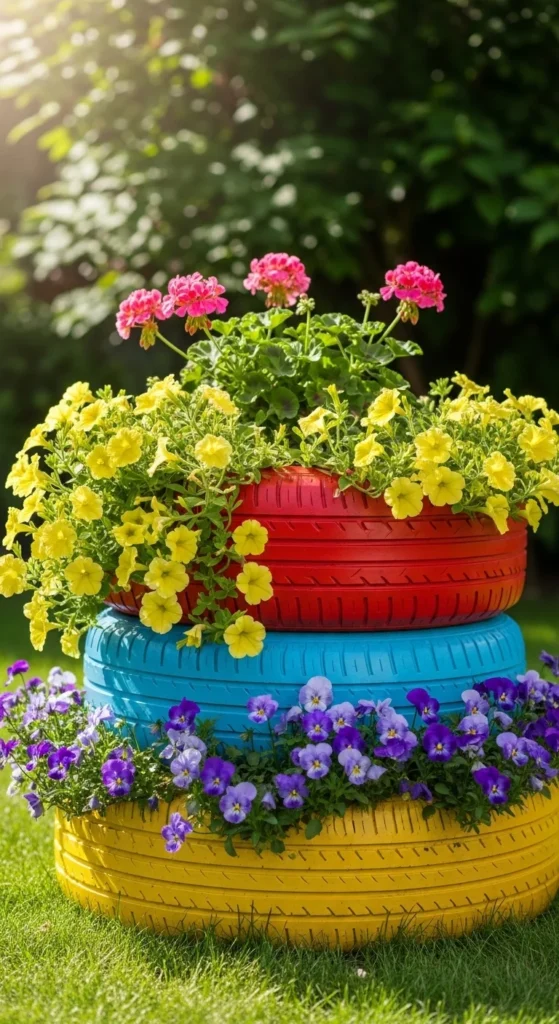
If you have old tires, you can turn them into a stacked planter tower. Clean them well, drill drainage holes, then paint in a simple color scheme. Stack two or three tires, fill with soil, and plant flowers or trailing plants.
For a cleaner look, keep colors muted and repeat one plant type. Add a few spillers like sweet potato vine or trailing petunias for softness.
Budget tip: ask local tire shops for damaged tires they’re discarding. Use liners inside the tires if you’re worried about soil contact, like heavy-duty plastic with drainage holes. Place the tower where it gets strong sun, since containers dry faster.
7. Crate Compost Bin for Small Yards
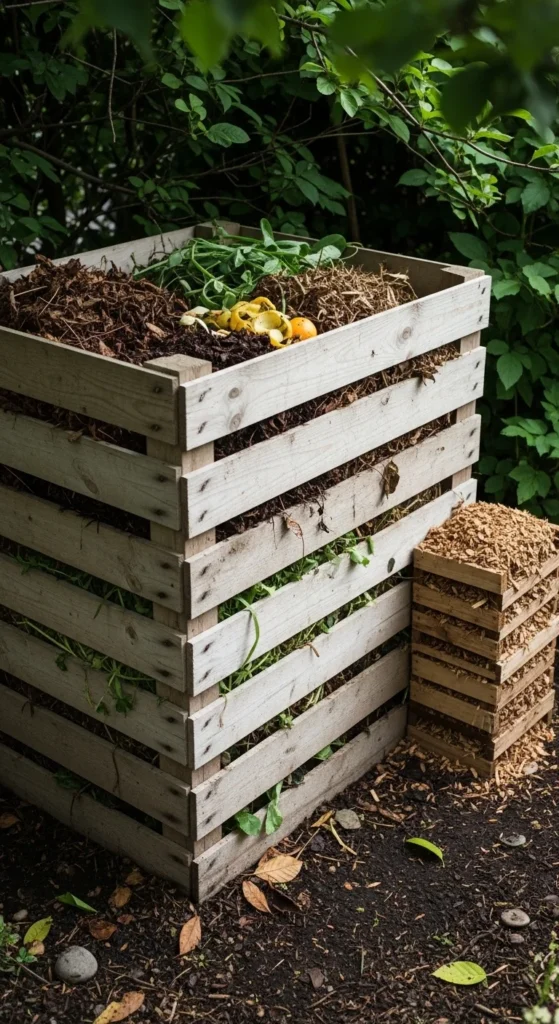
Compost doesn’t need a big setup. Stack wooden crates or build a simple box with slatted sides for airflow. Add kitchen scraps, dry leaves, and torn cardboard in layers. Keep it slightly damp, like a wrung-out sponge.
Turn the pile with a shovel every week or two. If you want faster breakdown, add a handful of finished compost or garden soil to “seed” the bin. Keep meat and oily foods out to avoid smells.
Budget tip: use free crates or pallets. Put the bin on bare soil so worms can enter. A small lid made from scrap plywood helps with rain and pests. Even a compact bin can produce great soil for containers and beds.
8. Twig Teepees for Climbing Beans
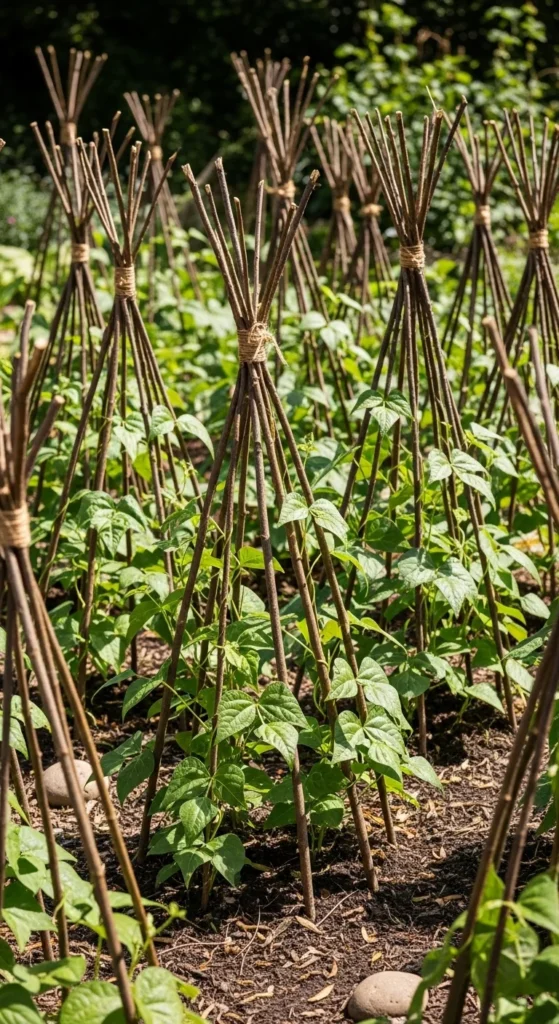
Twig teepees are one of the simplest garden builds. Gather straight branches, push them into the soil in a circle, and tie the tops together with twine. Plant beans, peas, or cucumbers at the base and guide vines upward.
This creates vertical growth without buying a trellis. It also looks natural and playful, which kids usually love. Keep the teepee tall enough so plants have room to climb.
Budget tip: use pruned branches from your own yard. If branches are thin, double them up for strength. Add mulch around the base so soil stays moist. This is a quick build with a big payoff once vines take off.
9. Scrap Mosaic Stepping Stones
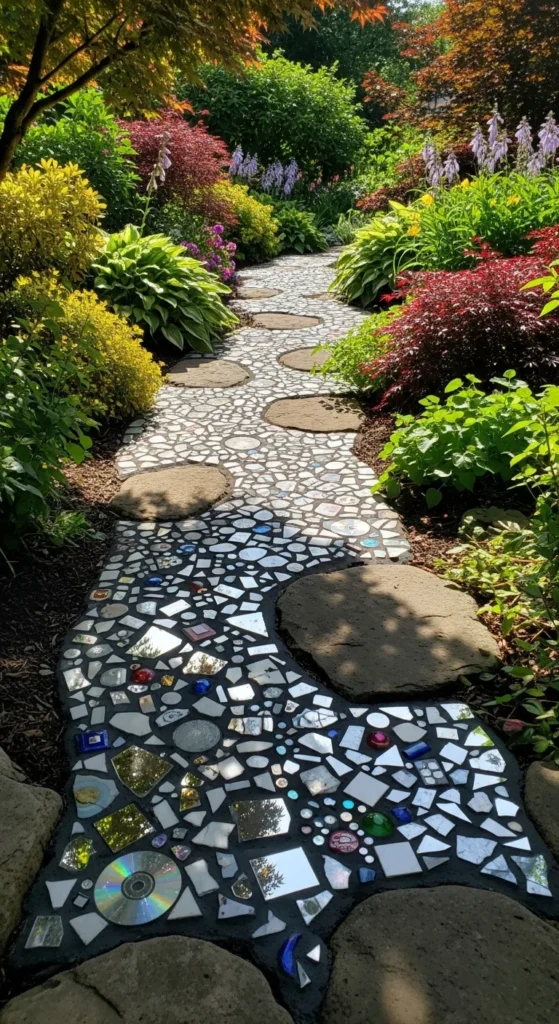
You can turn broken tiles, old plates, or even reflective scraps into a path feature. Start with plain concrete stepping stones or make your own with a simple mold. Press mosaic pieces into wet mortar on top, leaving small gaps.
Once dry, fill gaps with grout, wipe clean, and let it set. Place stones on a gravel base so they sit level. This is a great way to use leftovers that would be thrown away.
Budget tip: keep colors limited so it looks intentional. A simple pattern like a border ring is easier than a full picture design. This path adds personality and helps guide movement through the garden.
10. Egg Carton Seed Starters
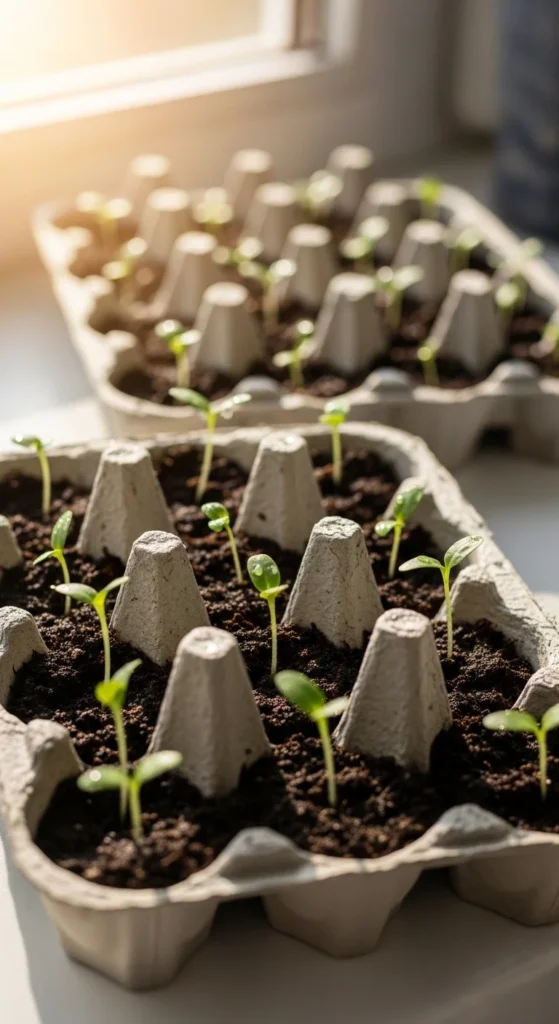
Egg cartons make easy seed trays. Fill each cup with seed-starting mix, plant seeds, mist with water, and place on a sunny windowsill. Keep the carton on a tray to catch drips.
Once seedlings grow, you can cut the cups apart and plant them directly if the carton is paper-based. The carton breaks down over time. This is a great family project because it’s simple and visual.
Budget tip: use a spray bottle for gentle watering. Label sections with toothpicks instead of writing. Start with easy seeds like basil, marigolds, or lettuce for quick results.
11. Wine Box Mini Raised Beds
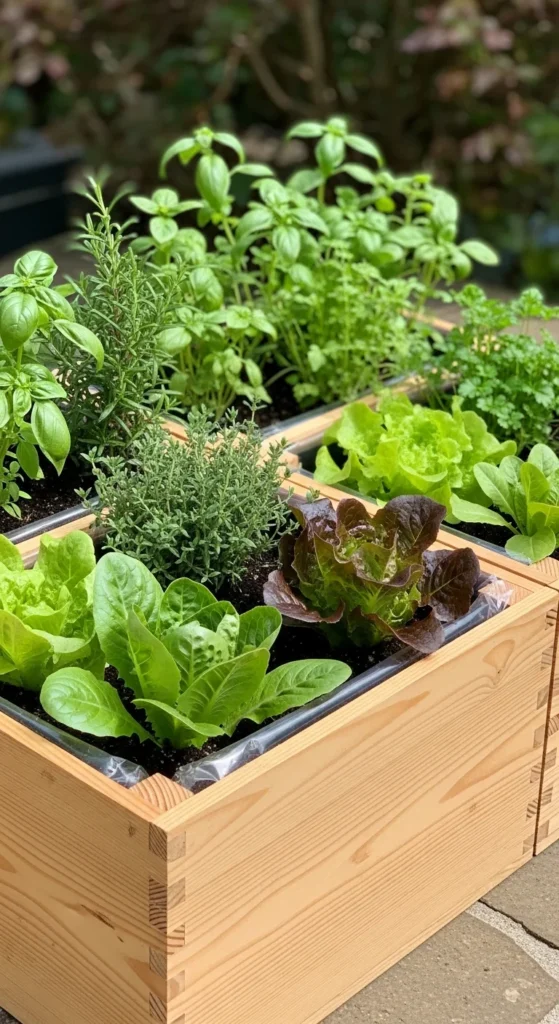
Wooden wine boxes can become tidy mini beds. Line them with thick plastic or a reusable grow bag liner. Poke drainage holes, fill with soil, and plant herbs or greens.
Arrange boxes in a neat grid for a modern look. You can place them on patios, balconies, or along a fence. Because boxes are small, they’re easy to rearrange.
Budget tip: ask local shops for empty boxes. Add a thin layer of gravel at the bottom for better drainage. If the wood is rough, stain it one simple color for a cleaner look.
12. Painted Tool Handles for Easy Finding
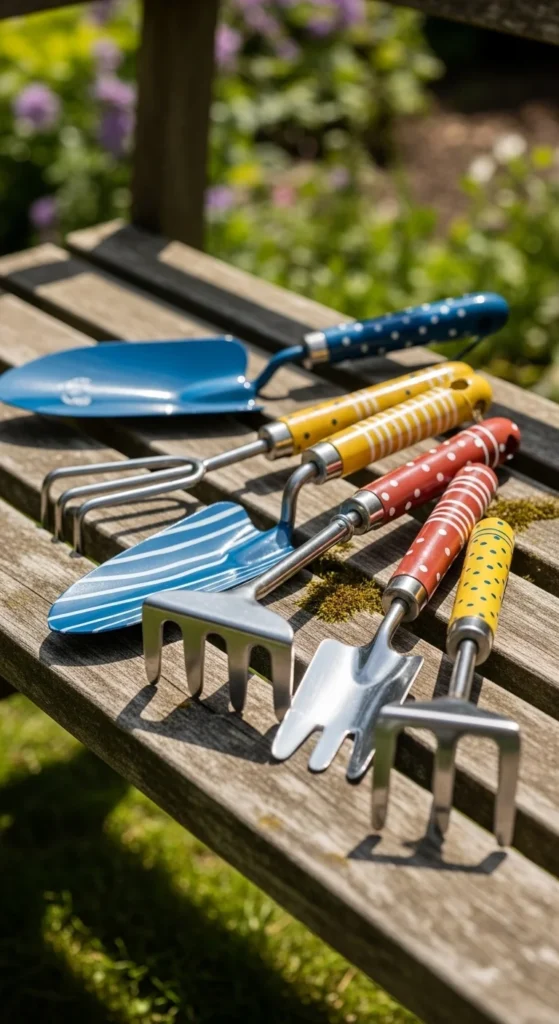
This project takes minutes, but it’s surprisingly useful. Paint tool handles bright colors or add simple stripe patterns. It makes tools easy to spot in grass or soil and adds a cheerful touch to your garden setup.
Use leftover paint or nail polish. Seal with a clear coat so it lasts longer. If you want a matching look, pick two colors and repeat them across tools.
Budget tip: wrap handles with scrap fabric or twine for grip before sealing. Kids can help with patterns. This is a low-cost way to make gardening feel more organized.
13. Jar Cloches for Seedling Protection
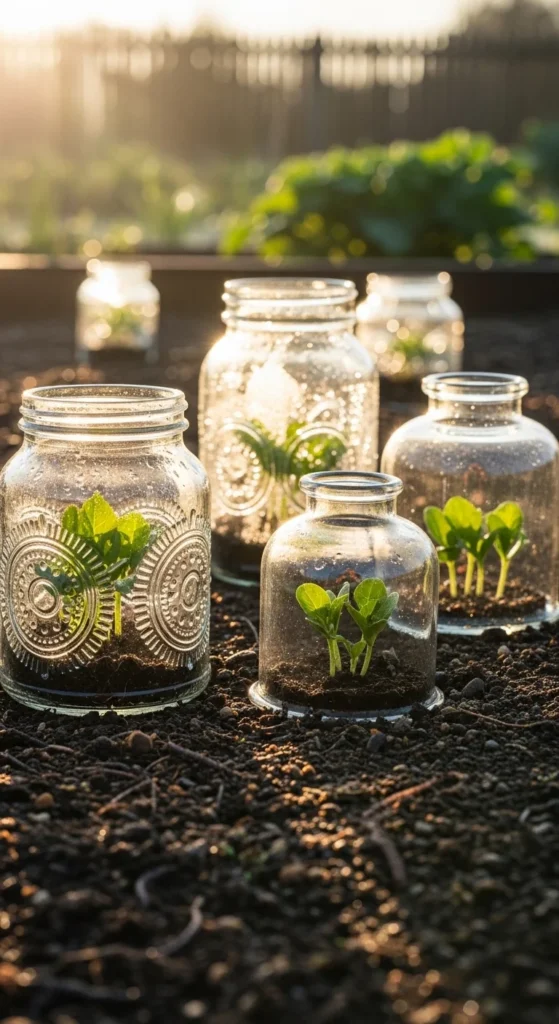
Glass jars can protect seedlings from cold nights, wind, and pests. Place a jar over young plants in the evening and remove it during the day so plants don’t overheat.
This is helpful in early spring or during sudden temperature swings. It also helps tender seedlings establish faster. Use jars with wide mouths for easier handling.
Budget tip: save pasta sauce jars or thrift glass domes. Press the jar slightly into soil so it seals at the edges. Add a small stick marker nearby so you don’t forget jars are there when watering.
14. Rope Hammock Swing Corner
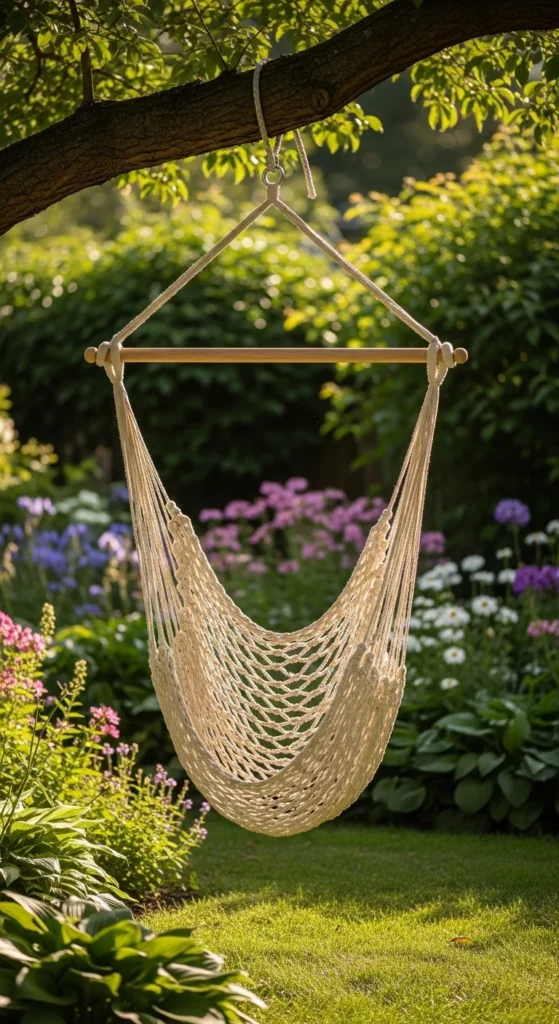
A small swing corner makes the garden feel like a place to stay. Hang a simple rope hammock or swing chair from a sturdy branch or a strong beam. Add a gravel pad or stepping stones underneath to keep the spot clean.
Keep it minimal. One swing, one small side table, and a few pots nearby is enough. Use plants with soft texture around the area to make it feel cozy.
Budget tip: check load limits and use proper hardware. If you don’t have a tree, use a basic A-frame stand. This adds comfort without a big remodel.
15. Shell or Pebble Bed Borders
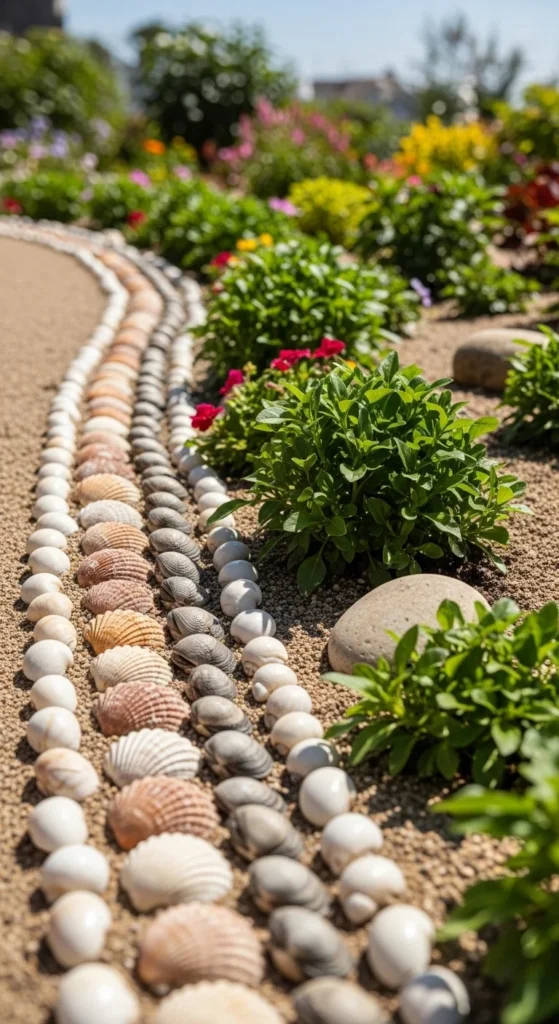
Borders make DIY gardens look finished. If you have shells, pebbles, or small stones, line them along the edge of a bed or path. Keep the border one stone wide for a clean look.
This helps hold mulch in place and creates visual separation. It also guides foot traffic away from plants. Use shells only if your local area supports it and you collected responsibly.
Budget tip: gather stones from your property or buy a small bag of river rocks. Wash them once and reuse for years. Borders are small details that make everything look more intentional.
16. Slow-Soak Rain Barrel Drip Hack
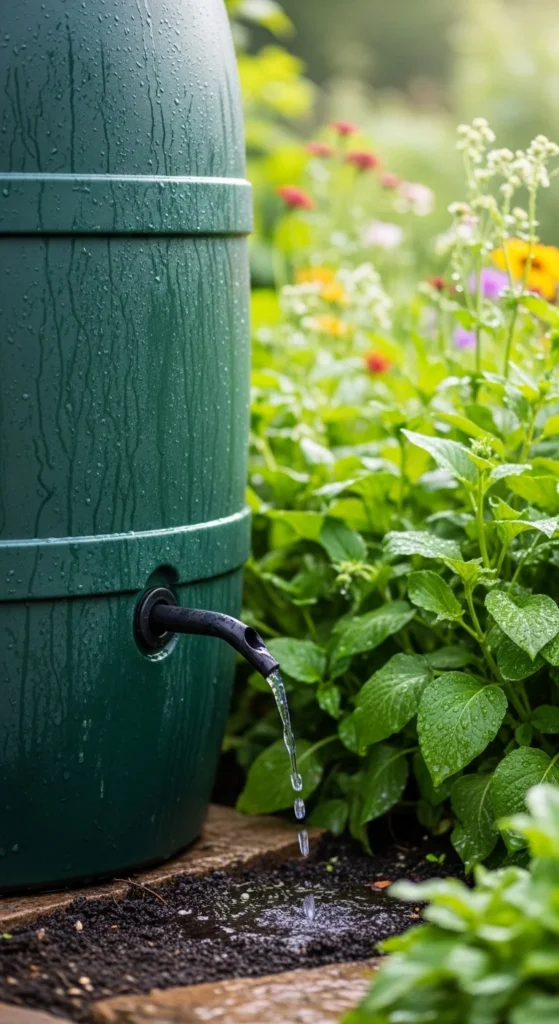
If you collect rainwater, you can turn it into a slow watering system. Attach a simple hose to the barrel spigot and add a tiny puncture near the end of the hose so water trickles out slowly into a bed.
Place the hose under mulch so it stays hidden. Use a clamp to control flow if needed. This is great during dry weeks when you want steady moisture without constant hand watering.
Budget tip: use leftover hose pieces and simple zip ties to pin the hose in place. Place the barrel on a stand so gravity helps. Even a small trickle can keep roots happier than occasional heavy watering.
17. Woven Branch Privacy Screen
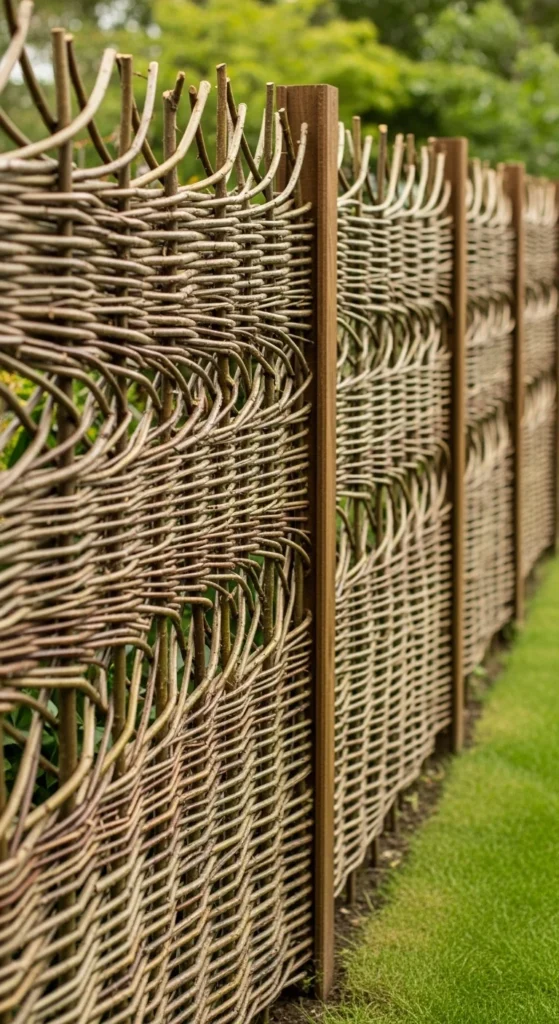
A woven screen adds privacy and looks natural. Use willow, hazel, or flexible branches and weave them between posts. You can create a short panel for a seating nook or a longer run along a boundary.
This works well for small spaces where fences feel too heavy. It also supports climbing plants if you want greenery later. Keep the weave tight near the bottom so it looks tidy.
Budget tip: use branches from pruning or local trimmings. For posts, use sturdy stakes or repurposed wood. A screen like this can shift a plain yard into a cozy corner.
18. Potato Sack Tower
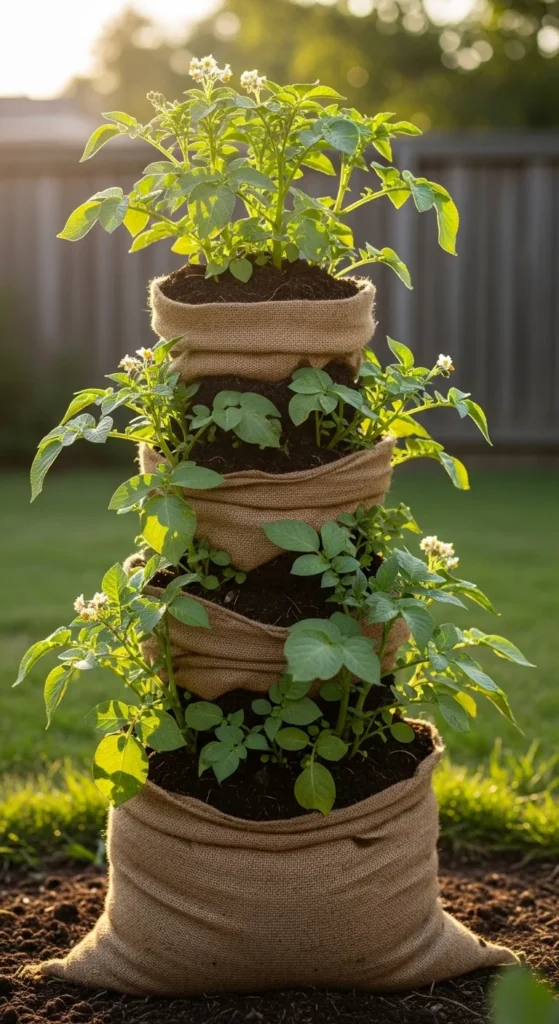
Potato sacks let you grow food vertically. Fill a fabric sack or reusable grow bag with soil, plant seed potatoes, and top up with more soil as plants grow. This encourages more tubers along the stem.
This project is great for patios and small yards. It keeps digging simple because you can tip the bag out at harvest time. Keep the bag in full sun and water when the top inch of soil feels dry.
Budget tip: reuse sturdy shopping bags or burlap sacks. Add straw or shredded leaves to help soil hold moisture. This is a fun family grow that feels rewarding.
19. Birdbath Bowl Fountain
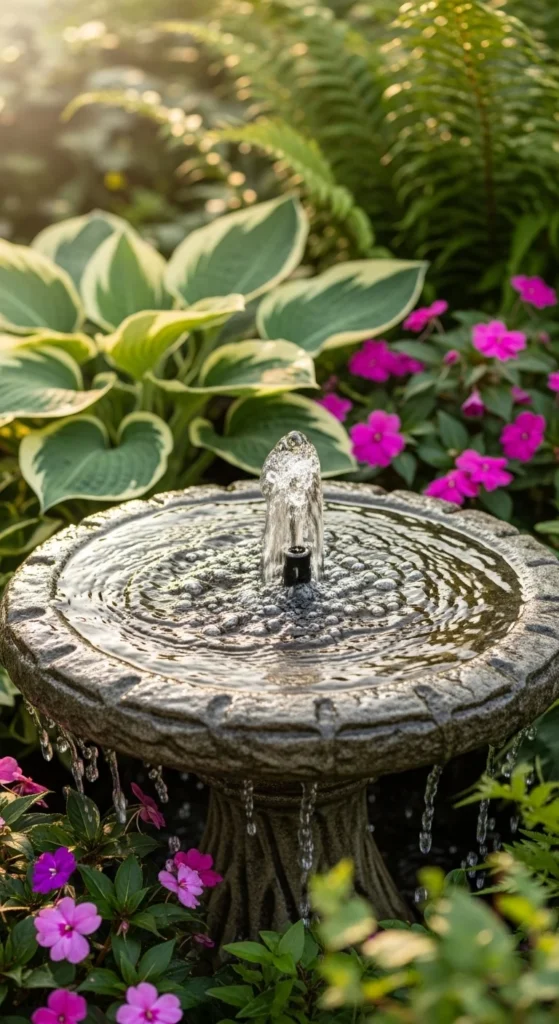
A small fountain adds sound and attracts birds. Use a shallow bowl or birdbath and add a small pump. Solar pumps are easy if the spot gets sun. Place stones around the pump to hide it and create a natural look.
Keep water shallow for safety and easy cleaning. Refill as needed, especially in hot weather. This can become a mini wildlife station when paired with nearby flowers.
Budget tip: thrift a large bowl and buy a basic pump. Set the bowl on a stable base so it doesn’t wobble. This is a high-impact project that feels peaceful right away.
20. Solar Jar Lantern Path
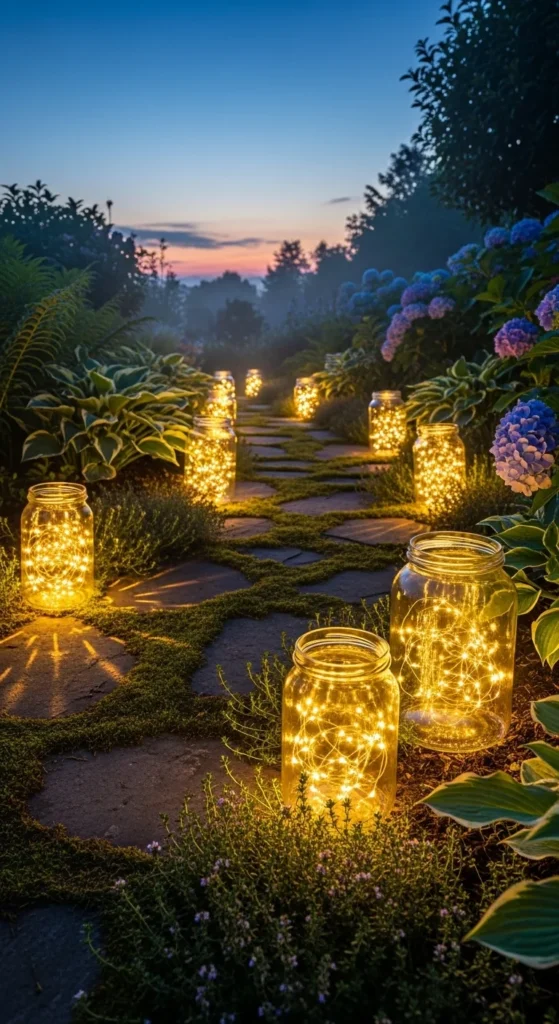
Jar lanterns make evening gardens feel welcoming. Put solar fairy lights inside jars and place them along a path, steps, or a patio edge. Use jars of different heights for a relaxed look.
This is easy for families to set up. It also helps guide people along walkways at night. Keep jars in spots where they won’t get knocked over.
Budget tip: reuse jars and buy one pack of solar lights, then spread them out. Add a little sand in the jar bottom for weight. This project is simple, low effort, and looks charming.
21. Scrap-Wood Pollinator Hotel
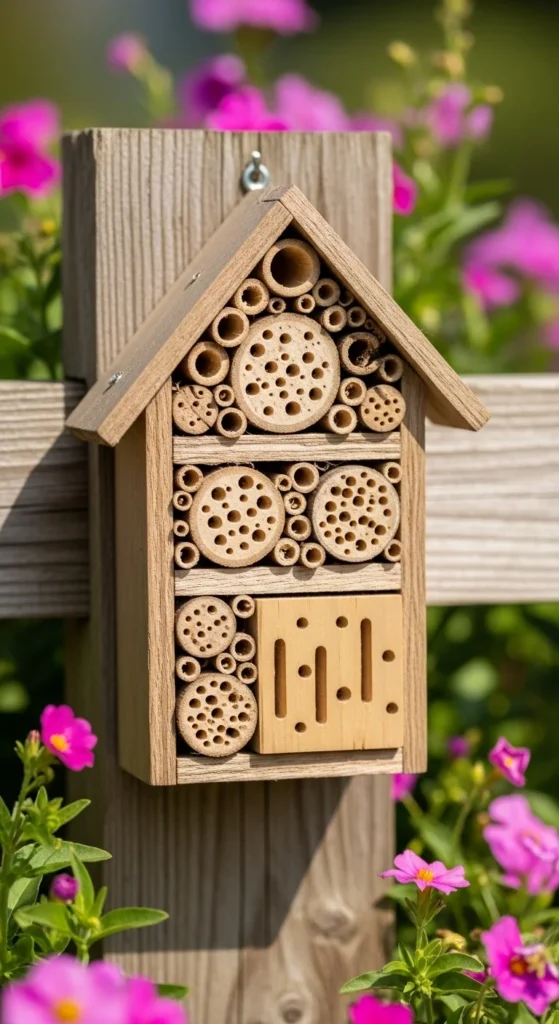
Pollinator hotels help beneficial insects find shelter. Use scrap wood to make a small frame, then fill it with bamboo pieces, drilled wood blocks, and dry stems. Mount it near flowers but away from heavy rain.
Keep it neat and compact. Too big can attract moisture problems. Use clean materials and drill holes carefully so edges aren’t sharp inside.
Budget tip: use pruned stems and leftover lumber. Place it at least a few feet off the ground. Pair it with a small patch of native flowers so pollinators have food nearby. It’s a simple eco project that also looks interesting.
22. Kitchen-Scrap Worm Bin
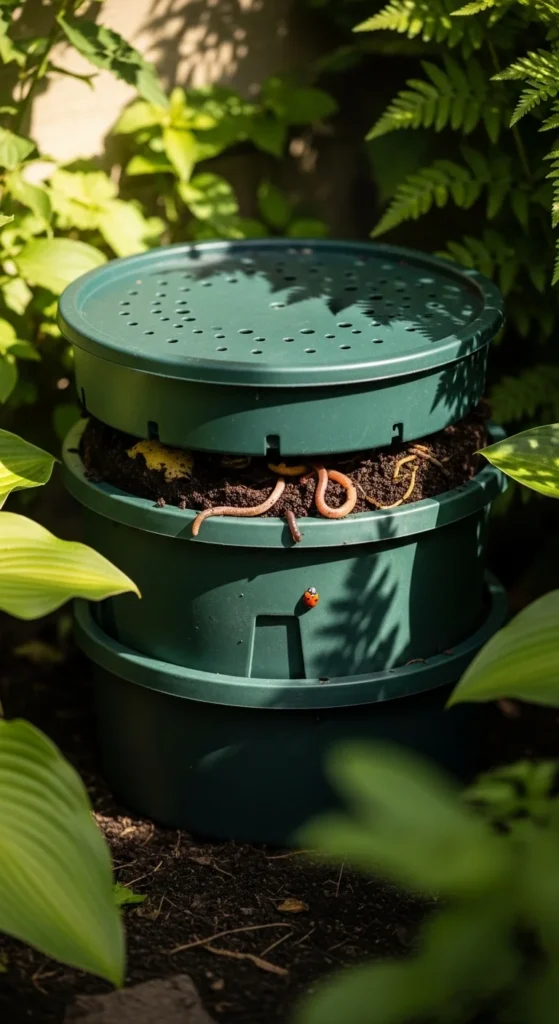
A worm bin is perfect for small spaces and steady compost. Use two stacked plastic tubs. Drill air holes near the top and drainage holes in the inner tub. Add shredded paper, a little soil, and worms, then feed small amounts of kitchen scraps.
Keep it in shade and avoid adding citrus and oily foods. Stir lightly once a week. The result is rich worm castings that make container plants thrive.
Budget tip: reuse storage tubs and cardboard. Keep the bin small so it stays easy to manage. This is a steady, low-mess way to recycle scraps into plant food.
23. Milk Jug Mini Greenhouse
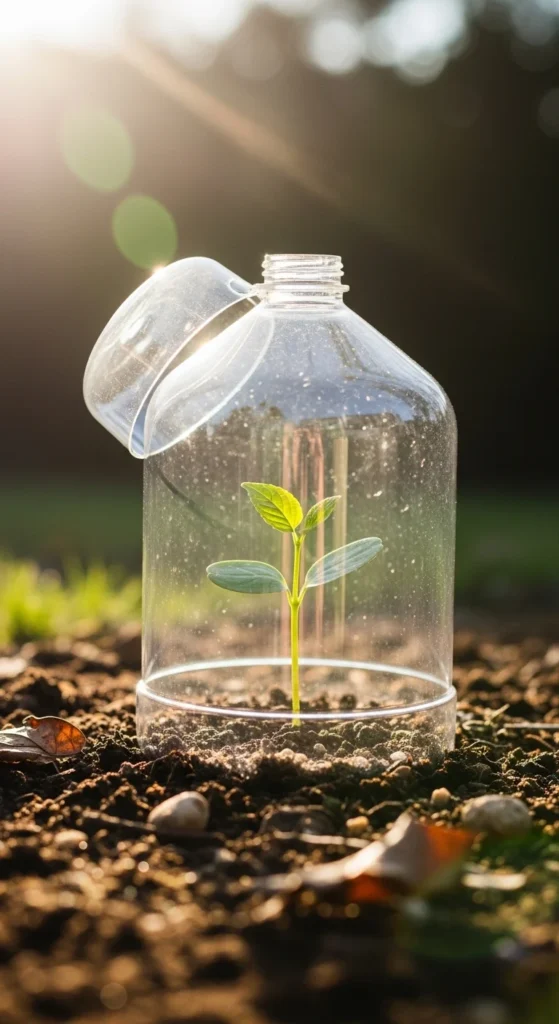
Milk jugs can become mini greenhouses for seedlings. Cut the jug almost in half horizontally, leaving a hinge at the handle side. Place it over a seedling like a cloche and open it during warm parts of the day.
This helps protect tender plants from wind and cool nights. It also keeps soil from drying as fast. Add small vent holes if your area warms quickly.
Budget tip: use clear jugs and remove labels for more light. Anchor the jug with a stone so it doesn’t blow away. This is a practical weekend project that can save young plants during unpredictable weather.
Conclusion
DIY garden projects work best when they solve a real problem: tight space, dry soil, messy corners, or a yard that feels unused. Start with one quick build—like a pallet planter, bottle drip system, or ladder rack—then add a small wildlife feature like a pollinator hotel or a bowl fountain. Keep materials simple, repeat a few plant choices, and focus on tidy edges. By the end of a weekend, you can have a garden that looks more finished, costs less, and feels easier to maintain.

Leave a Reply