

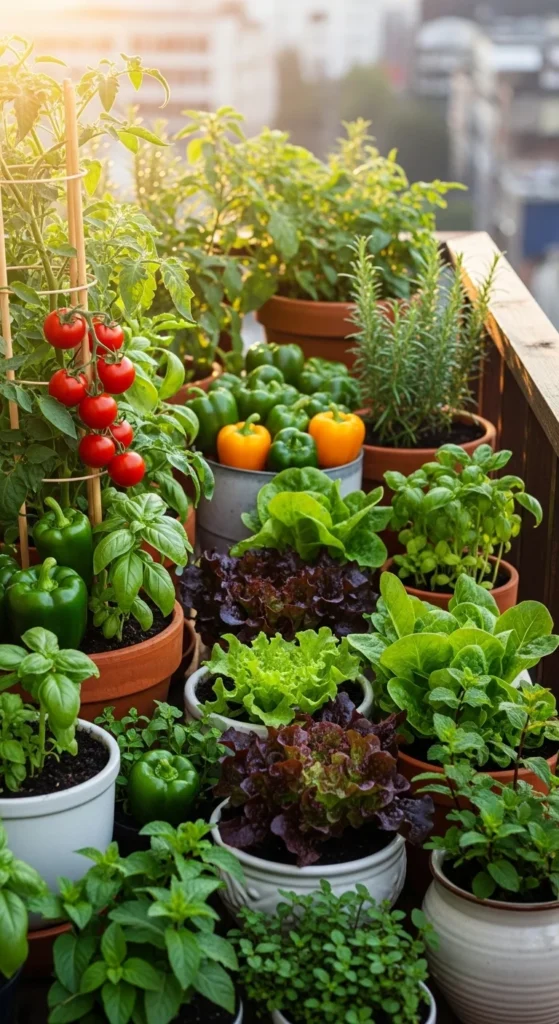
Container vegetable gardening makes fresh produce possible even when space is tight. With the right pots, soil, and sunlight, a small patio or balcony can transform into a mini farm. Whether growing dwarf tomatoes, crisp lettuce, or aromatic herbs, container gardening is versatile, manageable, and fun. These 25 ideas will help you maximize space, optimize yields, and keep your plants healthy—without bulky equipment or expensive setups.
1. Choose 5-Gallon Buckets for Large Vegetables
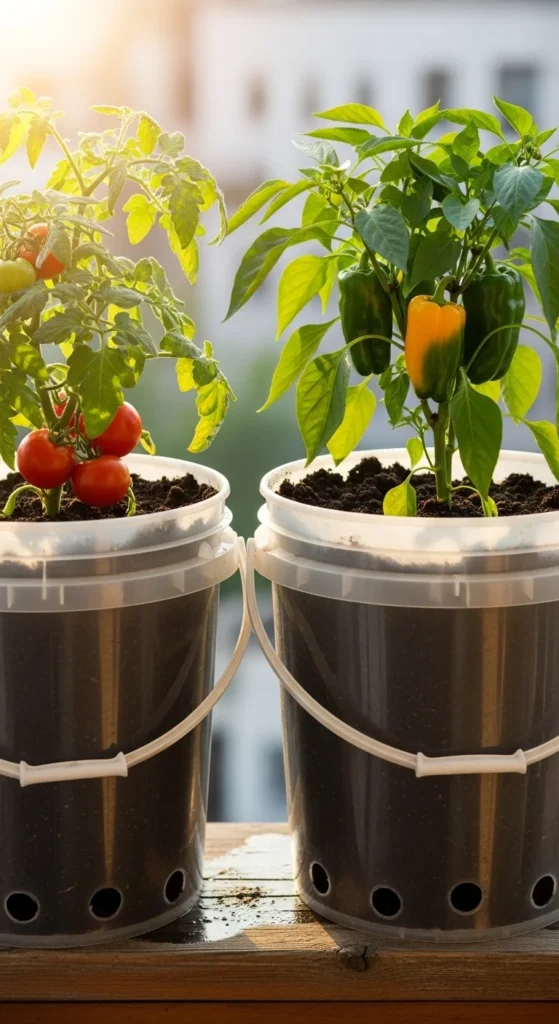
For veggies like tomatoes, peppers, or bush beans, 5-gallon containers provide enough root space to thrive. Drill extra drainage holes to prevent waterlogging. Lightweight, reusable buckets are budget-friendly and can be painted for a decorative touch. Arrange them so sunlight reaches all sides, and rotate weekly for even growth.
2. Maximize Sun with a Balcony Audit
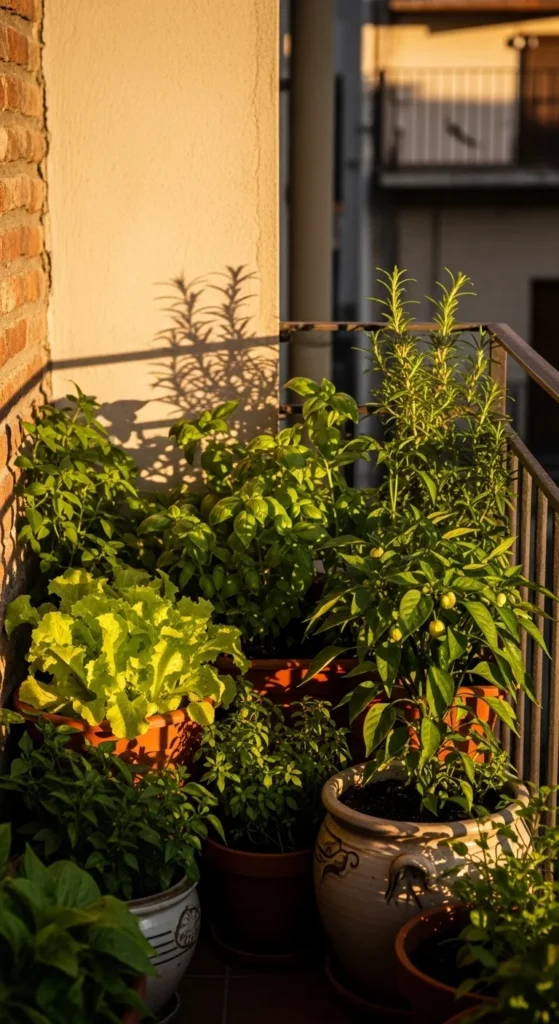
Most vegetables need 8+ hours of sunlight. Track your balcony’s light patterns for a week. Place sun-loving plants like tomatoes and peppers in the brightest spots. Use shorter, shade-tolerant crops like lettuce and spinach in corners. Regularly rotating pots ensures even growth and prevents leggy plants.
3. DIY Super Soil Mix
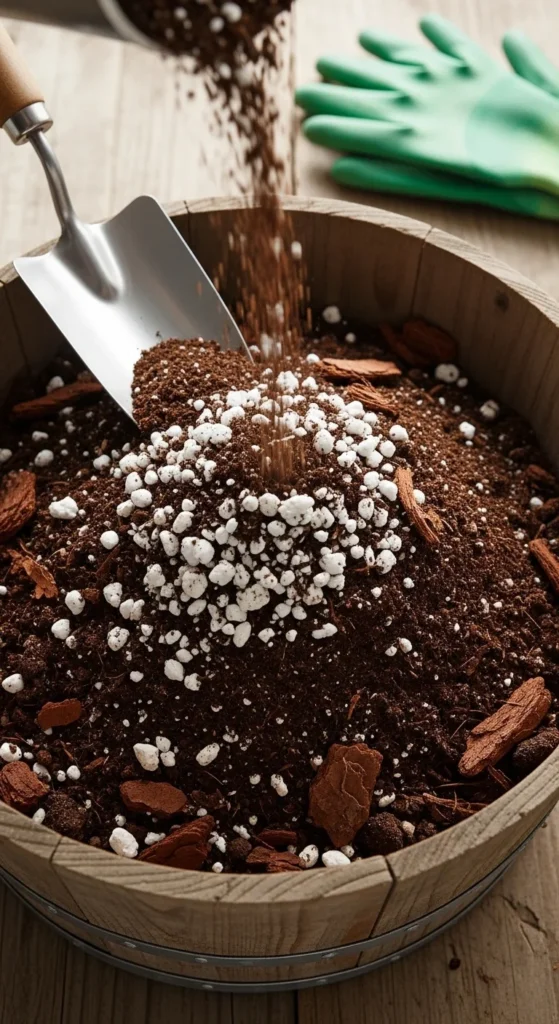
Mix 1/3 compost, 1/3 peat or perlite, 1/3 bark for nutrient-rich, well-draining soil. This “super soil” retains moisture and supplies nutrients throughout the season. Add a handful of worm castings for extra root support. Avoid compacted store-bought soil—it drains poorly and can stunt growth.
4. Daily Watering Routine
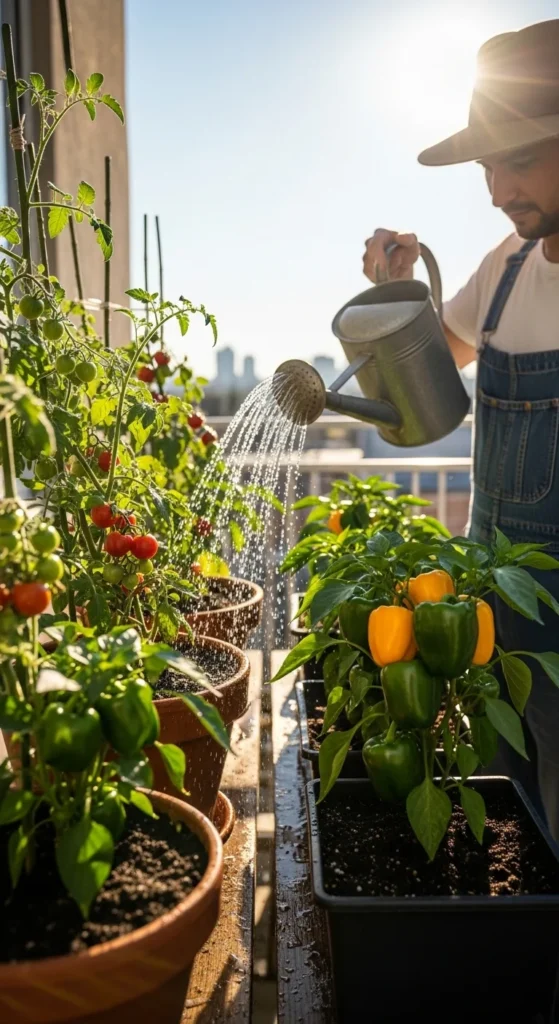
Containers dry out faster than garden beds. Check soil daily, especially in heat. Water deeply until excess drains. Self-watering pots or clay ollas can make this easier, giving roots a slow, steady hydration. Mulching the soil surface helps retain moisture and reduces daily effort.
5. Weekly Fertilizer Feed
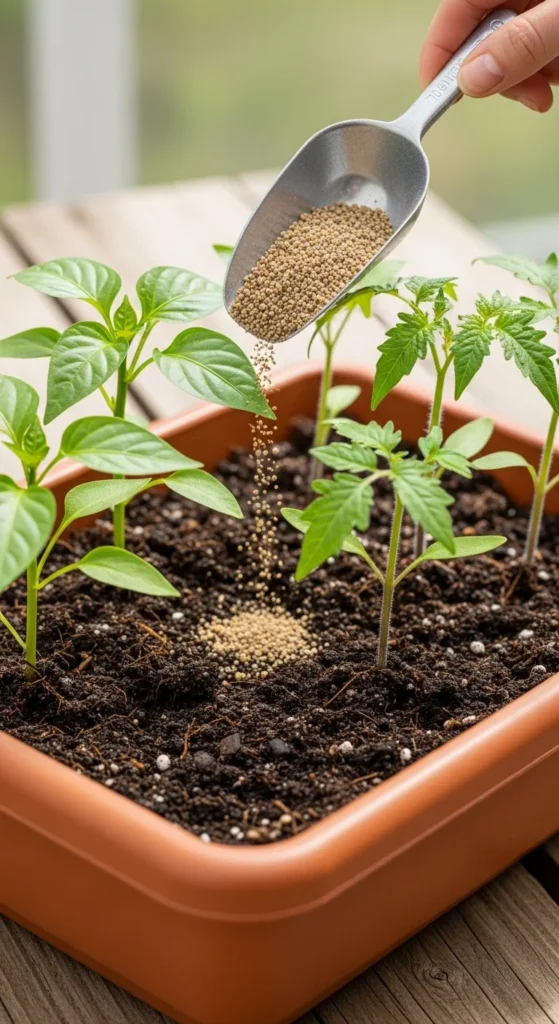
For steady growth, feed plants weekly with a balanced organic fertilizer like 5-5-5. Slow-release pellets minimize overfeeding and reduce washing nutrients away during watering. Rotate fertilizer types between leafy and fruiting vegetables to match nutrient needs. Always follow package instructions.
6. Compact Tomato Varieties
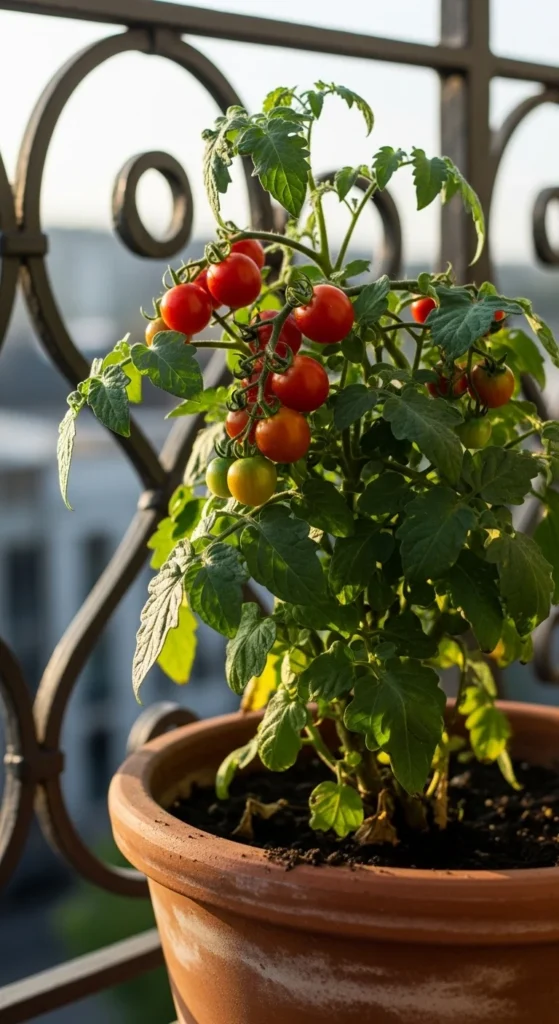
Dwarf tomato varieties thrive in 3-5 gallon pots and can yield over 10 pounds of fruit. Look for “bush” types labeled patio, determinate, or micro-dwarf. Support stems with small cages or stakes to prevent breakage. Harvest regularly to encourage continuous fruiting.
7. Shallow Pots for Quick Greens
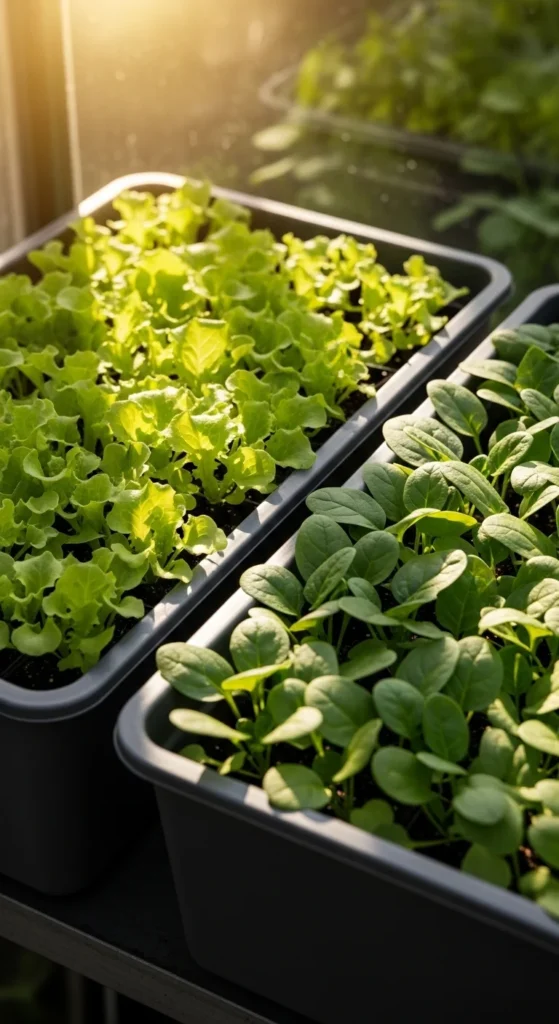
Lettuce and spinach grow well in 2-gallon shallow containers. They are fast, often ready in 4-6 weeks. Cut-and-come-again harvesting keeps leaves fresh without uprooting plants. Keep soil moist and nutrient-rich for a continuous supply of greens.
8. Vertical Trellis for Climbers
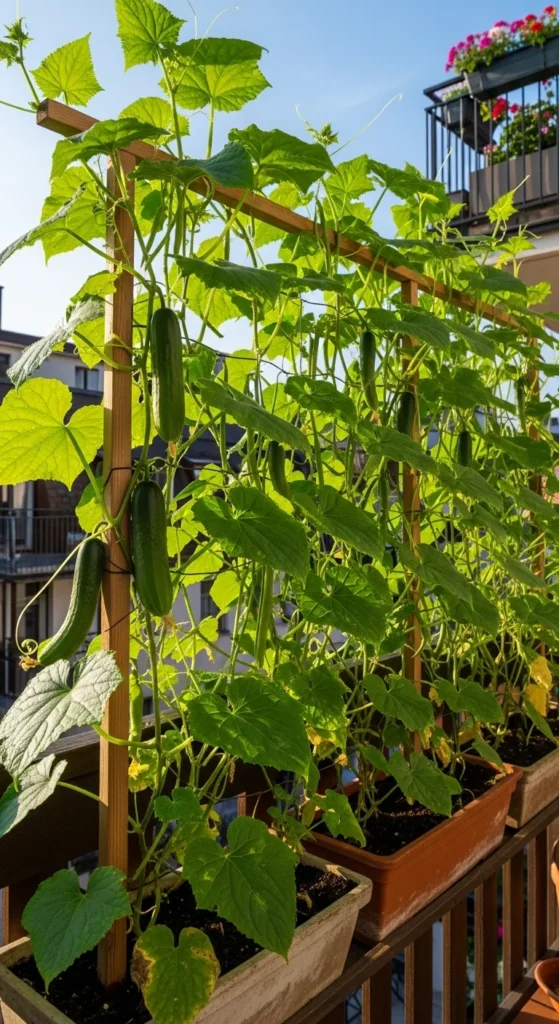
Maximize limited space with vertical trellises. Use them for cucumbers, beans, and peas. Bamboo stakes, string trellises, or DIY ladder systems save floor space. Regularly tie vines to supports, and prune lower leaves to improve air circulation and reduce pests.
9. Mulch to Retain Moisture
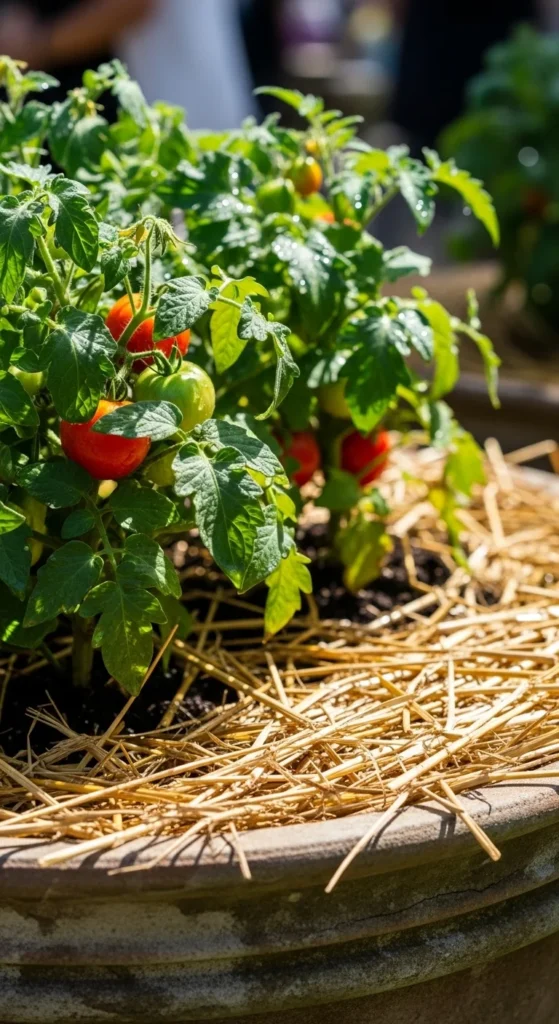
Mulch reduces evaporation and keeps soil temperature stable. Straw, shredded leaves, or compost works well. A thin layer of mulch also discourages weeds and protects root surfaces. Refresh mulch every few weeks during hot seasons.
10. Self-Watering Pots
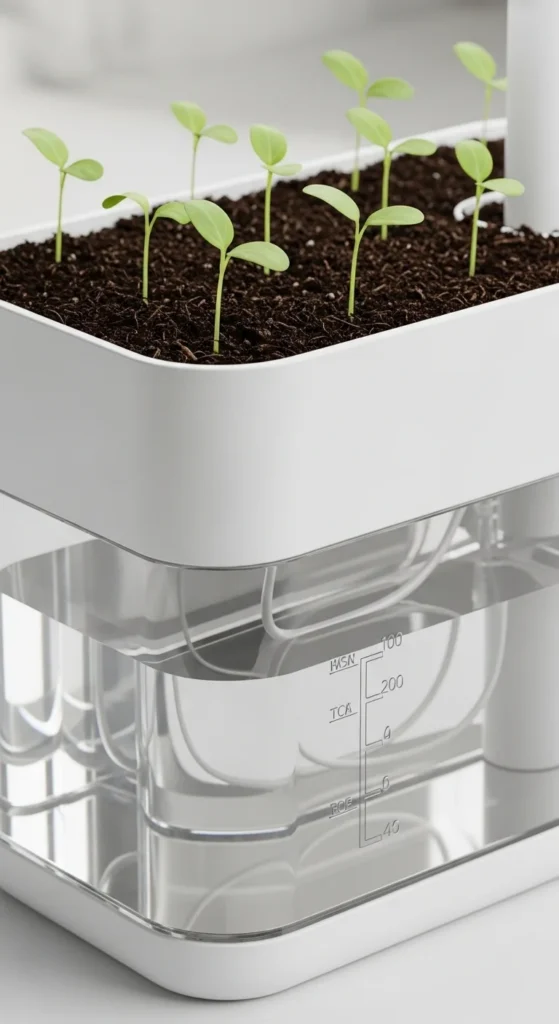
Ideal for busy gardeners, self-watering pots reduce daily watering. They provide consistent moisture to roots and prevent overwatering. Pair with slow-release fertilizer to minimize maintenance during vacations or long workdays.
11. Fast-Ripening Radishes
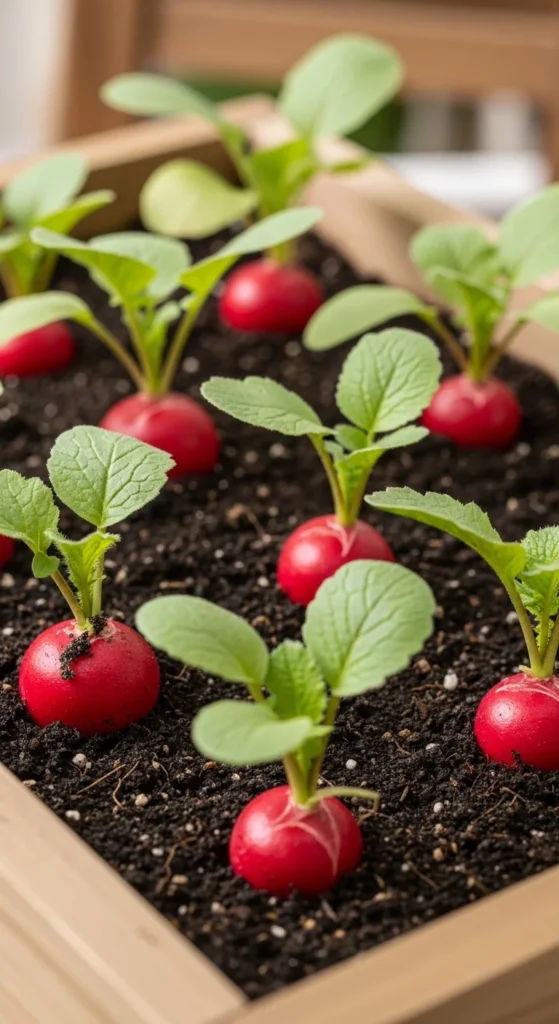
Radishes mature in 3-4 weeks. Use shallow containers (6-9 inches deep). They’re perfect for quick, rewarding harvests. Sow seeds densely, then thin seedlings to avoid overcrowding. Regular watering keeps radishes crisp and flavorful.
12. Heat-Loving Peppers
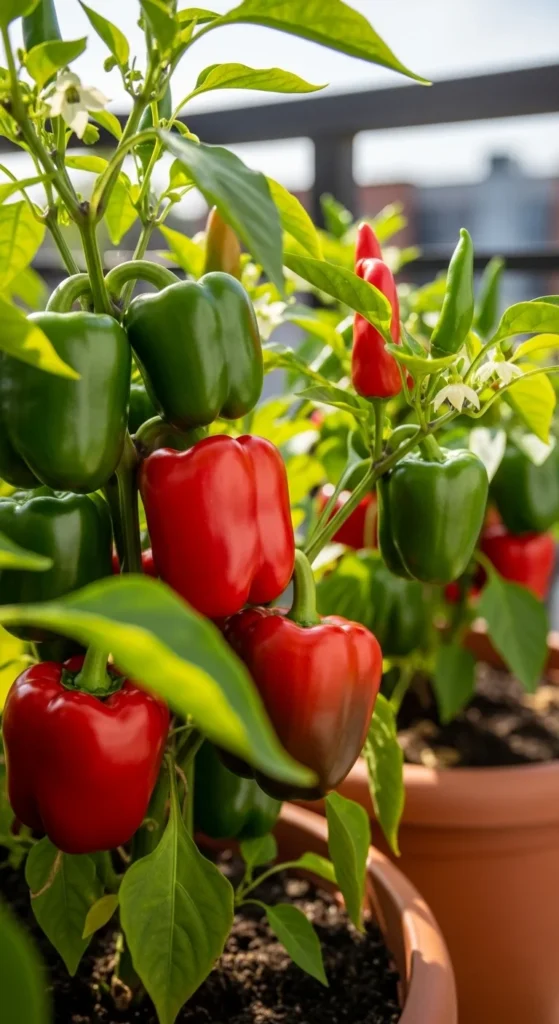
Peppers thrive in warm, sunny spots. Containers help heat-loving crops stay cozy. Rotate pots weekly for even sun exposure. Fertilize lightly every 7-10 days with a balanced organic feed. Harvest regularly to encourage new growth.
13. Companion Herbs in Pots
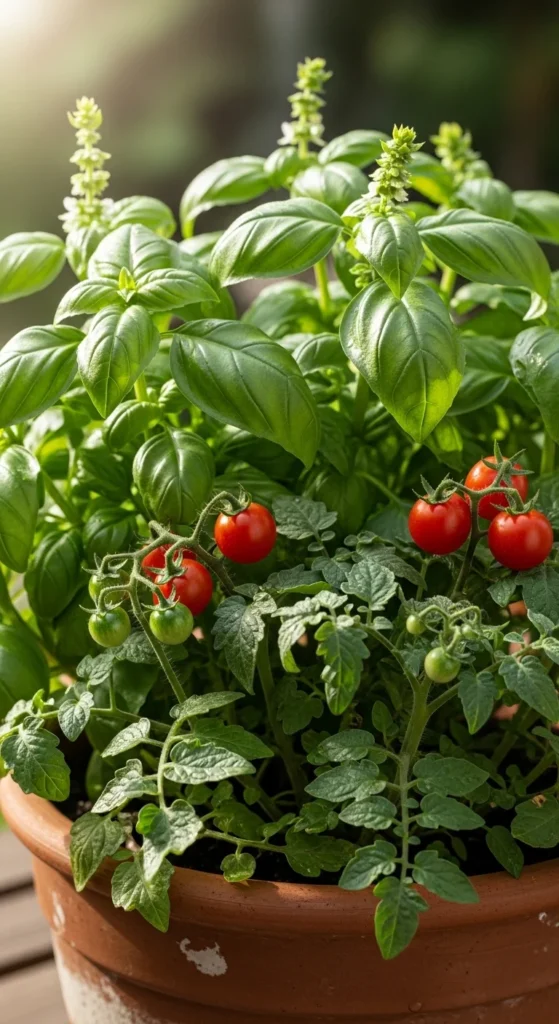
Plant herbs like basil, parsley, or cilantro with vegetables. They deter pests, improve flavor, and fill gaps. Small pots can host a tomato-basil duo. Rotate or trim herbs regularly to keep plants healthy and productive.
14. Extra Drainage Holes
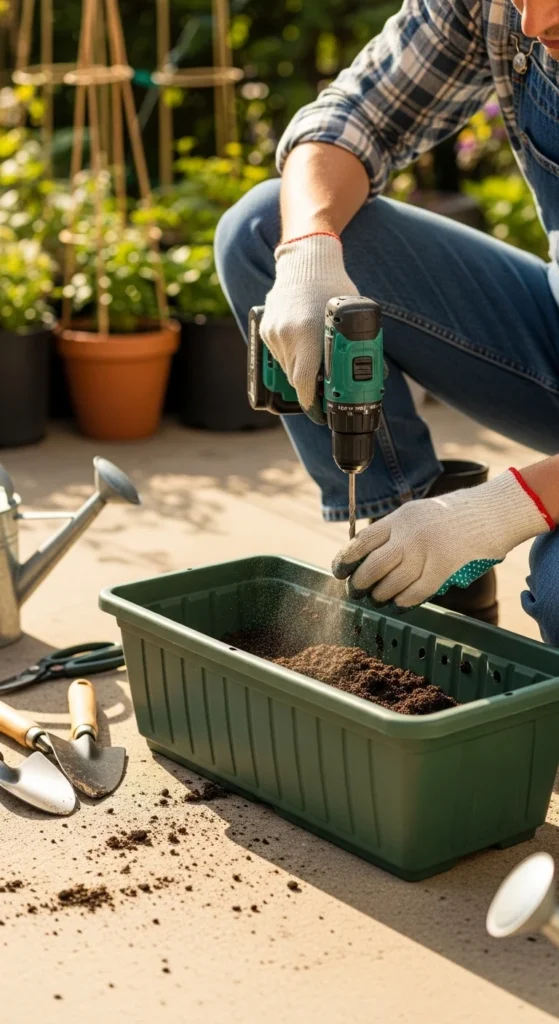
Prevent root rot by adding extra drainage holes. Even 1-2 extra holes make a difference for moisture control. Place a layer of gravel or broken pottery at the bottom for better drainage and root protection.
15. Rotate Pots for Sun
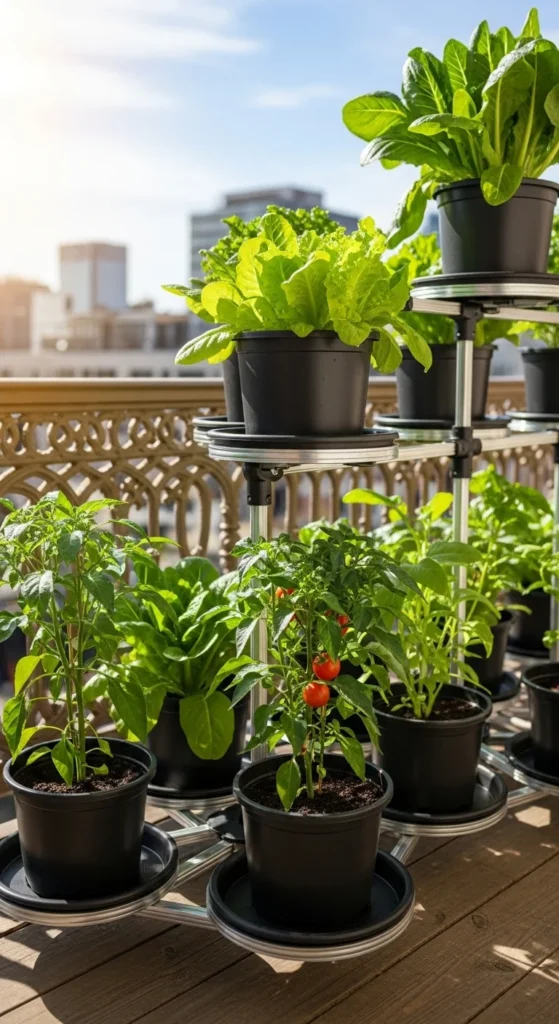
Rotating pots weekly prevents uneven growth. Plants stretch toward the sun, so turning containers ensures even foliage development. Lightweight pots make rotation easy, even on small balconies.
16. Microbe Magic for Roots
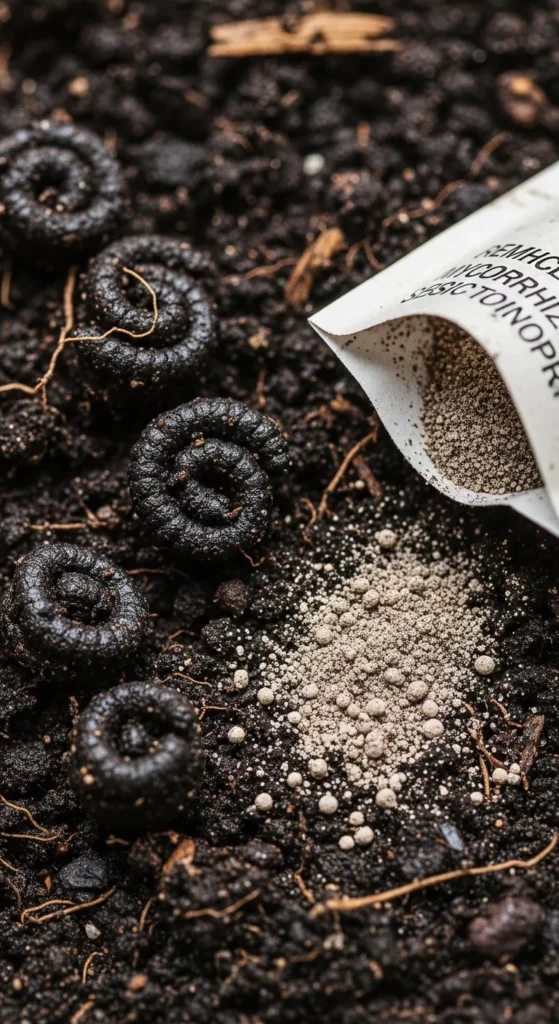
Add worm castings or mycorrhizae to containers to improve root health. These microbes enhance nutrient uptake and help plants survive dry spells. Mix into soil before planting or sprinkle around roots during watering.
17. Bush Varieties for Beginners
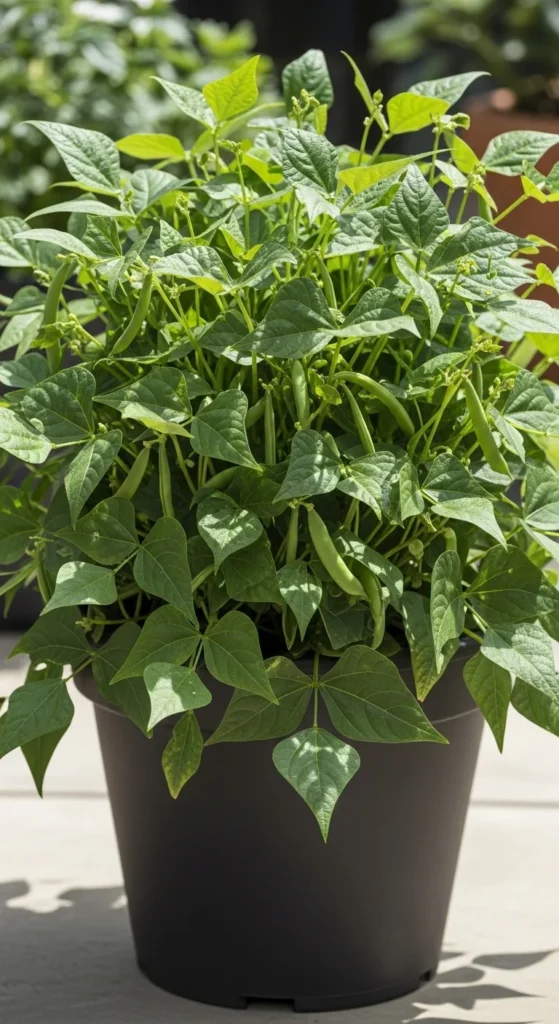
For first-time container gardeners, bush varieties are easier than vining types. They stay compact, require minimal support, and still yield plenty. Try bush beans, cherry tomatoes, or mini peppers for a hassle-free start.
18. Root Depth Awareness
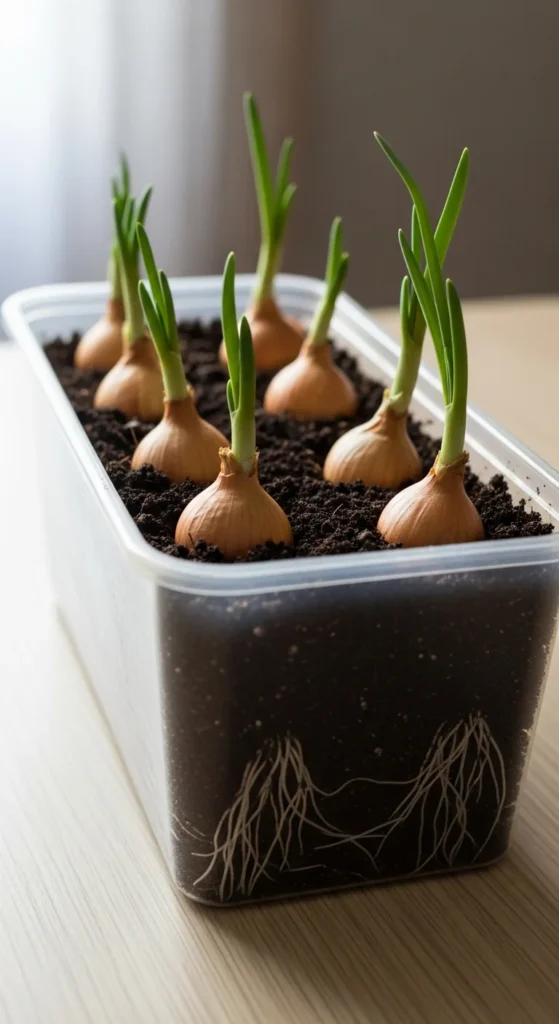
Match container depth to the root system. Onions and radishes need 6-9 inches, while carrots prefer deeper pots. Avoid overcrowding, and ensure soil is loose to allow roots to grow straight.
19. Layered Containers
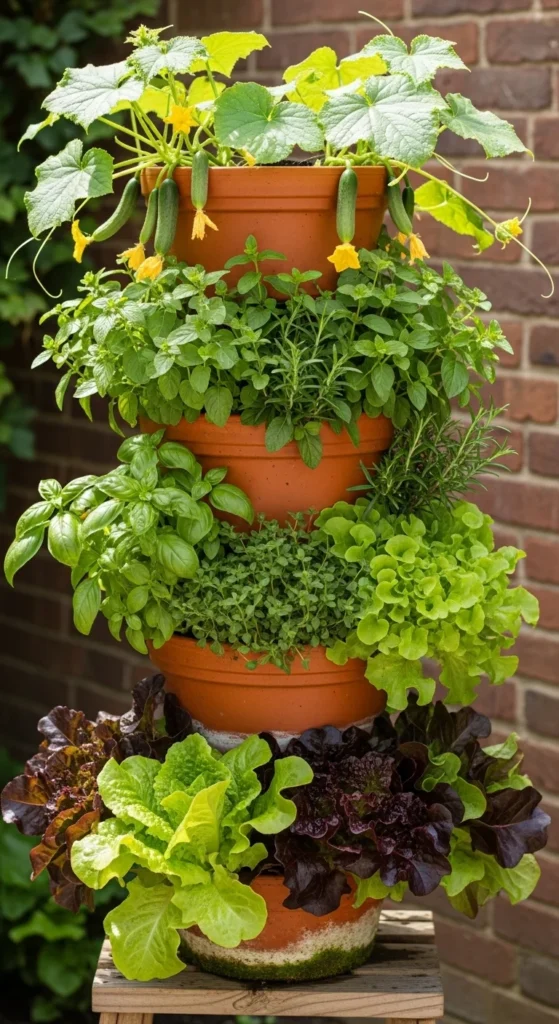
Stack containers for a micro-farm effect. Small, vertical systems maximize floor space. Place trailing crops on top levels to cascade down, while upright plants stay lower. Ensure lower pots still receive sunlight.
20. pH Testing & Adjustment
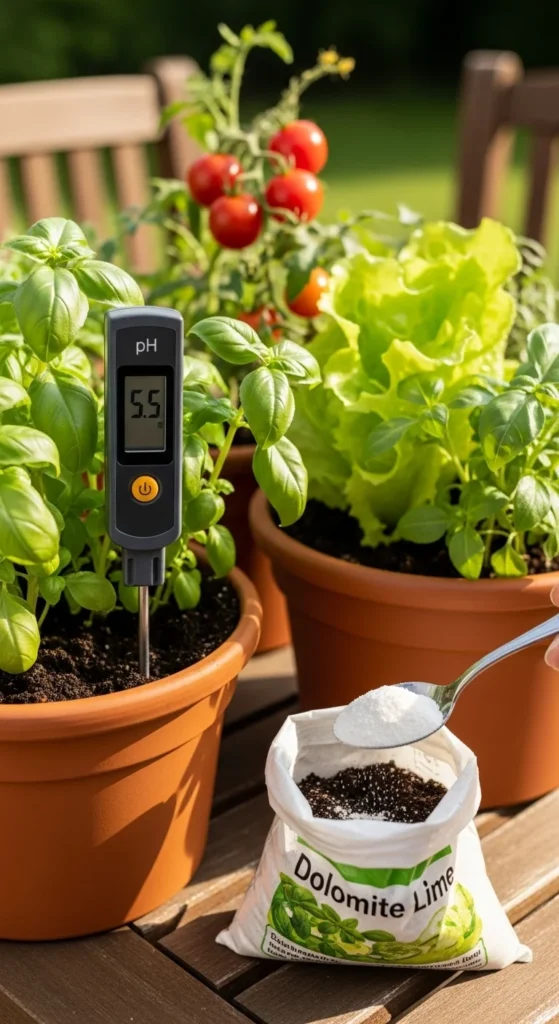
Vegetables prefer pH 6.0-7.0. Test soil every season. Use dolomite lime to raise pH, or organic amendments to lower it. Balanced pH improves nutrient uptake, resulting in healthier, more productive plants.
21. Cut-and-Come-Again Spinach
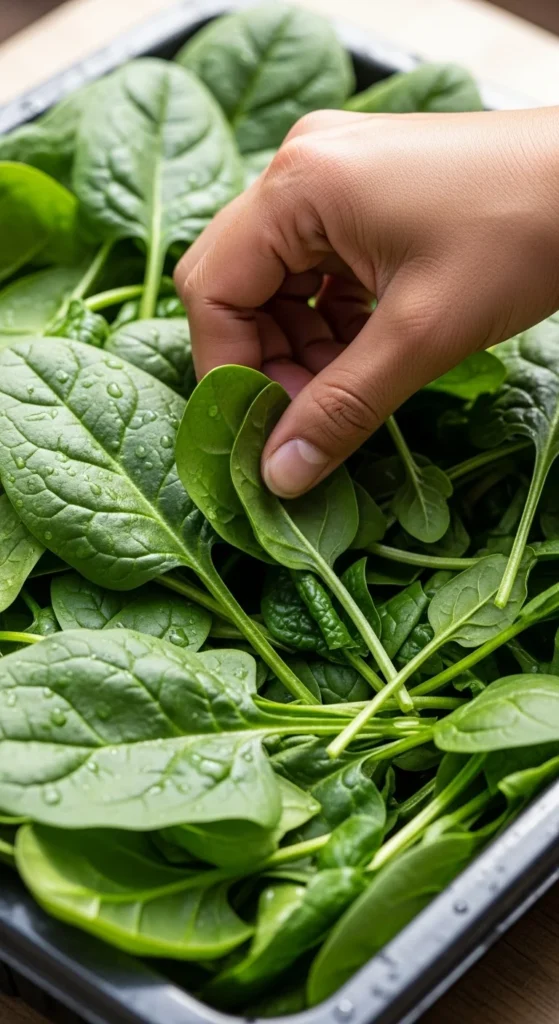
Sow dense spinach and harvest leaves gradually. This technique provides continuous harvests without uprooting plants. Keep soil consistently moist and fertilized lightly for best results.
22. Olla Clay Pot Irrigation
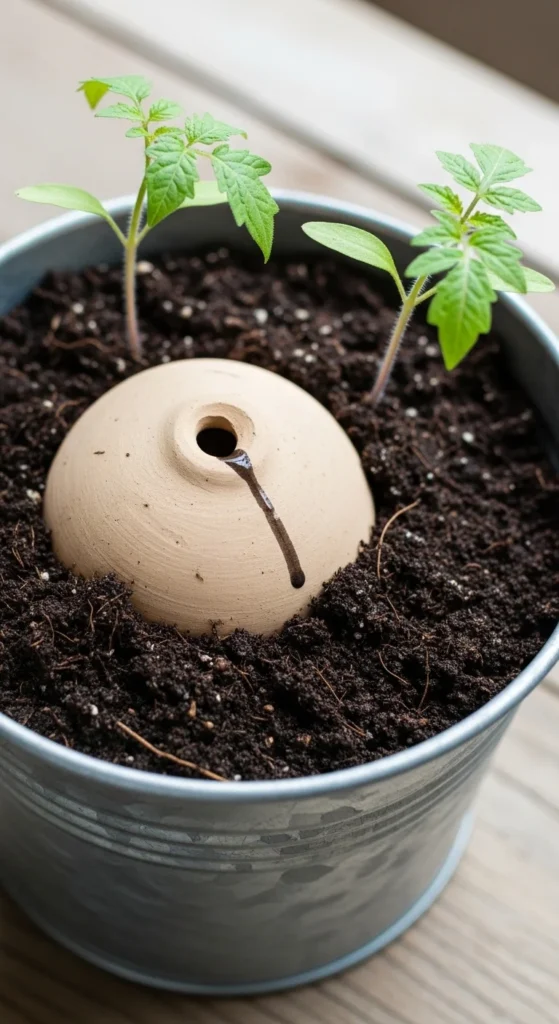
Bury an olla in larger containers. Fill it with water, and it slowly hydrates roots. This method conserves water, targets the roots, and reduces surface evaporation. Ideal for hot climates or busy gardeners.
23. Stock Tank Conversions
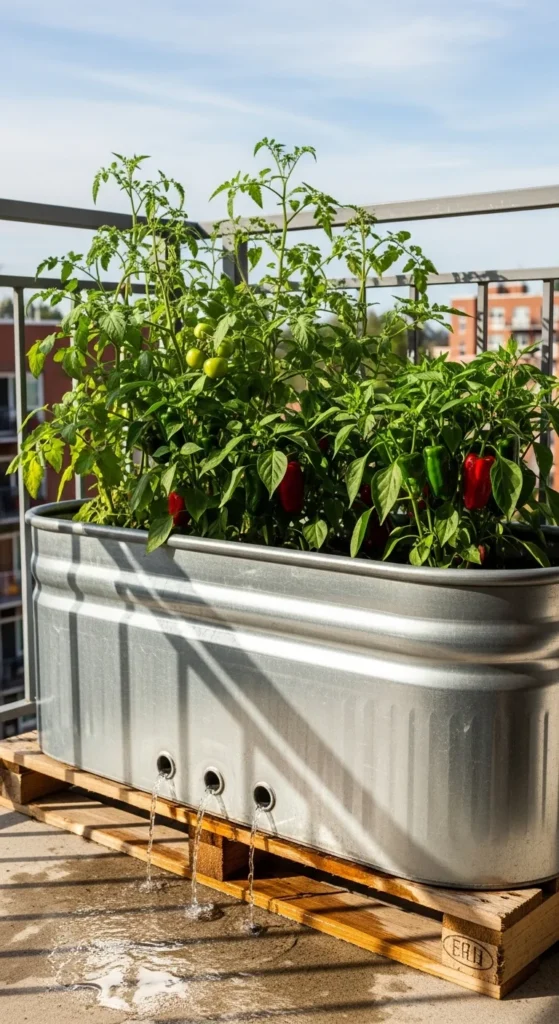
Large stock tanks make excellent containers for multiple vegetables. Drill bottom slits for drainage, fill with super soil, and plant a mix of veggies. These tanks are durable and perfect for creating a small balcony farm.
24. Elevated Containers for Pest Control
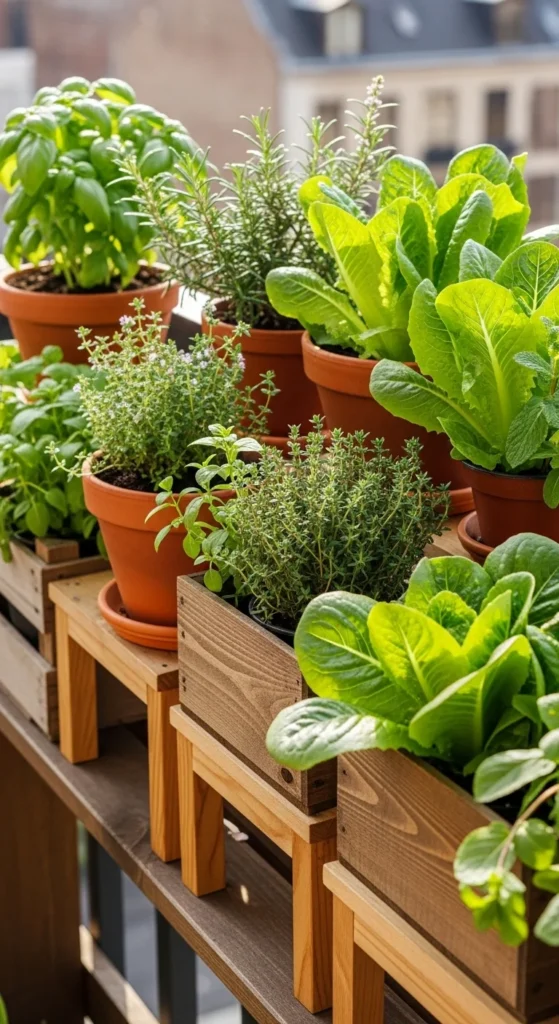
Raise containers to keep pests away. Slugs, snails, and small critters are less likely to reach plants. Even a few inches of elevation improves airflow, reduces moisture on leaves, and makes harvesting easier.
25. Quick Harvest Herbs
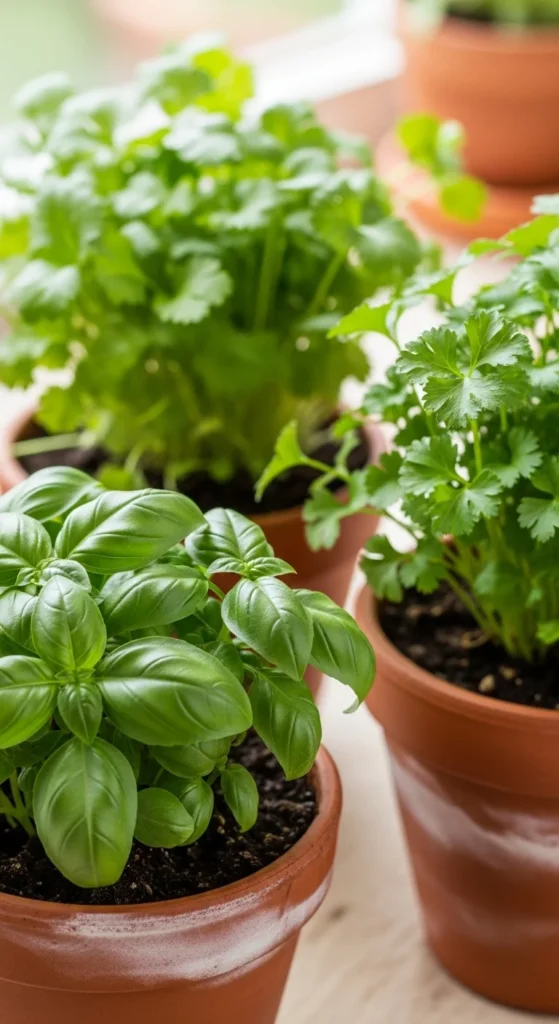
Herbs like basil, cilantro, and parsley fill gaps in container gardens. They grow quickly and can be harvested repeatedly. Plant between vegetables to save space and add flavor to meals straight from your balcony.
Container vegetable gardening proves that space is no barrier to fresh, homegrown produce. By selecting the right pots, soil, and plant varieties, and combining clever watering and vertical techniques, even the smallest balcony can become productive. Start small, plan smart, and enjoy the satisfaction of harvesting your own vegetables every week.
Leave a Reply