

Imagine turning your kitchen scraps and yard waste into rich, dark soil that makes your plants thrive. Composting is like nature’s recycling system—easy, rewarding, and budget-friendly. Plus, it’s one of the best ways to reduce waste while feeding your garden.
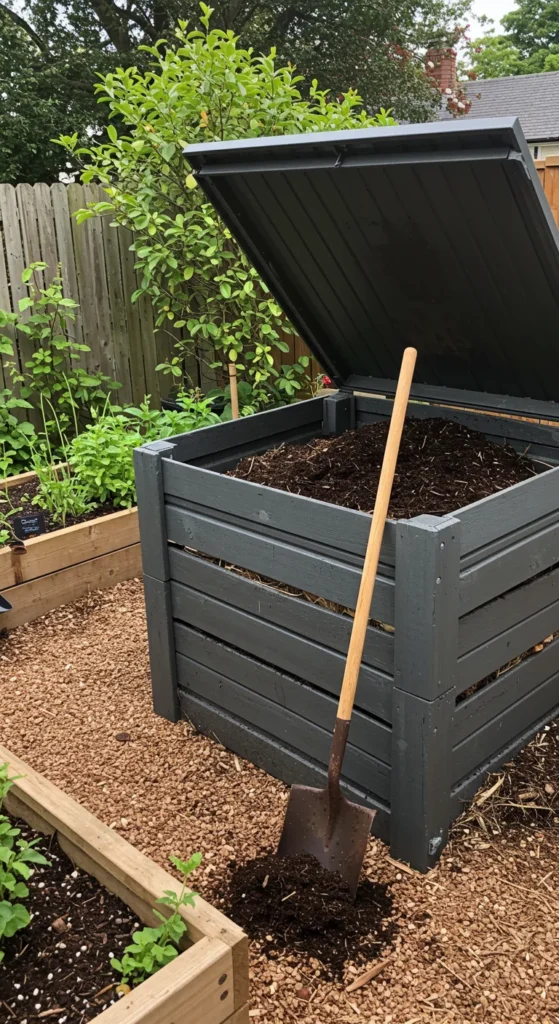
Step 1: Pick the Right Spot
Your compost pile or bin doesn’t need much space, but location matters.
- Choose a dry, shady spot near a water source.
- Make sure it’s easy to access so you’ll actually use it.
- If you’re short on space, try a compact compost bin or even a DIY bucket system.
Step 2: Know What to Compost
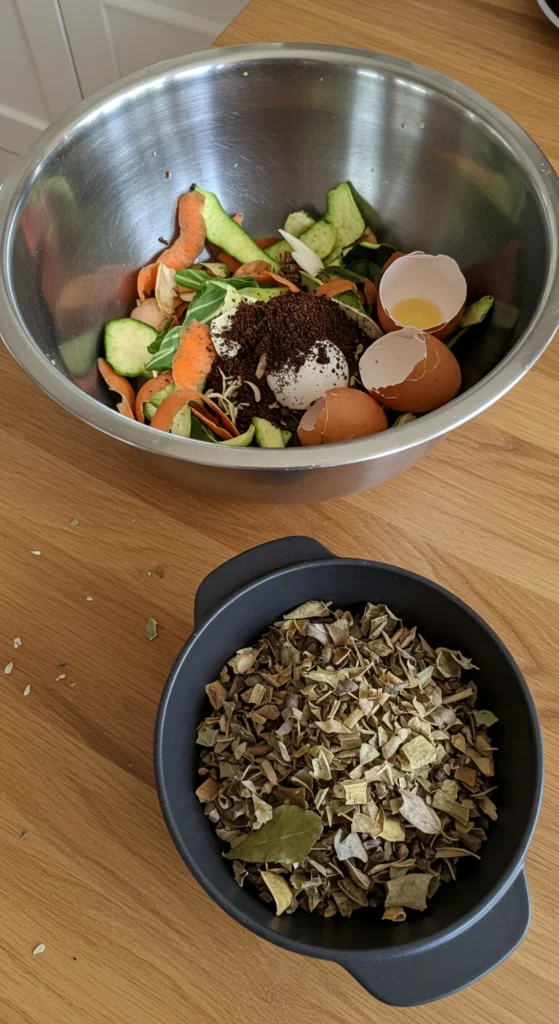
Great compost is all about balance. You’ll need a mix of “greens” (nitrogen-rich) and “browns” (carbon-rich).
Greens (wet materials):
- Fruit and veggie scraps
- Coffee grounds
- Grass clippings
Browns (dry materials):
- Dry leaves
- Cardboard or shredded paper
- Twigs and small branches
Avoid meat, dairy, and oily foods—they can smell bad and attract pests.
Step 3: Layer Like a Pro
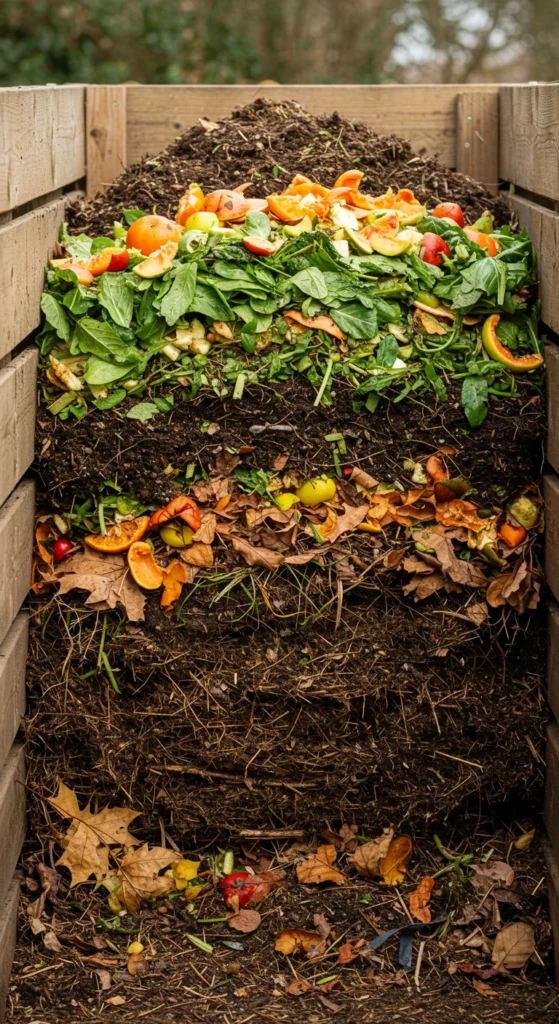
Think of composting like building a lasagna. Layers help everything break down evenly.
- Start with a base of browns (like twigs or dry leaves).
- Add a layer of greens (like food scraps).
- Keep stacking, alternating browns and greens.
Aim for two parts brown to one part green. This ratio keeps odors away and speeds up the process.
Step 4: Keep It Moist and Turn It
Compost needs a little love to stay healthy.
- Water lightly if it looks too dry—think “damp sponge,” not soggy mess.
- Turn the pile every week or two with a pitchfork or shovel. This adds oxygen and keeps microbes happy.
The more often you turn it, the faster you’ll get finished compost.
Step 5: Wait for the Magic
Depending on conditions, compost can be ready in 2–6 months. You’ll know it’s done when:
- It’s dark, crumbly, and smells earthy.
- You can’t recognize the original scraps.
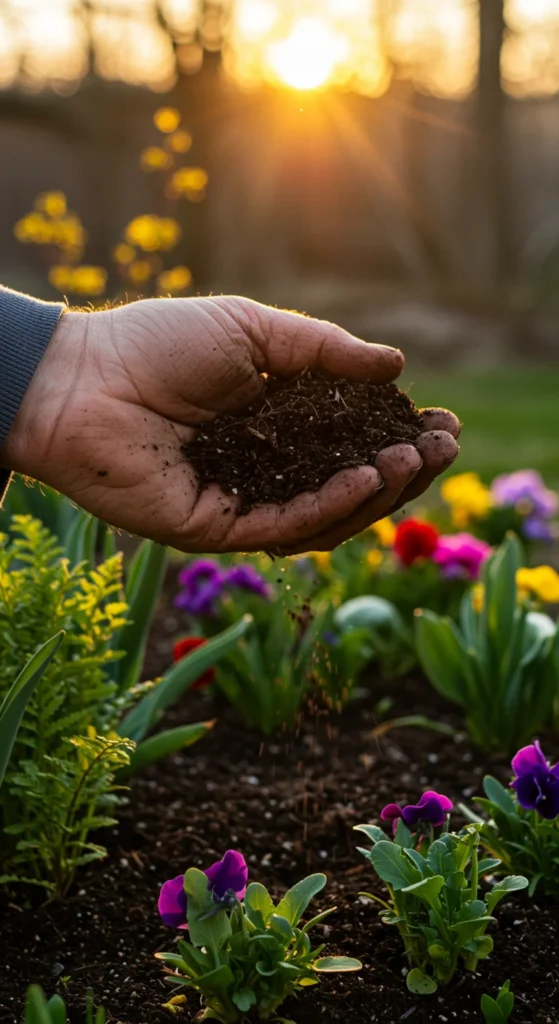
At this stage, it’s ready to enrich your garden, potted plants, or even your lawn.
Bonus Tips for Success
- Chop scraps smaller. The smaller the pieces, the faster they break down.
- Cover food scraps. Always tuck them under browns to avoid pests.
- Try a tumbler bin. These make turning easier and speed up results.
- Start small. Even a little bucket on your balcony can work wonders.
Final Takeaway
Making compost at home is easier than you think—and once you start, you’ll wonder why you didn’t do it sooner. It’s free plant food, eco-friendly, and deeply satisfying.
Leave a Reply