

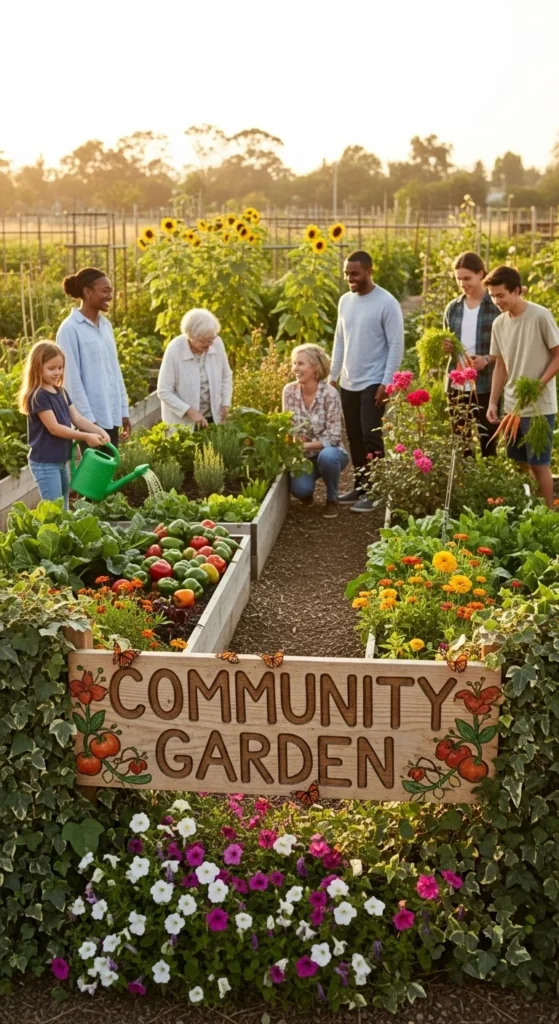
Community gardens are more than patches of soil — they’re spaces where friendships grow alongside the plants. Whether it’s an empty lot turned green oasis or a shared rooftop full of herbs, community gardening brings people together. These 23 inspiring ideas show how neighbors can create beautiful, productive gardens that foster teamwork, sustainability, and pride in their shared space.
1. Start a Shared Vegetable Plot
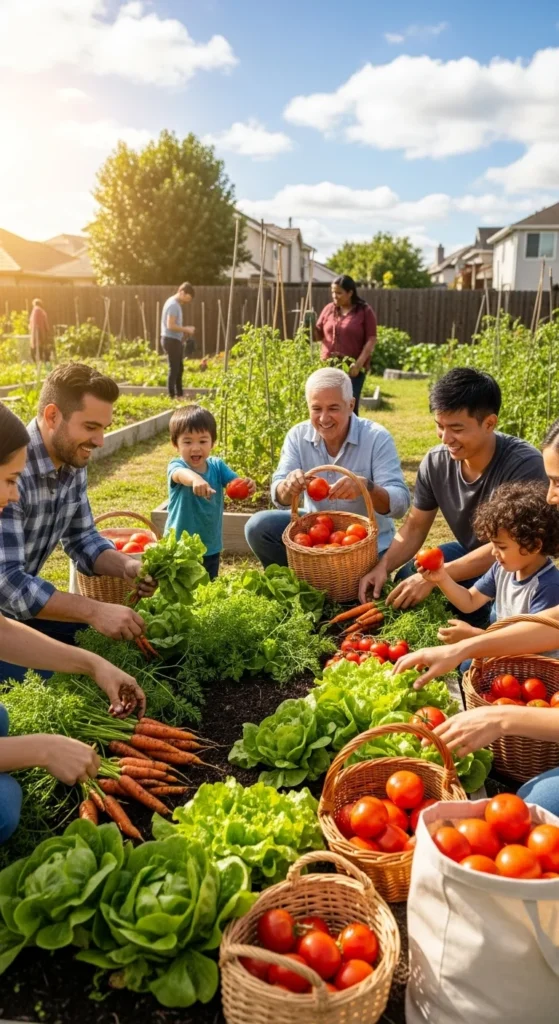
Begin with a shared vegetable plot that everyone contributes to and harvests from. Choose easy crops like tomatoes, beans, and lettuce. Assign simple roles — watering, weeding, harvesting — to keep everyone involved. Shared effort brings shared reward and makes the first harvest celebration extra special.
2. Build Raised Beds from Recycled Wood
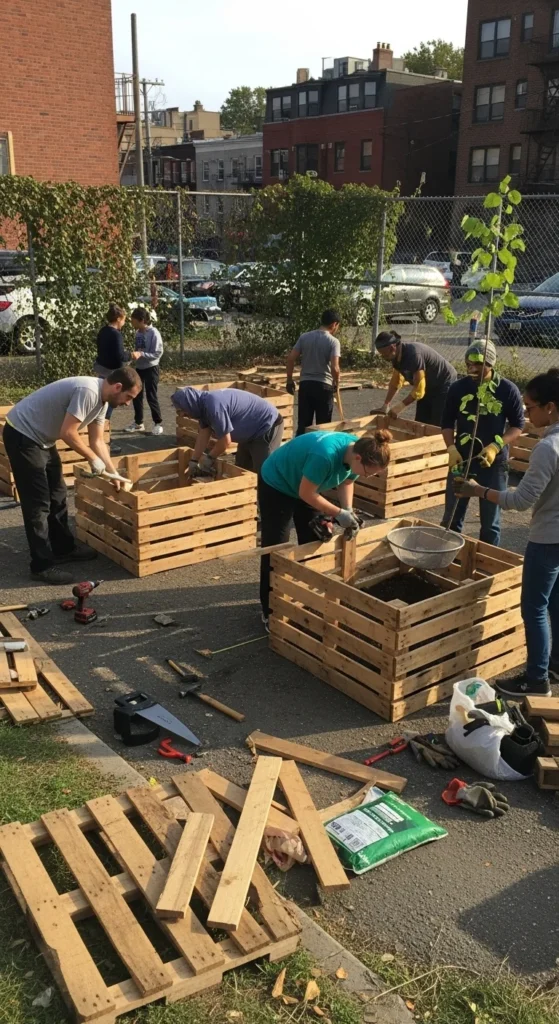
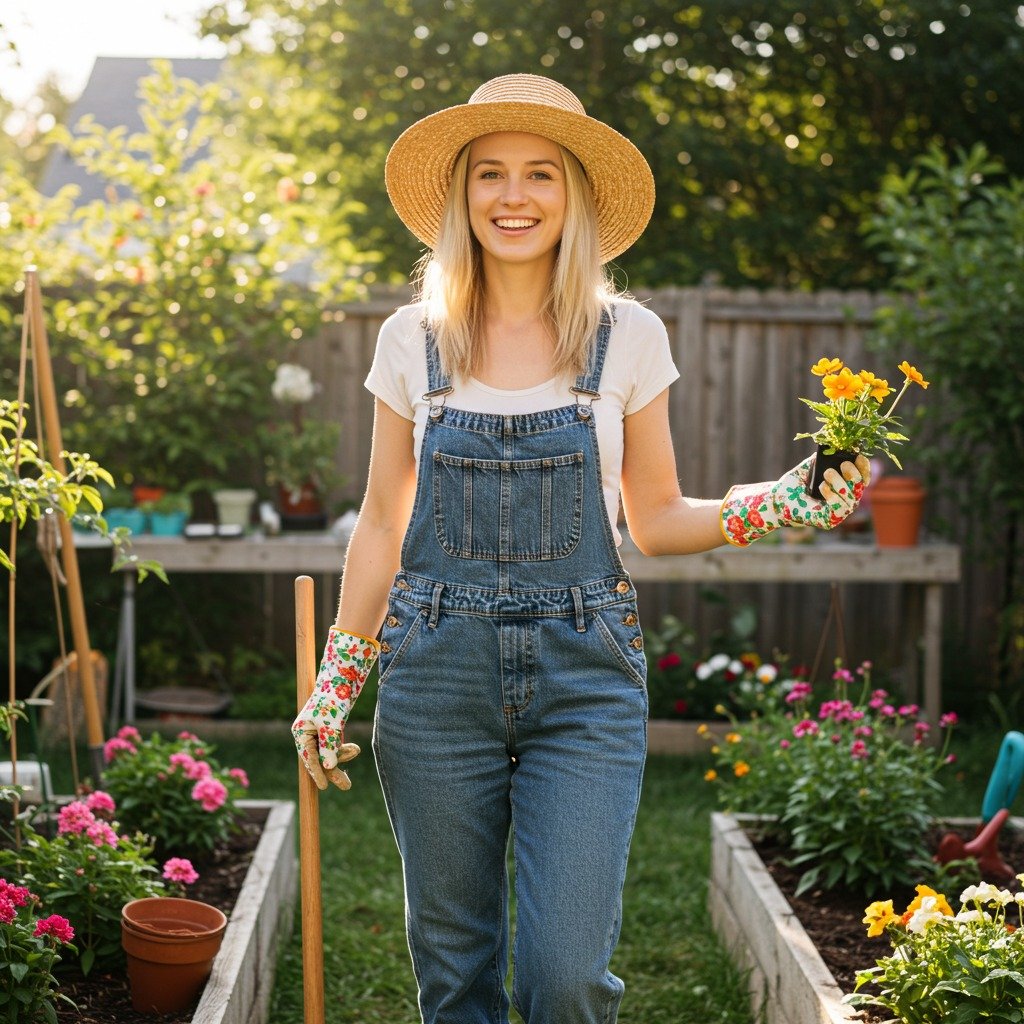
Use reclaimed wood or pallets to build raised beds. They’re budget-friendly, tidy, and easy to maintain. Raised beds keep weeds out and make gardening accessible for all ages. Organize a weekend “build day” where everyone brings tools and works together.
3. Plant a Pollinator Garden
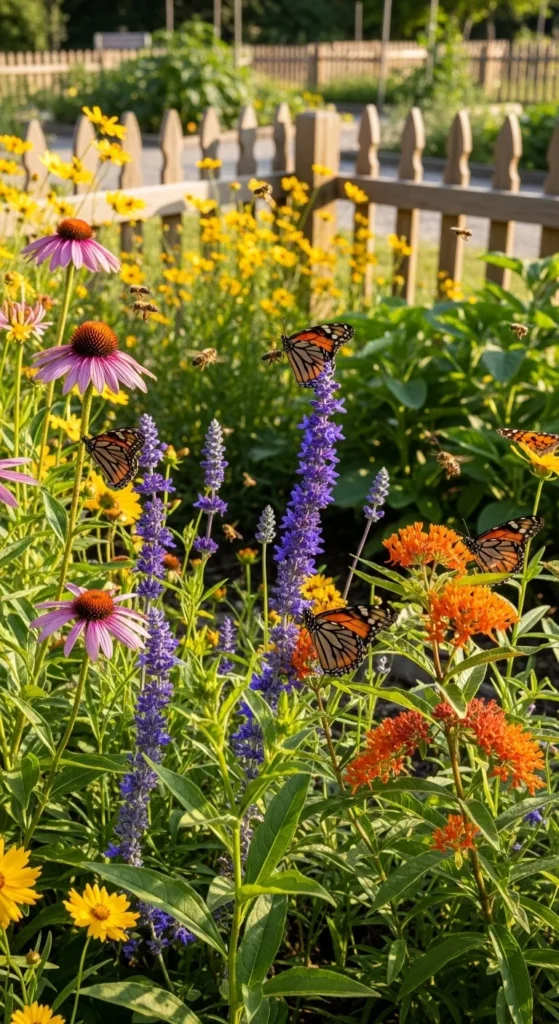
Fill a section of the garden with bee-friendly plants like lavender, echinacea, and milkweed. It helps local pollinators and adds beauty. Place benches nearby so people can relax and enjoy the buzzing life.
4. Create a Seed Library
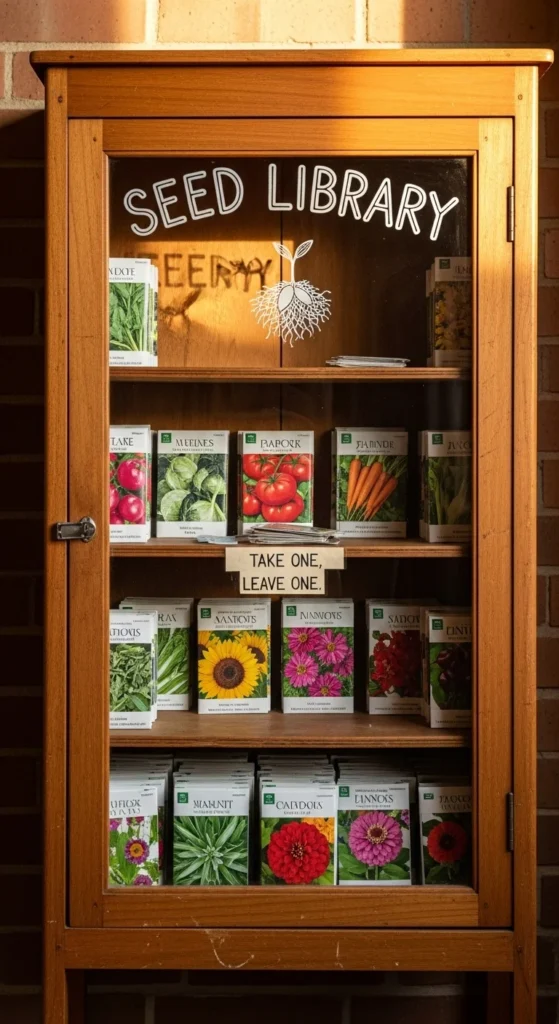
Set up a seed-sharing station where gardeners can exchange seeds. Label each packet with planting tips. It’s a simple way to spread biodiversity and encourage seasonal planting.
5. Host Monthly Garden Workshops
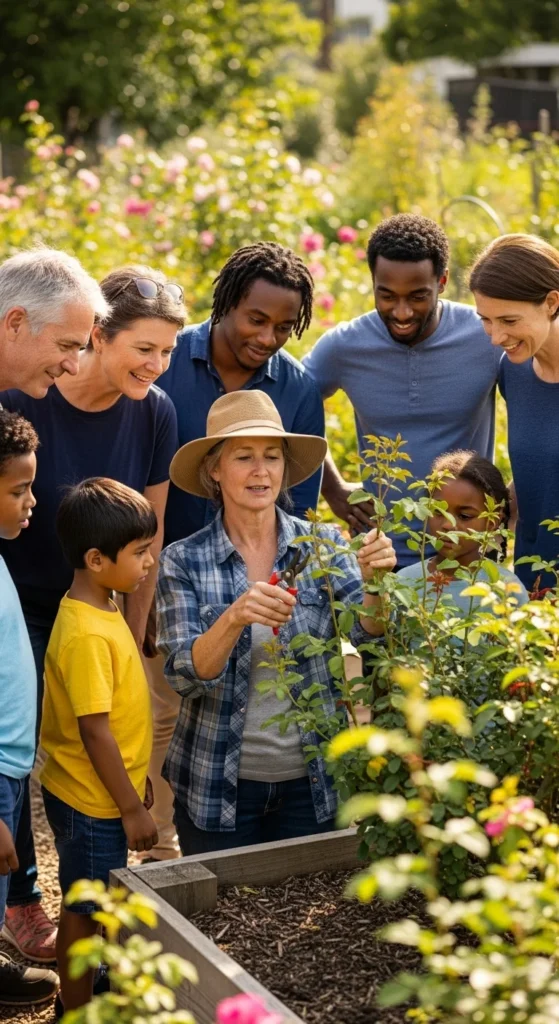
Invite local gardeners or master growers to lead short classes. Topics like composting, pest control, or container gardening are always popular. These workshops turn the garden into an outdoor classroom.
6. Add a Children’s Learning Corner
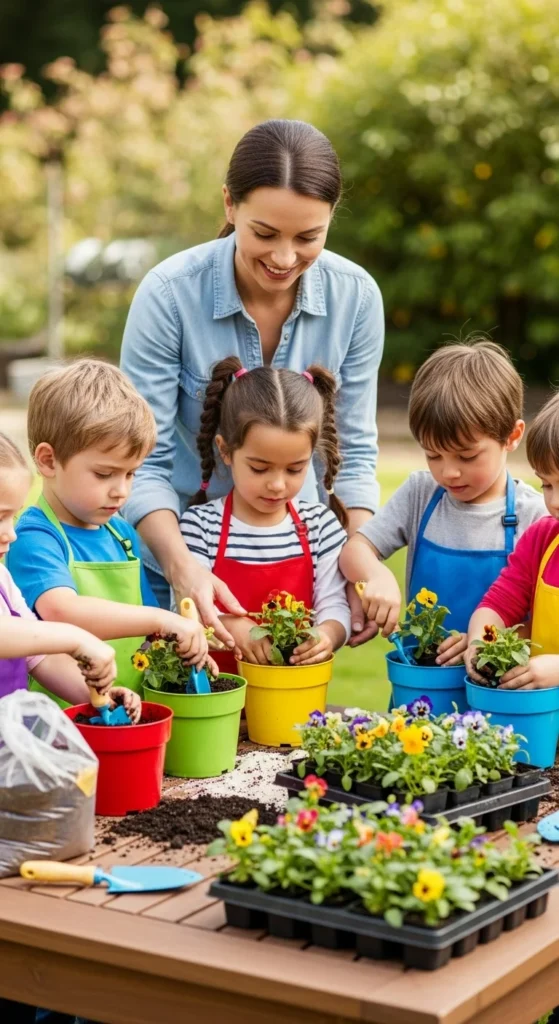
Design a small area just for kids. Use bright planters, simple tools, and easy-to-grow plants like marigolds or radishes. Let them label plants, water daily, and record growth in journals. It’s hands-on education in nature.
7. Build a Compost Bin Together
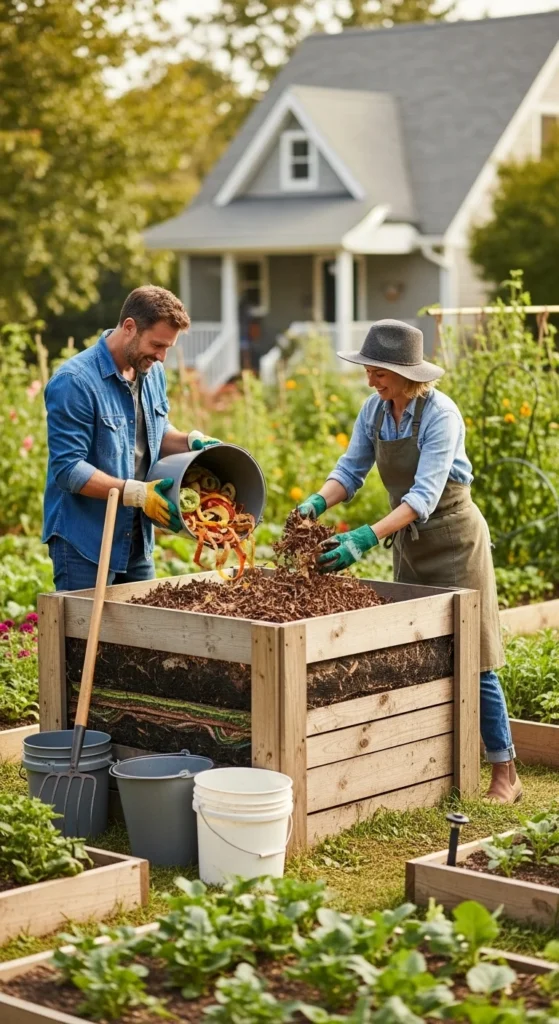
Composting turns kitchen waste into rich soil. Use pallets or barrels to build bins. Teach participants how to balance greens and browns. Over time, the group can recycle waste and enrich the soil for future crops.
8. Install a Rainwater Collection System
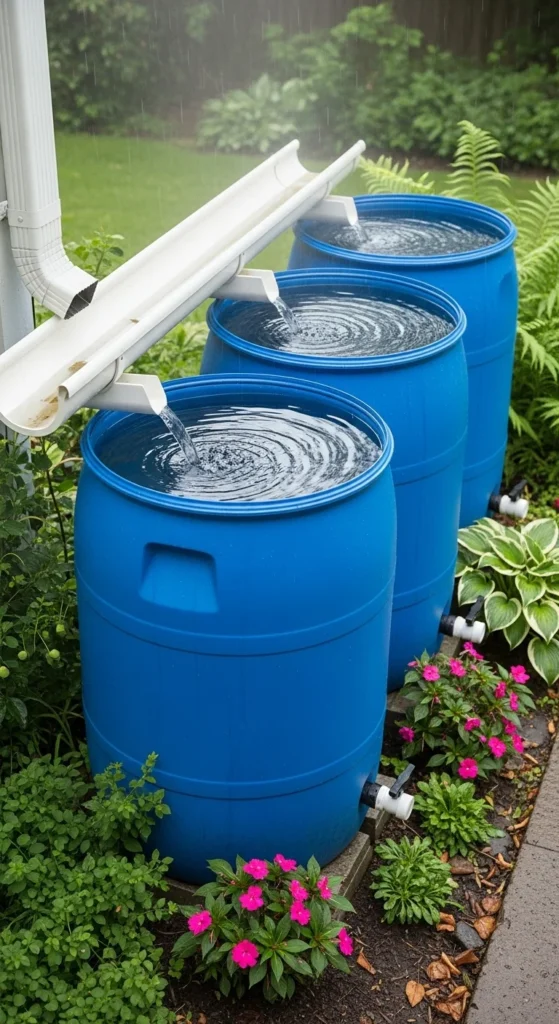
Collecting rainwater saves money and reduces water waste. Use barrels under downspouts and connect them to hoses or drip systems. It’s an eco-friendly feature that benefits every gardener.
9. Grow a Sensory Garden
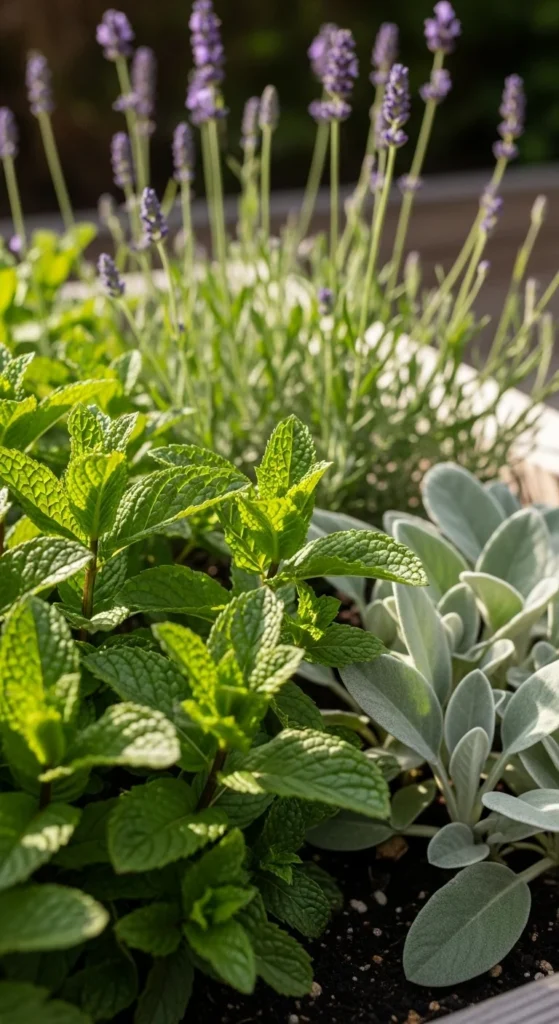
A sensory garden engages touch, smell, and sight. Include soft lamb’s ear, fragrant herbs, and colorful flowers. It’s especially therapeutic for kids, seniors, or people with disabilities.
10. Start a Garden Mural Wall
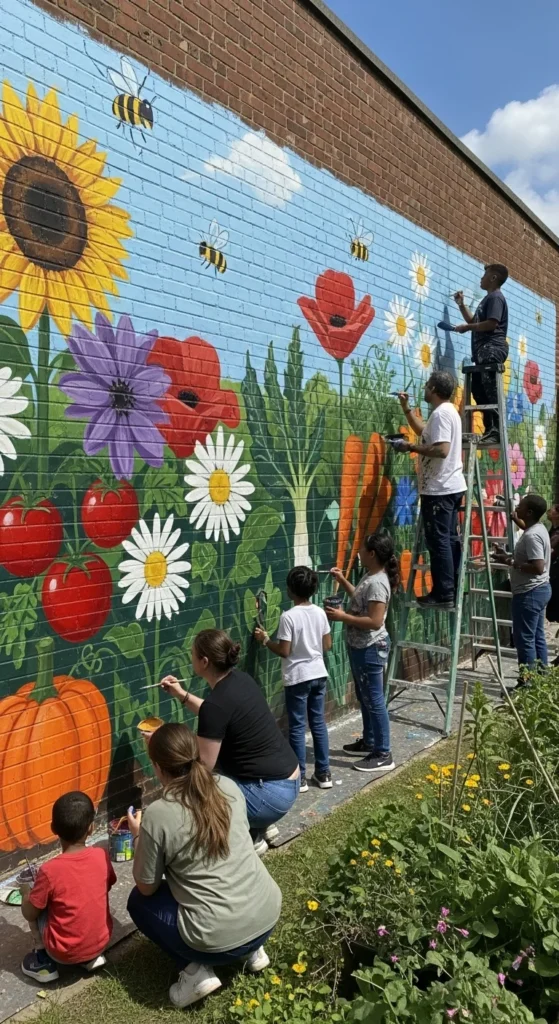
Transform a blank wall into art. Invite local artists or students to paint a nature-themed mural. It celebrates community creativity and makes the garden a cheerful landmark.
11. Create a Tool-Sharing Shed
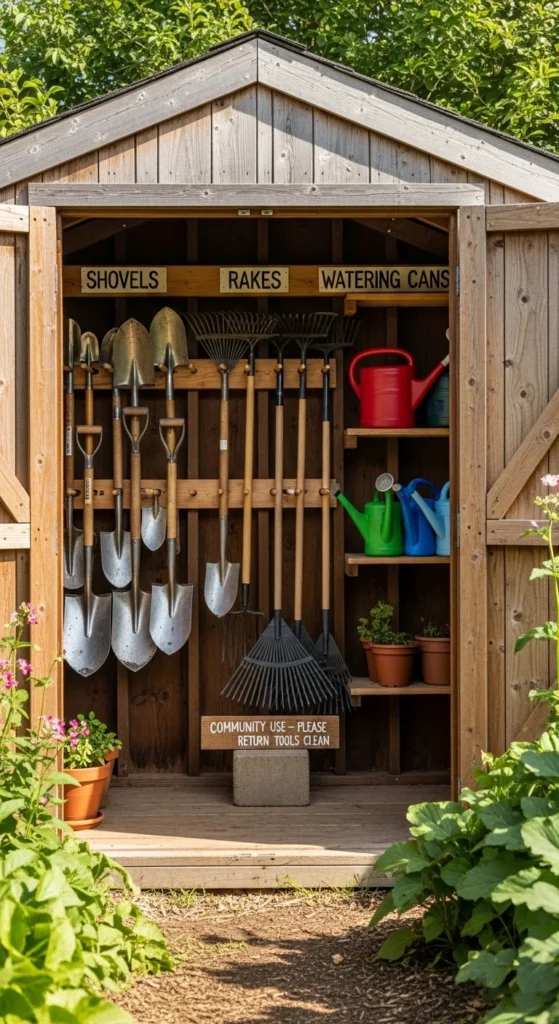
Instead of buying new tools, build a shared storage space. Members can borrow and return tools as needed. Post simple usage rules to keep things tidy and fair.
12. Organize a Harvest Festival
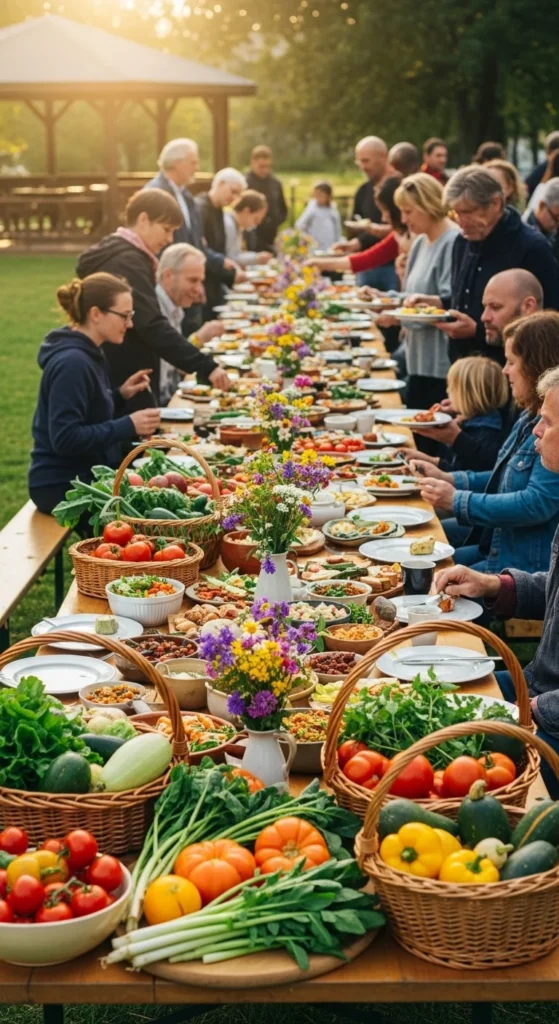
Celebrate the growing season with food, games, and live music. Encourage everyone to bring dishes made from garden produce. It’s a perfect way to strengthen neighborly bonds.
13. Design Accessible Garden Paths
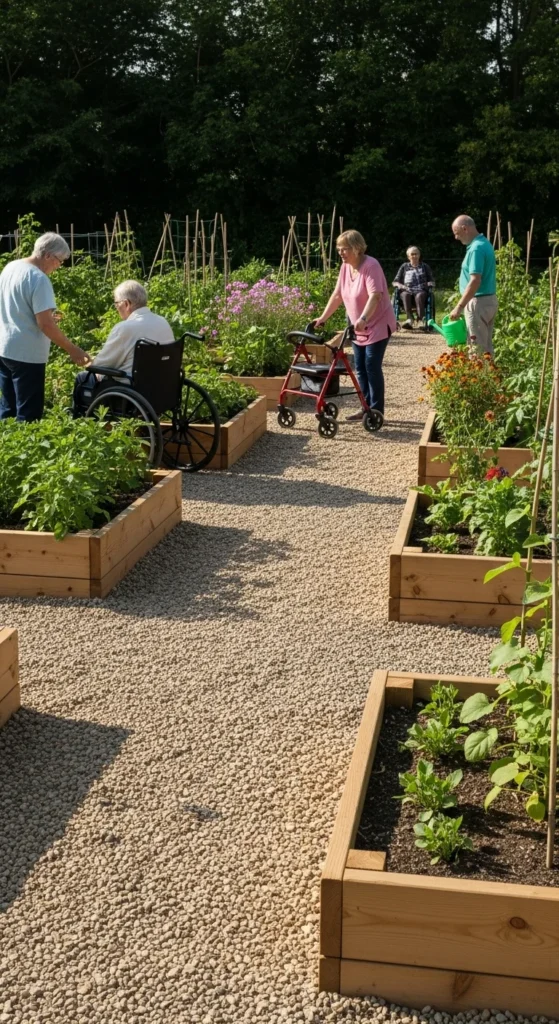
Inclusive gardens welcome everyone. Add wide, level paths and benches for resting. Raised beds at waist height make gardening easier for seniors and people with mobility challenges.
14. Create Themed Garden Zones
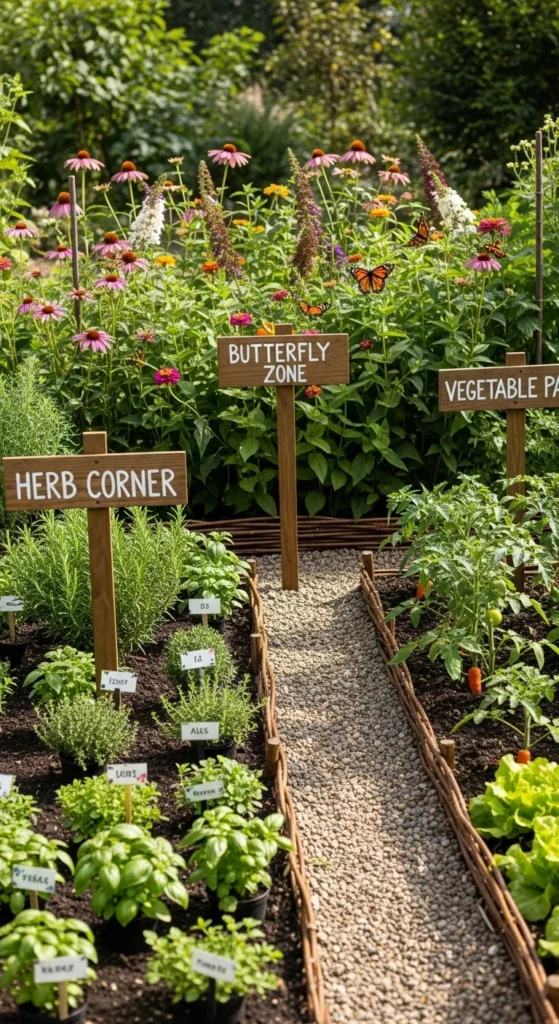
Divide your space into themed zones — herbs, pollinators, vegetables, or native plants. It helps organize tasks and keeps the layout visually interesting.
15. Host Family Garden Days
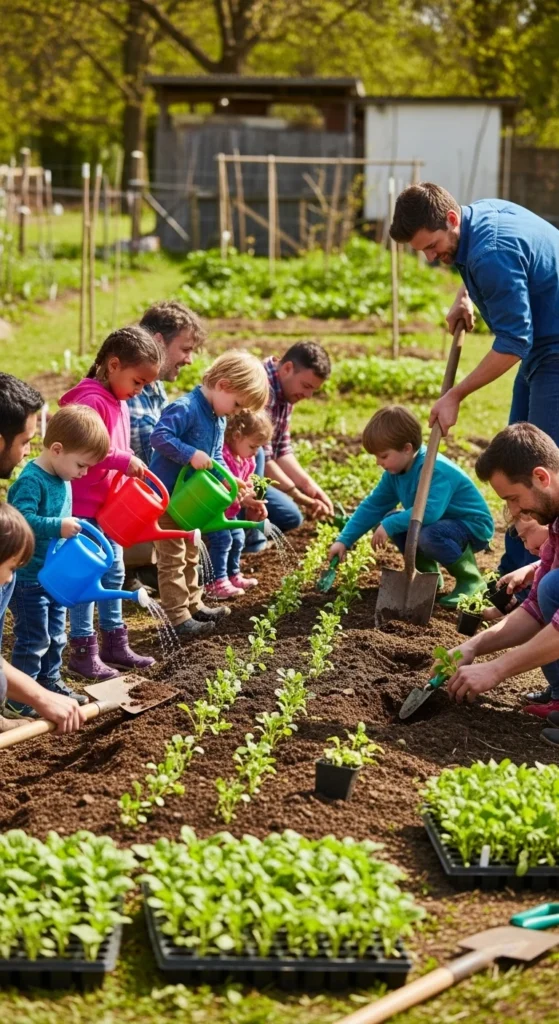
Set aside a weekend morning each month for families to garden together. Play music, serve snacks, and make it a fun event. The social time encourages ongoing participation.
16. Add Seating and Gathering Spots
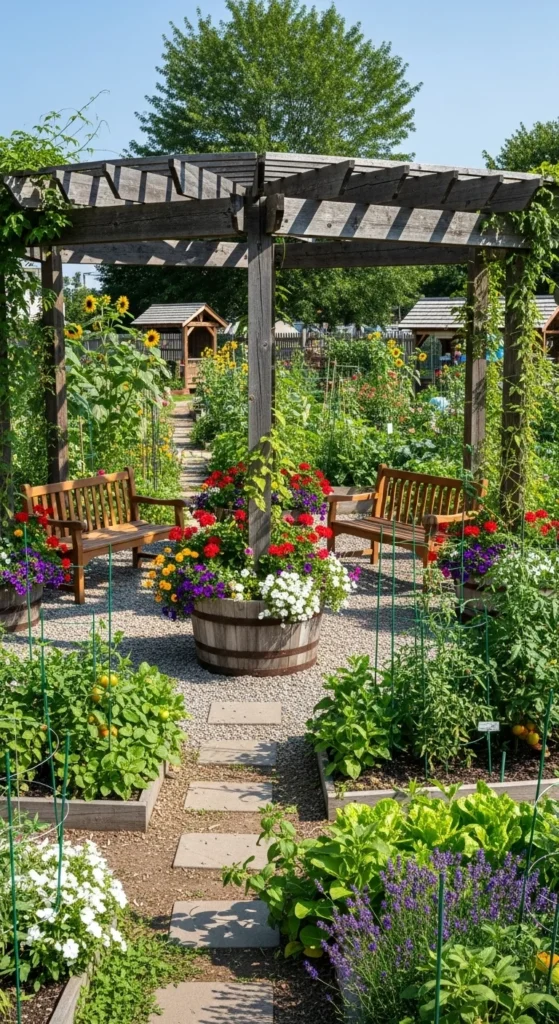
A few benches or picnic tables turn the garden into a social hub. People can relax, chat, or eat lunch there. Encourage neighbors to bring books, games, or coffee.
17. Build Birdhouses and Feeders
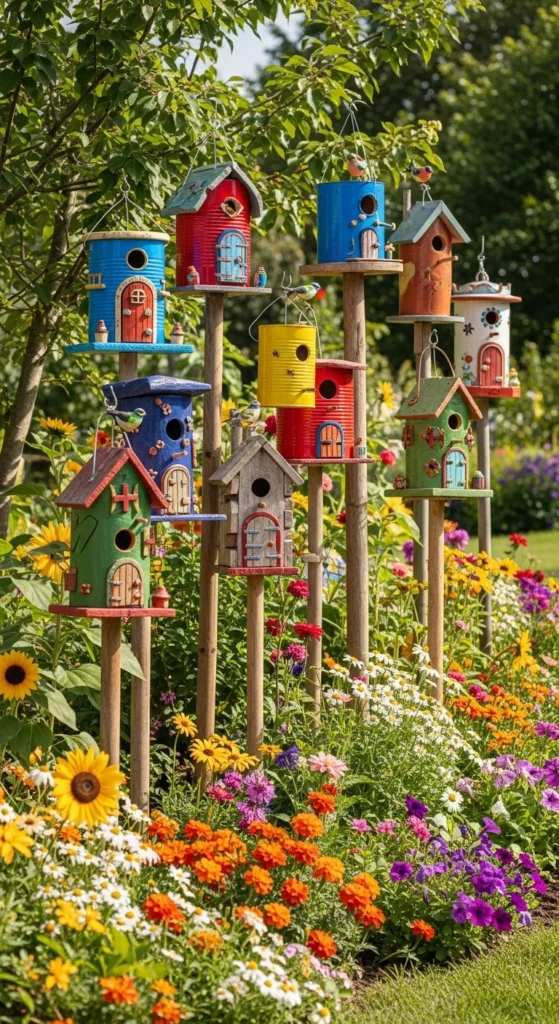
Invite residents to craft birdhouses or feeders. They attract local birds, add charm, and create learning opportunities for kids about wildlife.
18. Start a Garden Produce Exchange
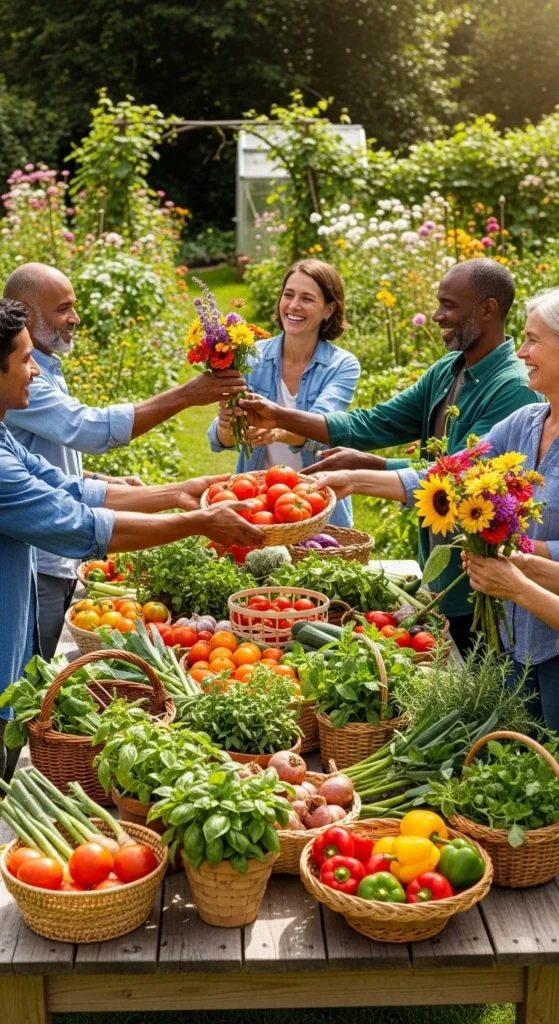
When crops ripen, host an exchange day where members trade their harvest. One gardener’s extra cucumbers could become another’s next meal. It promotes sharing and reduces food waste.
19. Build a Vertical Wall of Greens
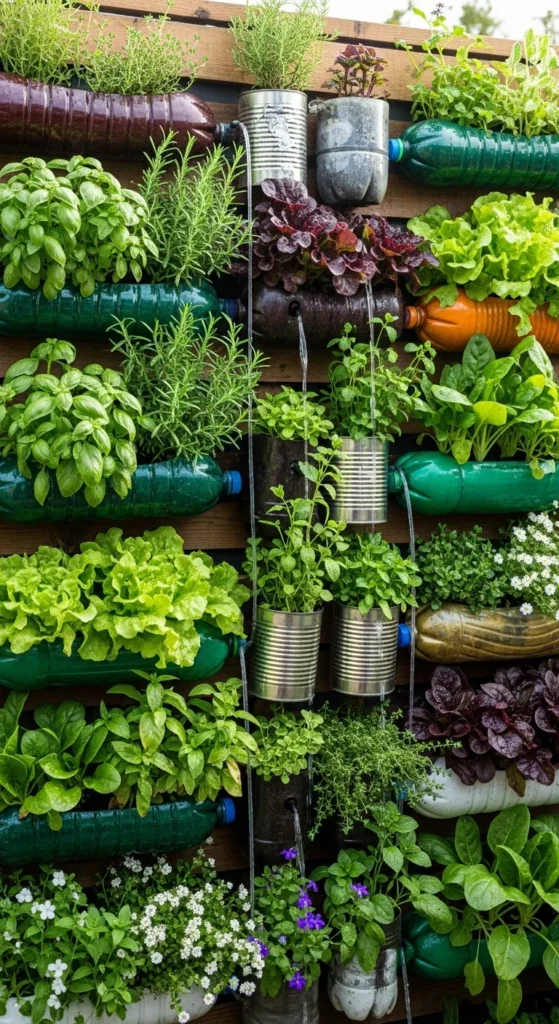
Use old pallets or hanging planters to create a vertical green wall. It saves space and adds a striking focal point. Grow lettuce, kale, or strawberries for easy picking.
20. Create a Shared Herb Spiral
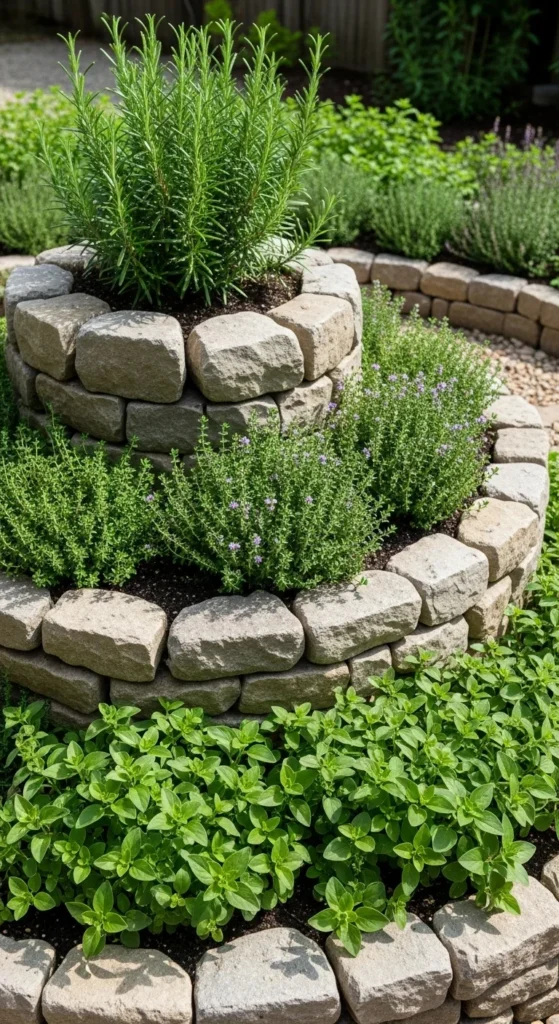
Build an herb spiral using stones or bricks. The design creates multiple microclimates, allowing herbs with different preferences to thrive together.
21. Add Solar Lights for Evening Glow
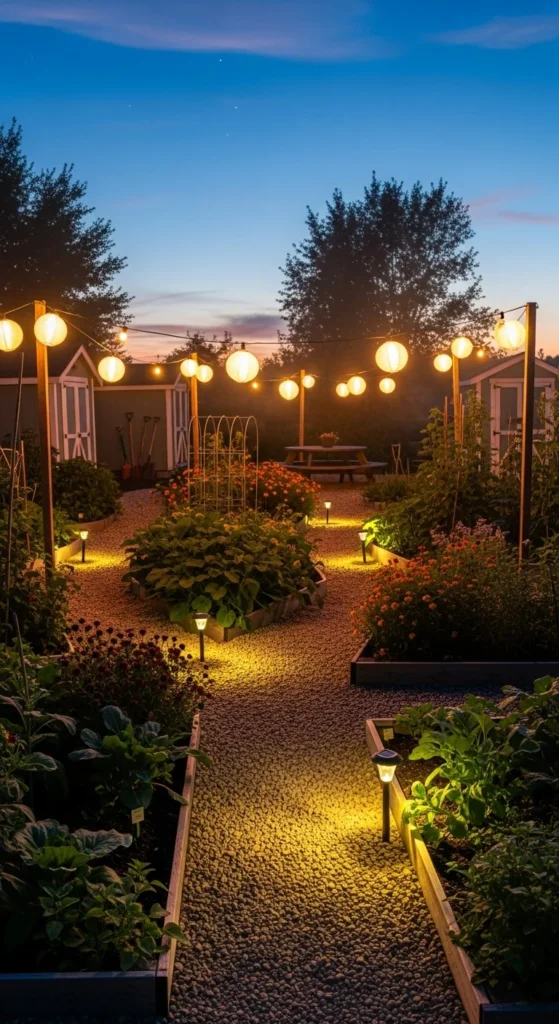
Solar lighting makes the garden safe and magical after sunset. String lights along fences or place small solar lamps along paths. It extends usable hours for gatherings or evening strolls.
22. Host Gardening Skill Swaps
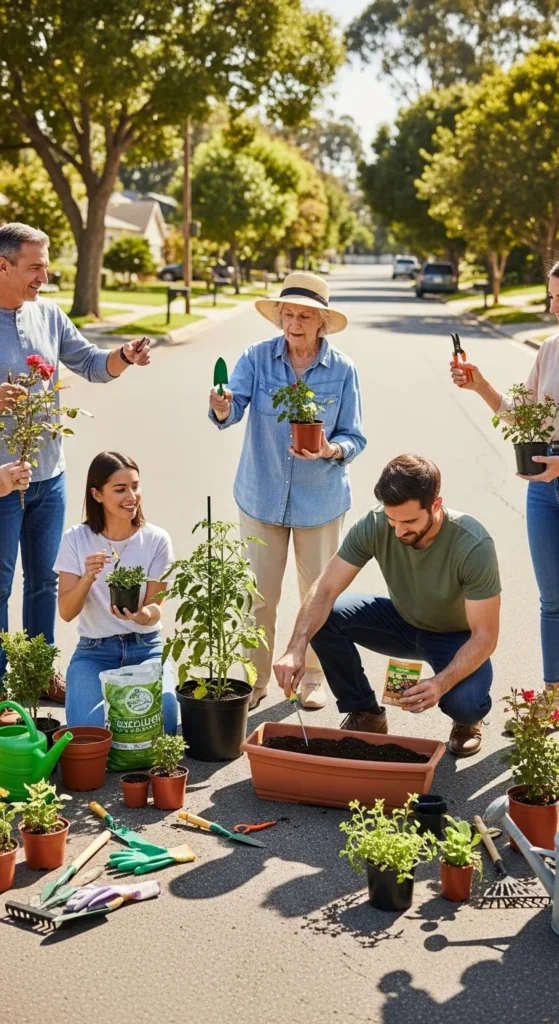
Let neighbors teach each other — pruning, composting, seed saving. Everyone brings a skill to share. It builds confidence and keeps knowledge within the community.
23. Add a “Take What You Need” Table
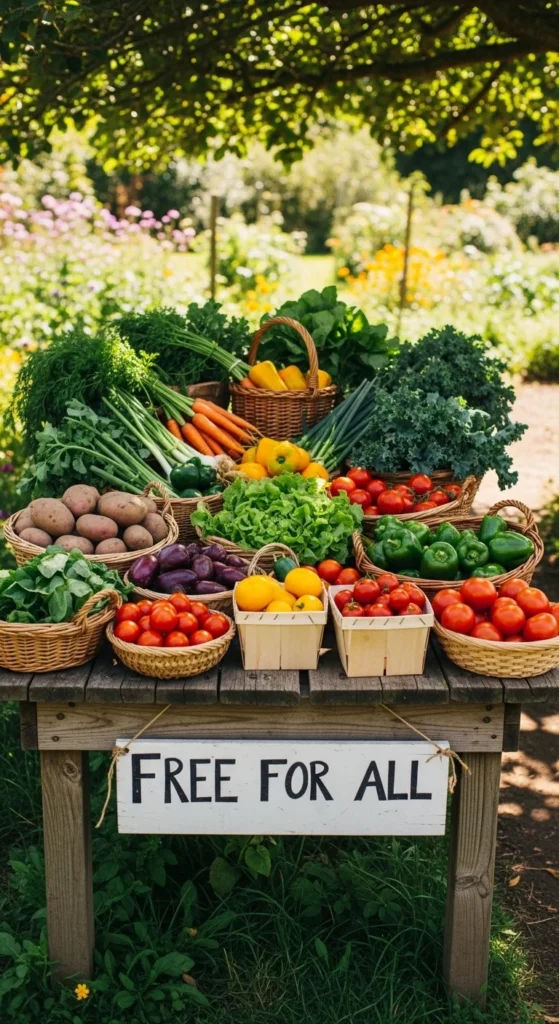
Set up a simple table for anyone in the neighborhood to take or donate produce. It’s a kind gesture that strengthens trust and shows the garden’s impact beyond its members.
Conclusion
Community gardens do more than grow food — they grow friendship, cooperation, and pride. Whether it’s a seed exchange, a mural wall, or shared harvest days, each project connects people to one another and the land they share. Start with one small idea, invite a few neighbors, and watch your garden become the heart of your community.
Leave a Reply