

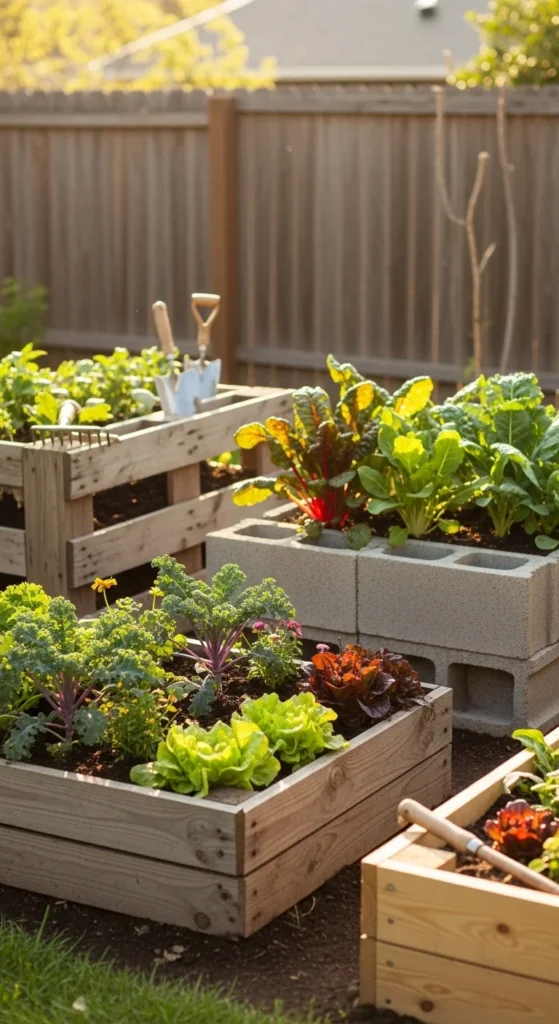
If you want to grow vegetables or flowers without spending a fortune, a raised garden bed is one of the best ways to start. Luckily, you don’t need expensive kits or fancy materials to create a functional and attractive garden space. From recycled pallets to simple soil mounds, there are plenty of ways to build cheap raised garden beds that still look great. These ideas fit small yards, renter-friendly setups, and beginner-friendly projects, all while keeping costs low. Here’s a list of 24 budget-friendly raised bed ideas to inspire your next garden project.
1. Pallet Raised Bed
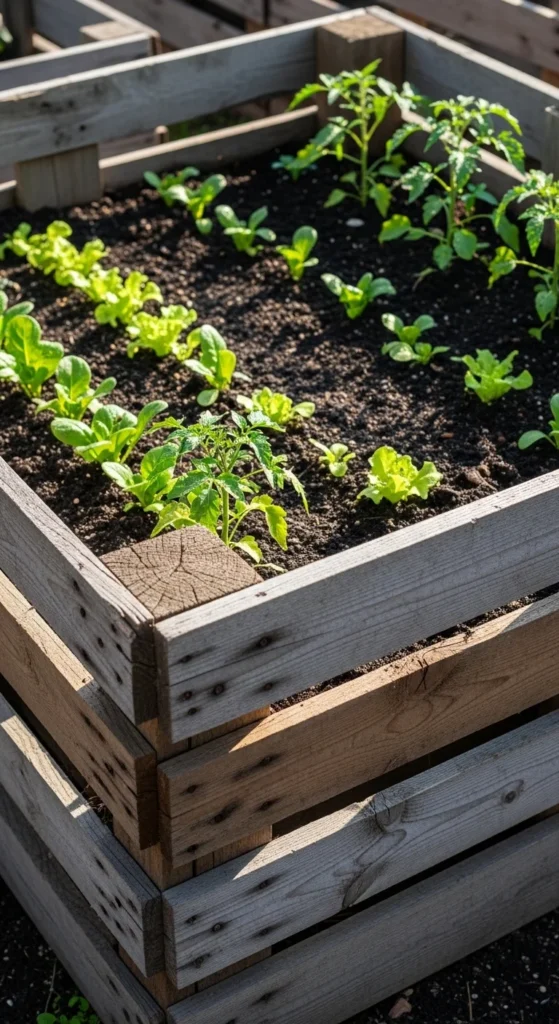
Using pallets is a go-to for a low-cost raised bed. Simply dismantle a few pallets or secure them as-is into a box shape. Fill with compost and soil, and you have a functional bed ready for planting. Pallets are often free or cheap from local stores. Make sure the wood is untreated if you’re growing edibles. You can add corner brackets for stability. A $30 pallet bed can usually be built in under an hour, making this a great weekend project.
2. Cinder Block Bed
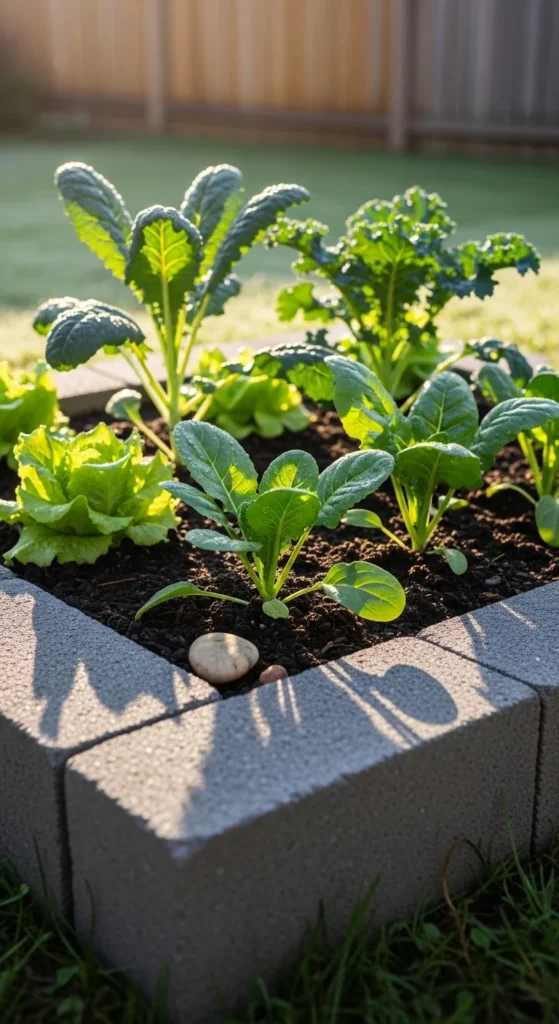
Cinder blocks are a simple, modular option for cheap raised beds. Stack them in a rectangular or square shape, leaving holes open for planting or filling with soil. They’re sturdy, fireproof, and long-lasting. Blocks are inexpensive and widely available from hardware stores. You can even paint them for a decorative touch. A 3×3 block bed is perfect for small gardens or balcony spaces, and it requires minimal tools.
3. 4-Board Quick Bed
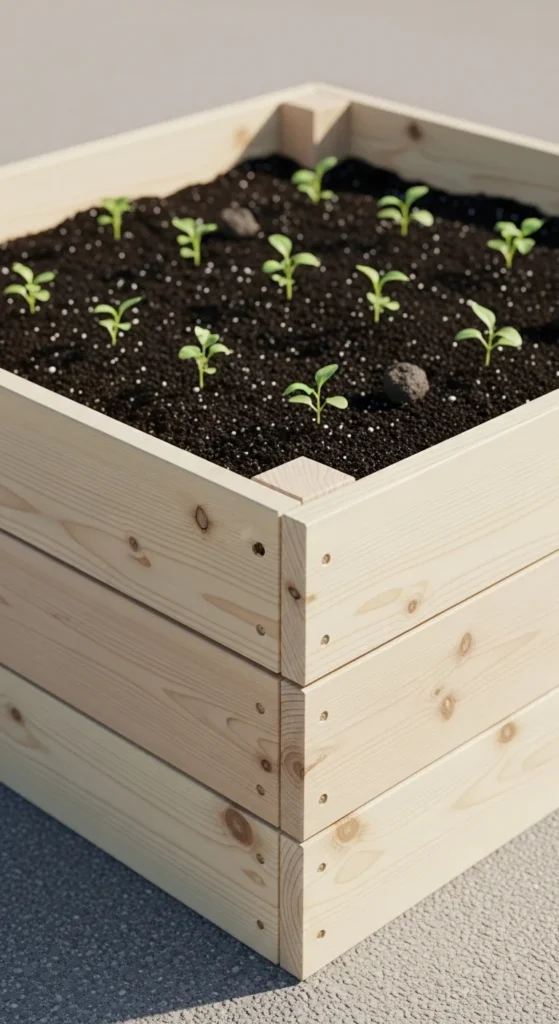
Sometimes simplicity is key. Using just four boards and screws, you can build a square bed in 30 minutes or less. Choose 2×6 or 2×8 boards for easy assembly. This design works well in compact spaces and can be easily moved if needed. Fill with a mix of compost and topsoil for immediate planting. Label each bed with a small wooden tag for a tidy look.
4. Mounded Soil Bed
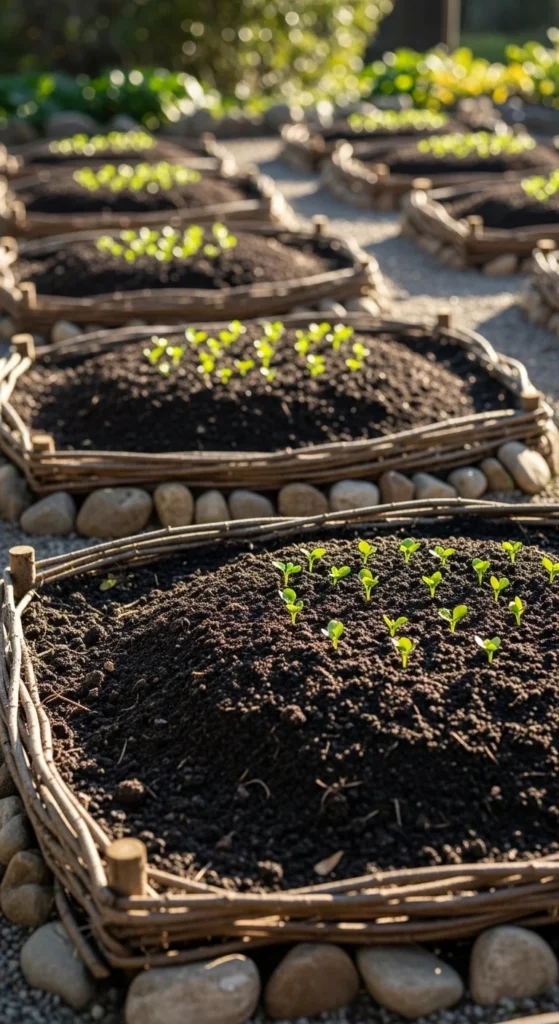
For the absolute cheapest option, mound your soil directly on the ground. Shape raised rows or blocks, amend with compost, and plant. No wood or blocks are needed, which makes it ideal for very tight budgets. These beds drain well and warm quickly in the spring. Use twigs or rocks to create edges. This method works for salads, herbs, and shallow-rooted vegetables.
5. Cardboard Lasagna Bed
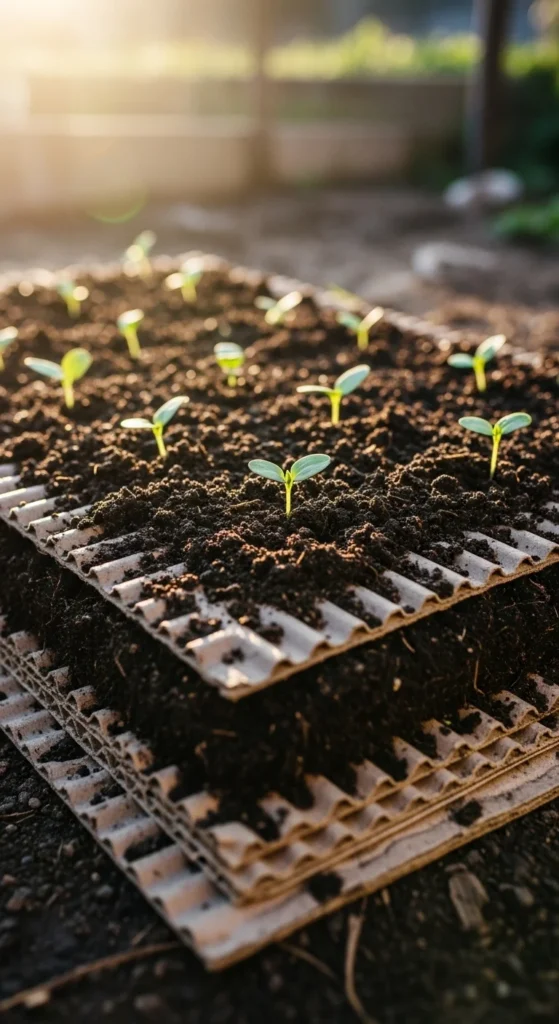
A no-wood solution is a cardboard “lasagna” bed. Layer cardboard over grass or dirt, add compost, then topsoil. This method suppresses weeds while building rich soil. It’s nearly zero-cost, especially if you collect cardboard from local stores. Water thoroughly between layers and let it settle for a few days before planting. This approach works well for renters or anyone avoiding permanent structures.
6. Retaining-Block + Wood Hybrid
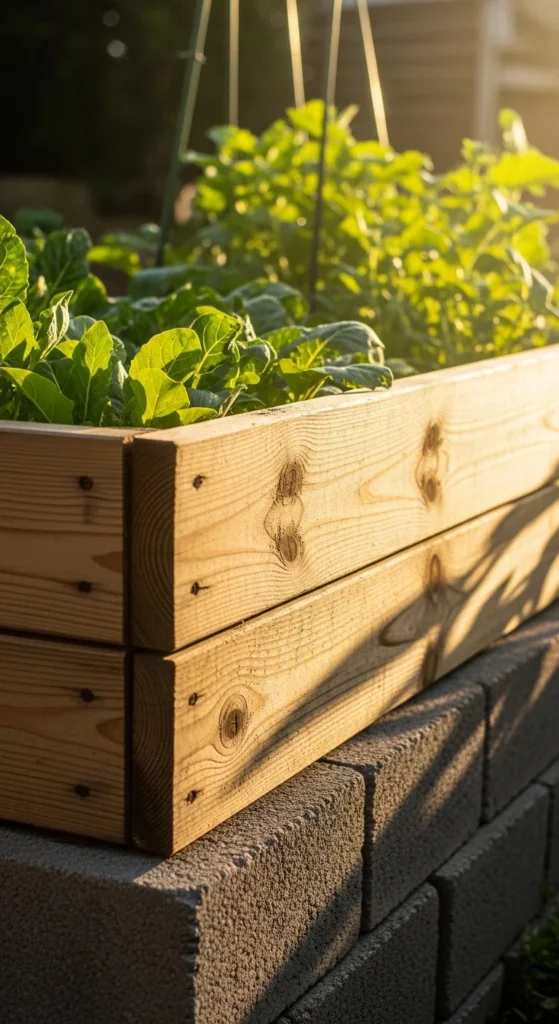
Combine inexpensive blocks with a few wooden planks for a hybrid bed. The blocks create height, while the planks keep soil in place. This method is sturdy and looks neat. You can build a 2×4 ft bed for under $50. Stack blocks carefully and use short screws to secure the wood. It’s beginner-friendly and works well on uneven ground.
7. Elevated Leg Bed
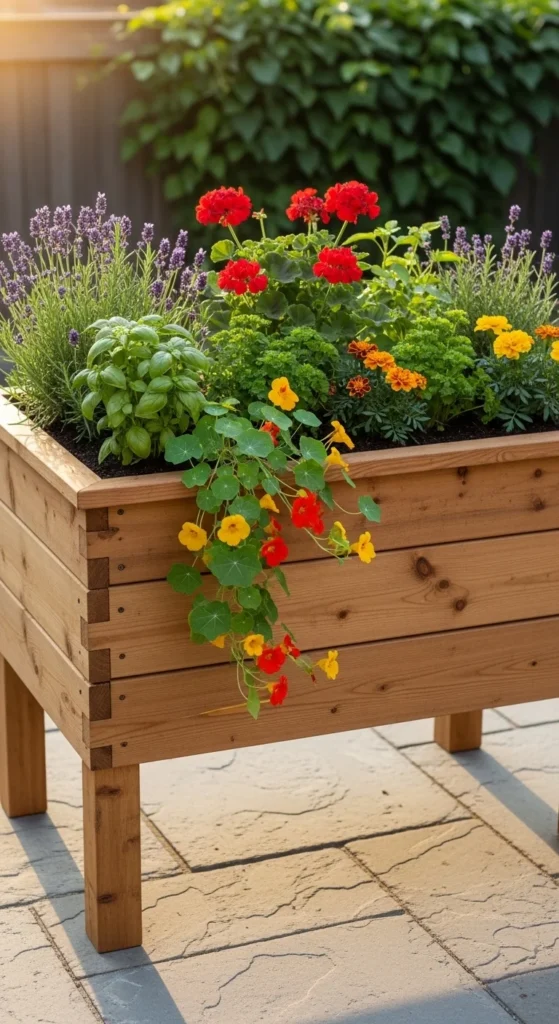
Raise your bed on legs for a back-friendly setup. You can use leftover 2x4s or inexpensive furniture legs. Elevated beds reduce bending and are great for renters since they don’t require digging. Add casters if you want mobility. This design works for both vegetables and herbs, making it a practical option for patios and decks.
8. Crate Stack Bed
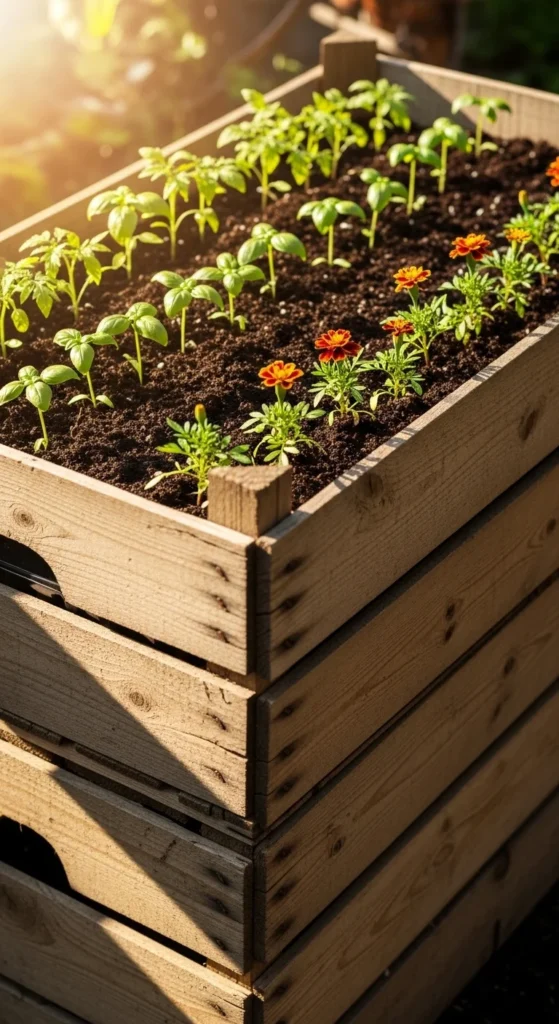
Old fruit or shipping crates can be stacked to create modular raised beds. Line them with landscaping fabric to retain soil. You can expand the system over time as your garden grows. Crates are often free from grocery stores or markets. Stack carefully to avoid tipping. A stackable crate bed is perfect for small spaces or a DIY vertical garden.
9. Polytunnel-Compatible Bed
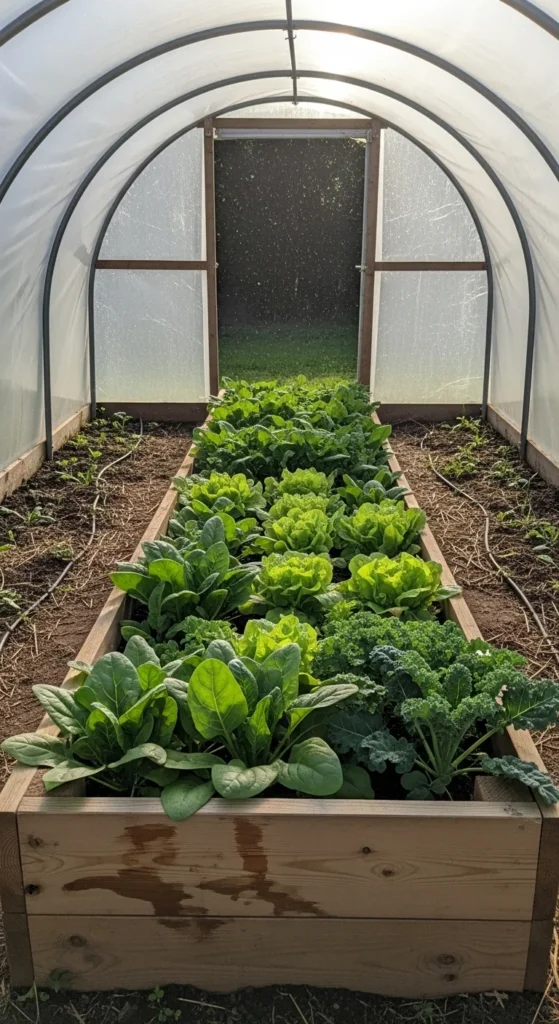
If you have a polytunnel, use lightweight boards or cinder blocks to create cheap raised beds inside. Beds can be shallow (6–8 inches) for salads or deeper for vegetables. Ensure the base drains well. This allows year-round growth and protects plants from frost. Materials are inexpensive and reusable in future seasons.
10. Boat Planter Bed
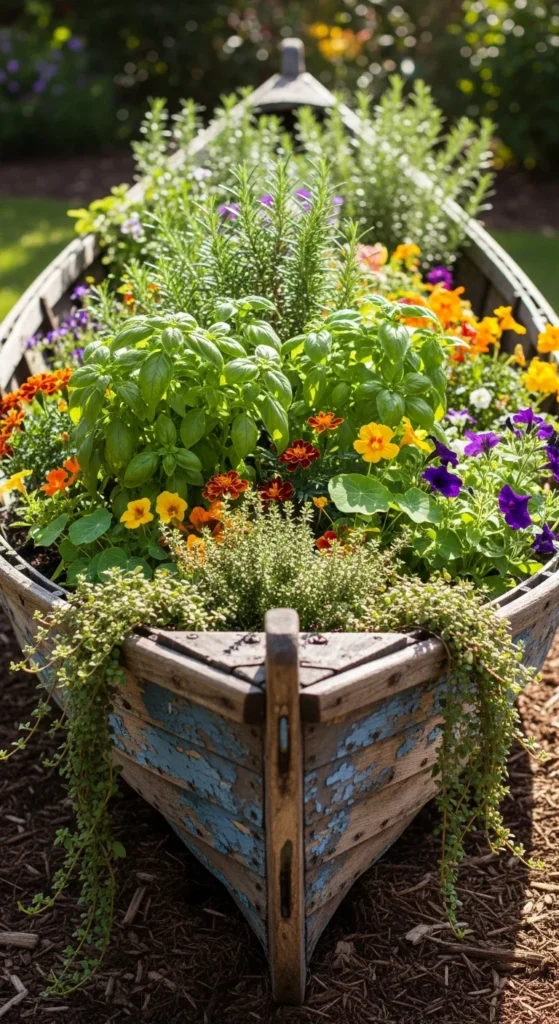
Repurpose an old boat or canoe into a quirky raised bed. Seal leaks and fill with soil. It’s a budget-friendly and unusual option that adds character to your yard. Ideal for herbs, flowers, or shallow vegetables. Placement matters—ensure it’s level to prevent soil spillage. This works well for small patios or decorative corners.
11. Galvanized Metal Bed
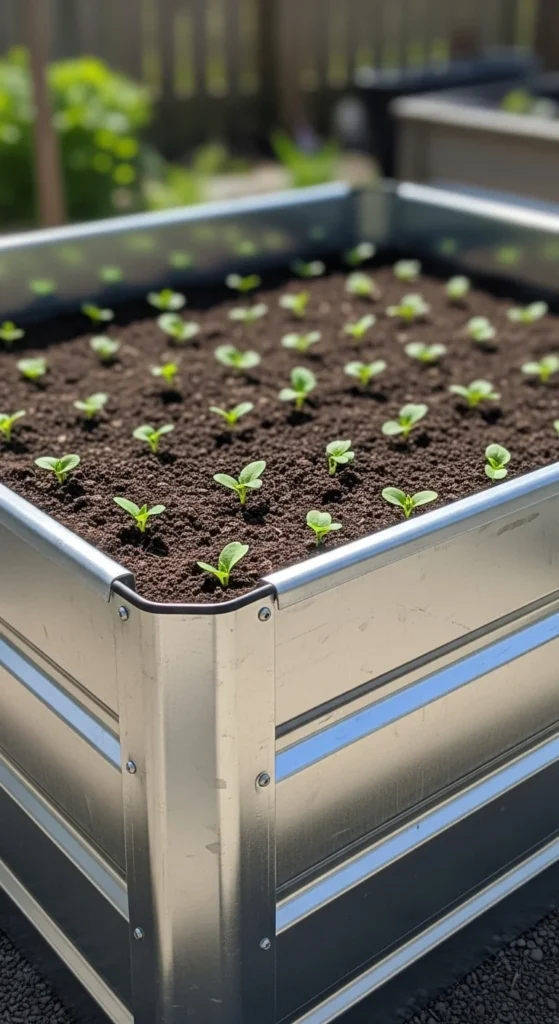
Entry-level metal beds are cheap, durable, and rust-resistant. You can buy small sizes online or from garden centers. Galvanized options last years and are suitable for edible plants. Combine with wooden corner supports if needed. They’re lightweight and renter-friendly. A 4×2 ft metal bed can be built for under $60.
12. Plastic Storage Bin Bed
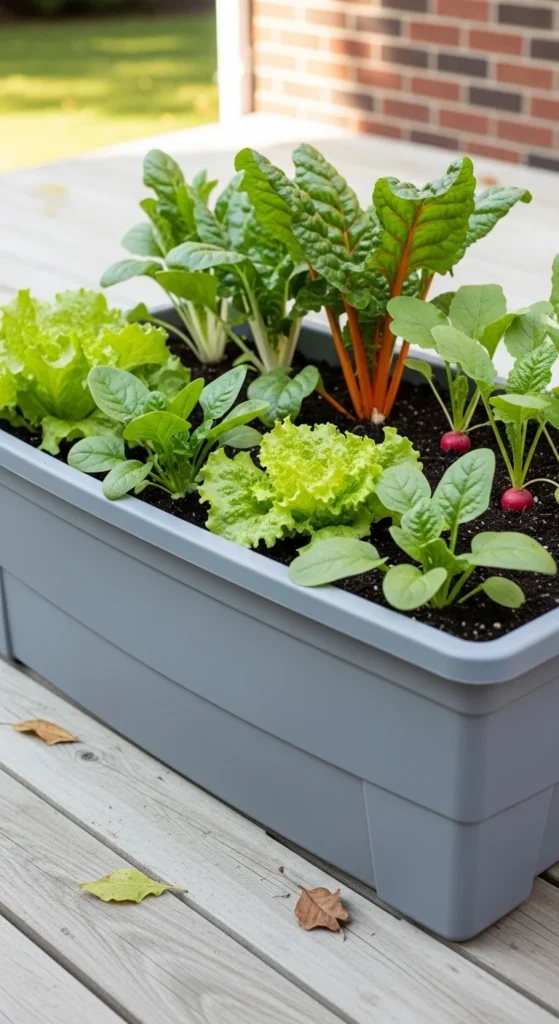
Large plastic bins or totes can become inexpensive raised beds. Drill drainage holes at the bottom, fill with soil, and plant. This works for small patios or balconies. Plastic is lightweight, reusable, and easy to move. You can even stack shallow bins for a multi-level planting setup.
13. Brick Edged Bed
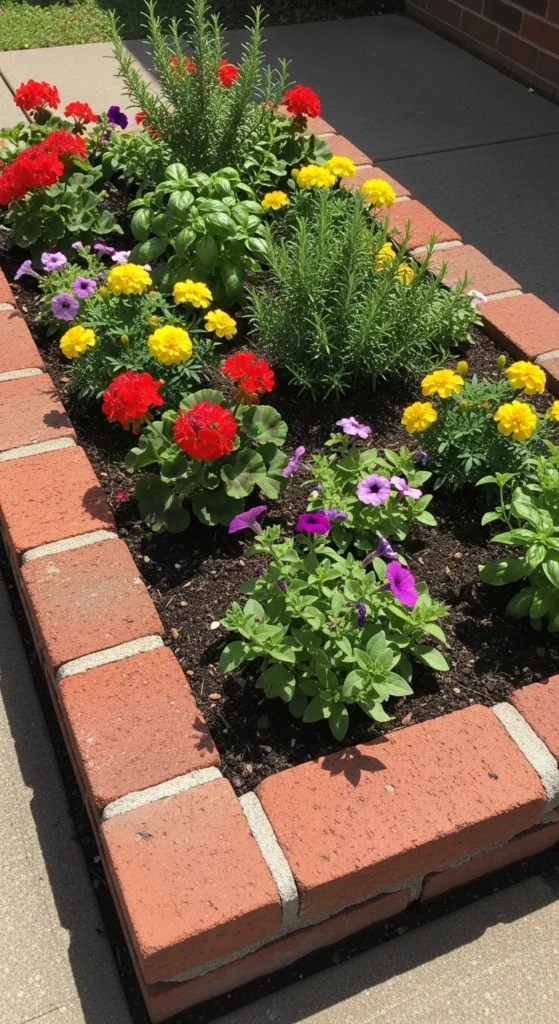
Use leftover bricks or broken pavers to edge a bed. This creates a simple, inexpensive raised border. Stack one or two layers to add height. Bricks retain heat, which benefits plant roots. This method works well for small vegetable patches or flower beds. Add compost and soil inside for a ready-to-plant bed.
14. Stackable Pallet Wall Bed
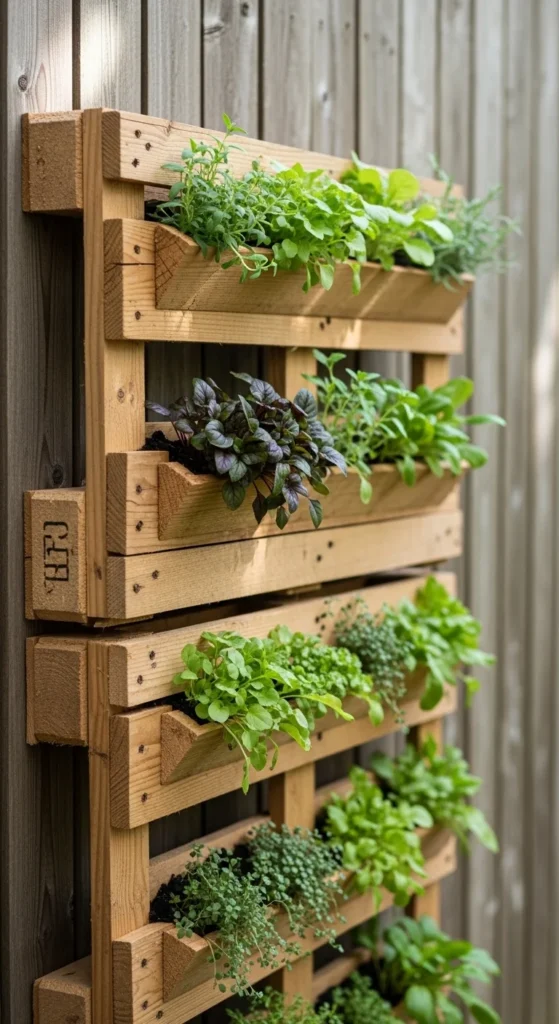
Stack pallets vertically to create wall-mounted raised beds. Fill each slot with soil and small plants. This saves ground space and is excellent for small yards. Secure the pallets to a wall or fence for safety. It’s cheap, space-saving, and visually appealing. Perfect for herbs, strawberries, or leafy greens.
15. DIY Tiered Bed
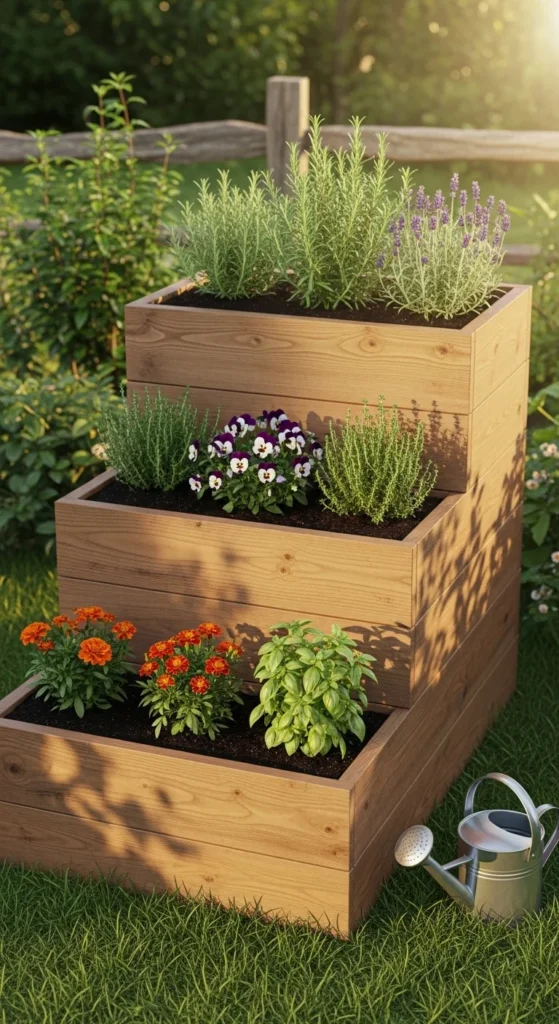
Build a tiered bed using leftover wood or inexpensive planks. Each tier holds soil at different heights, ideal for small plots or patios. The stepped design allows easy access and drainage. Cost remains low if using recycled wood. Plant shallow crops like lettuce at the top and deeper roots below.
16. Short 6-Inch Salad Bed
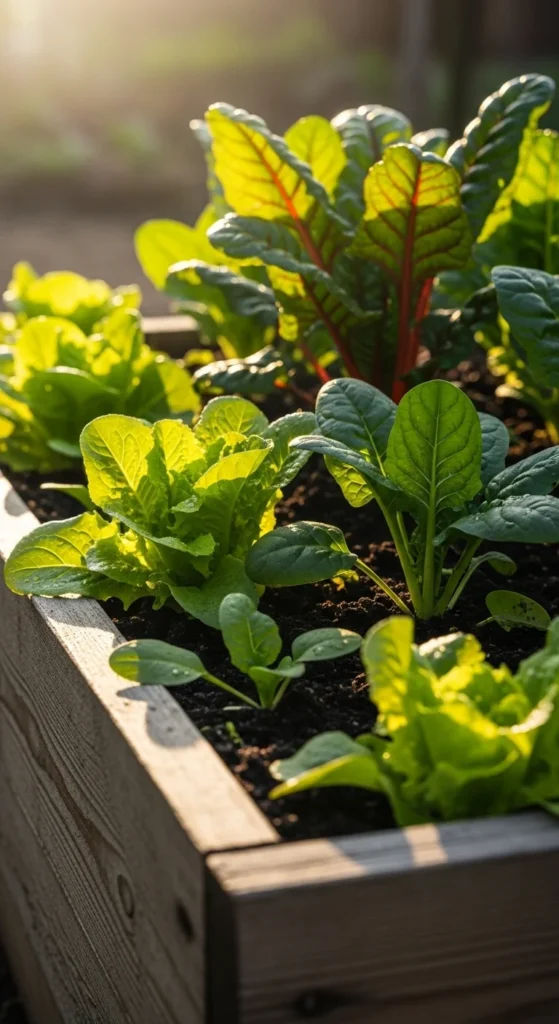
A shallow 6-inch bed works perfectly for salads, herbs, and microgreens. Use inexpensive planks or even old drawer boxes. This minimizes soil needs and keeps costs under $20 for small plots. Quick to fill, plant, and maintain. Ideal for balconies or small patios.
17. DIY Concrete Block Planter
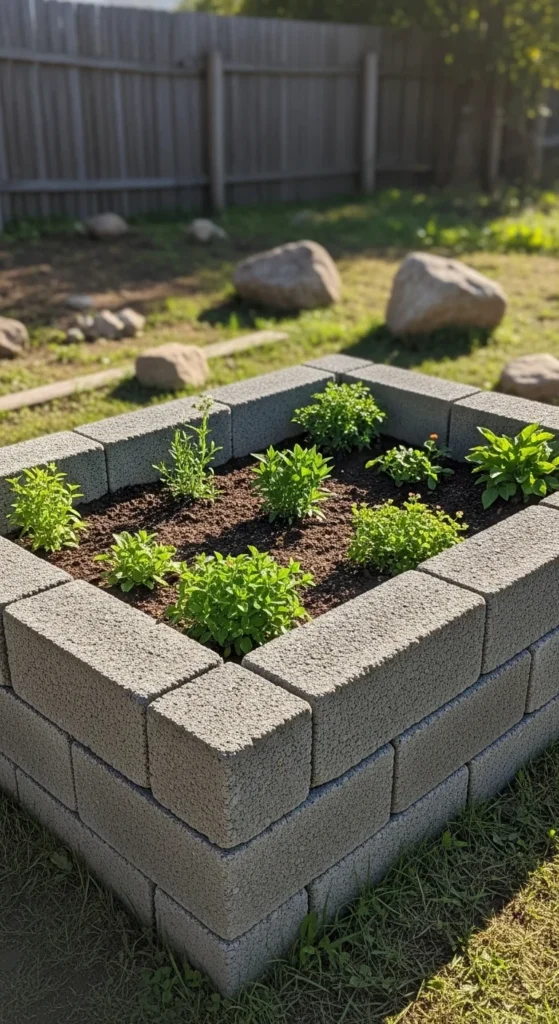
Concrete blocks alone make a cheap, sturdy raised bed. Stack to the desired height and fill with soil. Paint or leave natural for a minimalist look. Blocks are often available at low cost from hardware stores. This method requires minimal tools and can be expanded over time.
18. No-Power-Tools Bed
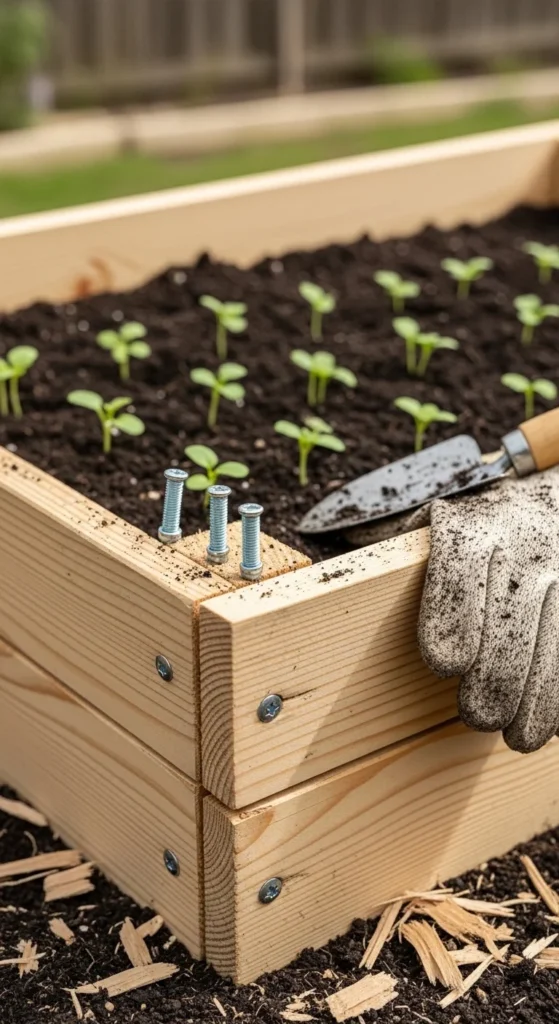
Build a bed using only screws and a screwdriver. Avoid power tools for beginner-friendly construction. Use recycled wood or inexpensive planks. Assembly is simple, and the bed can be disassembled if needed. This approach suits renters or those new to gardening. Budget-friendly and low-effort.
19. Modular Wood Bed
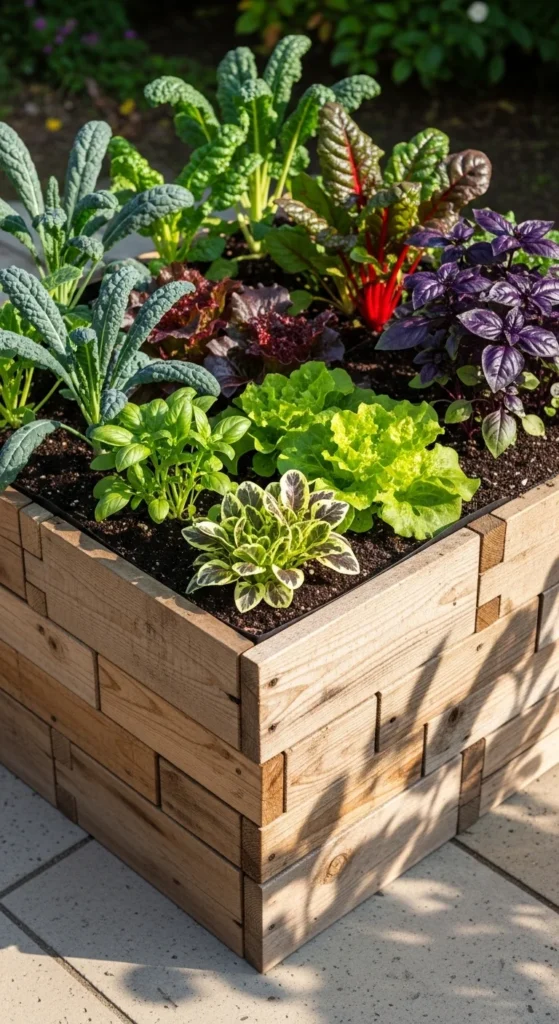
Create a modular bed that can be expanded later. Start with a 2×2 ft section and add more panels over time. Panels can be built from scrap wood or inexpensive boards. Modular beds allow gardeners to adjust size and layout as needed. Fill with compost and soil for immediate planting.
20. Twigs & Branch Bed
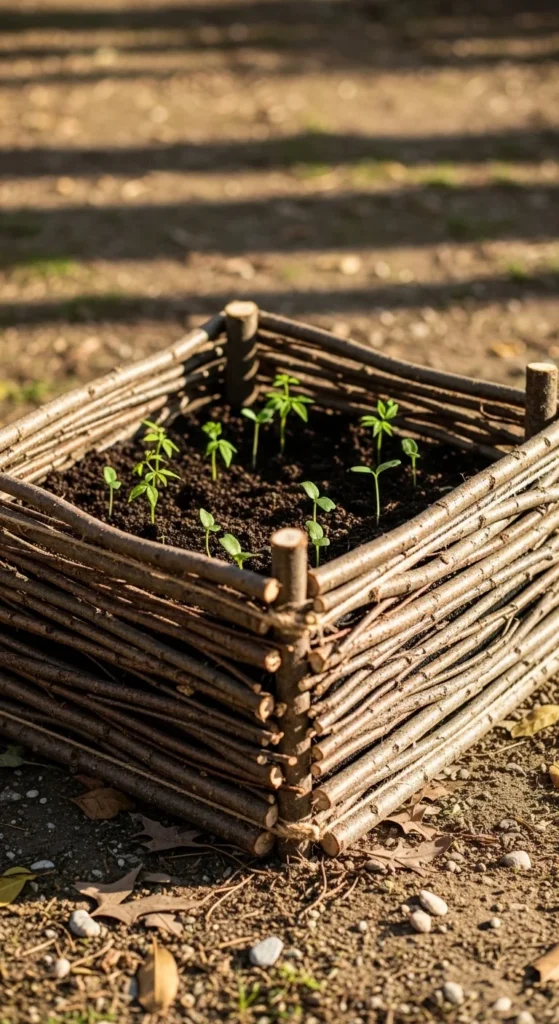
Use natural materials like twigs, branches, or small logs to outline a bed. It’s nearly zero-cost and blends with the yard. Tie sticks with rope or garden twine. Fill with soil and compost. Perfect for herbs or small vegetables. Eco-friendly and lightweight, this method works for temporary or seasonal beds.
21. IKEA Bin Raised Bed
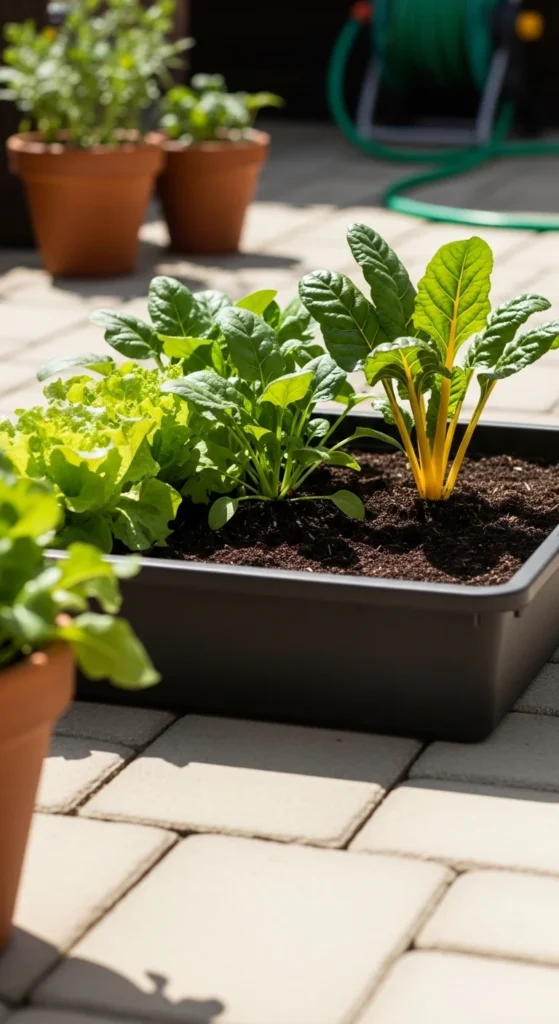
Repurpose inexpensive IKEA bins into garden beds. Drill drainage holes, fill with soil, and start planting. Bins are durable and easy to move. They’re ideal for small patios or balcony gardens. Combine multiple bins for a modular system. Cost-effective and beginner-friendly.
22. Corner L-Shaped Bed
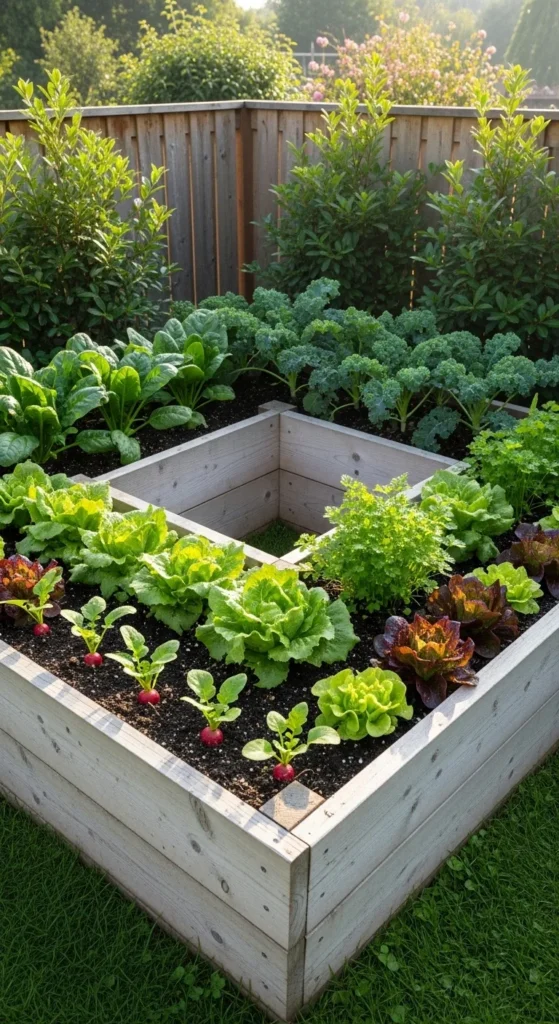
Maximize corner space with an L-shaped raised bed. Use inexpensive planks or pallets to form the shape. This design works in tight yards or patios. Fill with compost and soil for ready-to-plant beds. Corner beds are efficient and visually appealing.
23. Upcycled Log Bed
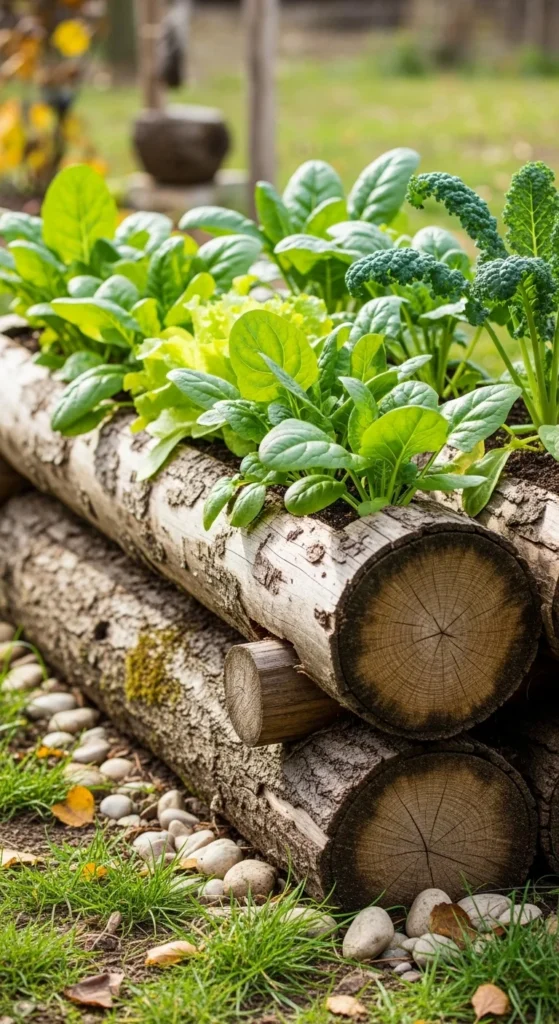
Hollow logs or fallen trees can make creative raised beds. Remove debris and fill with soil. This is cost-free if you have logs on hand. Works for shallow-rooted crops and herbs. Adds natural charm and integrates with the yard’s aesthetics.
24. Stackable Plastic Tub Bed
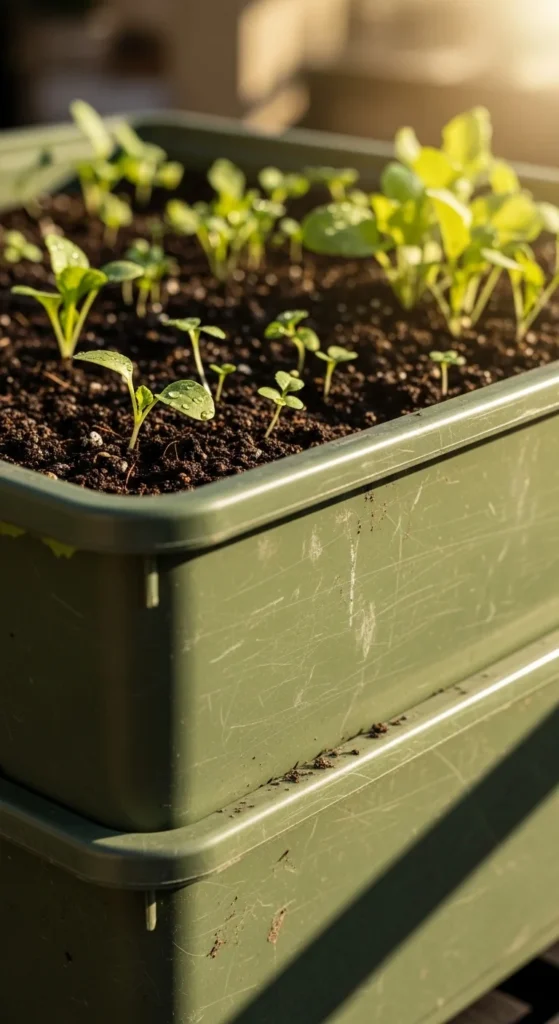
Stack shallow plastic tubs for a vertical raised bed. Drill drainage holes and fill each layer with soil. This approach is cheap, modular, and renter-friendly. Perfect for small patios or temporary setups. Expandable by adding more layers as needed.
Conclusion
Cheap raised garden beds don’t have to look basic or haphazard. From recycled pallets and cinder blocks to shallow salad beds and creative upcycled containers, there’s a budget-friendly solution for every space. Many of these projects are beginner-friendly, renter-approved, and require minimal tools or expense. Pick one that suits your yard, gather inexpensive materials, and start building. With a little creativity and effort, you can grow vegetables, herbs, and flowers without spending a fortune.
Leave a Reply