

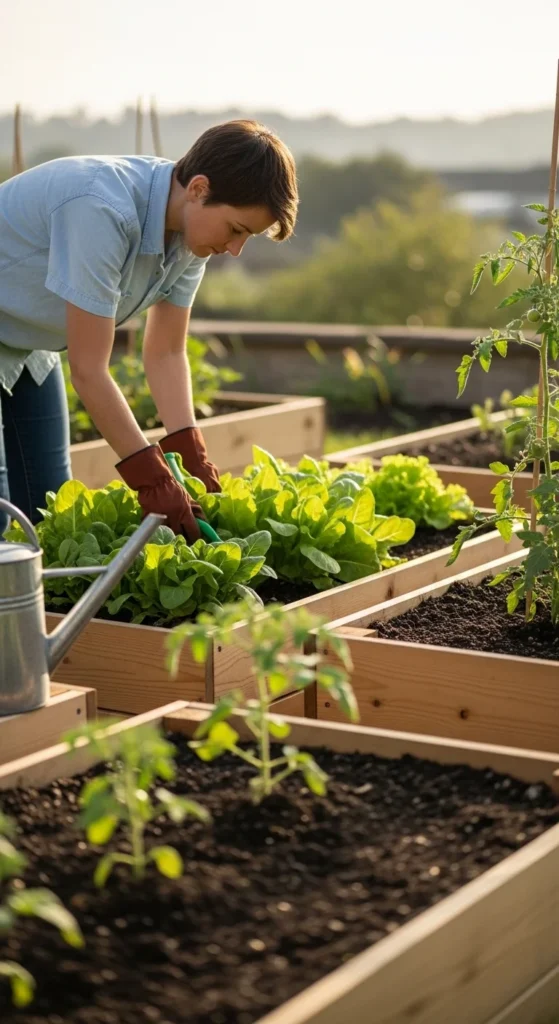
Starting an organic garden for the first time can feel overwhelming. Too much space, too many crops, and too much advice often lead to frustration. The good news is that beginner organic gardening works best when you keep things simple. Focus on healthy soil, easy crops, natural pest control, and small manageable spaces. These 24 practical steps are designed to help first-time gardeners build confidence, avoid common mistakes, and grow real food without chemicals or complicated systems.
1. Start With a Small Garden Plot
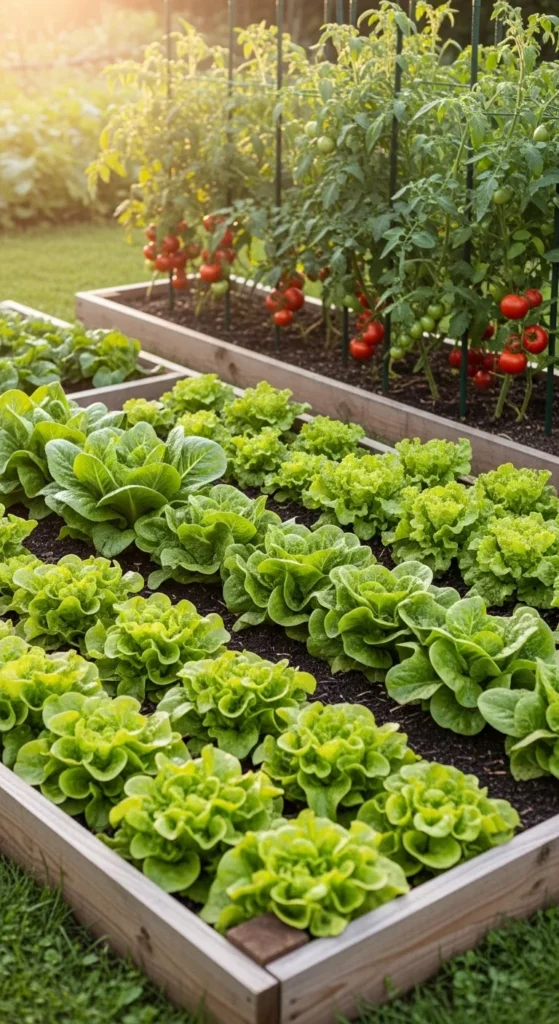
One of the biggest beginner mistakes is planting too much at once. A 50–100 square foot plot is more than enough to start. It keeps watering, weeding, and harvesting manageable.
Smaller gardens are easier to observe daily. You’ll spot pests sooner. You’ll notice dry soil faster. That means fewer problems overall.
Use string or wooden stakes to outline your space clearly. Defined edges make the garden feel organized and less chaotic.
As you gain experience, expand slowly. Add one extra bed next season instead of doubling your size overnight.
Starting small builds confidence quickly. You’ll enjoy early wins instead of feeling overwhelmed.
2. Pick a Full Sun Location
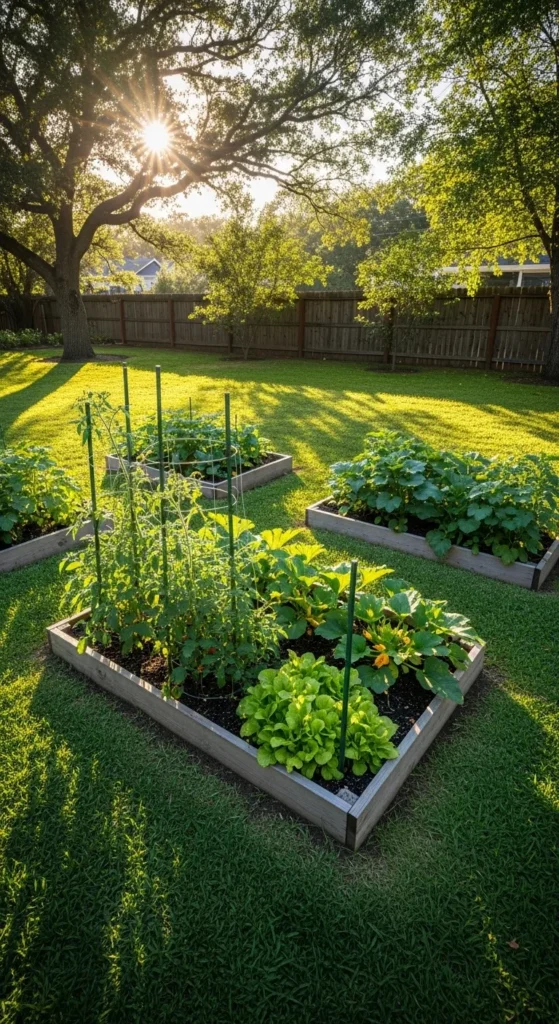
Most vegetables thrive with 6–8 hours of direct sunlight daily. Before planting, watch your yard for a full day.
Notice where shadows fall in the morning and afternoon. Trees and fences can block more light than you expect.
Mark the sunniest area and reserve it for fruiting crops like tomatoes and peppers. Leafy greens tolerate partial shade better.
If space is limited, use reflective surfaces like light-colored walls to bounce light onto plants.
Good placement reduces weak growth and low yields.
3. Improve Soil With a 3-Inch Compost Layer
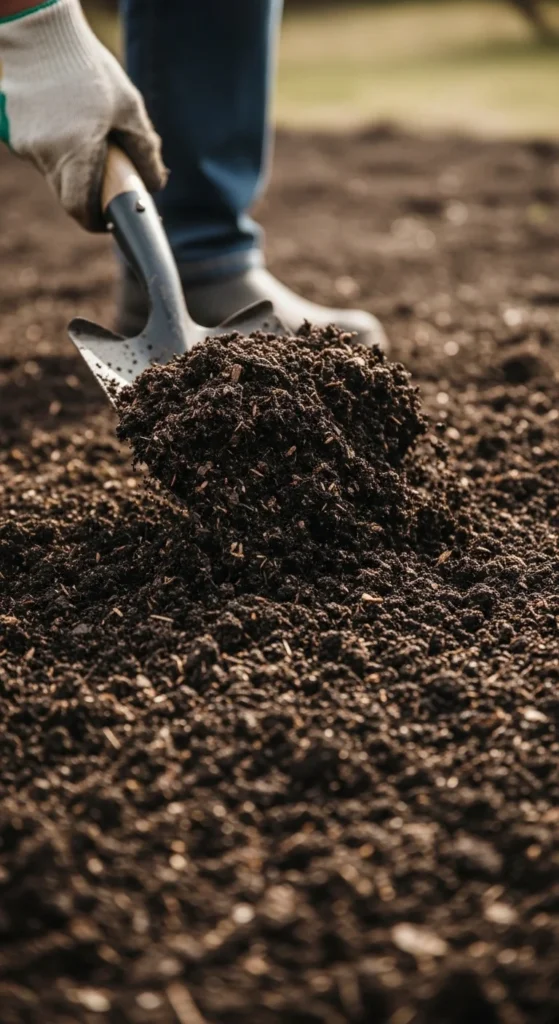
Healthy soil makes gardening much easier. Spread about three inches of compost over your bed before planting.
Compost improves drainage and adds nutrients gradually. It also helps soil retain moisture.
You can buy compost or make your own from kitchen scraps and yard waste. Even a small compost bin works well.
Mix compost gently into the top few inches. Avoid aggressive digging that disturbs soil life.
Repeat this each season. Soil improves steadily over time.
4. Choose Easy Crops for Beginners
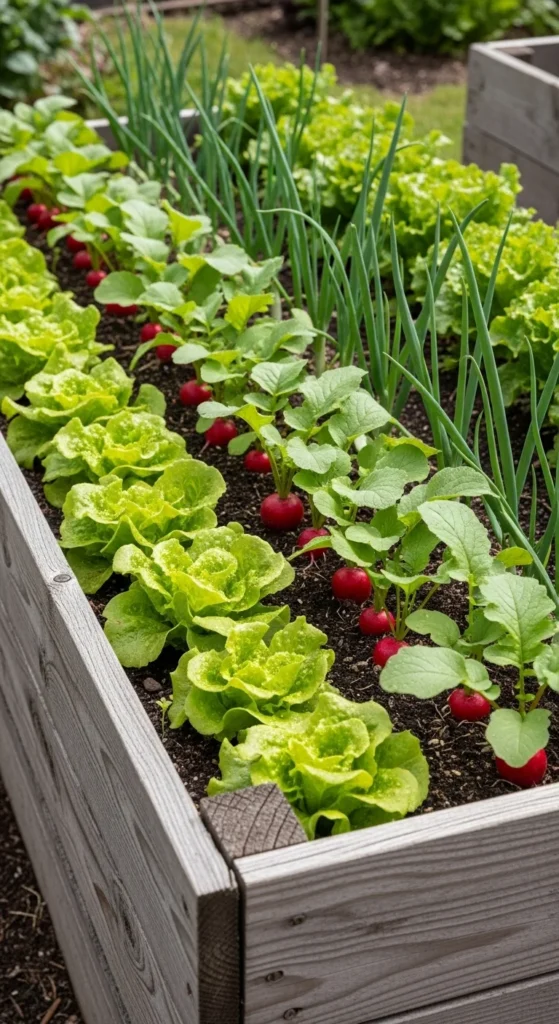
[Image Prompt: Raised bed filled with lettuce, radishes, and green onions growing evenly, bright daylight, ultra-realistic DSLR image, no text]
Pick vegetables that grow quickly and reliably. Lettuce, radishes, spinach, bush beans, and zucchini are great starters.
Fast-growing crops provide early harvests. That keeps motivation high.
Avoid complicated vegetables like cauliflower in your first season.
Plant small batches every couple of weeks. This creates steady harvests instead of one large wave.
Success with simple crops builds real gardening confidence.
5. Buy Starter Plants for Your First Season
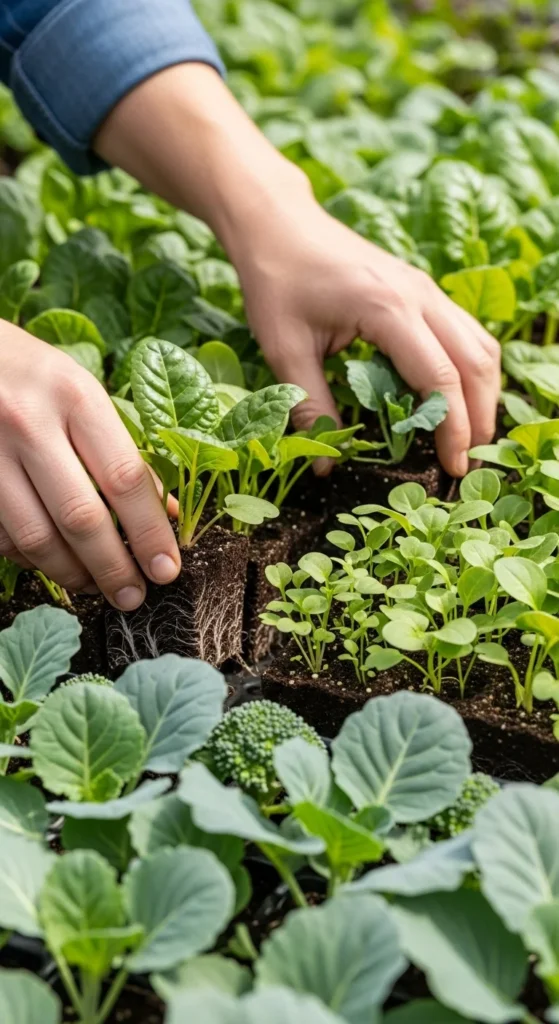
Starting from seeds indoors can feel tricky. Buying young plants saves time and reduces early mistakes.
Choose sturdy seedlings with thick stems and healthy leaves. Avoid leggy or yellowing plants.
Transplant carefully into moist soil. Water gently after planting.
You can try seeds next season once you understand your climate better.
This shortcut makes your first experience smoother.
6. Use Untreated Organic Seeds
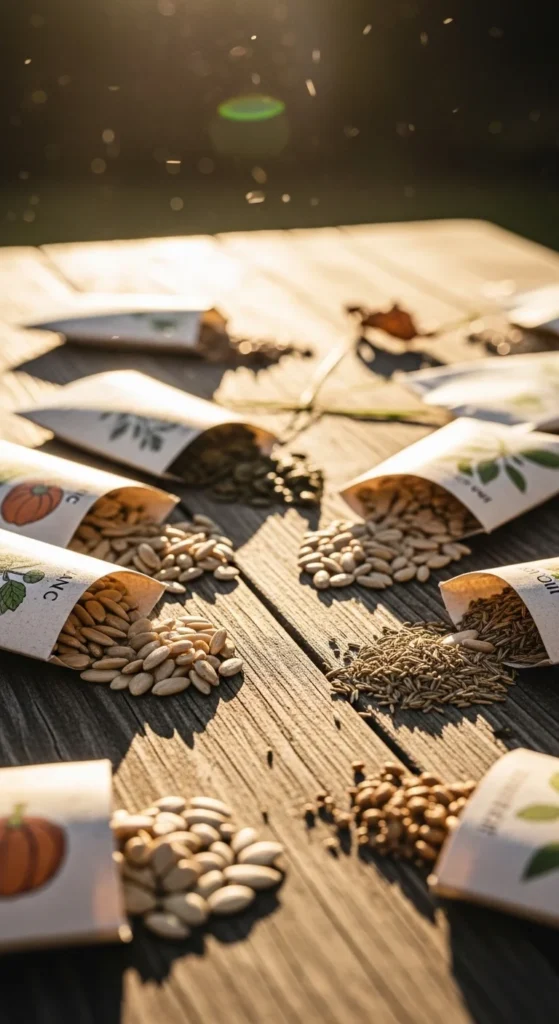
If you do plant seeds, choose untreated organic varieties.
They avoid chemical coatings and fit your natural growing approach.
Start with a few dependable varieties rather than dozens.
Store leftover seeds in a cool dry place for next season.
Simple seed choices reduce confusion.
7. Practice No-Dig Gardening
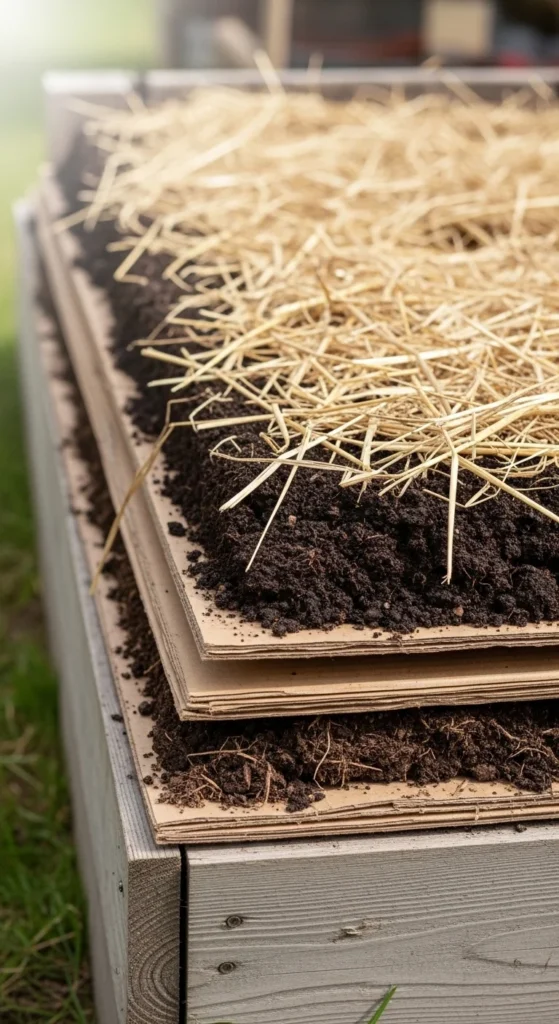
No-dig gardening protects soil structure.
Lay cardboard directly on grass to block weeds. Add compost and mulch on top.
This method saves labor and preserves earthworms.
It works well for new beds and small spaces.
Add fresh compost each season to maintain soil quality.
8. Mulch to Reduce Weeds
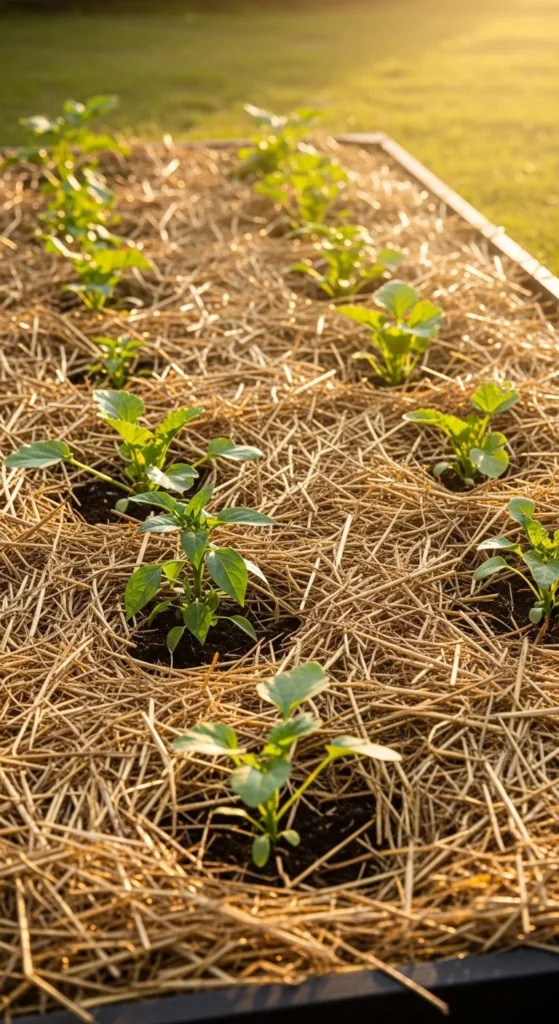
Mulch suppresses weeds and keeps soil moist.
Spread straw, shredded leaves, or grass clippings 2–3 inches thick.
Keep mulch slightly away from plant stems.
Reapply when it thins out.
Less weeding means more time enjoying your garden.
9. Water Deeply Using the Finger Test
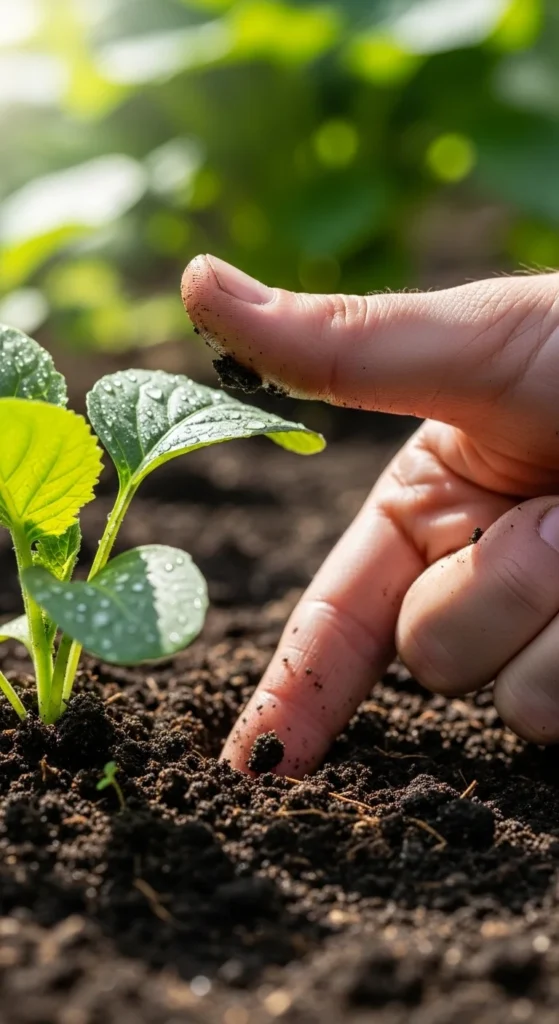
Overwatering is common among beginners.
Push your finger one inch into the soil. If it feels dry, water deeply.
If it feels damp, wait another day.
Morning watering works best.
This simple habit prevents root rot.
10. Space Plants Properly
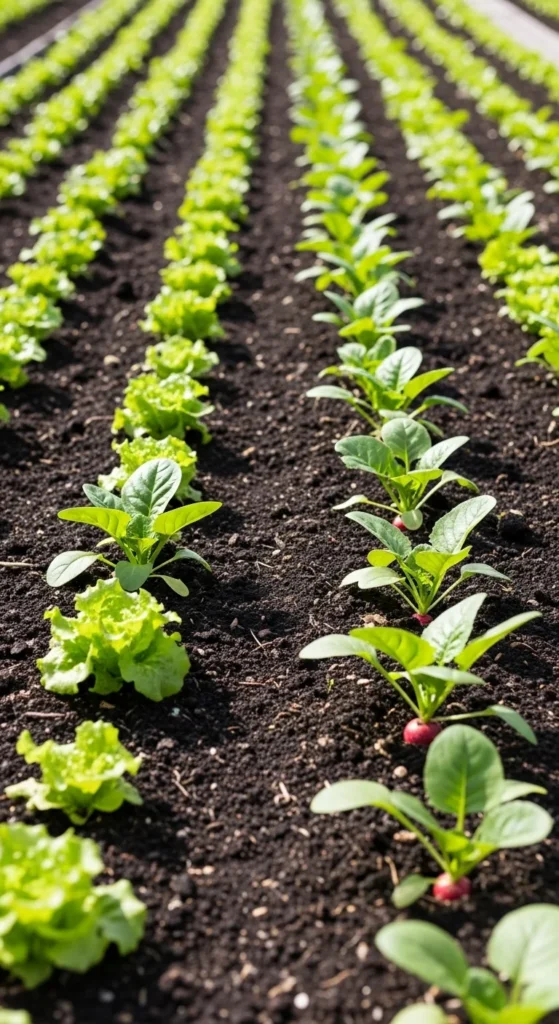
Crowded plants struggle with airflow.
Check seed packets or labels for spacing guidelines.
Give plants room to grow full size.
Good spacing reduces disease and makes harvesting easier.
Resist the urge to cram extra plants into small areas.
11. Rotate Crops Each Year
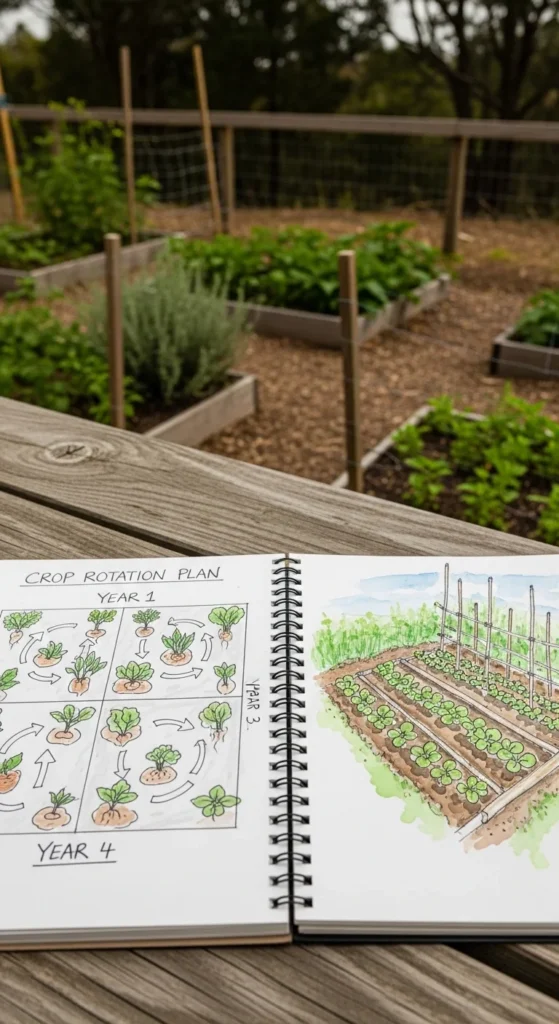
Planting the same crop in the same spot invites pests.
Move plant families to different beds yearly.
Keep a basic sketch to track placements.
Rotation keeps soil balanced.
Even small gardens benefit from this habit.
12. Attract Beneficial Insects
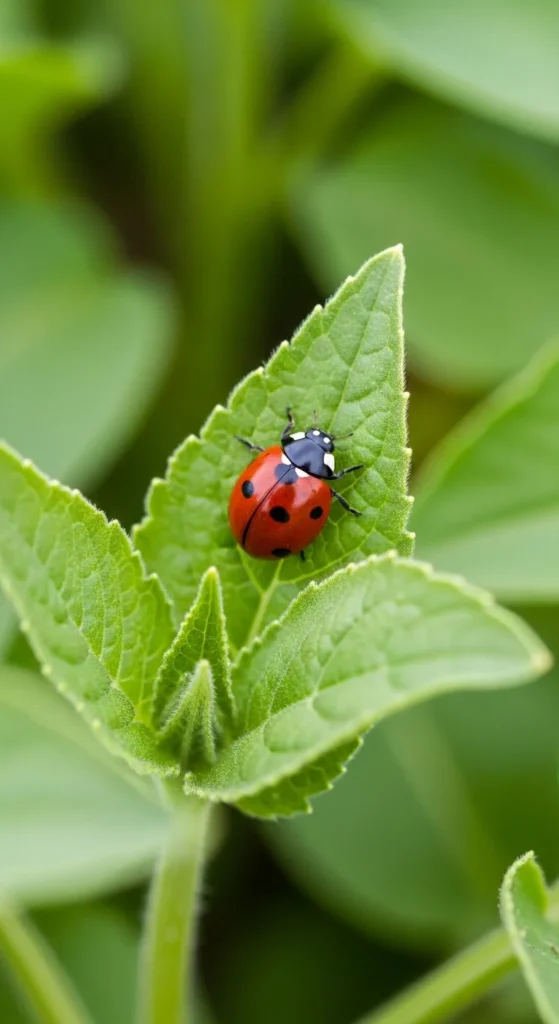
Ladybugs and other helpful insects control pests naturally.
Plant small flowering herbs like dill and parsley nearby.
Avoid spraying unless necessary.
You can also build a small insect shelter using bamboo and wood scraps.
Natural balance reduces chemical reliance.
13. Harden Off Seedlings
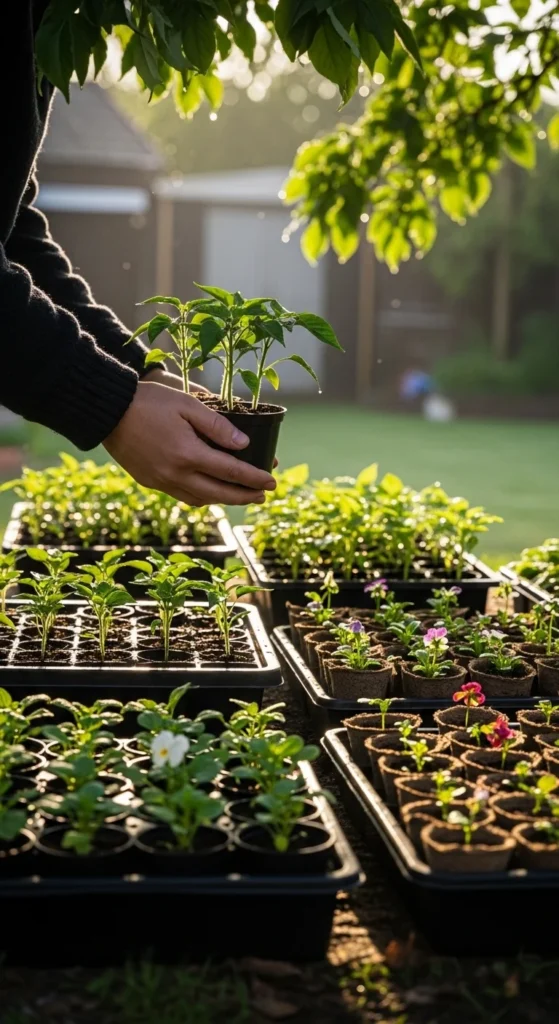
Indoor seedlings must adjust gradually.
Place them outside for a few hours daily. Increase exposure slowly.
After about a week, they adapt well.
This prevents transplant shock.
Stronger seedlings establish faster.
14. Keep a Simple Garden Journal
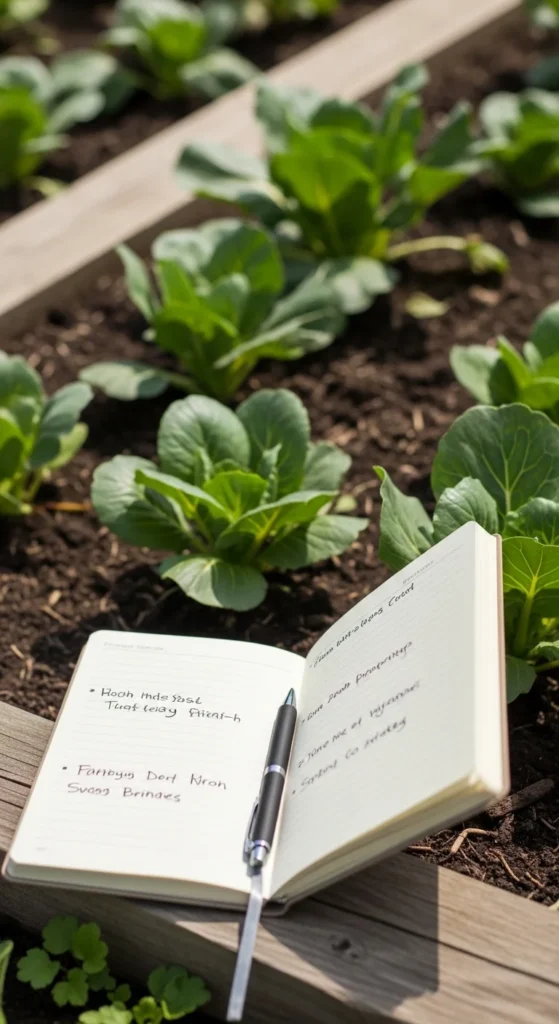
Write planting dates and weather notes.
Track harvest amounts and pest issues.
You’ll see patterns quickly.
A basic notebook works fine.
Learning from past seasons improves results each year.
15. Try Vertical Growing
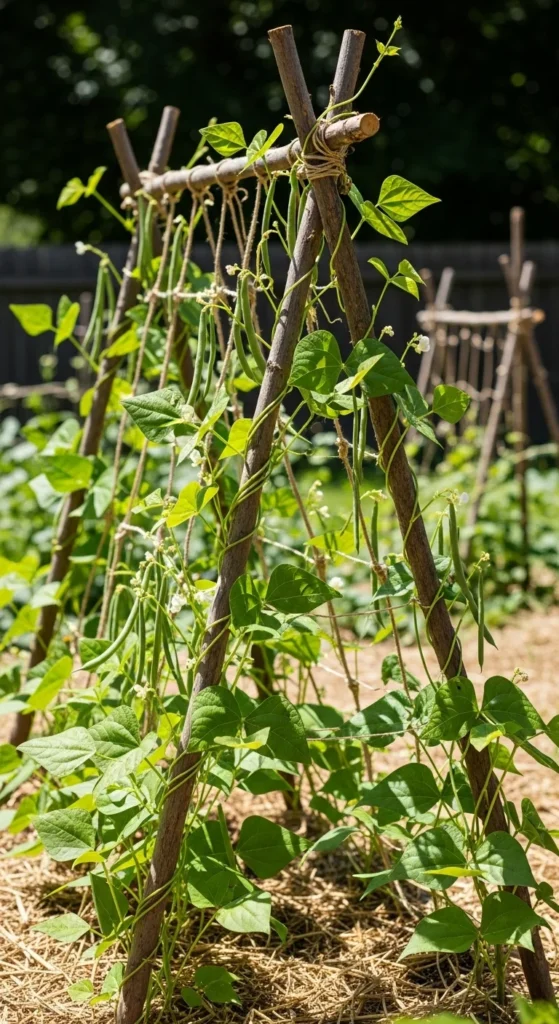
Use trellises for beans and cucumbers.
Vertical growth saves space and improves airflow.
Old ladders or netting work well.
Place tall crops on the north side of beds.
Small gardens become more productive this way.
16. Use Compost Tea Occasionally
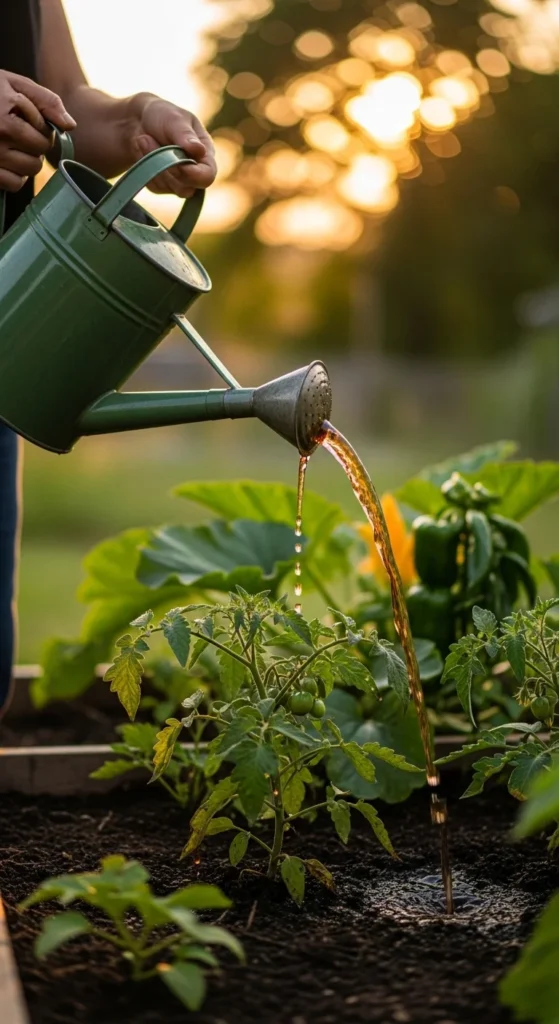
Compost tea is an easy liquid feed.
Steep compost in water for a day.
Strain and water around plant roots.
Use every few weeks during active growth.
It’s simple and inexpensive.
17. Install Simple Drip Irrigation
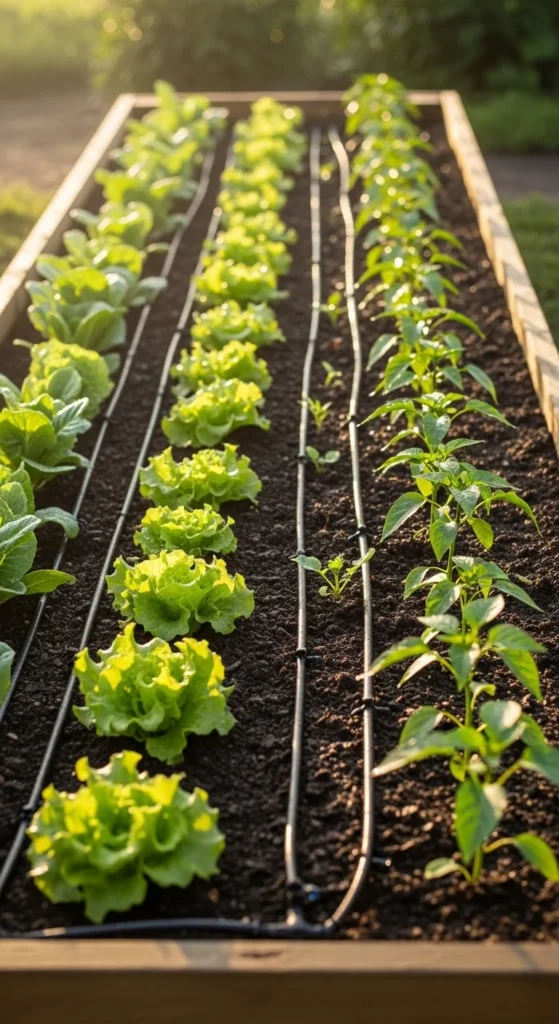
Drip lines deliver water directly to roots.
They reduce waste and leaf diseases.
Basic kits are affordable and easy to install.
Even a soaker hose works.
Consistent watering improves plant strength.
18. Collect Rainwater
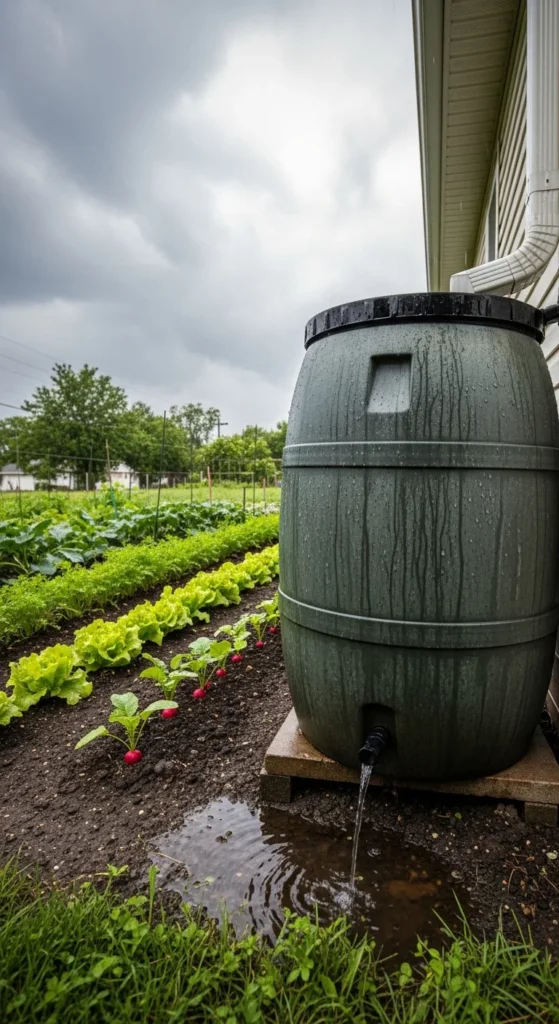
Rainwater reduces water bills.
Install a simple barrel under a downspout.
Cover it with mesh to keep debris out.
Use collected water during dry spells.
Plants often respond well to natural rainwater.
19. Prune for Better Air Circulation
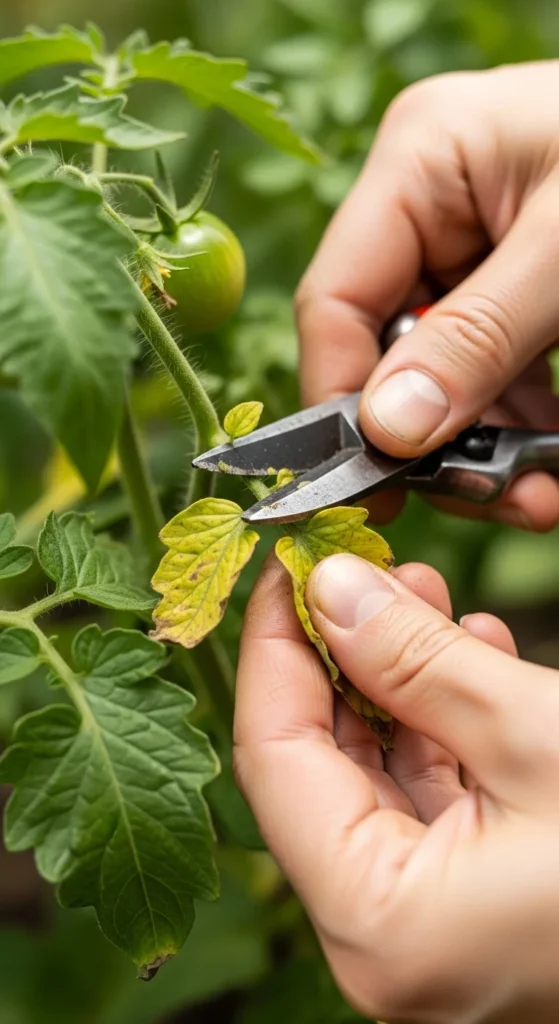
Remove damaged or crowded leaves.
Focus on lower tomato leaves touching soil.
Use clean pruners.
Better airflow reduces disease spread.
Light pruning keeps plants tidy and productive.
20. Test Soil Once Per Year
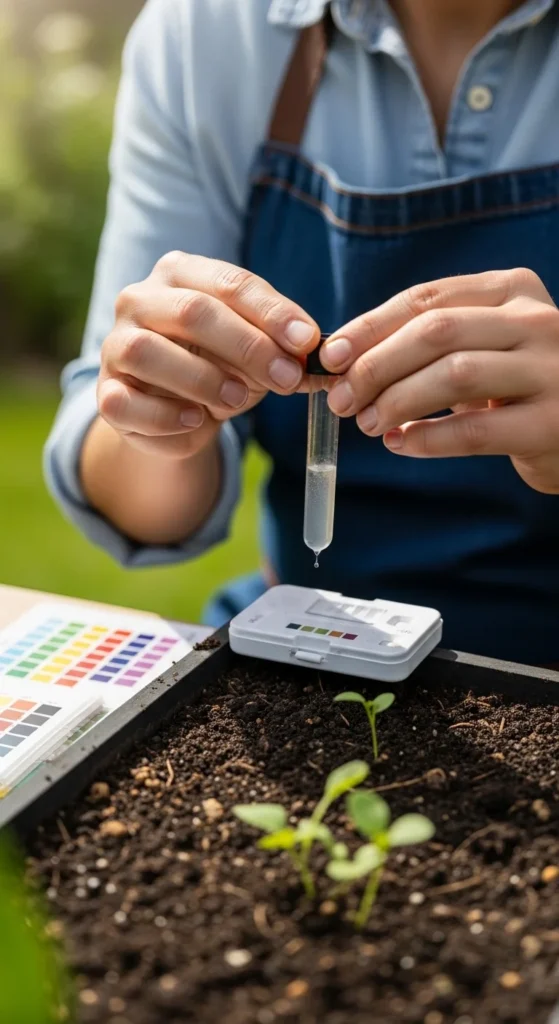
Annual soil tests reveal nutrient levels.
Use affordable home kits.
Adjust compost or amendments based on results.
Avoid guessing.
Balanced soil leads to steady plant growth.
21. Grow Native or Adapted Varieties
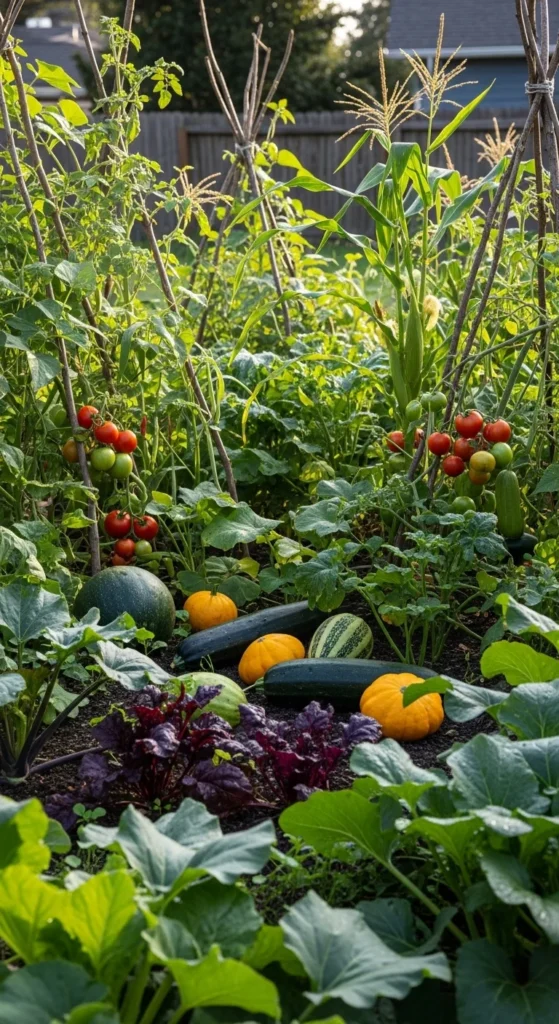
Native or locally adapted crops handle weather swings better.
They often require less watering.
Ask local gardeners which varieties perform well.
Start with regional favorites.
Plants suited to your area thrive more easily.
22. Try Worm Composting Indoors
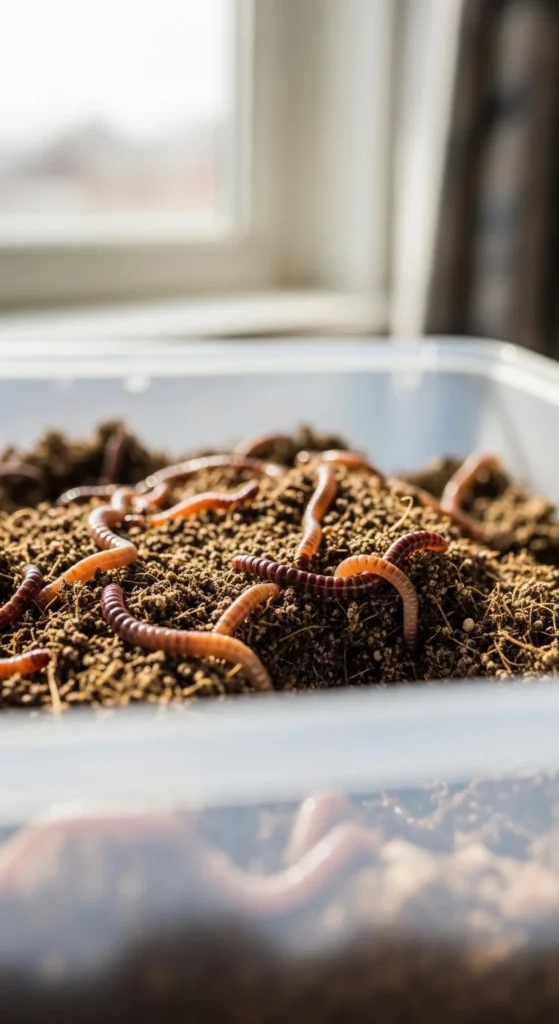
Worm bins fit under sinks or in garages.
They convert scraps into rich castings.
Use finished castings around plants.
Maintenance is simple and odor-free if managed properly.
It’s great for apartment gardeners.
23. Start With Tabletop or Container Veggies
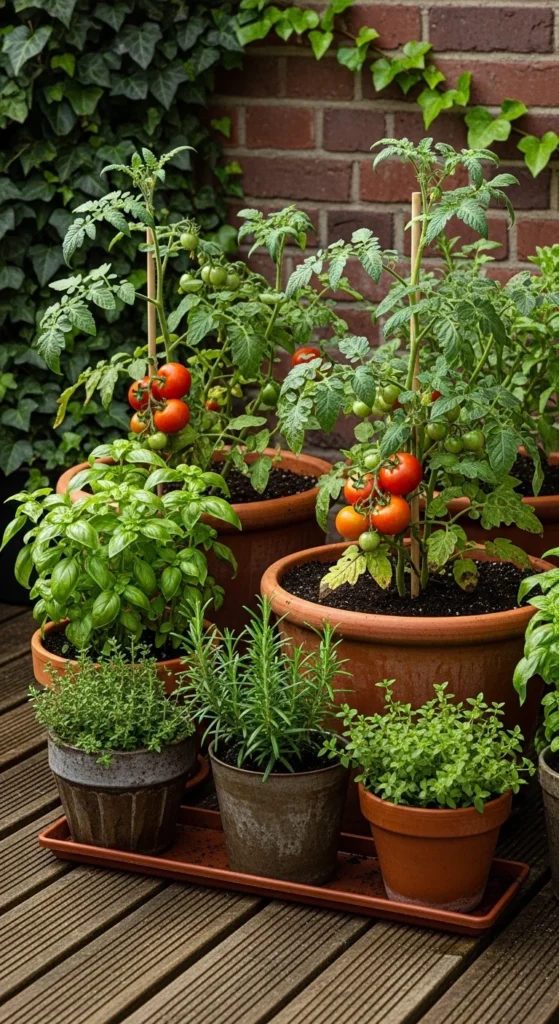
Containers are perfect for beginners.
Use quality potting mix and drainage holes.
Herbs and dwarf tomatoes perform well.
Water more often since pots dry faster.
Small successes build gardening confidence.
24. Expand Slowly Each Season
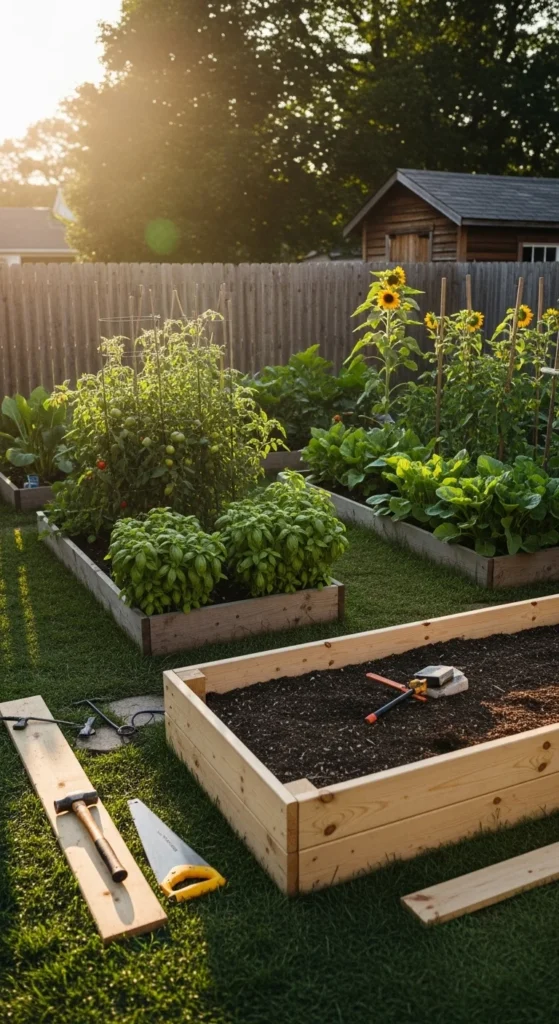
Resist planting too much at once.
Add one new bed or crop per season.
Master basic care before increasing size.
Gradual growth keeps gardening enjoyable.
Steady improvement beats rushing every time.
Conclusion
Beginner organic gardening works best when you keep it simple. Start small, focus on healthy soil, choose easy crops, and rely on natural methods. With steady habits and realistic expectations, your garden becomes easier each season. Take one step at a time, stay consistent, and enjoy growing your own clean, homegrown food.
Leave a Reply