

Few things bring a garden to life like fluttering butterflies. They’re not only beautiful but also helpful pollinators that support plant growth. The good news? You don’t need chemicals or expensive setups to draw them in. By planting the right flowers and creating a welcoming space, you can turn your garden into a butterfly paradise.
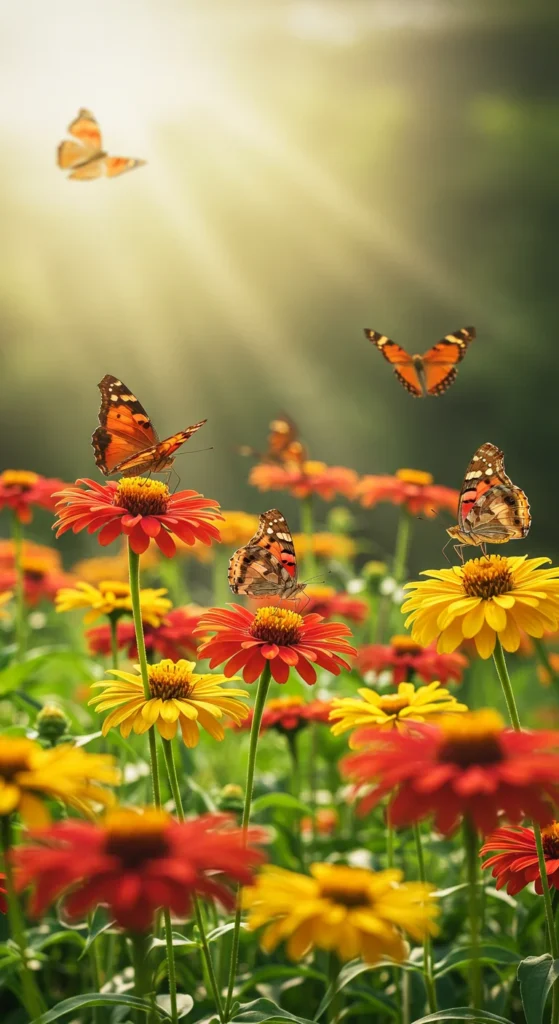
Here’s how to make your outdoor space irresistible to these winged visitors.
Plant Nectar-Rich Flowers
Butterflies feed on nectar, so filling your garden with nectar-rich plants is the first step.
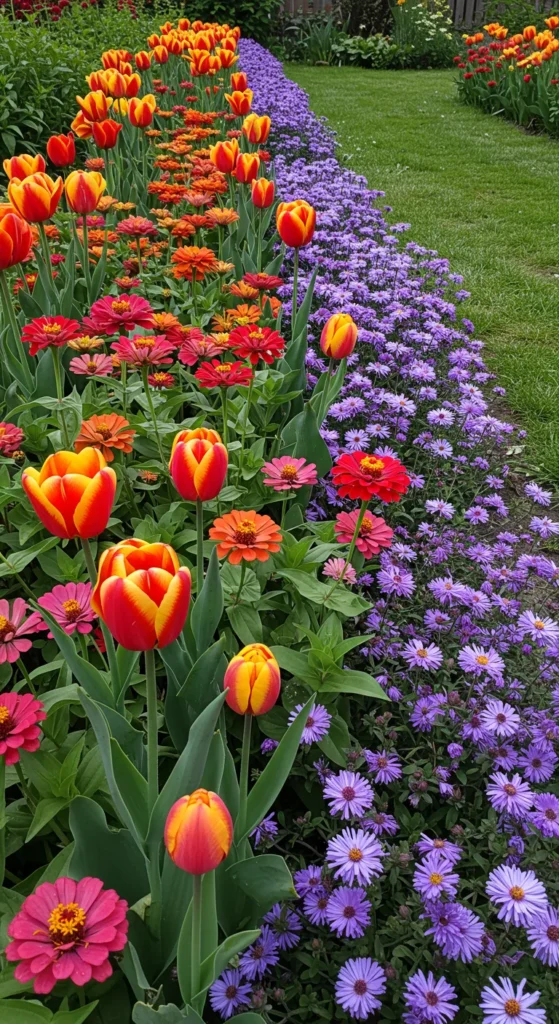
- Bright, fragrant flowers like zinnias, marigolds, and cosmos are butterfly magnets.
- Perennials like coneflowers, black-eyed Susans, and lavender are reliable year after year.
- Try planting in clusters—big patches of color are easier for butterflies to spot.
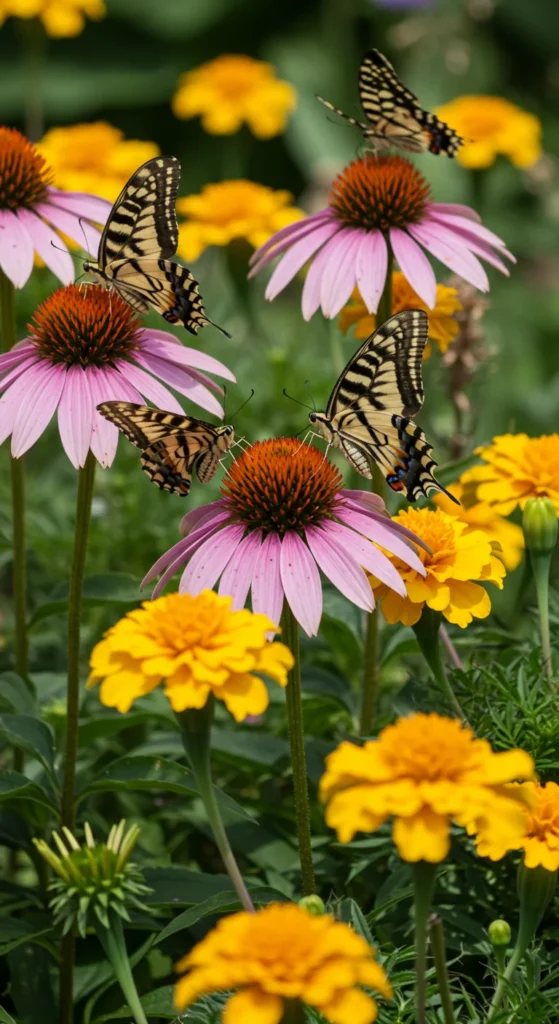
When possible, choose native flowers. They bloom at the right times and provide nectar perfectly suited to local butterflies.
Provide Host Plants for Caterpillars
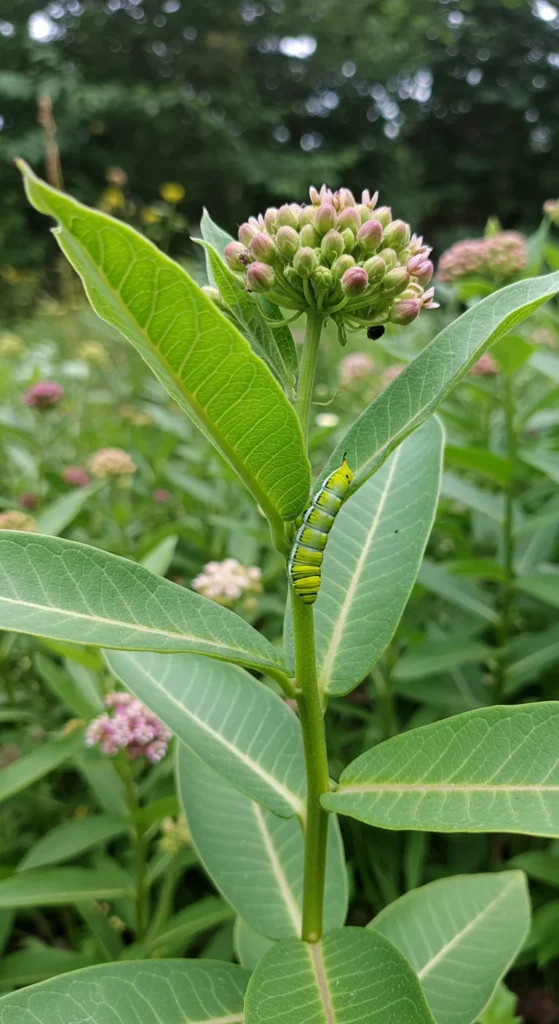
Butterflies lay eggs on specific host plants where caterpillars can feed. Without them, butterflies won’t stick around long-term.
- Milkweed is essential for monarch butterflies.
- Parsley, dill, and fennel attract swallowtails.
- Nettles support red admiral caterpillars.
Dedicate a corner of your garden to these plants. Even if caterpillars munch them down, they’ll bounce back, and you’ll enjoy seeing the full butterfly life cycle.
Create Sunny Resting Spots
Butterflies are cold-blooded and love to bask in the sun. Provide flat stones or wooden surfaces where they can warm up.
Place these sunny resting spots near flowers for easy access to food. Avoid shady corners—open, sunny areas are more inviting. Adding a few strategically placed rocks or a garden bench doubles as décor and butterfly habitat.
Offer Shallow Water Sources
Butterflies don’t drink from birdbaths. They prefer shallow puddles where they can sip safely.
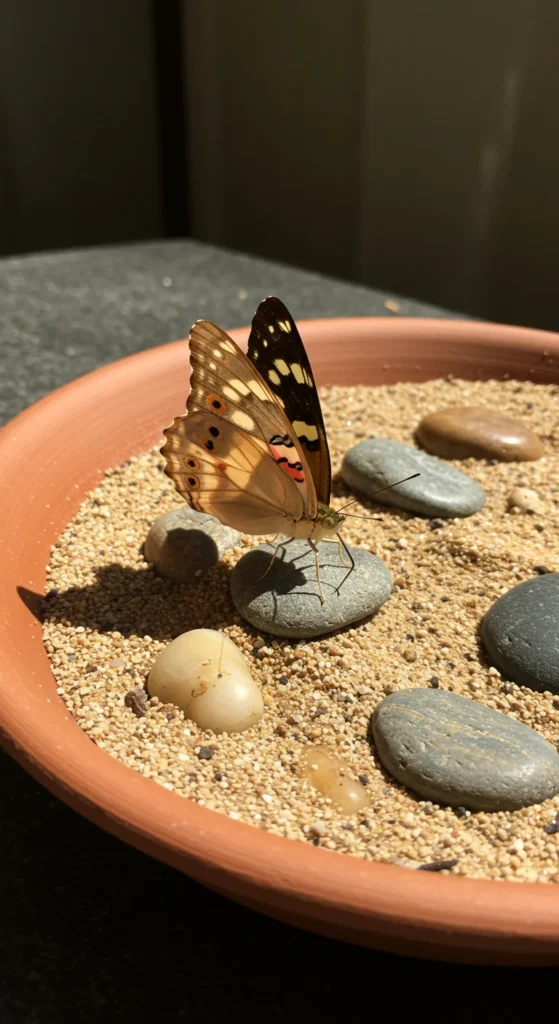
- Create a “puddle station” by filling a shallow dish with damp sand or soil.
- Add a few flat stones for perches.
- Keep it moist with a quick spray of water.
This simple setup gives butterflies the minerals they need while keeping them hydrated.
Avoid Pesticides
Even “natural” sprays can harm butterflies and caterpillars. Skip chemical treatments and focus on natural pest control.
- Encourage birds, ladybugs, and praying mantises to handle pests.
- Hand-pick unwanted insects when possible.
- Choose companion planting to deter problem bugs.
By avoiding pesticides, you protect not just butterflies but bees and other beneficial creatures too.
Plant for Continuous Blooms
Butterflies need food all season long. Mix early, mid, and late-blooming plants to provide nectar from spring through fall.
- Spring: lilac, phlox, and sweet alyssum.
- Summer: zinnias, lantana, and sunflowers.
- Fall: goldenrod and asters.
This keeps your garden attractive year-round while giving butterflies a steady food supply.
Add a Touch of Wild
Perfectly manicured lawns don’t always attract butterflies. Leave a small patch of wildflowers or let a corner of your yard grow naturally. Native grasses, clover, and “weeds” like dandelions can provide both nectar and shelter. A slightly wild look often makes butterflies feel right at home.
Final Takeaway
Butterflies bring beauty, color, and life to your garden—and inviting them doesn’t have to be complicated. With nectar-rich flowers, host plants, sunny resting spots, and a few natural touches, your space can become a favorite stop for these winged wonders.
Leave a Reply