

If you want bigger blooms, healthier soil, and thriving plants — there’s one garden secret that does it all: compost tea. This magical brew is packed with beneficial microbes, nutrients, and organic goodness that your plants will absolutely love. It’s like giving your garden a vitamin boost — all made from ingredients you already have!
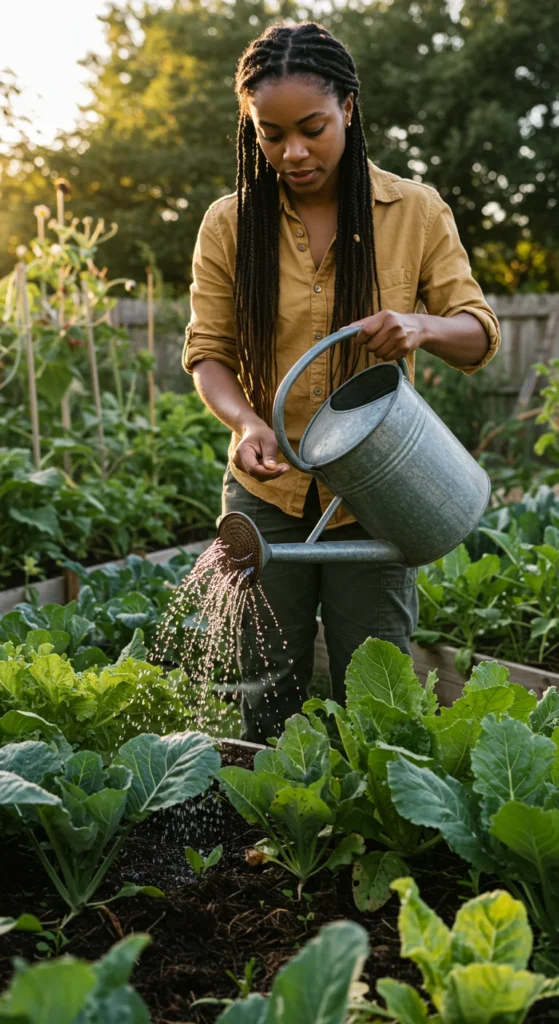
Let’s explore how to make compost tea at home, why it works, and how to use it for maximum growth.
What Is Compost Tea (and Why It Works)
Compost tea is a liquid fertilizer made by steeping finished compost in water. The result? A nutrient-rich solution filled with beneficial bacteria and fungi that help your plants absorb nutrients faster and build strong roots.
Here’s why gardeners swear by it:
- Improves soil health by boosting microbial life.
- Enhances nutrient uptake for faster growth.
- Strengthens plant immunity against diseases and pests.
- Encourages lush foliage and vibrant blooms.
Think of it as nature’s own energy drink for your plants — totally organic and chemical-free!
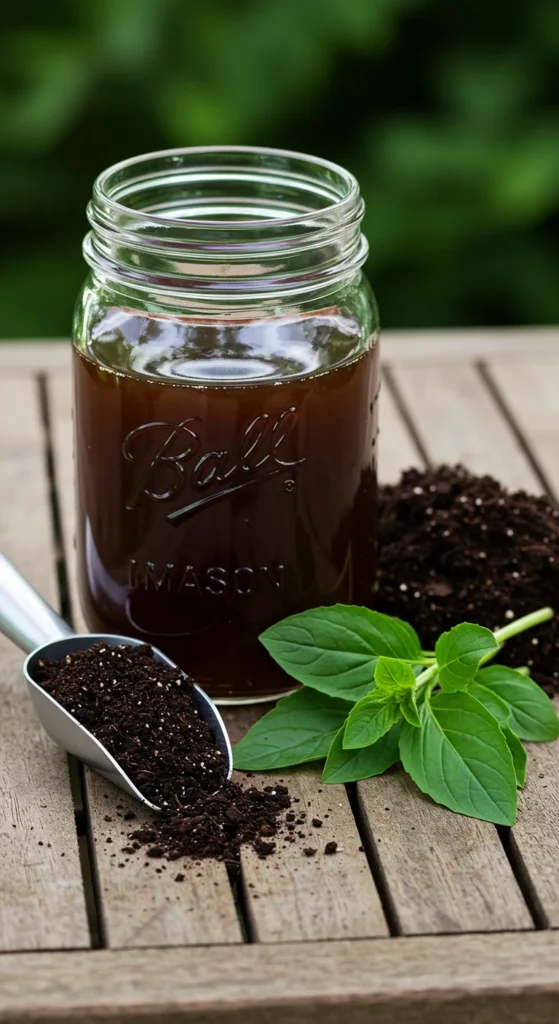
Gather Your Ingredients and Tools
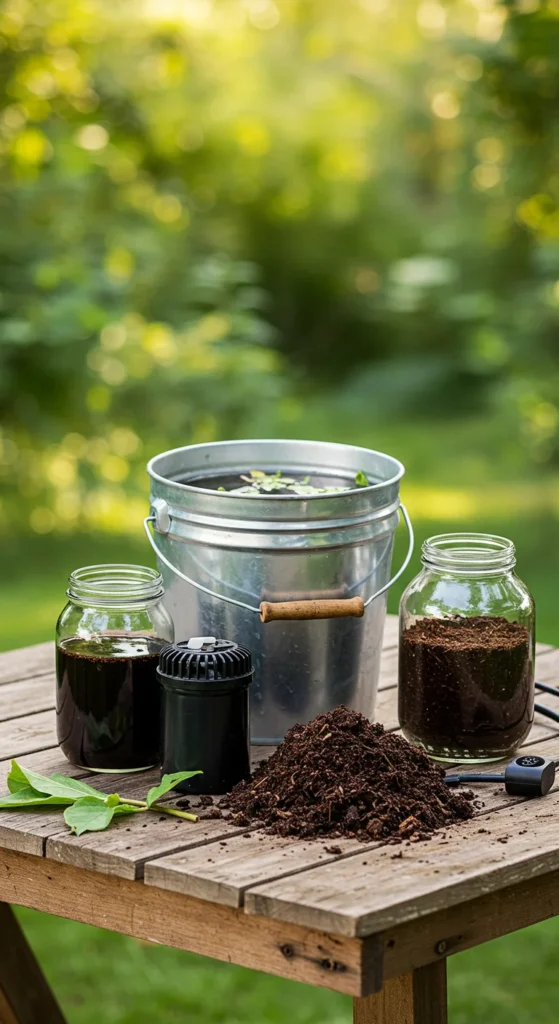
The best part about compost tea is how simple it is to make. You only need a few basics:
You’ll need:
- 1 part finished compost (rich, dark, and crumbly)
- 5 parts non-chlorinated water (rainwater or dechlorinated tap water)
- A large bucket or container (5-gallon works great)
- A strainer or cheesecloth
- An aerator or aquarium pump (optional) — helps boost oxygen for “active” compost tea
Optional boosters:
- 1 tablespoon of molasses – feeds beneficial microbes.
- 1 tablespoon of liquid kelp or fish emulsion – adds trace minerals.
Tip: Avoid using compost that smells bad or is still decomposing. It should have a clean, earthy scent.
Step-by-Step: How to Brew Compost Tea
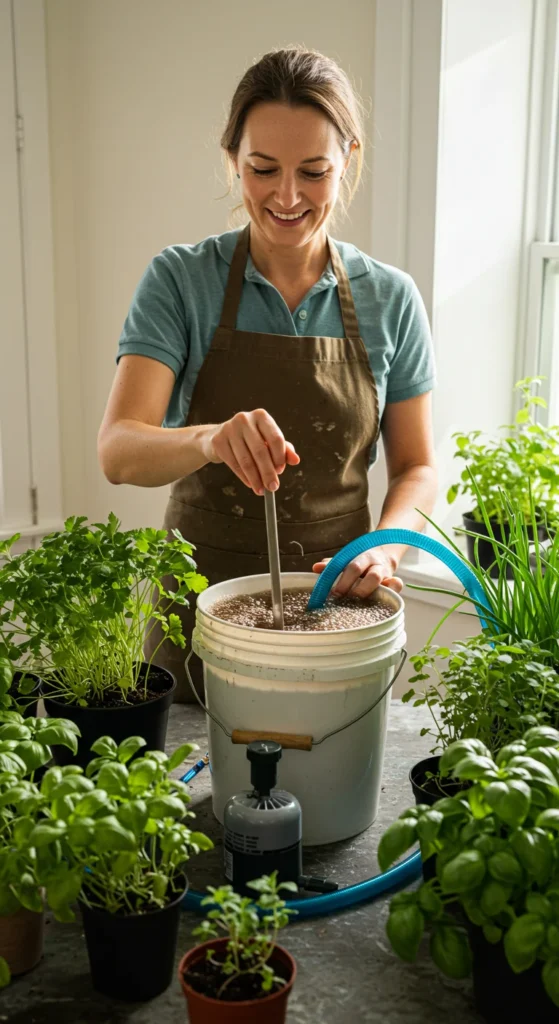
Now comes the fun part — brewing your compost tea! There are two main methods: aerated (using a pump) and non-aerated (simple soaking). Both work well, but aerated tea produces more active microbes.
Method 1: Aerated Compost Tea (Best for Fast Results)
- Fill your bucket with water and let it sit for 24 hours if using tap water (to remove chlorine).
- Add compost — about 1 part compost to 5 parts water.
- Add molasses and optional boosters to feed microbes.
- Insert your air pump and let it bubble continuously for 24–36 hours.
- Strain the mixture through cheesecloth or a fine mesh to remove solids.
Your tea should smell earthy — not rotten!
Method 2: Non-Aerated Compost Tea (Simple Version)
- Mix compost and water in a bucket.
- Stir well once or twice a day for oxygen flow.
- Let it steep for 3–4 days, then strain.
Use your finished tea right away for the best results!
How to Use Compost Tea in Your Garden
Once your compost tea is ready, it’s time to put it to work. You can use it in two simple ways: soil drench or foliar spray.
1. Soil Drench
Pour compost tea directly at the base of your plants. This feeds the roots and improves soil biology.
- Use once every 1–2 weeks during the growing season.
- Perfect for veggies, flowers, and fruit trees.
2. Foliar Spray
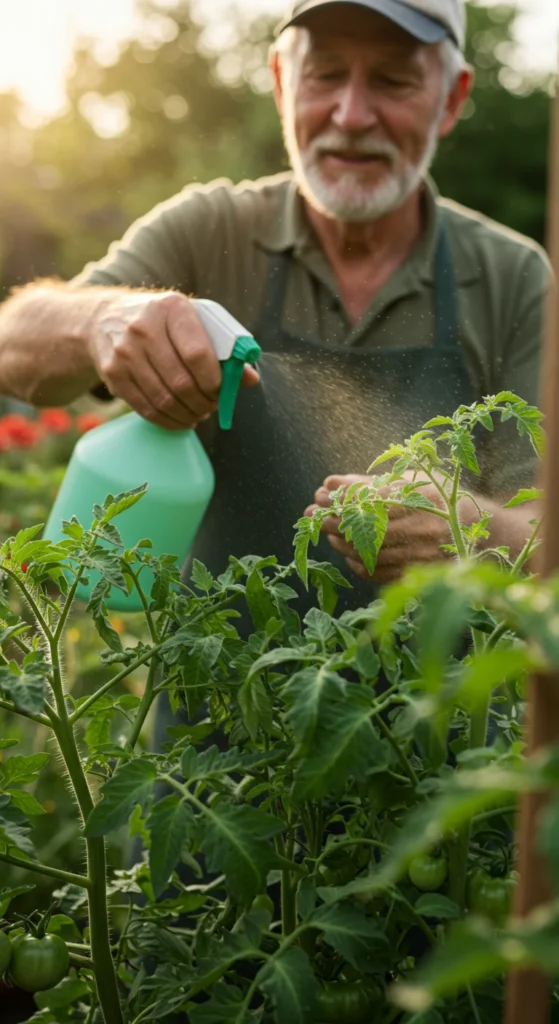
Pour the tea into a spray bottle or garden sprayer and mist your plants’ leaves. Nutrients and microbes will absorb directly through the foliage.
- Apply early morning or late afternoon (avoid direct midday sun).
- Use a fine mist for even coverage.
Tip: Strain your tea well before spraying to avoid clogging the nozzle.
Storage and Shelf Life
Compost tea is alive with beneficial microbes — so it doesn’t last long!
- Use it within 24 hours of brewing for maximum potency.
- If you must store it, keep it in a cool, dark place for no more than 2 days.
- Avoid sealing tightly — microbes need air to survive.
If it starts to smell sour or rotten, don’t use it. Just add it back to your compost pile instead.
Pro Tips for Perfect Compost Tea
- Always use clean tools to prevent contamination.
- Avoid using compost made from animal waste for edible plants.
- Apply regularly for best results — think of it as part of your plant care routine.
- Combine with mulch or worm castings for extra soil benefits.
With consistent use, you’ll notice stronger, greener plants that seem to grow faster and resist disease naturally.
Final Takeaway
Compost tea is one of the easiest, most rewarding ways to boost plant growth naturally. With just a few simple ingredients and a little time, you can create a powerful elixir that transforms your garden into a thriving paradise.

Leave a Reply