

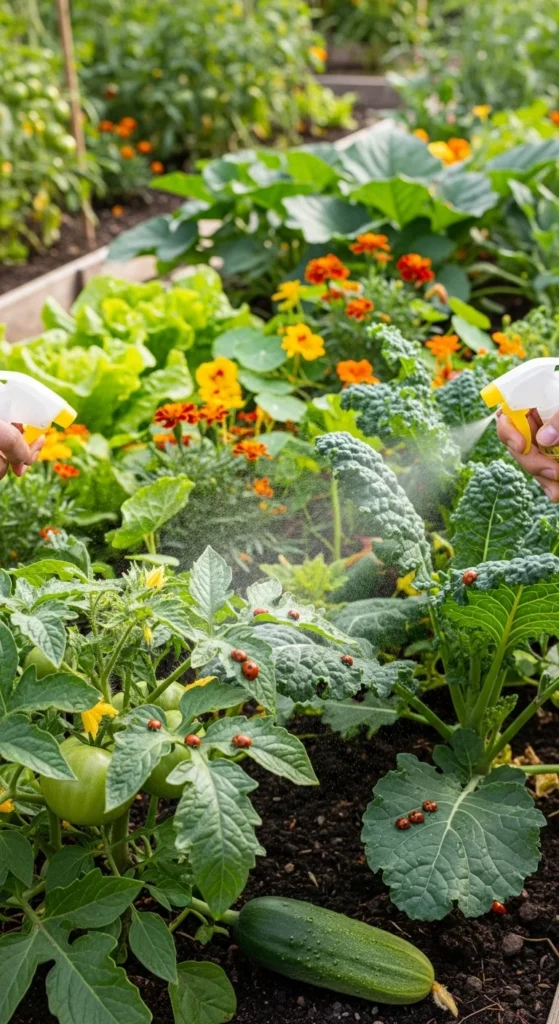
Organic pest control lets gardeners manage insects and critters without harmful chemicals. From neem oil sprays to beneficial insects and companion planting, these methods protect plants while preserving the ecosystem. Whether you’re fighting aphids, slugs, or caterpillars, natural solutions work with your garden—not against it. This guide walks you through 28 practical, low-cost strategies to keep your garden thriving and pest-free.
1. Neem Oil Spray for Aphids
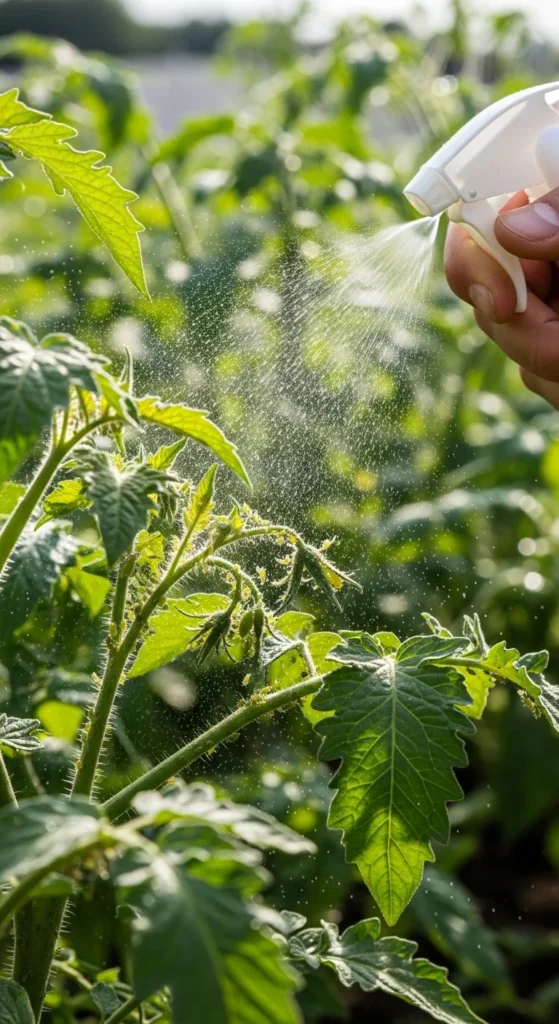
Neem oil interferes with insect hormones, stopping them from feeding and reproducing. Mix 1–2 tablespoons per gallon of water. Spray on affected leaves in the morning or evening to avoid sunburn. Repeat every 7–10 days. It’s safe for bees and other beneficial insects when applied correctly. DIY tip: use a garden sprayer with a fine mist to cover undersides of leaves. Store leftover neem in a dark bottle away from heat.
2. Companion Planting
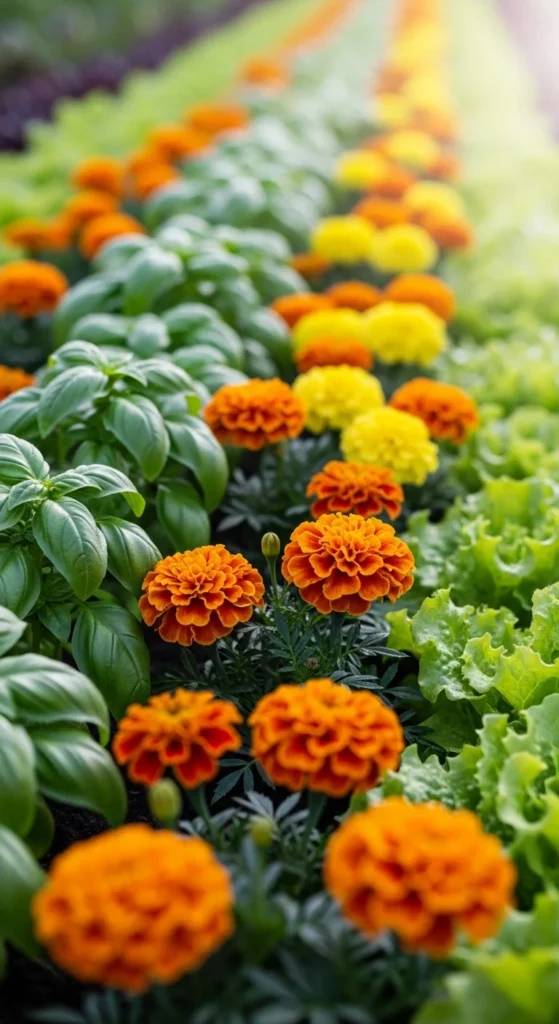
Plant certain crops together to repel pests naturally. Marigolds deter nematodes, basil wards off mosquitoes, and garlic repels aphids. Arrange flowers and herbs around vulnerable vegetables. A small garden can double as a pest barrier by mixing flowers and vegetables strategically. Budget tip: start with seeds from leftover kitchen scraps or local seed swaps. Rotate companions each season to keep pests guessing.
3. Diatomaceous Earth Barriers
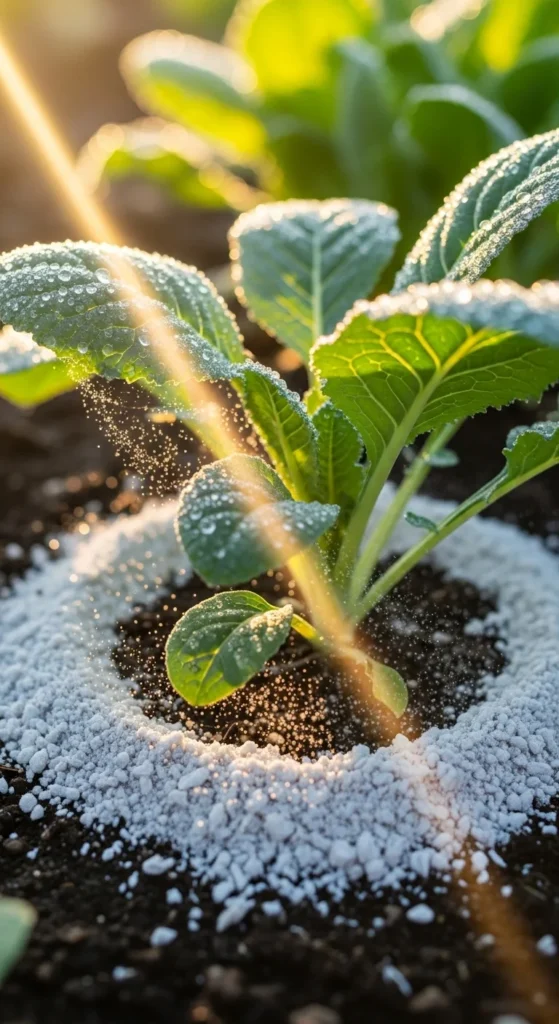
Diatomaceous earth (DE) dehydrates soft-bodied insects like slugs and caterpillars. Sprinkle a thin layer around plant bases and repeat after rain. Wear gloves and avoid inhaling dust. For extra protection, combine with crushed eggshells or coffee grounds. A DIY pouch of DE inside pantyhose can be tied around plants for safer application.
4. Bacillus thuringiensis (Bt) Sprays
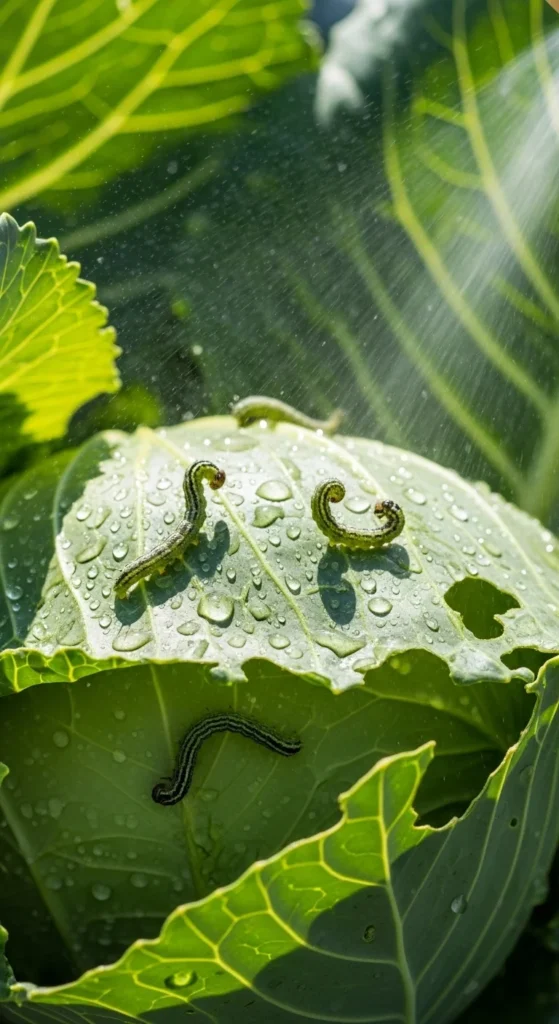
Bt is a natural bacteria targeting caterpillars. Mix according to label instructions and spray leaves where larvae feed. Timing is crucial: spray when young caterpillars appear for maximum effect. It won’t harm butterflies or pollinators. Save money by using small garden bottles instead of commercial sprayers for backyard plots.
5. Ladybug Release
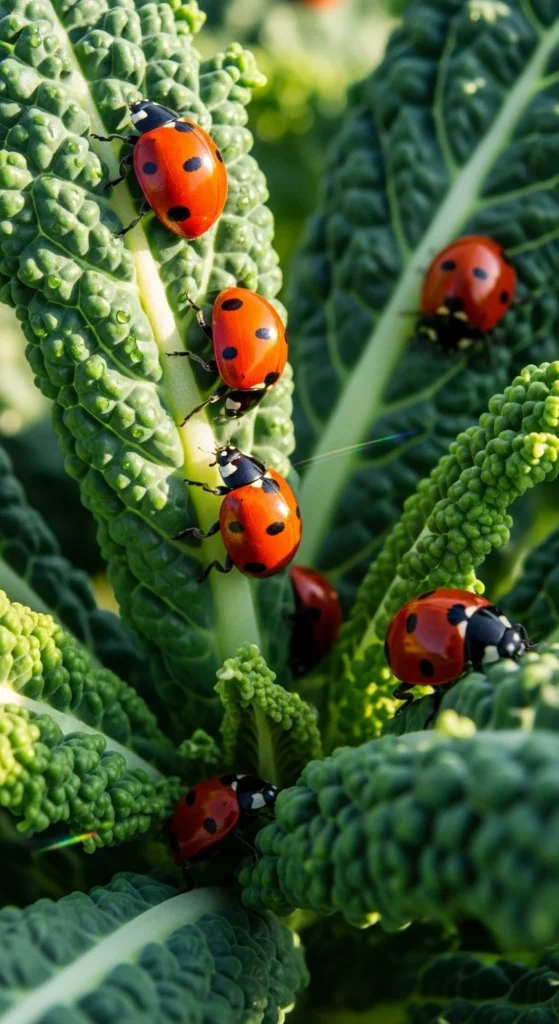
Ladybugs are natural aphid predators. Release around 1,500 per 100 sq ft of garden. Do it in the evening to reduce stress on insects. Provide water and avoid spraying neem nearby immediately, as it can harm them. Keep a few plants slightly overgrown for shelter, creating a welcoming environment for beneficial insects.
6. Garlic & Chili Sprays
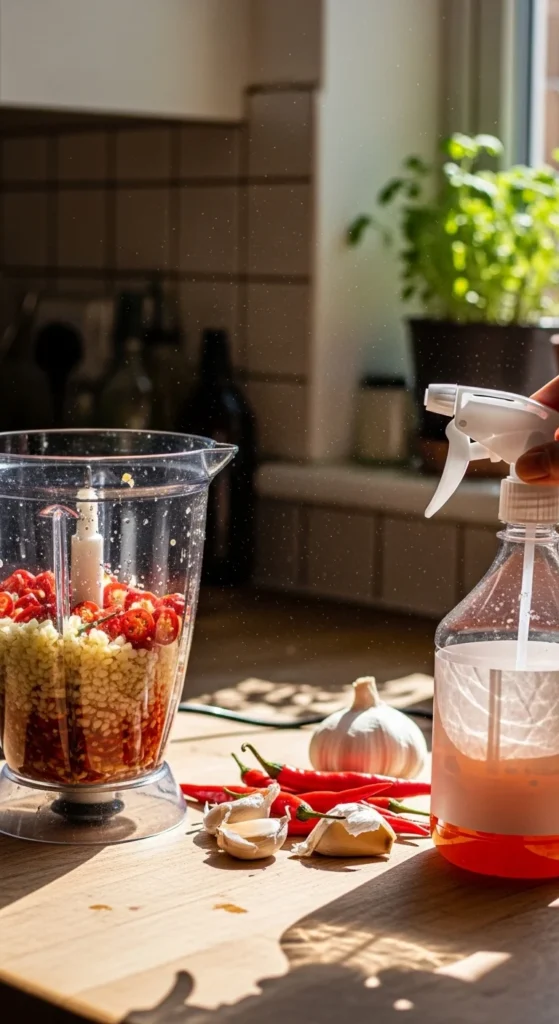
Crush garlic and chilies in a blender with water. Strain and spray on plants to deter aphids, caterpillars, and other soft-bodied pests. Apply weekly, especially after rain. A homemade spray keeps chemicals out and uses pantry staples. Budget tip: use leftover garlic skins and chili scraps from cooking.
7. Essential Oil Sprays
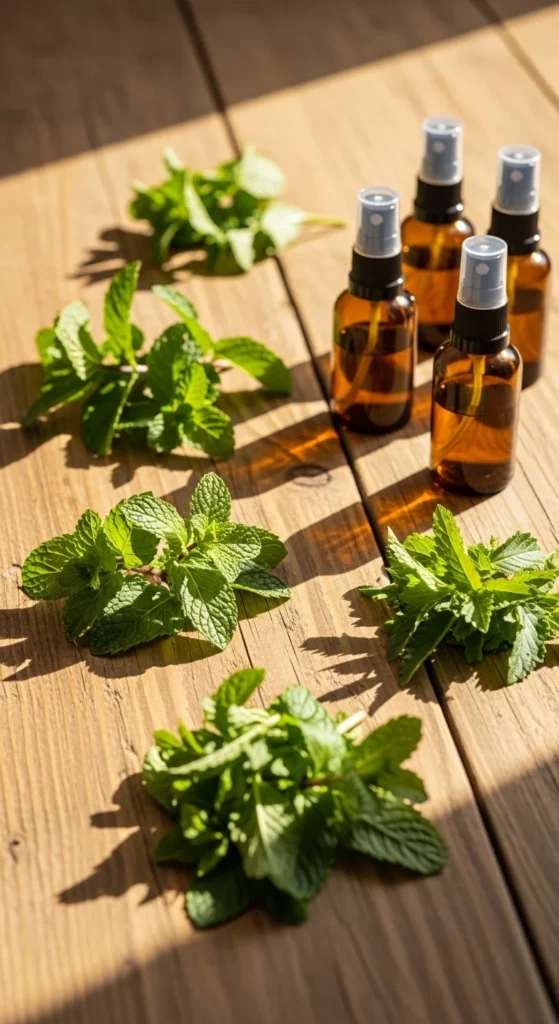
Peppermint, citronella, and rosemary oils can repel ants, mosquitoes, and spiders. Mix a few drops with water and mild soap. Spray around plant bases or garden edges. Avoid high concentrations on leaves to prevent burning. DIY tip: use old misting bottles for targeted application.
8. Hand-Picking Pests
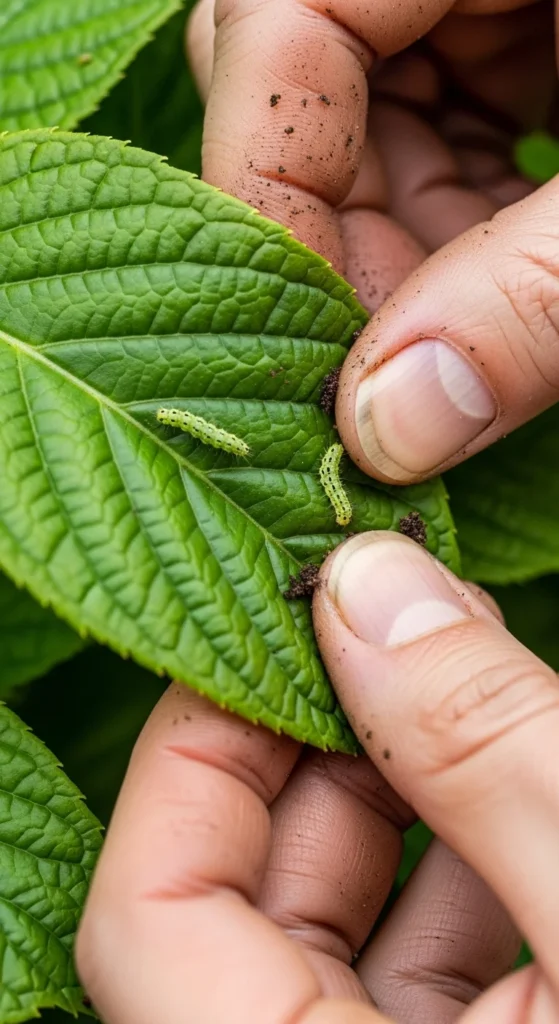
Early infestations can be handled by simply hand-picking pests. Check undersides of leaves daily. Drop insects into soapy water. This zero-cost method is effective for small gardens and prevents chemical exposure. Wear gloves if needed. A small container for collected pests keeps things tidy.
9. Coffee Ground Repellents
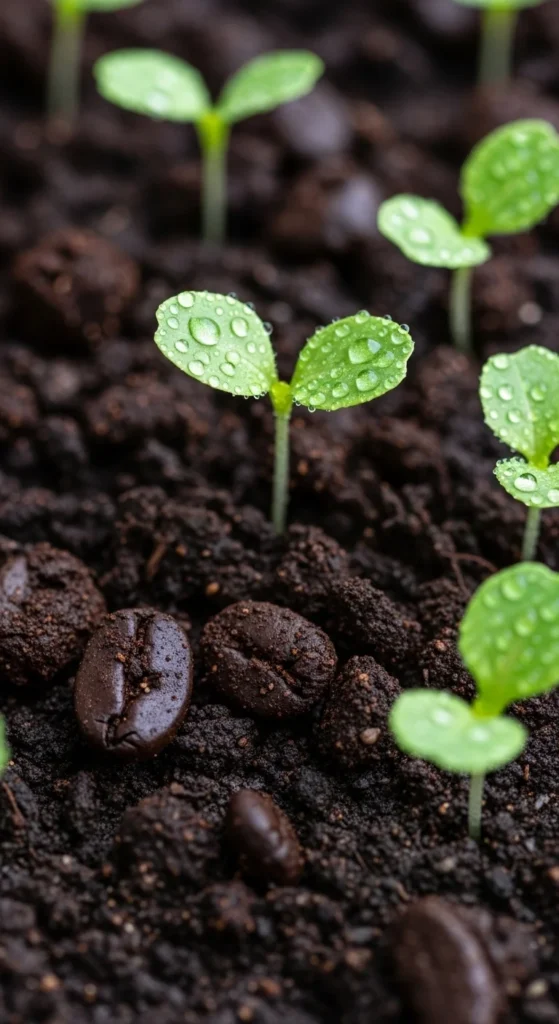
Coffee grounds mask plant scents and deter slugs and ants. Spread around bases or create a thin mulch layer. Mix with crushed eggshells for additional grit. Reuse leftover grounds from the kitchen for sustainable pest control. Rotate application after rain to maintain effectiveness.
10. Row Covers
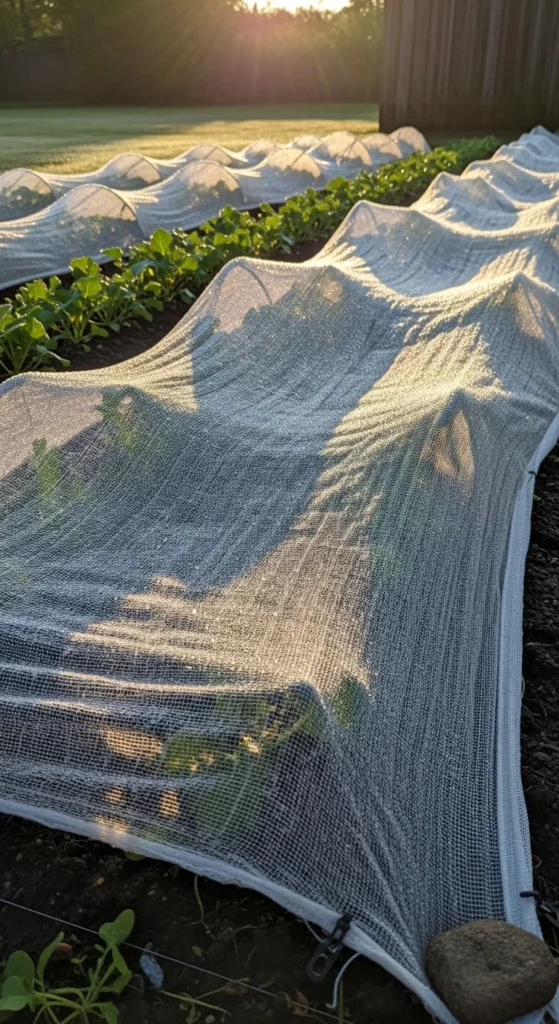
Row covers block flying pests while letting light and water through. Lightweight fabric is inexpensive and reusable. Secure edges with soil or stakes to prevent pests from sneaking underneath. Remove covers during flowering for pollination. This method works well for cabbage moths, aphids, and flea beetles.
11. Spinosad Sprays
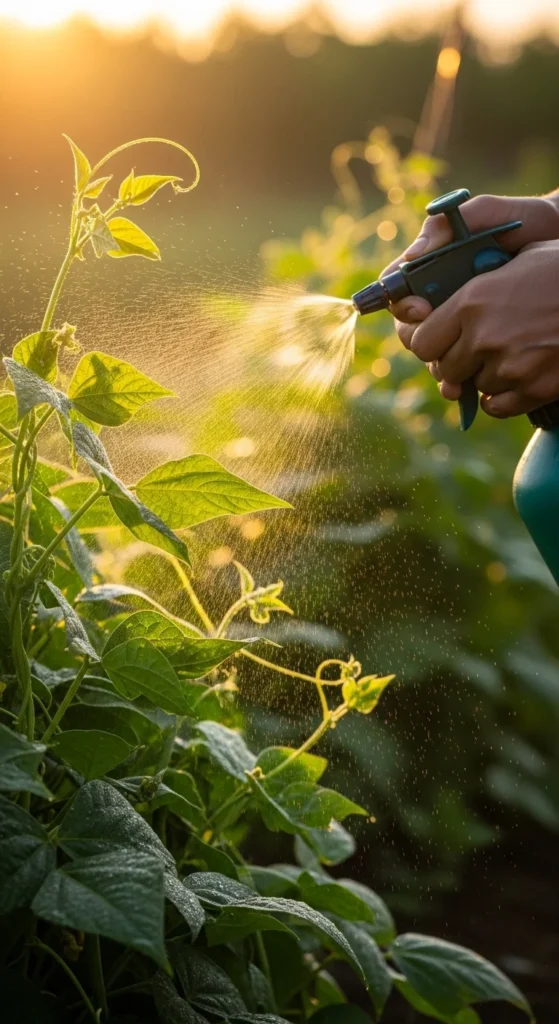
Spinosad targets chewing insects like caterpillars and thrips. Use in rotation with soap or neem to avoid resistance. Follow label instructions carefully. Safe for many pollinators when applied at dusk. Small DIY sprayers save time and reduce chemical waste.
12. Pyrethrin from Chrysanthemums

Pyrethrin kills insects on contact. Use for quick knockdowns on aphids, beetles, and caterpillars. Apply only when necessary; residual effect is short. Avoid overuse to protect beneficial insects. Homemade extracts can be made from dried chrysanthemums, reducing store-bought costs.
13. Beneficial Nematodes
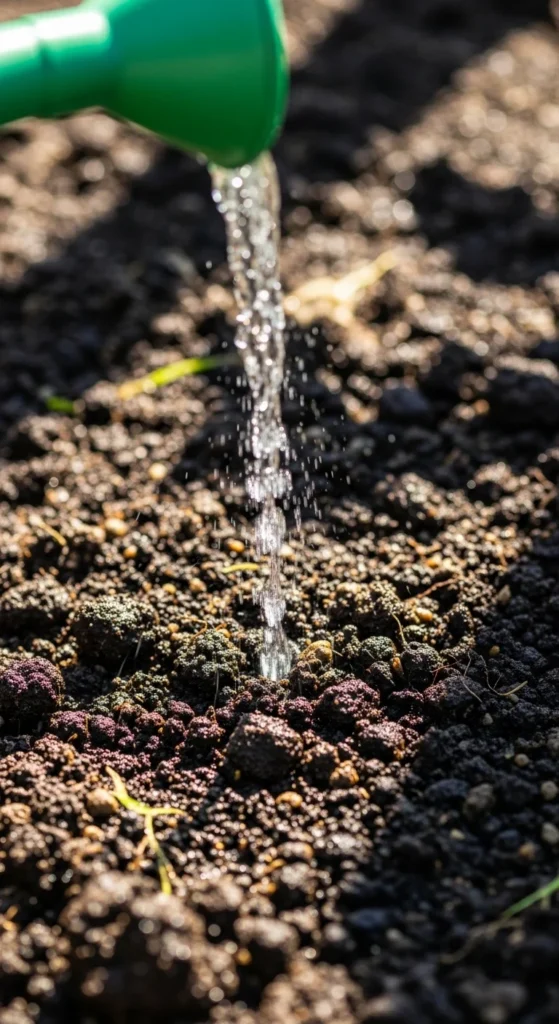
Nematodes target soil grubs. Apply at night or in cool soil with water to activate. Effective for controlling beetle larvae and root pests. Store according to instructions and water lightly afterward. Budget tip: small packets treat multiple garden beds without chemicals.
14. Prune Damaged Leaves
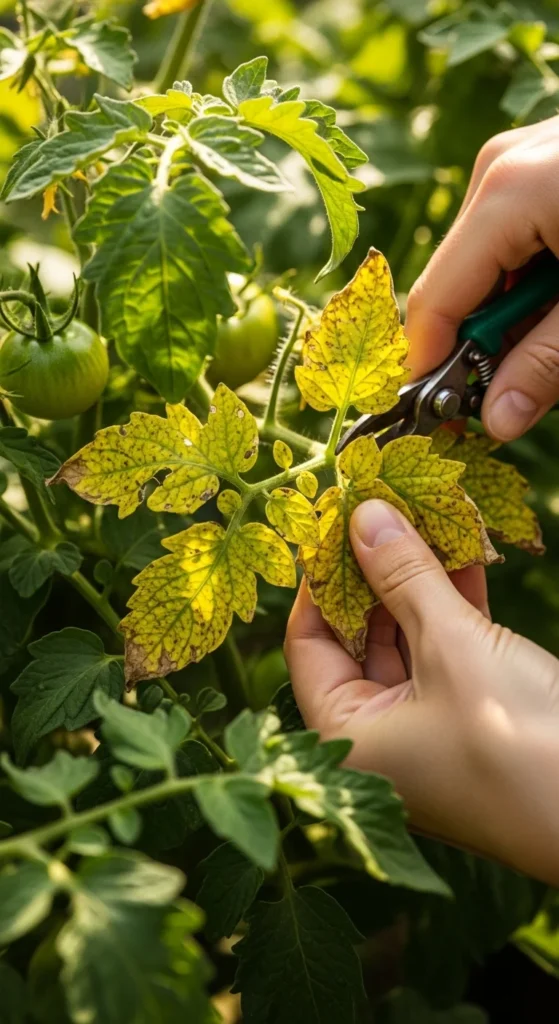
Pruning damaged or infested leaves helps stop pest spread. Remove early signs of disease or infestation. Dispose of pruned material away from garden beds. Simple scissors or garden snips work fine. This forms the foundation of integrated pest management (IPM).
15. Mulch for Defense
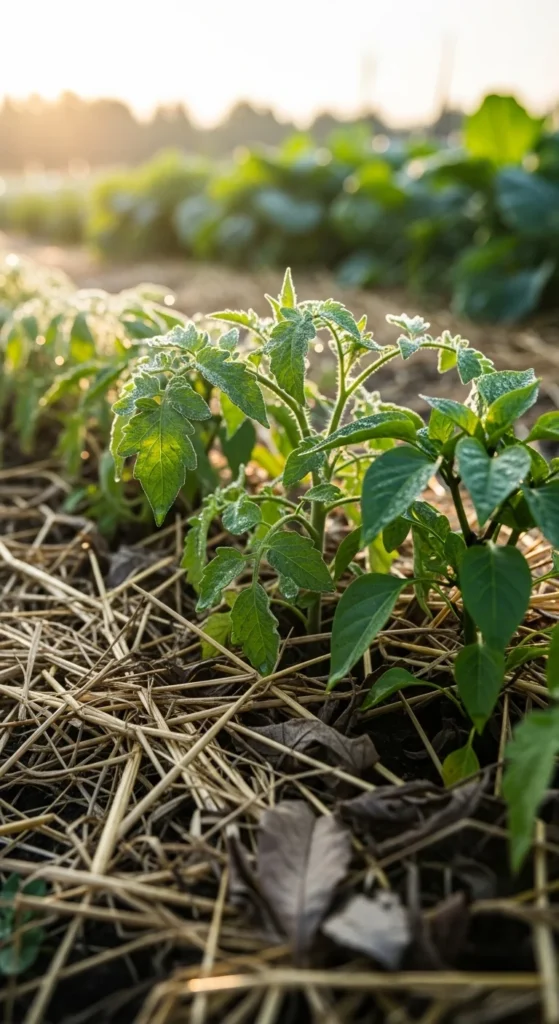
Mulch suppresses weeds and discourages pests like slugs. Spread a 2–3 inch layer around plants. Combine with coffee grounds or crushed eggshells for added defense. Organic mulch also keeps soil moist and temperature stable, indirectly improving plant resistance.
16. Soap & Water Sprays
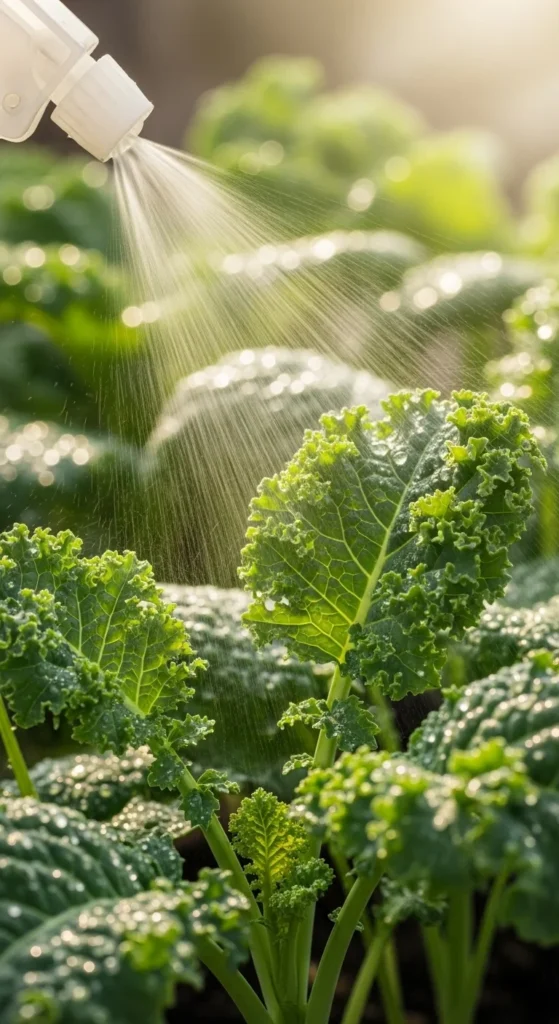
A simple soap-water mixture suffocates soft-bodied insects like aphids. Use 1–2 tsp mild liquid soap per gallon of water. Spray leaves thoroughly but avoid runoff into soil. Apply early morning or evening to minimize sunburn. Cheap, easy, and effective for small outbreaks.
17. Birdhouses for Pest Control
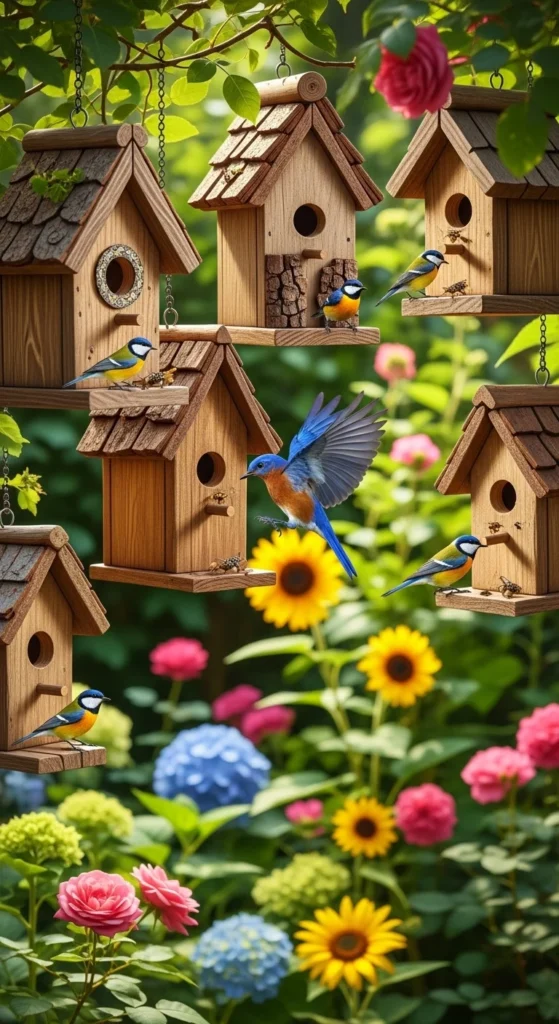
Attract insect-eating birds by adding birdhouses or feeders. Birds target caterpillars, beetles, and aphids naturally. Position near crops but safely away from pets. A few houses can control pests over an entire backyard garden, making it low-cost and environmentally friendly.
18. Reflective Mulch
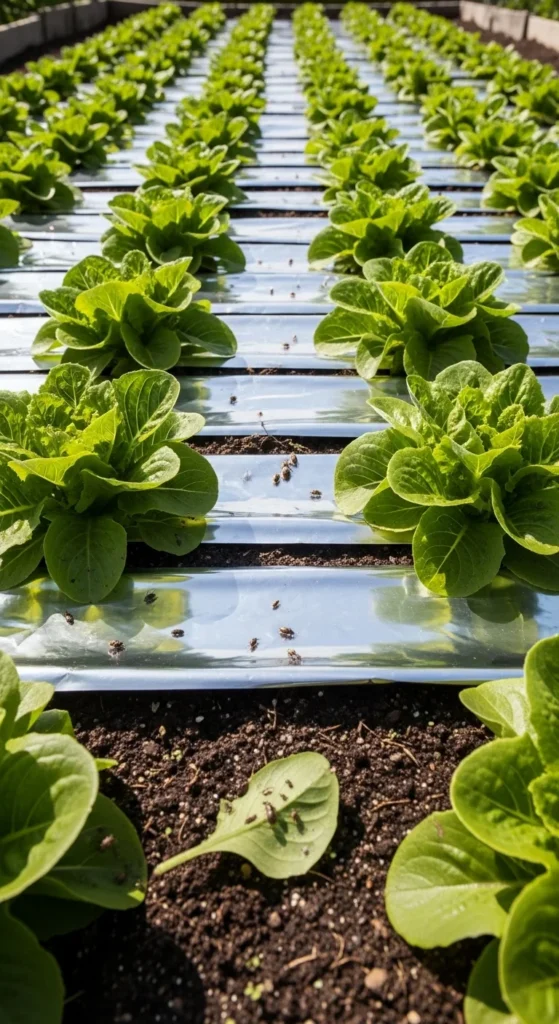
Reflective mulch confuses aphids by bouncing light onto leaves. Use aluminum foil or reflective plastic. Helps reduce infestations without chemicals. Cheap DIY option: foil from kitchens or craft stores. Replace after heavy rain for best results.
19. Hose Blast
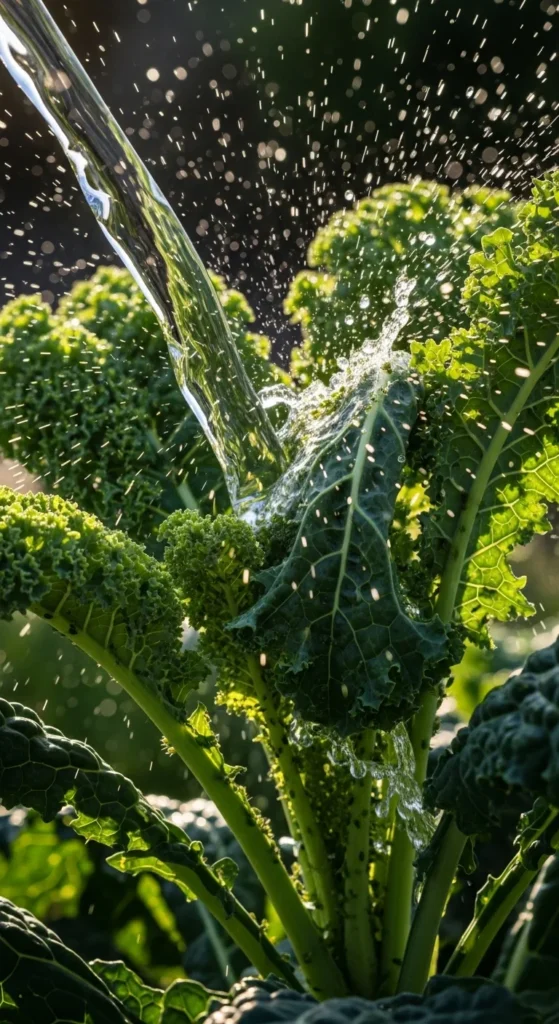
A powerful hose blast dislodges insects like aphids or spider mites. Do it early morning to prevent fungal issues. Works best for small infestations. Combine with natural predators or neem for repeated protection.
20. Crop Rotation
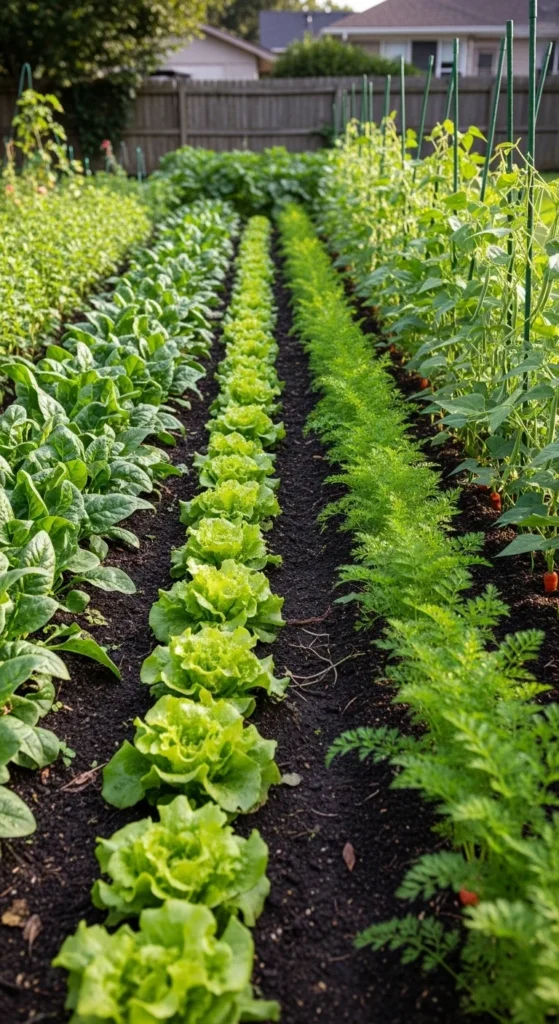
Rotating crops prevents pest buildup. Plant different families in each bed each season. Confuses pests and reduces soil-borne diseases. Keep a simple garden log for planning. No cost other than seeds, yet highly effective long-term.
21. Sticky Traps
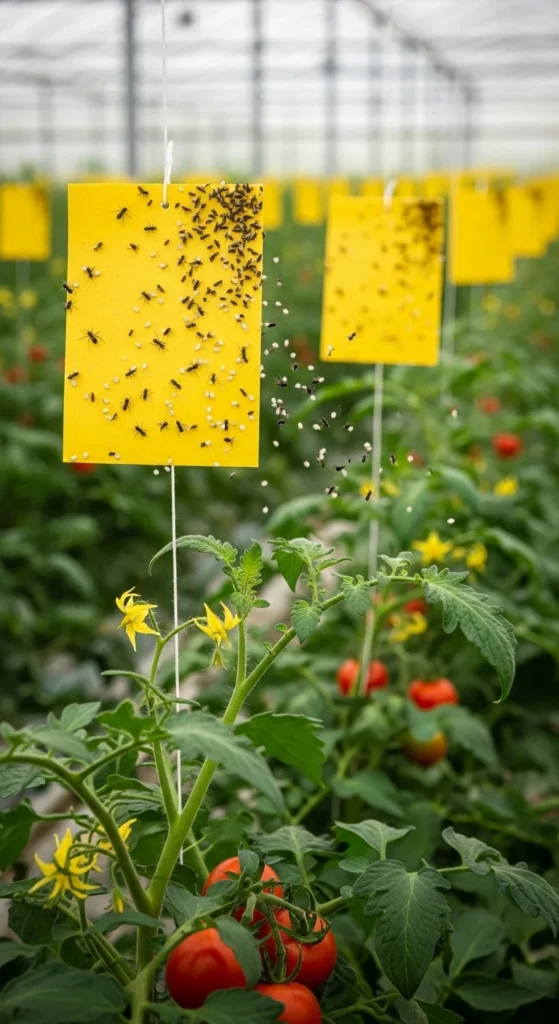
Sticky traps monitor pest populations like whiteflies and aphids. Place near vulnerable plants. Replace when full. They are inexpensive and provide early warnings, allowing targeted interventions rather than broad sprays.
22. Beer Traps for Slugs
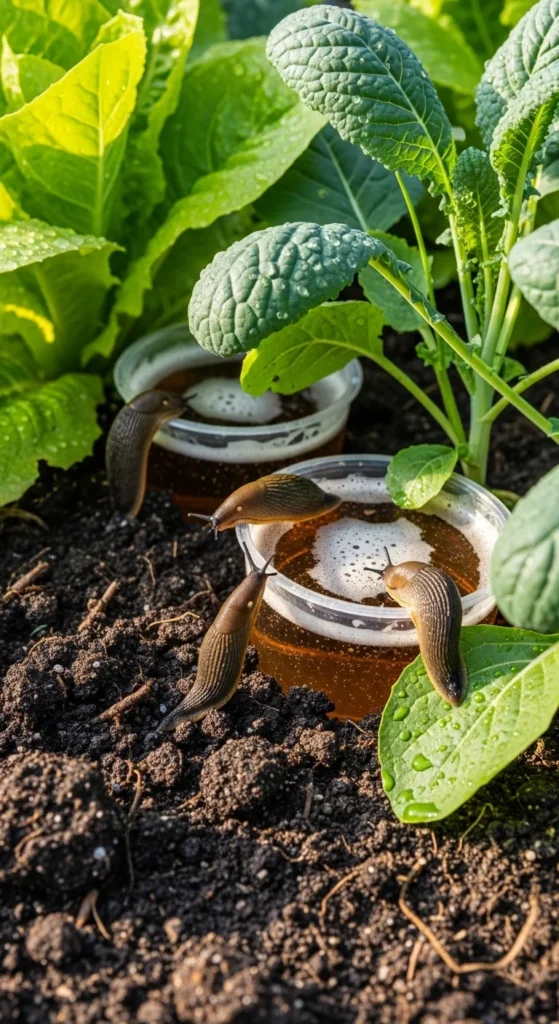
Beer traps lure slugs to a drowning solution. Bury containers at soil level near plants. Refresh beer every few days. Effective and low-cost, repurposing kitchen beer or stale drinks. Works best in damp areas.
23. Pantyhose DE Pouches
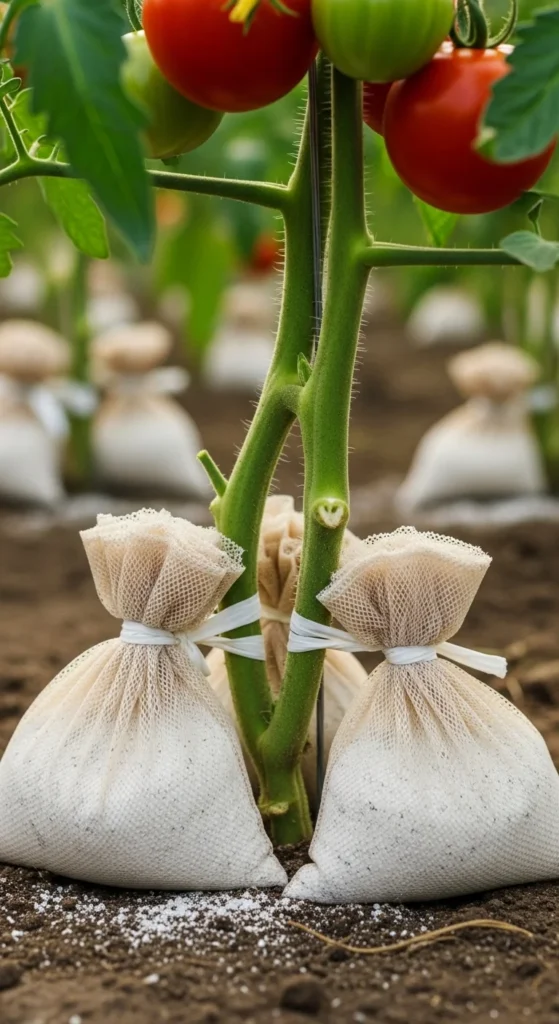
Fill pantyhose with DE for safer application around plants. Avoid inhaling powder. Hang near soil or base of plants. Protects against crawling insects while keeping DE contained. Inexpensive DIY method using household items.
24. Strategic Plant Nourishment
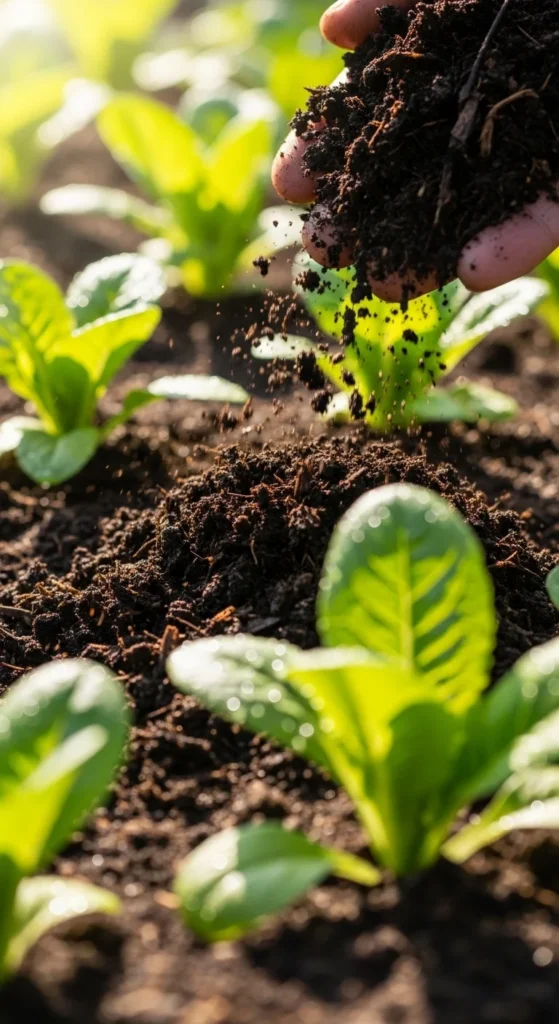
After pruning or pest removal, nourish plants with compost tea or organic fertilizer. Healthy plants resist pests better. Simple DIY: soak kitchen scraps in water for 24 hours, then pour around roots. Enhances plant vigor without chemicals.
25. Night Watering for Nematodes
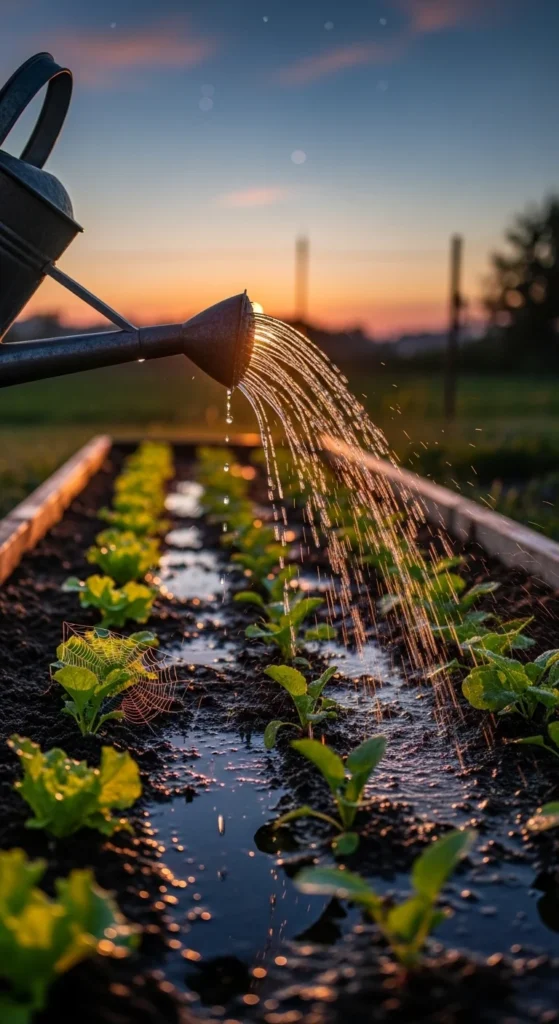
Apply beneficial nematodes with water in the evening. Soil moisture activates nematodes for grub control. Avoid harsh sunlight or heat during application. Simple timing adjustment increases effectiveness without extra cost.
26. Early Monitoring
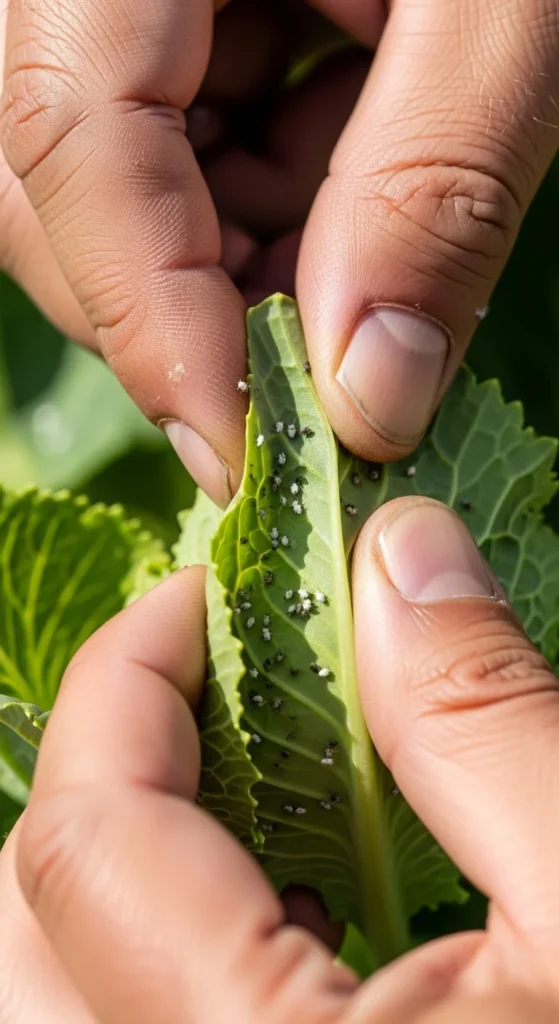
Regularly inspect plants for early signs of pests. Identify insects correctly to apply the right solution. Keep a notebook or phone photo log for tracking. Small daily effort prevents large infestations.
27. Fabric Shields
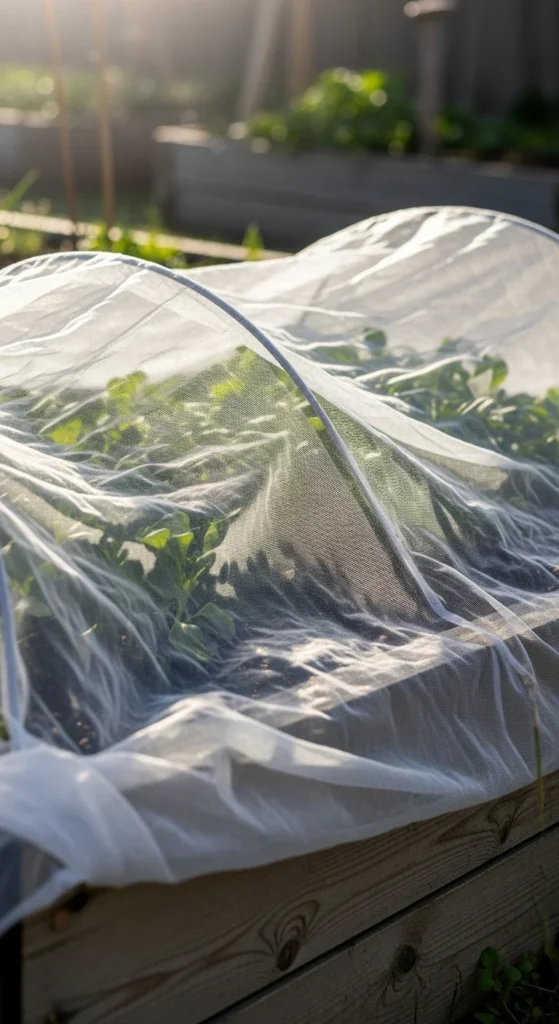
Use lightweight fabric to shield young plants from flying pests. Reusable and cost-effective. Secure edges to prevent gaps. Remove during flowering for pollination. Ideal for aphids, flea beetles, and cabbage moths.
28. Larvae Killer Sprays
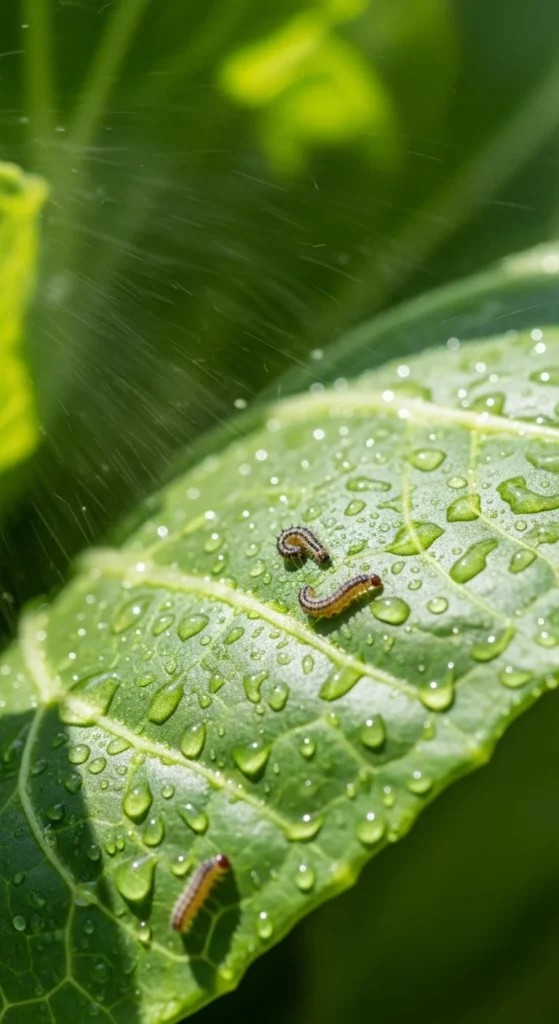
Target larvae early using Bt or garlic sprays. Focus on feeding areas. Repeat as needed for effective control. Works naturally, safe for beneficial insects, and prevents long-term damage.
Conclusion
Organic pest control is about working with nature, not against it. Using a combination of sprays, companion planting, physical barriers, and beneficial insects keeps your garden thriving without harsh chemicals. From simple DIY remedies to strategic monitoring and timing, these 28 strategies provide practical, affordable, and safe solutions for every gardener. Start small, stay consistent, and watch your garden flourish while keeping pests in check naturally.

Leave a Reply