

There’s nothing quite as magical as watching bees dance among blooming flowers in your own backyard. These tiny garden heroes do more than just buzz around — they help pollinate fruits, veggies, and flowers, keeping your garden (and the planet) thriving. The best part? Creating a pollinator paradise is easier than you think.
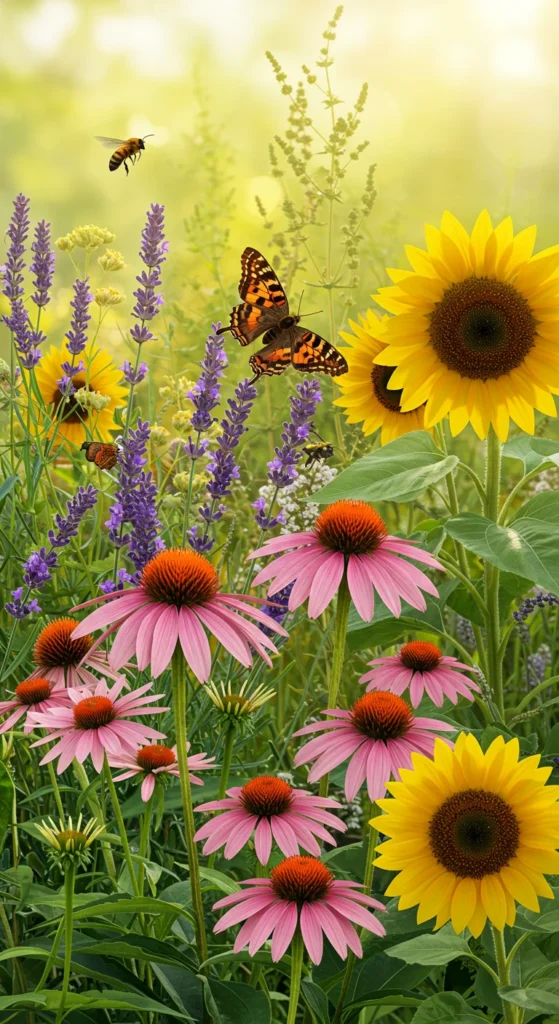
Let’s explore how to build a bee-friendly garden that’s beautiful, low-maintenance, and buzzing with life!
Choose the Right Location
Bees love sunny, sheltered spots. When planning your pollinator garden, pick an area that gets at least 6 hours of sunlight daily. Bees are solar-powered — the warmth helps them stay active and productive.
A few quick tips:
- Avoid windy or heavily shaded areas.
- Make sure your garden is near a water source or add one yourself.
- Keep it away from areas treated with pesticides or heavy fertilizers.
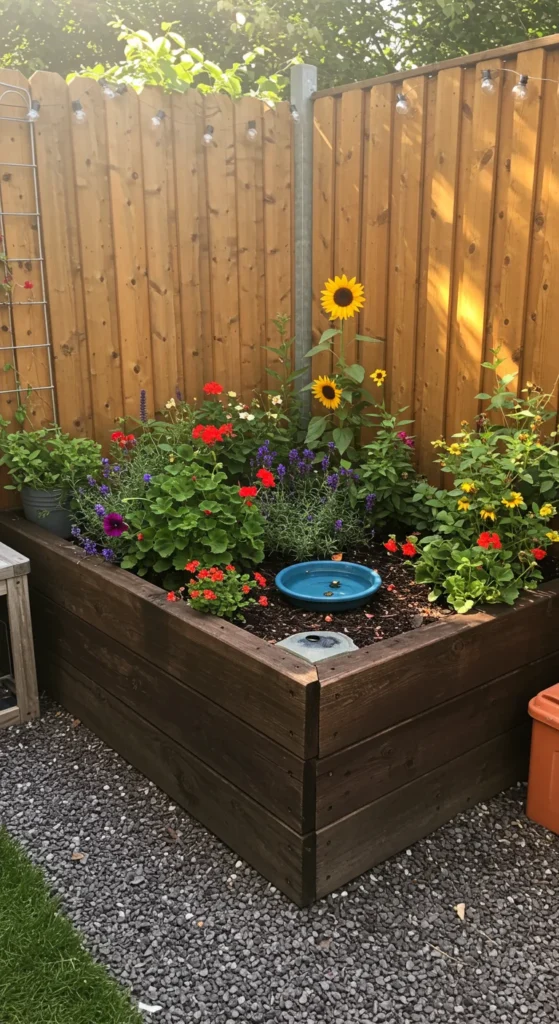
You don’t need a large yard — even a few containers on a balcony can make a difference!
Pick Bee-Friendly Plants
The secret to a thriving pollinator garden is plant diversity. Bees are drawn to flowers rich in nectar and pollen, especially those with simple, open shapes.
Here are a few favorites:
- Spring blooms: Crocus, chives, lavender
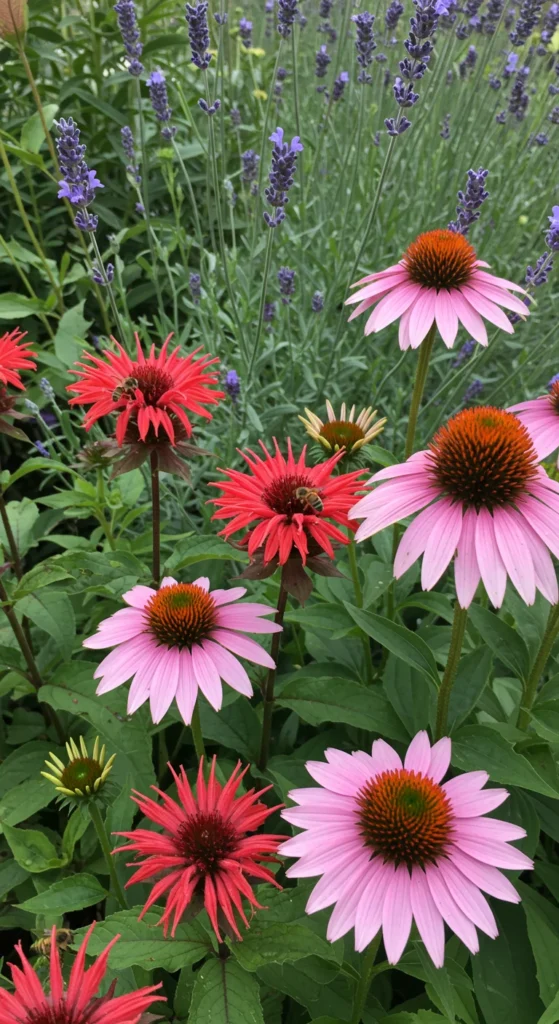
- Summer flowers: Coneflowers, black-eyed Susans, bee balm
- Fall choices: Asters, goldenrod, sedum
When selecting flowers:
- Choose native plants — they’re best suited for local bees.
- Mix colors and shapes to attract different species.
- Plan for continuous blooms through the seasons, so bees always have food.
Provide Water and Shelter
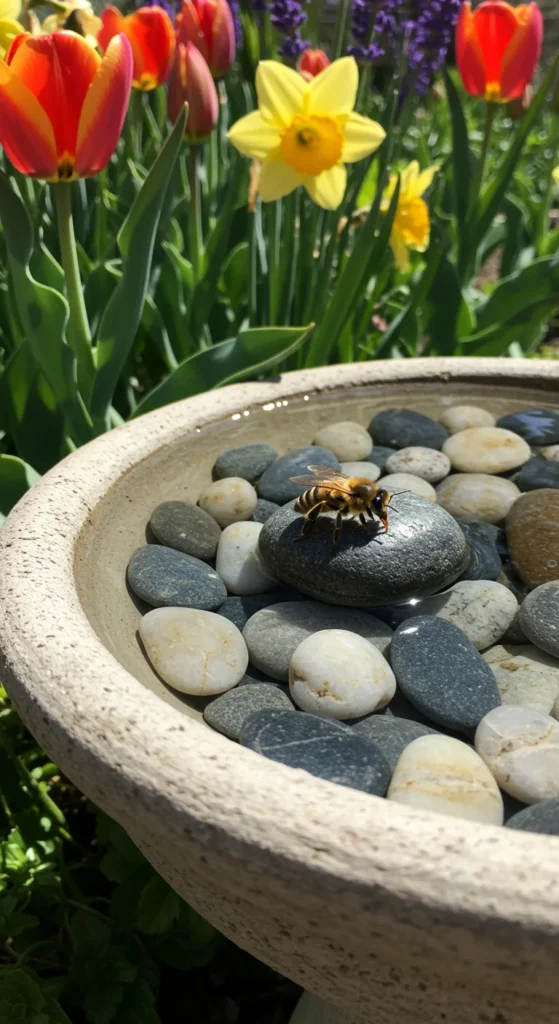
Just like us, bees need food and water to thrive. A small, safe water station can make your garden irresistible to pollinators.
Try this simple DIY setup:
- Fill a shallow dish with water.
- Add a few pebbles or marbles so bees can perch without drowning.
- Place it in a sunny, shaded spot near flowers.
Bees also need shelter — not just hives!
- Leave small patches of bare soil for ground-nesting bees.
- Avoid using mulch everywhere; some bees prefer to dig.
- Consider adding a bee hotel made from bamboo sticks or hollow reeds.
Avoid Pesticides and Chemicals
It’s tempting to reach for bug spray, but many garden chemicals can harm pollinators. Instead, go natural and organic whenever possible.
- Use companion planting to keep pests away — for example, plant basil near tomatoes.
- Introduce ladybugs or lacewings, which naturally control aphids.
- Make your own insecticidal soap with water and mild dish soap (use sparingly).
A chemical-free garden ensures bees can collect pollen safely — and your flowers will thank you with stronger, more vibrant blooms.
Create Layers and Variety
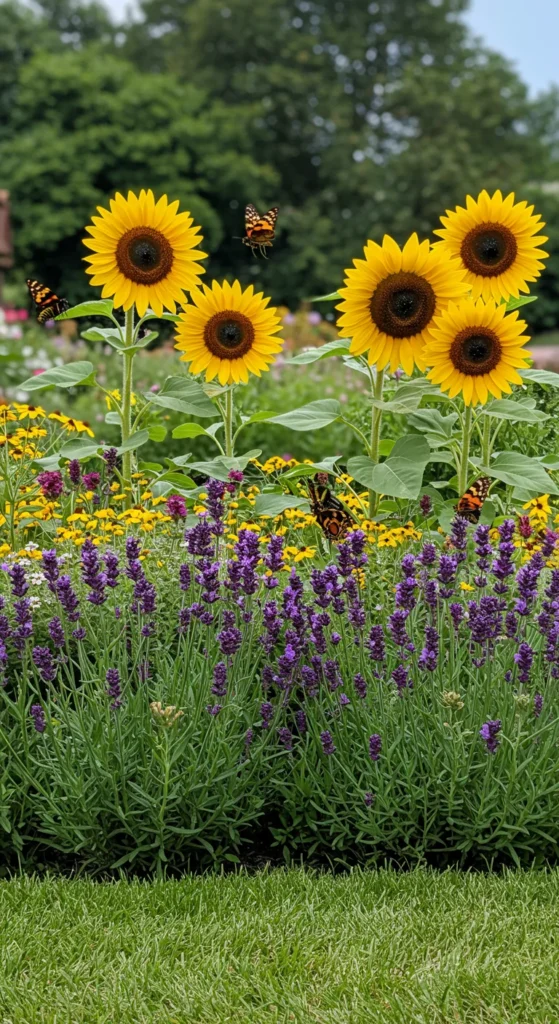
A beautiful pollinator garden isn’t just about flowers — it’s about structure. Bees love layered gardens that mimic nature.
Here’s how to design yours:
- Mix tall flowers (like sunflowers) with medium-height plants (like salvia) and low-growing herbs (like thyme).
- Add shrubs or small fruit trees for shade and nesting.
- Leave a few wild corners where nature can do its thing.
This not only helps pollinators but also gives your garden a natural, meadow-like look that’s trendy and full of charm.
Maintain and Enjoy Your Bee Haven
Once your garden is buzzing, it mostly takes care of itself! Still, a little maintenance goes a long way:
- Deadhead spent flowers to encourage new blooms.
- Water deeply during dry spells.
- Add compost once or twice a year for healthy soil.
- Leave stems and seed heads in winter — they provide shelter and food for wildlife.
Soon, you’ll notice more than just honeybees — expect butterflies, hummingbirds, and even friendly native bees joining the party.
Final Buzz
Starting a pollinator garden isn’t just about beauty — it’s about making a difference. Each flower you plant gives bees and butterflies a better chance to thrive. Plus, you’ll enjoy the peaceful hum of life right outside your door.
Leave a Reply