

Pruning might feel intimidating, but here’s the truth: a little trimming goes a long way toward getting more fruit. When you prune correctly, you’re not just shaping the tree—you’re directing its energy into producing bigger, healthier harvests. And the best part? With a few simple steps, anyone can do it, even if you’re brand-new to fruit trees.
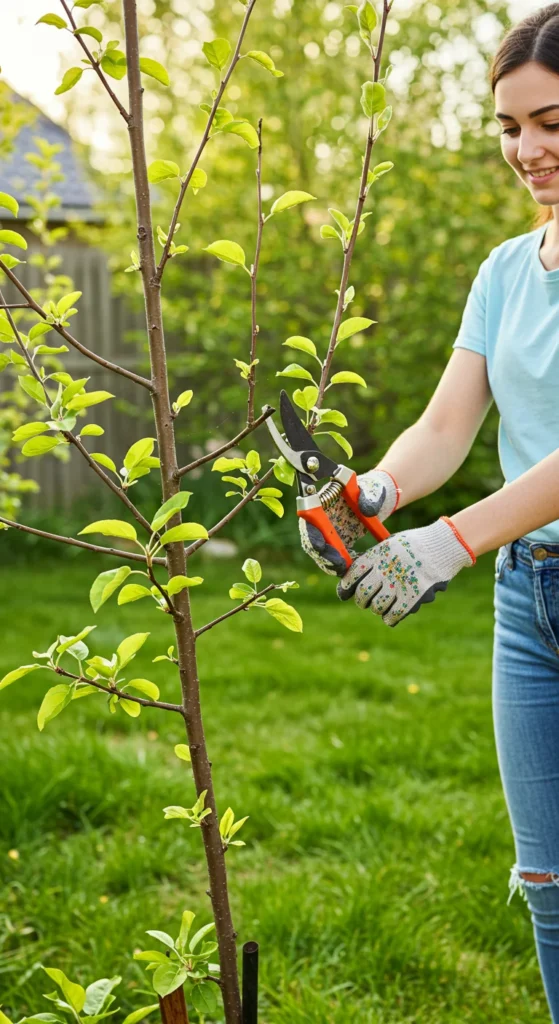
Why Pruning Matters
Think of pruning as a health check-up for your tree. Removing weak or overcrowded branches:
- Improves airflow (reducing disease).
- Lets sunlight reach fruit-bearing branches.
- Directs energy into growing fruit, not excess leaves.
Without pruning, trees can get tangled and produce smaller, less flavorful harvests.
The Best Time to Prune
Timing makes all the difference.
- Winter (dormant season): Best for major cuts. The tree rests, making pruning less stressful.
- Early spring: Great for shaping and opening up the canopy before growth kicks in.
- Summer: Light pruning to control shape and remove water sprouts (those fast-growing vertical shoots).
Avoid fall pruning—fresh cuts can make the tree vulnerable to frost damage.
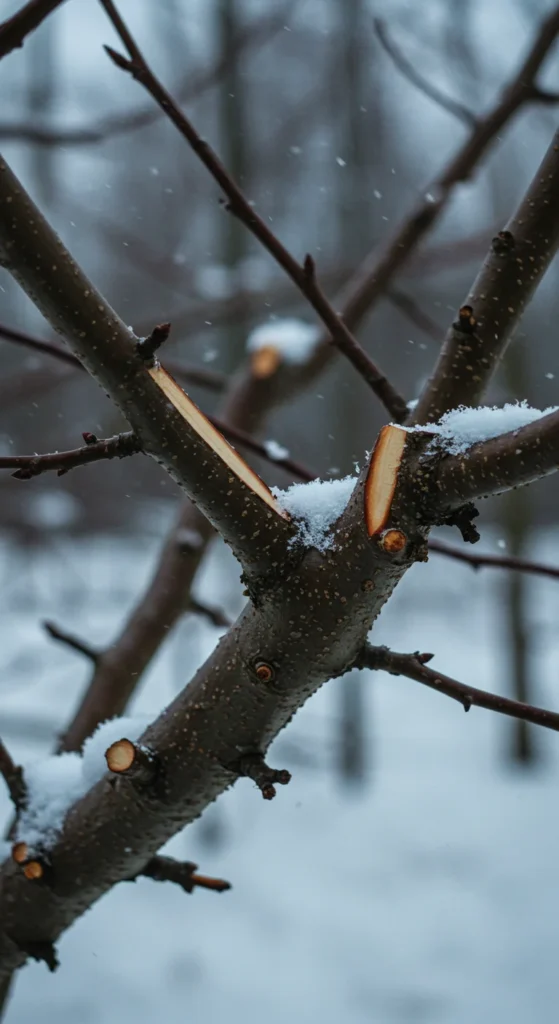
Tools You’ll Need
You don’t need fancy equipment, just the basics:
- Hand pruners: For small twigs and branches.
- Loppers: For medium branches up to 2 inches thick.
- Pruning saw: For larger, older limbs.
- Gloves & safety glasses: Protect yourself from sharp branches.
Pro Tip: Always clean tools with rubbing alcohol before and after pruning to prevent spreading disease.
Start with the 3 Ds: Dead, Damaged, Diseased
Before shaping, remove anything unhealthy.
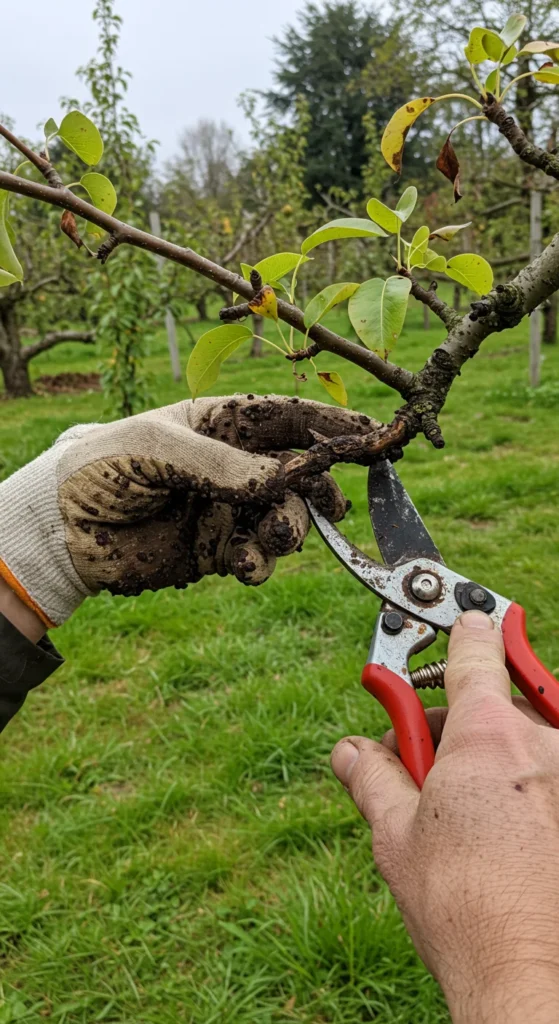
- Dead wood: Branches that snap easily or look dry and gray.
- Damaged wood: Broken or cracked limbs.
- Diseased branches: Blackened, spotted, or unusual growth.
This step instantly improves the tree’s health and helps prevent problems from spreading.
Open Up the Canopy
Fruit trees love sunlight. If branches are crisscrossing or blocking light, thin them out. Aim for a shape that looks like a “vase” or “open bowl.”
- Keep the central trunk clear.
- Select 3–5 strong branches to act as the main “arms.”
- Trim back branches that grow inward or rub against others.
This open shape encourages air and light to reach every branch, resulting in juicier fruit.
Shorten Long Shoots
Branches that grow too long or straight up don’t produce much fruit. By cutting them back:
- You encourage side shoots, which are where fruit forms.
- The tree channels energy into producing apples, peaches, or plums instead of just more wood.
Cut about ¼ inch above an outward-facing bud to encourage growth in the right direction.
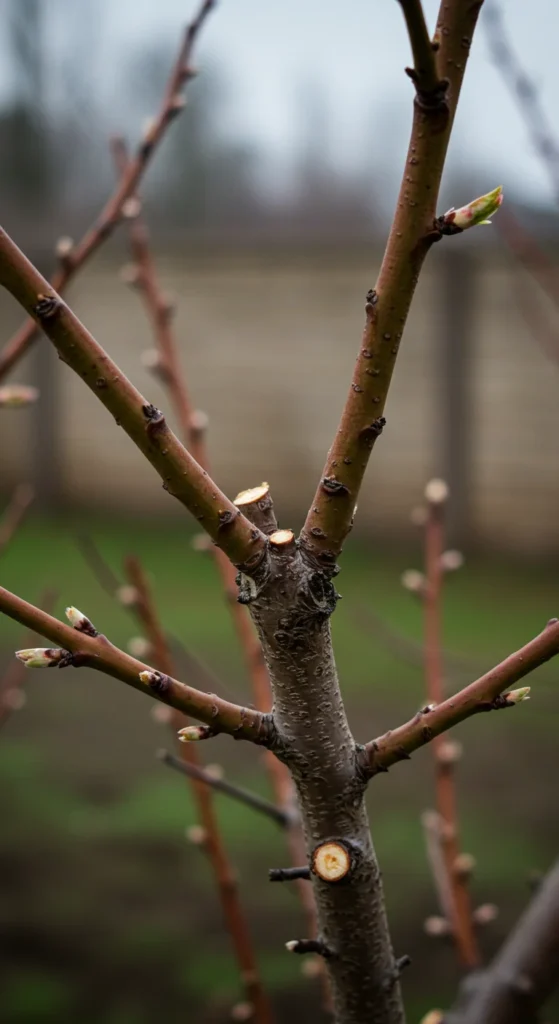
Don’t Overdo It
Pruning is about balance. Cutting too much at once can stress your tree.
- Remove no more than 25–30% of the tree in a single year.
- For young trees, focus more on shaping than heavy cutting.
- For mature trees, prioritize thinning and maintaining structure.
Patience pays off—consistent yearly pruning brings bigger harvests without shocking your tree.
Aftercare Tips
Once you’ve pruned:
- Clear fallen branches and leaves from the base of the tree.
- Add compost or organic mulch to give your tree a nutrient boost.
- Water deeply, especially if pruning in spring or summer.
Healthy aftercare ensures your tree recovers quickly and puts its energy where it matters—into growing delicious fruit.
Final Takeaway
Pruning doesn’t need to be complicated. Start with the basics: remove unhealthy wood, shape for sunlight, and shorten long shoots. With a little practice each season, your trees will reward you with bigger, sweeter harvests.

Leave a Reply