

If you’ve ever stared at your plants wondering, “Is it time to water them again?”—you’re not alone. Overwatering and underwatering are two of the most common plant-care mistakes. The good news? With the right tips, you’ll never have to guess again. This guide will walk you through how to water plants the right way, keeping them healthy, lush, and thriving.
Learn Your Plant’s Needs
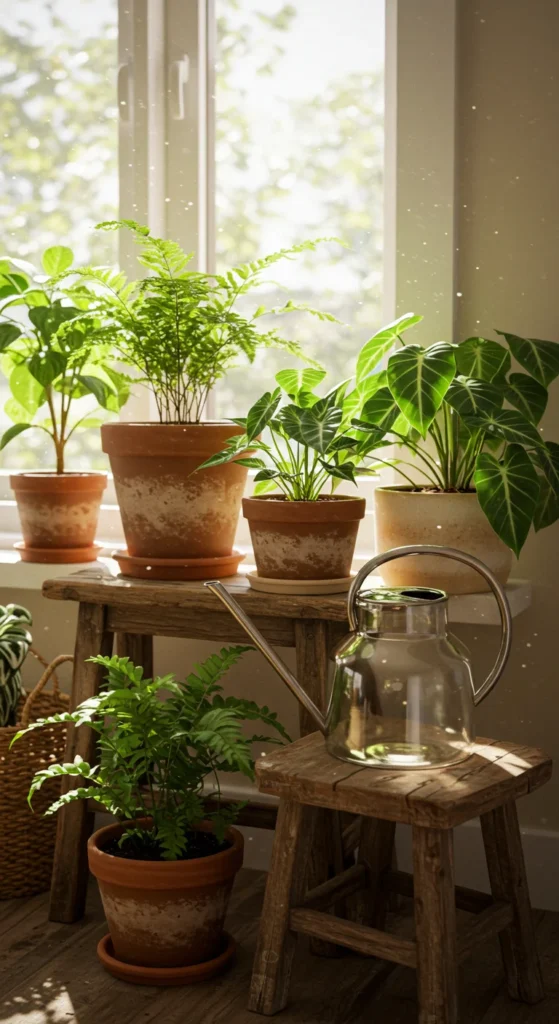
Not all plants are thirsty in the same way. Some love constant moisture, while others prefer to dry out between drinks.
- Succulents & cacti: Need very little water, usually every 2–3 weeks.
- Tropical plants (like ferns & calatheas): Prefer consistently moist soil.
- Flowering plants: Often need more frequent watering when blooming.
Tip: Always check the tag that came with your plant or do a quick search to learn its natural environment. That’s your best watering clue.
Use the Finger Test
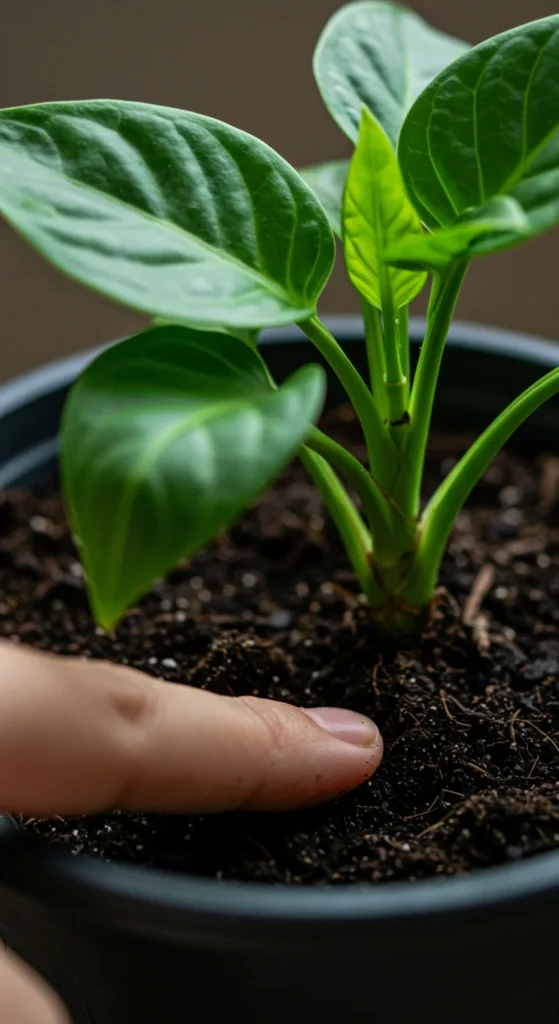
One of the simplest ways to check if a plant needs water is the finger test.
- Stick your finger about 1–2 inches into the soil.
- If it feels dry, it’s time to water.
- If it’s still moist, wait a couple of days.
This quick method works better than sticking to a strict schedule, since humidity, sunlight, and pot size all affect how fast soil dries out.
Water Deeply, Not Lightly
A common mistake is giving plants a quick splash of water. This only wets the top layer, leaving roots thirsty. Instead, aim for deep watering:
- Pour slowly until you see water draining out of the bottom of the pot.
- Empty the saucer underneath after a few minutes to avoid soggy roots.
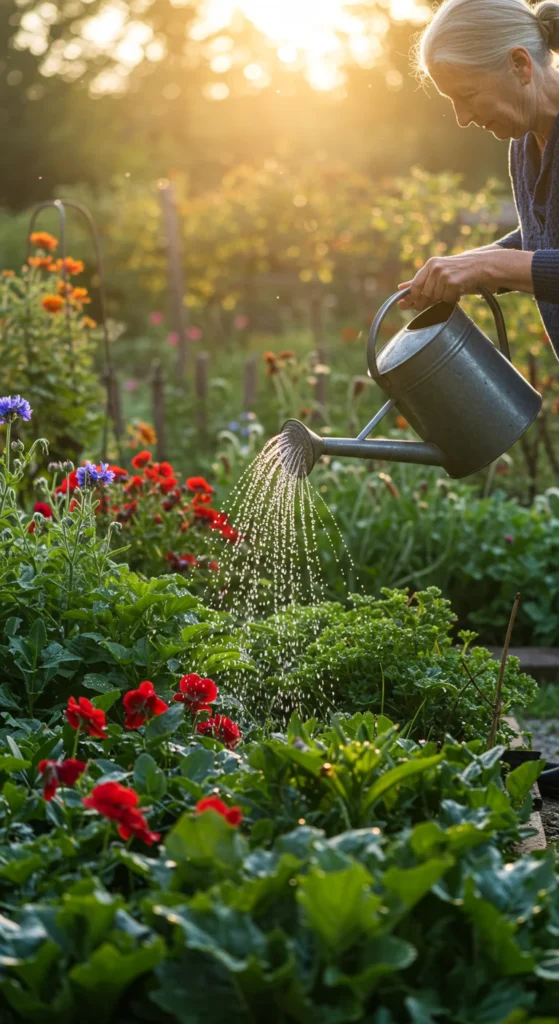
- Outdoor plants also benefit from less frequent but deeper watering to encourage stronger roots.
Pro Tip: Use a long-spout watering can to reach into thick foliage and ensure even watering.
Time It Right
When you water can be just as important as how much.
- Morning is usually the best time—it gives plants a chance to drink before the sun gets strong.
- Evening watering can work, but avoid wetting leaves, since dampness overnight may lead to fungus or pests.
For outdoor gardens, stick to early morning to reduce evaporation loss.
Don’t Forget Drainage
Plants hate sitting in soggy soil. Without good drainage, roots can rot quickly.
- Always choose pots with drainage holes.
- If you love decorative pots without holes, use them as covers and place a plastic nursery pot inside.
- Add pebbles or a thin layer of gravel at the bottom to improve airflow.
DIY Hack: Reuse old ceramic mugs or jars as planters—just drill a small hole at the bottom for drainage.
Match Water to the Season
Plants have growing seasons and resting seasons. That means their water needs change throughout the year.
- Spring & Summer: Plants are actively growing—water more often.
- Fall & Winter: Growth slows down—cut back on watering.
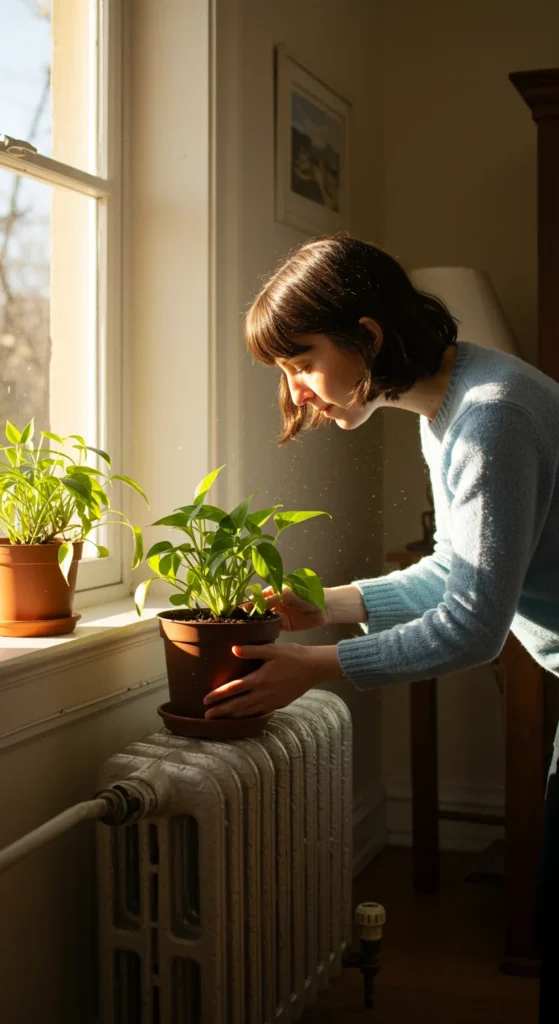
Tip: Indoor heaters can dry out air in winter, so monitor soil closely. Sometimes plants still need more water than you’d expect.
Bonus: Try Bottom Watering
For smaller potted plants, bottom watering is a game-changer.
- Fill a shallow tray with water.
- Place the pot in the tray and let the soil soak up moisture through the drainage holes.
- After 15–20 minutes, remove the pot and let excess water drain.
This method encourages stronger root growth and prevents water from sitting on leaves.
Final Takeaway
Watering plants the right way doesn’t have to be a guessing game. Learn your plant’s needs, check the soil, and adjust with the seasons. With these simple habits, you’ll avoid soggy roots, thirsty leaves, and sad plants.
Leave a Reply