

If you’ve ever dreamed of growing your own vegetables, herbs, or flowers, you know the struggle: poor soil, weeds, and endless back-bending. Raised garden beds are the perfect solution—they improve drainage, reduce weeds, and give your garden a polished look. But the secret lies in building them to last for years without constant repairs.
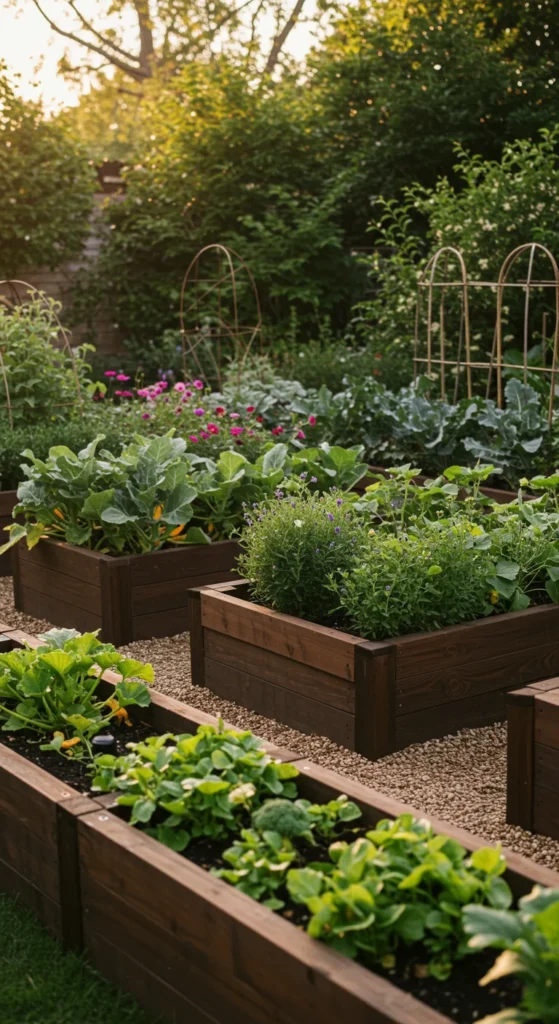
Let’s walk through how you can design raised beds that are durable, practical, and beautiful.
Choose the Right Materials
The longevity of your raised beds depends heavily on what they’re made of.
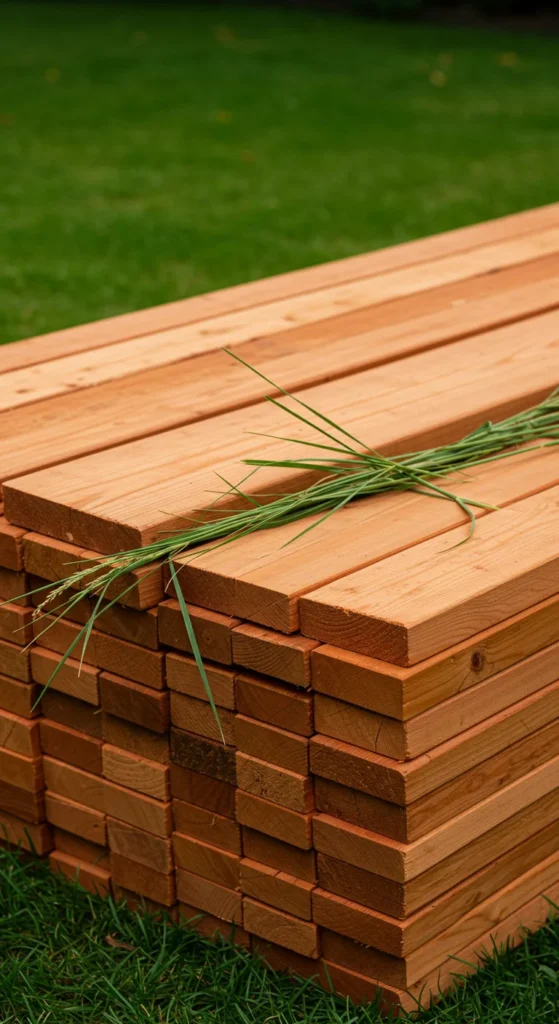
- Cedar or Redwood: Naturally rot-resistant and can last up to 15 years.
- Pressure-Treated Lumber: Long-lasting but be sure it’s safe for food gardens.
- Recycled Composite Boards: Eco-friendly, resistant to rot, and low maintenance.
- Stone or Bricks: Almost permanent, though more labor-intensive to build.
Avoid softwoods like pine unless you plan to replace boards often—they tend to rot quickly in damp soil.
Plan the Perfect Size and Shape
When it comes to raised beds, size matters. You want them wide enough for planting but not so wide that you can’t reach the middle.
- Width: Stick to 3–4 feet wide. This allows easy access from both sides.
- Length: Go as long as you like, but remember that soil gets heavy—longer beds may bow outward without reinforcement.
- Height: 12–18 inches is ideal for veggies. Go higher (up to 24 inches) if you want wheelchair accessibility or to reduce bending.
Rectangles are classic, but don’t be afraid to try L-shaped or U-shaped designs for a creative touch.
Build with Strength in Mind
Once you’ve got your materials, it’s time to assemble with durability in mind.
- Cut boards to length and sand rough edges.
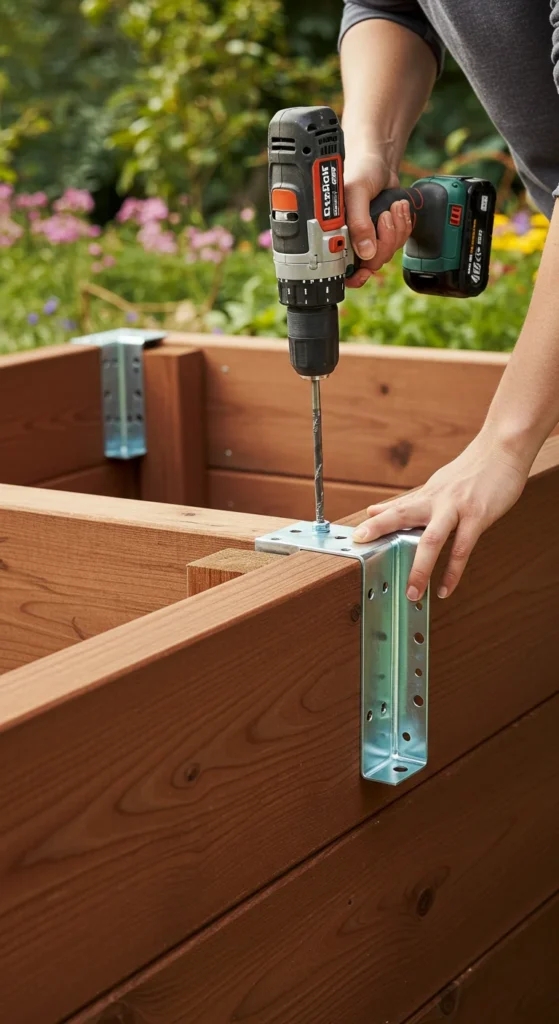
- Reinforce corners with metal brackets, wood stakes, or rebar—corners are the first to weaken over time.
- Add cross-supports on longer beds (over 6 feet) to prevent bowing.
- Use galvanized screws or exterior-grade hardware to resist rust and weather damage.
Think of your raised bed like furniture—it should be sturdy enough to handle years of soil pressure and watering.
Prepare the Base for Longevity
What’s beneath your raised bed is just as important as the frame itself.
- Weed Barrier: Line the bottom with landscape fabric or cardboard to block weeds.
- Good Drainage: Avoid solid bottoms; raised beds need to drain naturally.
- Optional Gravel Layer: A few inches of gravel beneath the soil improves drainage in rainy climates.
This prep step keeps weeds out and ensures water doesn’t pool, which helps your wood last longer.
Fill with the Right Soil Mix
The soul of a long-lasting raised bed isn’t just the wood—it’s the soil inside. A good mix should hold nutrients, drain well, and stay fluffy.
Here’s a tried-and-true formula:
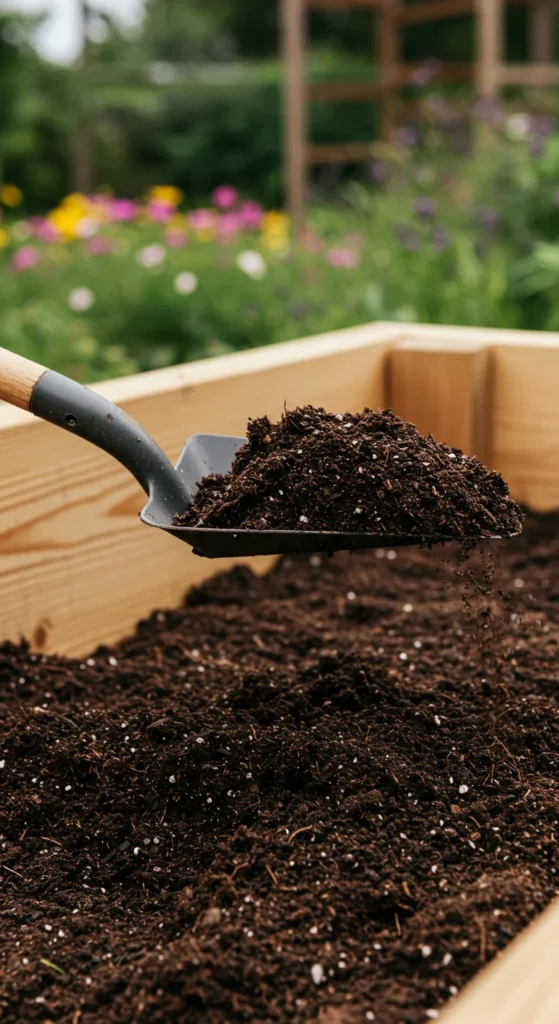
- 50% high-quality topsoil
- 30% compost
- 20% perlite or coarse sand for aeration
Refresh the compost yearly to keep your garden productive without replacing the soil entirely.
Maintenance Tips to Extend Life
Even the best-built beds need a little TLC to stay strong for years:
- Seal wooden boards with a food-safe, eco-friendly sealant every 2–3 years.
- Check for loose screws or bowed boards at the start of each season.
- Rotate crops to keep the soil healthy and prevent pests.
- Top up soil as it naturally settles.
With small yearly touch-ups, your raised beds can easily outlast a decade.
Final Takeaway
Building raised garden beds that last for years is all about smart planning: choose durable materials, reinforce the structure, and maintain it with care. Not only will they save you from back-breaking work, but they’ll also give your garden a neat, productive look season after season.

Leave a Reply