

Growing your own vegetables doesn’t require a big backyard—or even a garden at all. With the right containers and a little know-how, you can harvest fresh, homegrown veggies from a balcony, patio, or sunny windowsill. Container gardening is beginner-friendly, flexible, and surprisingly productive. Let’s make it easy and fun.
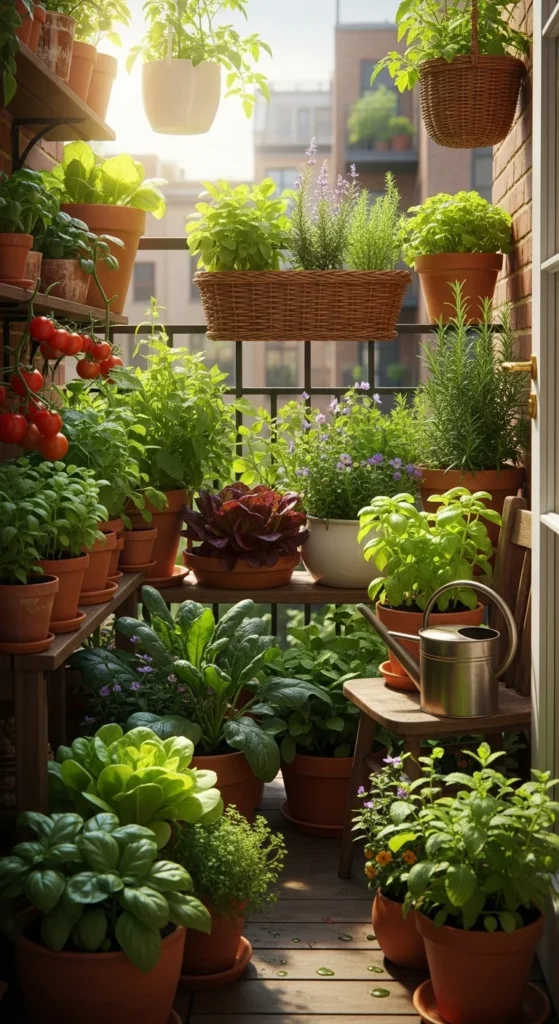
Why Container Gardening Works So Well
Container gardening puts you in control. You decide the soil quality, drainage, sunlight exposure, and spacing—no battling poor ground soil or weeds.
Why people love it:
- Perfect for small spaces (apartments, patios, rooftops)
- Fewer weeds and pests than in-ground gardens
- Easy to move plants to chase the sun
- Great for beginners who want quick wins
If you’ve ever thought, “I don’t have space to garden,” containers are your answer.
Choosing the Right Containers
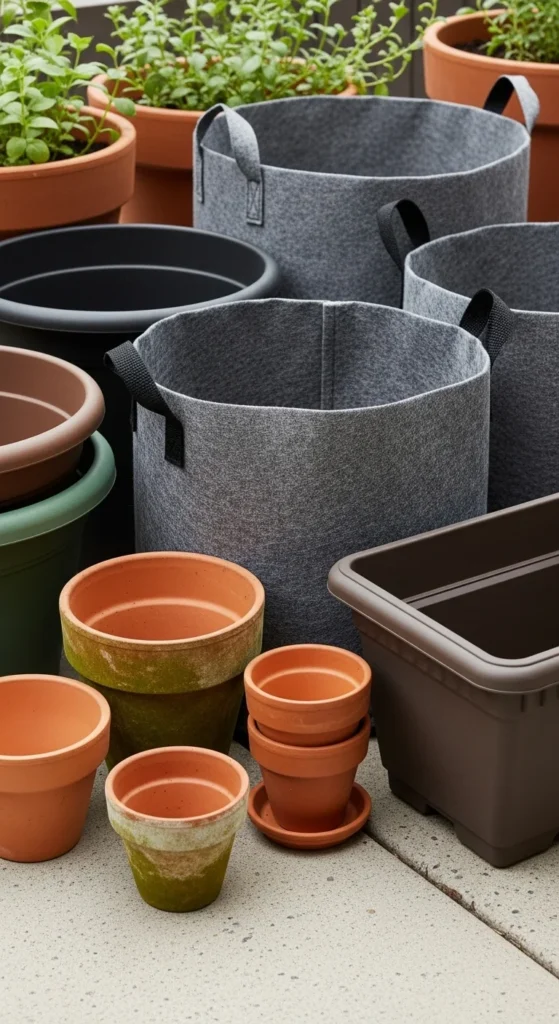
The container matters more than you think. Size, material, and drainage all affect how well your vegetables grow.
Container tips:
- Size: Bigger is better. Most vegetables need at least 10–12 inches of depth.
- Drainage: Always choose pots with drainage holes.
- Material: Plastic is lightweight, terracotta breathes well, fabric grow bags drain beautifully.
Common container options:
- Clay or terracotta pots
- Plastic or resin planters
- Fabric grow bags
- Buckets or wooden boxes (with drainage holes added)
Best Vegetables to Grow in Containers
Not all vegetables are container-friendly, but many thrive in pots.
Easy vegetables for containers:
- Leafy greens: Lettuce, spinach, arugula
- Herbs: Basil, parsley, mint, cilantro
- Fruit veggies: Tomatoes, peppers, eggplant
- Roots: Radishes, carrots (short varieties), beets
- Climbers: Cucumbers, peas (with support)
Start with 2–3 types if you’re new. It’s more fun—and less overwhelming.
Soil: The Secret to Healthy Container Veggies
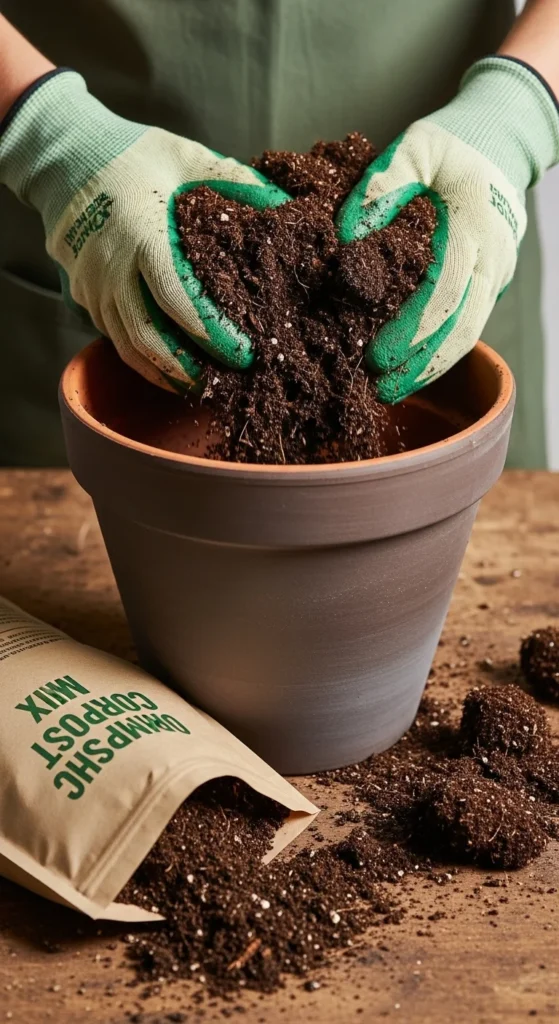
Garden soil from the ground is too heavy for containers. You need light, airy soil that drains well.
Use this instead:
- High-quality potting mix (not garden soil)
- Optional: mix in compost for nutrients
- Optional: add perlite or coco coir for drainage
Fill containers almost to the top—soil settles after watering.
Planting Your Vegetables the Right Way
Follow the spacing guidelines on seed packets or plant tags. Overcrowding leads to weak plants and poor harvests.
Planting basics:
- Seeds: Plant at the depth listed on the packet
- Seedlings: Gently loosen roots before planting
- Water thoroughly after planting
Place taller plants (like tomatoes) at the back or center so they don’t shade smaller ones.
Sunlight: Give Them What They Love
Most vegetables need 6–8 hours of sunlight per day.
Sunlight tips:
- South- or west-facing spots work best
- Rotate containers every few days for even growth
- No full sun? Try leafy greens—they tolerate partial shade
If sunlight is limited, even 4–5 good hours can still produce results.
Watering Without Overdoing It
Container plants dry out faster than garden beds.
Smart watering habits:
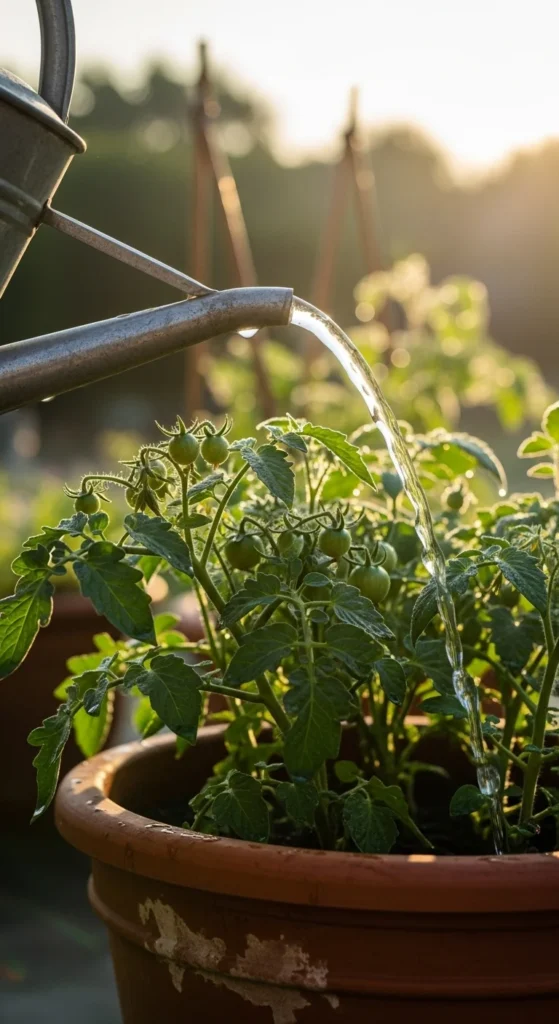
- Water until it flows out of the drainage holes
- Check soil daily in hot weather
- Stick your finger 1–2 inches into the soil—if dry, water
Early morning watering is ideal and helps prevent disease.
Feeding Your Container Vegetables
Because nutrients wash out faster in containers, feeding matters.
Easy feeding plan:
- Use a balanced liquid fertilizer every 2–3 weeks
- Or mix slow-release fertilizer into the soil
- Watch your plants—yellow leaves often mean hunger
Healthy soil = better flavor and bigger harvests.
Simple Maintenance That Makes a Big Difference
You don’t need to baby your plants, but a little attention goes a long way.
Quick maintenance tips:
- Remove dead or yellowing leaves
- Support tall plants with stakes or cages
- Watch for pests like aphids and treat early
Five minutes a day is usually enough.
Harvesting and Enjoying the Results
Harvest often to encourage more growth. Leafy greens especially love regular picking.
There’s nothing better than cooking with vegetables you grew yourself—even if it’s just a handful of fresh herbs or a bowl of cherry tomatoes.
Final Takeaway
Container vegetable gardening is simple, flexible, and incredibly rewarding. Start small, learn as you go, and enjoy the process—mistakes included.
🌱 Save this guide for later and start your container garden today!
Leave a Reply