

Think you need grow lights and a sunroom to keep indoor plants alive? Not true. With the right approach, natural light alone can be more than enough to grow happy, healthy plants indoors—even in small apartments.
The secret isn’t more light. It’s using the light you already have, the right way.
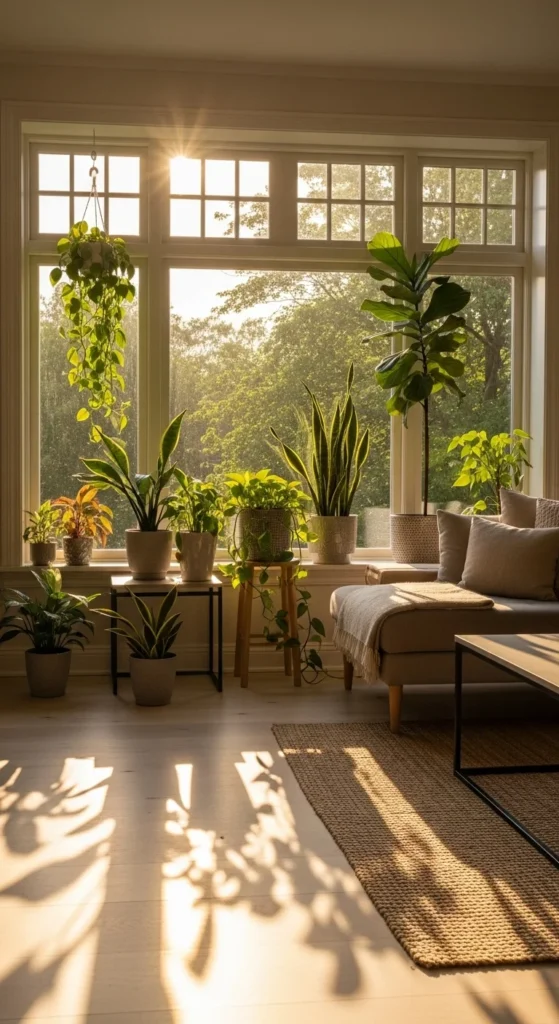
Let’s break it down step by step so you can turn your home into a thriving indoor garden—no special equipment required.
Understand How Natural Light Works Indoors
Indoor light behaves very differently from outdoor sunlight. Even a bright room is much dimmer than being outside.
Key things to know:
- Light intensity drops quickly as you move away from windows
- Direction matters more than room brightness
- Glass filters some light wavelengths plants use
That’s why plant placement is everything when growing indoors with natural light.
Know Your Window Directions
Not all windows provide the same quality of light. Knowing your window direction helps you match the right plant to the right spot.
South-facing windows
- Bright, direct light most of the day
- Best for sun-loving plants
East-facing windows
- Gentle morning light
- Great for most houseplants
West-facing windows
- Strong afternoon light
- Can be intense but manageable
North-facing windows
- Low, indirect light
- Best for shade-tolerant plants
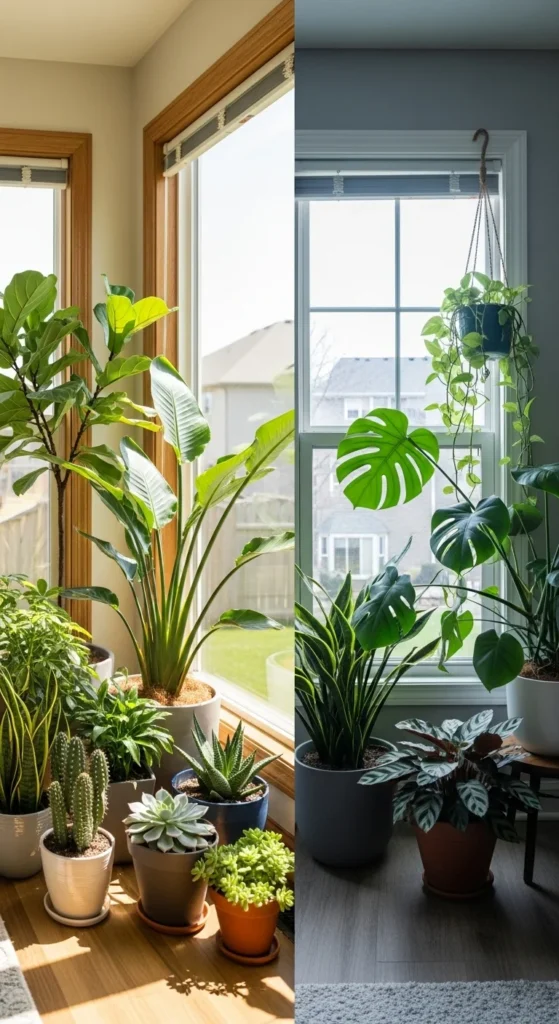
Choose Plants That Love Natural Indoor Light
Plant choice makes or breaks indoor success. Some plants thrive indoors, others struggle no matter what you do.
Great plants for natural light indoors:
- Snake plant
- Pothos
- ZZ plant
- Spider plant
- Philodendron
- Peace lily
If your space is bright, you can also try:
- Herbs like basil or mint
- Fiddle leaf fig
- Rubber plant
Start with forgiving plants if you’re new—they bounce back faster from mistakes.
Place Plants Strategically (This Matters More Than You Think)
A plant placed three feet from a window can get half the light of one placed right next to it.
Smart placement tips:
- Keep plants as close to windows as possible
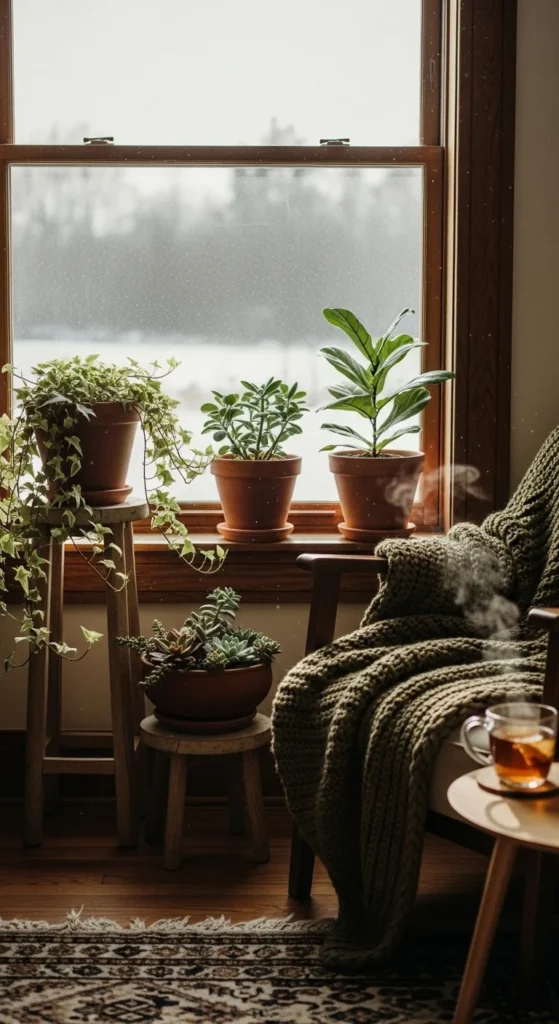
- Use plant stands to raise shorter plants
- Rotate plants weekly for even growth
- Avoid blocking light with heavy curtains
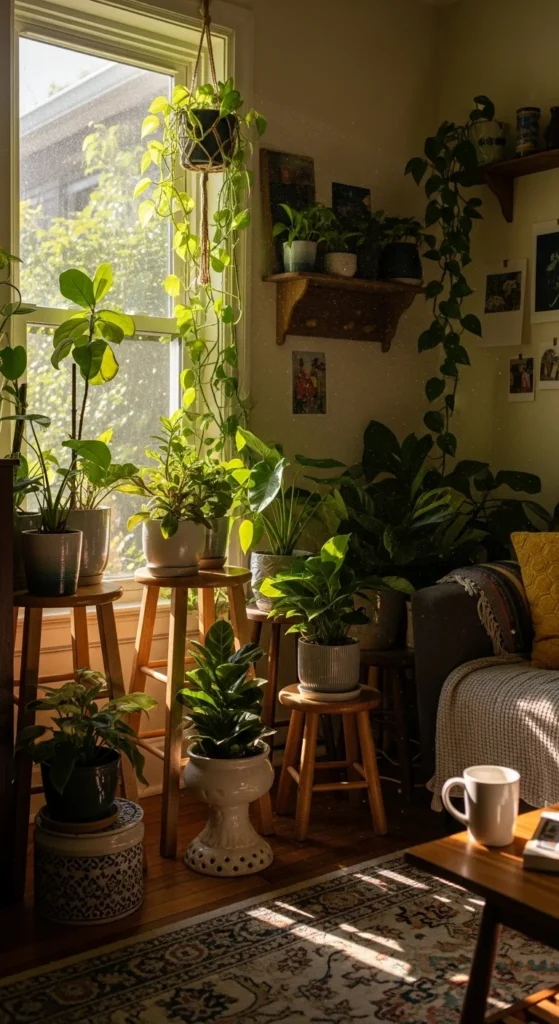
If leaves lean toward the window, that’s your cue—it wants more light balance.
Use Reflective Surfaces to Boost Light
You can increase natural light without adding lamps.
Easy ways to reflect light:
- Place mirrors opposite windows
- Use light-colored walls or planters
- Choose glossy or ceramic pots
- Keep windows clean
These small tricks can significantly improve light distribution, especially in apartments.
Water Correctly for Light Conditions
Light and water go hand in hand. Less light means slower growth—and less water needed.
General rule:
- Bright light = water more often
- Low light = water less often
Signs you’re overwatering in low light:
- Yellow leaves
- Mushy stems
- Moldy soil
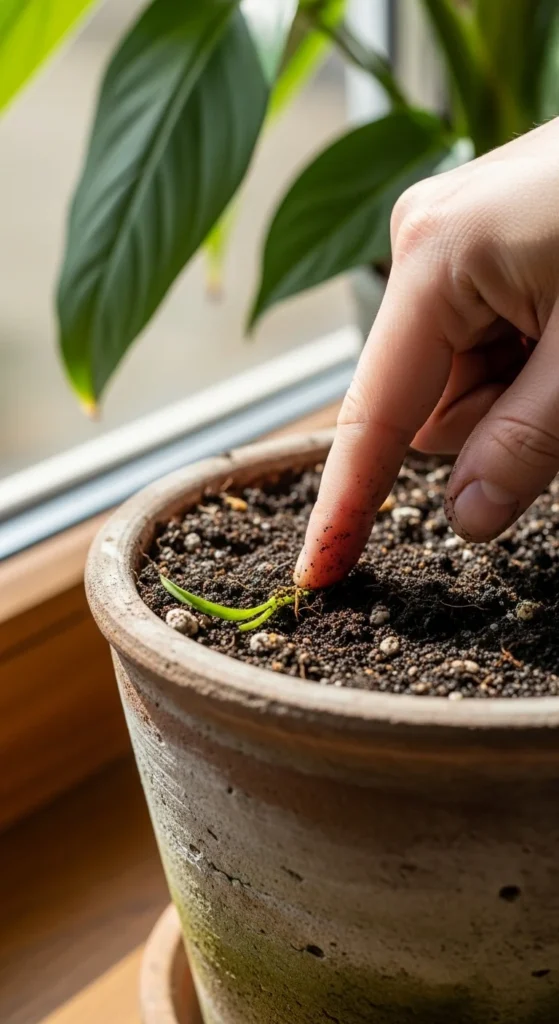
Always check the soil before watering. When in doubt, wait a day.
Keep Leaves Clean and Dust-Free
Dust blocks light. Even a thin layer can reduce how much light reaches plant leaves.
Simple care routine:
- Wipe leaves with a damp cloth
- Rinse smaller plants gently in the sink
- Avoid leaf-shine sprays
Clean leaves photosynthesize better—and look better too.
Adjust With the Seasons
Natural light changes throughout the year, especially in winter.
Seasonal adjustments:
- Move plants closer to windows in winter
- Pull them back slightly in intense summer sun
- Rotate more often during shorter days
Plants slow down in winter. That’s normal—don’t panic.
Common Indoor Light Mistakes to Avoid
Avoid these beginner traps:
- Assuming “bright room” equals bright light
- Placing plants deep inside rooms
- Using heavy curtains all day
- Overwatering low-light plants
Most indoor plant problems trace back to light misjudgment, not lack of care.
Final Takeaway: Work With Your Light, Not Against It 🌱
Growing plants indoors with natural light is about observation, not perfection. Watch how light moves through your space. Adjust. Rotate. Experiment.
Once you understand your light, your plants will do the rest.
✨ Save this guide for later and start growing greener indoors—naturally!

Leave a Reply