

Short on space but dreaming of a lush, green home? A vertical garden might be exactly what you need. Whether you live in an apartment, have a tiny balcony, or just want to turn a blank wall into a statement, vertical gardening lets you grow more plants in less space—and it looks amazing while doing it.
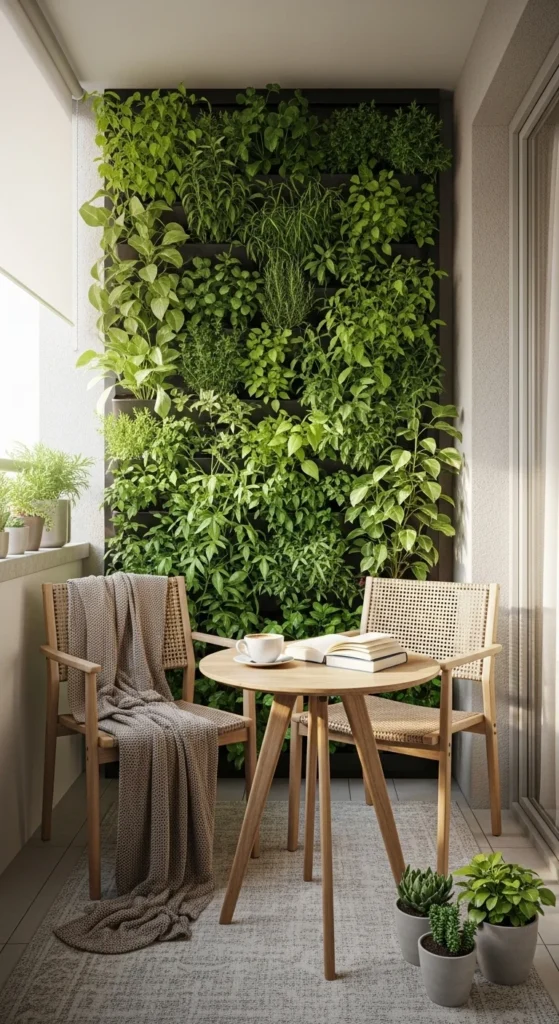
The best part? You don’t need fancy tools or a huge budget. With a bit of planning and creativity, you can build a vertical garden at home that’s both practical and beautiful.
What Is a Vertical Garden (and Why It’s Worth It)
A vertical garden is exactly what it sounds like—plants grown upward instead of outward. Instead of spreading across the ground, they’re arranged on walls, frames, shelves, or hanging systems.
Why people love vertical gardens:
- Perfect for small spaces
- Adds instant visual impact
- Improves air quality
- Makes plant care more accessible
- Great for herbs, flowers, and even vegetables
If you’ve ever looked at an empty wall and thought, this could be greener, you’re already halfway there.
Choose the Right Location First
Before buying anything, decide where your vertical garden will live. This choice affects everything else.
Ask yourself:
- How much sunlight does the area get?
- Is it indoors or outdoors?
- Is there access to water nearby?
- Can the wall support some weight?
Most plants need at least 4–6 hours of light daily. For darker spaces, choose low-light plants or plan to add grow lights.
Pick a Vertical Garden Structure That Fits Your Space
There’s no single “right” structure. The best one is the one that works for your home and lifestyle.
Popular options include:
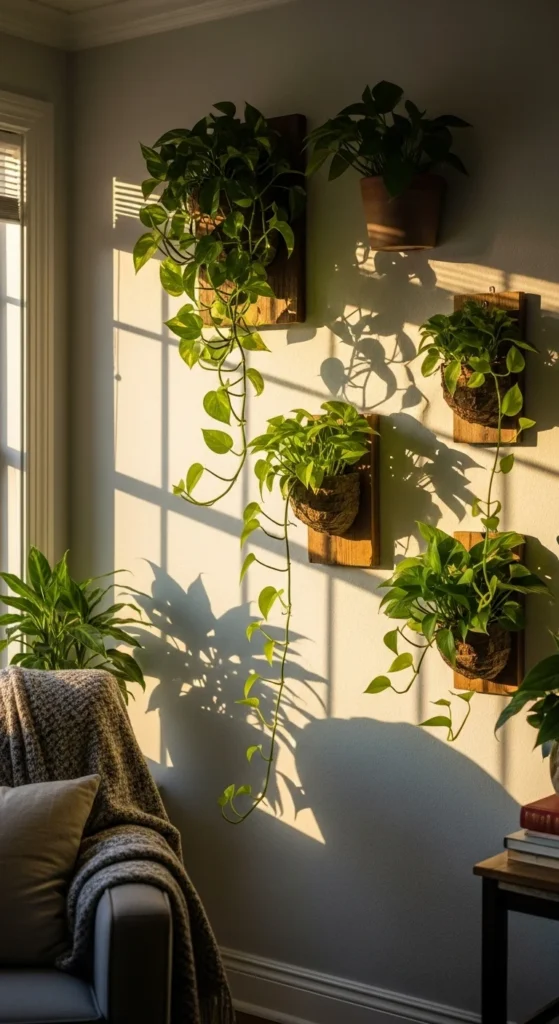
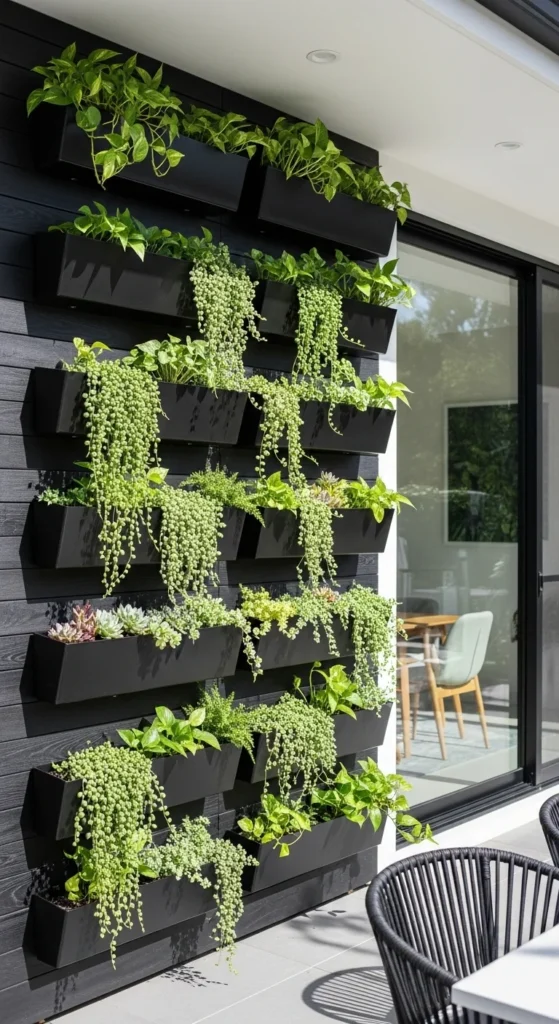
- Wall-mounted planters
- Wooden pallets
- Metal grid panels
- Hanging pocket organizers
- Stacked shelves or ladders
If you’re a beginner, start simple. Pocket planters or wall-mounted pots are easy to install and maintain.
Select Plants That Thrive Vertically
Not all plants love growing upward. Choose varieties that stay compact or trail naturally.
Great plant choices for vertical gardens:
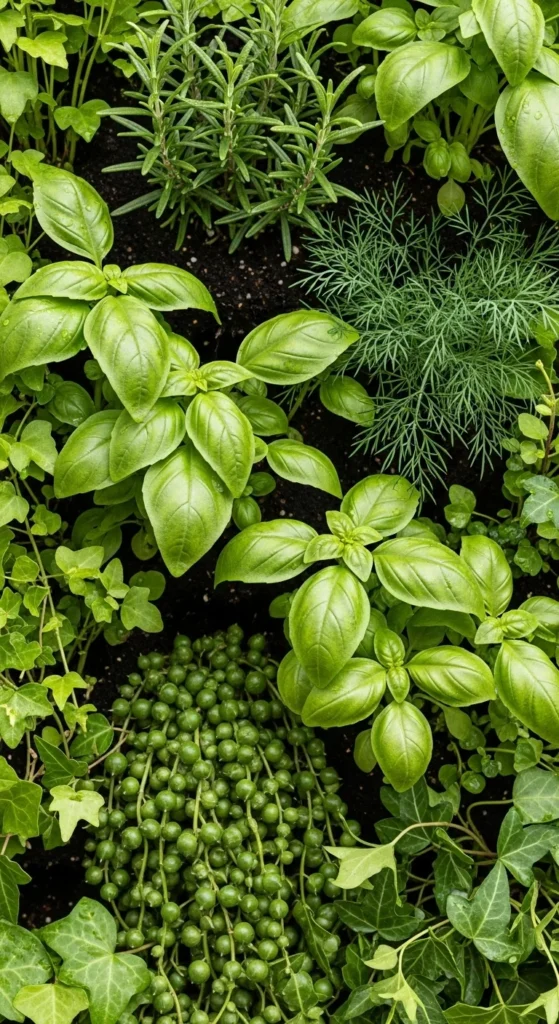
- Herbs: basil, mint, parsley, thyme
- Leafy greens: lettuce, spinach
- Trailing plants: pothos, ivy, philodendron
- Flowers: petunias, ferns, begonias
Avoid heavy plants with deep roots unless your structure is built to handle them.
Prepare Containers and Soil Properly
Good soil and drainage are essential. Vertical planters dry out faster than ground gardens, so preparation matters.
Tips for success:
- Use lightweight, well-draining potting mix
- Make sure every container has drainage holes
- Line pockets or planters if needed to prevent leaks
- Add a thin layer of gravel at the bottom for airflow
Healthy soil = healthy plants, especially when gravity is involved.
Assemble and Plant Step by Step
Now comes the fun part—putting it all together.
Basic planting steps:
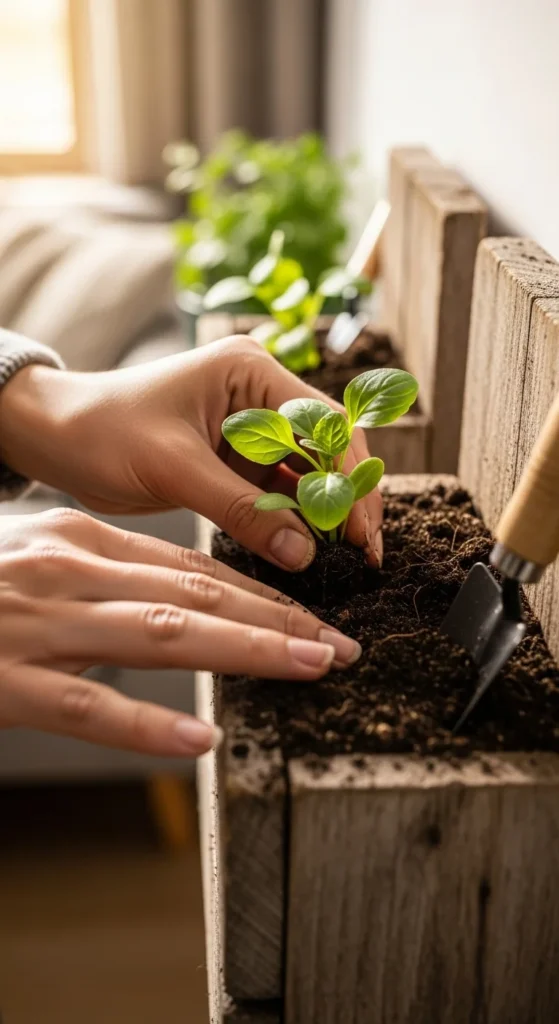
- Secure your structure firmly to the wall or frame
- Fill containers with prepared soil
- Gently plant, pressing soil around roots
- Water slowly and evenly
- Step back and adjust spacing if needed
Plant from the bottom up. This prevents soil from falling onto already-planted areas.
Watering and Maintenance Tips
Vertical gardens need a bit more attention than traditional ones—but nothing overwhelming.
Keep things healthy by:
- Checking moisture frequently
- Watering slowly to avoid runoff
- Trimming overgrown plants regularly
- Rotating plants if light is uneven
A drip system or self-watering planters can make maintenance even easier.
Style It So It Looks Intentional (Not Messy)
A vertical garden isn’t just about plants—it’s decor.
Simple styling ideas:
- Stick to a color palette for pots
- Mix leaf shapes for texture
- Use symmetry for a clean look
- Let some plants trail for softness
Common Mistakes to Avoid
Even easy projects have pitfalls. Skip these common errors:
- Overwatering
- Ignoring sunlight needs
- Using heavy soil
- Crowding plants too tightly
Take it slow. Your garden will grow with you.
Final Takeaway: Start Small, Grow Upward 🌿
A vertical garden proves you don’t need a big yard to grow something beautiful. Start with one wall, a few plants, and a simple structure. As your confidence grows, so will your garden.
✨ Save this guide for later and turn your empty wall into a living masterpiece!
Leave a Reply