

You don’t need a designer budget—or a truckload of plants—to create a garden that looks charming, full, and intentional. In fact, some of the most beautiful gardens are built slowly, creatively, and with a little patience. Budget gardening isn’t about cutting corners. It’s about making smarter choices that give you more beauty for less money.
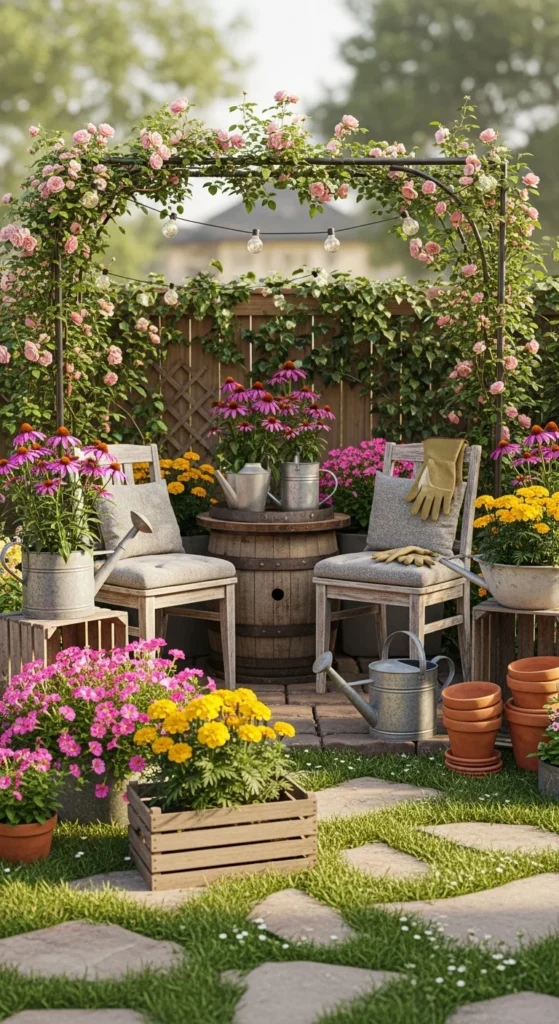
If you’ve ever thought gardening was too expensive to start (or keep up), this guide will show you how to grow a gorgeous space without draining your wallet.
Start Small and Think in Phases
One of the biggest budget mistakes gardeners make is trying to do everything at once. A beautiful garden doesn’t need to happen in a single season.
Instead:
- Focus on one area at a time
- Finish small sections fully before moving on
- Let plants grow and fill in naturally
Gardens mature. Bare spots this year often look lush next year—with zero extra spending.
Bonus tip: Take photos each season. Seeing progress helps you stay patient and avoid impulse purchases.
Choose Plants That Give You More for Less
Not all plants are equal when it comes to value. Some grow bigger, spread wider, and return every year—saving you money long-term.
Look for:
- Perennials instead of annuals
- Fast-spreading ground covers
- Plants that self-seed naturally
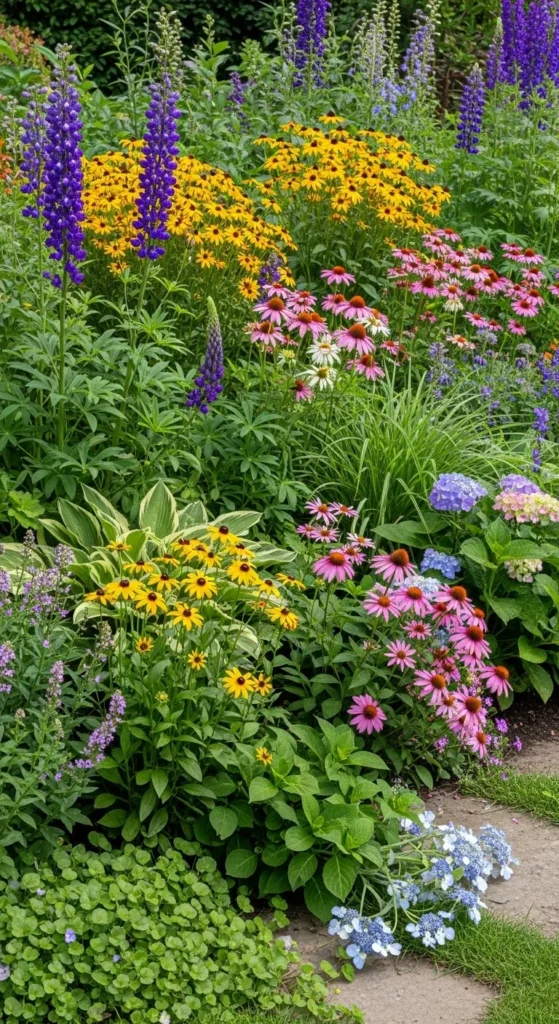
Great budget-friendly plant types:
- Black-eyed Susans
- Daylilies
- Ornamental grasses
- Herbs like mint, oregano, and chives
These plants work hard so you don’t have to keep replacing them.
Grow From Seeds (Even If You’re New)
Seed packets cost a fraction of nursery plants—and they open the door to variety without overspending.
Why seeds are worth it:
- One packet can produce dozens of plants
- Easy to share or save for next season
- Great for filling large spaces cheaply
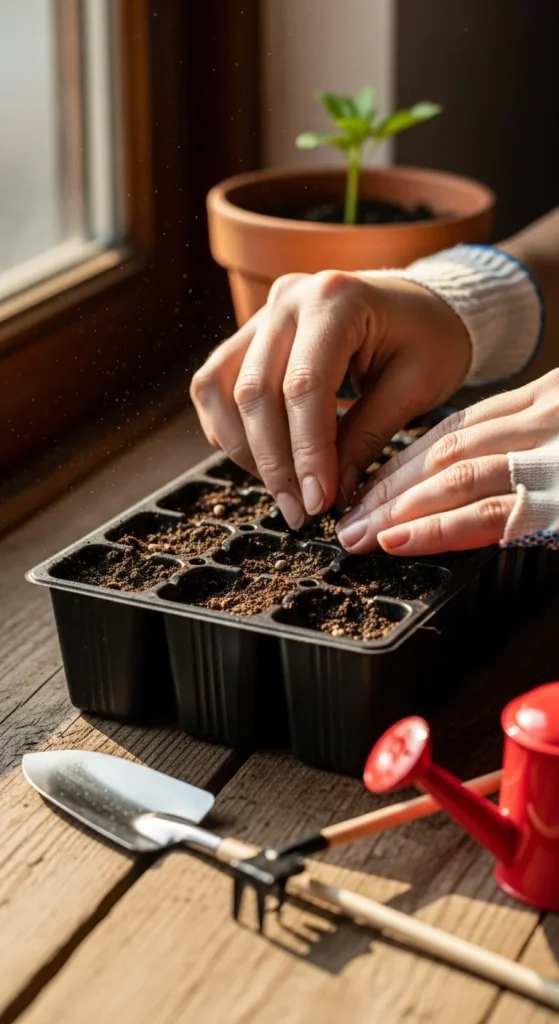
Beginner-friendly seeds:
- Zinnias
- Cosmos
- Sunflowers
- Lettuce and greens
You don’t need fancy equipment. A sunny window and basic soil are enough to get started.
Repurpose Instead of Buying New
Some of the prettiest gardens rely on creativity—not store-bought decor. Before buying new planters or accessories, look around your home.
Repurposing ideas:
- Old buckets or baskets as planters
- Wooden crates for raised beds
- Mason jars or tin cans for herbs
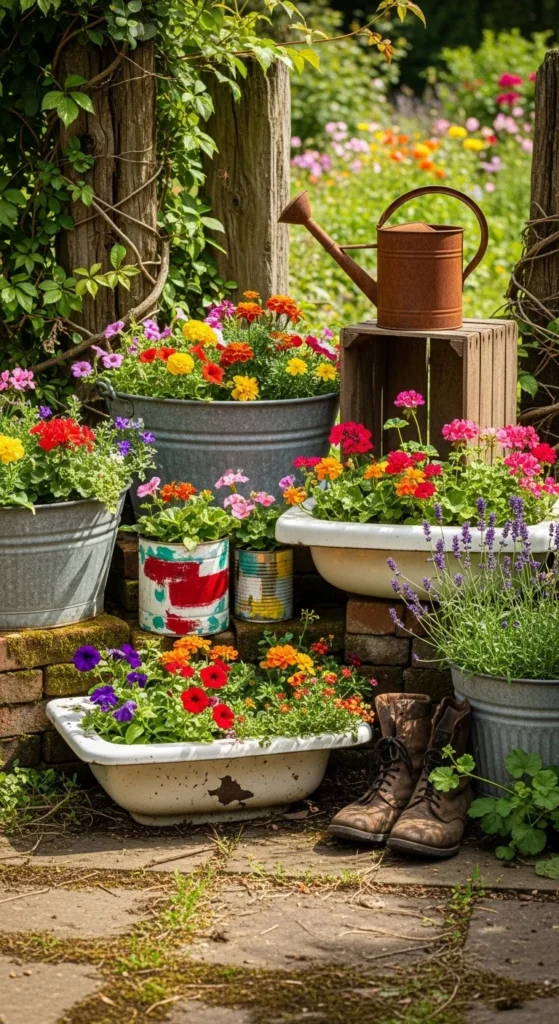
A quick coat of paint or a little sanding can turn “old” into “intentional” fast.
Mulch and Compost to Save Money Long-Term
Healthy soil reduces the need for fertilizers, frequent watering, and constant plant replacement—all of which saves money.
Budget-friendly soil boosters:
- Homemade compost from kitchen scraps
- Shredded leaves as free mulch
- Grass clippings (used lightly)
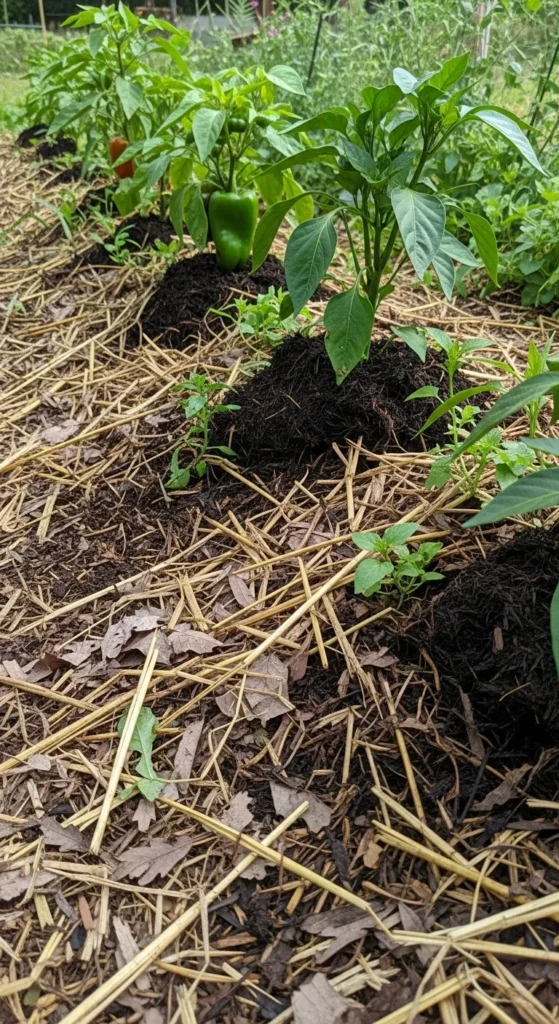
Mulch also:
- Keeps soil moist longer
- Reduces weeds
- Makes garden beds look polished
It’s one of the cheapest ways to instantly improve how your garden looks.
Shop Smarter for Plants and Supplies
Timing matters more than people realize. The same plant can cost very different amounts depending on when and where you buy it.
Smart shopping tips:
- Buy plants late in the season at clearance prices
- Check local plant swaps or community groups
- Ask neighbors for cuttings or divisions
Gardeners love sharing—especially when plants outgrow their space.
Use Repetition for a Designer Look
Repeating the same plants and materials makes a garden feel cohesive and intentional—even on a budget.
Instead of buying many different plants:
- Choose 2–3 favorites
- Repeat them across beds and borders
- Stick to a simple color palette
This approach:
- Reduces plant costs
- Looks more polished
- Makes maintenance easier
Simple repetition often looks more expensive, not less.
Be Patient—Beauty Grows Over Time
Budget gardens reward patience. Plants grow, spread, and improve each season. What looks sparse today can look full and stunning next year.
Focus on:
- Long-term growth
- Healthy foundations
- Enjoying the process
Gardening doesn’t have to be rushed to be beautiful.
Final Takeaway
You don’t need a big budget to grow a beautiful garden. With smart plant choices, creative reuse, and a little patience, you can build a space that feels lush, welcoming, and personal—without overspending.
🌱 Save this guide for later and start creating a garden that proves beauty doesn’t have to be expensive.
Leave a Reply