

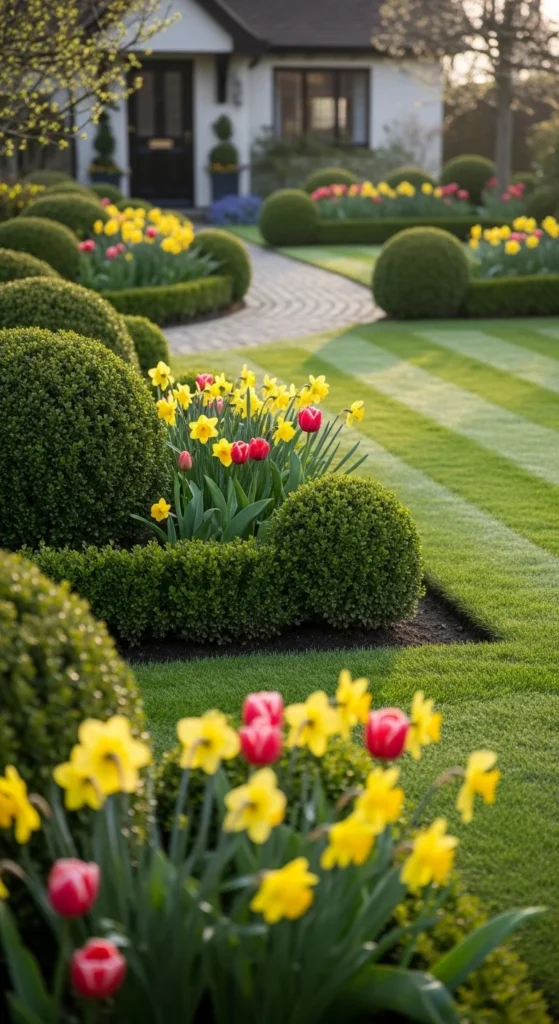
Spring is the season when gardens start working for your home again. After months of dull beds and tired edges, even small updates can change how your house looks from the street. A thoughtful spring garden makeover focuses on structure, color, and simple details that make the space feel cared for. These ideas are practical, budget-aware, and easy to tackle over weekends. Each one helps your front garden look inviting without heavy labor or complicated plans.
1. Clean Lawn Edges for Instant Definition
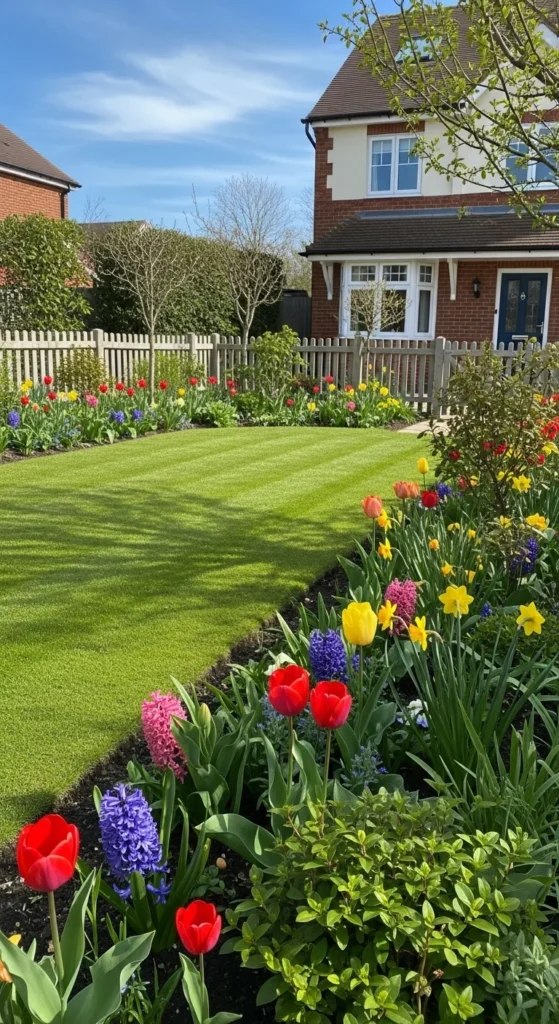
Sharp lawn edges give the entire garden a cleaner look. Grass naturally creeps into beds over time, making everything appear messy. Cutting a clear edge resets the space visually in a single afternoon.
Use a flat spade or edging tool. Follow existing bed lines rather than redesigning. Keep edges slightly curved for a softer appearance. This small change makes plants stand out and paths feel intentional.
For a low-cost option, skip plastic edging. A hand-cut trench works just as well and looks natural. Repeat once or twice each season to maintain the shape.
Defined edges make mowing easier and reduce trimming time. Even simple flower beds look more polished once grass stays in its place.
2. Refresh Mulch for a Finished Look
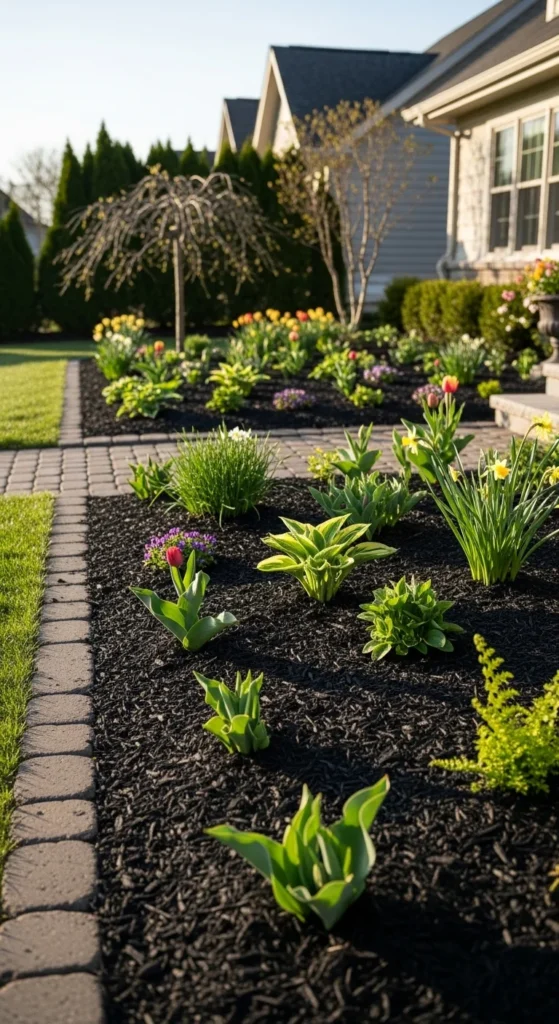
Old mulch fades and breaks down. Replacing it changes the entire garden’s appearance quickly. Dark mulch highlights greenery and flowers better than pale soil.
Remove weeds first. Spread a thin, even layer around plants. Keep mulch away from stems to prevent rot. One to two inches is enough for visual impact.
Bulk mulch from local suppliers saves money. If budget is tight, refresh only the most visible beds near walkways and the entrance.
Mulch also helps soil stay evenly moist and reduces weed growth. Beds look intentional instead of unfinished, even when plants are still small.
3. Add Symmetry Near the Entry
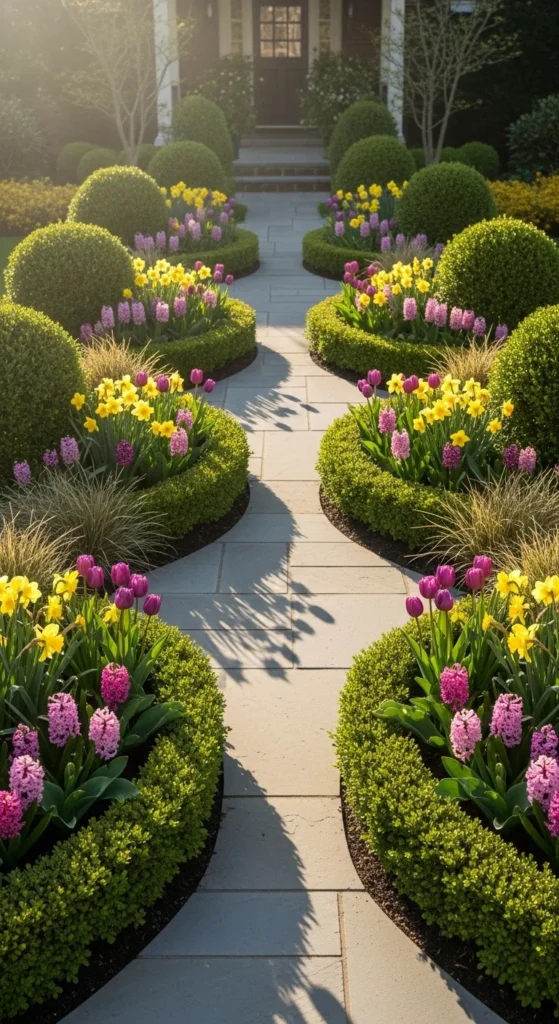
Symmetry creates balance that feels calm and welcoming. Matching planters, shrubs, or beds near the front door frame the home naturally.
Use the same plant type on both sides. Keep height and spacing consistent. This does not require many plants to work well.
For a budget option, use identical containers with seasonal flowers. Swap plants throughout the year without changing the layout.
Symmetry works especially well near doors, porches, and steps. It draws attention to the entry and makes the garden feel planned rather than scattered.
4. Replace Sparse Areas with Ground Cover
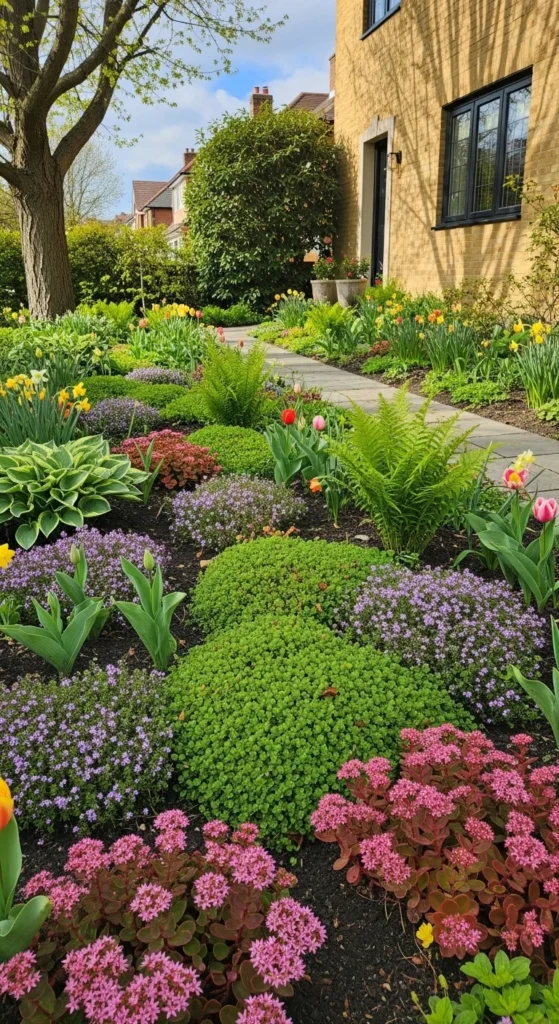
Bare soil draws attention in the wrong way. Ground covers fill gaps and reduce maintenance over time. Many spread gently without becoming aggressive.
Plant them where grass struggles or between shrubs. Creeping phlox or ajuga add spring color while staying low.
Ground covers reduce weeding and soften edges. They also help beds look fuller earlier in the season.
Start small. Even a few patches can improve the look of problem areas while saving effort long-term.
5. Update Walkway Borders
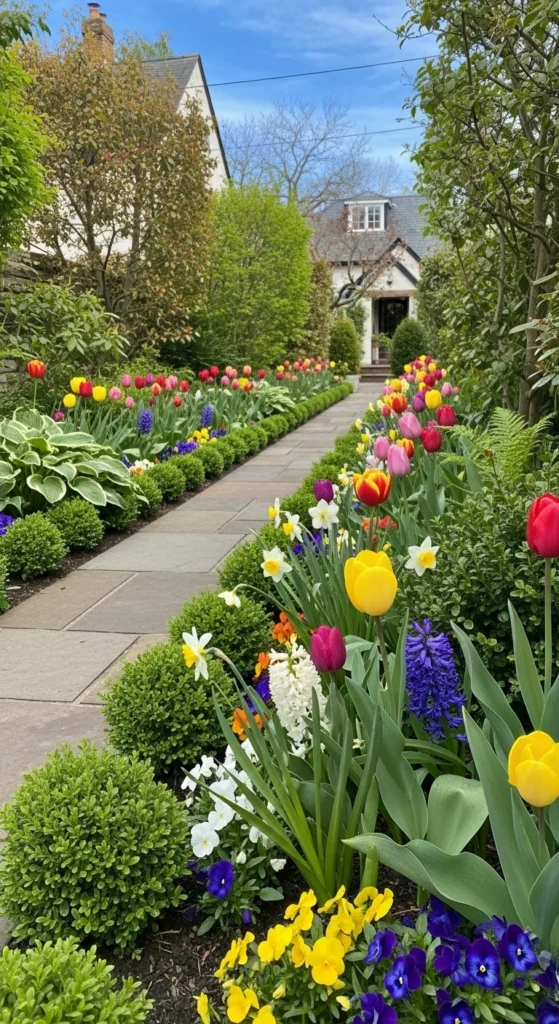
Walkways guide visitors toward your home. Updating the edges makes a strong impression. Low plants work best so paths remain open and visible.
Use repeating plants for consistency. This keeps the border from looking cluttered. Mulch between plants for a clean finish.
If digging is not an option, place containers along the path instead. This allows flexibility and seasonal updates.
Clean borders help the entire front yard feel organized and welcoming.
6. Add Color with Spring Bulb Clusters
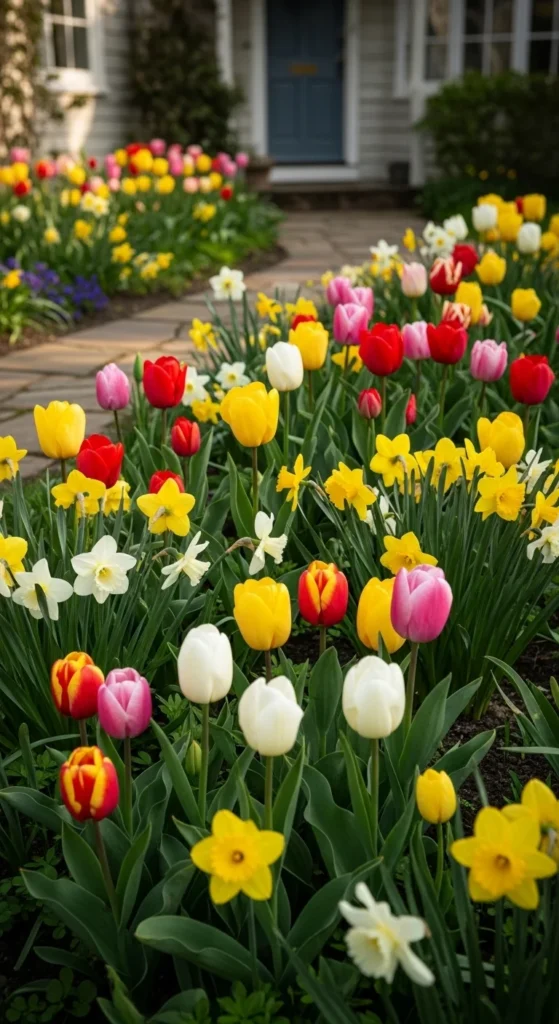
Bulbs are one of the easiest ways to add spring color. Plant them in clusters rather than straight lines for a natural look.
Group bulbs in odd numbers. This creates stronger visual impact. Mix colors carefully to avoid chaos.
Bulbs return yearly with little effort. Once planted, they handle themselves and appear before many other plants wake up.
Use bulbs near entrances and walkways where early color matters most.
7. Introduce Simple Garden Borders
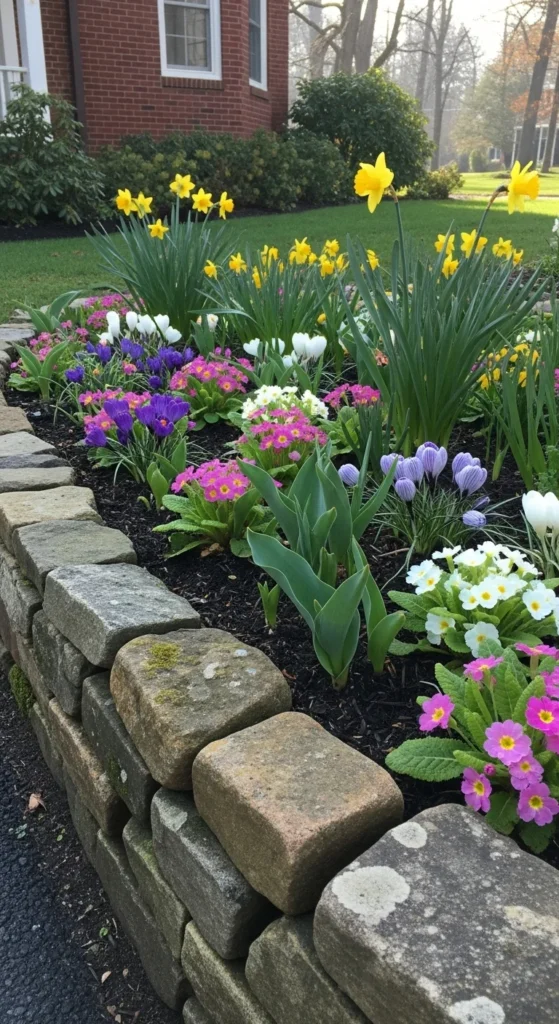
Borders define spaces clearly. Stone, brick, or metal edging keeps beds contained and tidy.
Choose materials that match the home style. Keep lines clean and simple. Avoid mixing too many materials.
Borders help soil stay in place and reduce grass spread. They also make mowing easier.
This upgrade works well for long-term structure without frequent upkeep.
8. Upgrade Front Door Planters
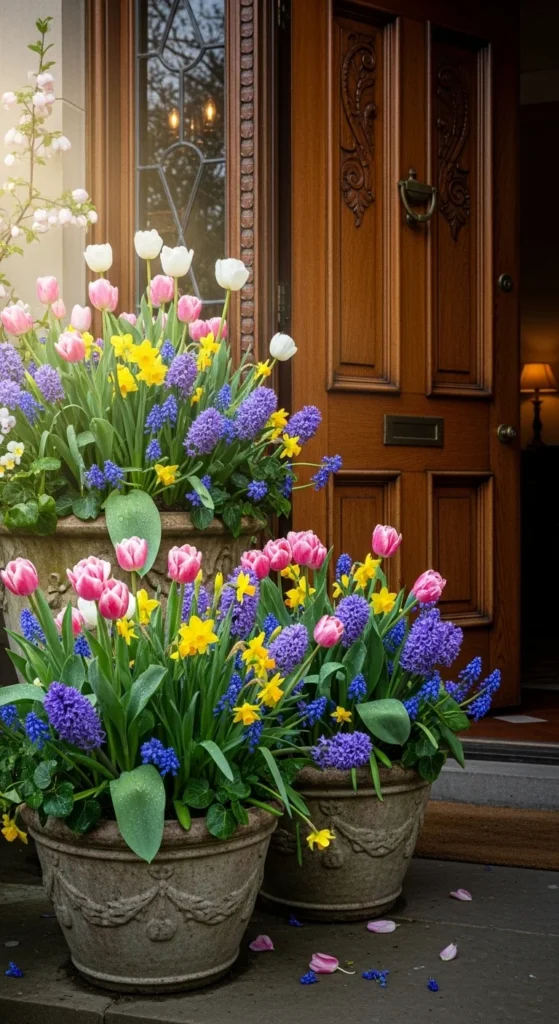
Planters near the door attract immediate attention. Larger containers look intentional and balanced.
Fill them with one main plant and a few trailing options. This creates fullness without crowding.
Reuse old containers with a coat of paint for savings. Neutral colors work across seasons.
Planters allow easy updates without digging. Change plants as seasons shift.
9. Prune Shrubs for Clean Shapes
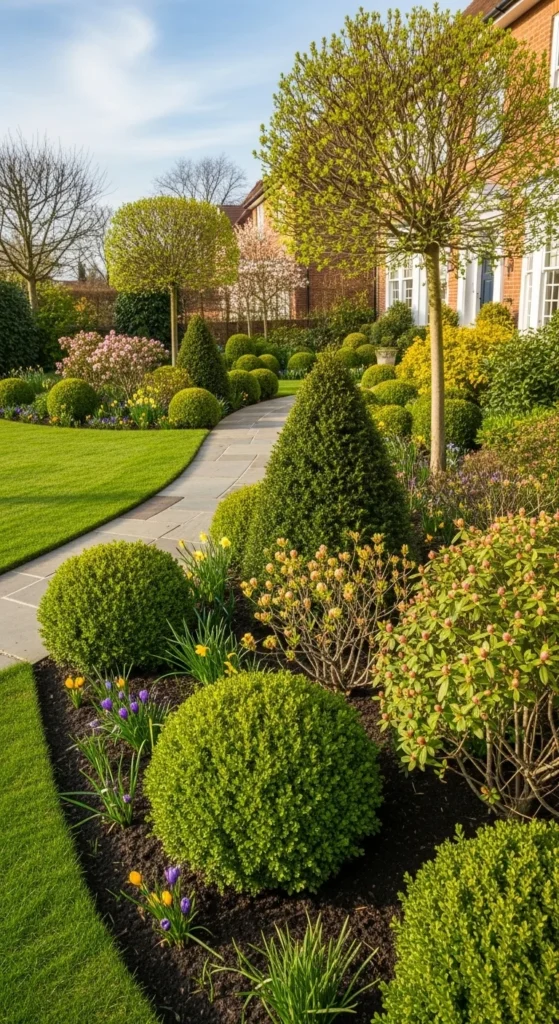
Overgrown shrubs hide structure. Light pruning restores shape and improves light flow.
Focus on removing dead or crossing branches. Avoid heavy cutting early in the season.
Clean lines make beds look cared for even before flowers bloom.
Regular pruning reduces future work and keeps plants healthy.
10. Create a Focal Point Bed
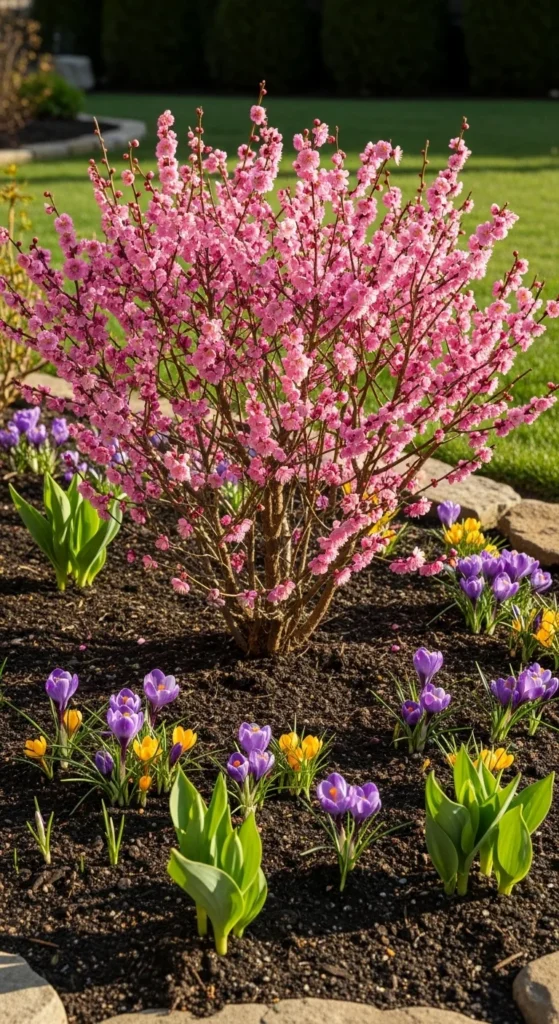
A focal point draws the eye and anchors the yard. Use a flowering shrub, small tree, or sculptural plant.
Surround it with low plants to highlight the center. Keep the area simple.
This works well in open lawns that feel empty. One strong feature often works better than many small ones.
A focal bed gives the yard a clear visual purpose.
11. Refresh Gravel or Stone Areas
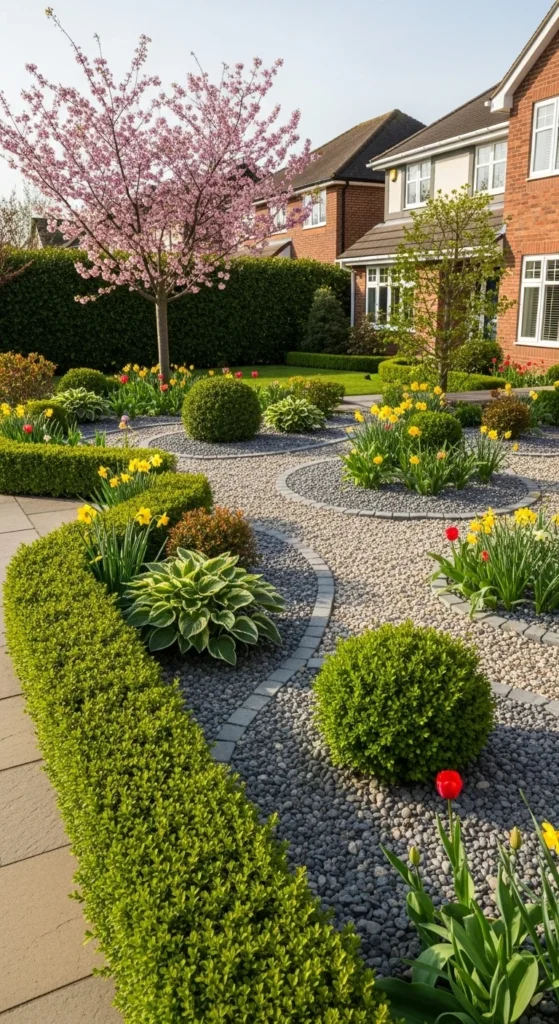
Gravel areas fade and collect debris. Raking and topping them up restores their look quickly.
Choose natural tones that suit the home exterior. Keep edges defined.
Gravel reduces watering and works well near foundations or driveways.
A quick refresh makes these areas feel intentional again.
12. Add Height with Small Trees
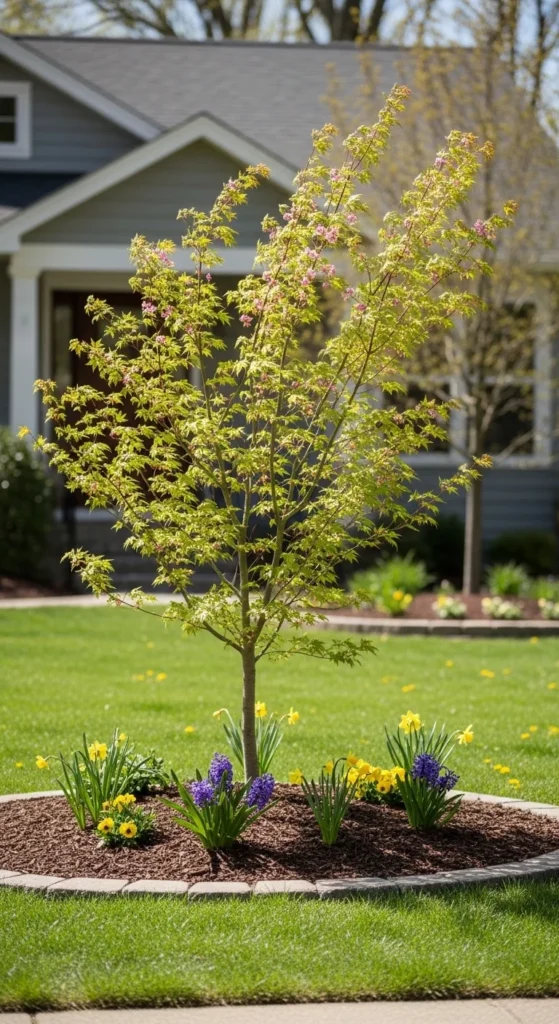
Small trees add vertical interest. They also balance single-story homes visually.
Choose varieties suited to your climate and space. Avoid planting too close to the house.
Mulch the base and keep grass away. This highlights the tree and simplifies care.
Even one tree can change how the yard feels from the street.
13. Group Plants by Color
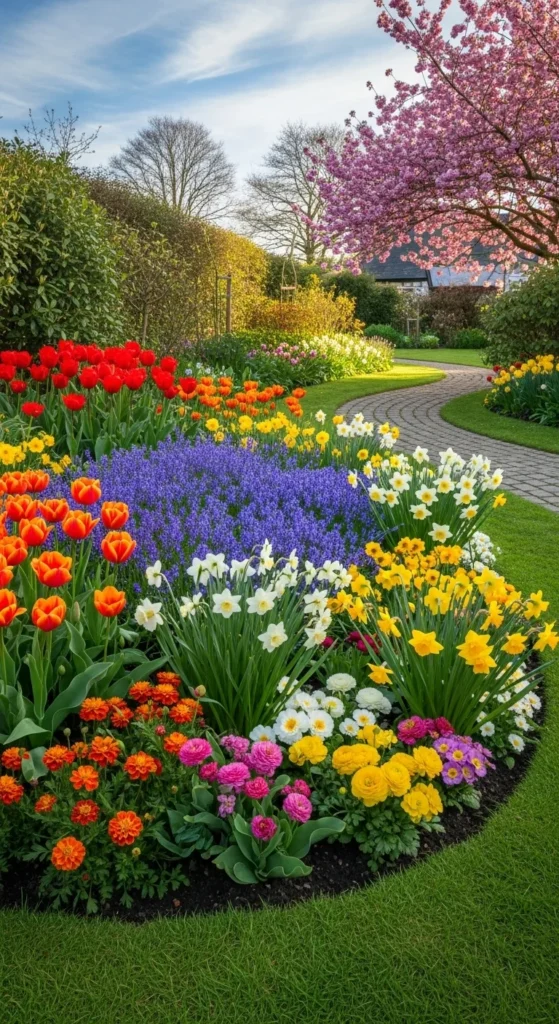
Color grouping keeps beds from feeling chaotic. Choose two or three tones per bed.
Repeat colors across the yard for unity. This makes the space feel connected.
Using fewer colors often looks stronger than using many.
This method works well even with budget plants.
14. Improve Drainage with Raised Beds
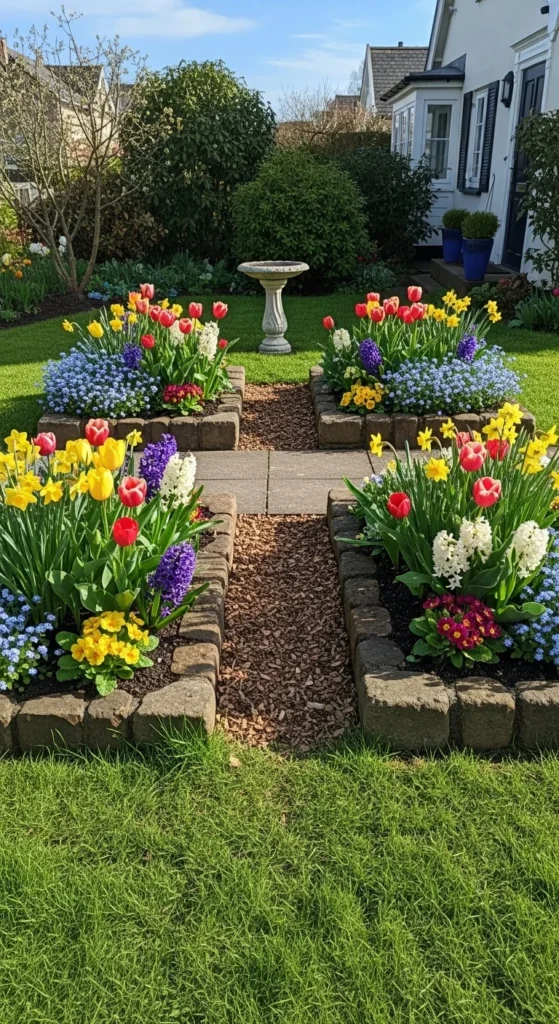
Raised beds help in areas with poor drainage. They also add structure.
Use soil and mulch to build gentle height. No wood frames required.
Plants grow better, and beds stay defined after rain.
This small lift improves both appearance and plant health.
15. Add Lighting Along Paths
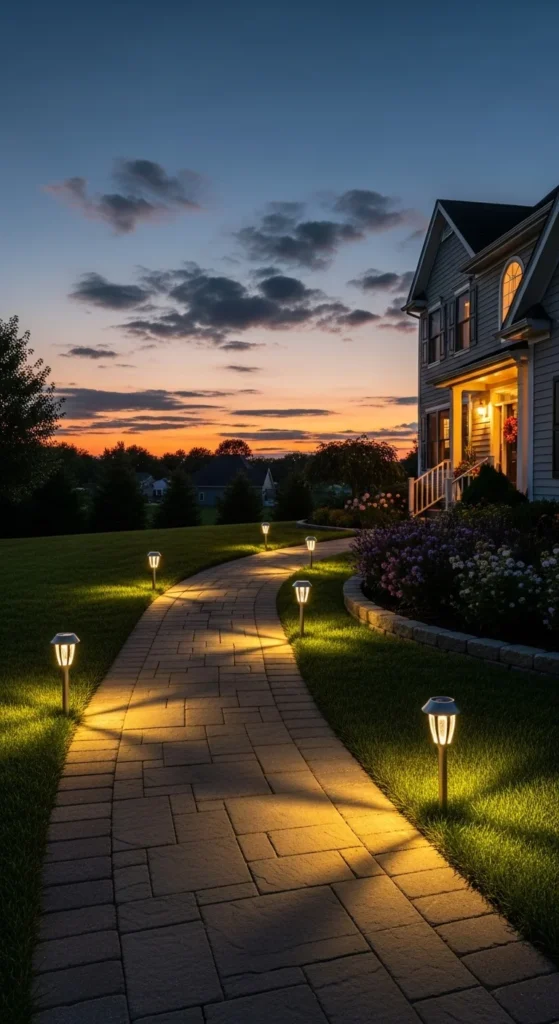
Path lights make gardens visible at night and add warmth. Solar options save energy and wiring work.
Space them evenly. Keep light levels soft.
Lighting highlights features and improves safety after dark.
This detail extends garden impact beyond daylight hours.
16. Replace Worn Edging Materials
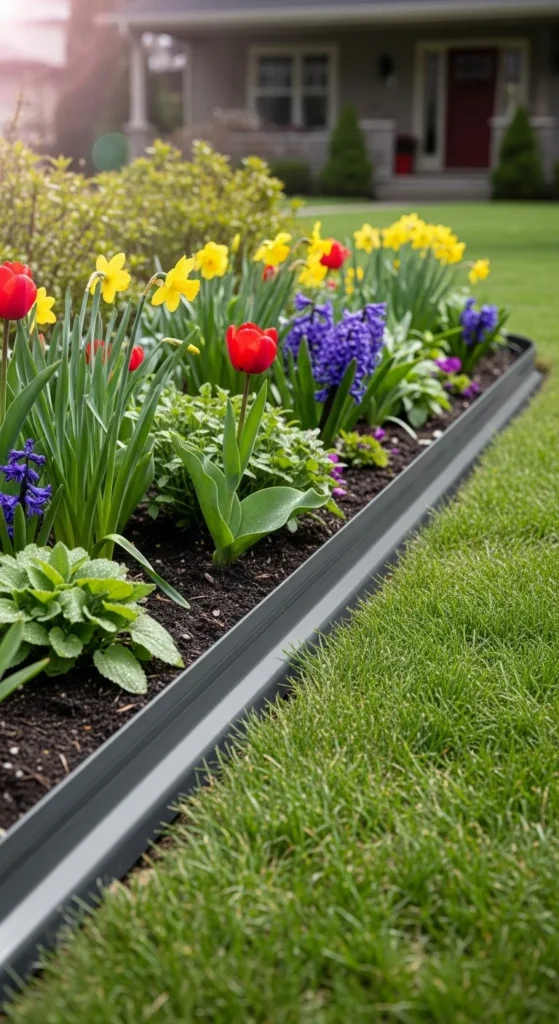
Old edging cracks and shifts. Replacing it cleans up lines instantly.
Metal edging lasts longer and stays subtle. Install it flush with the soil.
Focus on the most visible areas first to save money.
Clean edges help the whole yard look updated.
17. Add Seasonal Flower Swaps
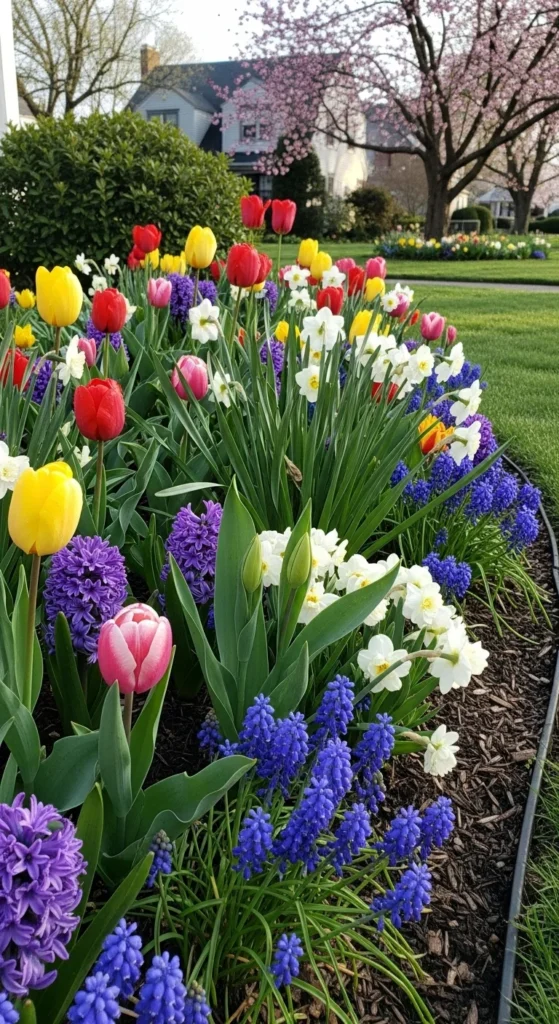
Seasonal swaps keep gardens lively. Start with spring blooms, then rotate later.
Design beds for easy replacement. Use containers where possible.
This keeps color consistent throughout the year.
Planning swaps prevents beds from looking tired.
18. Use Repeated Plant Patterns
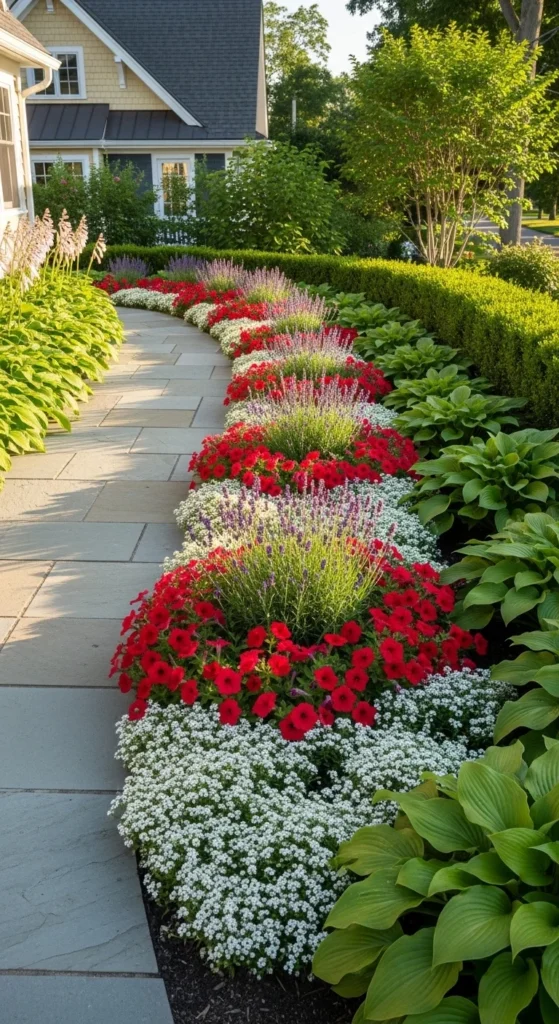
Repeating plants creates rhythm. It feels intentional and calming.
Choose one or two plants and repeat them across beds.
This reduces plant shopping and simplifies care.
Patterns help unify large or uneven yards.
19. Frame the House Foundation
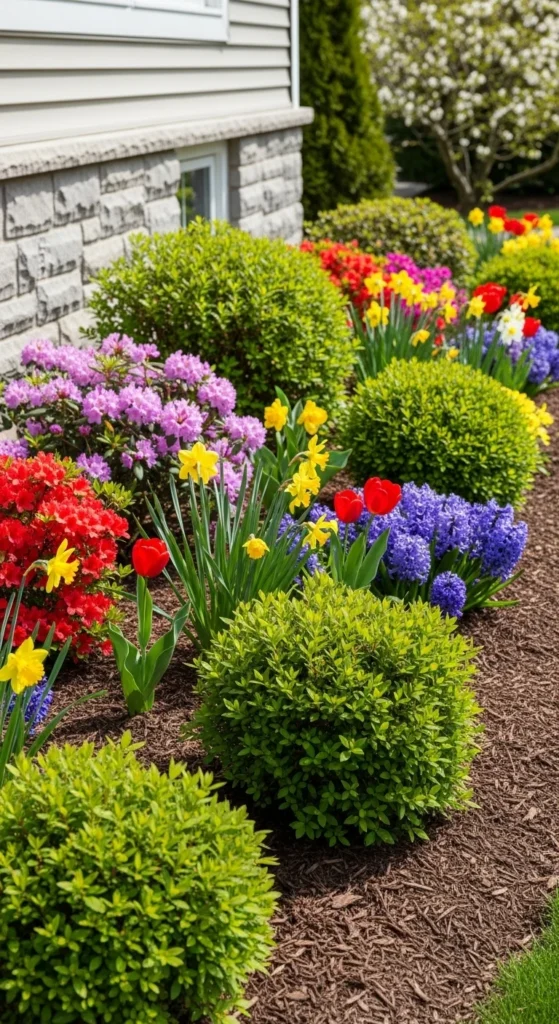
Foundation plants soften the house edge. Keep plants low near windows.
Use consistent spacing and mulch generously.
This ties the house to the garden visually.
Clean foundation beds improve curb appearance greatly.
20. Add Texture with Mixed Leaf Shapes
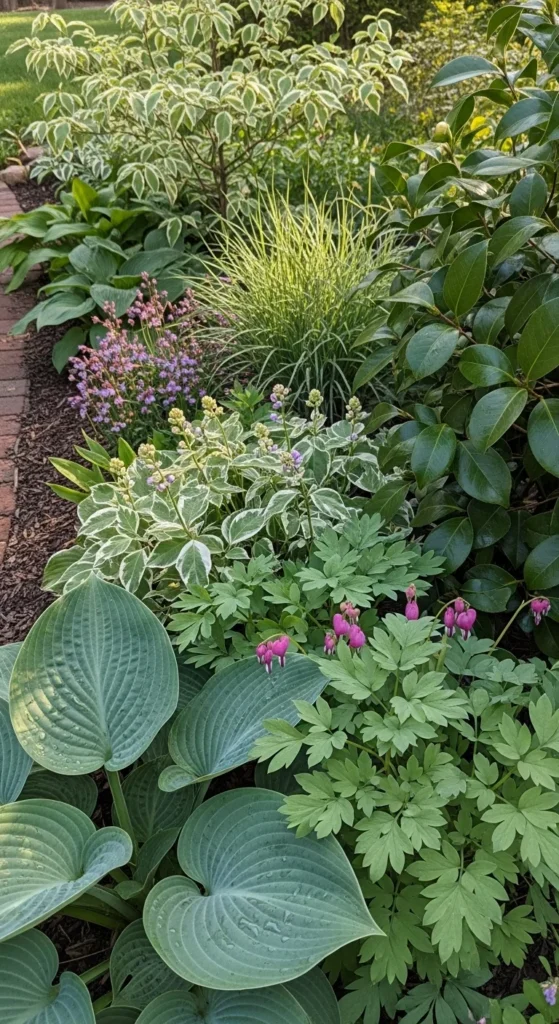
Flowers fade quickly, but leaves last longer. Mix broad and fine leaves for contrast.
Use grasses, hostas, and shrubs together.
Texture adds interest even when blooms pause.
This approach keeps beds appealing longer.
21. Refresh Garden Furniture Accents
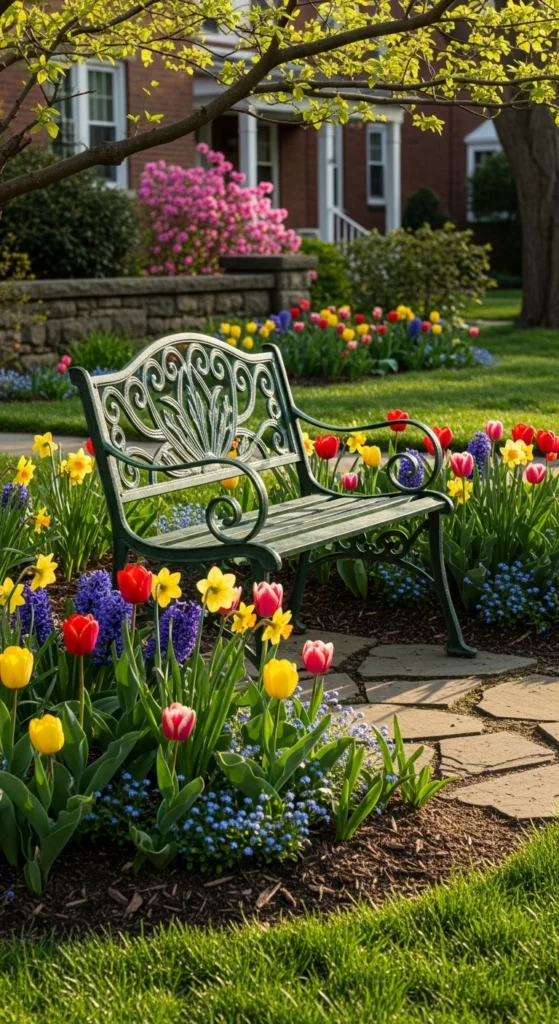
A simple bench or chair adds charm. It signals that the garden is enjoyed.
Choose compact pieces. Place them where visible from the street.
Paint old furniture for savings.
One small seat can change how the yard feels.
22. Keep It Tidy with Regular Touch-Ups
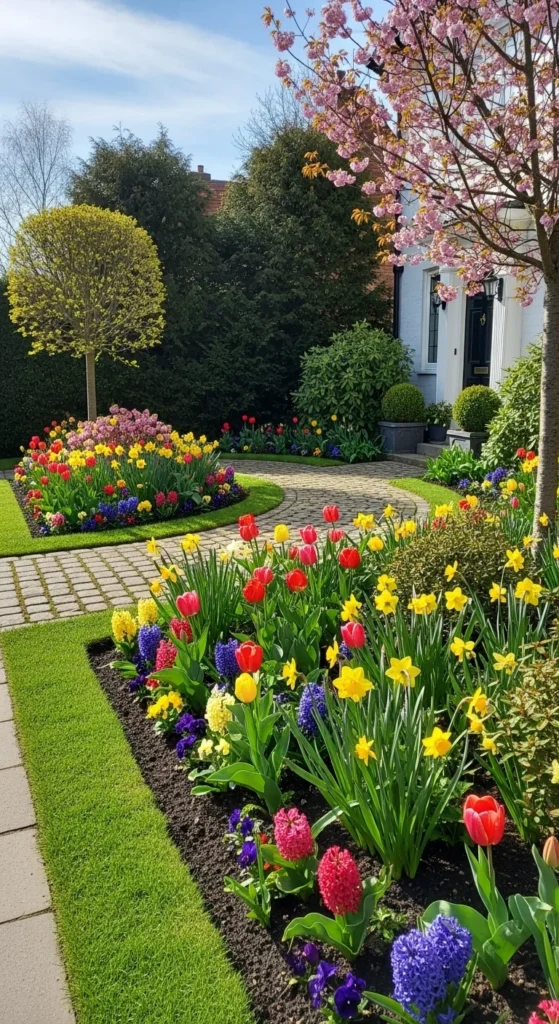
Consistency matters more than size. Small weekly touch-ups prevent buildup.
Remove weeds early. Trim edges lightly.
Short sessions keep the garden looking cared for all season.
Maintenance keeps your makeover working long after spring.
Conclusion
A spring garden makeover does not require major changes or large spending. Clear edges, thoughtful planting, and small structural updates make a strong difference. By focusing on visible areas and working step by step, your front garden can feel welcoming and well kept throughout the season. Start with one change, build momentum, and let the space reflect steady care and attention.

Leave a Reply