

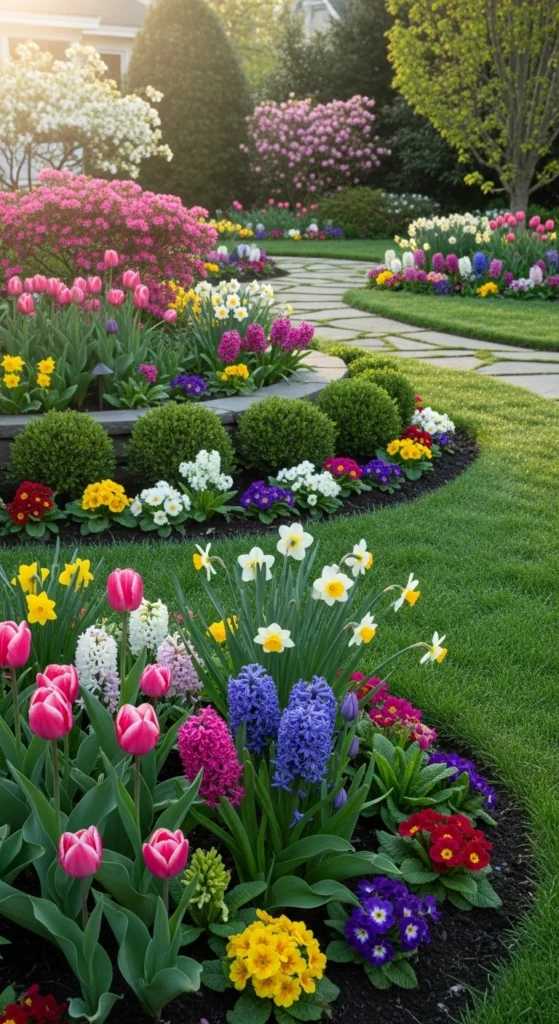
Spring front yards set the tone for the entire home. They are the first thing visitors notice and the space you pass every day. With a few smart planting choices and simple layout ideas, even a basic front yard can feel welcoming and full of life. These eye-catching spring front yard gardening ideas focus on color, structure, and easy projects that work without large budgets or complicated plans. Each idea helps you create curb appeal using plants, materials, and layouts that feel natural and manageable.
1. Layered Flower Beds Along Walkways
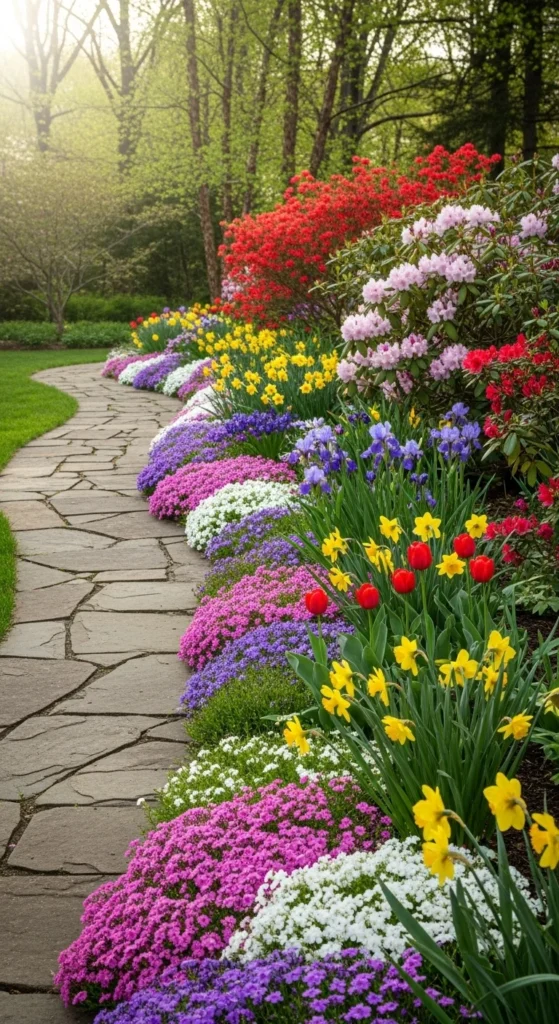
Layered flower beds instantly make a front yard look intentional. Start with taller plants near the house or fence, medium plants in the center, and low growers along the edge. This simple structure creates depth without complex planning. You can use perennials mixed with annuals to keep costs reasonable.
Choose plants that bloom at different times so something always shows color. Tulips, daffodils, and pansies work well in spring and pair nicely with low shrubs. Use mulch to tie the bed together and reduce weeds.
This layout also helps with maintenance. You can reach plants easily and spot problem areas quickly. Even narrow strips beside walkways feel fuller with this approach. Layering gives the yard a polished look without heavy effort.
2. Curved Front Yard Garden Borders
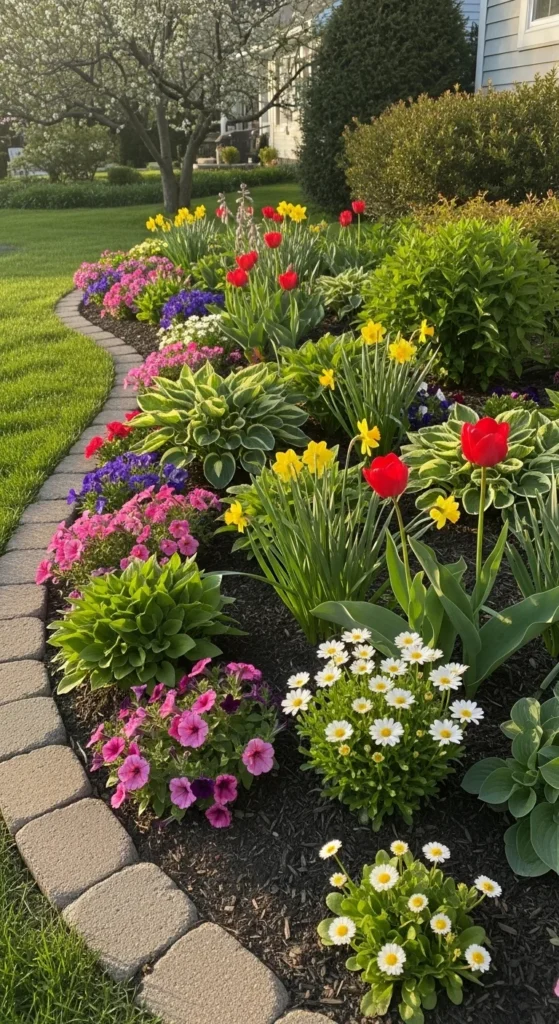
Curved borders soften the front yard and make it feel welcoming. Straight lines can feel stiff, while curves guide the eye naturally. You can shape borders using a hose before digging to find the right flow.
Use stone, brick, or simple edging to mark the curve. These materials stay affordable and last for years. Plant low flowers along the edge so the curve remains visible.
Curves also make small yards appear larger. They slow visual movement and add charm without adding plants. This is an easy upgrade that changes the entire feel of the space.
3. Statement Planters by the Front Door
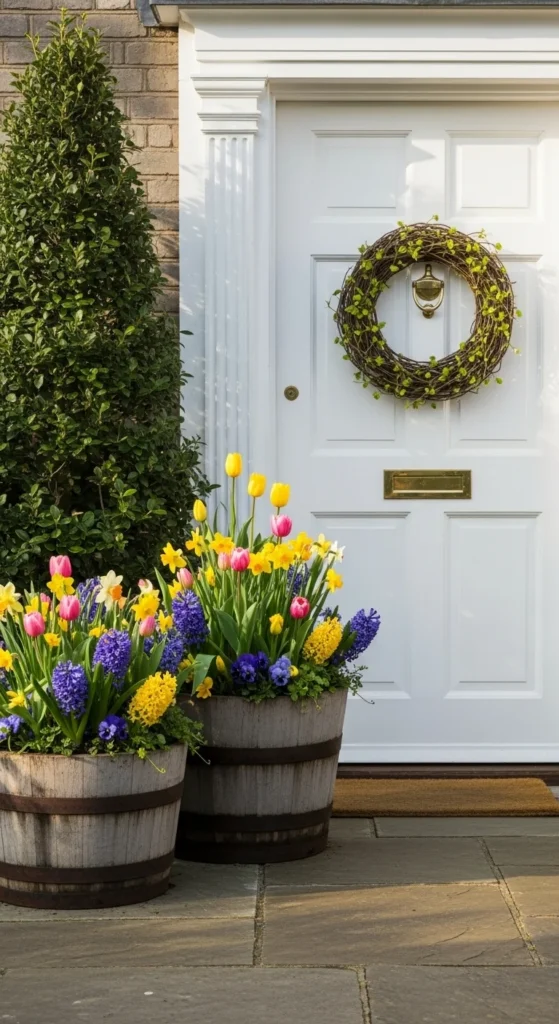
Large planters near the entrance draw attention immediately. They frame the door and add color where people naturally look. Matching containers feel balanced, but mismatched ones can still work if colors stay consistent.
Fill planters with spring flowers and trailing greenery. Use filler plants in the center and spillers around the edges. This creates fullness without overcrowding.
Planters are flexible. You can change them each season without reworking the yard. They are perfect for renters or anyone who wants impact with minimal digging.
4. Low Boxwood or Shrub Borders
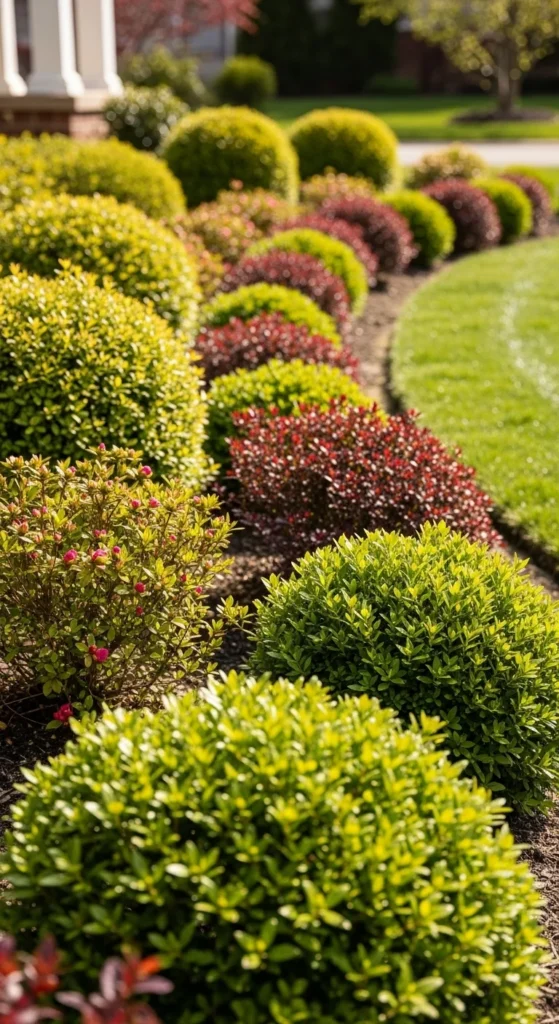
Low shrubs add structure that lasts all year. They outline garden beds and make flowers stand out more clearly. Choose varieties that stay compact and grow slowly.
Plant them in a straight or gently curved line. Space them evenly for a clean look. Mulch around the base to keep the soil tidy.
Shrubs reduce the feeling of clutter and help guide the eye across the yard. They work well in both modern and traditional homes.
5. Pops of Color Near the Mailbox
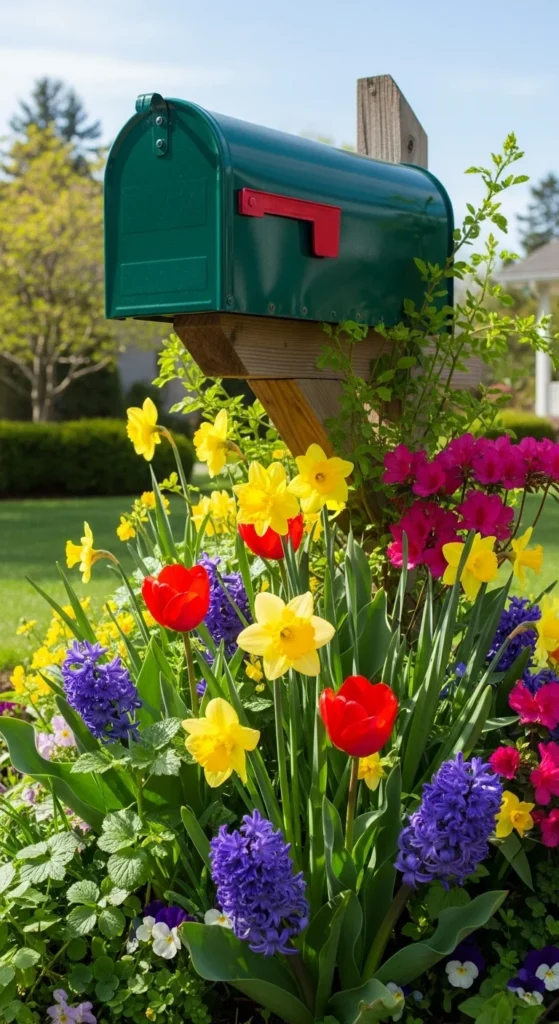
The mailbox area is often overlooked. Adding flowers here creates a cheerful focal point. Use a small circular bed or a cluster of pots.
Choose bold spring colors that stand out from the lawn. Yellow, purple, and pink work well from a distance. Keep plants low so the mailbox stays visible.
This small detail makes the yard feel cared for and welcoming without much upkeep.
6. Mixed Perennial and Annual Beds
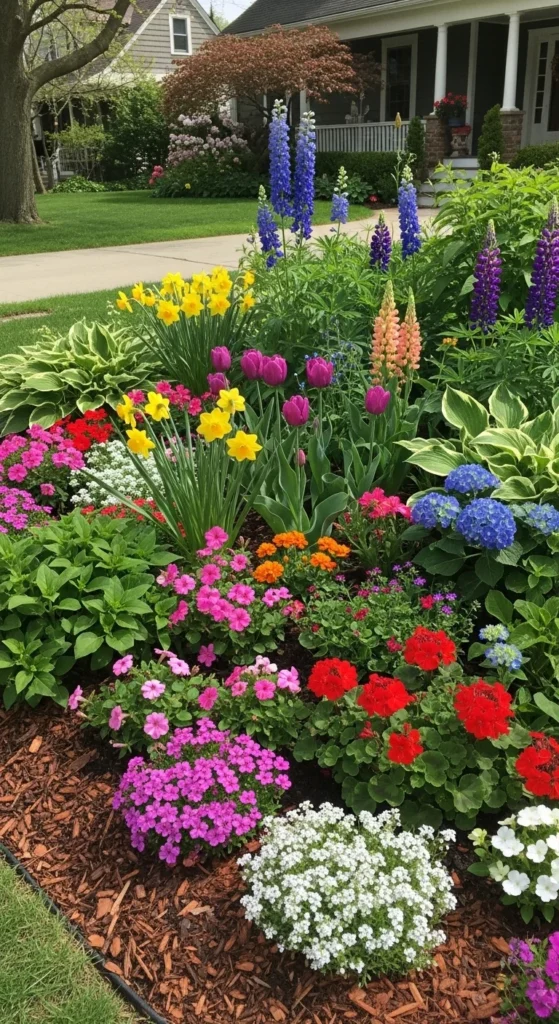
Mixing perennials with annuals gives flexibility and color. Perennials return each year, while annuals let you change things up.
Plant perennials as anchors. Fill gaps with annuals for seasonal interest. This keeps beds looking full without constant replanting.
It is also budget-friendly. You buy fewer plants over time while still enjoying variety.
7. Defined Lawn Edges for a Clean Look
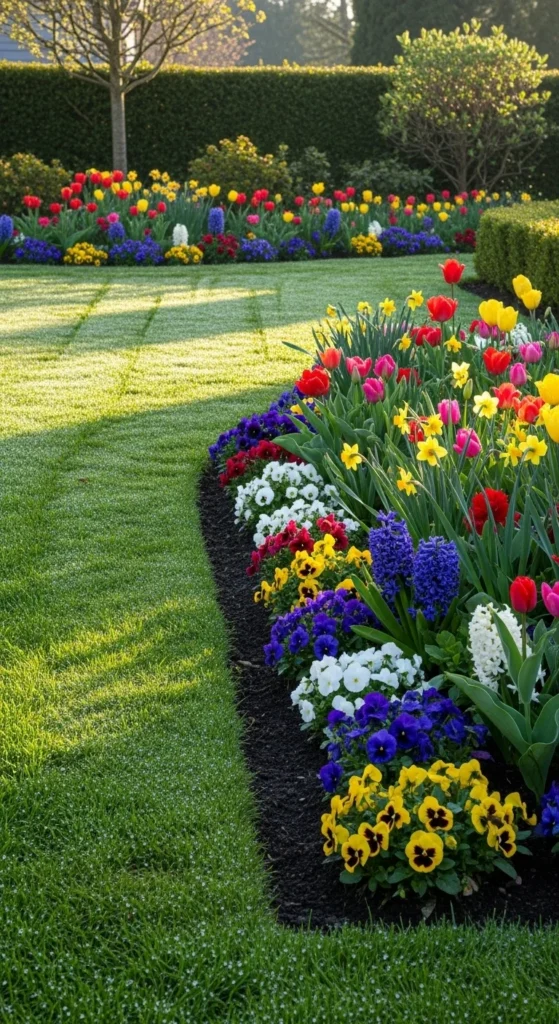
Clean lawn edges make everything else look better. Use a spade or edging tool to create a clear line between grass and beds.
This simple step adds instant polish. It also keeps grass from creeping into flower areas.
Defined edges reduce maintenance and help the yard look organized even when plants are still growing.
8. Spring Bulbs in Clusters
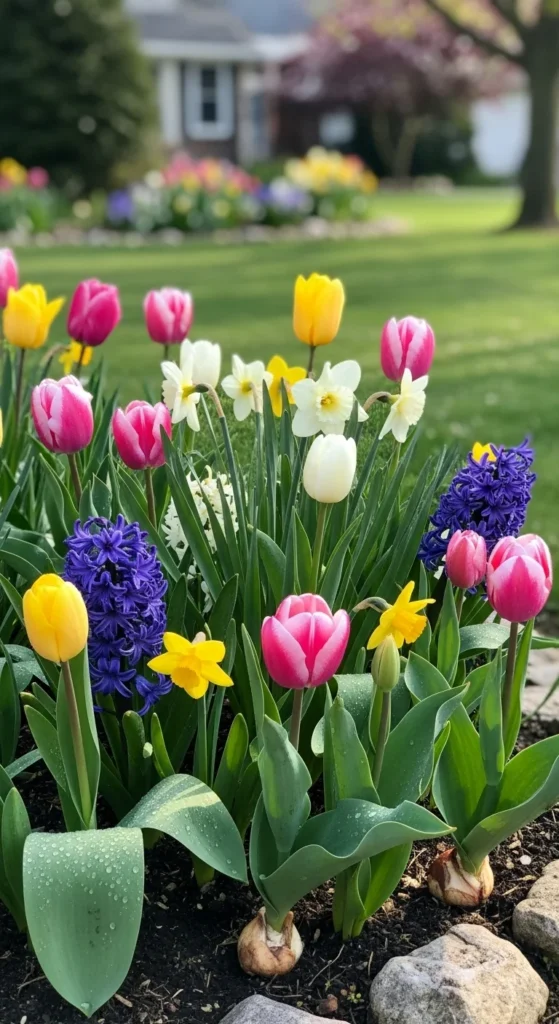
Plant bulbs in groups rather than rows. Clusters look more natural and draw the eye.
Mix early and mid-spring bloomers for longer color. Plant bulbs close enough to create impact without crowding.
Bulbs require little care and return year after year, making them a smart front yard choice.
9. Decorative Mulch for Contrast
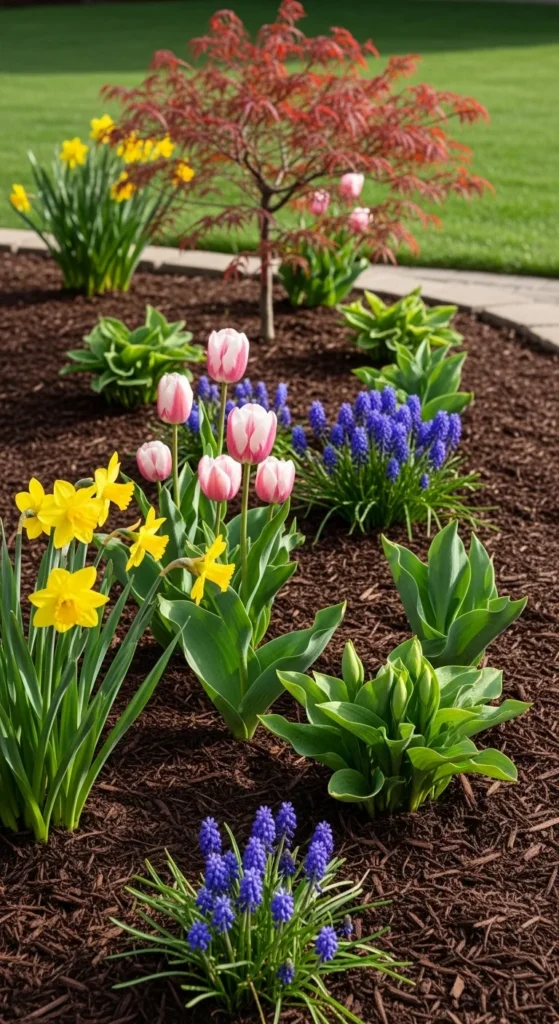
Mulch changes the look of a yard instantly. Dark mulch highlights green leaves and flowers clearly.
Apply a fresh layer in spring to refresh beds. Keep mulch away from plant stems.
This small update makes beds look finished and well cared for.
10. Short Garden Fencing Accents
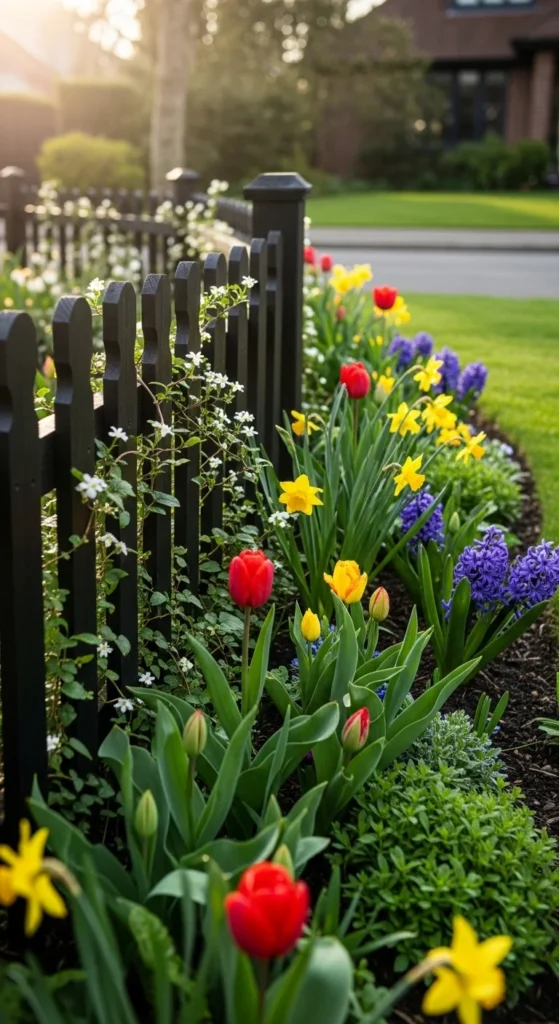
Low fencing adds charm without blocking views. Use wood, metal, or wire styles.
Place fencing around flower beds or along walkways. It helps guide foot traffic and frames plants.
This detail works well in cottage-style or classic yards.
11. Flowering Shrubs as Focal Points
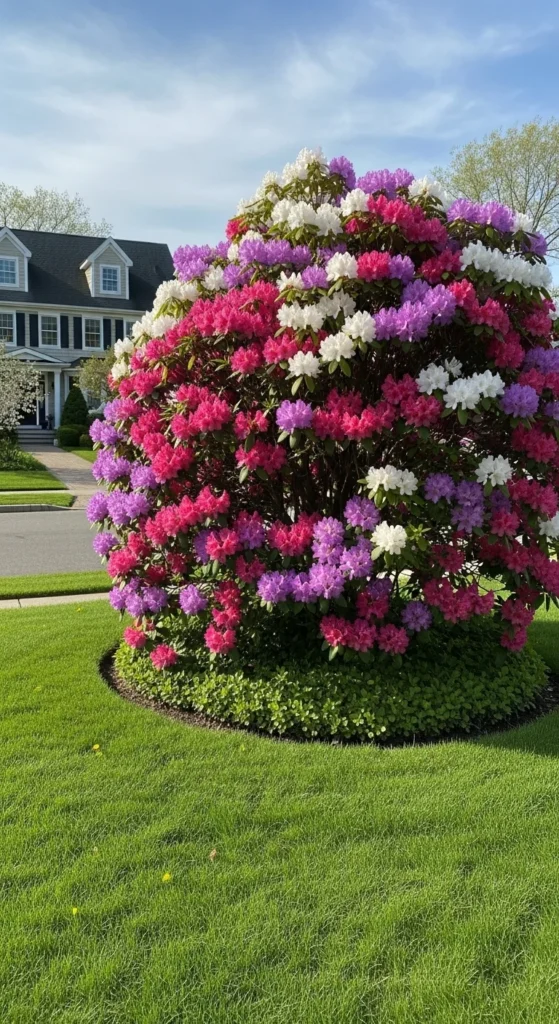
A single flowering shrub can anchor the yard. Choose varieties that bloom in spring and stay tidy.
Plant it where it can be seen from the street. Surround it with low plants to highlight its shape.
This creates a strong focal point without filling the yard with flowers.
12. Gravel or Stone Accents
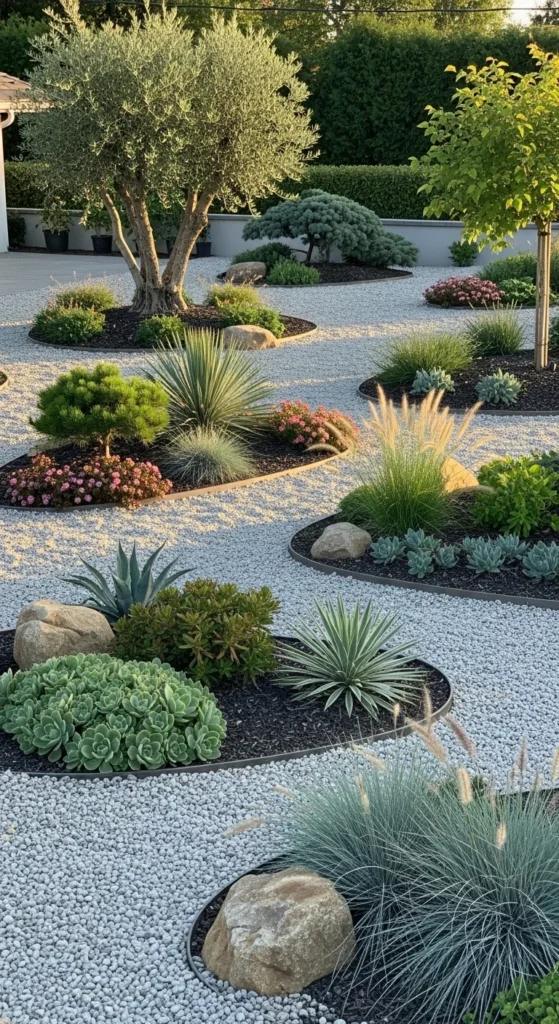
Gravel adds texture and reduces maintenance. Use it around shrubs or between stepping stones.
Choose natural colors that match the home exterior. Add plants for balance.
This works well in dry areas and modern designs.
13. Symmetry with Matching Beds
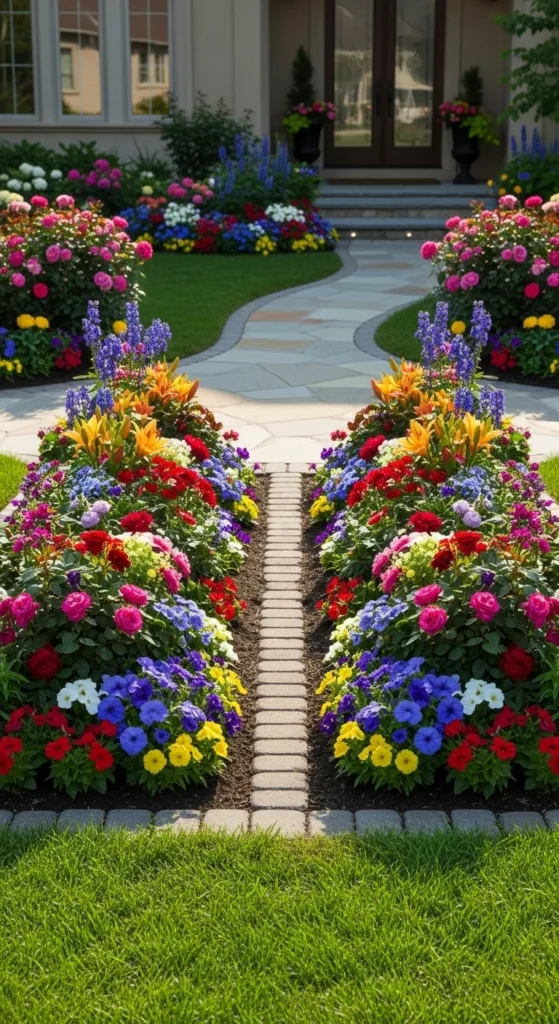
Symmetry feels calm and orderly. Match plant types and layouts on both sides of the path.
This approach suits formal homes but also works with simple plants.
It helps the yard feel balanced and welcoming.
14. Spring Ground Cover Plants
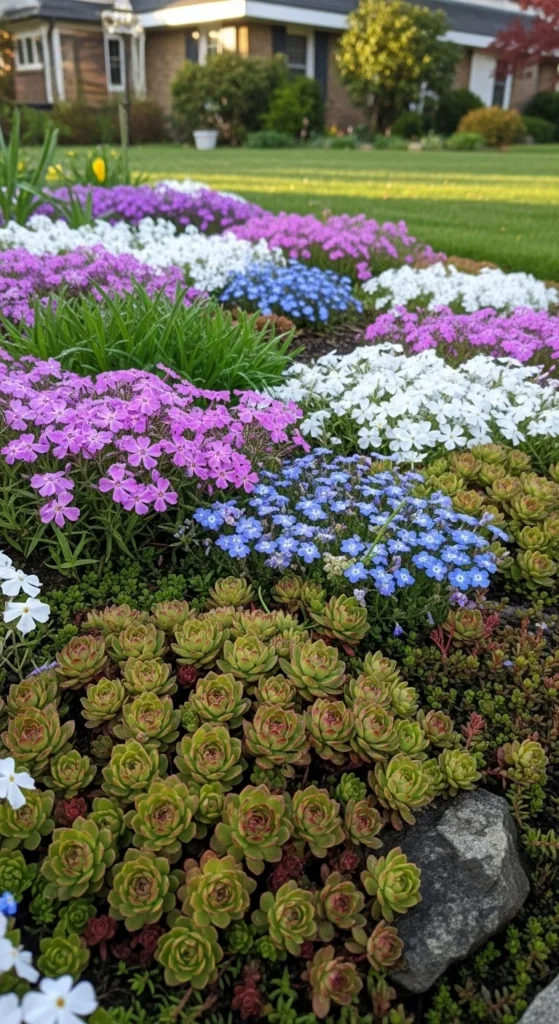
Ground covers fill gaps and reduce weeds. They spread slowly and stay low.
Use them along edges or under shrubs. Creeping phlox adds color in spring.
They create a soft, finished look with little work.
15. Front Yard Tree Rings
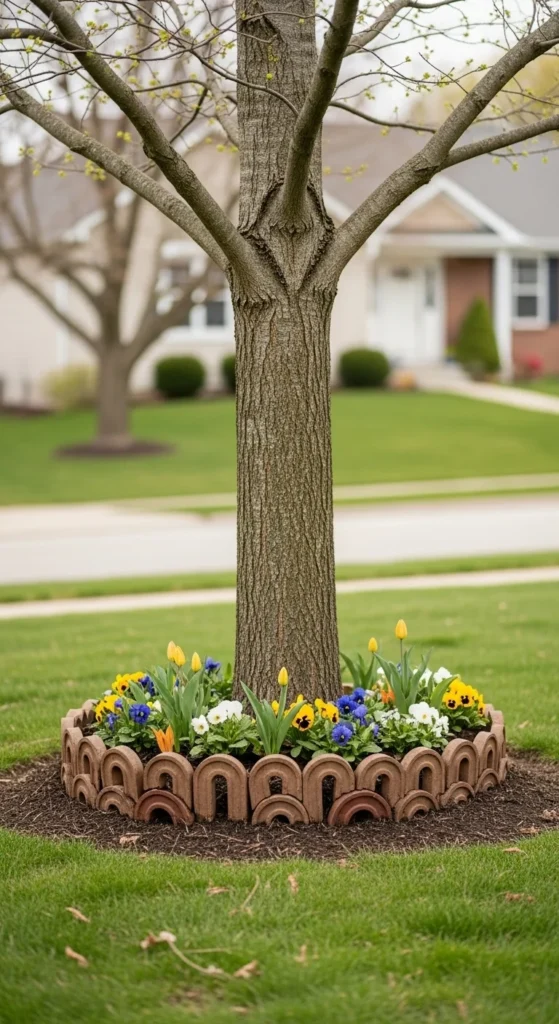
Planting around trees adds interest to open lawns. Create a circular bed with mulch and flowers.
Keep plants shallow-rooted. Add stones or edging to define the ring.
This turns a plain tree into a design feature.
16. Vertical Interest with Trellises
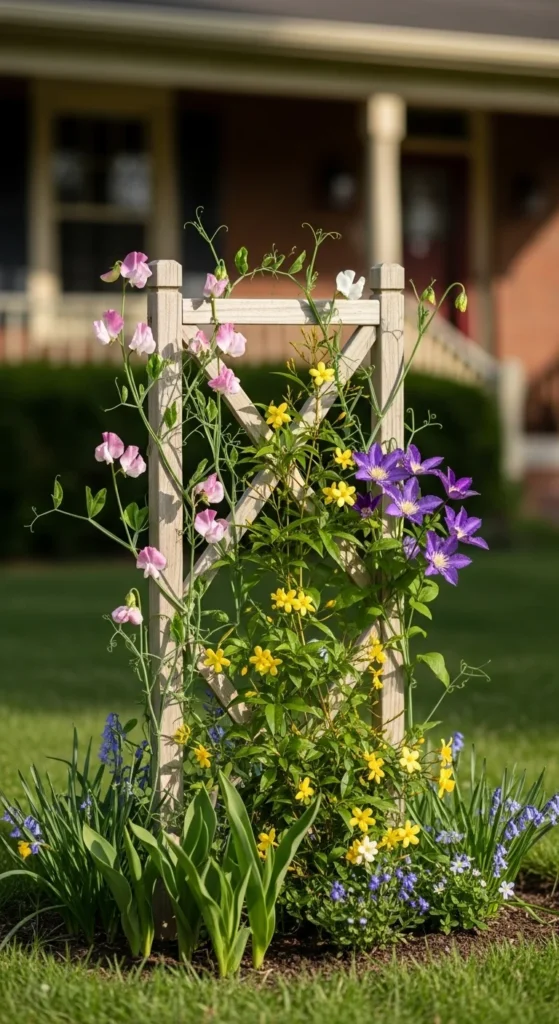
Trellises add height without crowding the ground. Use them near walls or beds.
Plant climbing flowers for color. This draws the eye upward and adds depth.
They are affordable and easy to install.
17. Front Yard Herb Pockets
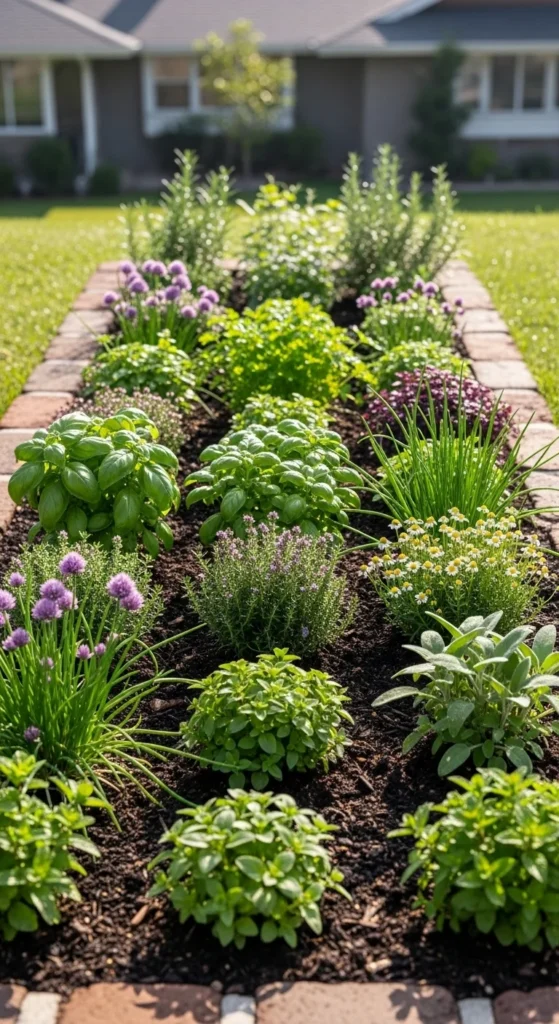
Herbs can live in front yards too. They stay neat and add scent.
Plant them near walkways for easy access. Keep them trimmed for a tidy look.
Herbs offer beauty and everyday use in one space.
18. Stone Path to the Porch
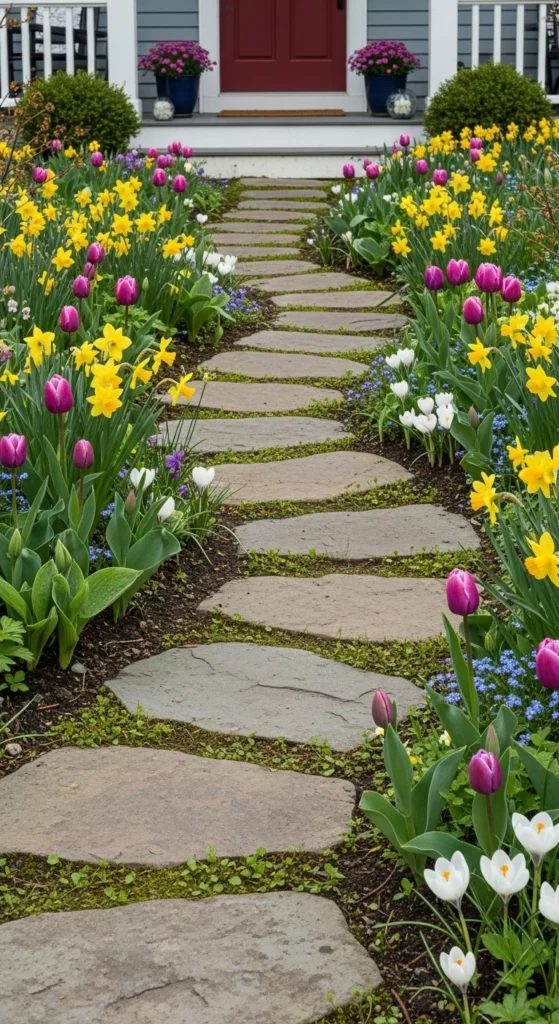
A stone path feels welcoming and practical. Use stepping stones or pavers.
Place stones where people naturally walk. Let plants grow nearby.
Paths protect lawns and guide visitors comfortably.
19. Spring Color Near Windows
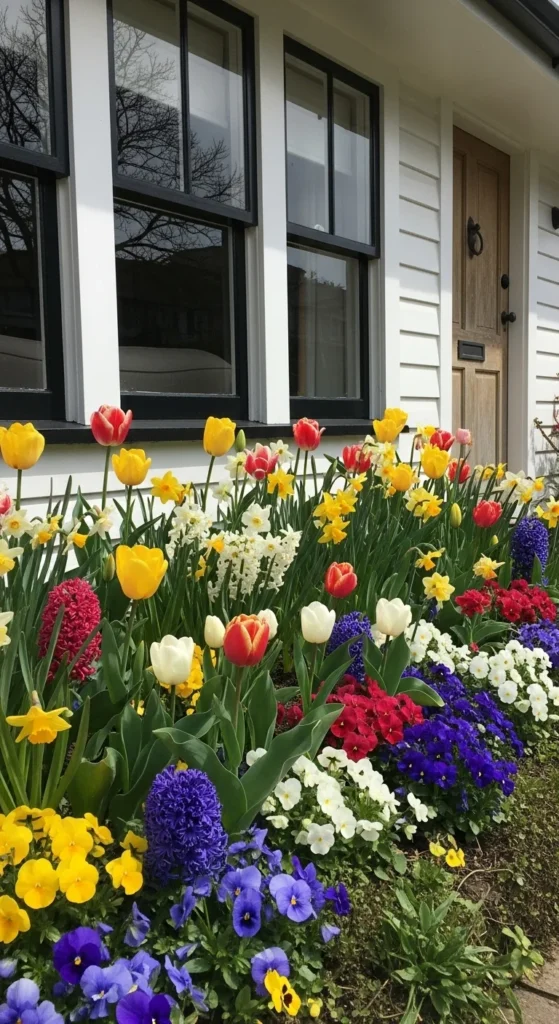
Flowers under windows soften the home exterior. Choose plants that stay low.
This adds charm without blocking light. Use consistent colors for harmony.
Window beds connect the house to the landscape.
20. Decorative Pots Along Walkways
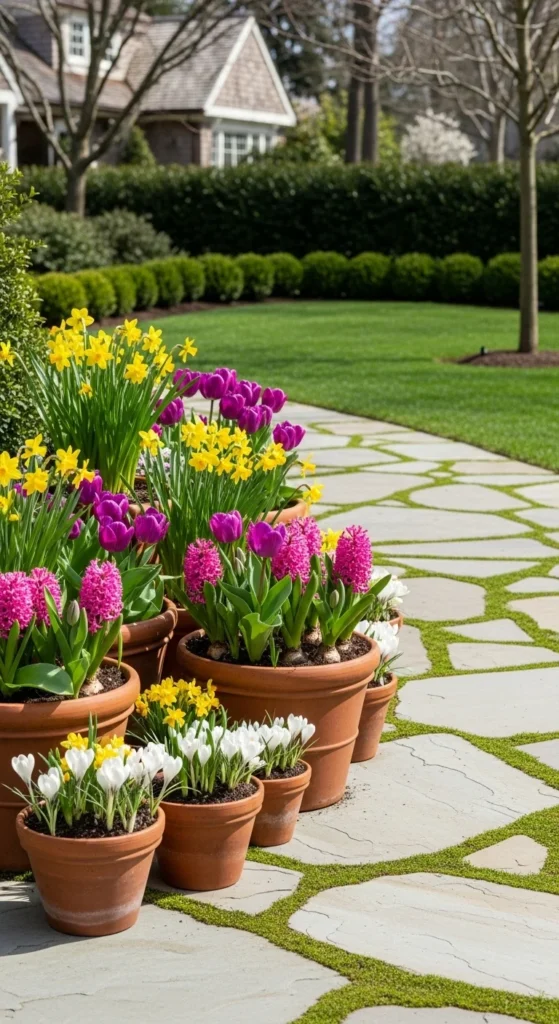
Pots along walkways add rhythm and color. Use matching or similar styles.
Fill them with spring blooms and greenery. Space them evenly.
They guide movement and feel welcoming.
21. Pollinator-Friendly Flower Choices
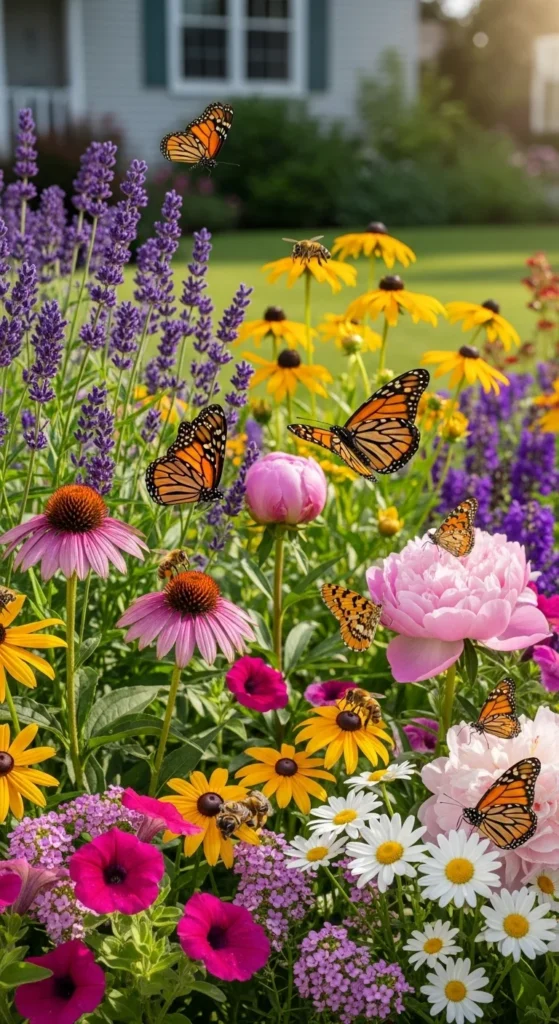
Pollinator plants add life and motion. Choose blooms bees and butterflies enjoy.
Plant them in clusters for impact. Avoid chemicals.
This brings movement and natural interest to the yard.
22. Simple Rock Garden Sections
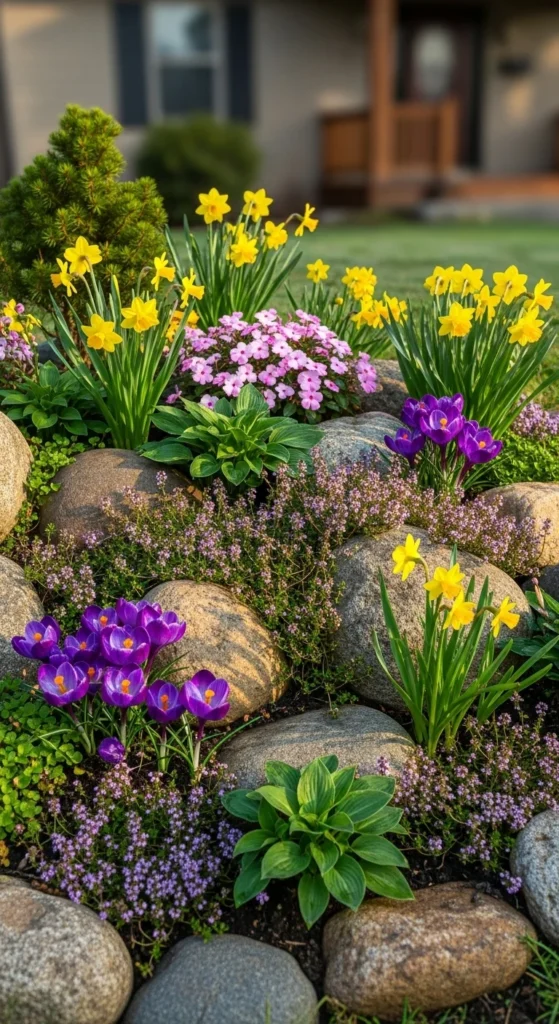
Rock gardens reduce watering and upkeep. Use stones of different sizes.
Add drought-tolerant plants for contrast. Keep the layout loose.
This works well in sunny areas.
23. Seasonal Flower Rotation Beds
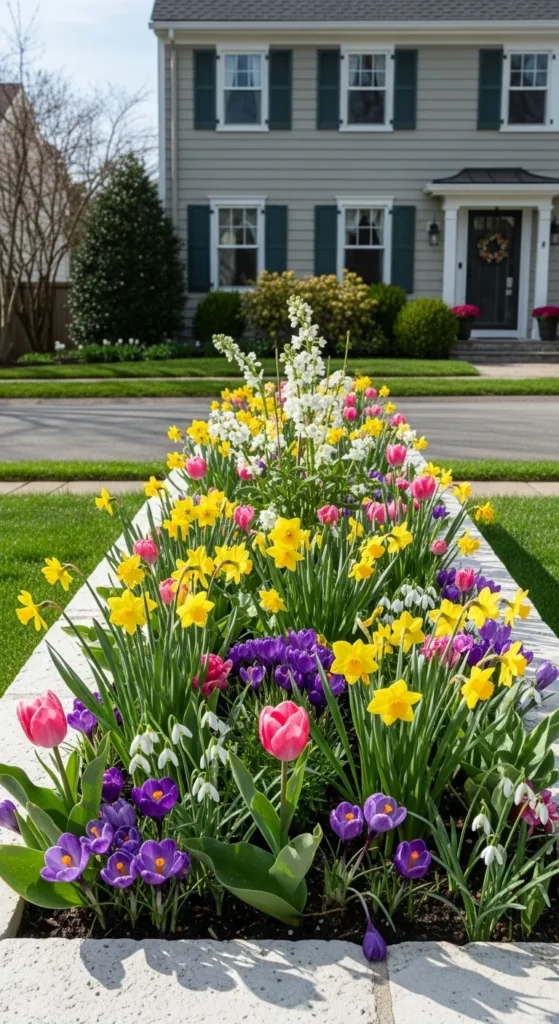
Rotate flowers through the year. Start with spring bloomers, then switch later.
This keeps the yard changing and interesting. Plan beds for easy removal.
Seasonal swaps keep curb appeal strong.
Conclusion
A front yard does not need complex designs or costly upgrades to stand out. Small changes in layout, plant choice, and structure can make a noticeable difference. By focusing on clear edges, layered planting, and thoughtful focal points, your spring front yard can feel welcoming and well cared for. Start with one idea, build gradually, and enjoy a space that looks inviting every time you come home.
Leave a Reply