

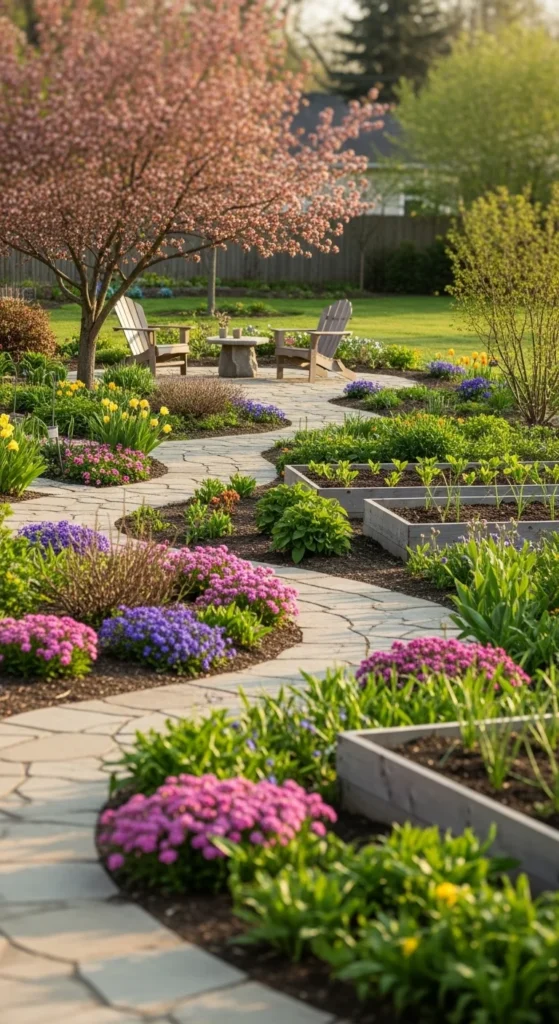
Spring is when backyards stop feeling like unused space and start feeling like places you actually want to spend time. A few thoughtful changes can turn an ordinary yard into a calm outdoor retreat that supports slow mornings, casual evenings, and quiet moments alone. These backyard spring gardening ideas focus on comfort, beauty, and realistic DIY projects that work on real budgets. You do not need expensive upgrades or complicated layouts. Simple materials, smart plant choices, and small zones can completely change how your backyard feels and functions.
1. Curved Garden Paths That Slow the Pace
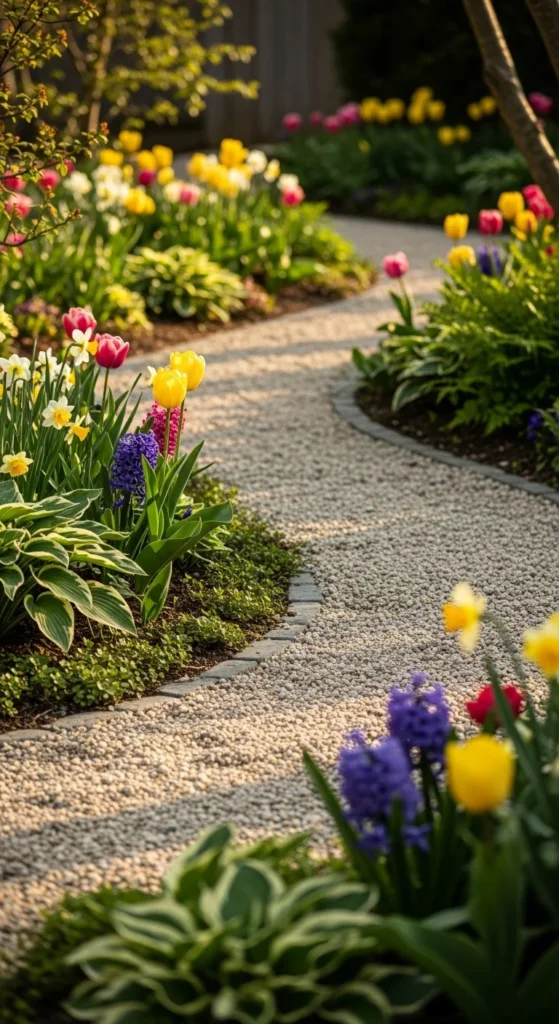
Curved paths soften a backyard instantly. They guide movement gently instead of forcing straight lines. This makes the space feel calmer and more inviting. You can create a path using gravel, bark mulch, or reclaimed bricks. These options stay affordable and easy to manage.
Start by laying out the curve with a garden hose. Adjust until it feels natural. Remove the grass, add landscape fabric, then spread your material. Gravel works well for drainage, while mulch blends beautifully with plants.
Line the edges with low-growing plants like creeping thyme or sweet alyssum. They frame the path without heavy upkeep. Even in small yards, a curved path creates a sense of exploration and makes the garden feel like a place meant for wandering.
2. A Quiet Seating Corner for Morning Coffee
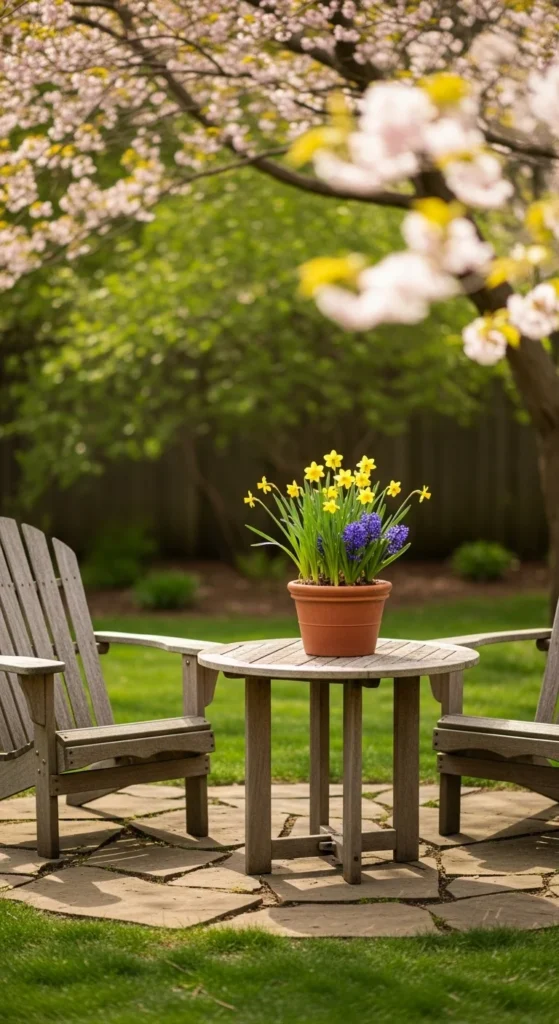
A simple seating corner changes how you use your backyard. It becomes a place to pause instead of pass through. You only need two chairs and a small table. Secondhand furniture or folding wooden chairs work perfectly.
Place the seating near plants or under light shade. Morning sun is ideal. Add gravel or pavers beneath the chairs to keep things clean and stable. A small outdoor rug adds comfort without much cost.
Surround the area with potted flowers or herbs to make it feel tucked away. This corner becomes perfect for coffee, journaling, or evening tea. Small spaces still feel special when they are intentional.
3. Raised Garden Beds with Natural Edges
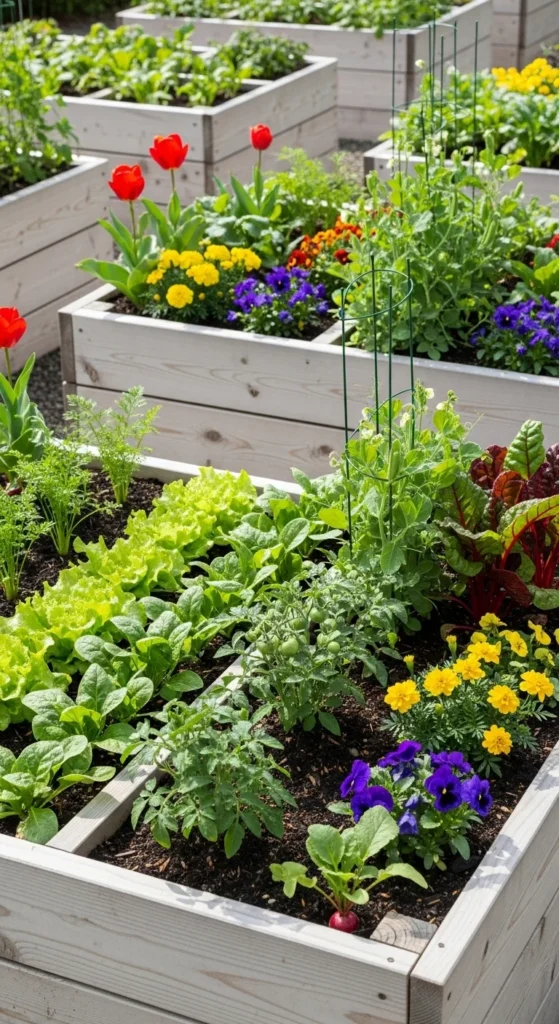
Raised beds give structure to a backyard and make gardening easier. They improve drainage and reduce bending. You can build them from untreated wood, concrete blocks, or reclaimed boards.
Keep beds narrow so you can reach the center easily. Fill them with basic soil mixed with compost. Plant a mix of vegetables and flowers for balance. Leafy greens and marigolds grow well together and look cheerful.
Natural edges keep the garden relaxed instead of formal. Let some plants spill slightly over the sides. Raised beds help organize space while still feeling welcoming and calm.
4. String Lights for Soft Evening Glow
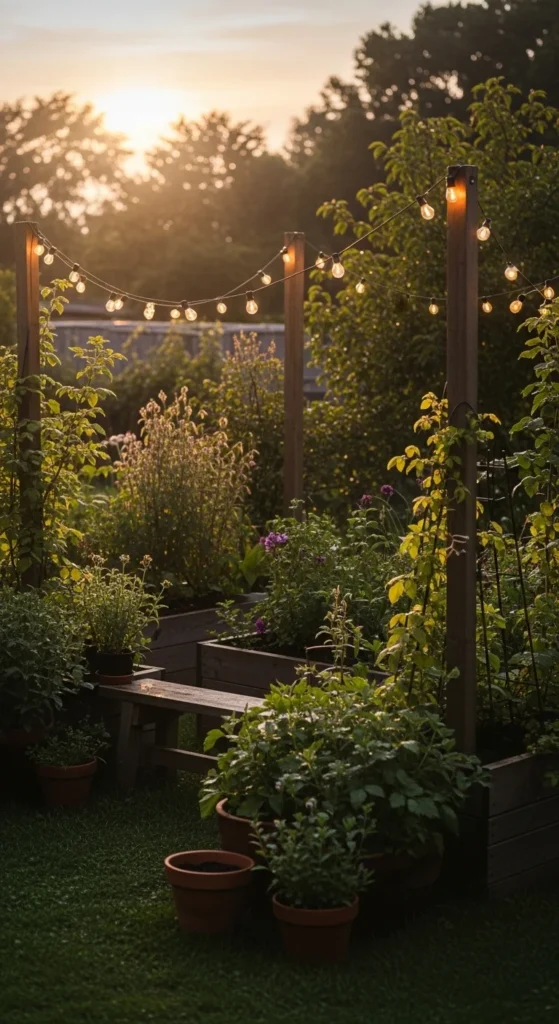
String lights bring instant comfort to a backyard. They make evenings usable without harsh lighting. Choose warm white lights for a softer feel.
Hang them between trees, along fences, or above seating areas. Solar options reduce costs and wiring. Keep the lines slightly loose for a relaxed look.
The gentle glow creates a space where conversations linger. Even a simple yard feels welcoming with this addition. Lights turn ordinary plants into silhouettes and add depth after sunset.
5. Container Gardens Near Seating Areas
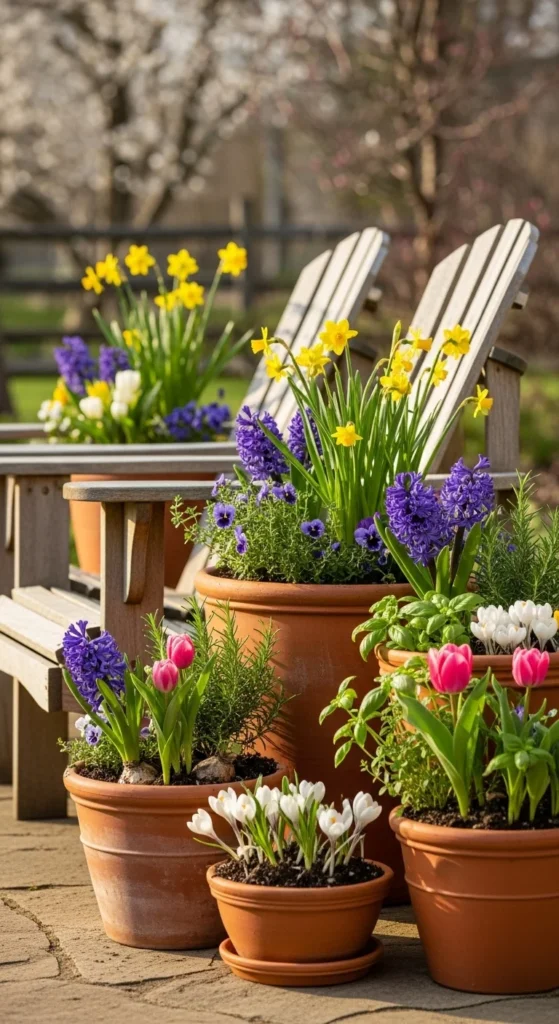
Containers add color and life right where you sit. They work well near doors, patios, and benches. Use pots you already own or find mismatched ones for charm.
Plant herbs, pansies, or dwarf grasses. These grow well in spring and stay manageable. Group pots in odd numbers for a natural look.
Containers allow flexibility. You can move them as light changes. They make the garden feel cared for without permanent changes.
6. Simple Water Feature with a Bowl Fountain
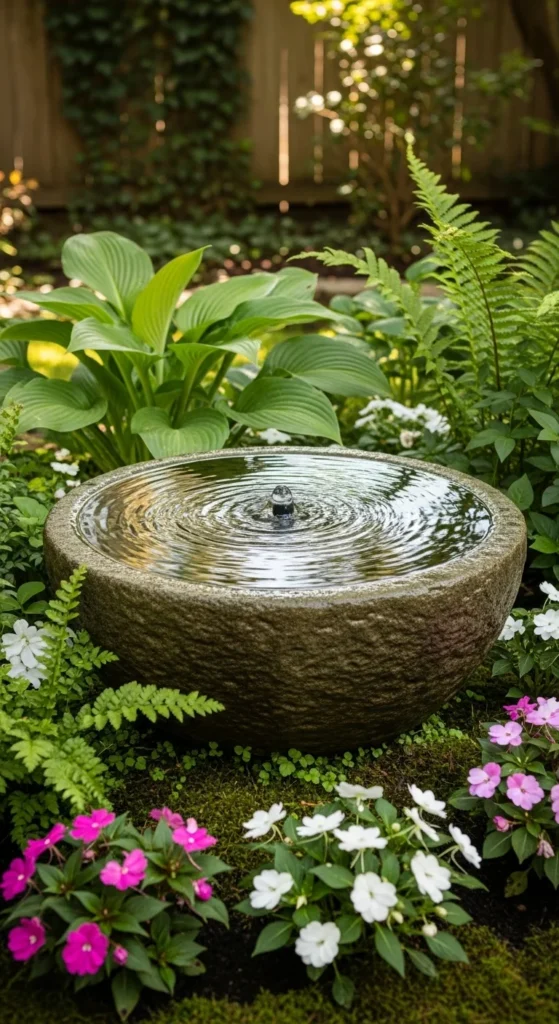
Water adds calm through sound and movement. A bowl fountain is affordable and easy to set up. Use a shallow container and a small solar pump.
Place it near seating or along a path. Surround it with stones or low plants. Birds often visit, adding life to the space.
The sound of moving water softens background noise and creates a peaceful mood without complex installation.
7. Natural Privacy with Tall Plants
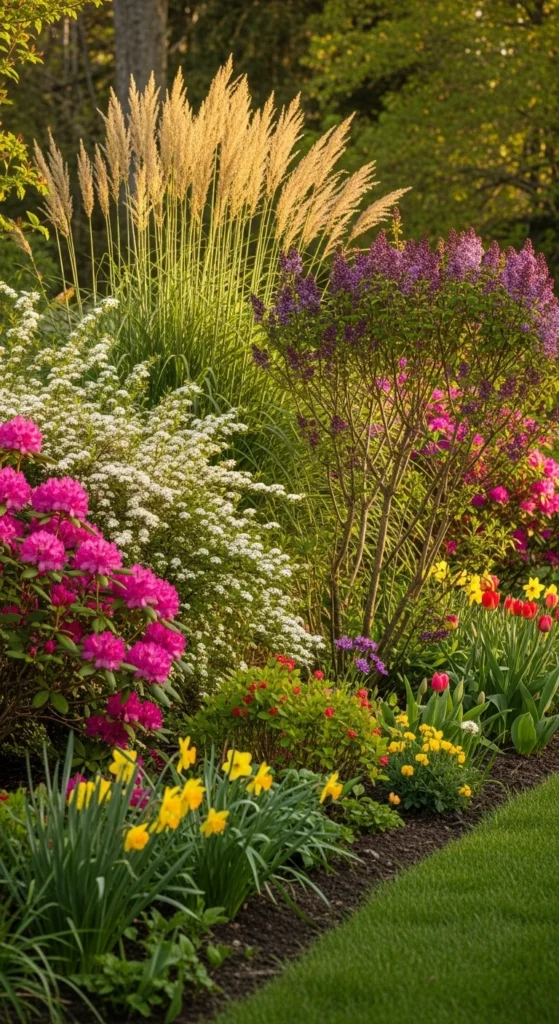
Privacy makes a backyard feel like a retreat. Instead of fences, use tall plants. Ornamental grasses, sunflowers, or shrubs grow quickly and look natural.
Plant them along boundaries or around seating areas. This blocks views while still allowing airflow and light.
Living privacy feels softer and changes with the seasons, adding movement and interest.
8. Herb Garden Close to the Kitchen
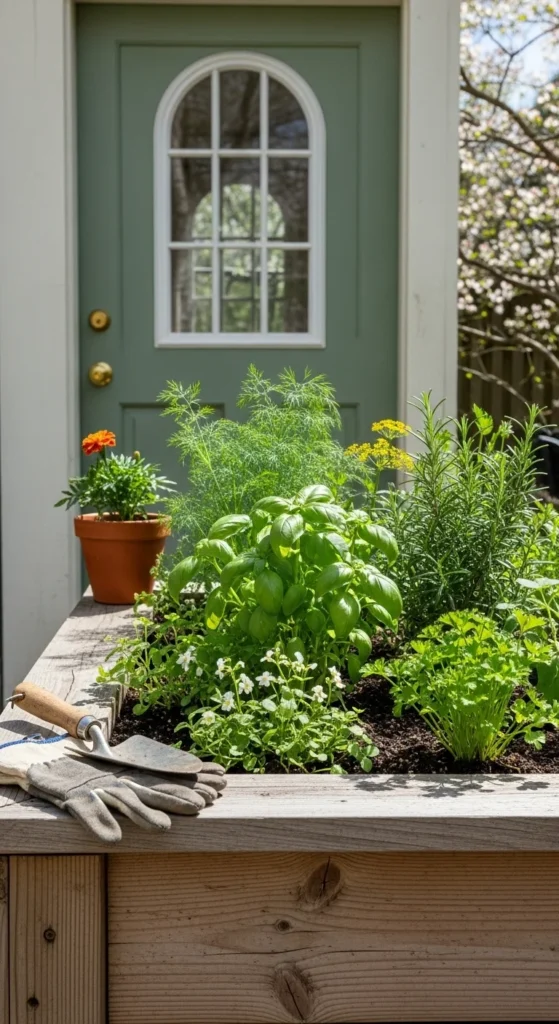
Placing herbs near the house makes them easy to use. A small bed or containers work well. Basil, mint, parsley, and chives thrive in spring.
Keep the layout simple. Labels help if you grow several types. Herbs add scent and texture, making the space feel alive.
This setup encourages regular use and keeps the garden connected to daily routines.
9. Mulched Beds for a Clean Look
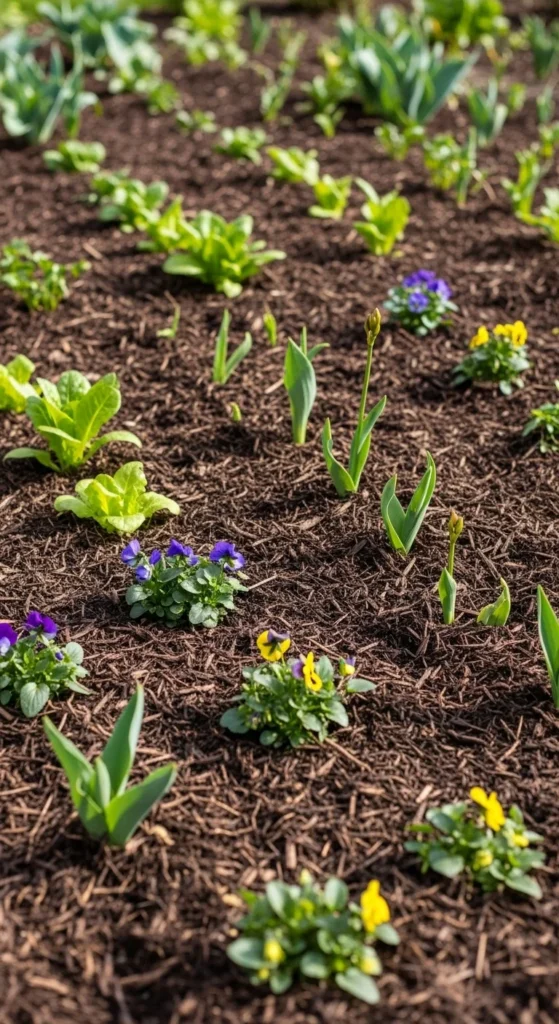
Mulch ties a garden together visually. It also reduces weeds and keeps soil moist. Use bark mulch, straw, or leaf compost.
Spread a thin layer around plants. Keep it away from stems. Dark mulch highlights greenery and flowers.
This simple step makes even new gardens look finished and cared for.
10. Stepping Stones Through Green Space
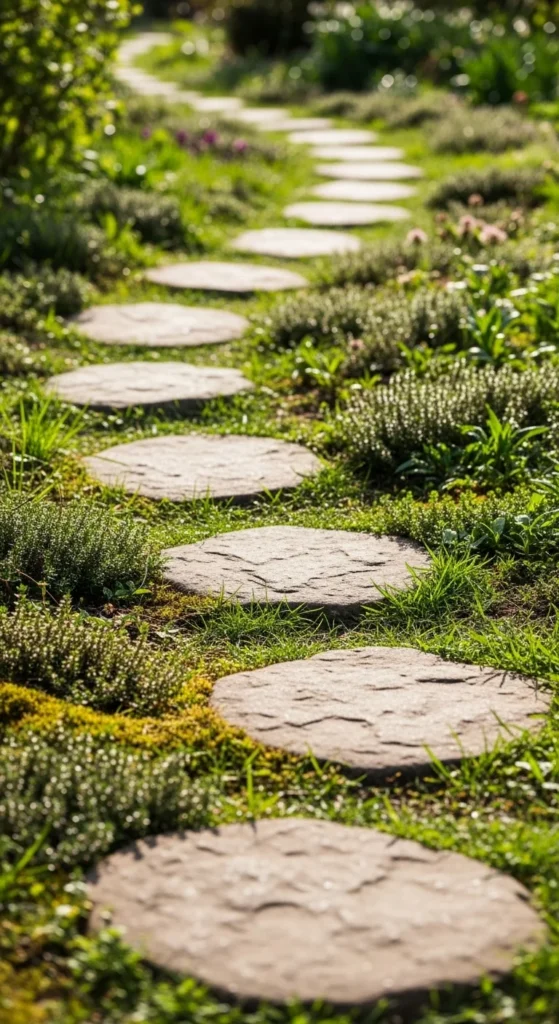
Stepping stones invite slow movement through the yard. Place them where people naturally walk. Use flat stones or concrete pavers.
Space them comfortably for walking. Let grass or ground cover grow between them for a relaxed feel.
They protect lawns and add charm without full pathways.
11. Wildflower Patch for Easy Color
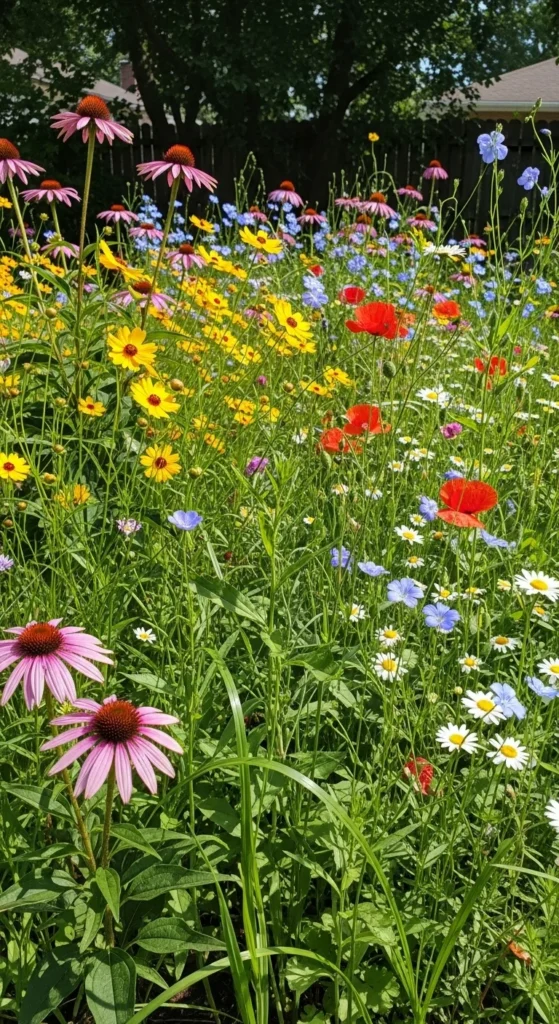
Wildflowers bring color with little effort. Choose a sunny area and scatter seed mixes suited to your climate.
Water lightly until established. Let them grow naturally. This area attracts pollinators and changes weekly.
A wildflower patch adds joy without strict maintenance.
12. Wooden Bench Under a Tree
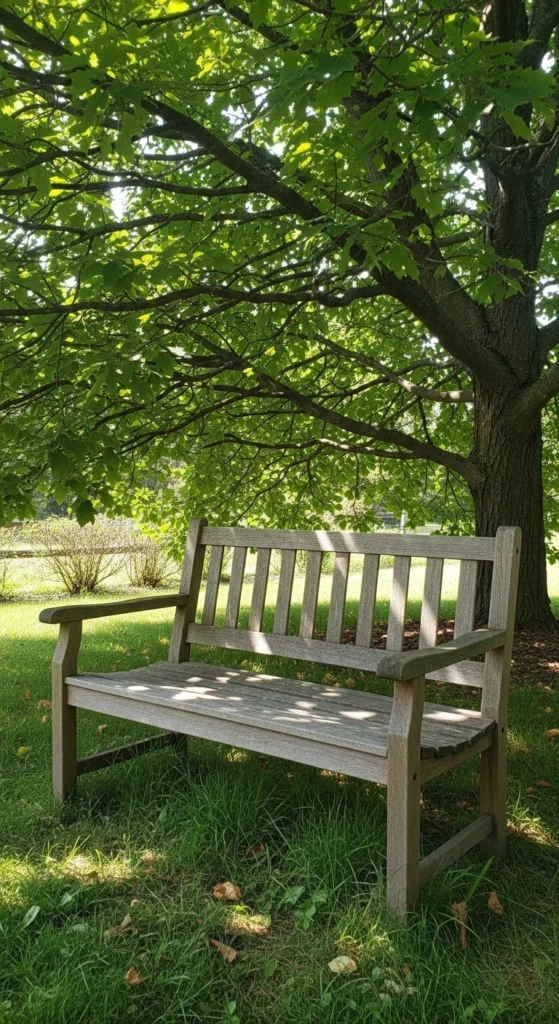
A bench under a tree feels timeless. Use a basic wooden bench or build one from pallets.
Place it where shade falls naturally. Add cushions for comfort. This spot becomes a quiet escape on warm days.
Sometimes one seat is all a garden needs.
13. Vertical Garden on a Fence
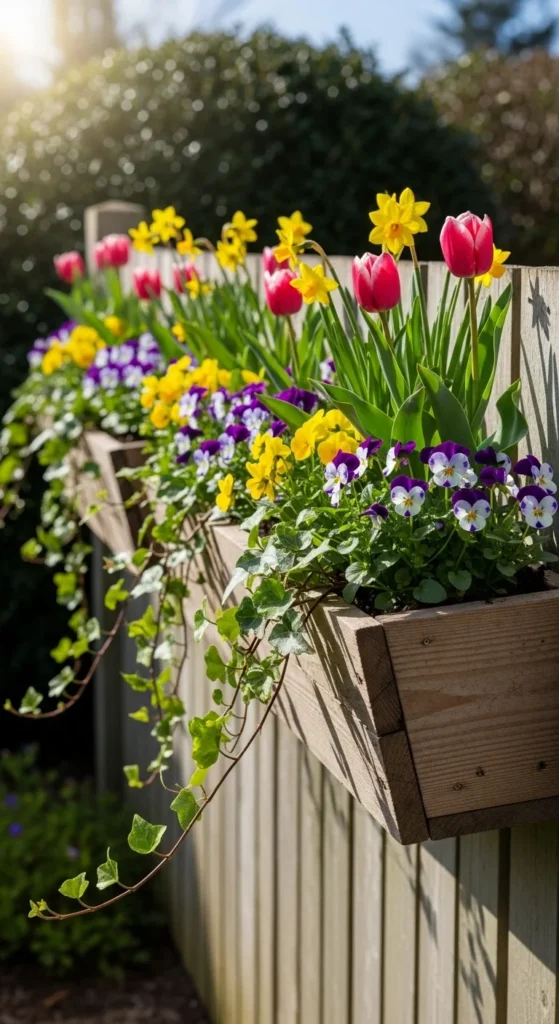
Vertical gardens save space and add interest. Use hanging planters or shelves attached to fences.
Grow lettuce, herbs, or trailing flowers. Water regularly since vertical planters dry faster.
This works well in small yards and adds greenery at eye level.
14. Gravel Patio for Low Maintenance
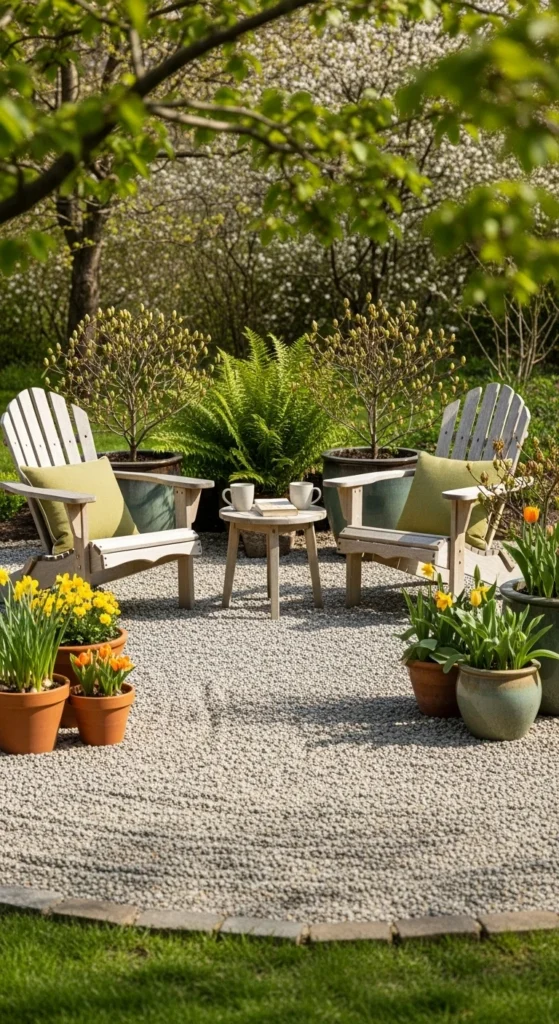
A gravel patio is affordable and flexible. Mark the area, add fabric, then spread gravel evenly.
Place furniture on top and surround with plants. Gravel drains well and suits casual spaces.
It creates a defined area without concrete work.
15. Trellises for Climbing Plants
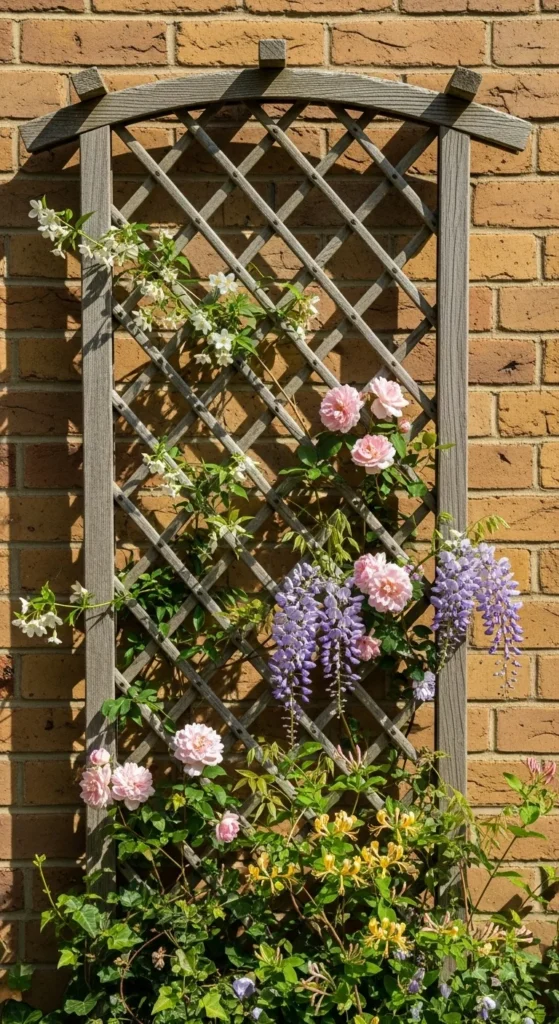
Trellises add height and softness. Use them for peas, beans, or flowering vines.
Install near walls or beds. They guide growth upward and save space.
Vertical plants create enclosure and shade naturally.
16. Mixed Flower and Vegetable Beds
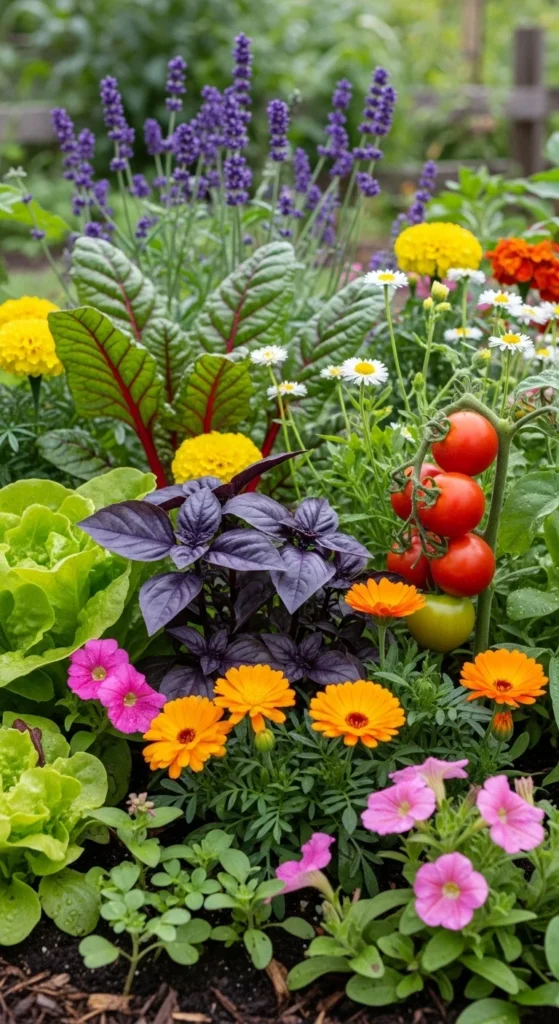
Mixing plants keeps beds interesting. Flowers support vegetables and add color.
Plant marigolds near tomatoes or lettuce near flowers. This setup looks relaxed and productive.
It also spreads harvests through the season.
17. Reclaimed Materials for Garden Edges
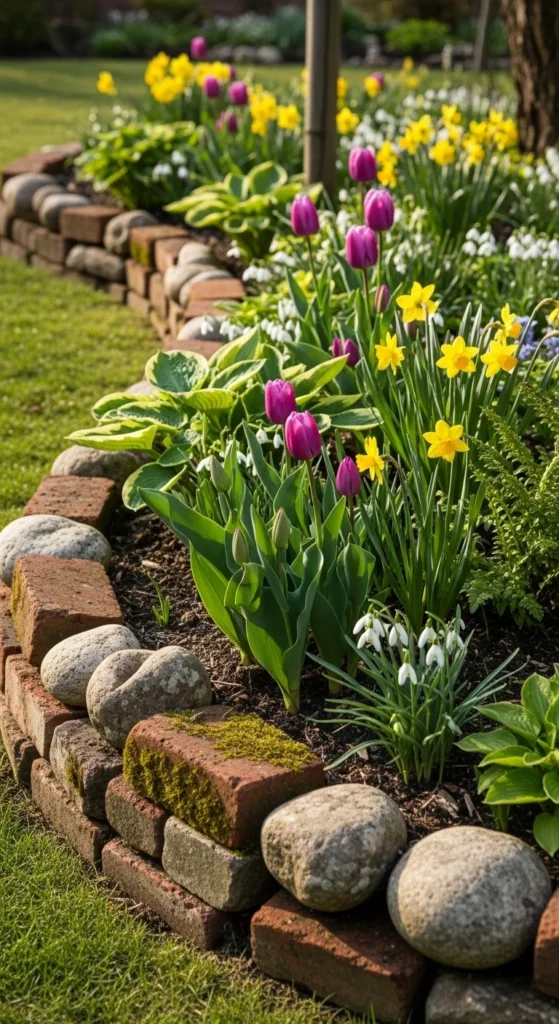
Old bricks, stones, or wood make great borders. They add character and reduce costs.
Lay them loosely for a natural look. This defines spaces without stiffness.
Reused materials give the garden personality.
18. Hammock Between Trees
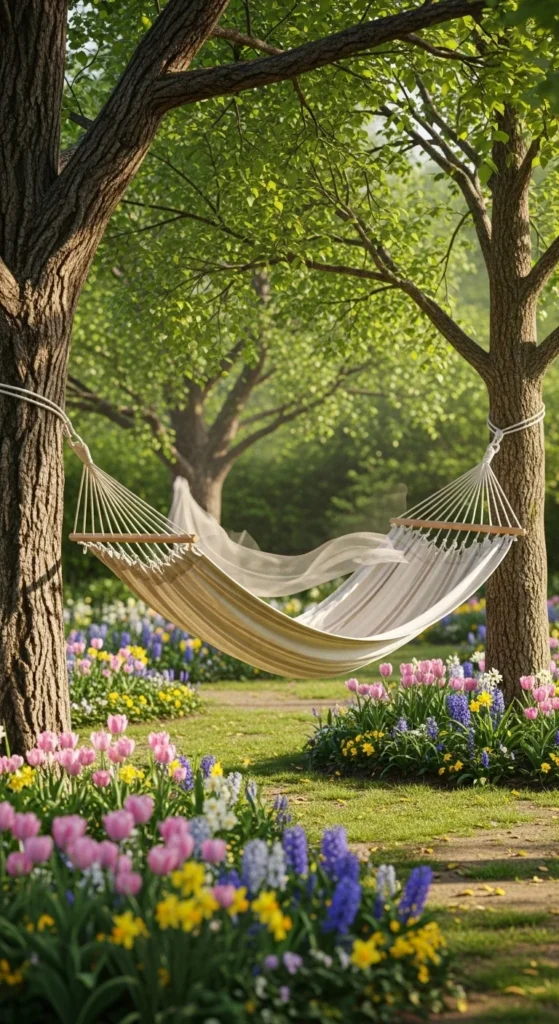
A hammock invites rest. Hang it between sturdy supports.
Choose breathable fabric. Place it where breeze and shade meet.
It turns the backyard into a place for true downtime.
19. Small Fire Bowl for Cool Evenings
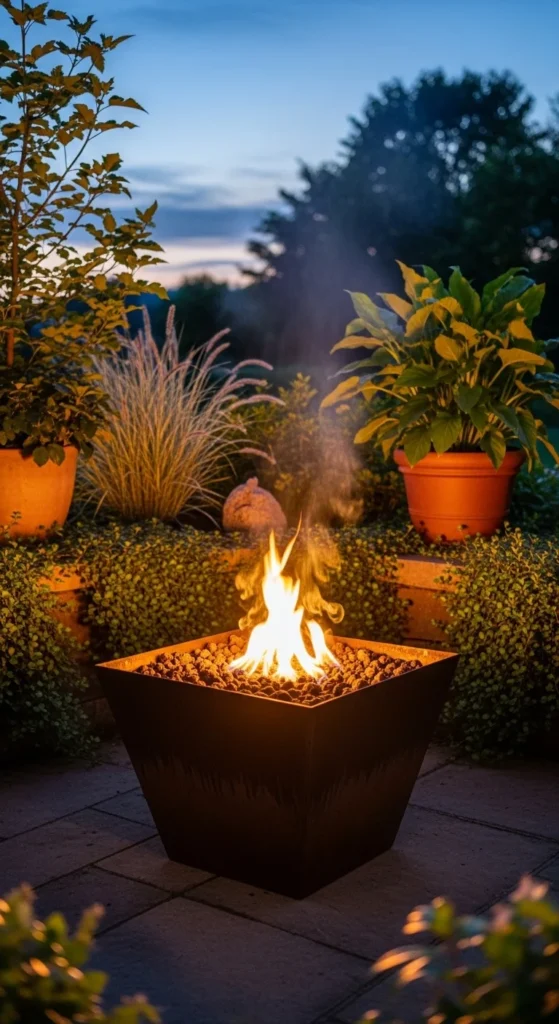
A small fire bowl extends outdoor time. Use a portable model for flexibility.
Place it on gravel or stone. Keep seating nearby.
Even brief use adds warmth and comfort.
20. Bird-Friendly Plant Choices
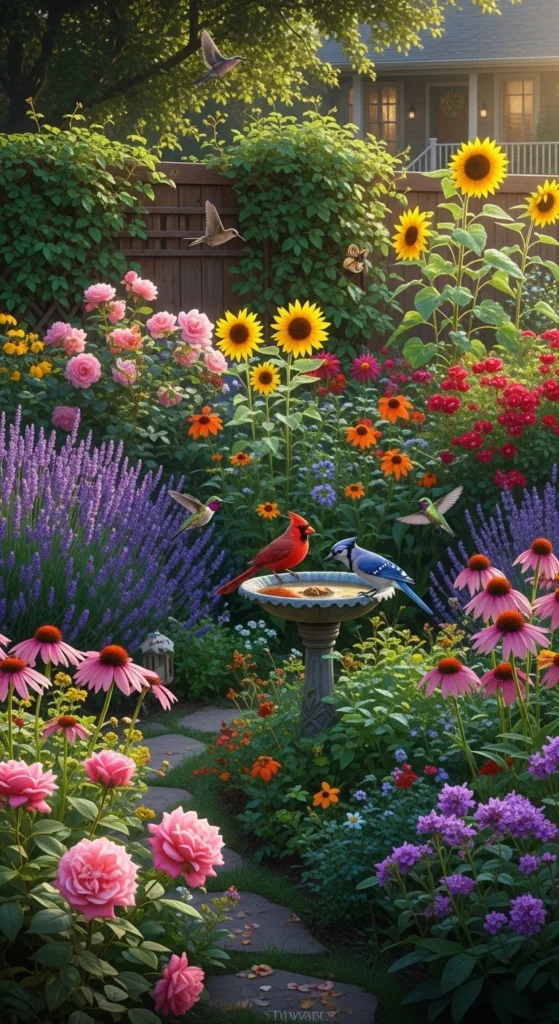
Birds bring movement and sound. Plant shrubs with berries and flowers.
Add a simple water dish. Avoid chemicals.
A lively garden feels welcoming and calm.
21. Soft Lawn Edges with Ground Cover
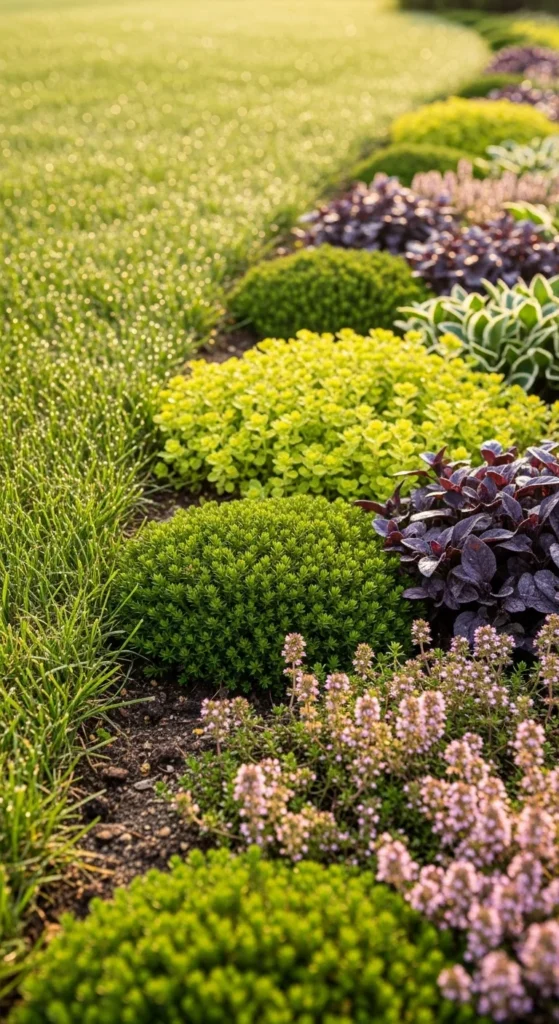
Ground covers soften borders. Use clover or creeping plants.
They reduce mowing and look natural.
Edges feel less sharp and more relaxed.
22. Outdoor Rugs for Comfort Zones
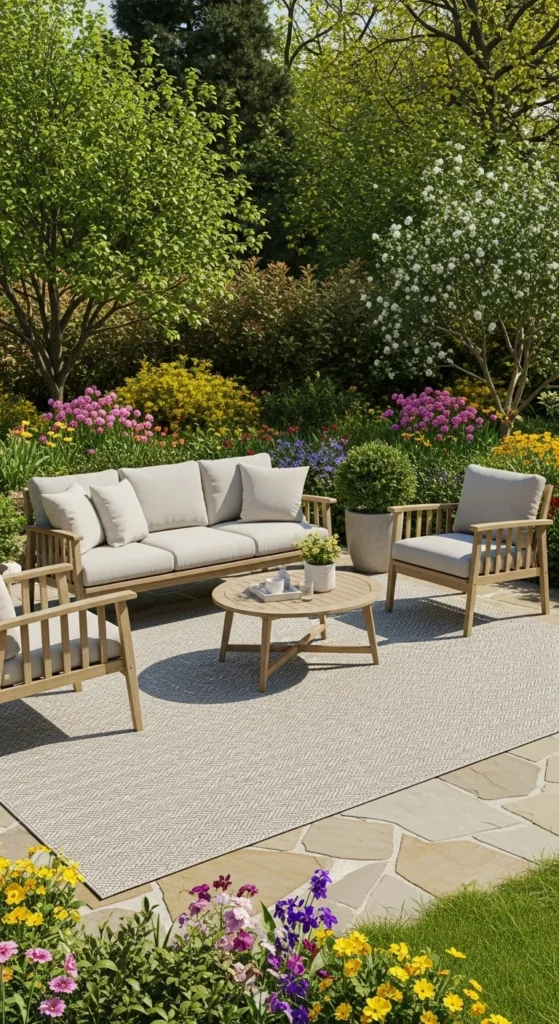
Outdoor rugs define seating areas. Choose weather-resistant styles.
They add warmth underfoot and visual structure.
Rugs help spaces feel finished.
23. DIY Potting Bench
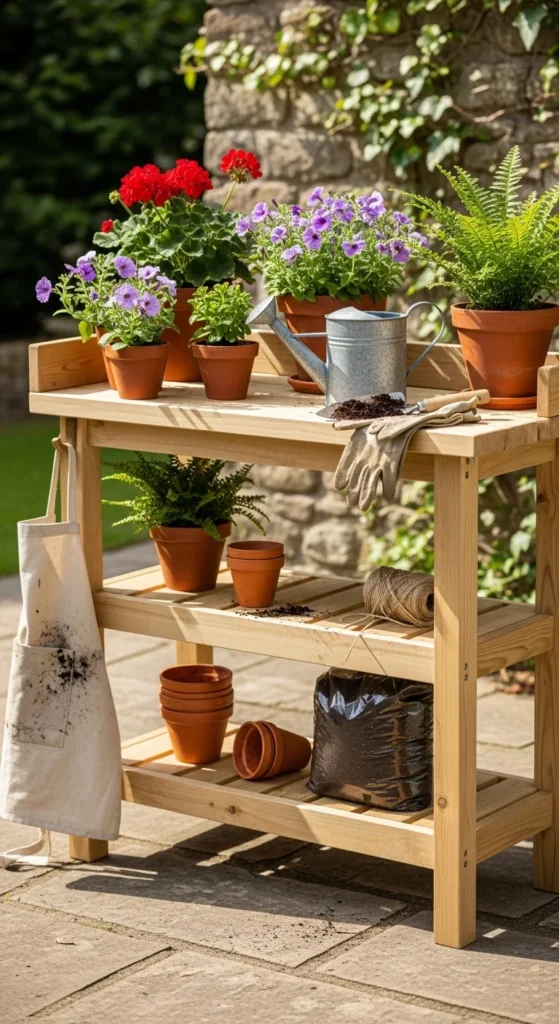
A potting bench keeps tools organized. Build one from scrap wood.
Place it near water. Use hooks for tools.
This supports regular garden care without clutter.
24. Seasonal Flower Rotation
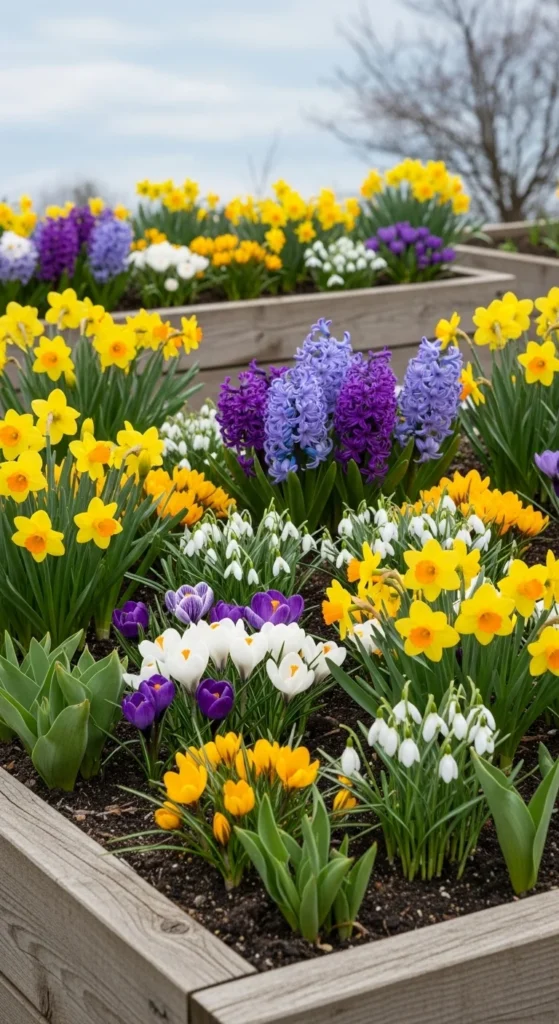
Rotate flowers each season. Start with spring blooms like tulips and violas.
Replace them gradually with summer plants.
This keeps the garden changing and engaging.
Conclusion
A backyard retreat is built through small, thoughtful choices rather than major projects. Paths, seating, plants, and light all work together to shape how a space feels and how often it gets used. By focusing on simple layouts, affordable materials, and plants that suit your lifestyle, your backyard can become a place you return to daily. Start with one idea, build slowly, and let your garden grow into a space that supports rest, connection, and enjoyment throughout spring and beyond.
Leave a Reply