

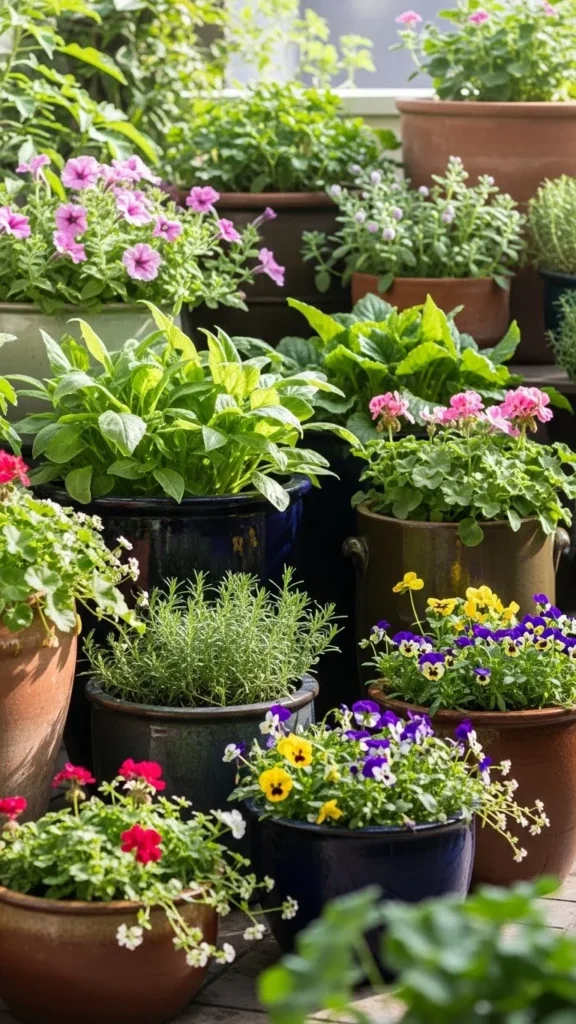
Spring container gardening is all about simple choices that bring visible results fast. Whether you have a balcony, porch, patio, or small yard, containers let you control soil, placement, and plant combinations without heavy digging or long-term commitment. This guide focuses on easy container ideas that look full and healthy using common plants, affordable pots, and everyday materials. Each idea is designed to help you grow something attractive with minimal effort while still creating a layered, lively look that fits real homes and real budgets.
1.Mixed Herbs in Clay Pots
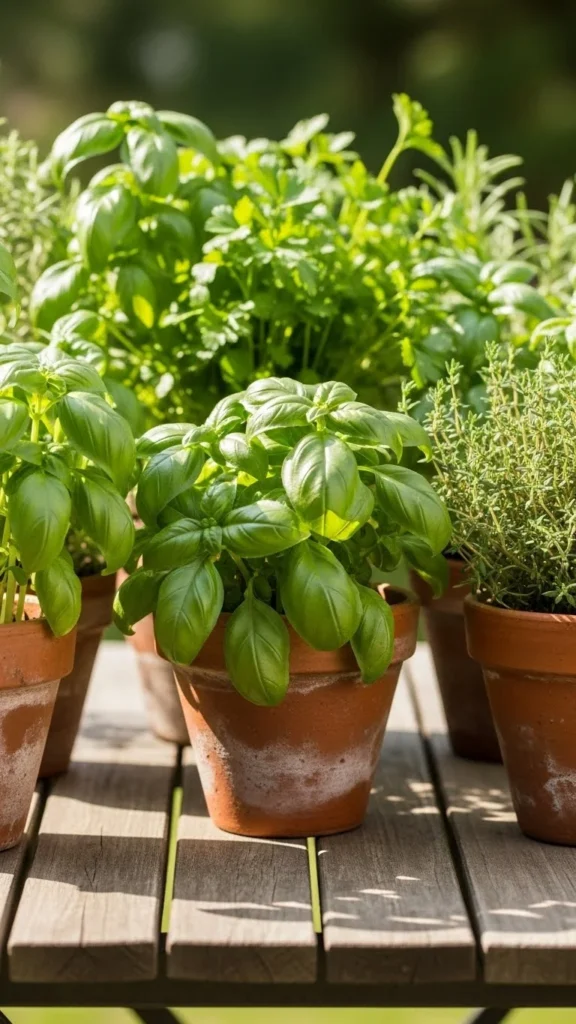
Herbs are one of the easiest ways to make containers look full early in the season. Mixing two or three herbs in one pot saves space and creates a soft, leafy appearance. Basil, parsley, and thyme work well together and tolerate similar watering habits. Clay pots help prevent soggy soil, which keeps roots healthy.
Use basic potting soil and add a small scoop of compost if you have it. Place the container where it gets several hours of sun. Snip herbs often. This encourages thicker growth and prevents plants from getting leggy.
For a budget option, reuse chipped clay pots or mismatched ones. Grouping them together still looks intentional. If space is tight, set herb containers near the kitchen door for easy access. Even small pots look generous once the herbs fill in.
2. Pansies in Wide Bowls
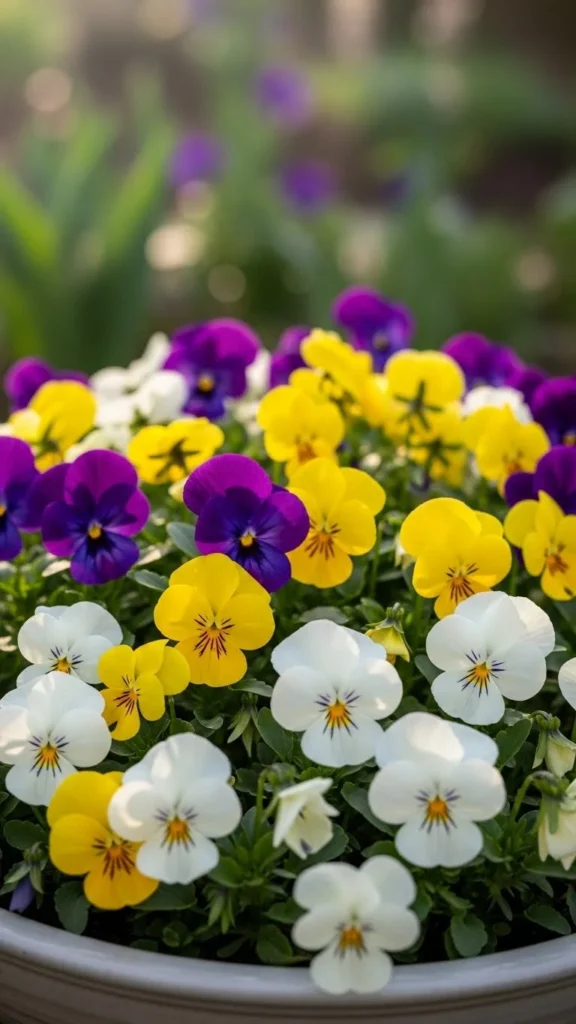
Pansies thrive in cool spring weather and fill containers quickly. A wide bowl allows you to plant several close together, which creates a full look without waiting weeks. Choose one color palette for a calmer feel or mix shades for a cheerful display.
Use lightweight potting mix and water regularly. Pansies prefer evenly moist soil. Deadhead spent blooms to keep plants tidy and encourage new flowers.
Bowls do not have to be expensive. Old serving bowls with drainage holes work just as well. Place these containers near seating areas or entryways where the blooms are easy to notice.
3. Lettuce and Greens Planter
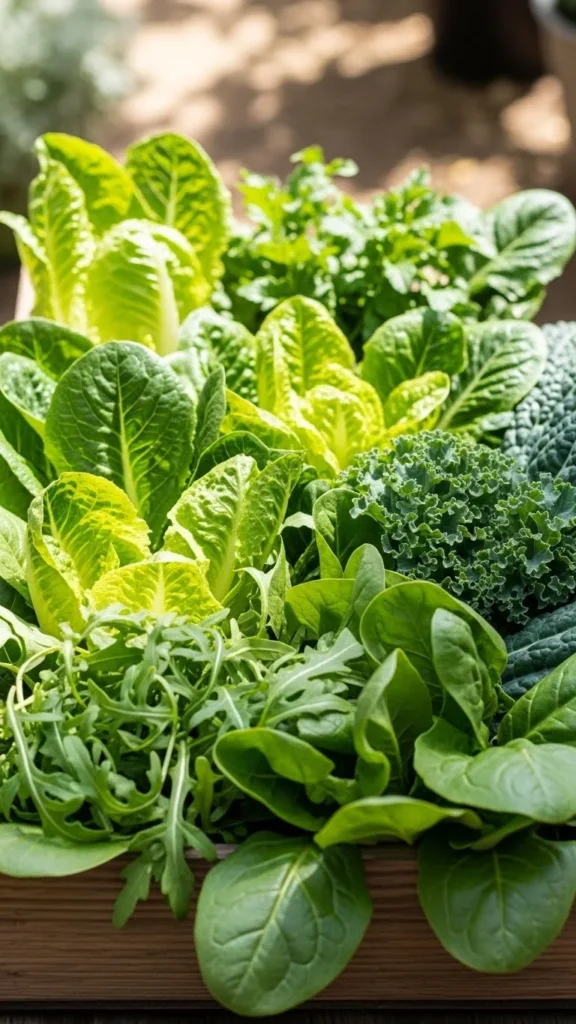
Leafy greens grow fast and create instant volume. Mixing lettuce types adds texture while keeping the look simple. Shallow containers work well since greens have short roots.
Scatter seeds generously and thin slightly as they grow. Regular trimming keeps plants compact and productive. Use trimmed leaves in salads instead of pulling entire plants.
Repurpose wooden crates or plastic bins with drainage holes. Place containers where they get morning sun and afternoon shade. This setup looks lush while also providing food, making it both practical and attractive.
4. Geraniums in Matching Pots
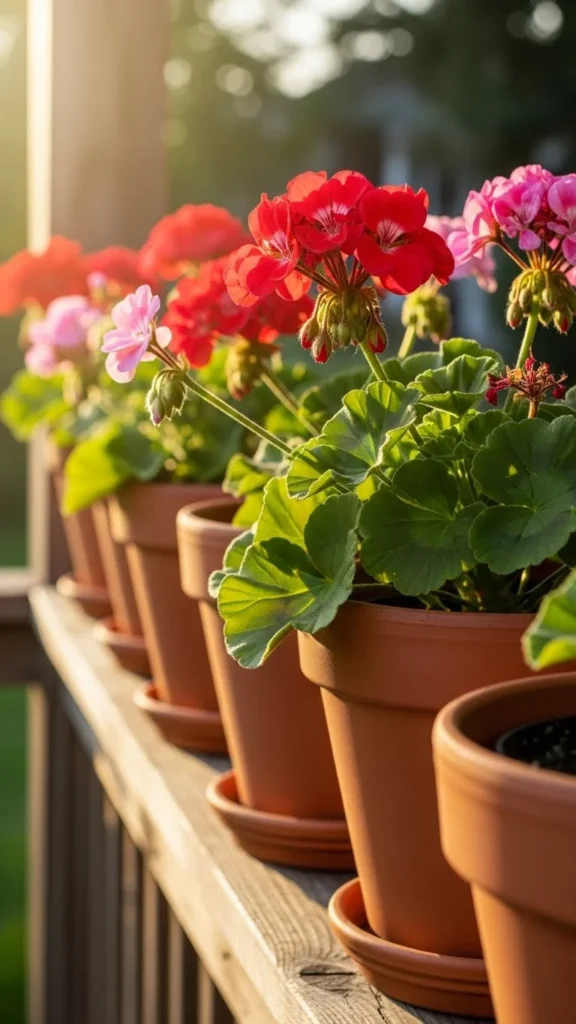
Geraniums are reliable and easy to manage. Using matching pots creates a clean, organized look even if the plants vary slightly in size. Their thick leaves add fullness while blooms add color.
Water when the soil feels dry on top. Too much water can cause drooping. Place in bright light for steady flowering.
For savings, buy smaller plants early in the season. They grow quickly and soon fill the container. Matching pots can be inexpensive plastic painted with outdoor paint for a cohesive look.
5. Daffodils in Reused Buckets
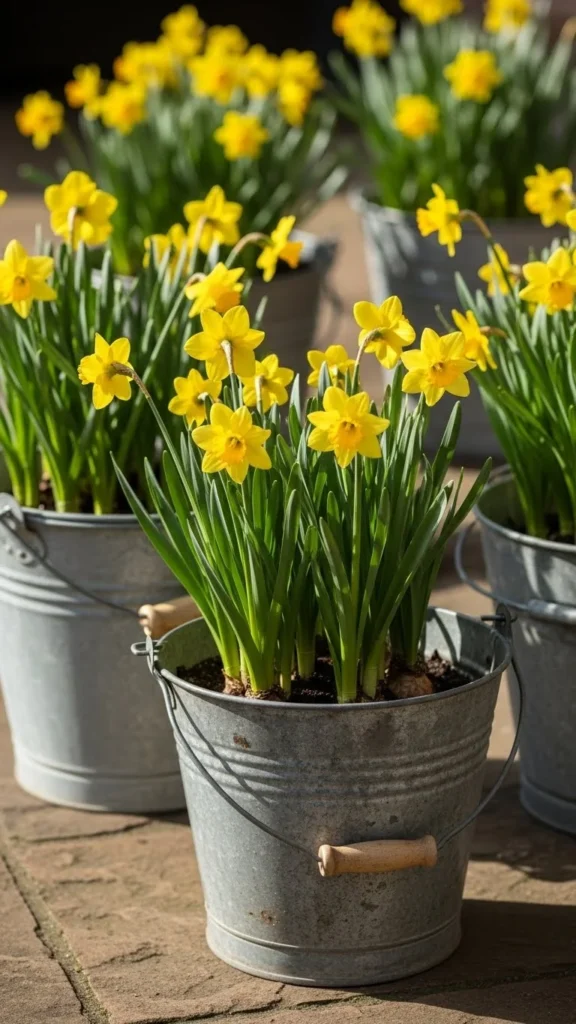
Spring bulbs create instant impact. Daffodils planted closely give containers a dense, upright look. Reused buckets or tins add charm and keep costs low.
Drill drainage holes before planting. Use basic potting soil and plant bulbs close but not touching. Water well and place in a bright spot.
After blooms fade, leave the foliage until it yellows. This helps bulbs store energy for next year. Buckets can be stored and reused season after season.
6. Succulents for Sunny Spots
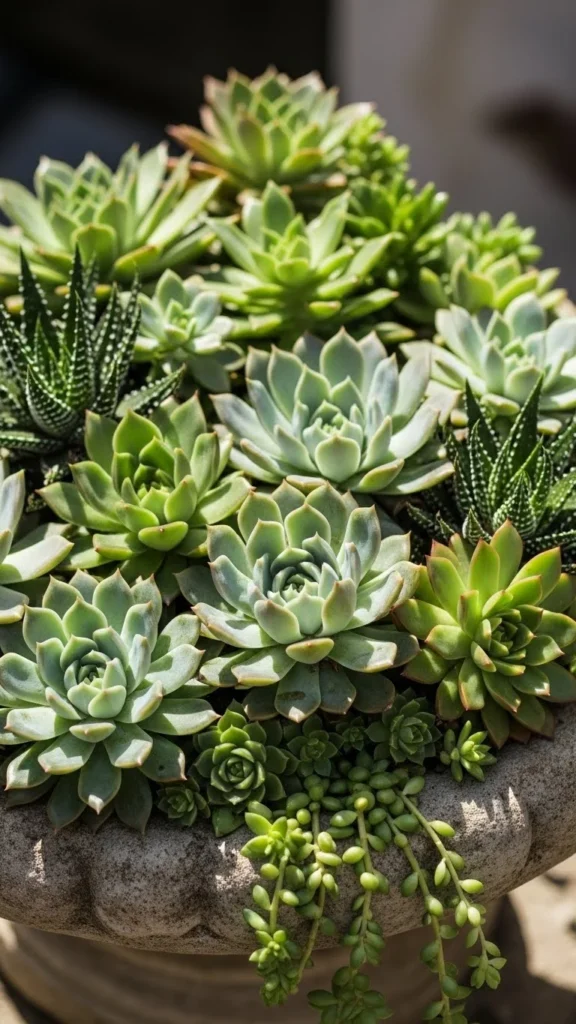
Succulents work well for gardeners who forget to water. Their compact growth creates texture without spreading. Mixing shapes keeps containers interesting even without flowers.
Use gritty soil and containers with drainage. Water lightly and only when soil is dry. Place in full sun for best color and growth.
Shallow containers, thrifted trays, or broken pots work well. Succulents grow slowly, so arrangements last all season with minimal care.
7. Strawberries in Hanging Baskets
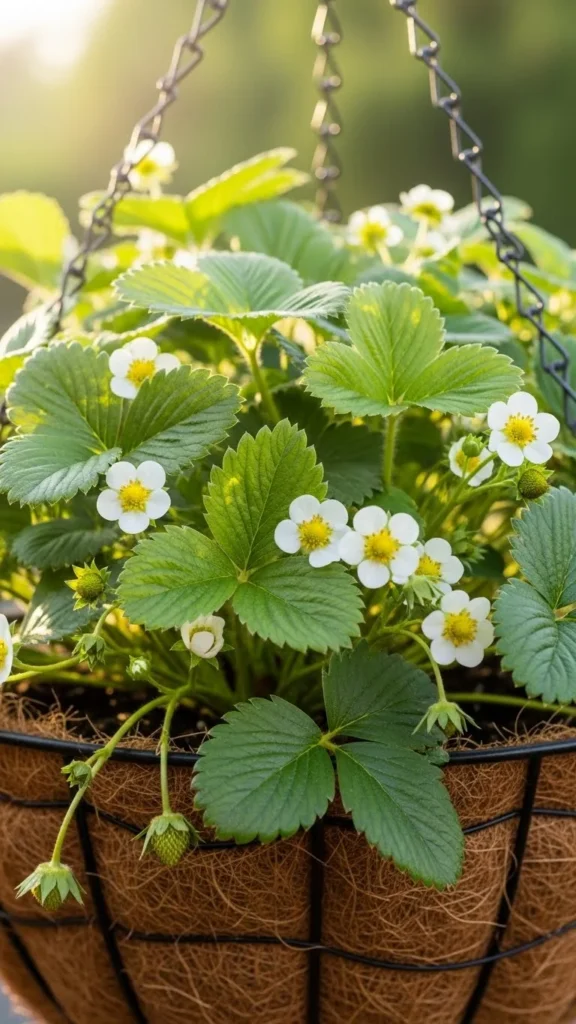
Strawberries trail naturally, making baskets look full quickly. Their leaves create a lush base while flowers and fruit add interest.
Use rich potting mix and water often. Hanging baskets dry out faster than ground containers. Place where they get sun most of the day.
This setup works well for small spaces. Harvesting berries also encourages more growth, keeping plants productive and attractive.
8. Petunias for Fast Coverage
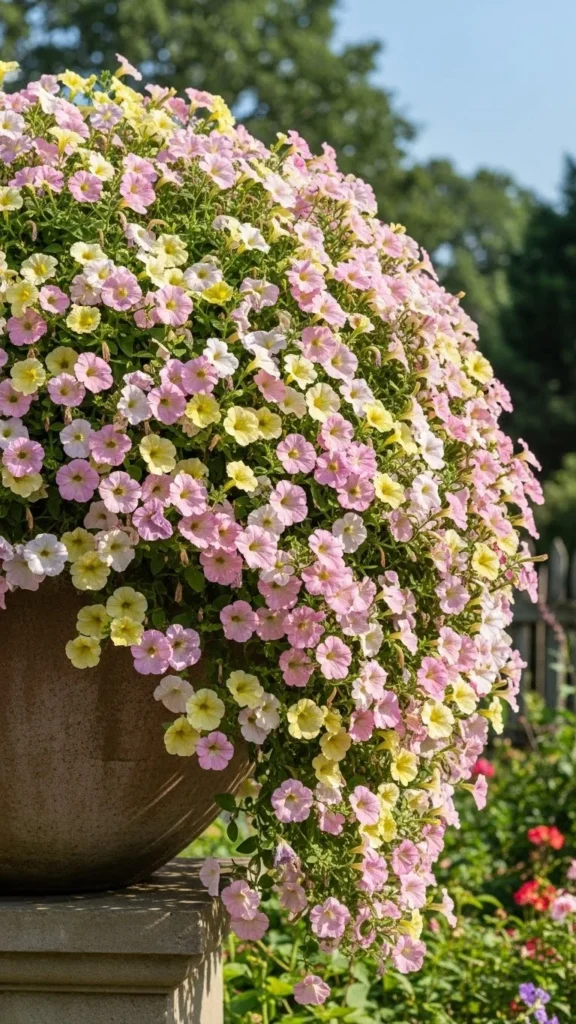
Petunias spread quickly and fill containers with minimal effort. Choose trailing types for a soft, overflowing look.
Water regularly and pinch stems to keep plants bushy. Fertilize lightly every few weeks using diluted plant food.
Plastic pots retain moisture and cost less than ceramic. Group several containers together to create a larger visual effect.
9. Chives as Edging Plants
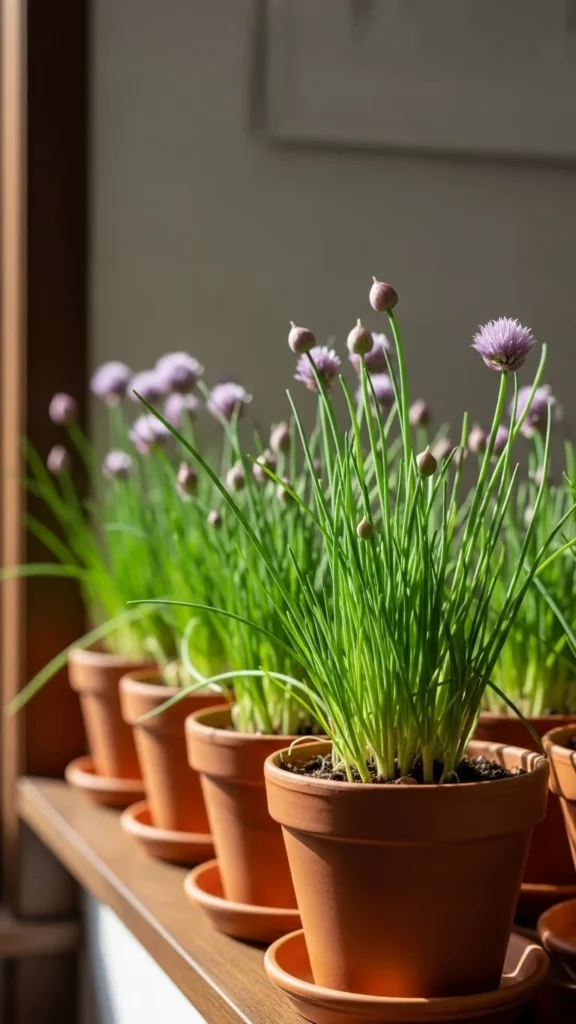
Chives add height and texture without taking much space. Their narrow leaves grow upright and look tidy. Purple flowers appear in spring and attract pollinators.
Plant in small pots or use as fillers around other plants. Trim often to keep growth even.
Chives are inexpensive and return each year, making them a smart long-term choice for container gardening.
10. Mixed Annuals in One Color
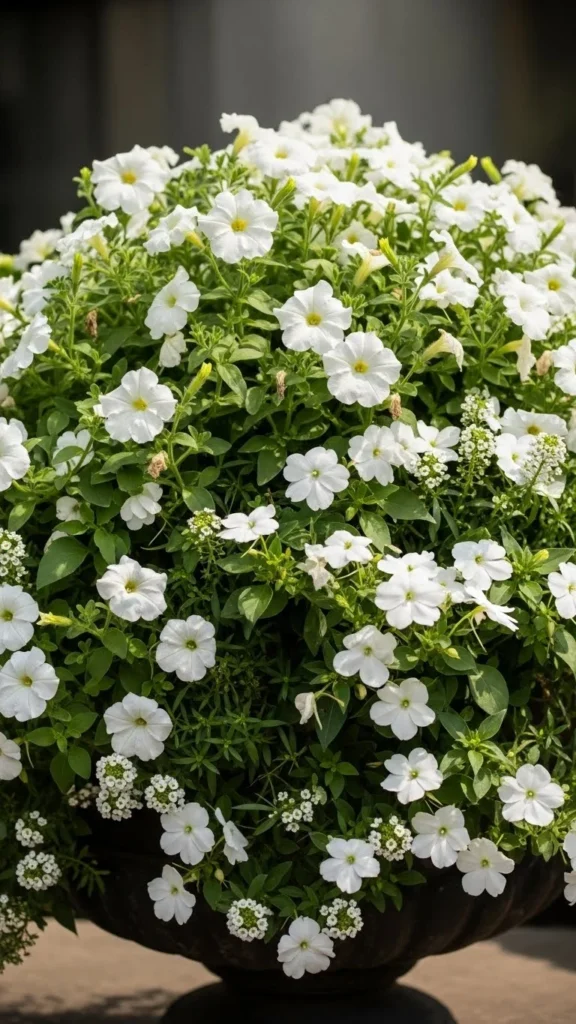
Sticking to one color keeps containers calm and cohesive. Mixing different plant types adds depth while maintaining simplicity.
Choose plants with similar light and water preferences. Plant close together for a full look from day one.
This approach works well for entryways and patios where a clean style feels welcoming.
11. Kale in Decorative Pots
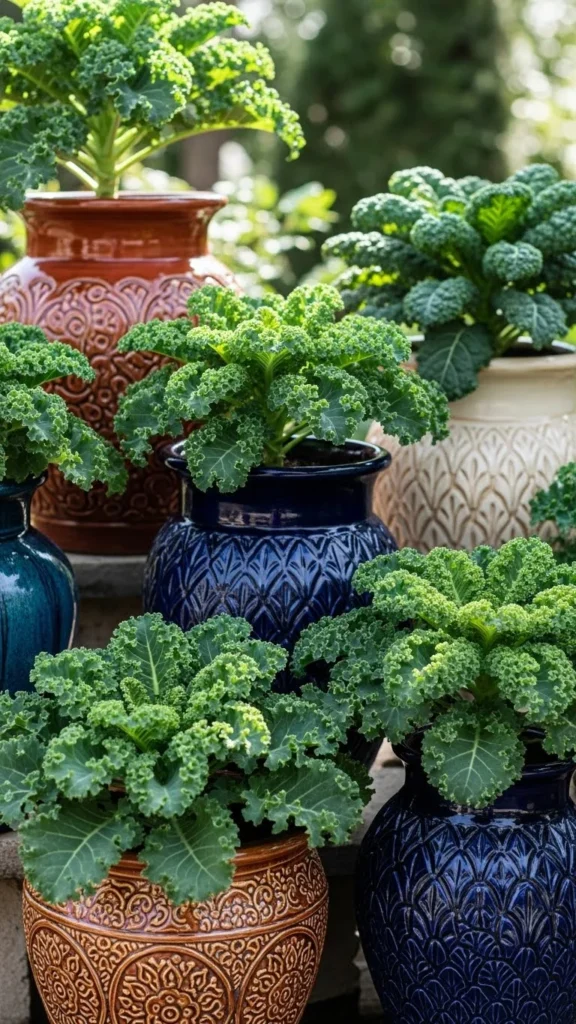
Kale handles cool spring weather well and grows thick foliage. Ornamental varieties look decorative while remaining edible.
Harvest outer leaves to keep plants compact. Use sturdy pots since kale can grow tall.
Look for end-of-season decorative containers to save money. Kale adds structure and volume to container displays.
12. Alyssum as a Filler Plant
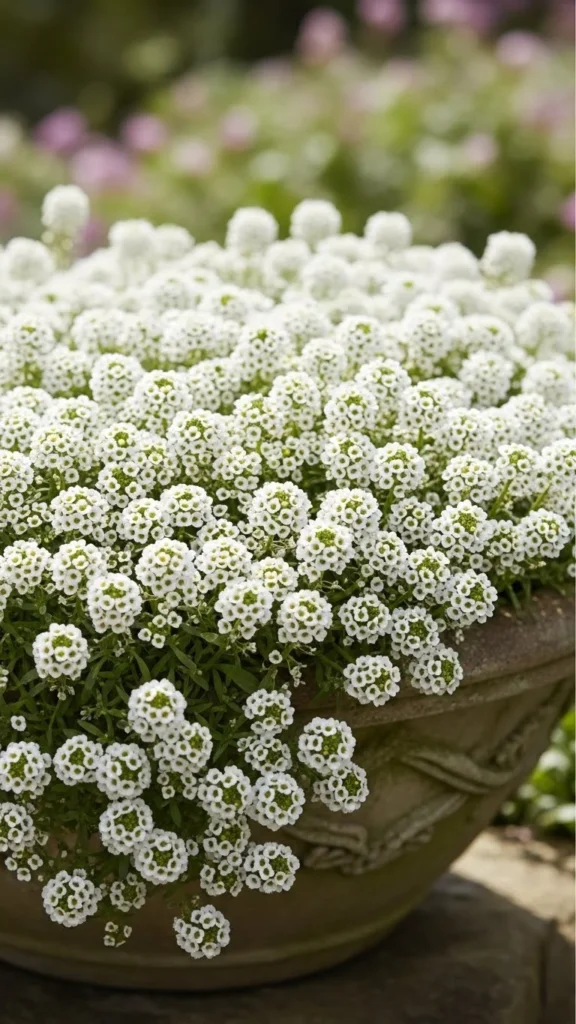
Alyssum spreads gently and fills gaps between larger plants. Its small flowers create a soft, cloud-like effect.
Plant several close together for faster coverage. Water regularly but avoid soggy soil.
This plant pairs well with taller flowers and works in shallow containers.
13.Tomatoes in Buckets
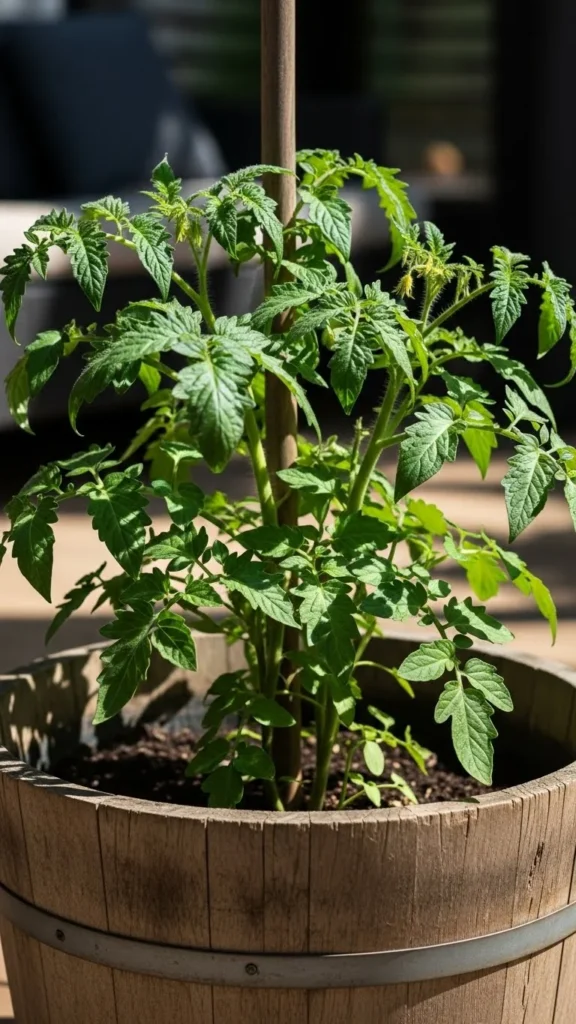
Tomatoes grow well in containers if given support. Buckets are affordable and roomy enough for roots.
Use a sturdy stake early to guide growth. Water deeply and consistently.
Even one tomato plant creates a bold, leafy look that fills vertical space.
14. Marigolds for Bright Color
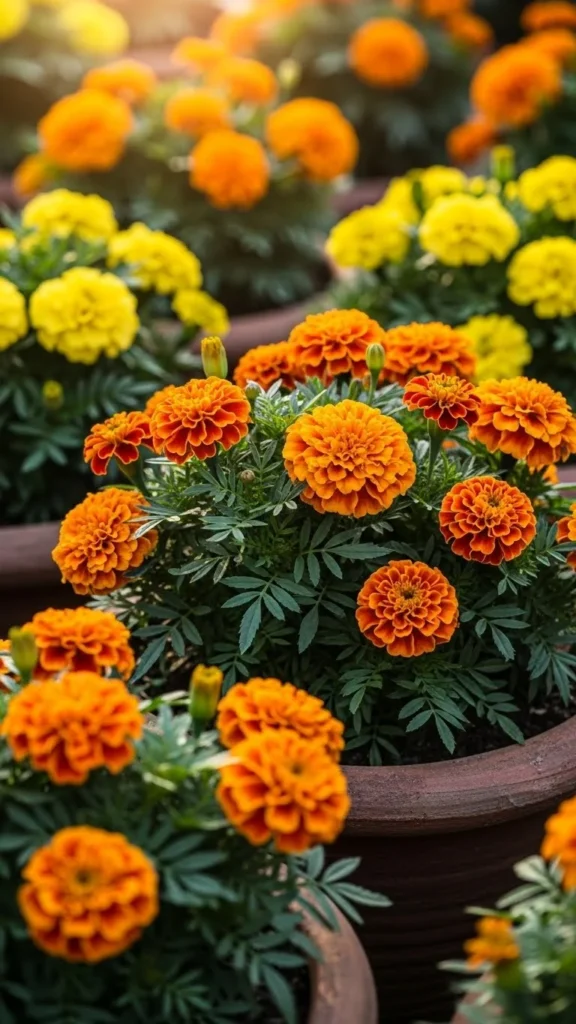
Marigolds bloom steadily and tolerate various conditions. Their compact growth keeps containers neat.
Deadhead spent blooms to encourage new flowers. Place in sunny spots for best results.
They are often inexpensive and easy to find in early spring.
15. Mint in Separate Pots
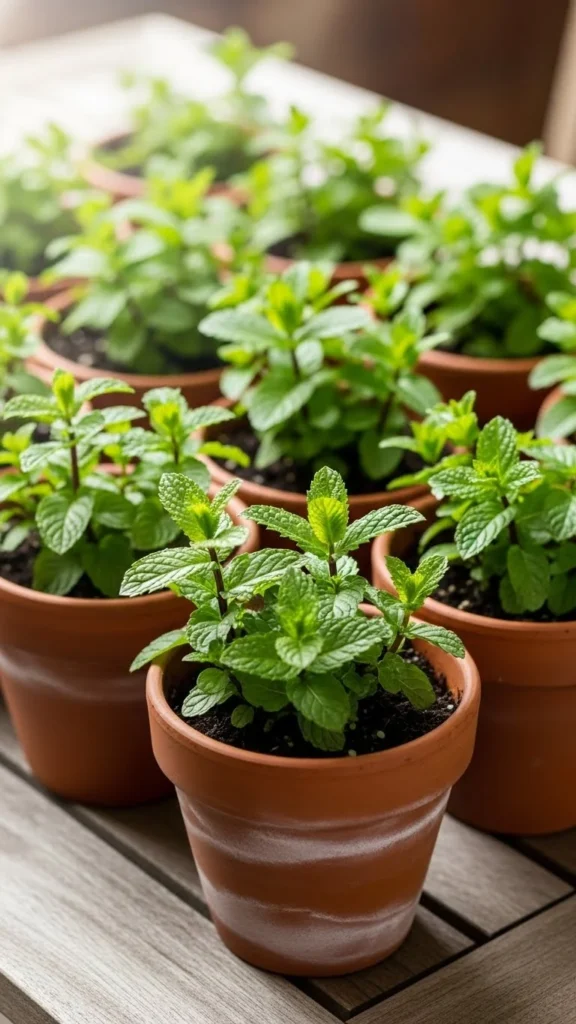
Mint grows quickly and fills containers fast. Keeping it in separate pots prevents spreading.
Harvest often to keep growth controlled. Place in partial sun for steady leaf production.
Mint containers look full within weeks and can be grouped with other herbs.
16. Ferns for Shaded Areas
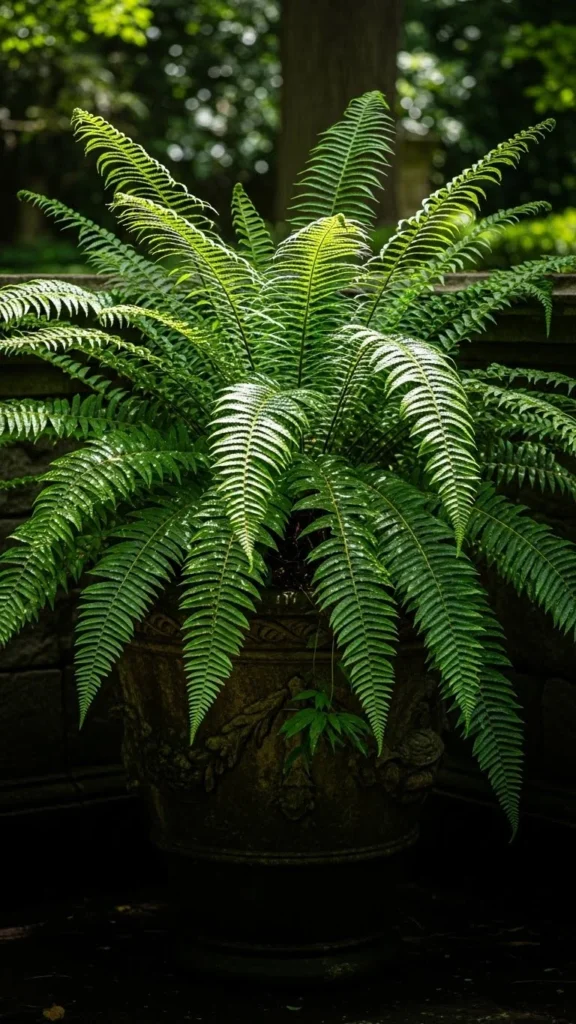
Ferns add texture and volume in low-light areas. Their layered fronds create a dense look without flowers.
Keep soil evenly moist. Use plastic liners inside decorative pots to retain moisture.
Ferns are a good choice for porches and shaded patios.
17. Snapdragons for Height
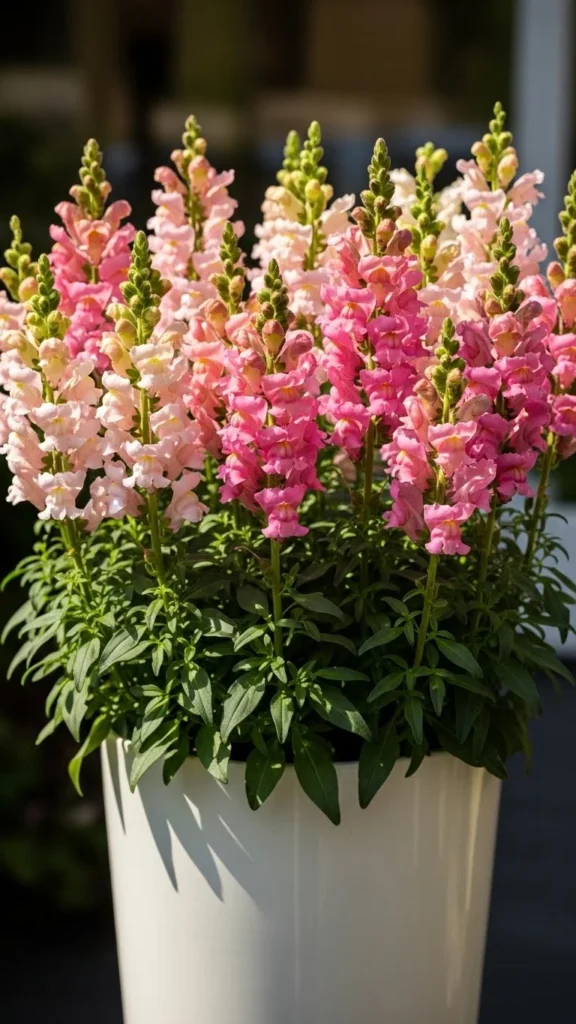
Snapdragons add vertical interest and bloom in cool weather. Plant several close together for fullness.
Remove faded blooms to extend flowering.
Tall containers prevent tipping and highlight the plant’s height.
18. Recycled Tin Planters
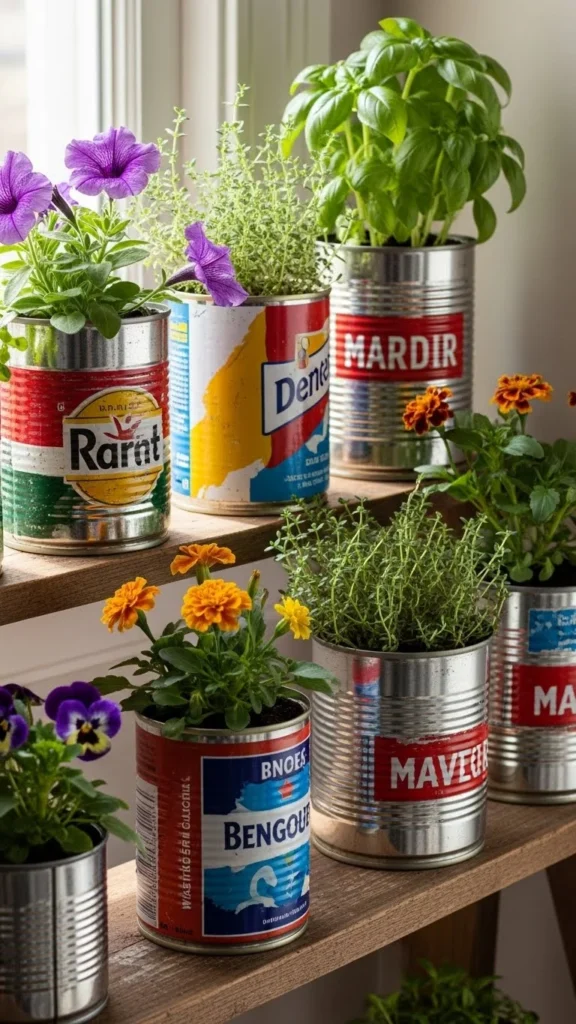
Small tins work well for compact plants. Drill drainage holes and line with gravel.
Group many together to create a larger display.
This approach keeps costs low while adding personality.
19. Spring Onions in Clusters
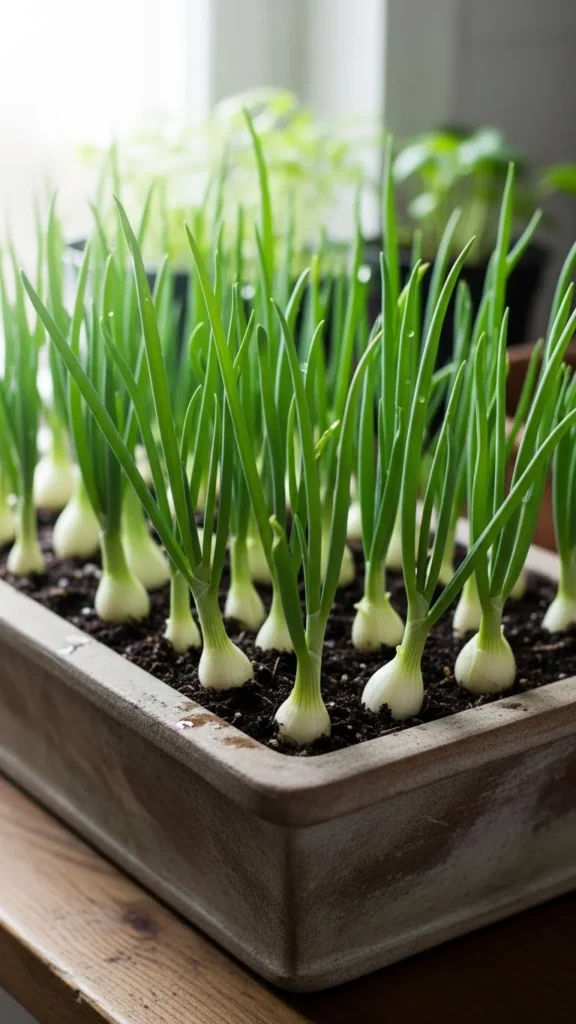
Spring onions grow upright and fill space quickly. Plant bulbs close for a dense look.
Harvest as needed to keep growth even.
They work well on balconies and windowsills.
20. Verbena for Trailing Texture
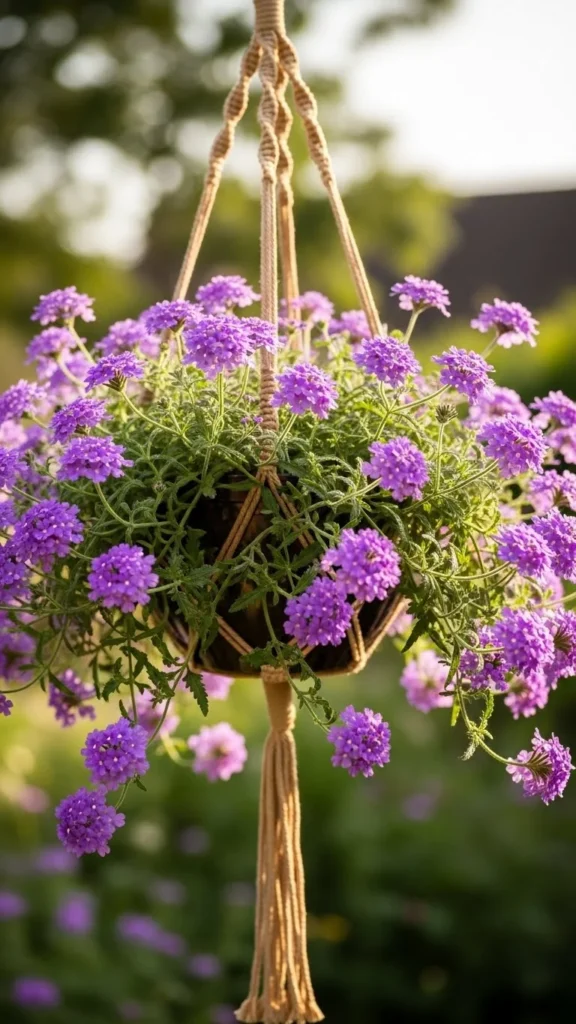
Verbena trails nicely and blooms steadily. Use baskets or tall pots.
Water regularly and trim lightly to maintain shape.
This plant adds movement to container displays.
21.Peas on Small Trellises
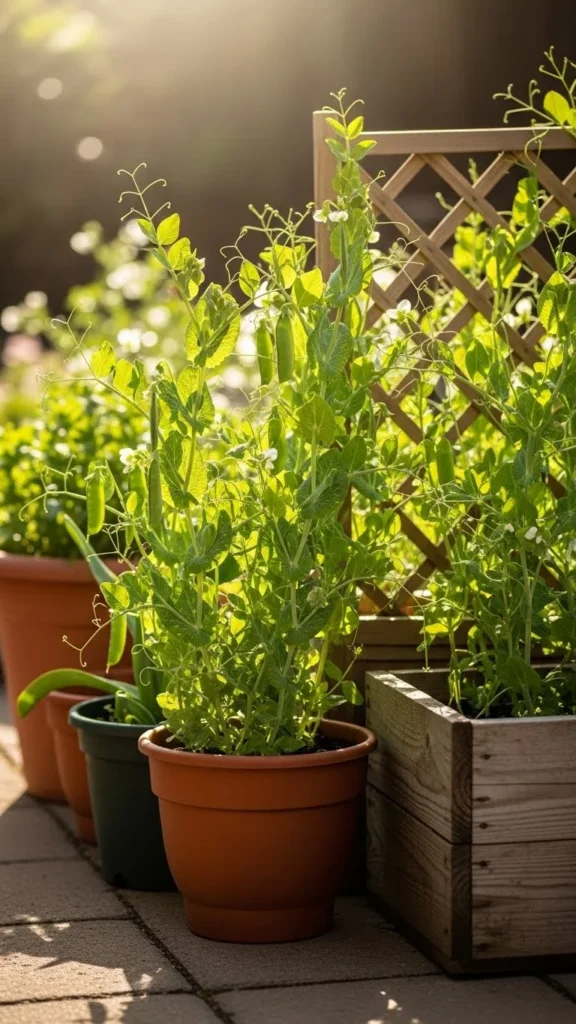
Peas grow fast and add vertical interest. A simple trellis supports vines and fills empty space.
Harvest often to keep plants producing.
This setup combines greenery and food in one container.
22.Combination of Thrillers and Fillers
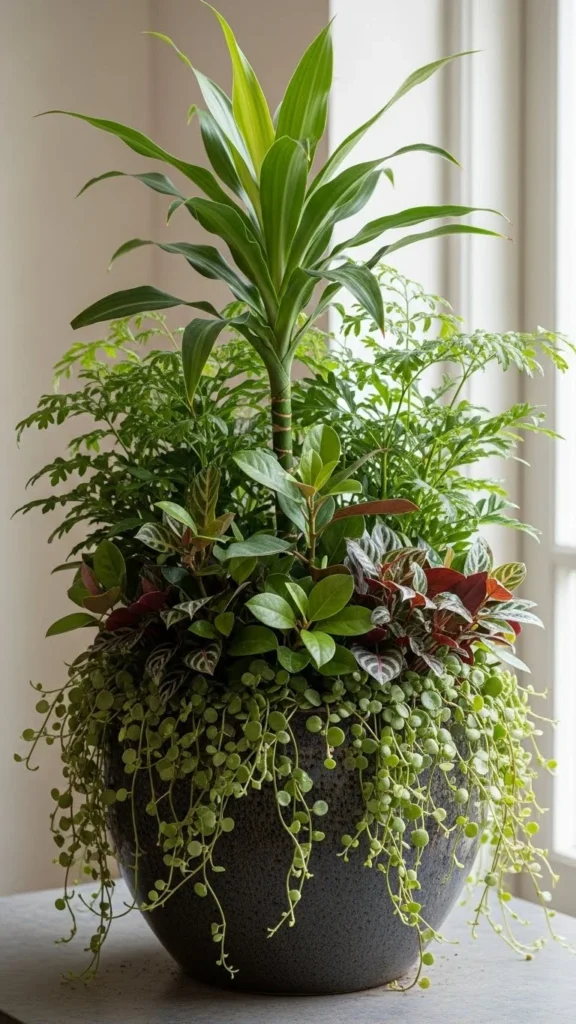
Using one tall plant with smaller companions creates balance. Choose affordable annuals.
Plant closely for quick coverage.
This method works for any container size.
Conclusion
Spring container gardening works best when choices stay simple and practical. By using common plants, reused containers, and close planting, it is easy to create displays that look full and healthy without spending much. These ideas focus on steady growth, easy care, and visible results. Start with one or two containers, watch how they respond, and build from there. With a little time and regular watering, even small spaces can feel lively and green all season long.
Leave a Reply