

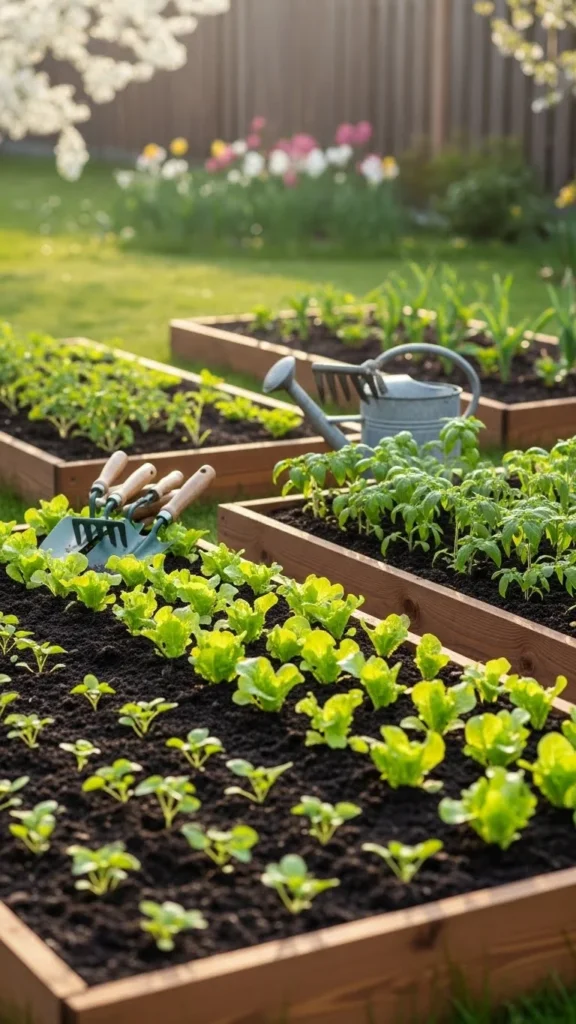
Raised bed gardening makes spring planting simpler, cleaner, and more manageable, especially for beginners. Beds warm earlier, drain better, and help keep garden tasks organized from day one. With a few basic habits and thoughtful setup choices, raised beds can deliver steady growth without feeling overwhelming. The tips below focus on easy actions, low-cost materials, and clear routines that help new gardeners feel confident and in control throughout the spring season.
1. Start With One or Two Beds Only
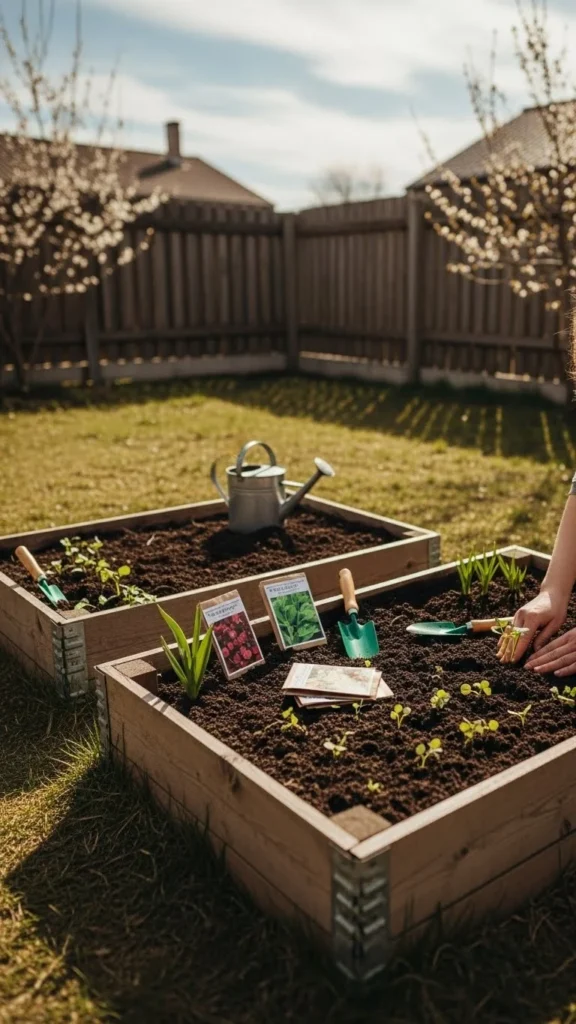
Starting small keeps gardening enjoyable. One or two beds are easier to water, weed, and observe. Beginners often plant too much too soon, which leads to rushed care. A limited number of beds helps you learn plant spacing, soil behavior, and watering patterns without stress.
Build beds from untreated wood, concrete blocks, or reclaimed boards. Even a single bed can grow several vegetables. Once you understand how plants respond, adding more beds later feels natural rather than tiring.
2. Place Beds Where Sunlight Is Reliable
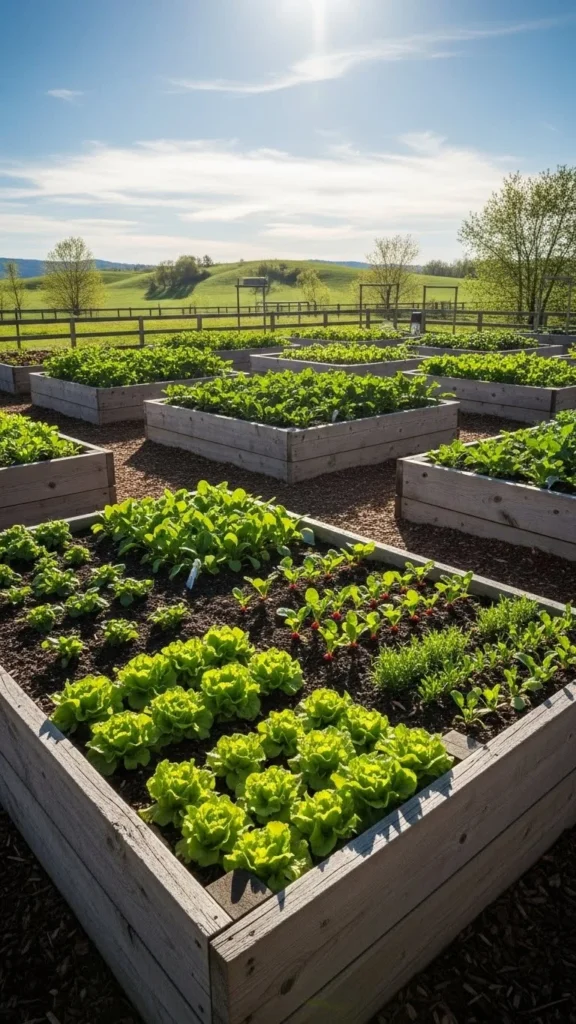
Most vegetables grow best with steady sunlight. Place beds where they receive several hours of direct light each day. Watch your yard during the morning and afternoon to spot shaded areas.
Avoid placing beds near tall fences or trees that block light. Good placement from the start prevents slow growth and uneven plants later in the season.
3. Keep Bed Width Reachable From Both Sides
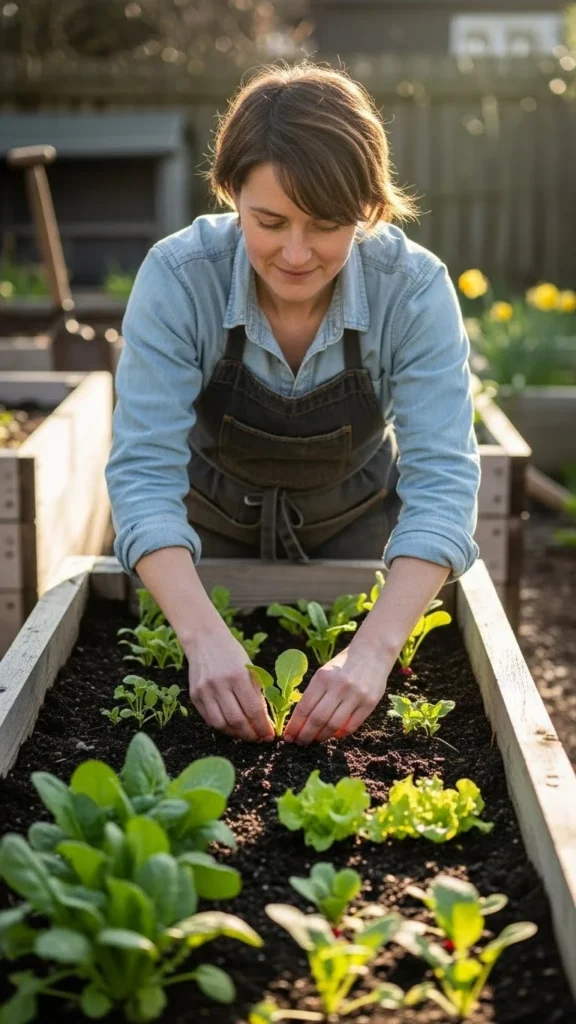
Beds that are too wide make planting and harvesting harder. Aim for a width that allows you to reach the center without stepping inside. This keeps soil loose and roots healthy.
Narrow beds also make spacing clearer and reduce wasted effort during maintenance.
4. Use a Simple Soil Mix
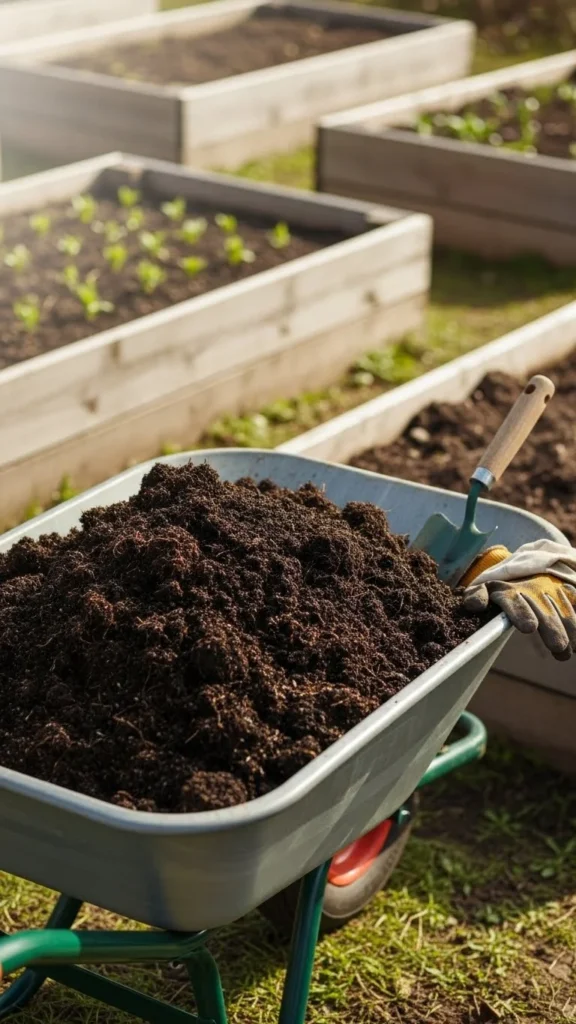
A basic soil mix works well for beginners. Combine garden soil with compost for structure and nutrients. Avoid complicated blends or specialty products.
Homemade compost, leaf mold, or aged manure all work well. Simple soil choices keep planting easy and affordable.
5. Fill Beds Slowly Instead of All at Once
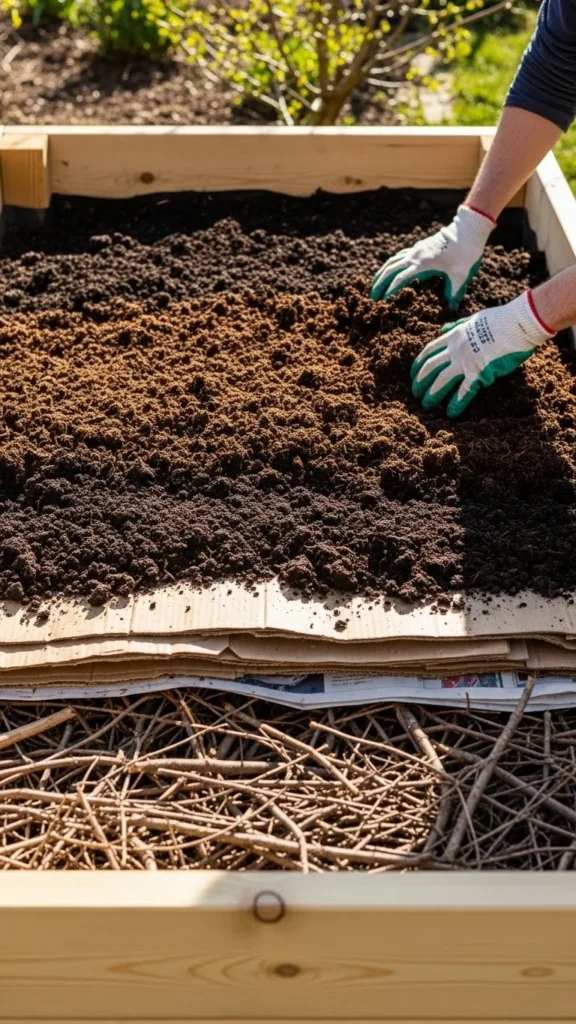
Filling beds in layers saves effort. Start with soil, then add compost. Let rain settle the mix before adding more if needed.
This method prevents sinking later and reduces the amount of soil required upfront.
6. Plant Easy Crops First
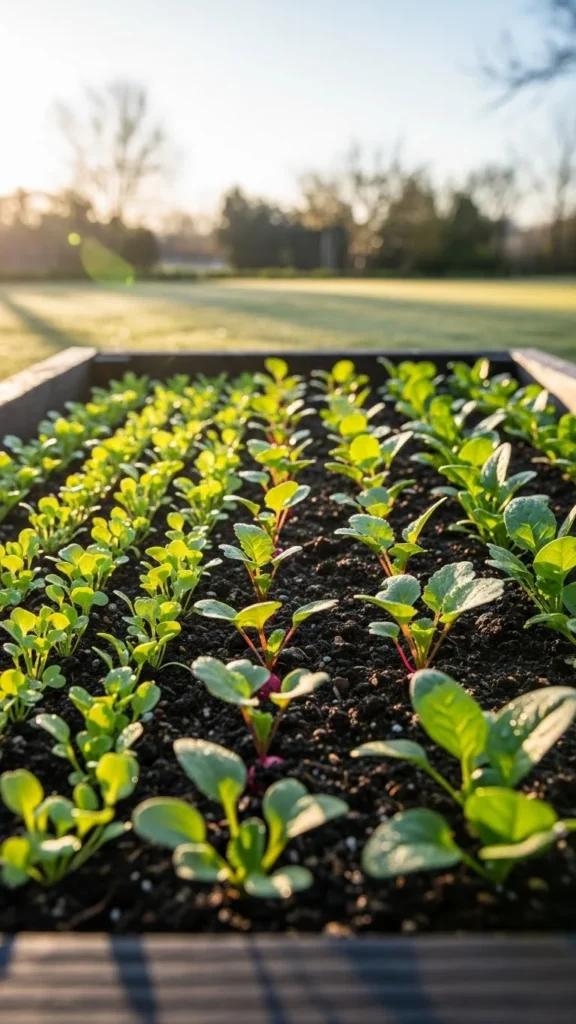
Some vegetables grow faster and require less attention. Greens, radishes, and peas work well for beginners. These crops show results quickly, which builds confidence.
Save slower crops for later once you understand your bed’s behavior.
7. Space Plants Clearly
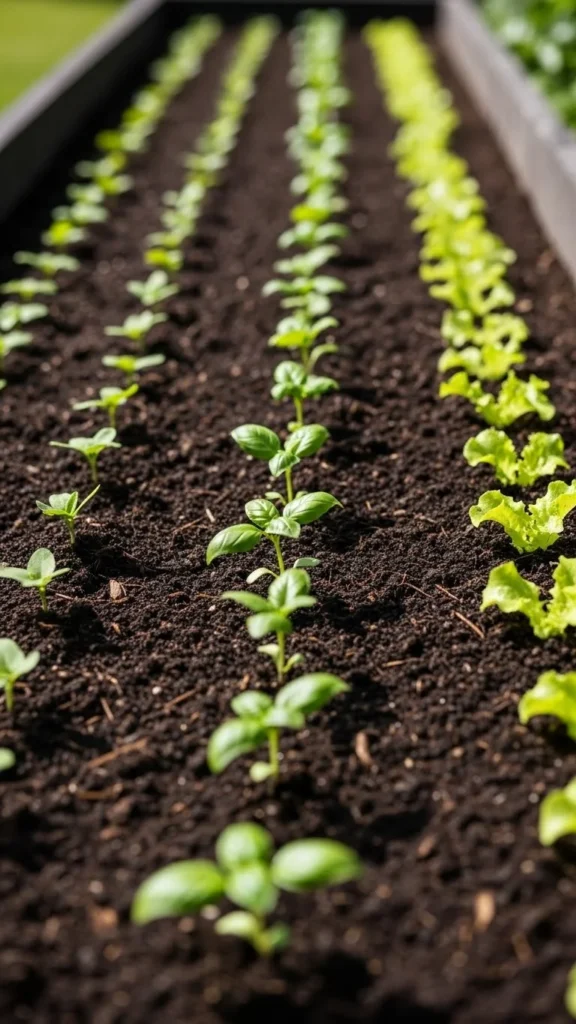
Crowded plants compete for space. Follow spacing guidelines on seed packets. Clear gaps allow airflow and easier watering.
Proper spacing reduces disease and makes harvesting simpler.
8. Label Everything Early
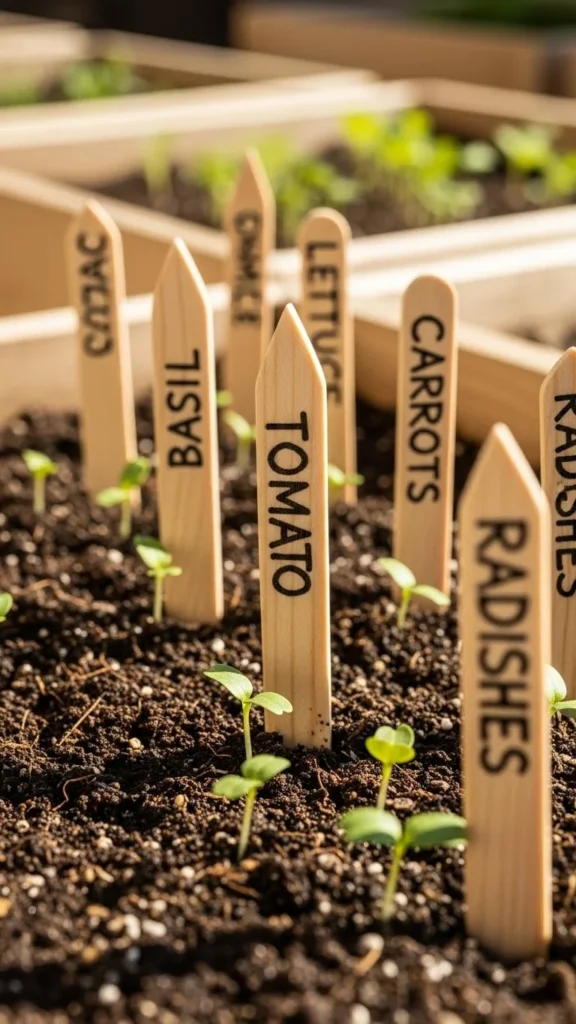
Labels prevent confusion once plants grow. Use sticks, stones, or recycled plastic. Write crop names and planting dates.
Clear labels save time and reduce mistakes during care.
9. Water Deeply, Not Constantly
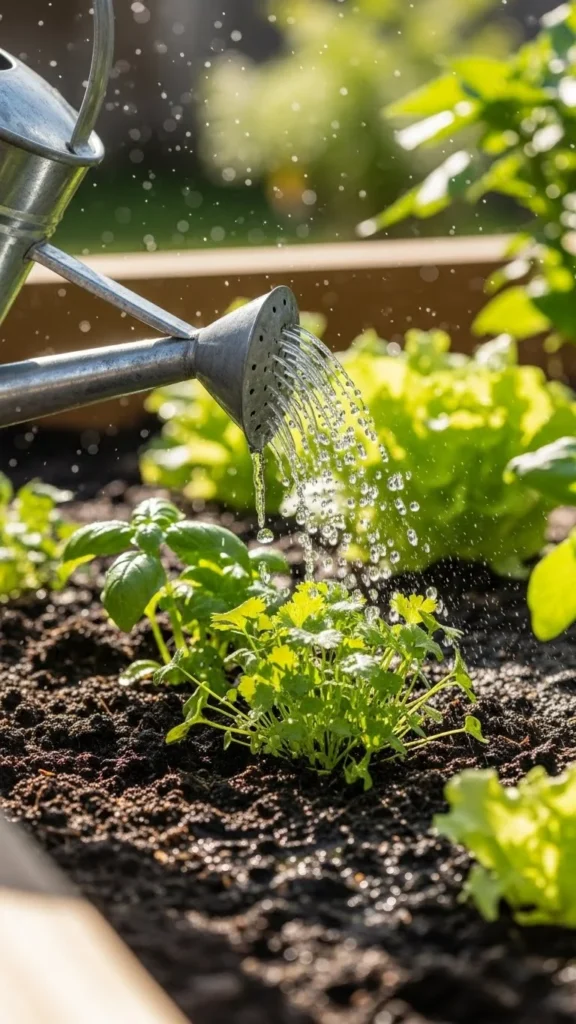
Water beds thoroughly so moisture reaches roots. Frequent light watering encourages shallow roots. Check soil by hand before watering again.
Consistent habits lead to steadier growth.
10. Mulch Early to Reduce Weeding
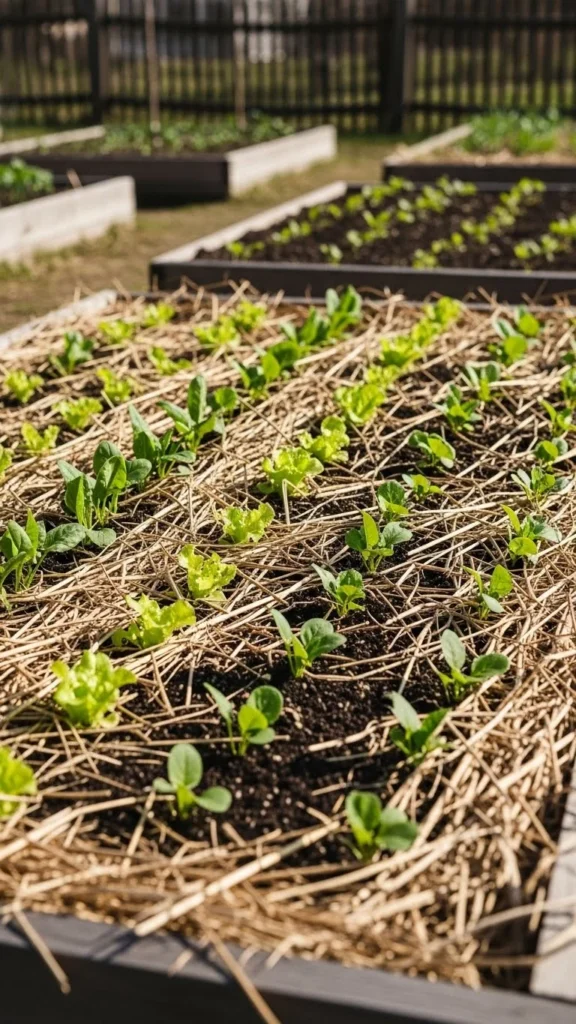
Mulch blocks weeds and holds moisture. Straw, shredded leaves, or grass clippings work well.
Apply mulch soon after planting to reduce daily upkeep.
11. Avoid Walking on Bed Soil
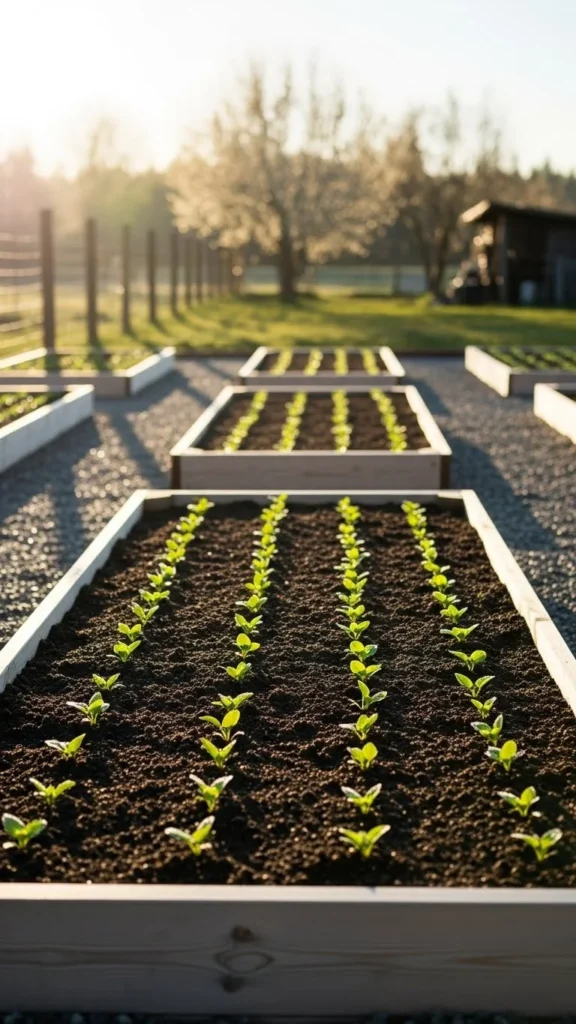
Stepping inside beds compacts soil. Always work from paths or edges. Loose soil supports healthy roots and drainage.
Clear access keeps beds productive longer.
12. Use Simple Supports Early
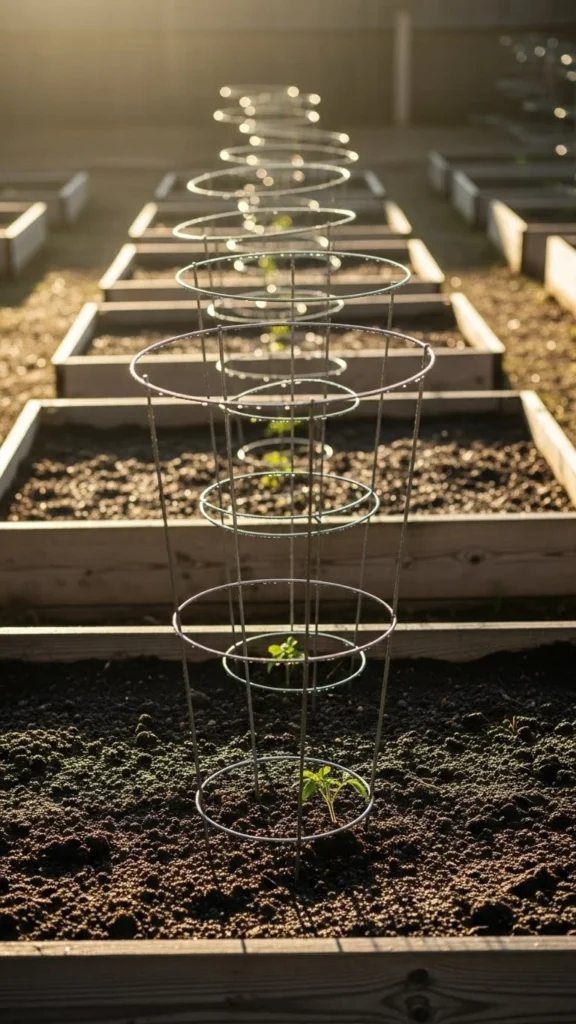
Install cages and stakes at planting time. Waiting later risks damaging roots.
Early supports keep plants upright and organized.
13. Group Plants by Water Habits
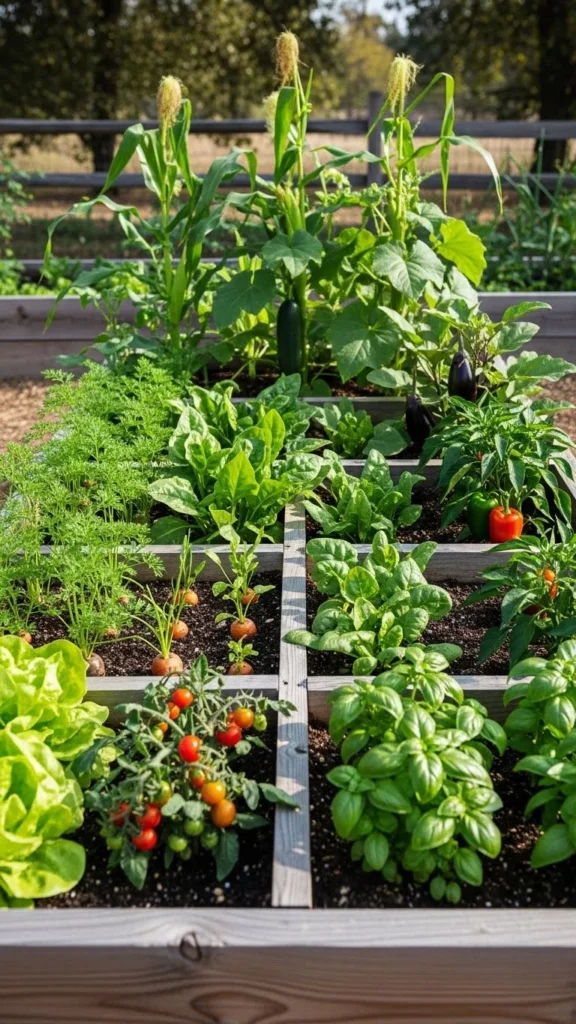
Place plants with similar watering habits together. This avoids overwatering some while others dry out.
Grouping simplifies care routines.
14. Protect Beds From Cold Nights
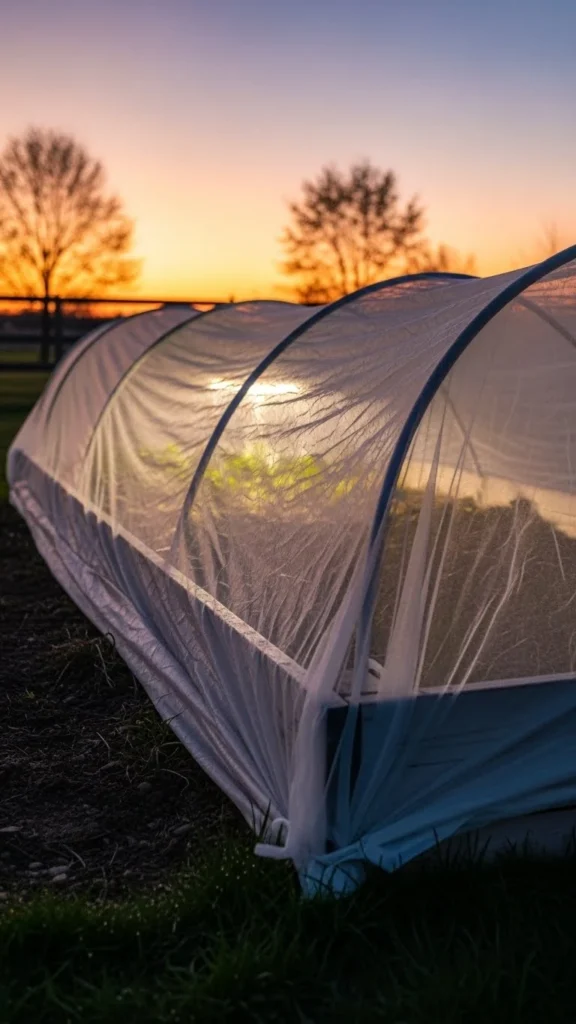
Spring weather changes quickly. Use old sheets or garden fabric to cover beds during cold spells. Remove covers in the morning.
This prevents early setbacks without extra cost.
15. Keep Tools Close By
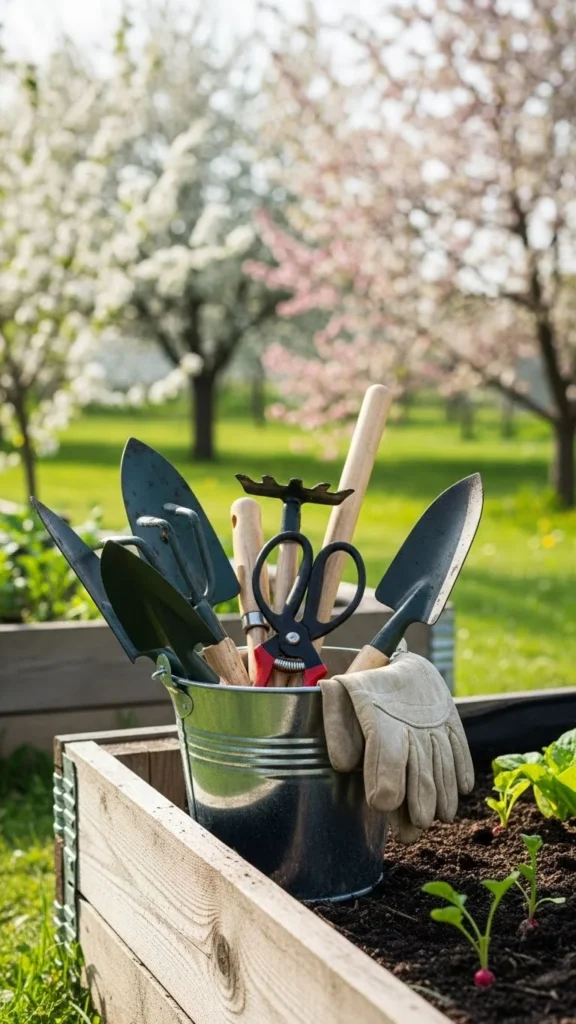
Storing tools near beds saves time. A small bin or hook system works well.
Shorter trips mean quicker tasks.
16. Harvest Often
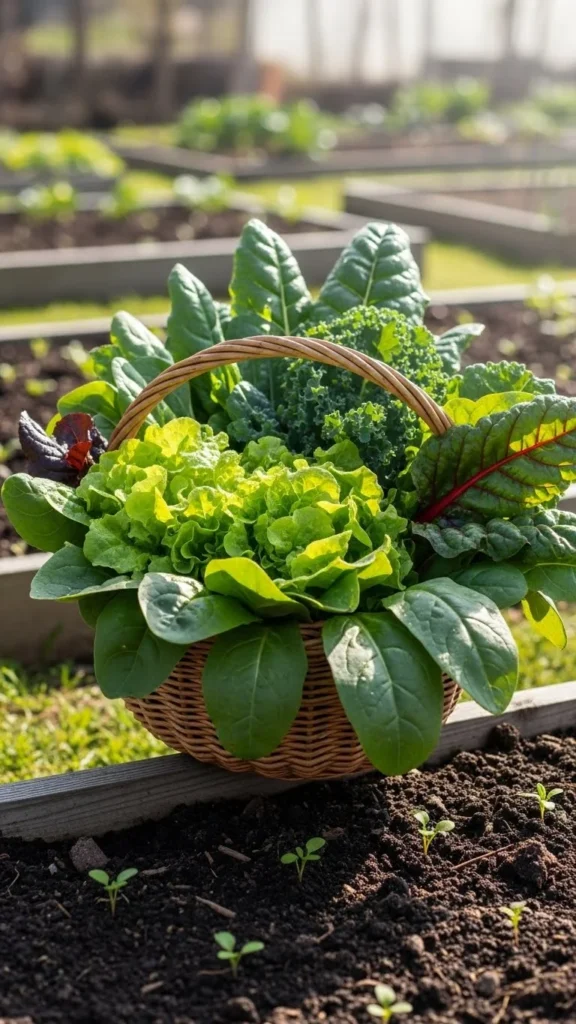
Regular harvesting encourages plants to keep producing. Pick greens early and often.
Frequent harvests keep beds active.
17. Watch Soil Moisture After Rain
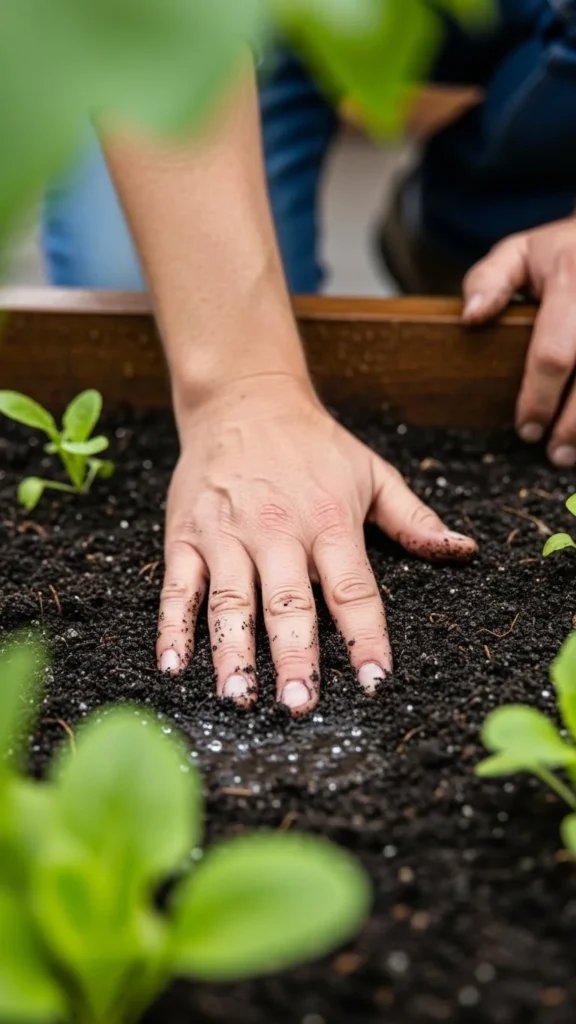
Raised beds drain faster. After rain, check moisture levels before watering again.
This habit prevents soggy soil and root issues.
18. Thin Seedlings Promptly
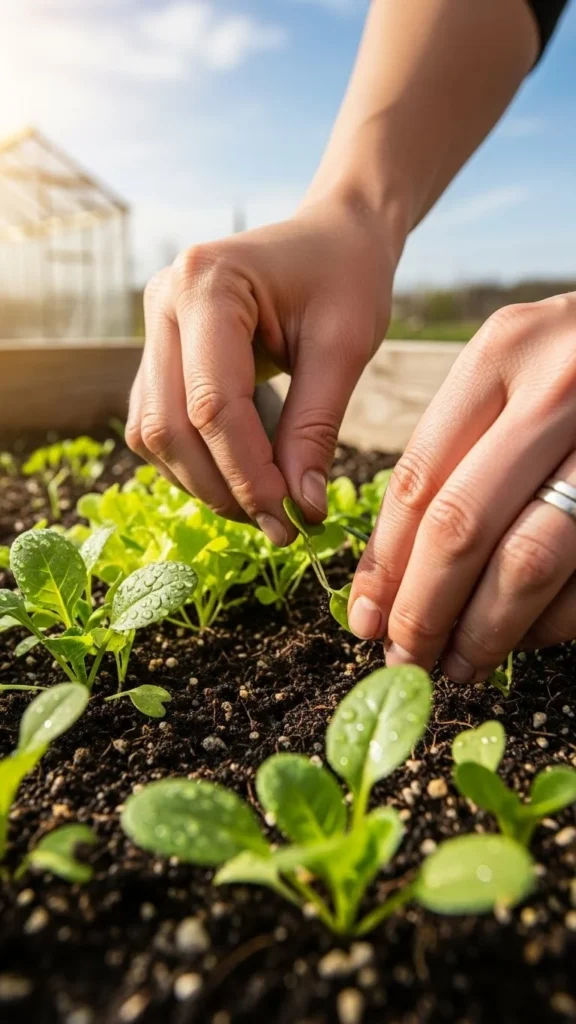
Remove extra seedlings early. This gives remaining plants room to grow.
Thinning prevents overcrowding and weak growth.
19. Add Compost Mid-Season
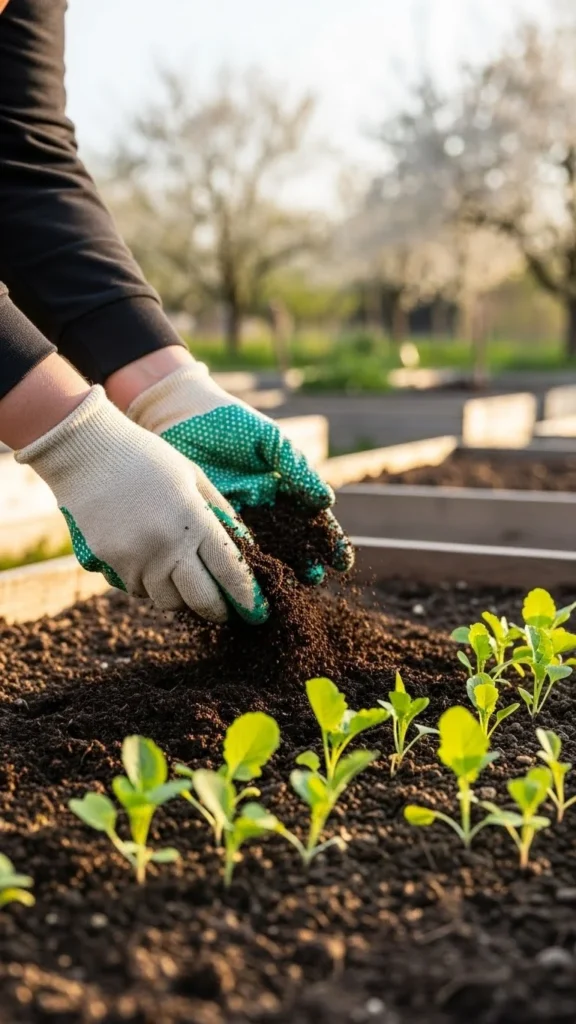
A light compost layer supports ongoing growth. Apply around plants rather than mixing deeply.
Simple feeding keeps soil productive.
20. Keep Paths Dry and Clear
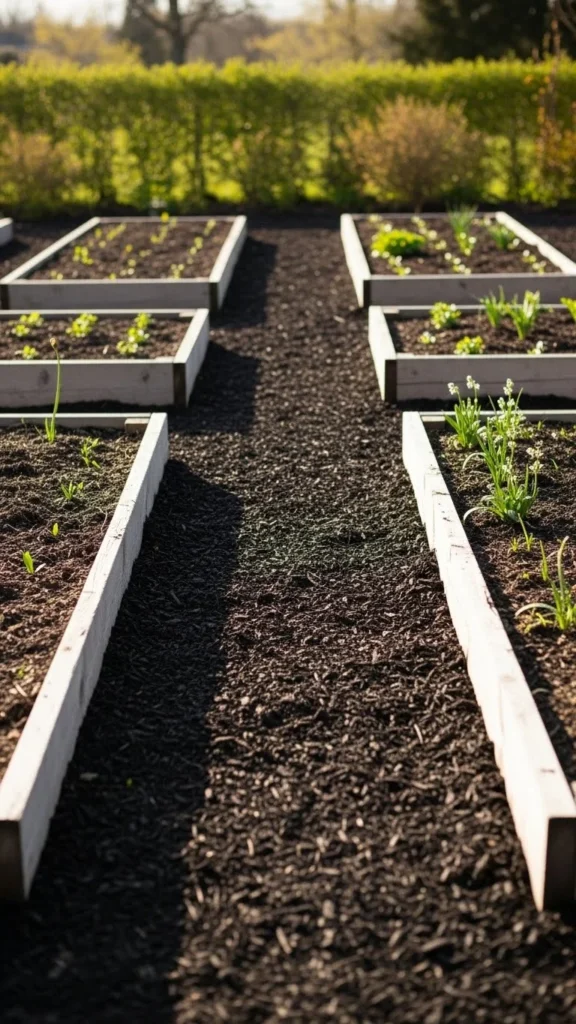
Clear paths prevent muddy shoes and soil compaction. Use wood chips or cardboard.
Defined paths improve access and comfort.
21. Track What You Plant
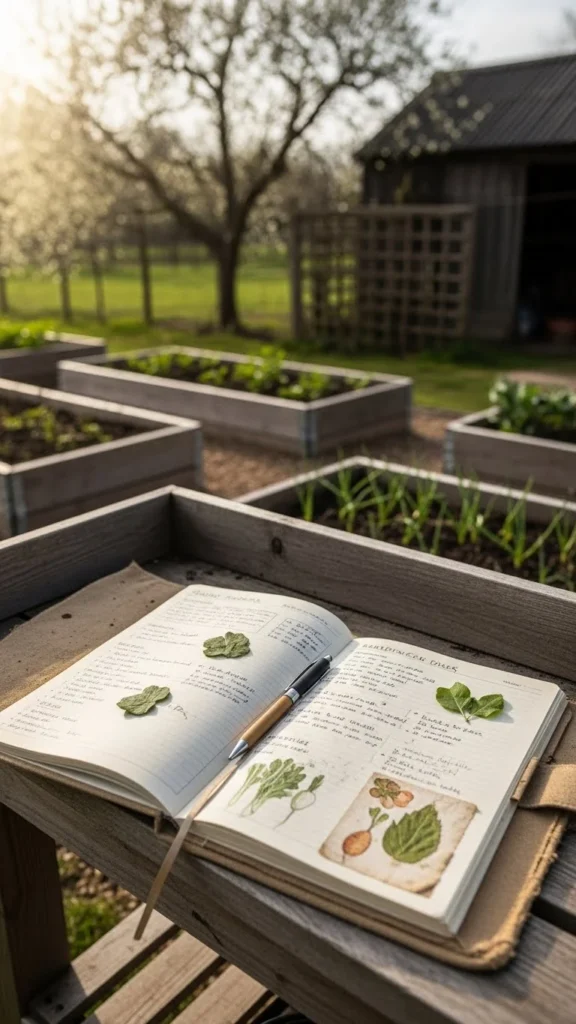
Write down planting dates and crop locations. Simple notes help with future planning.
Tracking reduces guesswork next season.
22. Clean Beds After Early Harvests
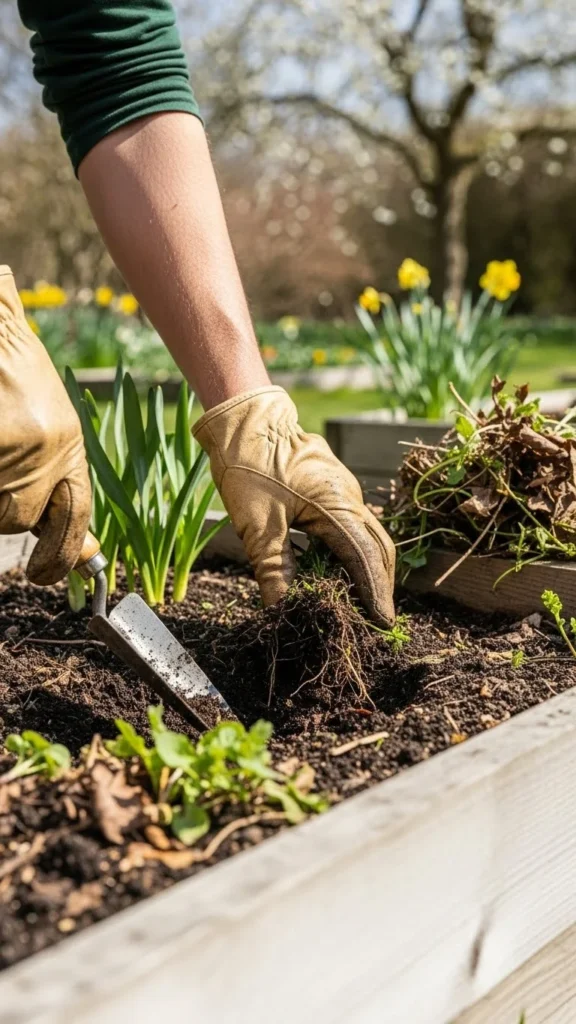
Remove finished plants promptly. Add compost and replant if time allows.
Clean beds stay productive longer.
23. Expand Slowly Over Time
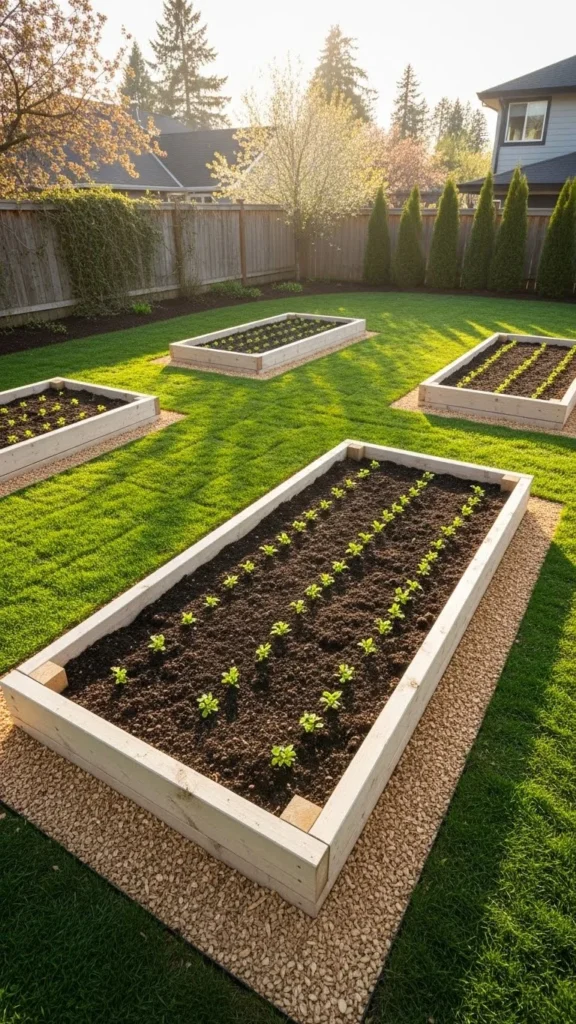
Once you feel comfortable, add another bed. Gradual expansion keeps gardening manageable and enjoyable.
Learning at your own pace leads to better results.
Conclusion
Raised bed gardening gives beginners a clear, organized way to grow food in spring. Simple bed sizes, easy crops, and steady routines reduce stress and build confidence quickly. Start small, observe your plants, and adjust as you go. With time and practice, raised beds become one of the most rewarding parts of the garden.
Leave a Reply