

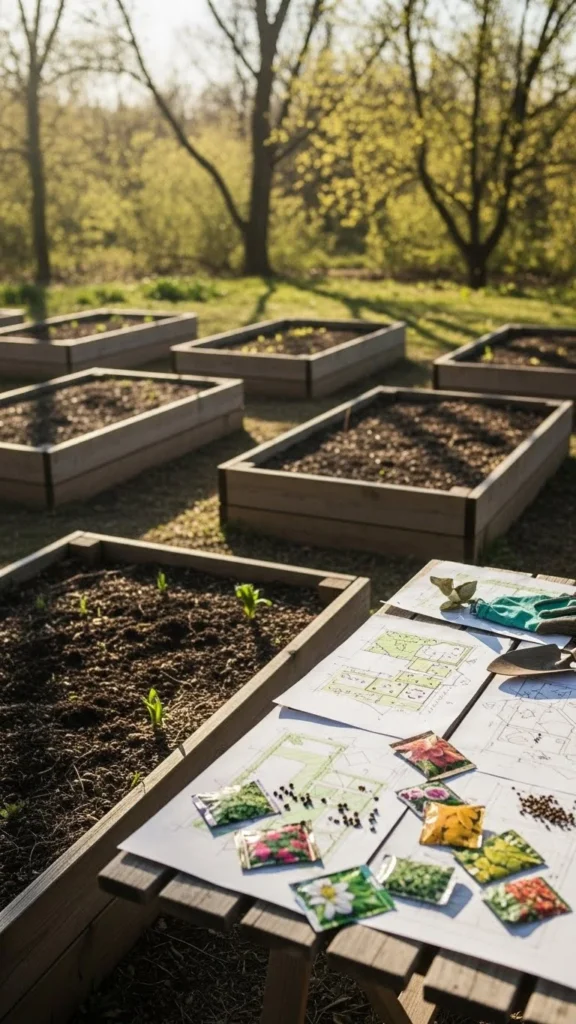
Spring garden planning saves hours of work later. A little thinking ahead reduces wasted steps, repeated tasks, and mid-season frustration. When beds, crops, and routines are planned early, daily care feels lighter and more predictable. The ideas below focus on simple planning habits that fit real homes, limited space, and everyday budgets while helping gardens run smoothly from planting to harvest.
1. Map Your Garden on Paper First
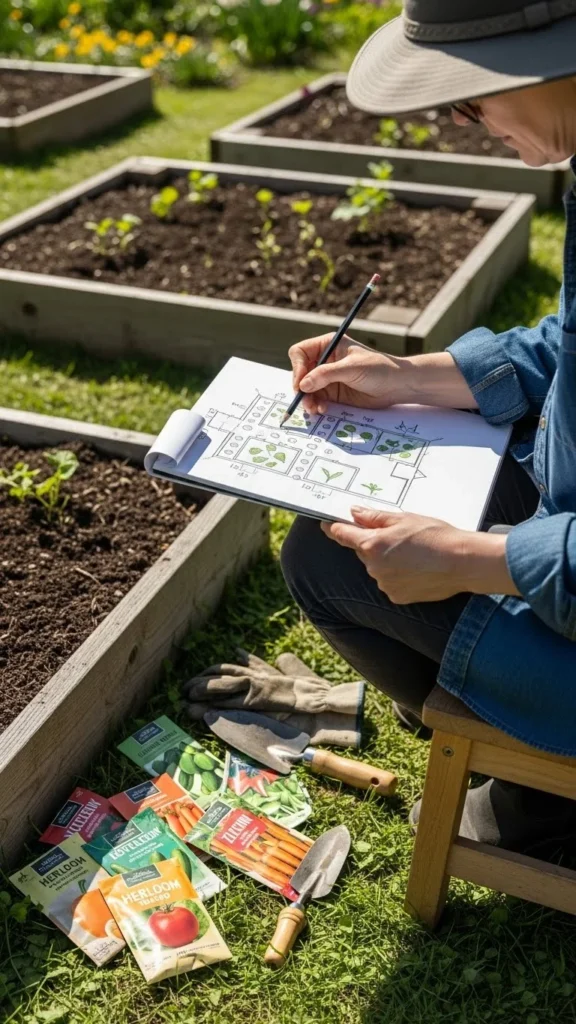
Sketching a garden layout prevents guesswork later. A simple pencil drawing helps visualize where each crop will grow and how much space it takes. This avoids overcrowding and repeated rearranging once planting begins. Use graph paper or scrap notebook pages. Measure beds roughly and mark paths clearly.
Planning on paper also helps balance sun exposure. Taller plants can be placed where they won’t shade shorter ones. Paths can stay wide enough for easy movement. A basic sketch saves time every week by reducing corrections and replanting.
2. Group Plants by Water Habits
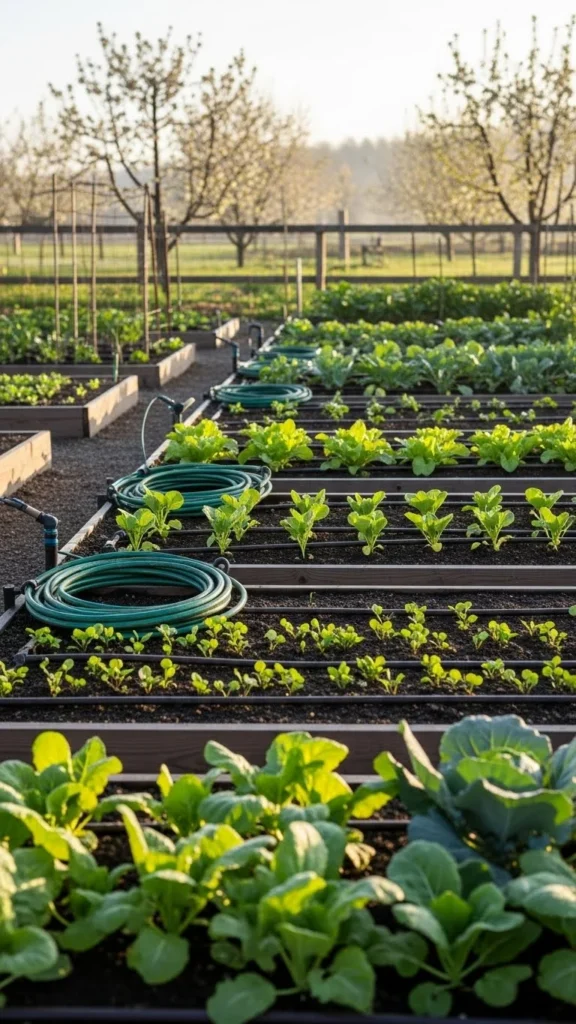
Plants with similar watering habits work better together. Group thirsty vegetables like lettuce near each other. Place drought-tolerant herbs in separate areas. This setup prevents constant hose adjustments.
Watering zones reduce daily decisions. One soak handles an entire section. Fewer adjustments mean faster routines and less wasted water.
3. Track Sun Patterns Before Planting
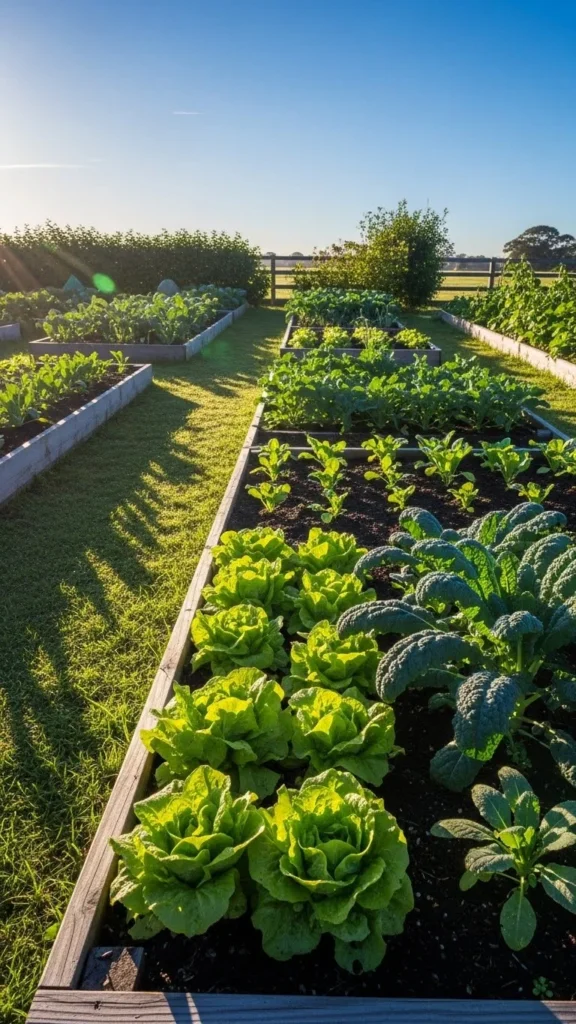
Spend a few days observing sunlight. Note which areas get morning light and which stay shaded. This helps place vegetables where they grow steadily.
Sun tracking prevents moving plants later. A notebook or phone photo works well. Knowing light patterns upfront avoids repeated fixes.
4. Limit Crop Variety on Purpose
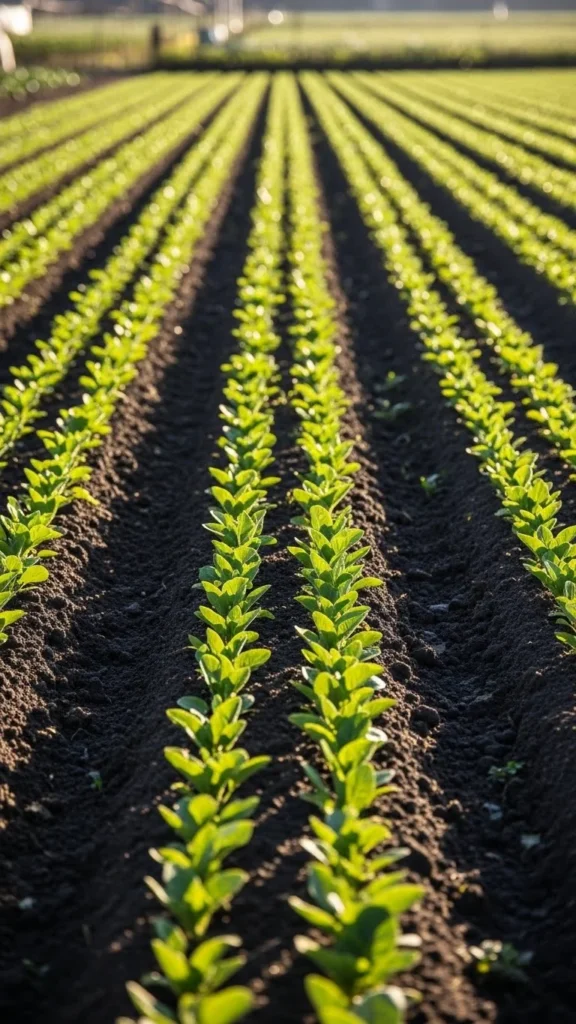
Growing fewer types of vegetables simplifies care. Repeating the same crops reduces different watering, feeding, and harvest routines.
Choose vegetables your household actually eats. Fewer varieties lead to smoother routines and less waste.
5. Plan Paths Before Beds Fill In
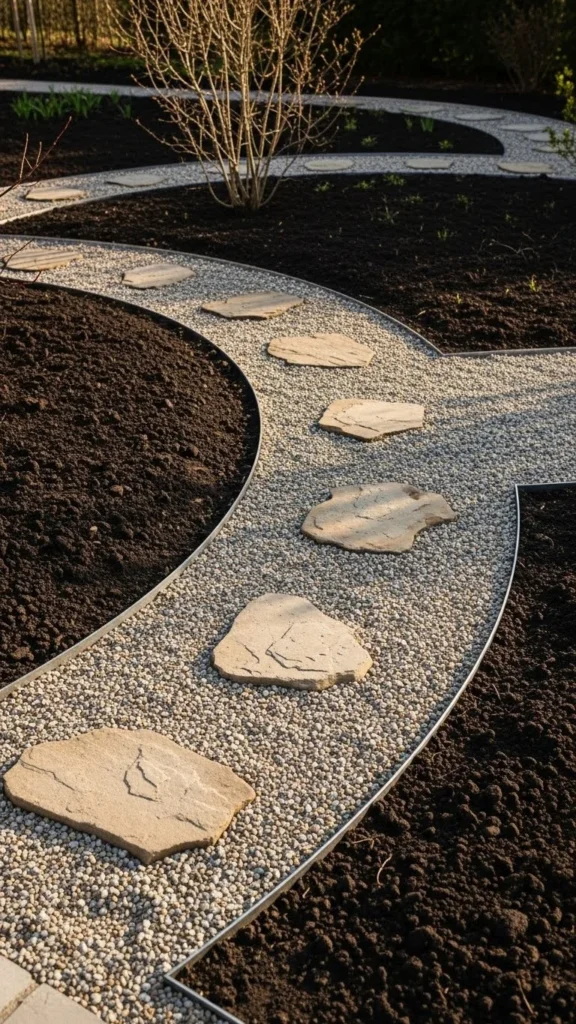
Defined paths prevent stepping on soil later. Lay cardboard, stones, or wood chips early. This keeps beds loose and roots healthy.
Clear paths speed up watering and harvesting. Planning them early avoids messy shortcuts later.
6. Start with Store-Bought Starts Strategically
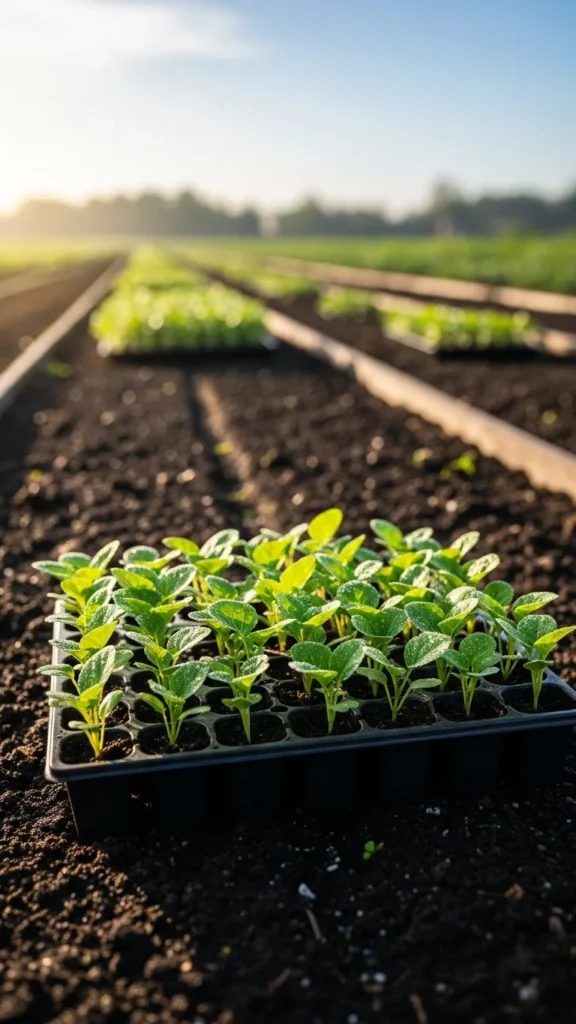
Using a few store-bought starts saves weeks. Tomatoes and peppers often benefit from this approach. Focus seed starting only on crops that grow fast.
This reduces indoor setup time and simplifies schedules.
7. Schedule Planting Dates in One List
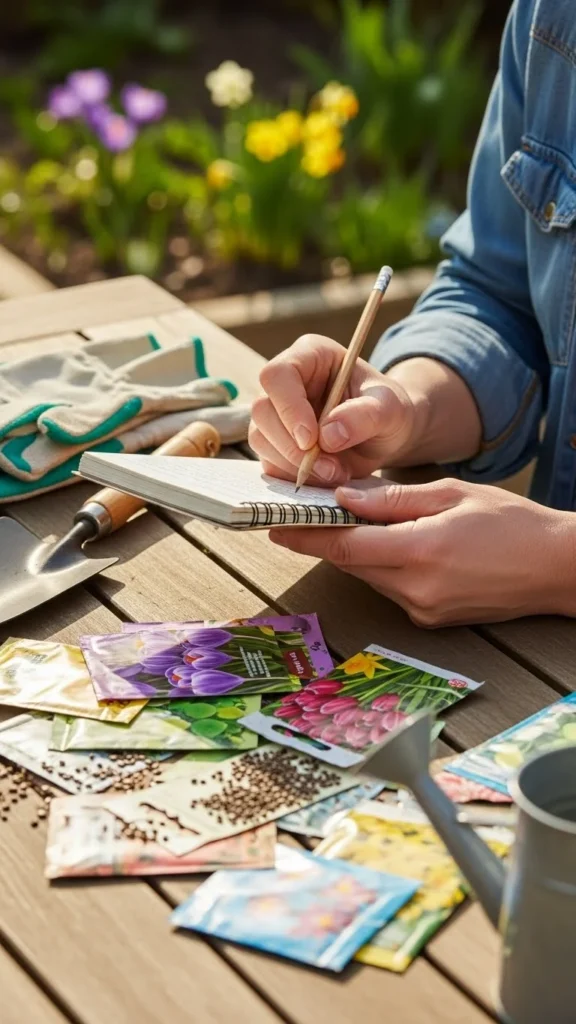
Write planting dates on one page. Include frost dates and staggered planting times. A single list prevents repeated calendar checks.
Clear dates help tasks stay organized without daily planning.
8. Use One Soil Mix Across Beds
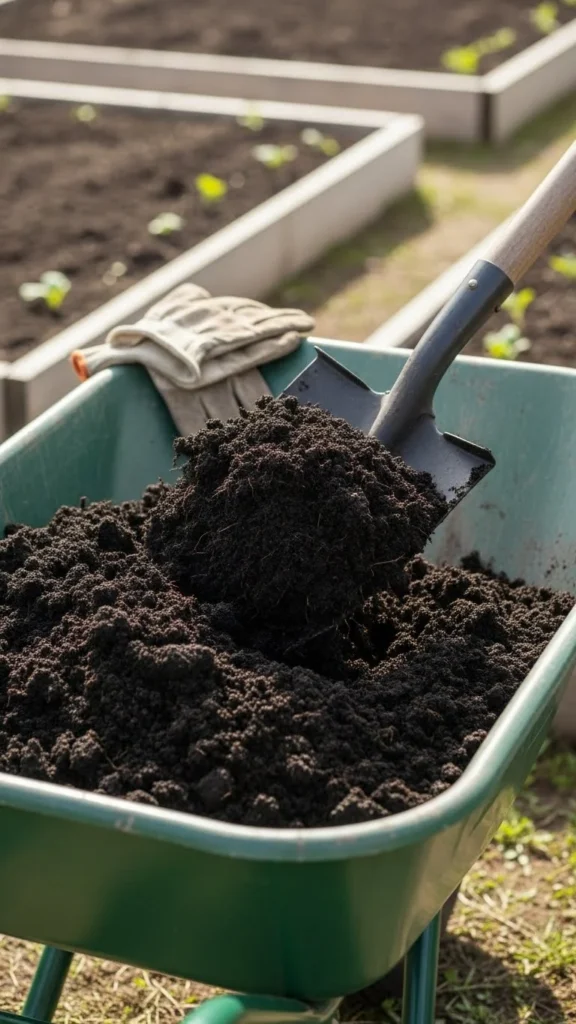
Using one soil mix saves preparation time. Blend compost and garden soil in bulk. Fill all beds at once.
Uniform soil simplifies feeding and watering routines later.
9. Install Supports Early
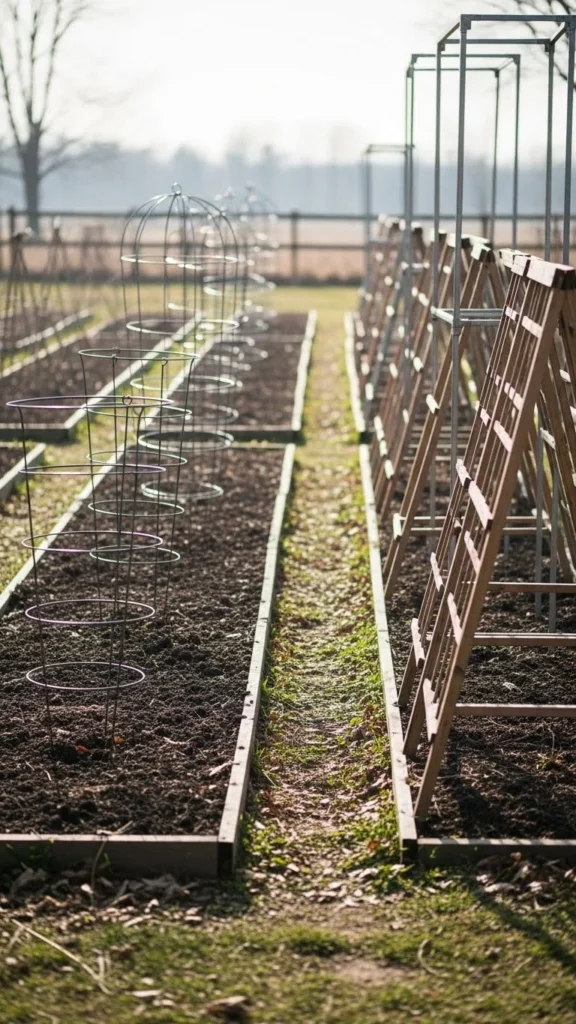
Placing cages and trellises before planting saves time later. Early setup avoids root disturbance and rushed work.
Supports become part of the layout instead of last-minute fixes.
10. Choose Long-Lasting Mulch Materials
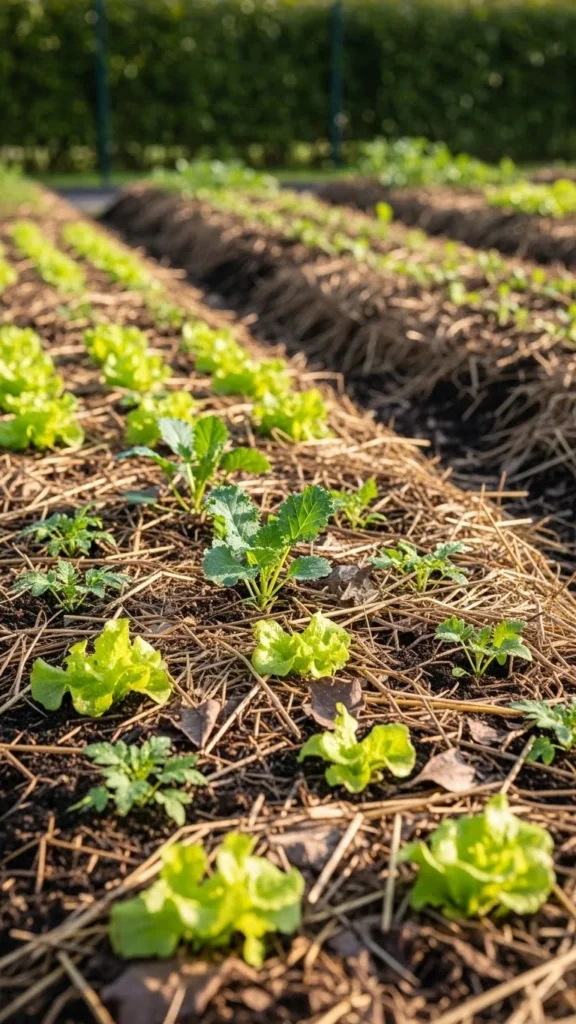
Mulch once instead of repeatedly. Straw, leaves, or wood chips break down slowly. This cuts back on frequent reapplication.
Early mulching keeps beds neat and reduces weekly tasks.
11. Batch Garden Tasks by Day
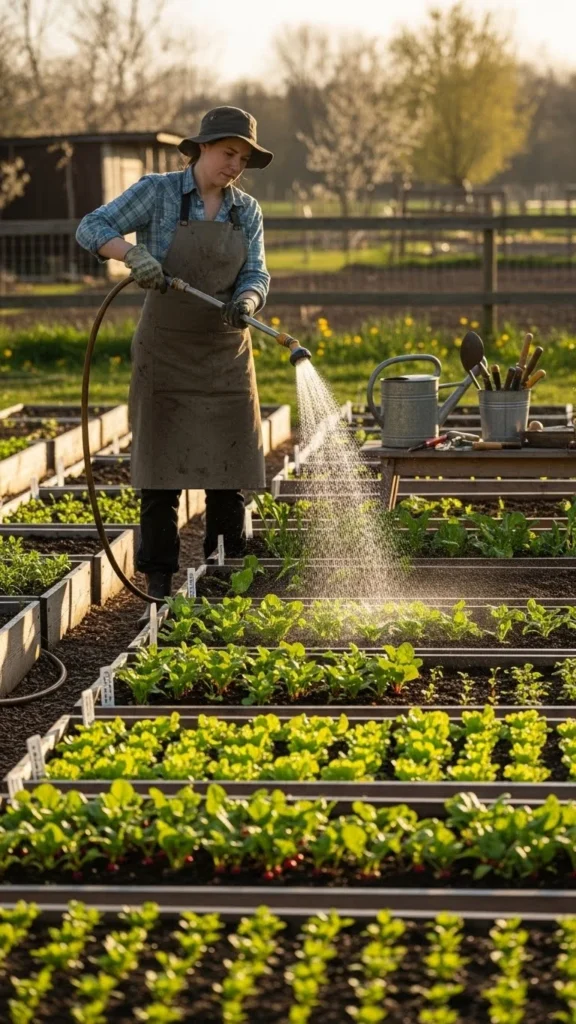
Assign tasks to specific days. Watering one day. Harvesting another. This avoids constant switching between jobs.
Batching keeps routines quick and predictable.
12. Label Beds Instead of Individual Plants
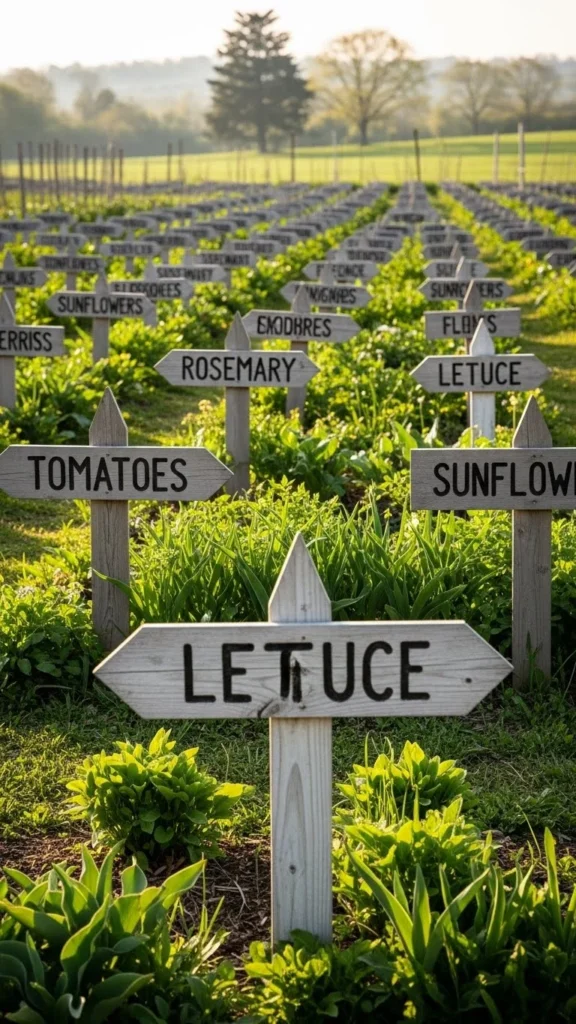
Bed labels save time compared to labeling every plant. Write crop names and planting dates once per bed.
This keeps tracking simple and readable.
13. Reserve Space for Successive Planting
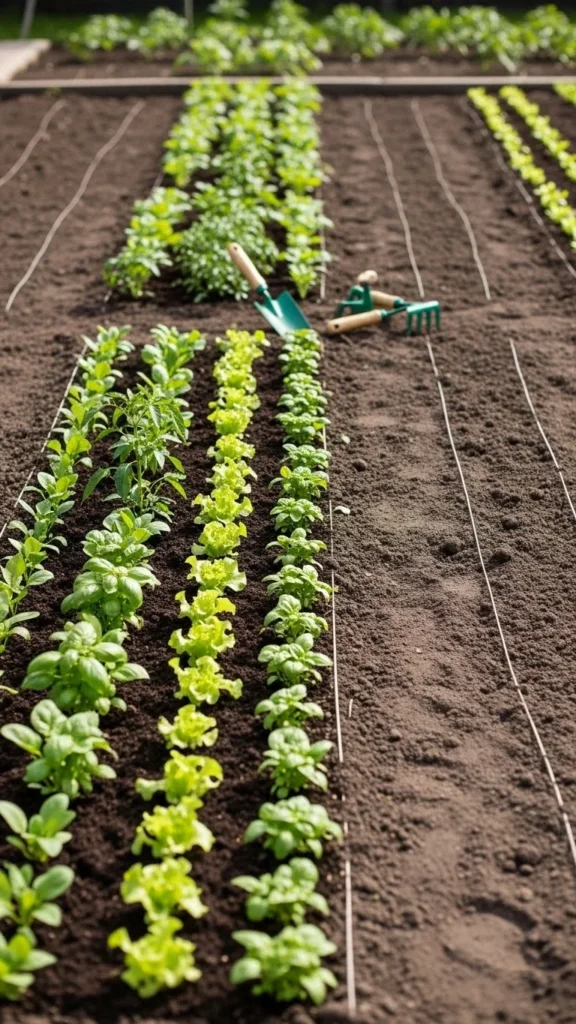
Leaving open space allows quick replanting after harvest. Greens and radishes fit well here.
Reserved space prevents scrambling later.
14. Keep Tools Near the Garden
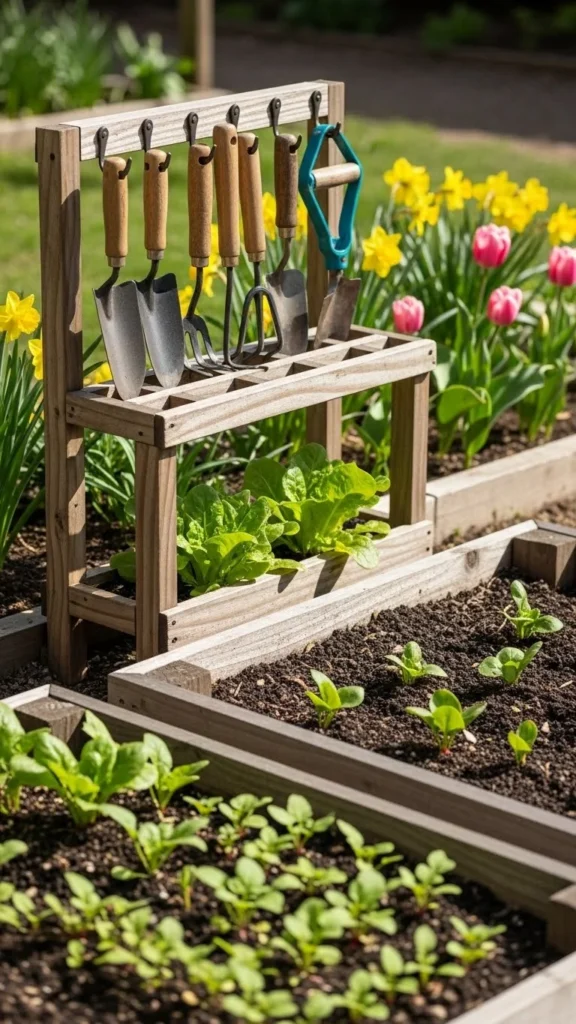
Store tools close to beds. A small bucket or hook system works well.
Shorter trips mean quicker tasks.
15. Use One Watering Method
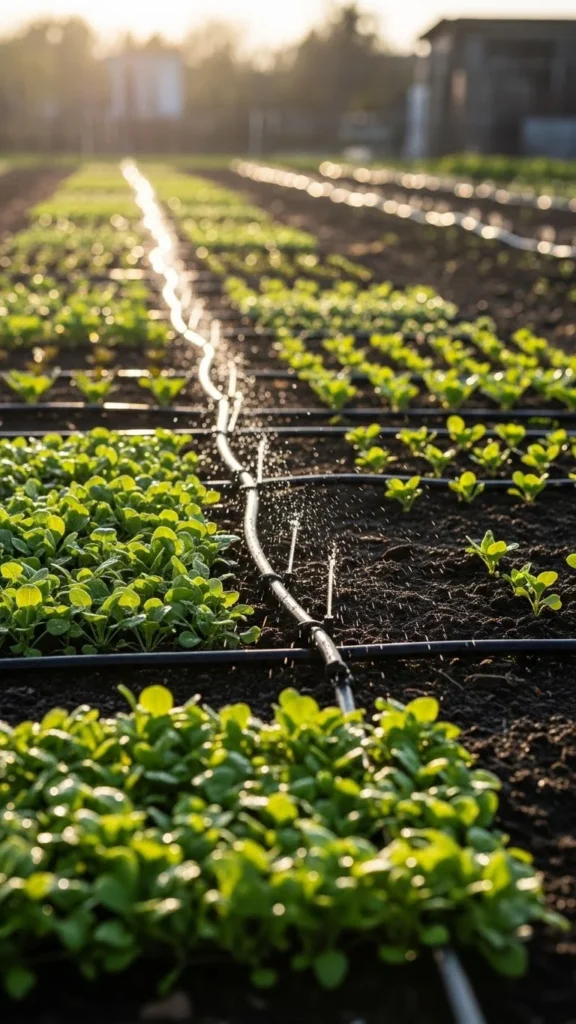
Stick to one watering method. Soaker hoses or drip lines reduce setup time.
Consistency speeds daily care.
16. Track Growth Weekly, Not Daily
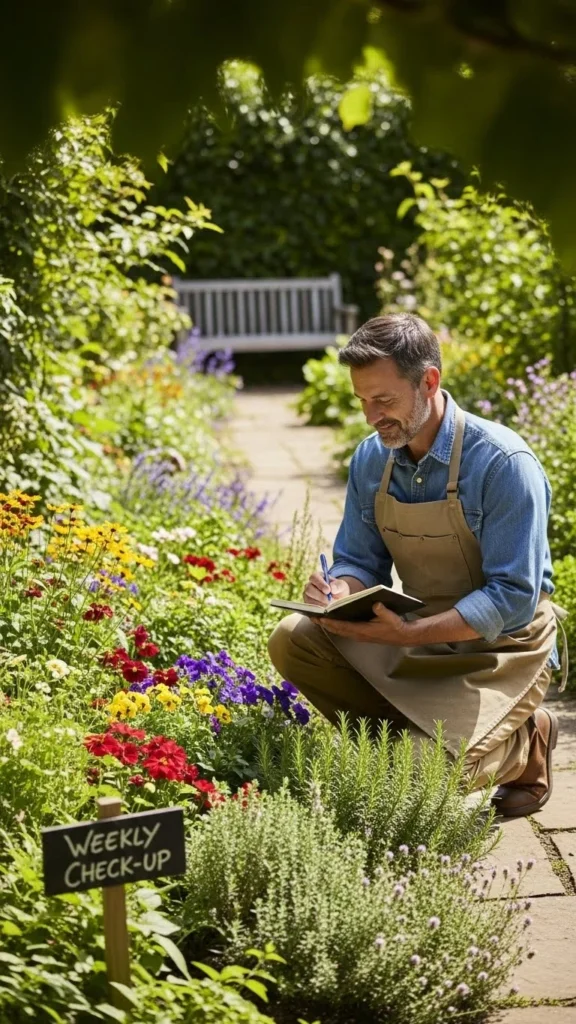
Weekly check-ins save time. Daily checks often lead to unnecessary adjustments.
Notes help spot trends without overthinking.
17. Plant in Straight Rows
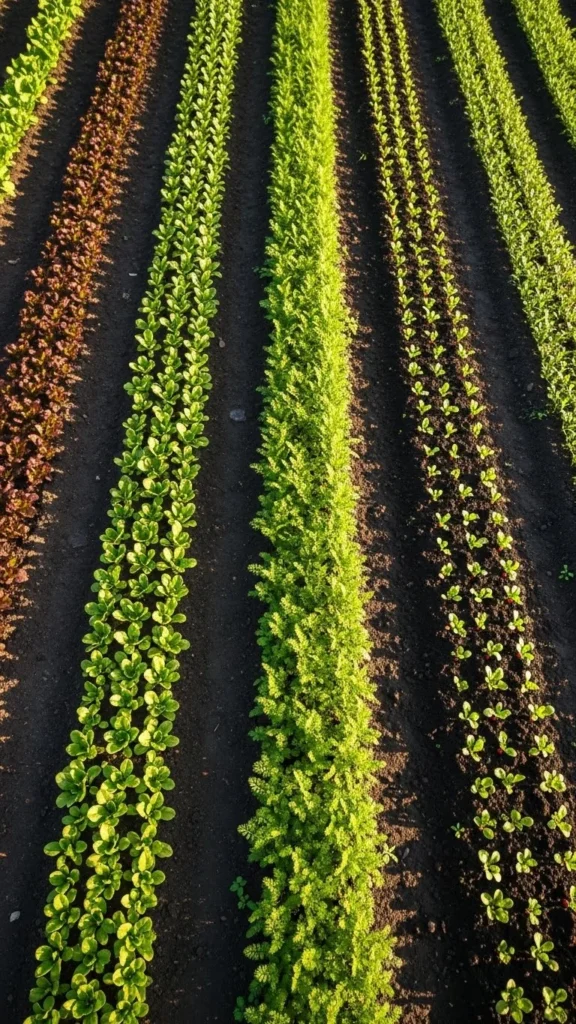
Straight rows speed planting and weeding. Use string or a board as a guide.
Orderly beds reduce time spent fixing spacing.
18. Combine Flowers and Vegetables Thoughtfully
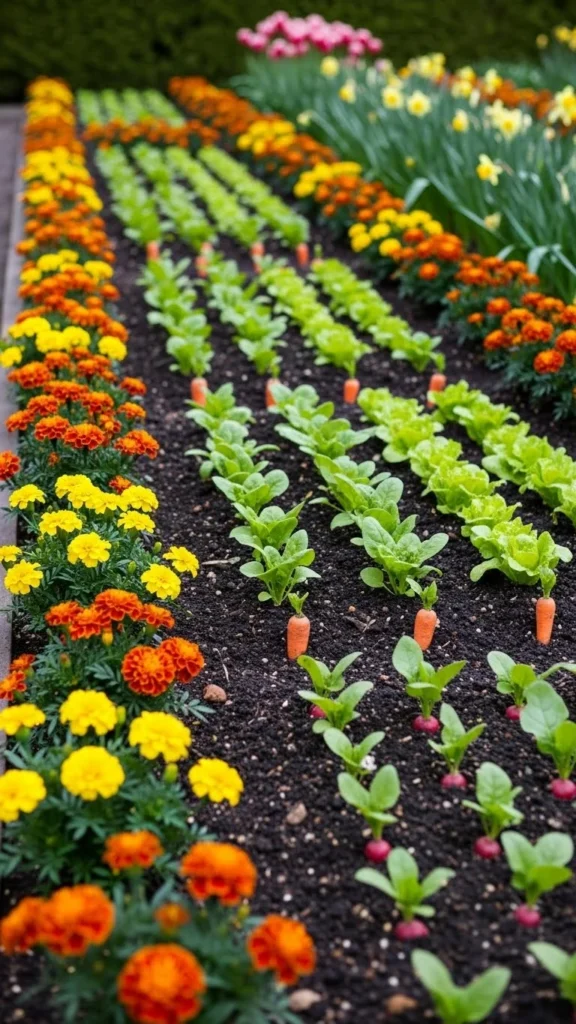
Place flowers along edges rather than scattered. This keeps care routines simple while supporting pollinators.
Clear zones reduce confusion.
19. Use Raised Beds for High-Maintenance Crops
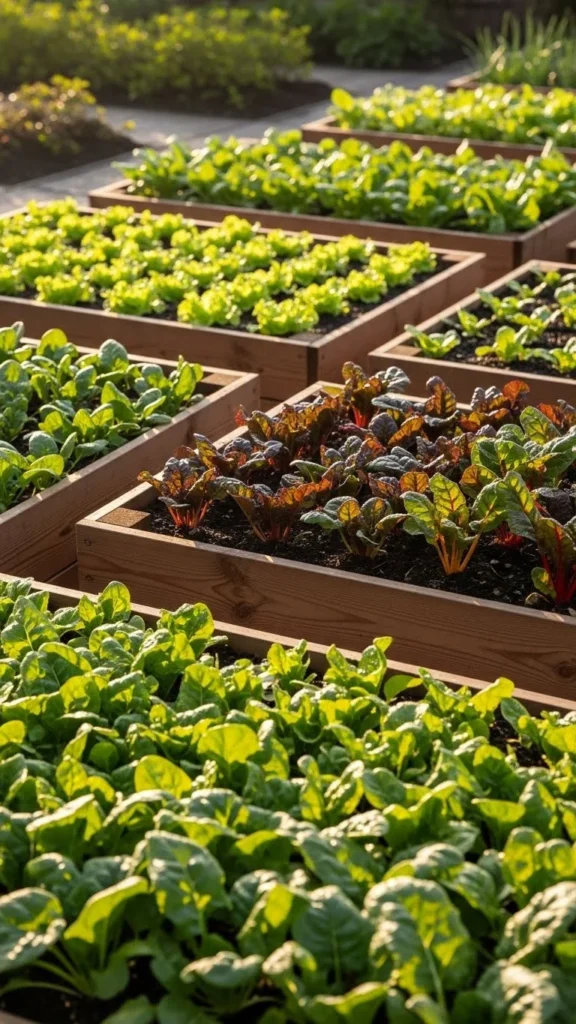
Greens benefit from raised beds. Easier access speeds harvesting and watering.
High-use crops stay easy to reach.
20. Compost Near the Garden
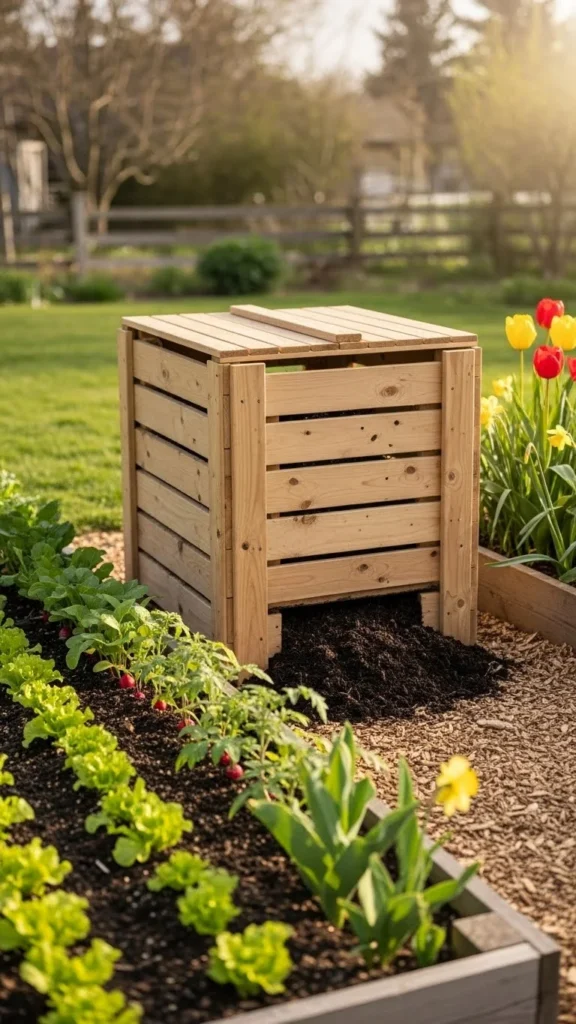
A nearby compost pile saves steps. Kitchen scraps return to beds quickly.
Short distance means consistent use.
21. Plan Harvest Storage Early
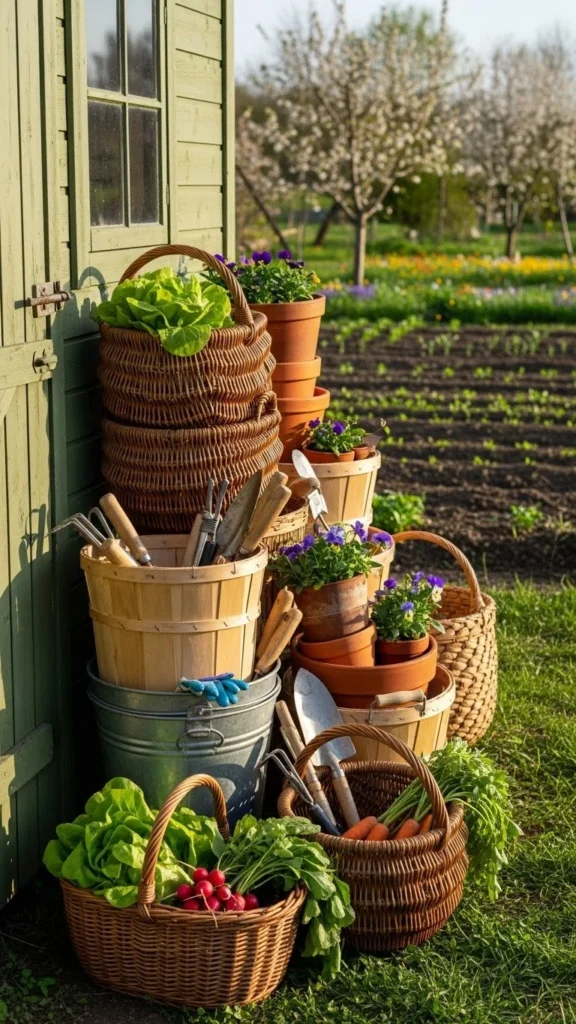
Having baskets ready avoids searching mid-harvest. Keep containers nearby.
Prepared storage saves time during peak weeks.
22. Stick With Proven Varieties
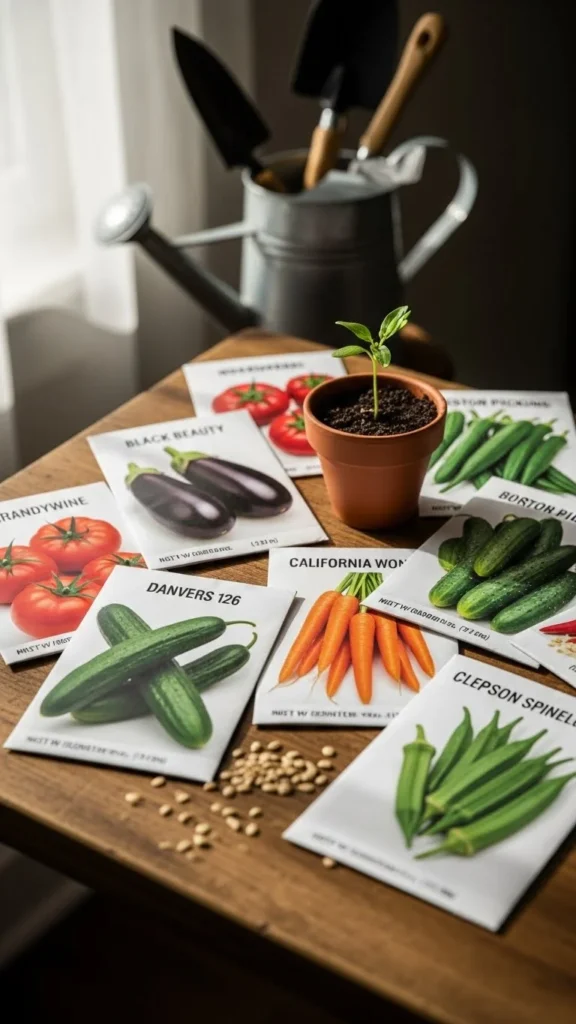
Repeat vegetables that grew well before. Familiar crops reduce trial-and-error.
Reliability simplifies care routines.
23. Avoid Overplanting Early
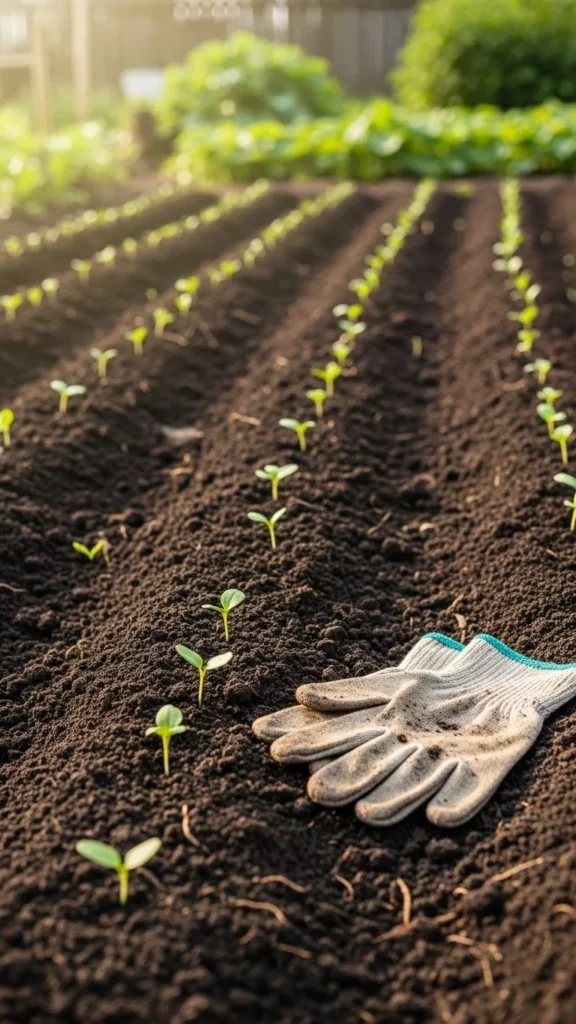
Planting less at first leaves room to adjust. Extra space helps airflow and access.
Gradual planting keeps work manageable.
24. Create One Central Supply Area
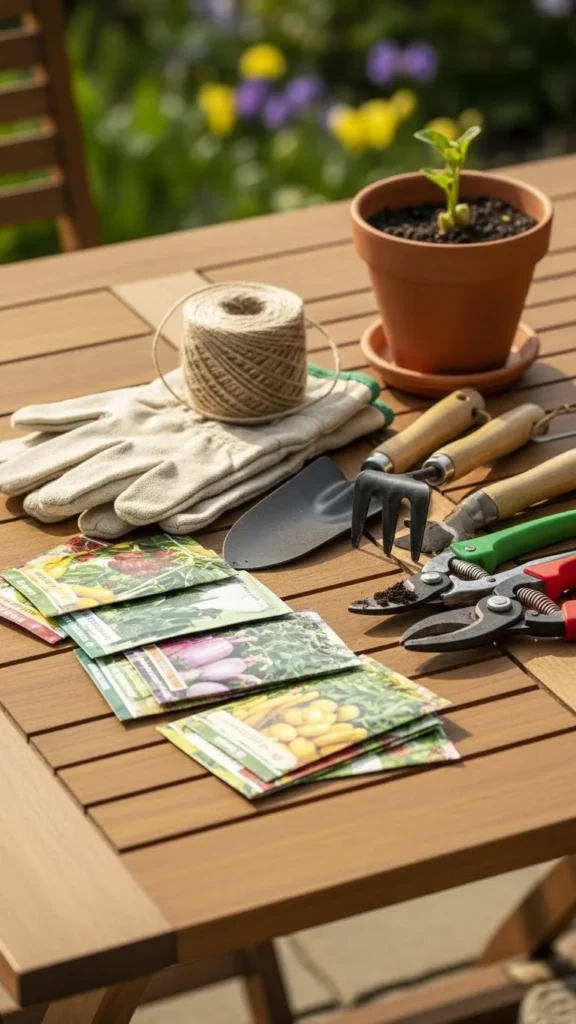
Keep supplies in one spot. Searching wastes time.
A simple table or bin keeps tasks flowing.
25. Schedule Cleanup Days
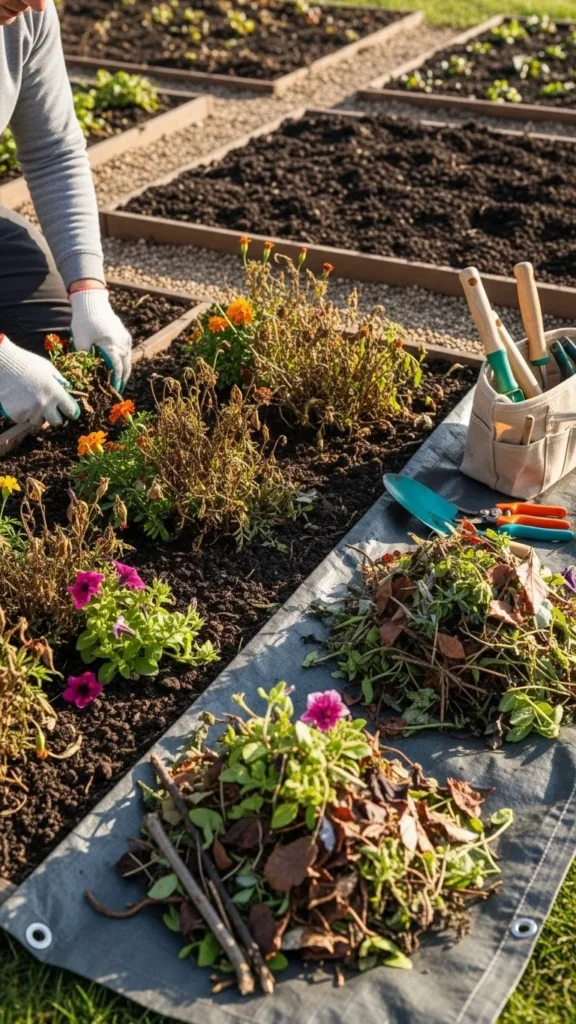
Planned cleanup days prevent buildup. Clearing beds weekly keeps tasks short.
Regular cleanup avoids major overhauls.
26. Keep Notes for Next Spring
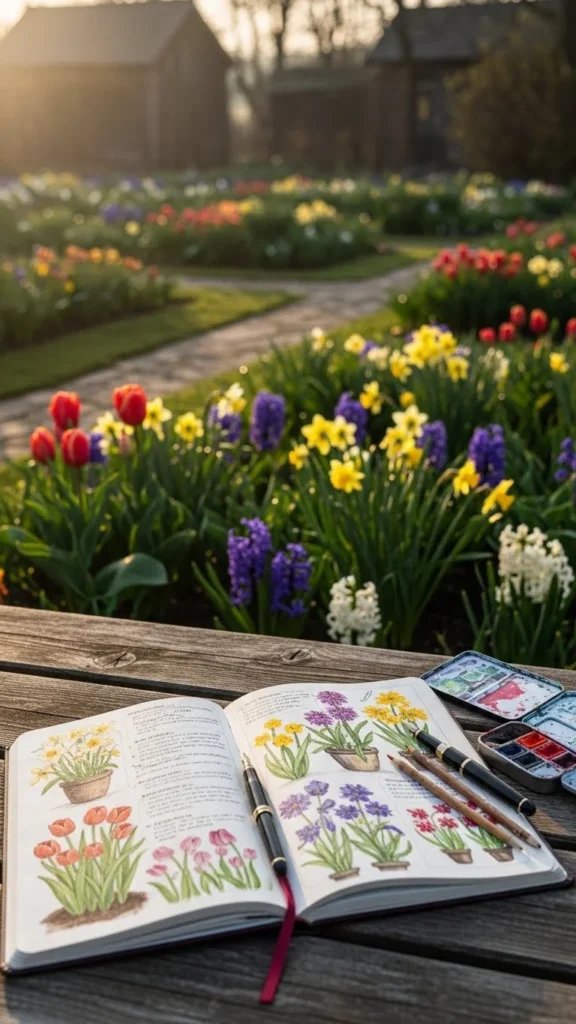
Simple notes guide future planning. Write what worked and what didn’t.
These records shorten planning time year after year.
Conclusion
Smart spring garden planning reduces repeated work and keeps routines simple. Clear layouts, grouped tasks, and basic notes help gardens stay organized without extra effort. Choose a few ideas that fit your space, apply them early, and let your garden run smoothly all season long.
Leave a Reply