

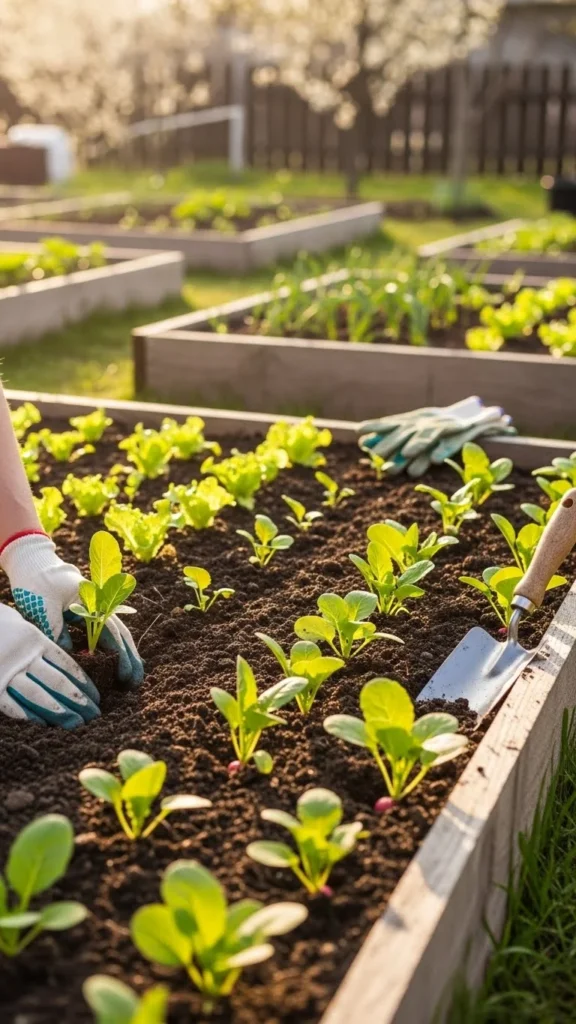
Spring vegetable gardening sets the direction for the entire growing season. Early habits affect plant strength, workload, and how much food you harvest later. With simple preparation and steady routines, even small gardens can produce generously. The tips below focus on practical actions that work for home gardeners using basic tools, everyday materials, and realistic schedules.
1. Prepare Soil Before Planting Day
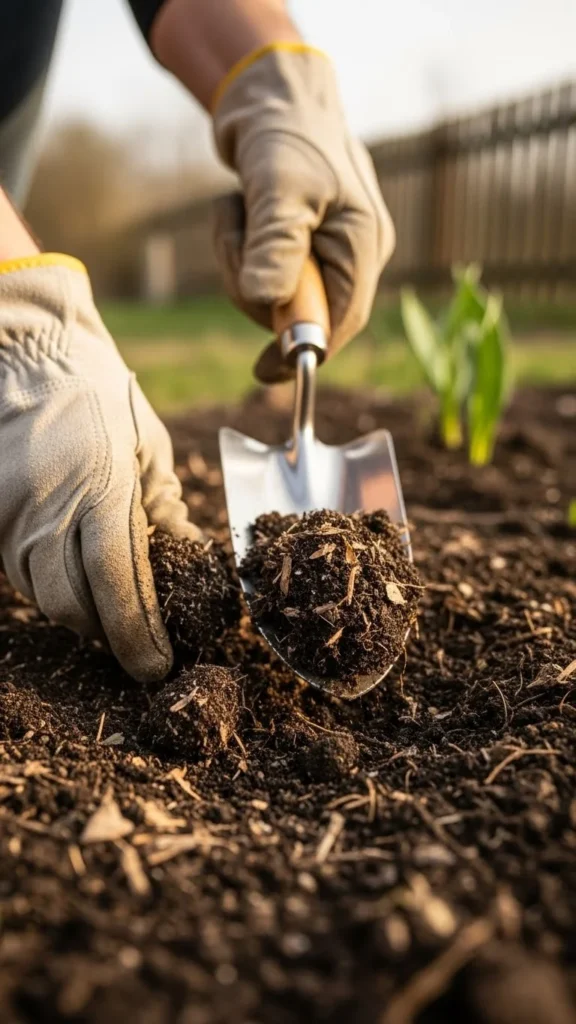
Healthy soil supports steady growth from the start. Loosen the top 8–10 inches using a shovel or garden fork. Break compacted areas so roots can spread easily. Mix in compost made from kitchen scraps, leaves, or grass clippings. Even a thin layer improves structure and moisture balance.
Avoid working soil when it feels wet and sticky. Squeeze a handful. If it crumbles, it’s ready. If it stays clumped, wait a few days. Rake the surface smooth to help seeds settle evenly. Early soil prep reduces problems later and makes planting smoother.
2. Choose Vegetables That Match Your Climate
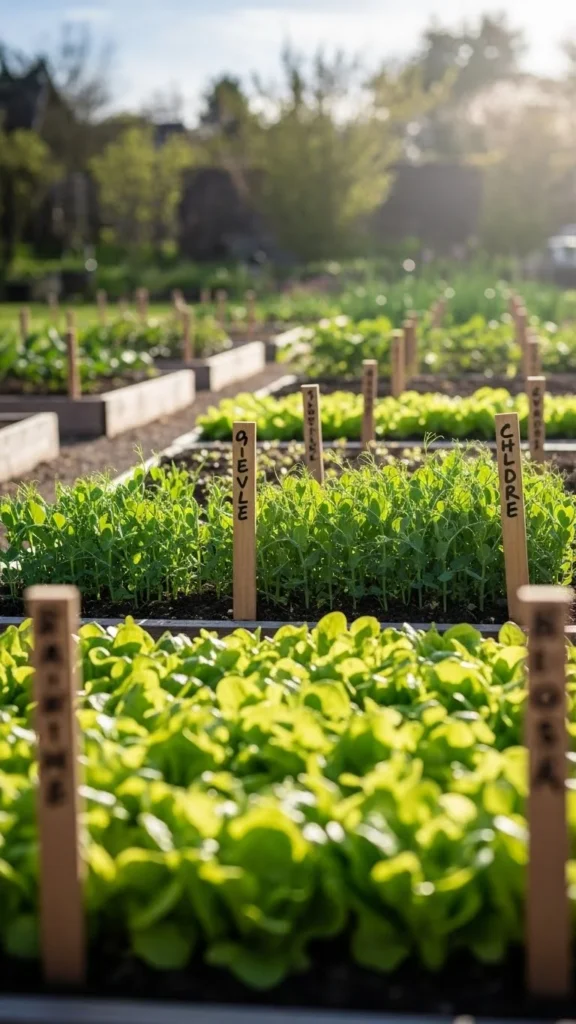
Planting crops suited to local temperatures keeps growth steady. Cool-season vegetables handle chilly nights, while warm-season plants stall if planted too soon. Check average frost dates for your area using free extension resources.
Stick with varieties labeled for your region. They adapt better to local weather patterns. Matching vegetables to climate reduces wasted seeds and lowers maintenance throughout the season.
3. Start Seeds Indoors Using Reused Containers
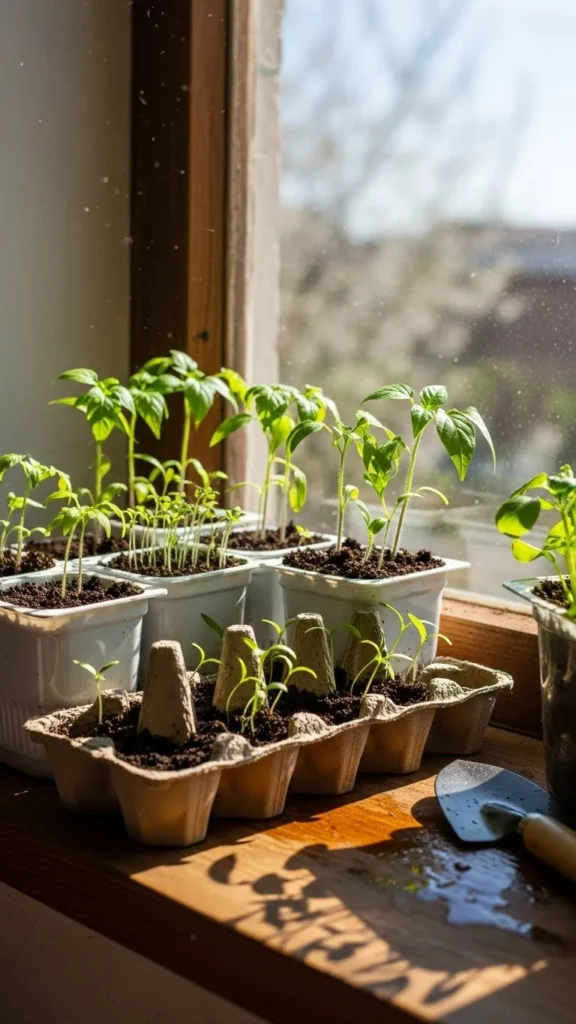
Seed starting does not require special equipment. Reuse yogurt cups, egg cartons, or takeout containers. Add drainage holes and fill with seed-starting mix or sifted compost. Place near a bright window and rotate containers daily.
Water lightly to keep soil damp, not soaked. Strong seedlings adjust better outdoors and give plants a head start without added expense.
4. Harden Off Seedlings Slowly
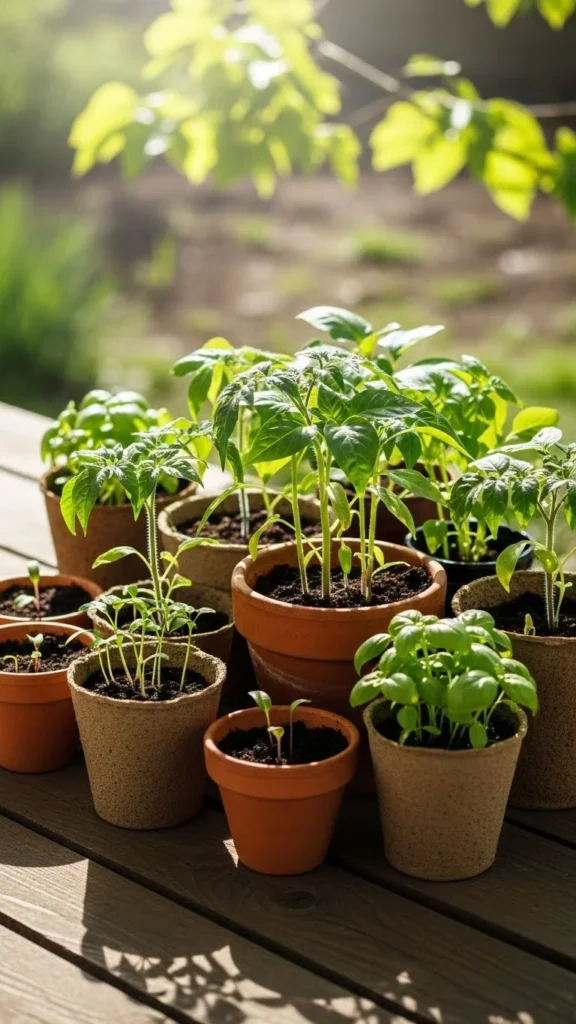
Indoor seedlings need time to adjust. Start with one hour outdoors in shade. Increase exposure daily over a week. Protect from strong wind and cold nights.
This step prevents leaf damage and helps plants settle faster once transplanted into the garden.
5. Use Raised Beds for Earlier Planting
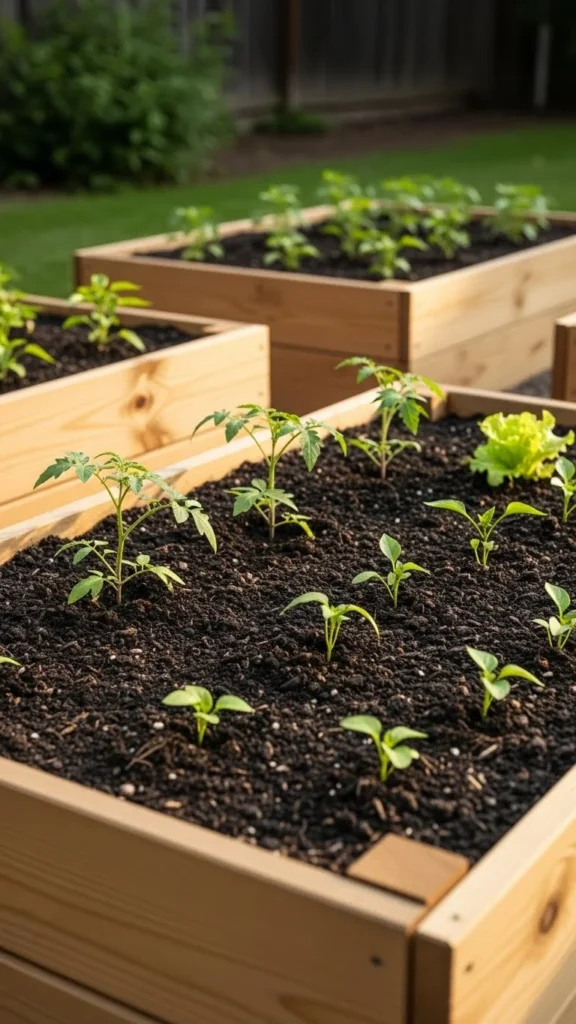
Raised beds warm faster than ground soil. They drain better and dry sooner after rain. Even low frames built from scrap wood improve spring planting conditions.
Warmer soil encourages root growth and allows earlier planting without extra tools.
6. Space Plants for Healthy Growth
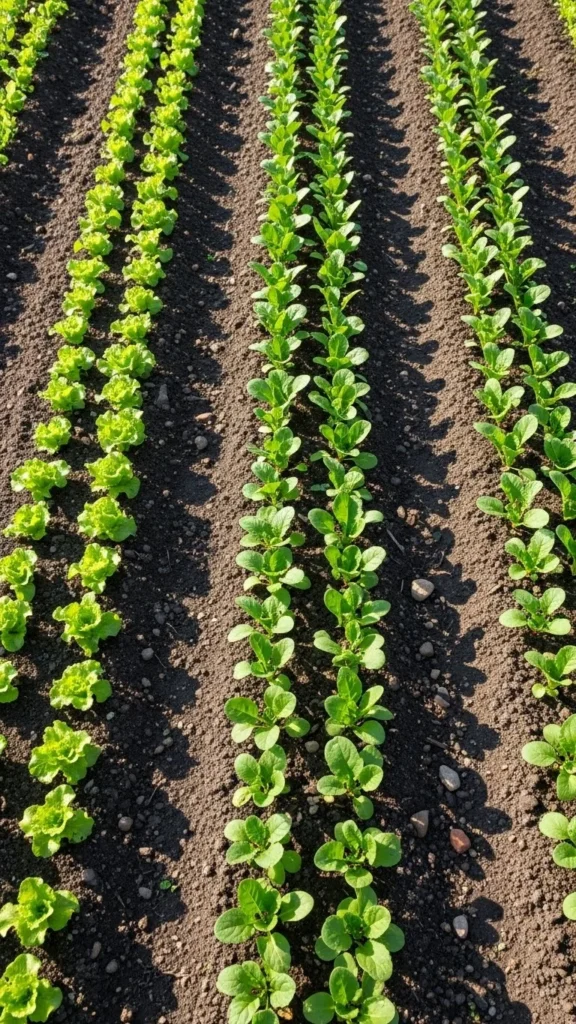
Crowded plants compete for water and light. Follow spacing guidelines on seed packets. Extra space improves airflow and lowers disease pressure.
Well-spaced plants grow stronger and are easier to water, weed, and harvest.
7. Mulch Early to Reduce Weeds
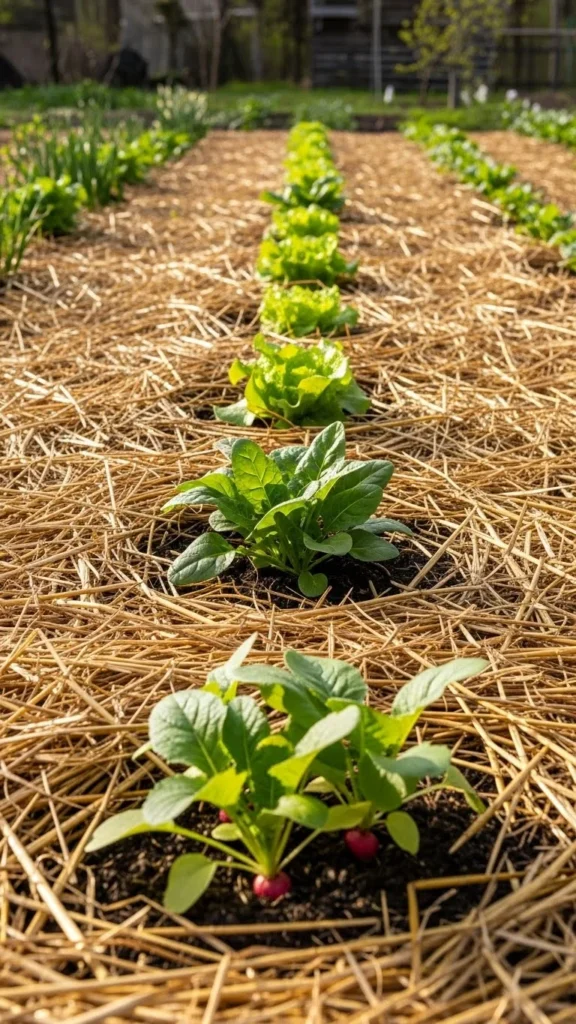
Apply mulch soon after planting. Straw, shredded leaves, or grass clippings block weeds and slow moisture loss. Free yard materials work just as well as store-bought mulch.
Mulching early saves time and keeps beds tidy.
8. Water Deeply Instead of Daily
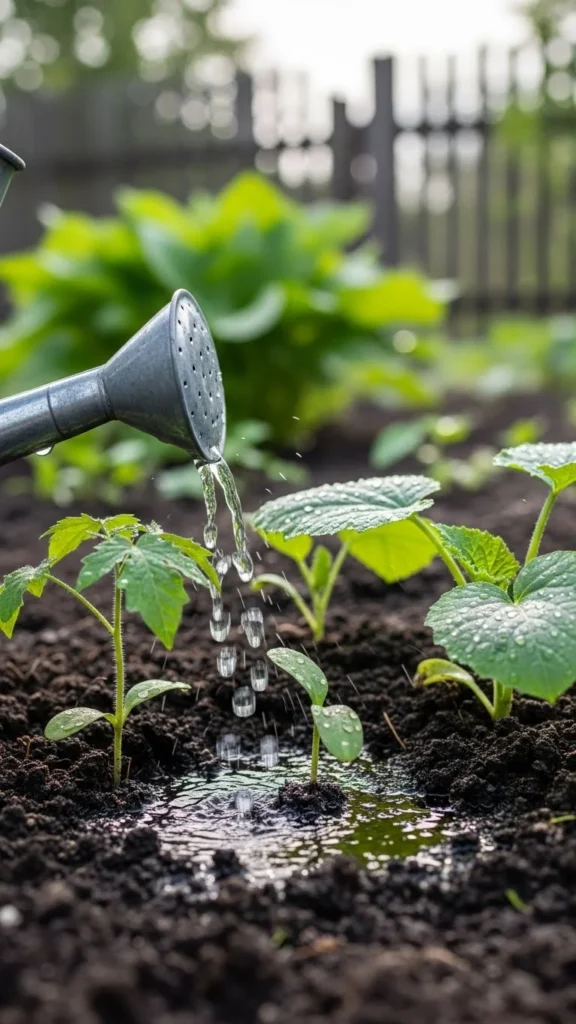
Deep watering encourages roots to grow downward. Light daily watering keeps roots shallow. Water in the morning so plants absorb moisture before daytime warmth.
This habit saves water and supports steady plant growth.
9. Rotate Crops Each Spring
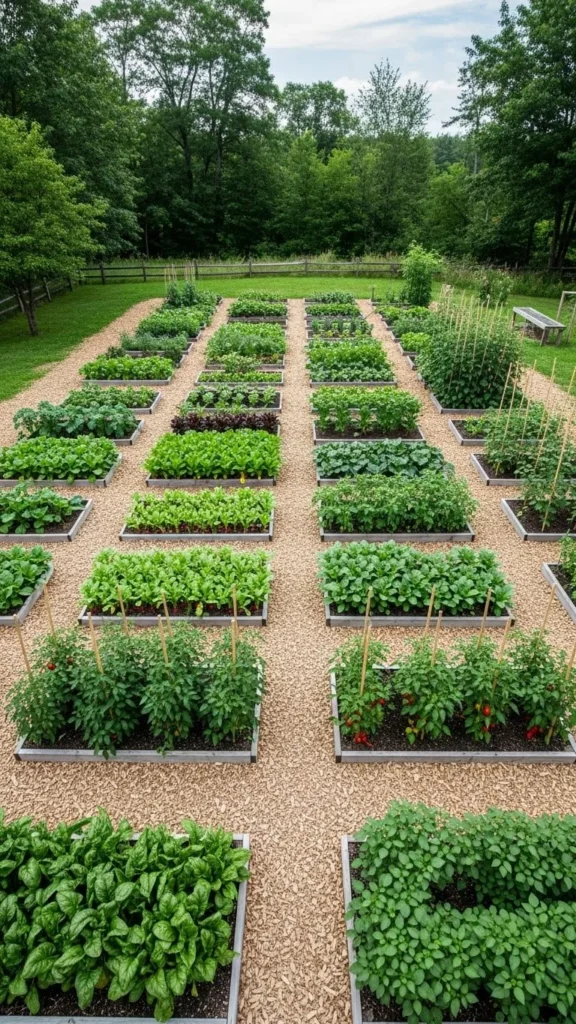
Avoid planting the same vegetables in the same spot every year. Rotation helps soil stay balanced and lowers recurring problems. Keep simple notes or photos from last season to guide placement.
10. Install Supports Before Plants Grow
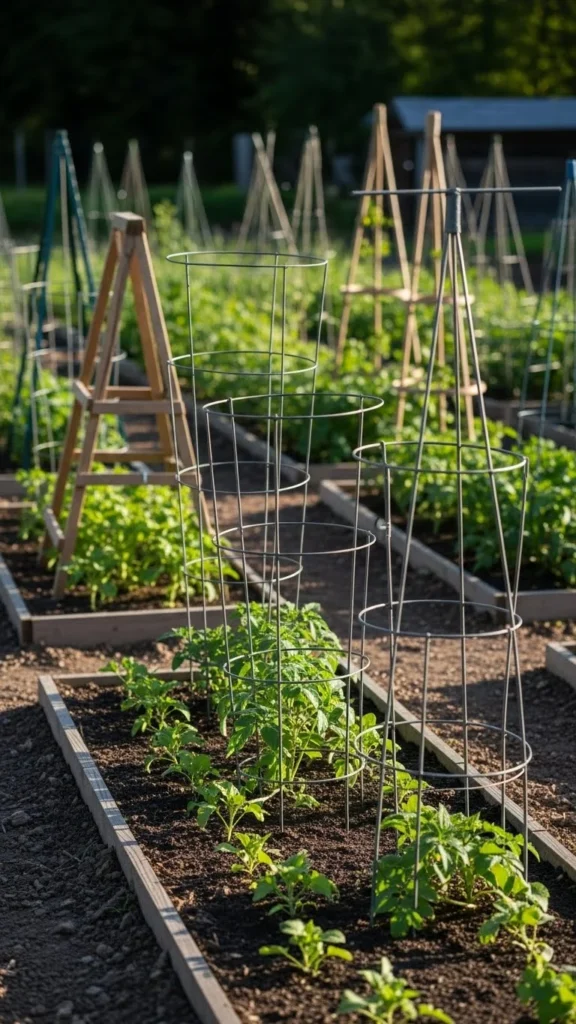
Set up cages and stakes early. Waiting can damage roots later. Early support keeps stems upright and improves airflow around plants.
11. Plant in Stages for Ongoing Harvests
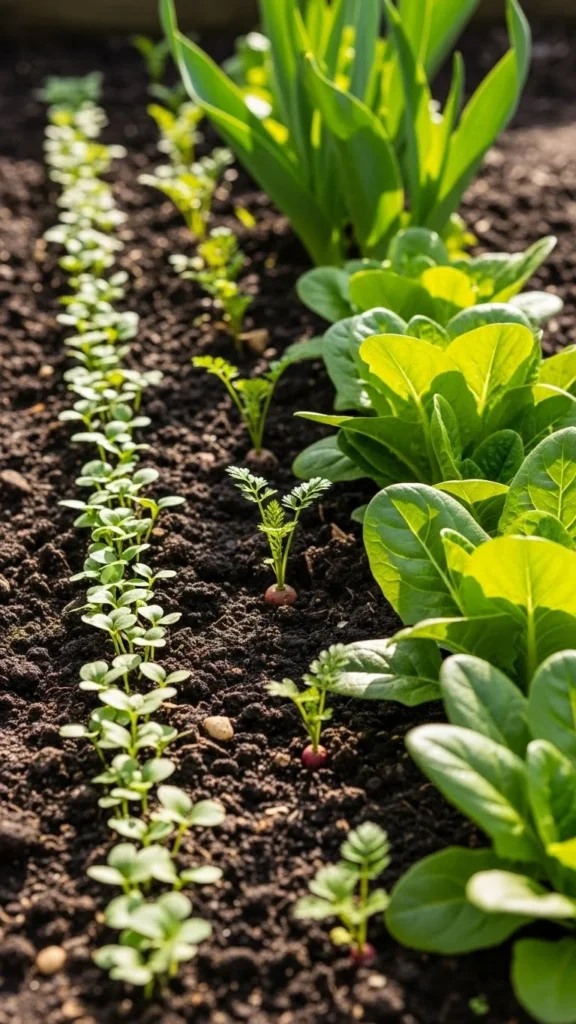
Plant small batches every two weeks. This spreads harvest times and avoids overwhelming yields. Greens, radishes, and beans work well for staggered planting.
12. Label Everything Clearly
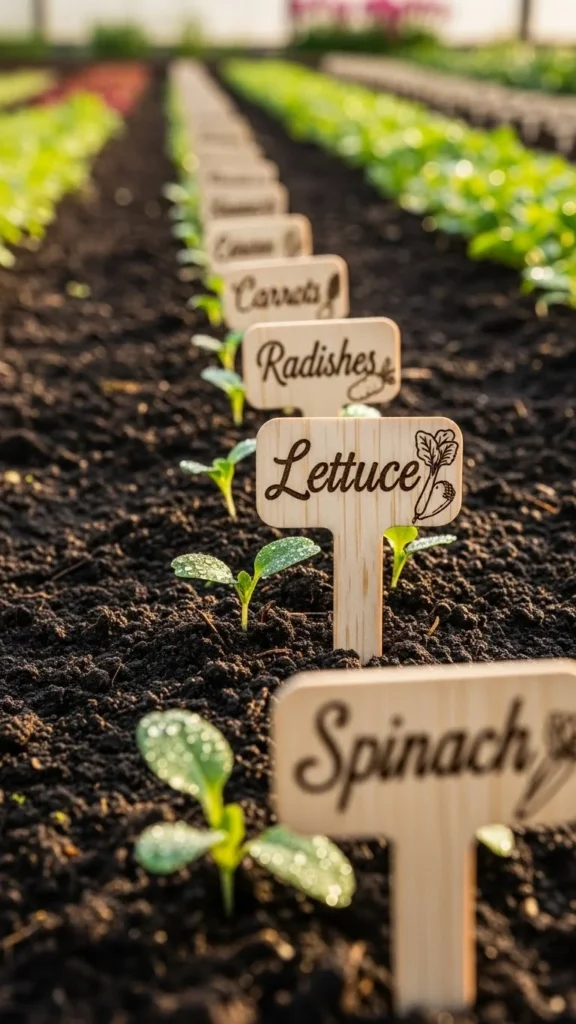
Labels prevent confusion once plants grow. Use sticks, stones, or recycled plastic. Clear labeling helps track spacing, watering, and harvest timing.
13. Feed Soil With Simple Additions
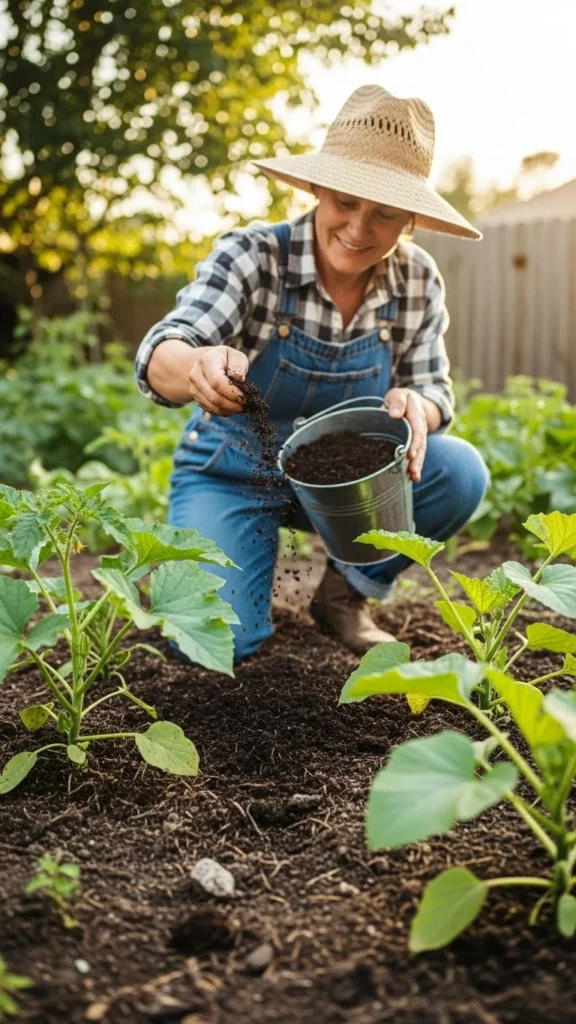
Side-dress plants with compost or diluted compost tea. This adds nutrients gradually without store-bought fertilizers. Kitchen scraps and leaf compost work well.
14. Protect Young Plants From Cold Nights
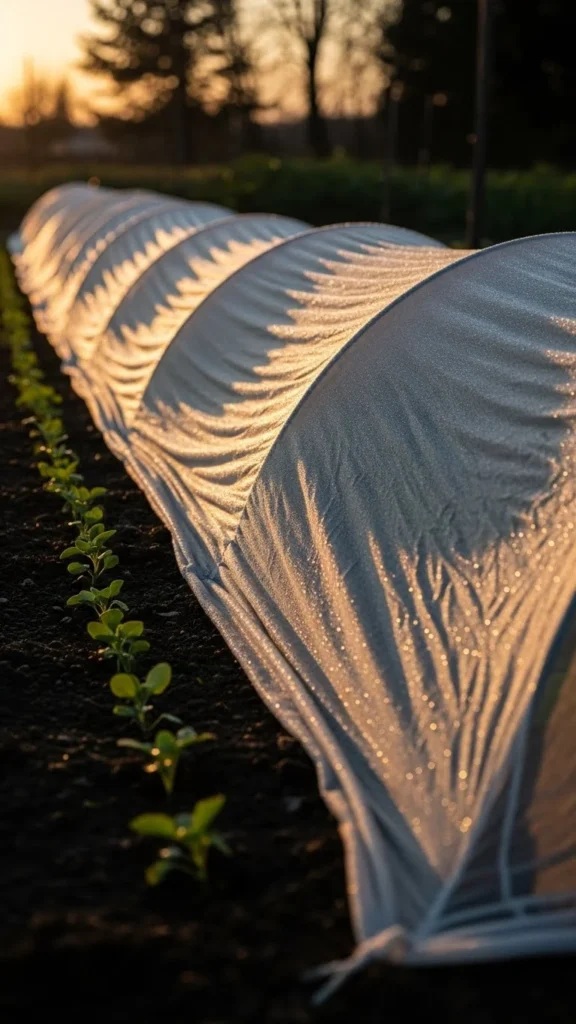
Use old sheets, row covers, or buckets to protect plants during cold snaps. Remove covers in the morning. Simple protection prevents setbacks in early growth.
15. Keep Paths Clear and Dry
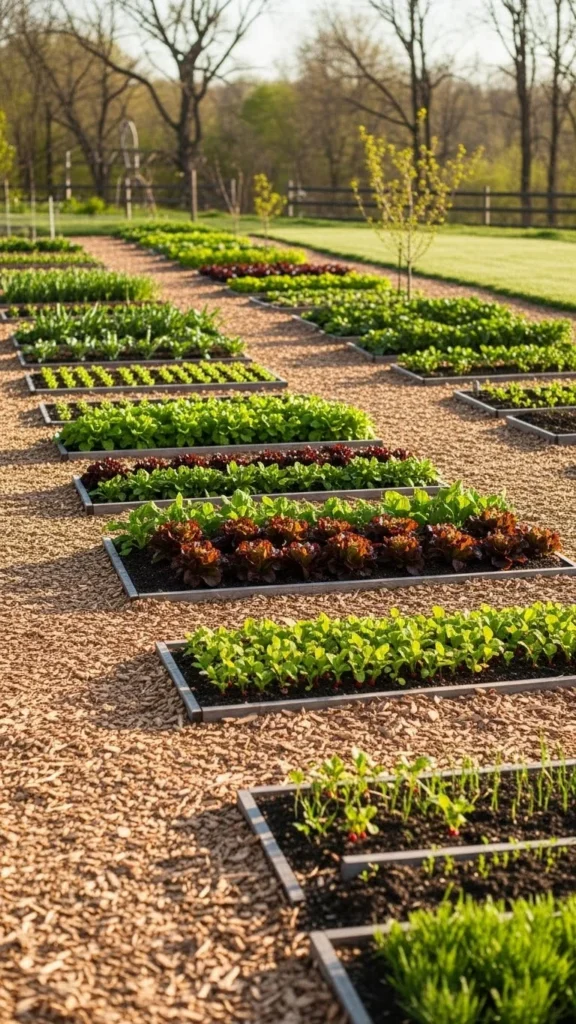
Clear paths make watering and harvesting easier. Use cardboard, wood chips, or straw. Defined paths prevent soil compaction around plants.
16. Prune Early for Strong Structure
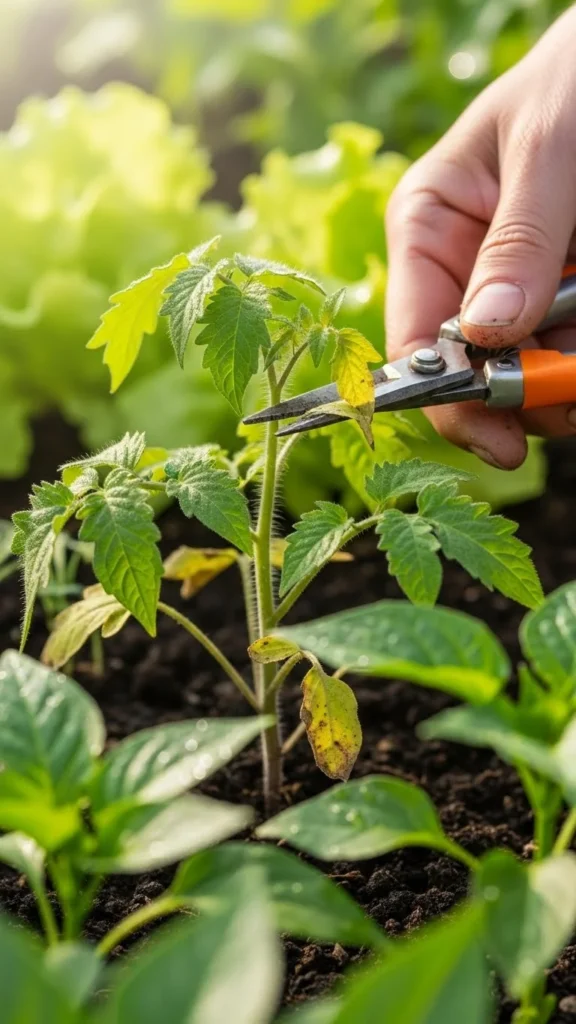
Remove damaged or crowded leaves early. This helps plants focus energy on healthy growth. Use clean scissors or garden snips.
17. Watch Soil Moisture Closely
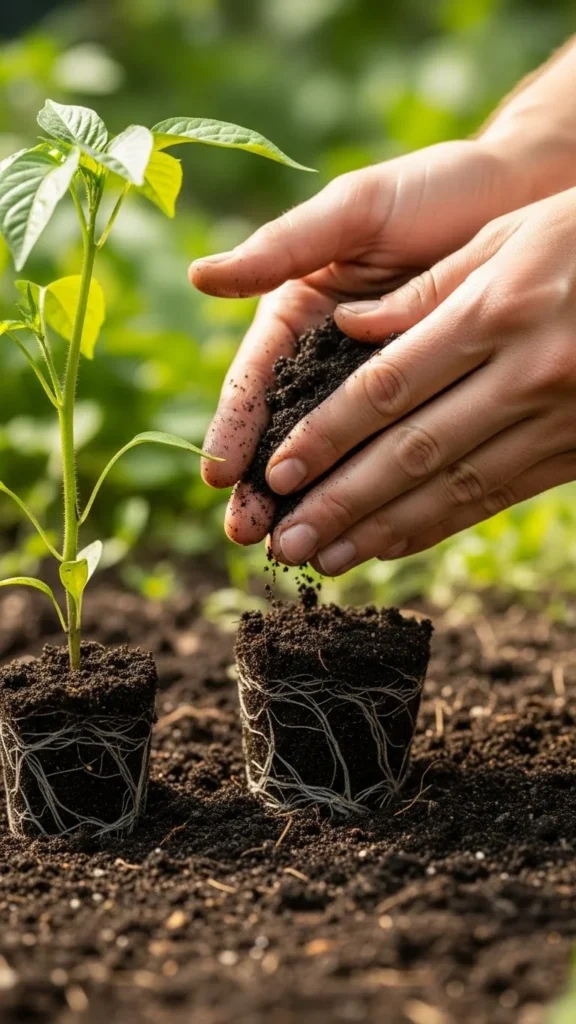
Check soil by hand before watering. Moist soil below the surface means watering can wait. This habit prevents root problems caused by excess moisture.
18. Use Companion Planting Simply
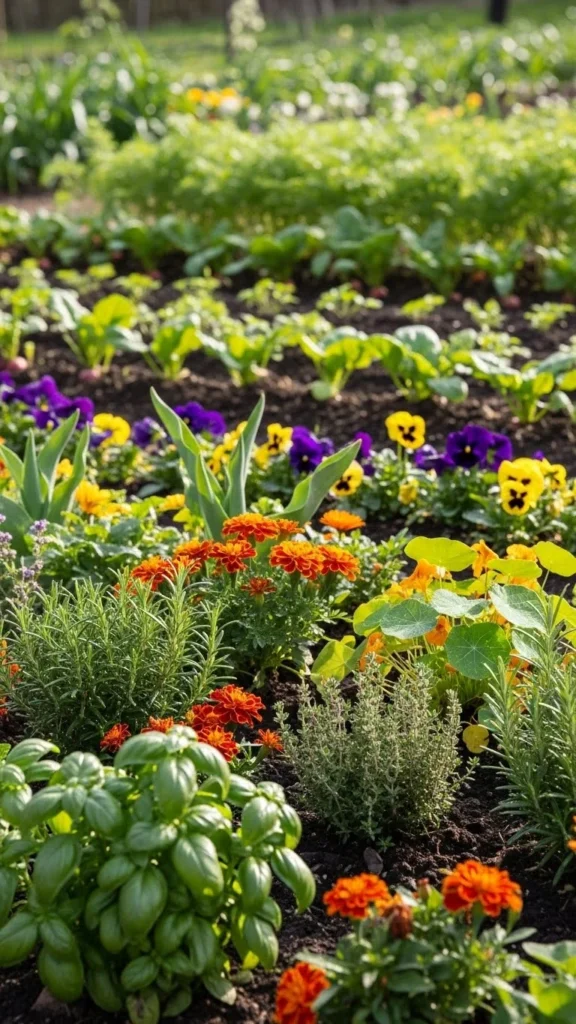
Plant herbs or flowers near vegetables to attract helpful insects. Basil, marigolds, and dill fit easily into small spaces.
19. Thin Seedlings Early
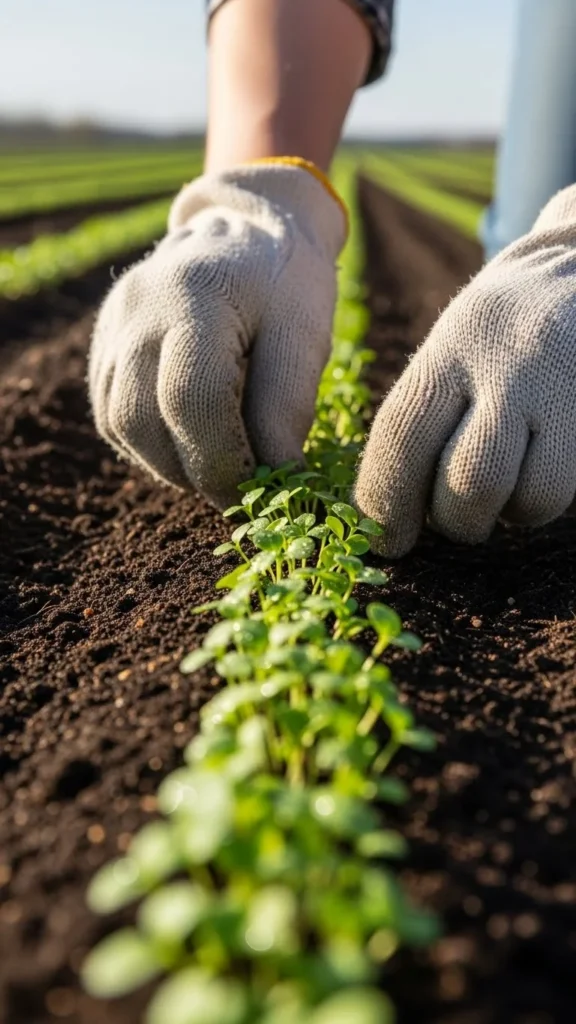
Remove extra seedlings so remaining plants have room. Thinning early reduces competition and leads to stronger growth.
20. Harvest Often to Encourage Growth
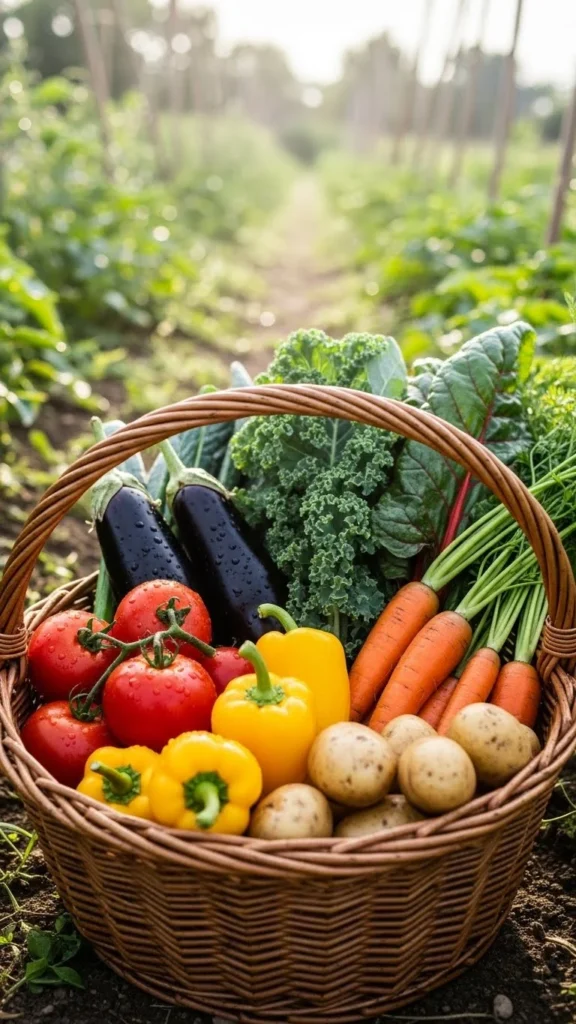
Frequent harvesting encourages plants to keep producing. Pick greens and beans while young for steady yields.
21. Keep Tools Clean and Ready
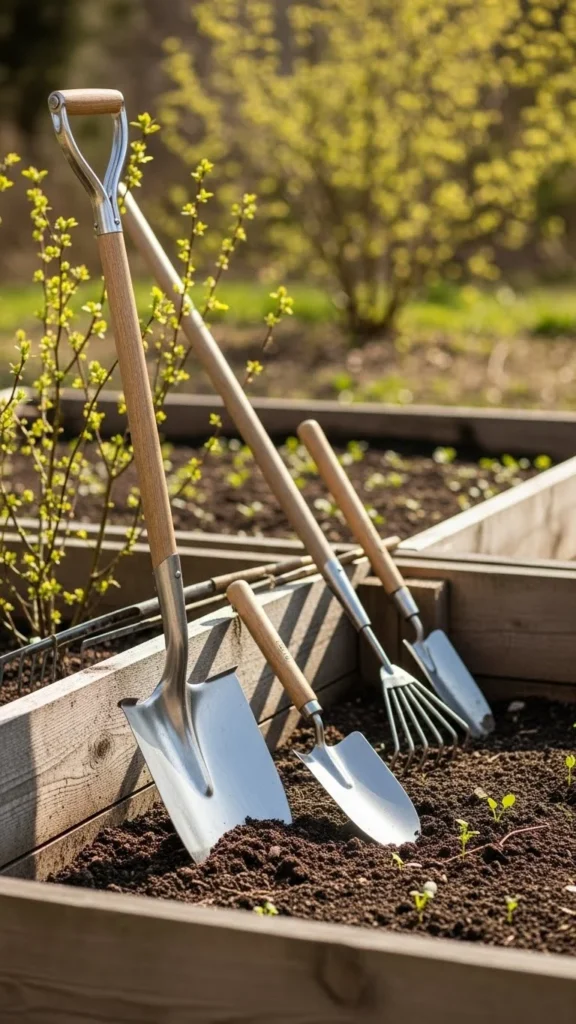
Clean tools prevent spreading problems between plants. A quick rinse after use keeps tools ready and extends their life.
22. Track Plant Progress Weekly
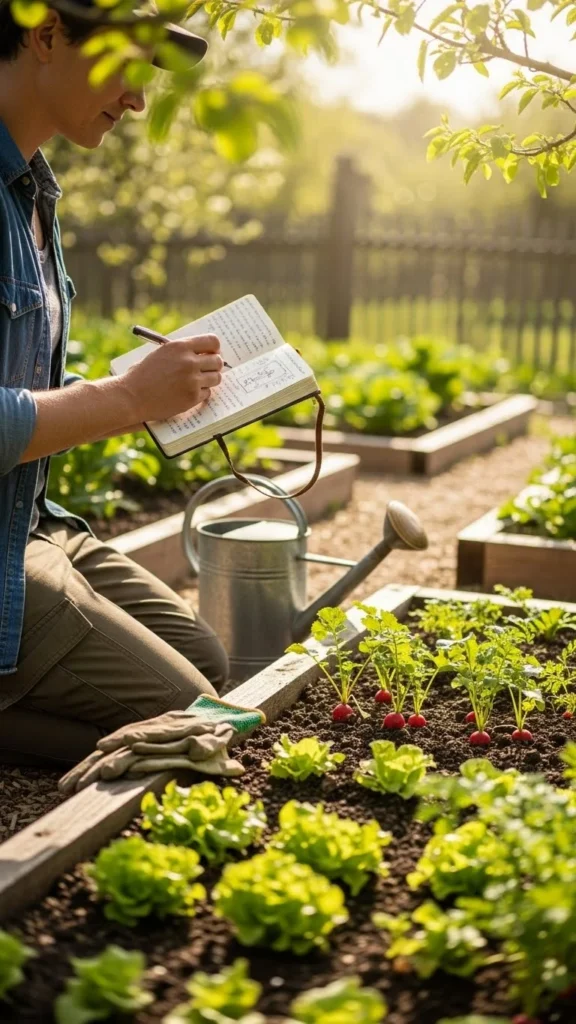
Weekly notes help spot patterns. Track planting dates, weather, and harvest times. Simple records guide future planting decisions.
23. Leave Room for Late Crops
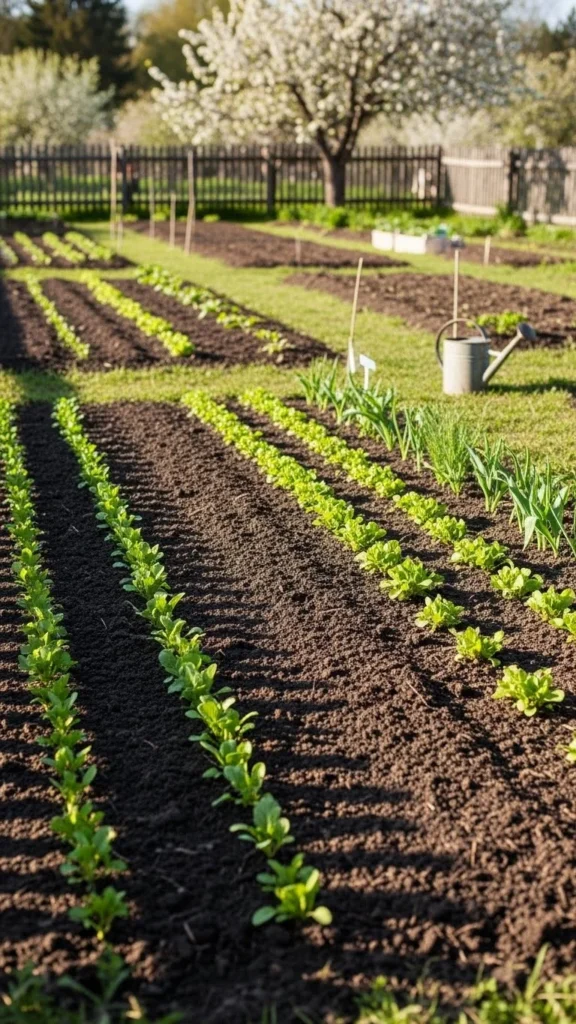
Plan space for summer vegetables. Leaving room avoids overcrowding later and keeps beds organized as the season progresses.
24. Clean Beds After Early Harvests
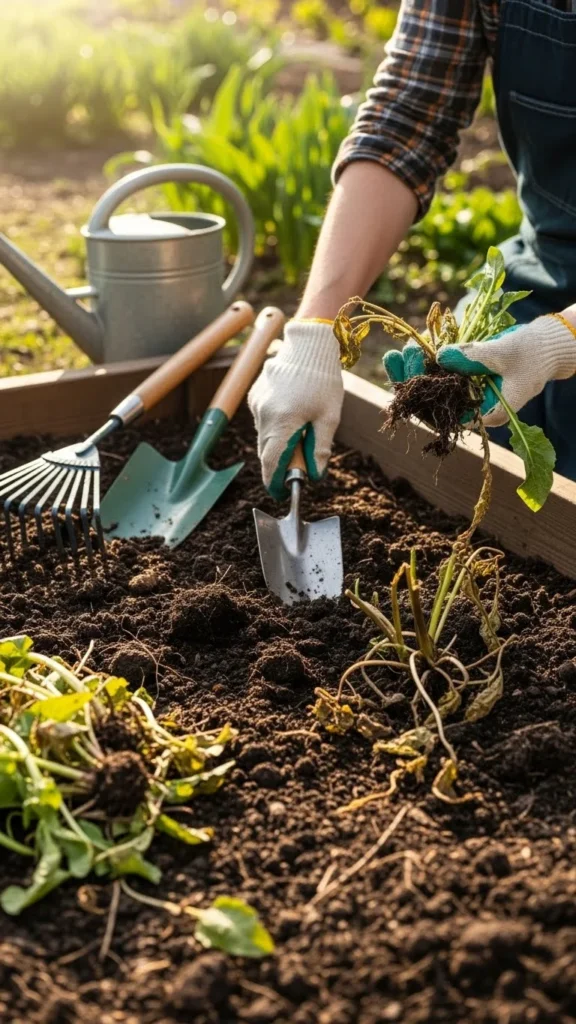
Remove finished plants promptly. Add compost and replant if time allows. Clean beds reduce clutter and prepare soil for the next round.
Conclusion
Spring vegetable gardening rewards steady effort and simple routines. Soil prep, thoughtful spacing, and consistent care shape how plants grow throughout the season. Apply a few of these tips at a time, stay observant, and let your garden build strength week by week toward generous harvests.
Leave a Reply