

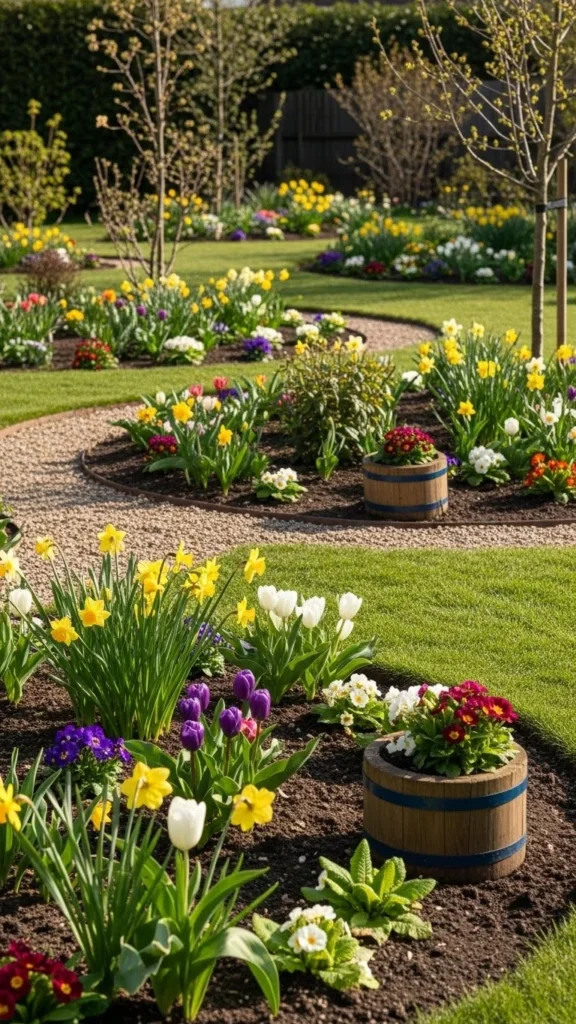
Spring is the season when outdoor spaces change fast with just a few thoughtful updates. You do not need a full redesign or expensive materials to shift how a yard feels. Small creative ideas, when placed well, can reshape the mood, flow, and usability of a garden in days, not months. This list focuses on realistic projects that work for average yards, rental-friendly spaces, and modest budgets. Each idea emphasizes hands-on changes you can complete yourself while letting the season do most of the visual work.
1. Curved Garden Beds Instead of Straight Lines
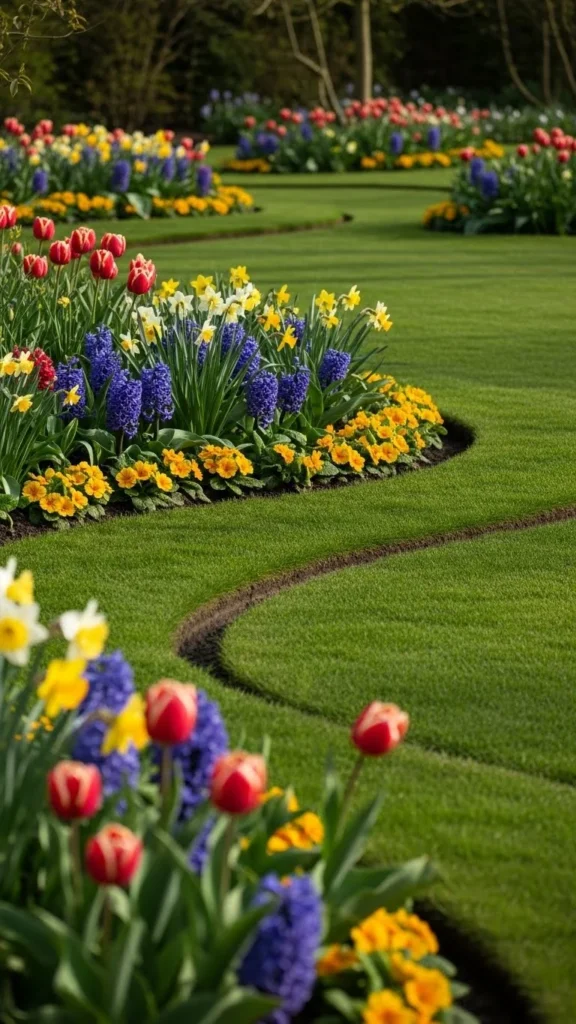
Straight garden beds feel rigid and predictable. Curved edges create movement and soften the space instantly. This change works even in small yards and costs little beyond time.
Use a garden hose or rope to outline curves before cutting. Step back and adjust until it feels natural. Once marked, edge with a spade. No special tools required.
Curves help beds feel larger and more relaxed. They guide the eye instead of stopping it. Plants look fuller when grouped along flowing lines.
For budget edging, reuse bricks, stones, or cut logs. Even a clean spade edge works well if maintained.
This single change often makes a yard feel custom without adding new plants.
2. Gravel Paths That Replace Bare Dirt
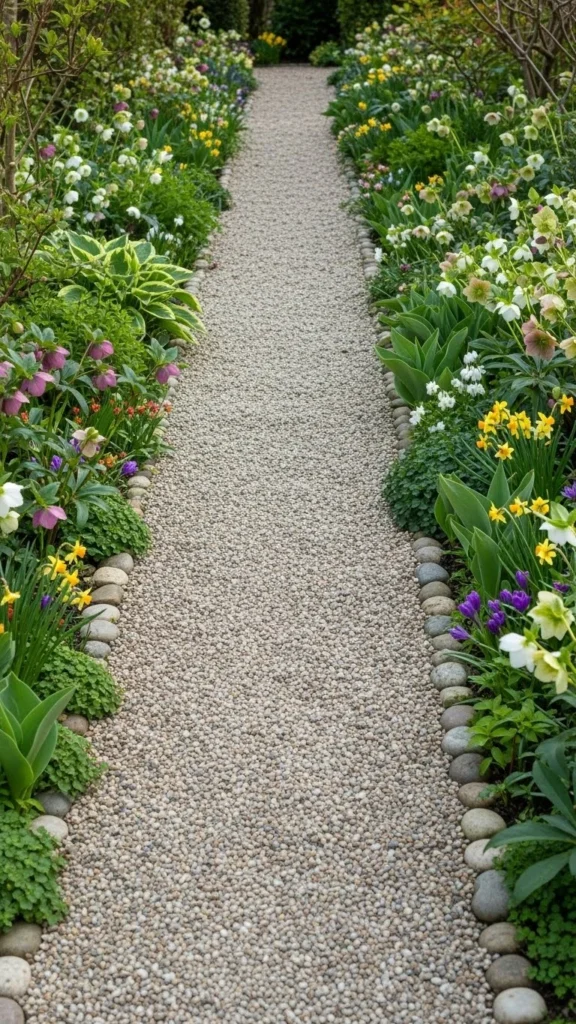
Bare dirt paths turn muddy and messy. Gravel paths solve that problem while adding structure. They define walking areas and protect soil.
Start small. One short path between beds is enough to see impact. Use landscape fabric underneath to reduce weeds. Top with pea gravel or crushed stone.
Edges can be simple. Metal strips, bricks, or even wood scraps work. Perfection is not required. Slight irregularity feels natural outdoors.
Gravel reflects light and brightens shaded areas. It also keeps shoes clean and plants undisturbed.
This idea adds order without formal design rules.
3. Painted Planters for Color Pops
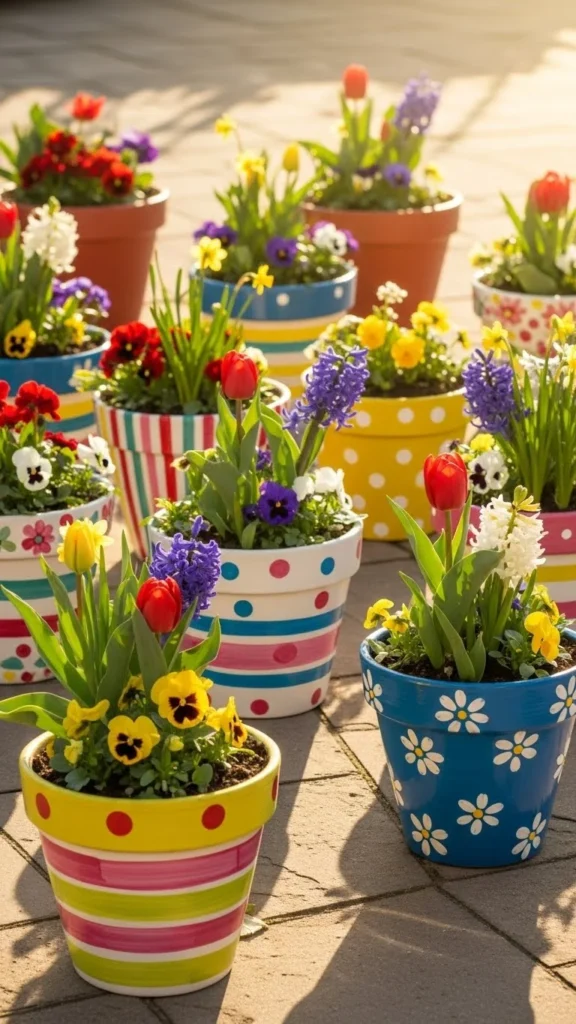
Plain pots fade into the background. A coat of paint changes that instantly. Choose one or two colors for consistency.
Old terracotta, plastic pots, or buckets all work. Light sanding helps paint stick. Outdoor latex paint lasts well.
Group painted planters near entrances or seating areas. That draws attention where people already gather.
This project costs little and finishes in a day. Color creates personality without permanent changes.
If tastes change later, repainting is easy.
4. Vertical Trellises for Empty Walls
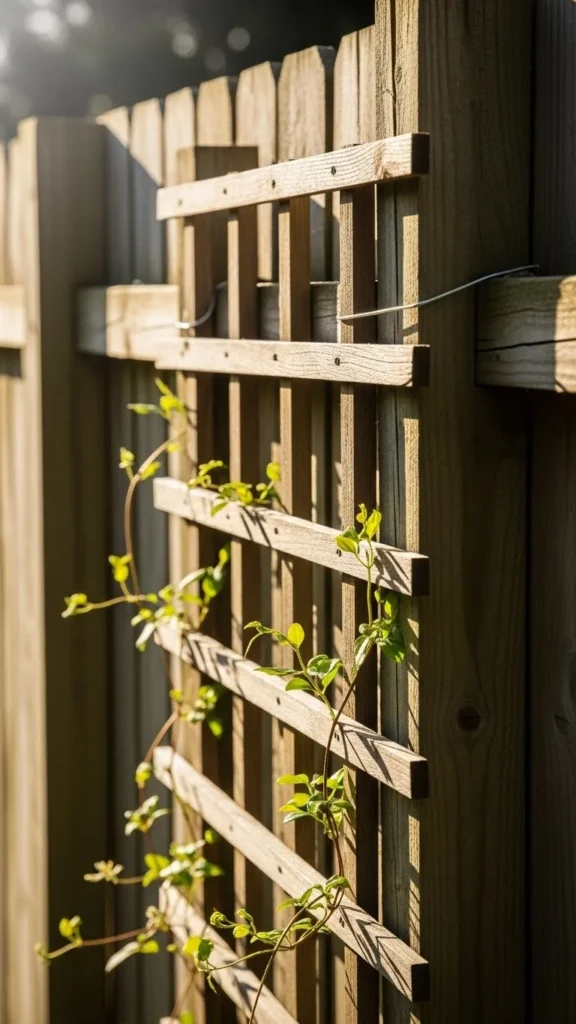
Blank fences and walls waste space. Vertical trellises turn them into features. They add height and depth quickly.
Use wood strips, wire panels, or recycled materials. Secure them firmly. Even lightweight structures support many climbers.
Plant fast growers like beans, peas, or flowering vines. Growth fills space within weeks.
Vertical elements balance flat yards and make gardens feel layered.
This approach saves ground space while changing the entire view.
5. Mulch Patterns Instead of Plain Coverage
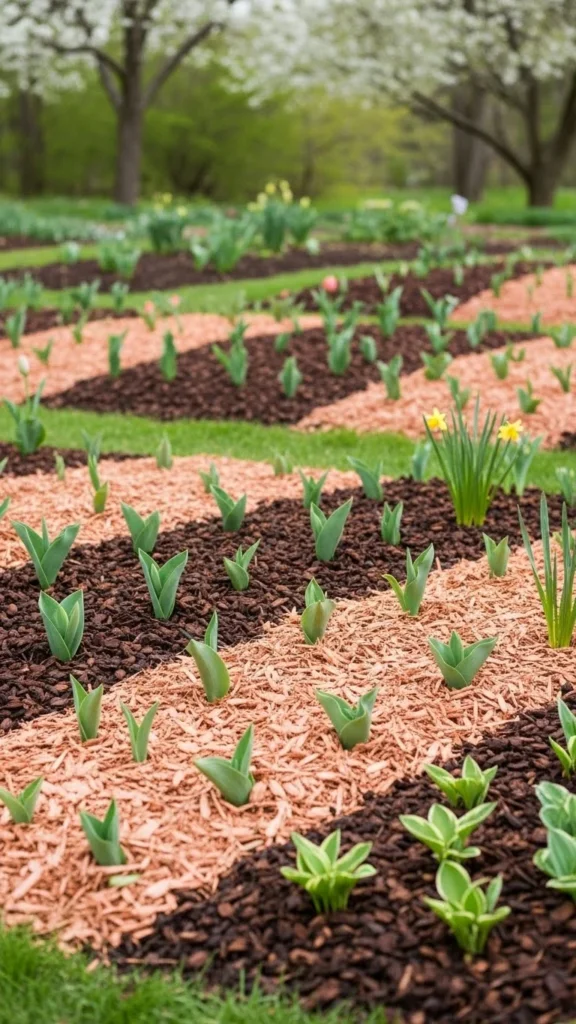
Mulch does more than suppress weeds. Using two materials creates visual interest. Light bark against dark soil stands out.
Outline planting areas with one mulch and fill paths with another. Keep patterns simple.
This works best in visible areas near walkways. It adds structure without adding plants.
Use affordable materials like shredded leaves mixed with bark.
Small design choices make gardens look intentional.
6. Repurposed Furniture as Garden Decor
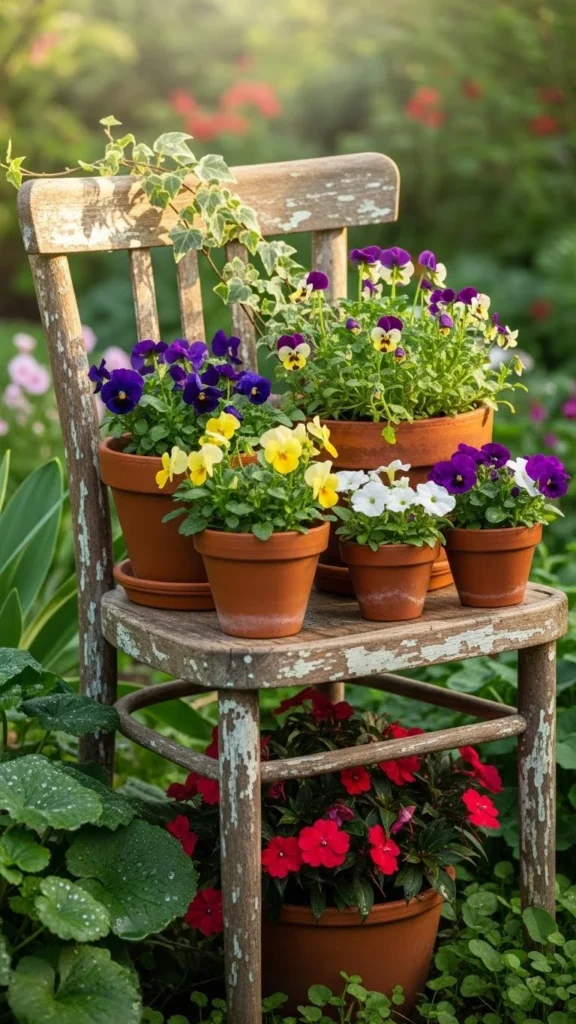
Old chairs, ladders, or stools find new life outdoors. They add character and height.
Sand rough spots and seal if needed. Place near beds or patios.
Use them to hold pots or trailing plants. Imperfections add charm.
This idea costs nothing if items already exist at home.
Personal pieces make gardens feel lived-in.
7. Raised Beds With Mixed Materials
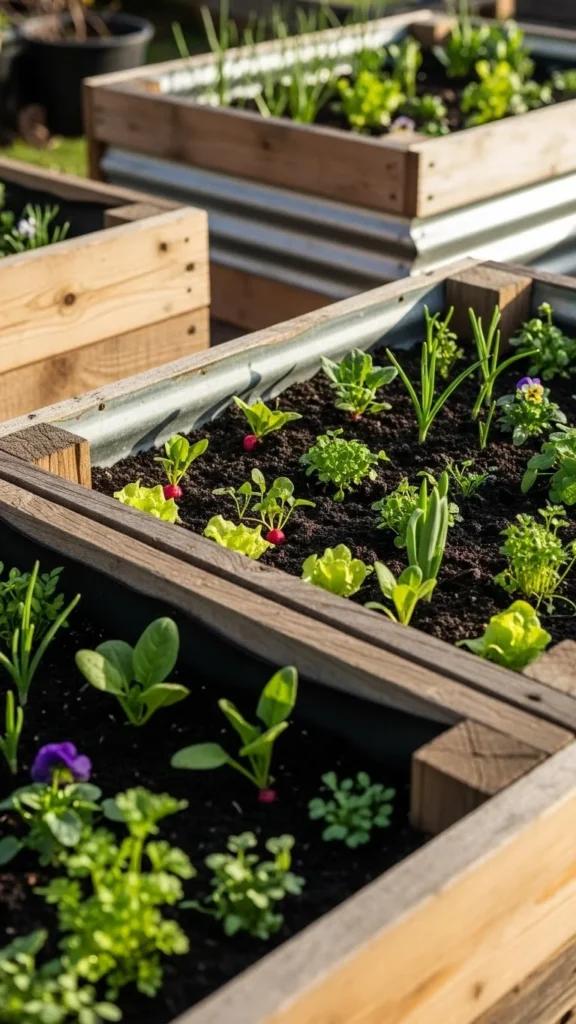
Raised beds do not need matching boards. Mixing materials creates texture.
Combine wood with metal, stone, or brick. Keep height consistent for balance.
Raised beds warm soil faster and define growing areas.
Using leftovers reduces costs and adds interest.
Irregular materials often look better than uniform sets.
8. Solar Lights for Subtle Evening Impact
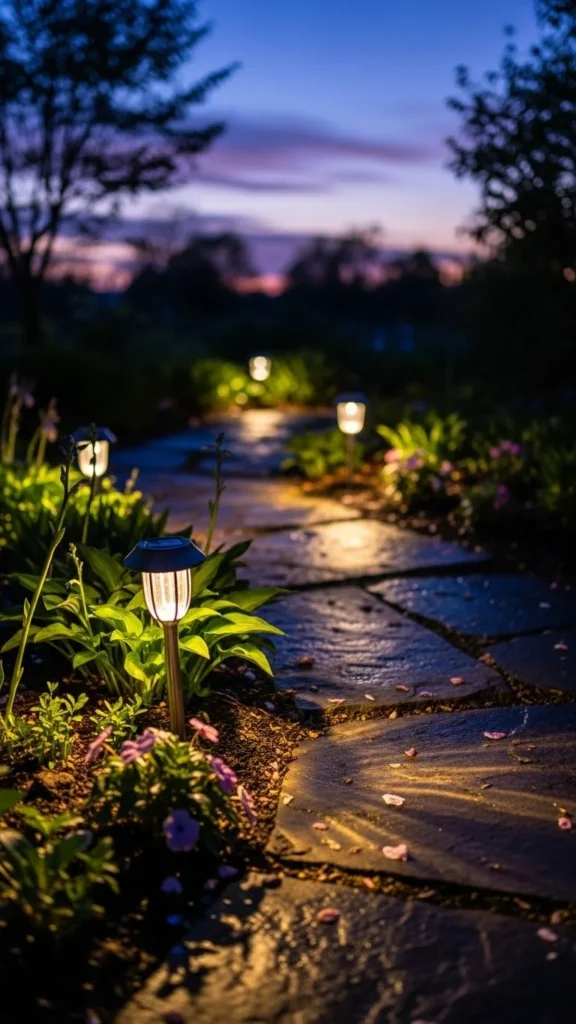
Solar lights extend garden use into evening hours. They highlight paths and features.
Choose warm light tones. Avoid overly bright fixtures.
Install along walkways or around seating. Spacing matters more than quantity.
Affordable sets work well and require no wiring.
Lighting adds atmosphere without effort.
9. Container Clusters Instead of Single Pots
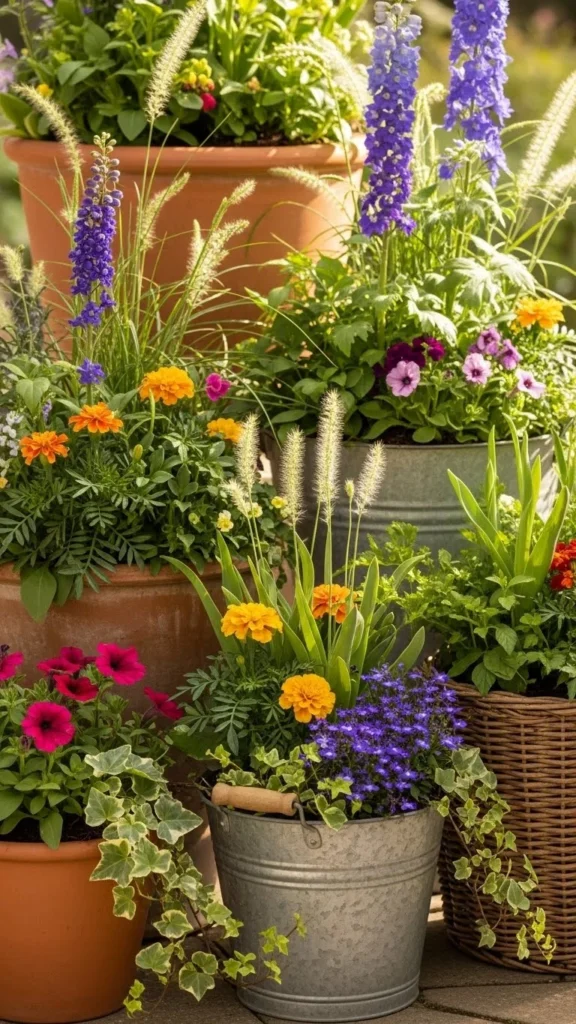
One pot feels lonely. Groups feel styled.
Mix sizes and shapes. Keep colors related.
Clusters fill empty corners and patios fast.
Move them as seasons change.
Grouping creates impact with fewer plants.
10. Simple Arches for Garden Entry Points
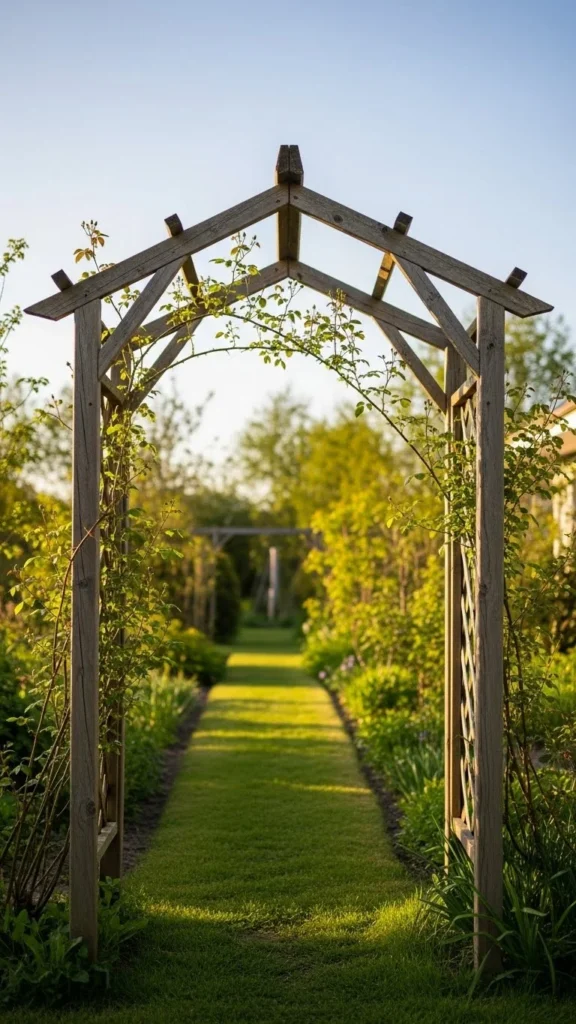
Arches signal entry and create focus. Even basic frames work.
Build from wood or metal. Keep design simple.
Plant climbers at the base and let time do the rest.
This frames views and adds height.
11. Painted Fence Panels as Backdrops
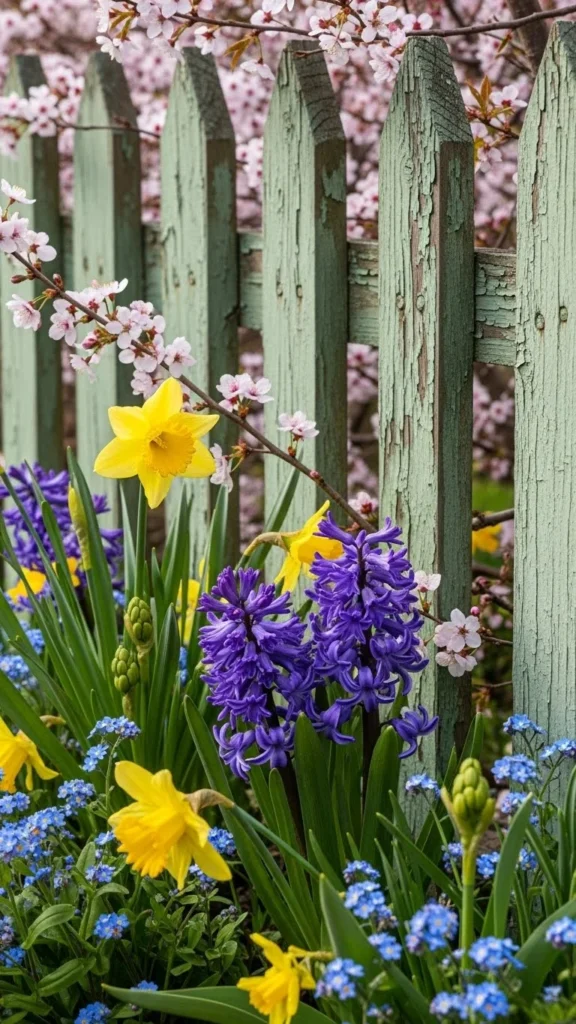
Neutral fence colors make plants stand out. Dark greens or blues work well.
Paint only visible sections to save time.
This refreshes old fencing cheaply.
Plants pop against clean backgrounds.
12. Stepping Stones Through Lawn Areas
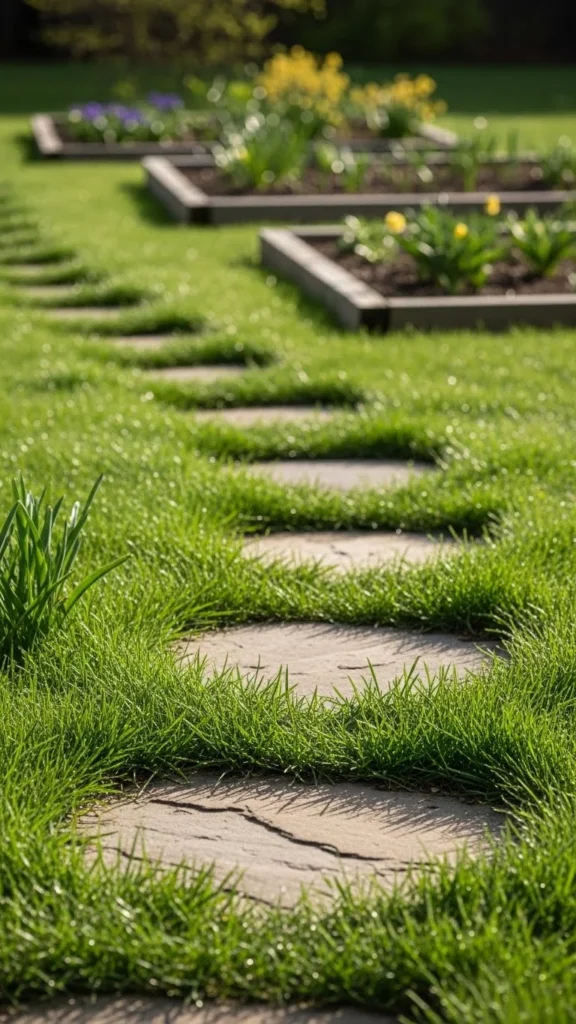
Stepping stones guide movement and protect grass.
Space stones for comfortable walking.
Use concrete, stone, or reclaimed pieces.
Paths appear instantly more planned.
13. Herb Borders Along Walkways
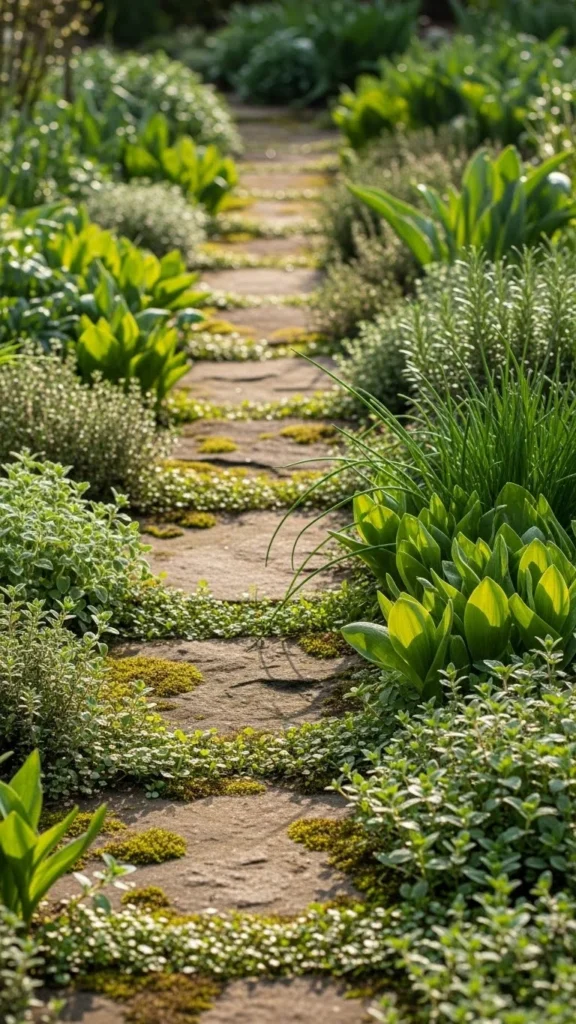
Herbs work as borders. They stay low and useful.
Plant along paths or edges.
Frequent trimming keeps shape tidy.
Scent adds sensory appeal.
14. Hanging Baskets at Different Heights
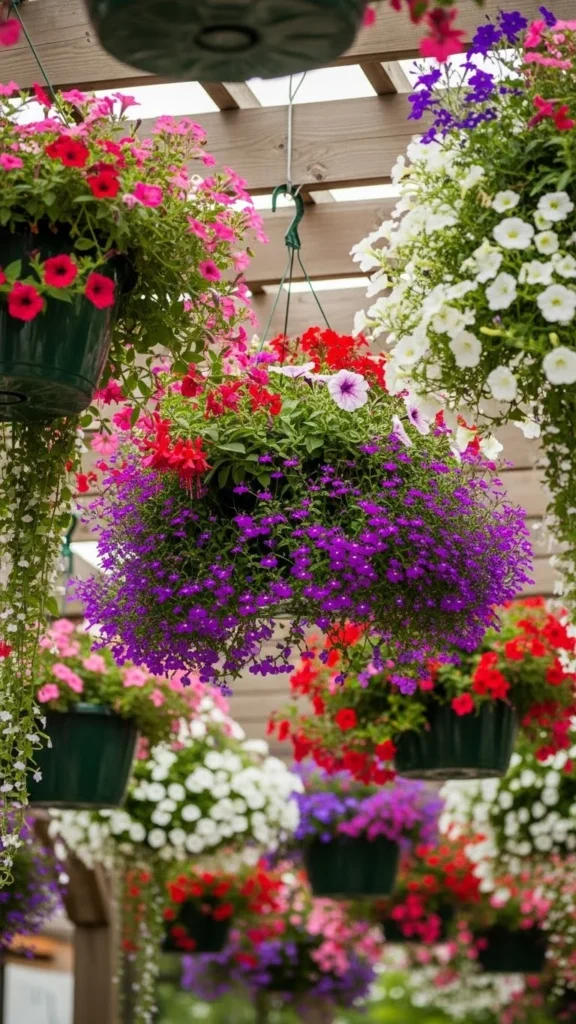
Varying heights add depth.
Use simple hooks and chains.
Group baskets for balance.
Vertical layers change space quickly.
15. Mirror Panels to Reflect Light
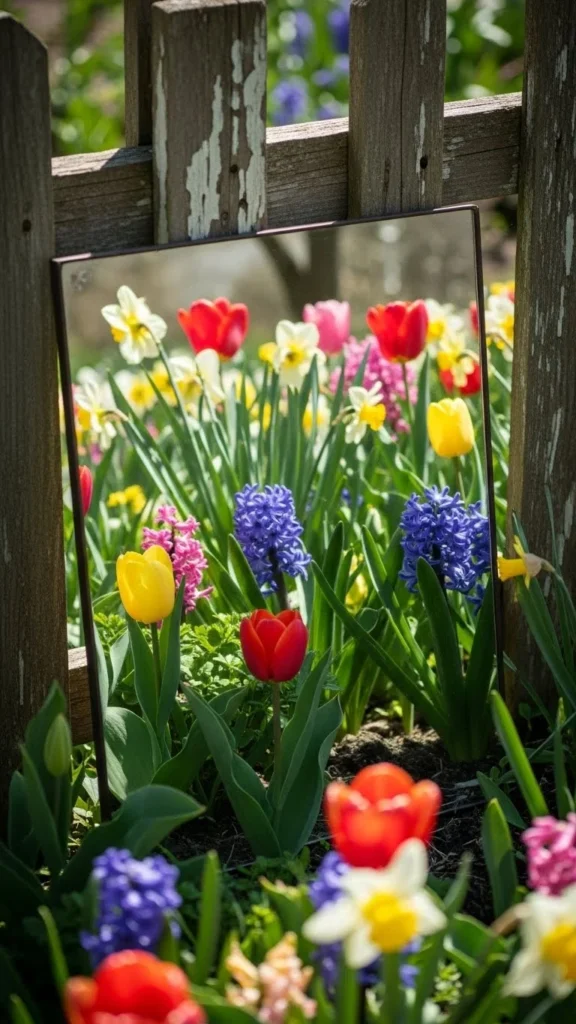
Mirrors brighten shaded spots.
Use weather-safe panels.
Position carefully to avoid glare.
Reflections make spaces feel larger.
16. DIY Garden Art From Recycled Items
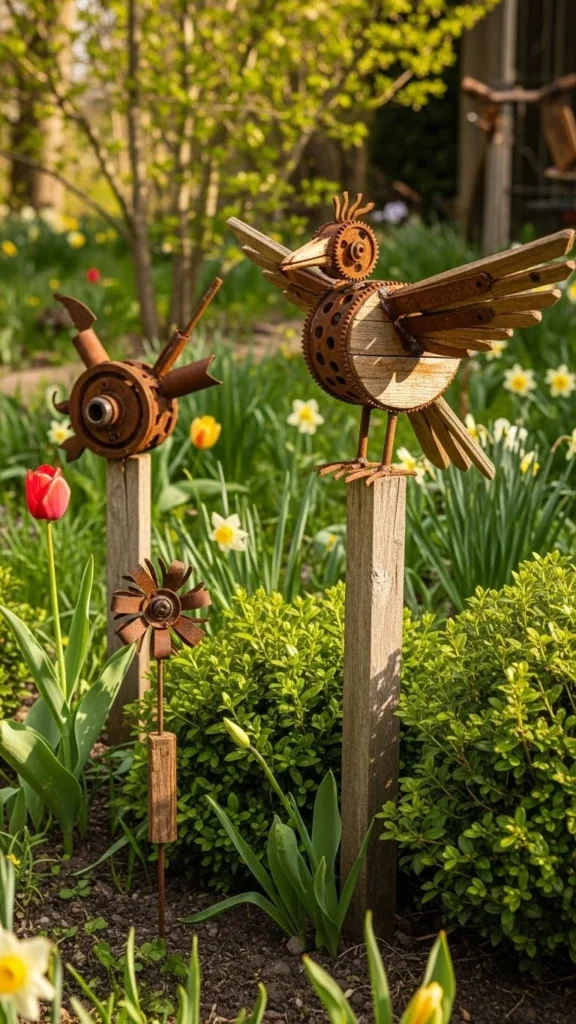
Personal art adds character.
Use found objects and paint.
Place sparingly for focus.
Uniqueness matters more than polish.
17. Color-Themed Planting Zones
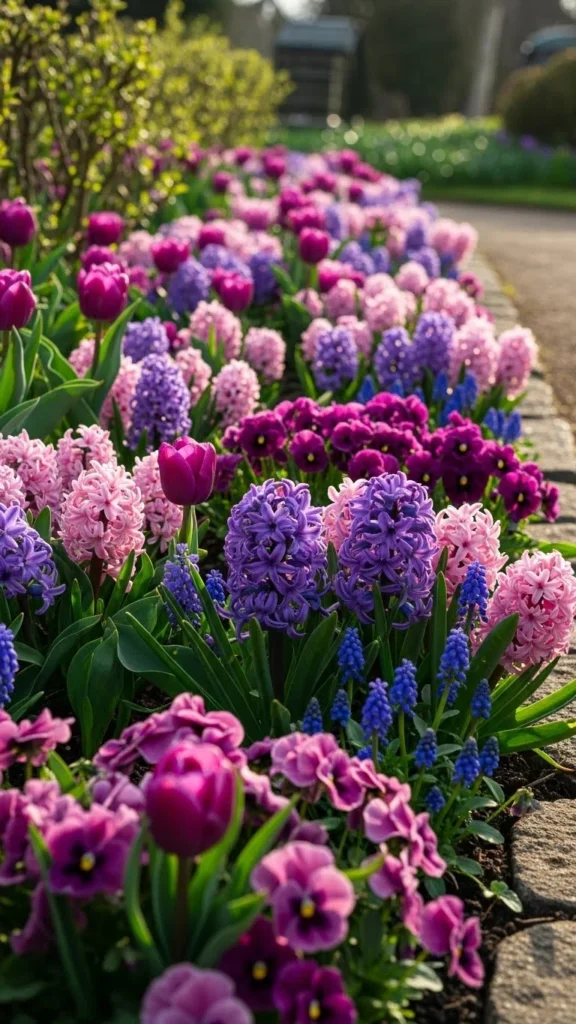
Grouping by color simplifies design.
Choose one main shade per bed.
This brings calm and cohesion.
Color repetition guides the eye.
18. Low Seating Built Into Beds
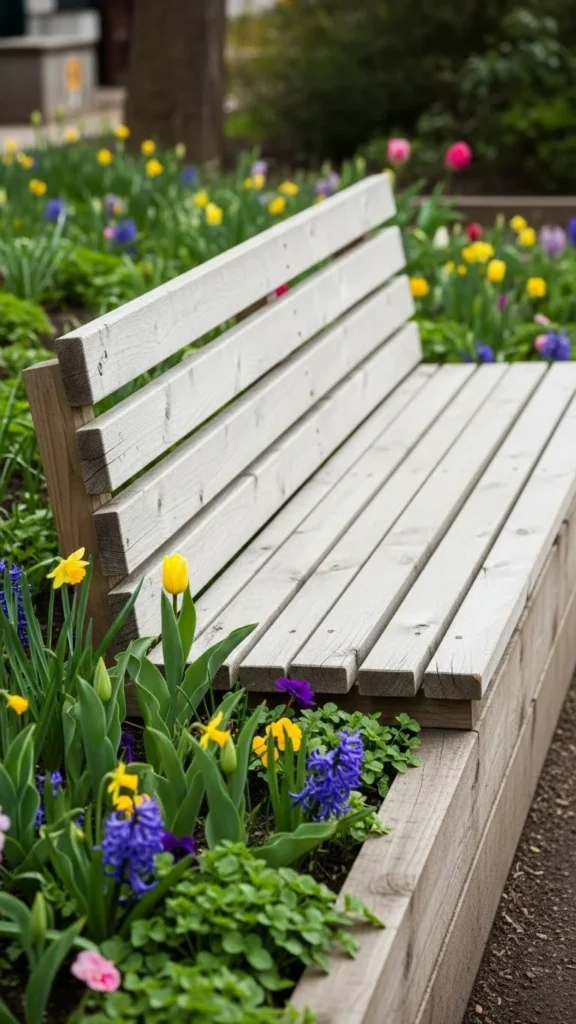
Integrated seating saves space.
Use leftover lumber.
Edges double as resting spots.
Function meets form.
19. Decorative Edging With Rope or Wood
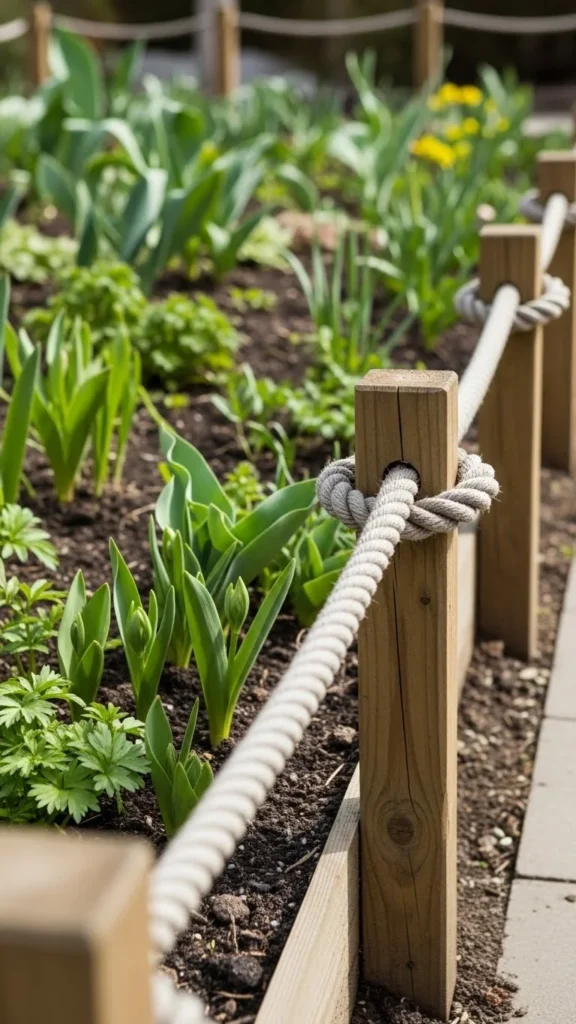
Creative edging defines areas.
Rope, logs, or wood scraps work.
Install quickly with stakes.
Edges shape perception.
20. Seasonal Displays Near Entrances
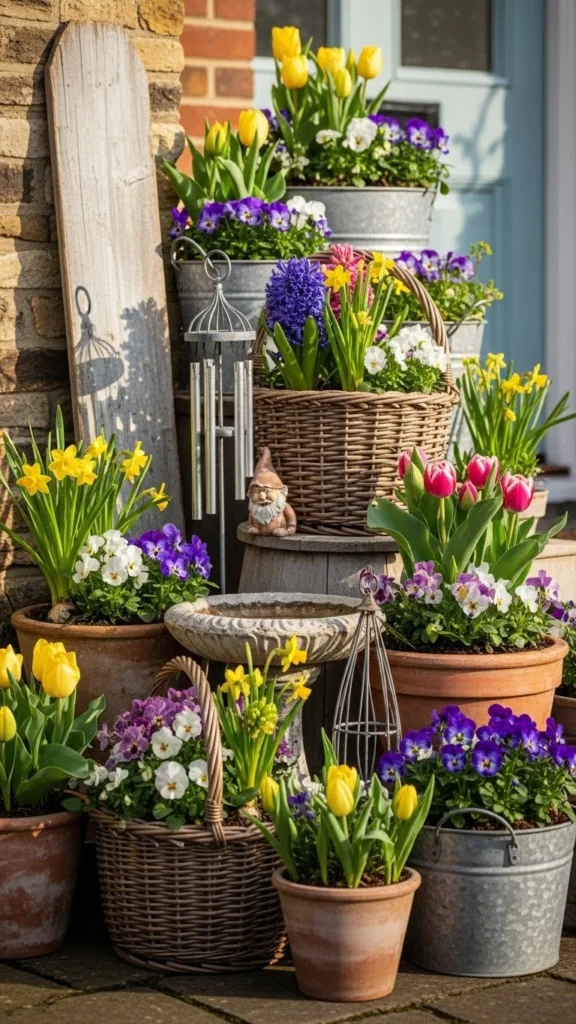
Entry displays set tone.
Rotate items seasonally.
Use what you own.
Small areas carry big impressions.
21. Layered Plant Heights for Depth
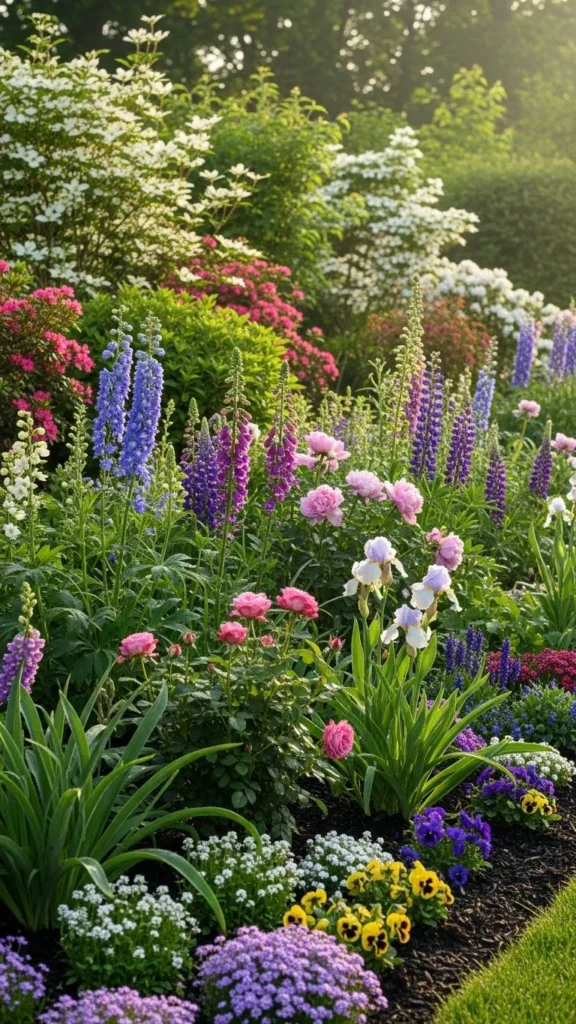
Tall plants in back, low in front.
This creates fullness.
Layering hides gaps.
Depth feels intentional.
22. Simple Water Bowls for Wildlife
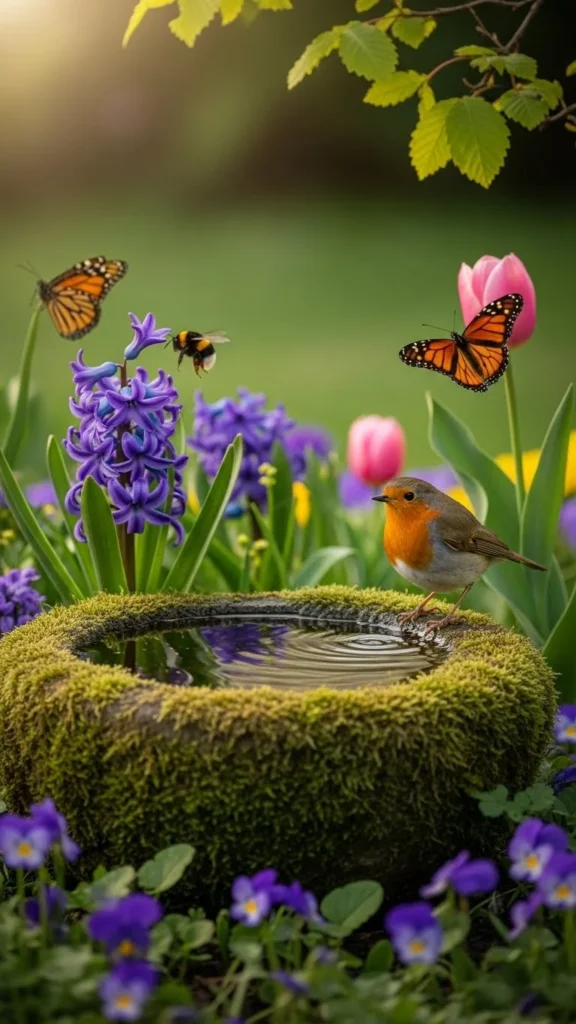
Water draws life.
Use shallow dishes.
Refresh often.
Movement adds interest.
23. Framed Views Using Shrubs or Tall Pots
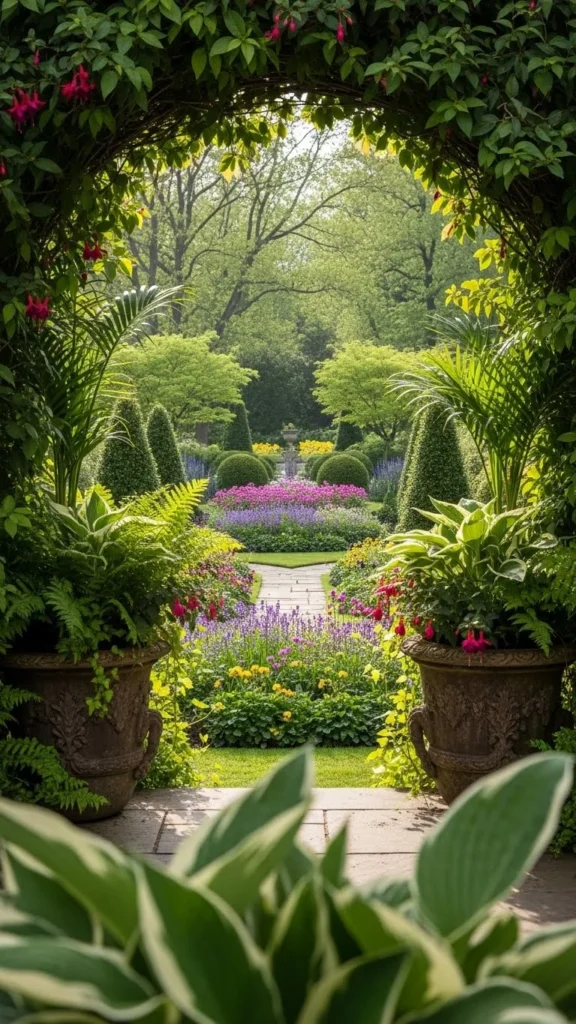
Framing directs attention.
Use pots or shrubs.
Guide sightlines.
Structure shapes experience.
24. Chalkboard Signs for Seasonal Notes
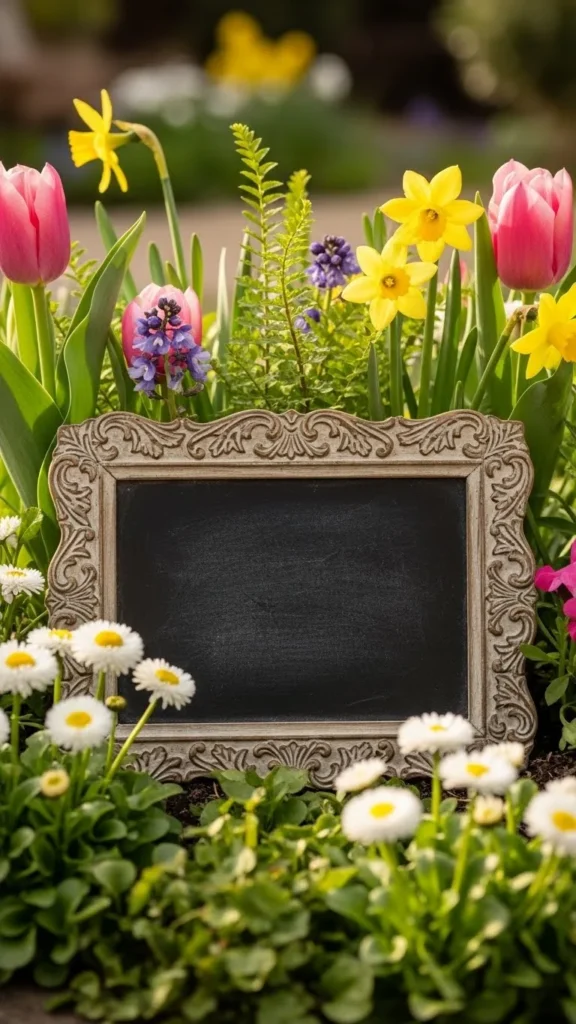
Signs add charm.
Use for plant names or dates.
Change often.
Personal touches matter.
25. One Statement Feature Per Yard
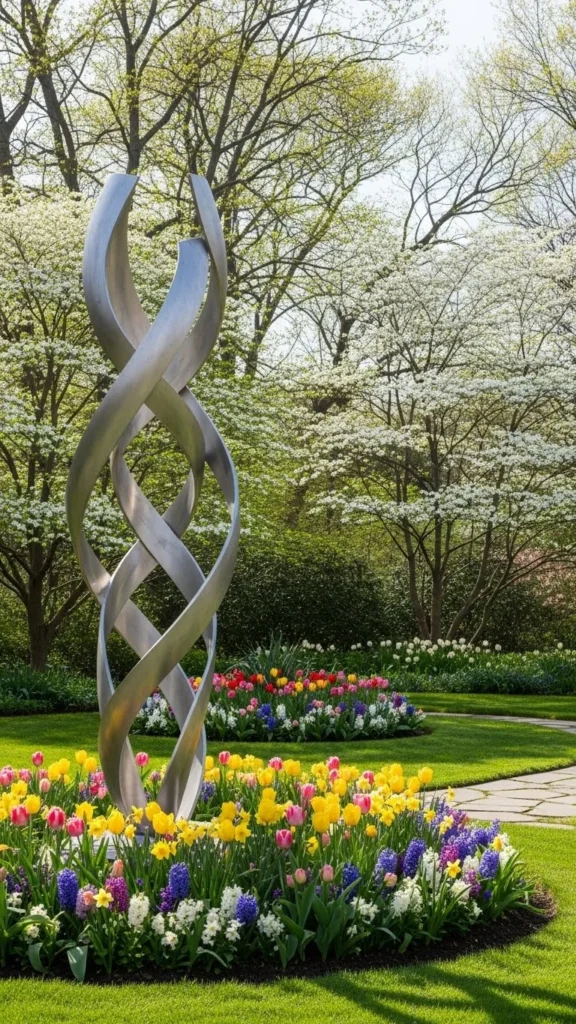
Too many features compete. Choose one standout piece.
Place it where eyes naturally land.
Build supporting elements around it.
Restraint strengthens design.
Conclusion
Creative garden changes do not require large budgets or complex plans. Thoughtful placement, simple materials, and a willingness to reuse what you have can reshape a yard quickly. Start with one idea, complete it, then build from there. Each small change compounds, turning everyday outdoor spaces into places that feel intentional, welcoming, and personal.
Leave a Reply