

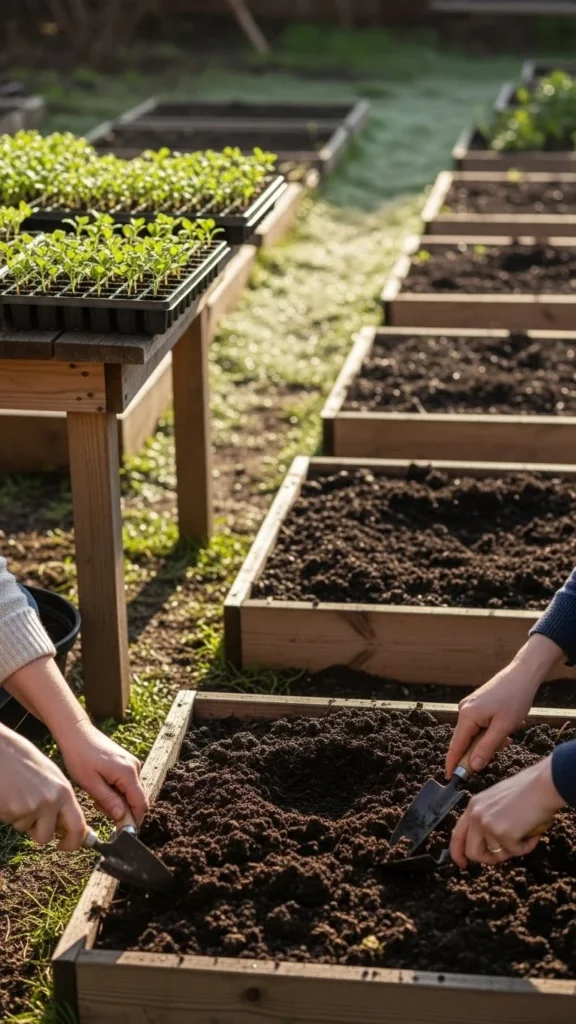
Spring gardening is about setting habits that carry through the entire growing season. Small choices made early save time, money, and effort later. This guide focuses on simple actions that work for real home gardens, not ideal setups. Every tip here is practical, budget-aware, and easy to apply, whether you grow vegetables, flowers, or both.
1. Read Your Yard Before You Touch the Soil
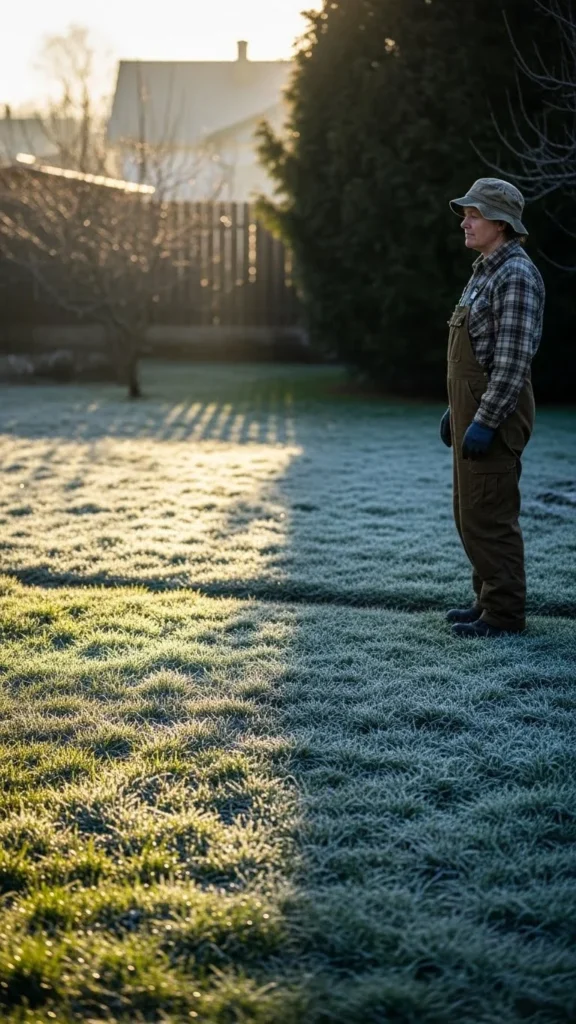
Before planting anything, spend a few days watching your yard. Notice where sunlight falls in the morning and afternoon. Observe damp areas after rain. Watch where snow melts first. This costs nothing and prevents wasted effort later.
Use your phone to take photos at different times of day. Compare them. Patterns show up quickly. A spot that looks sunny may only get light for four hours. A shaded area might stay cool longer than expected. That information helps you match plants to locations instead of forcing them to adapt.
Even small spaces benefit from this step. Balconies, patios, and side yards all have micro-conditions. Wind direction, reflected heat, and drainage shape success more than seed choices.
2. Start With a Simple Soil Test
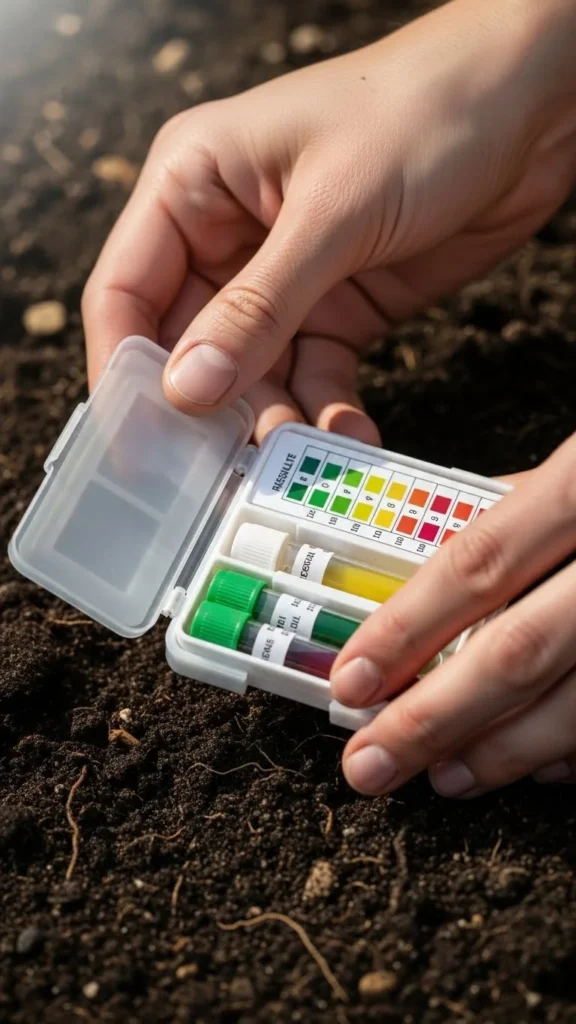
You do not need lab equipment to learn about your soil. A low-cost soil test kit reveals pH and basic nutrients. That information guides planting and amendments without guesswork.
Many garden centers sell these kits cheaply. Some local extension offices offer testing at little or no cost. Use results as a starting point, not a verdict.
If soil is too acidic or alkaline, simple fixes exist. Garden lime, sulfur, or compost can shift balance over time. Avoid adding random fertilizers without knowing what your soil already has.
This step prevents overfeeding plants and wasting money on products that do not solve the real issue.
3. Clean Beds Gently, Not Aggressively
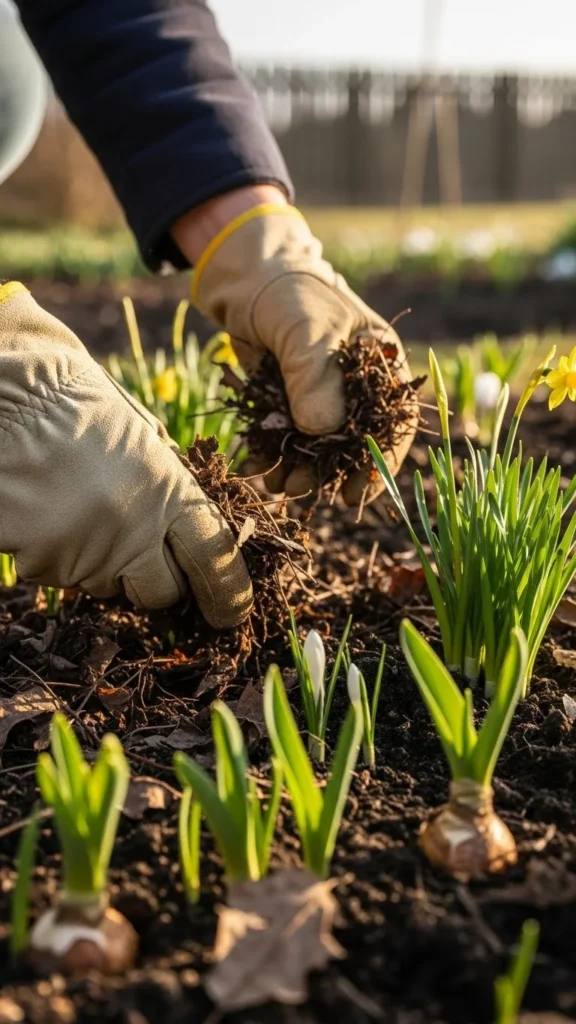
Spring cleanup does not mean stripping everything bare. Remove obvious debris, fallen branches, and matted leaves. Leave some material behind where insects shelter.
Use hand tools instead of power equipment. Gentle cleanup protects soil structure and early growth. Avoid digging deeply while soil is wet, which causes compaction.
Cut dead stems back slowly. Some plants hide new growth near the base. Rushing can damage them.
A light touch keeps beneficial insects around while still giving beds a tidy start.
4. Feed Soil Before Feeding Plants
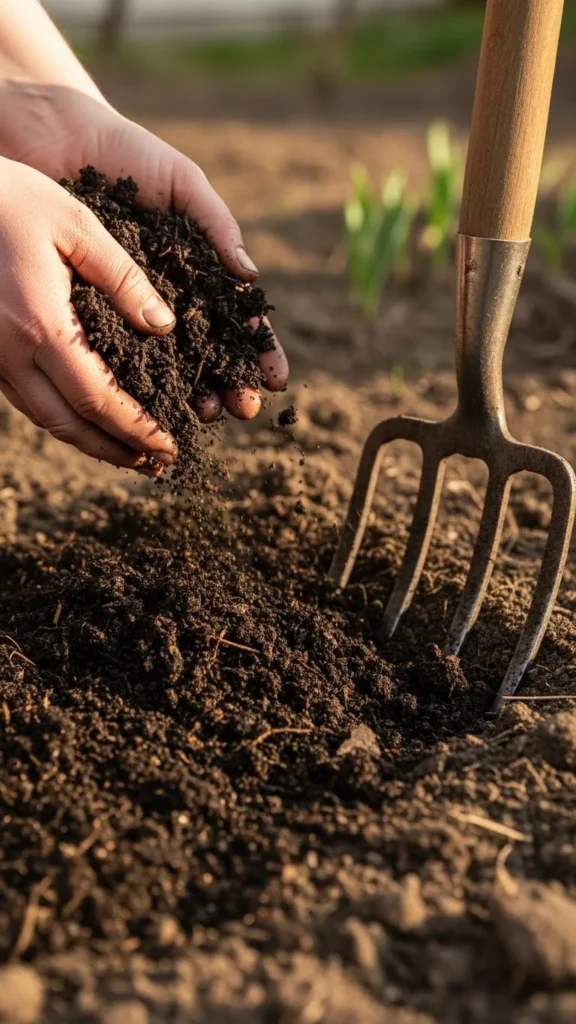
Healthy soil supports healthy plants. Start by adding compost instead of relying on bottled feeds. Compost improves texture, drainage, and moisture retention.
Homemade compost works well. If unavailable, bagged compost from a garden center is affordable. Spread a thin layer over beds and lightly mix it into the top few inches.
This approach reduces future watering and fertilizing. Plants draw what they need as roots develop.
Focusing on soil first leads to steadier growth across the season.
5. Prune With Purpose, Not Habit
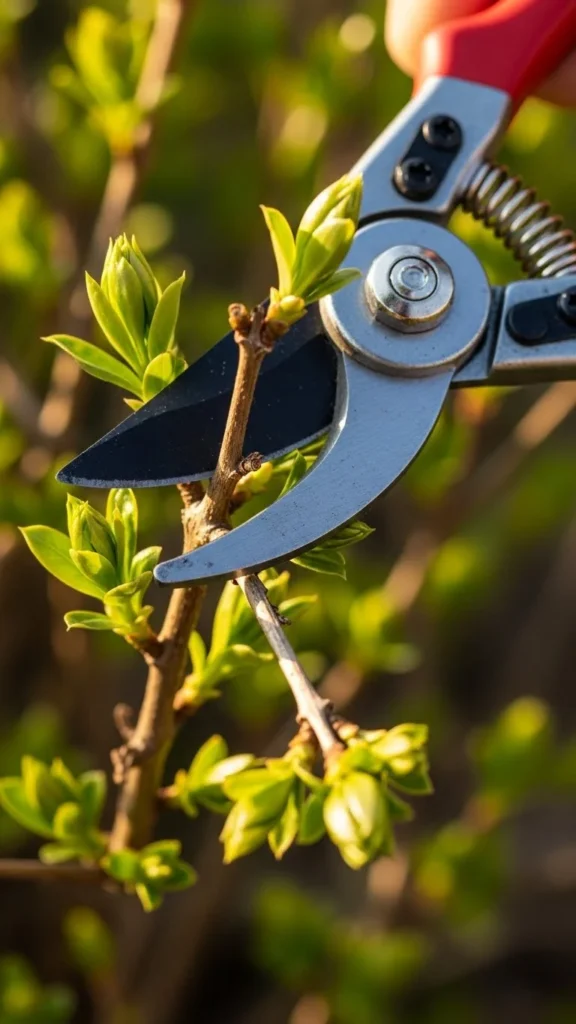
Not every plant wants pruning in spring. Some bloom on old wood and lose flowers if cut now. Others benefit from early trimming.
Look for dead, damaged, or crossing branches. Remove those first. Stop once the plant looks balanced.
If unsure, wait. You can always prune later. Over-pruning often leads to weak growth and fewer blooms.
Learning plant timing saves disappointment and wasted effort.
6. Start Seeds Only When Light Matches Growth
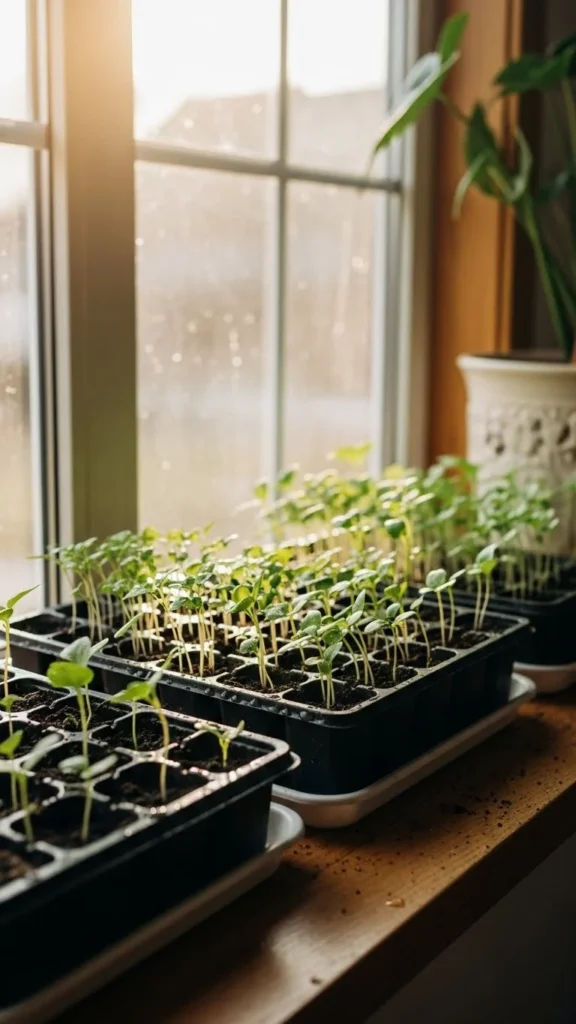
Starting seeds indoors sounds easy but often fails due to low light. If seedlings stretch or lean, light is lacking.
A bright south-facing window may work for a few plants. Otherwise, simple shop lights placed close to seedlings cost little and work well.
Timing matters. Starting too early leads to weak plants that struggle outdoors.
Strong starts come from matching seed timing with available light.
7. Harden Off Seedlings Slowly
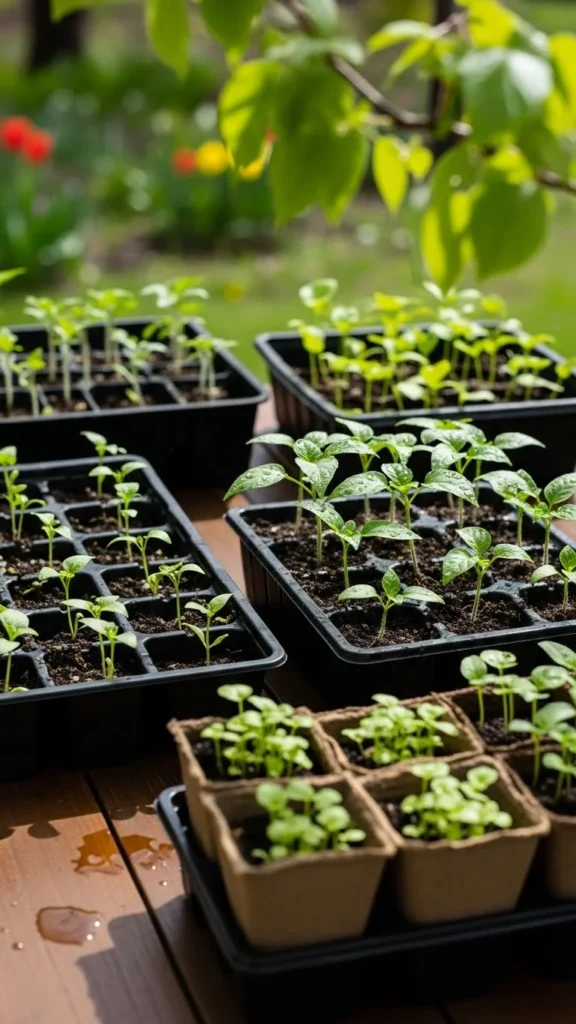
Seedlings grown indoors need time to adjust. Start with one hour outside in shade. Increase exposure daily over a week.
Avoid windy or cold days at first. Sudden exposure stresses plants.
This slow process reduces shock and improves survival once planted.
Patience here saves replacing plants later.
8. Fix Drainage Issues Early
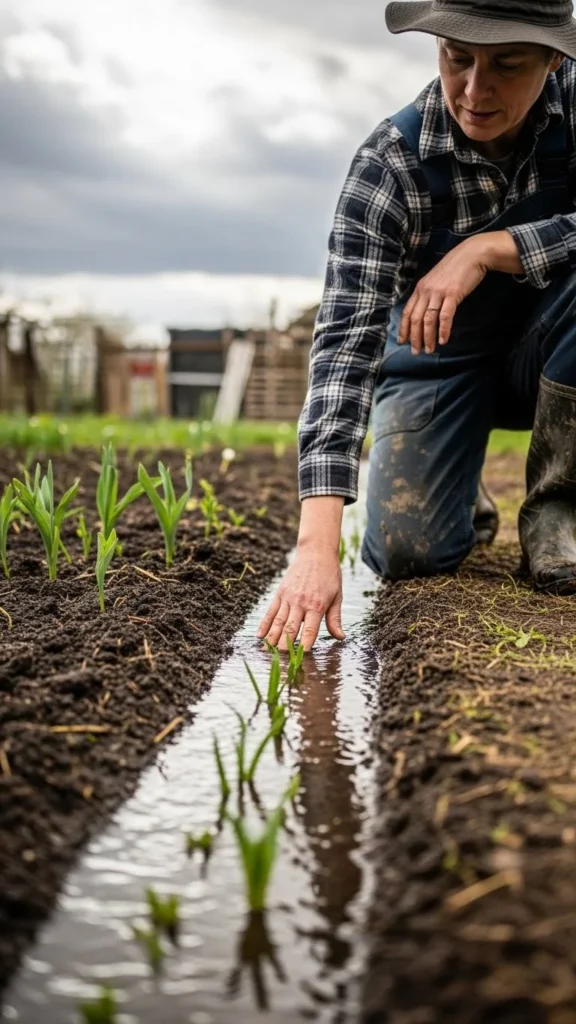
Standing water suffocates roots. Identify poor drainage areas before planting.
Simple fixes include raised beds, adding compost, or redirecting runoff with shallow channels.
Even container gardens need drainage holes checked.
Solving this early prevents root problems all season.
9. Mulch After Soil Warms
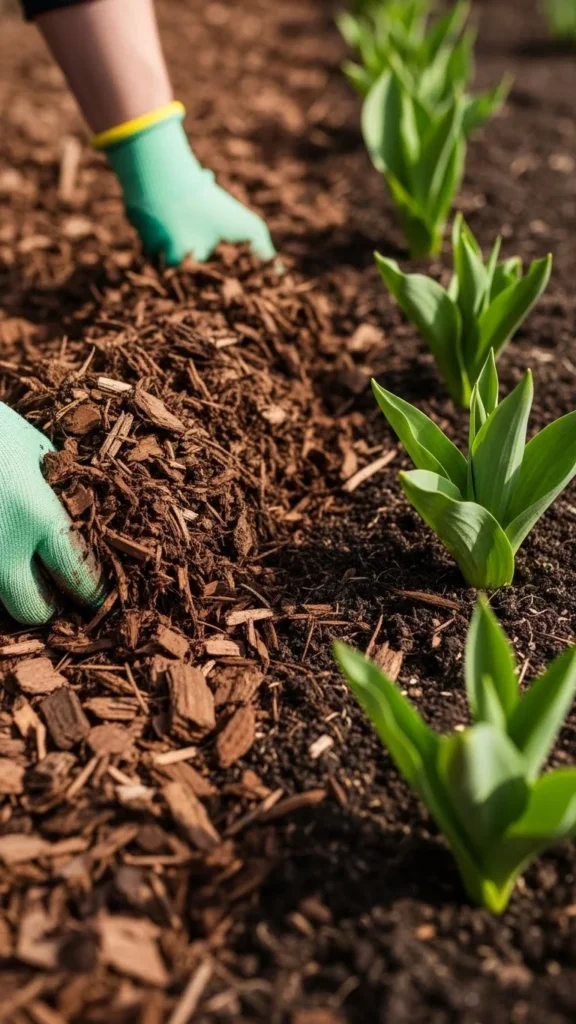
Mulch saves water and reduces weeds, but timing matters. Apply after soil warms.
Early mulching keeps soil cold and slows growth. Wait until plants establish.
Use straw, shredded leaves, or bark chips. Cheap materials work well.
A thin layer goes far.
10. Choose Plants That Match Your Time
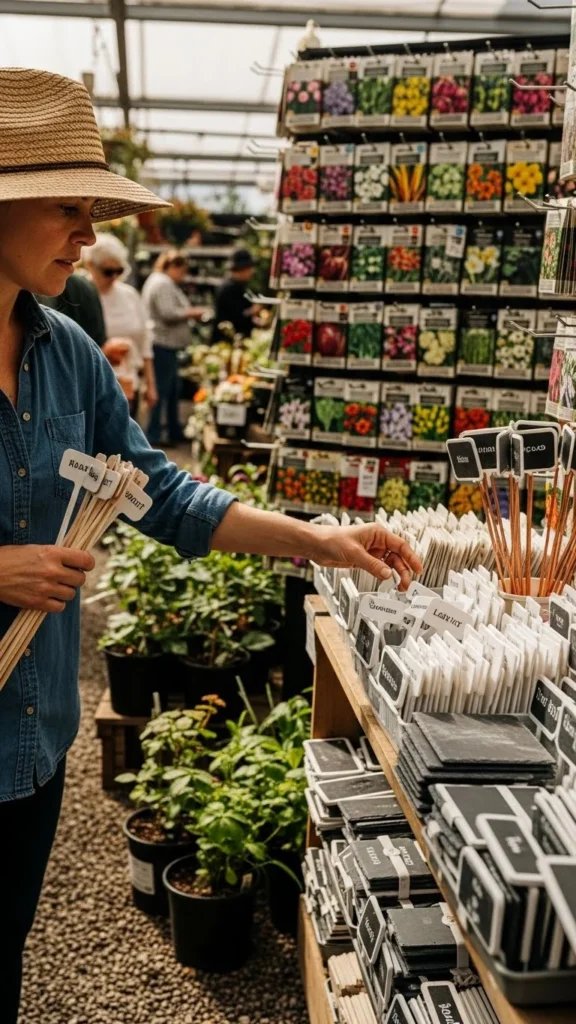
Some plants demand constant attention. Others grow happily with basic care.
If time is limited, choose hardy vegetables and perennials. Herbs, greens, and native plants often need less effort.
Matching plants to your schedule leads to better results.
Gardening should fit life, not compete with it.
11. Plan Watering Around Real Life
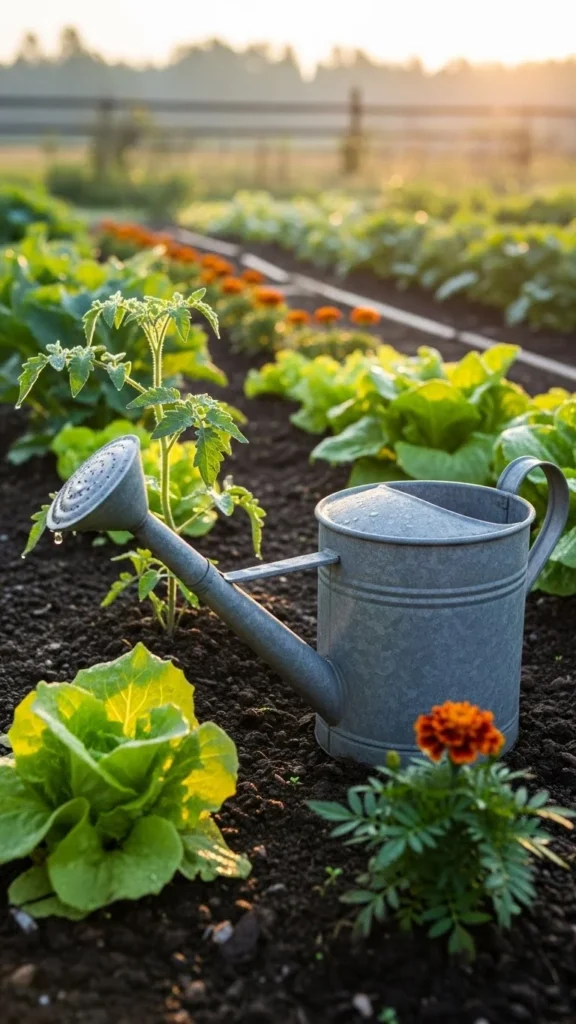
Watering plans fail when they ignore daily routines. Morning watering works well and reduces disease.
Use hoses, timers, or watering cans based on what you will actually use.
Consistency matters more than volume.
Simple habits outperform complex systems.
12. Space Plants Honestly
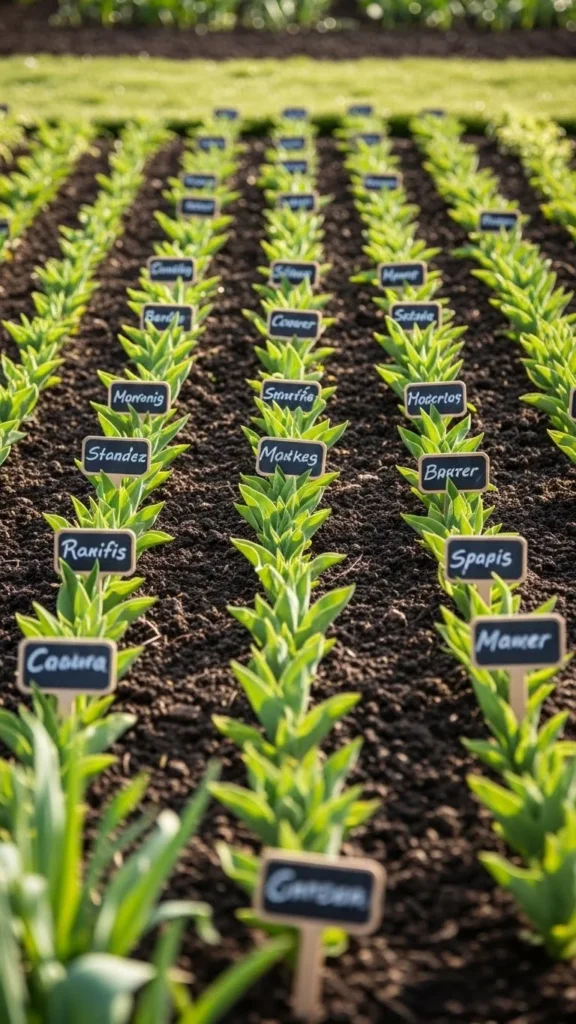
Crowding plants feels efficient but causes problems later. Airflow drops. Disease spreads.
Follow spacing guidelines on seed packets. They exist for a reason.
Giving plants room leads to stronger growth and fewer issues.
13. Label Everything
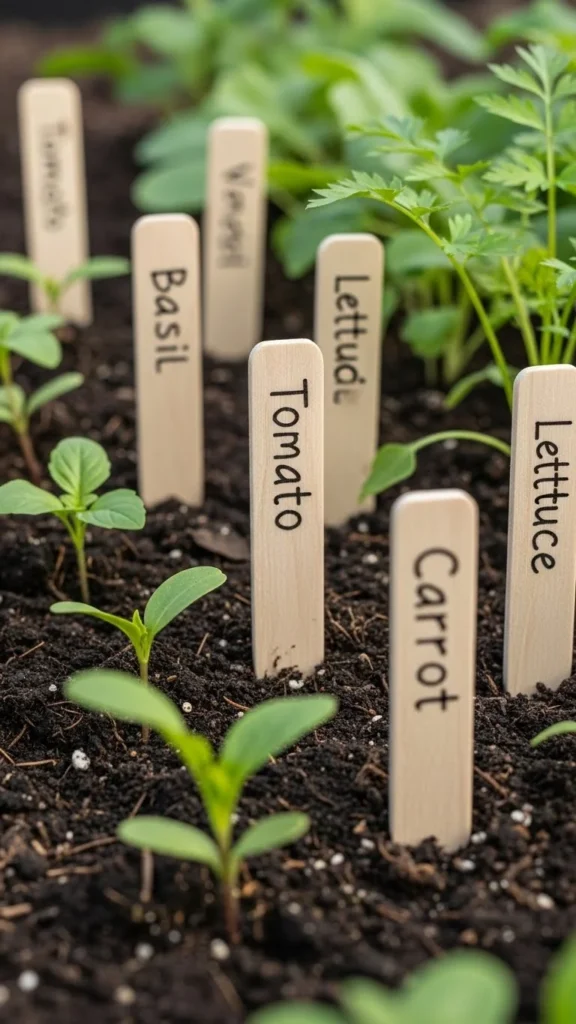
Memory fades fast in spring. Label seeds and transplants immediately.
Use sticks, stones, or recycled materials. Permanent marker lasts longer than pencil.
Clear labels prevent confusion during harvesting and care.
14. Use Edging to Control Spread
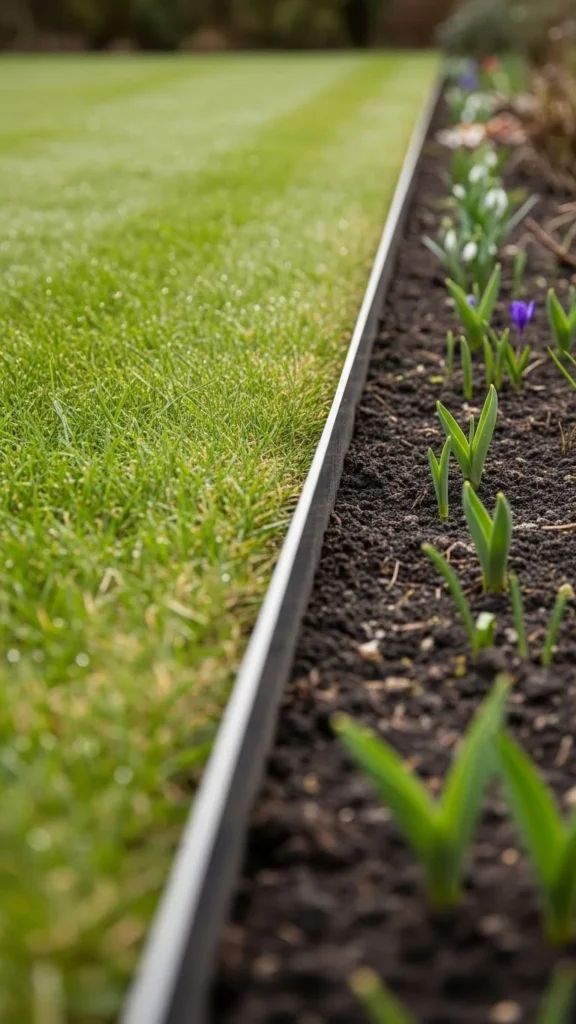
Plants spread where allowed. Simple edging defines space and reduces maintenance.
Plastic, metal, or even buried bricks work.
Clear borders make beds easier to manage.
15. Support Plants Early
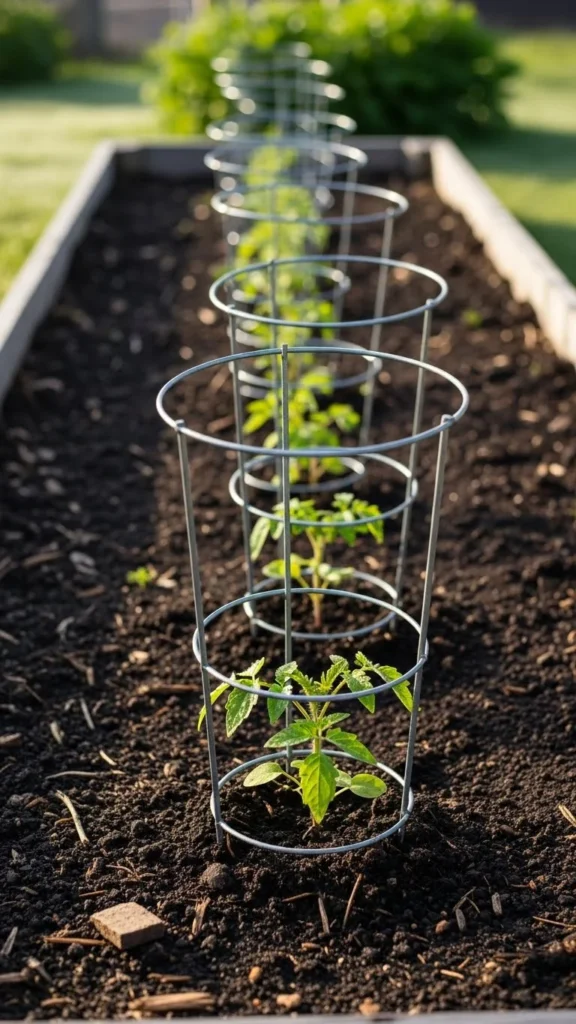
Adding supports later disturbs roots. Install cages and stakes early.
Plants grow into supports naturally.
This avoids breakage and tangled growth later.
16. Keep Tools Simple and Sharp
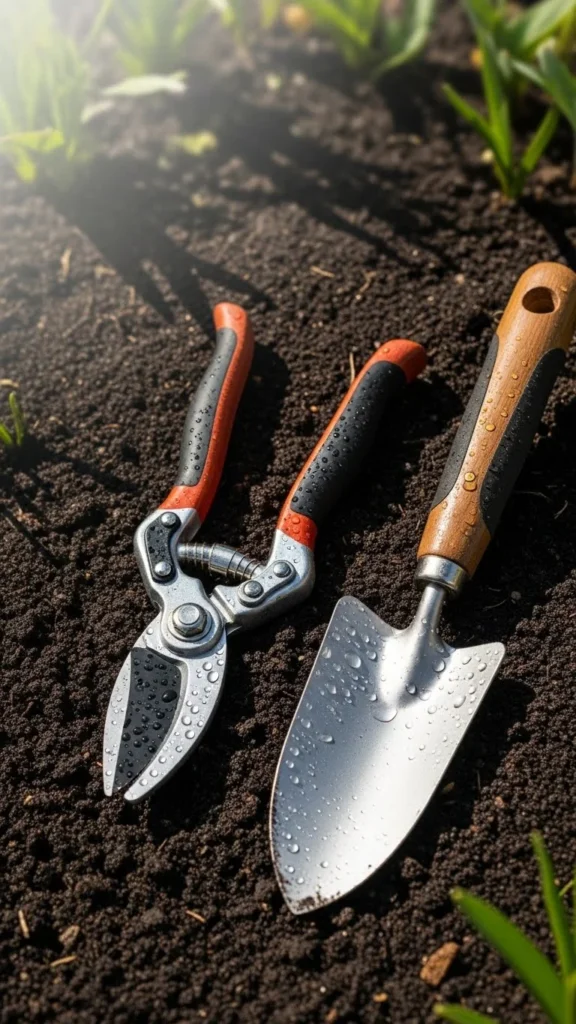
You do not need many tools. A sharp pruner, trowel, and fork cover most tasks.
Clean tools after use. Sharp blades reduce strain.
Basic care extends tool life and improves results.
17. Watch for Pests Without Panic
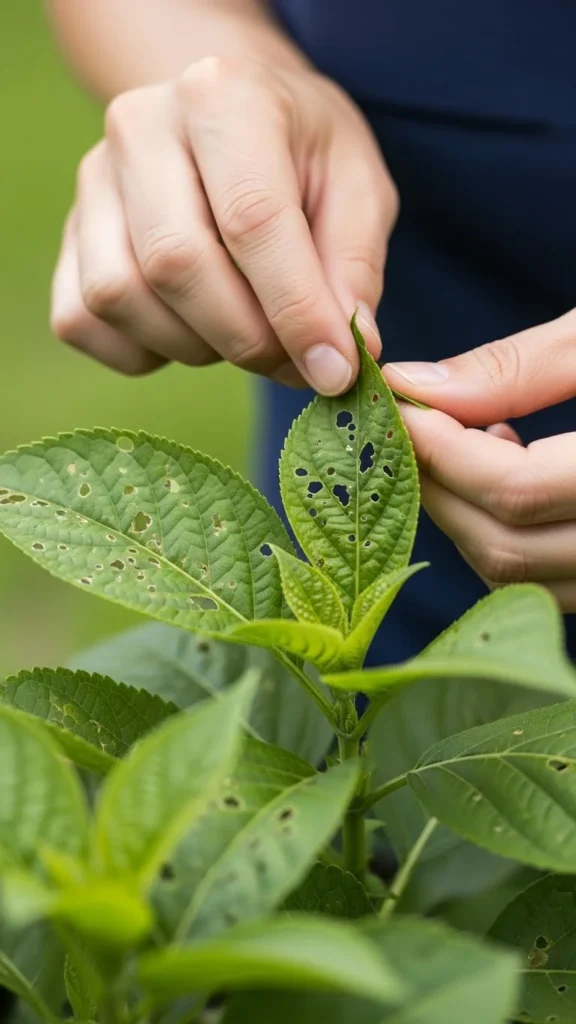
Not every insect causes damage. Learn common pests before acting.
Hand removal and water sprays solve many issues.
Avoid spraying at the first sign of trouble.
Observation beats reaction.
18. Rotate Crops Each Year
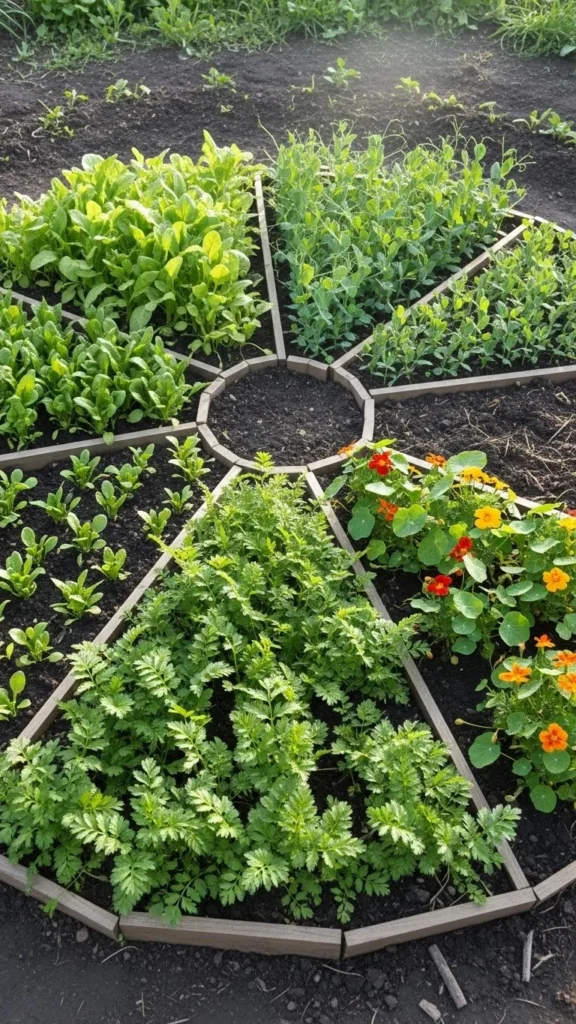
Planting the same crops in the same place invites disease.
Rotate families yearly, even in small gardens.
This habit reduces problems naturally.
19. Use Containers for Flexibility
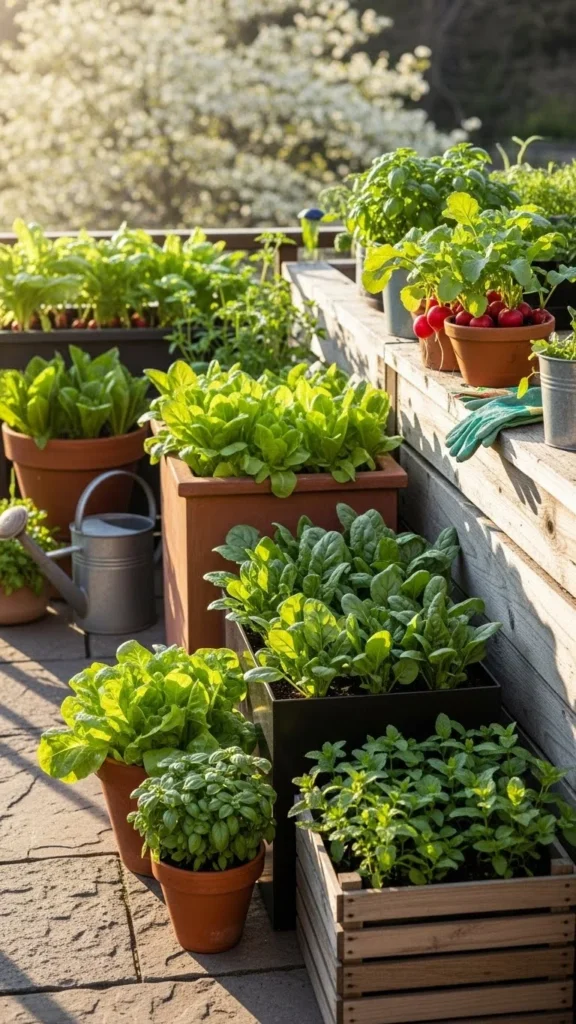
Containers move easily. They adjust to light, weather, and space changes.
Use recycled buckets or pots with drainage holes.
They offer control without commitment.
20. Thin Seedlings Without Guilt
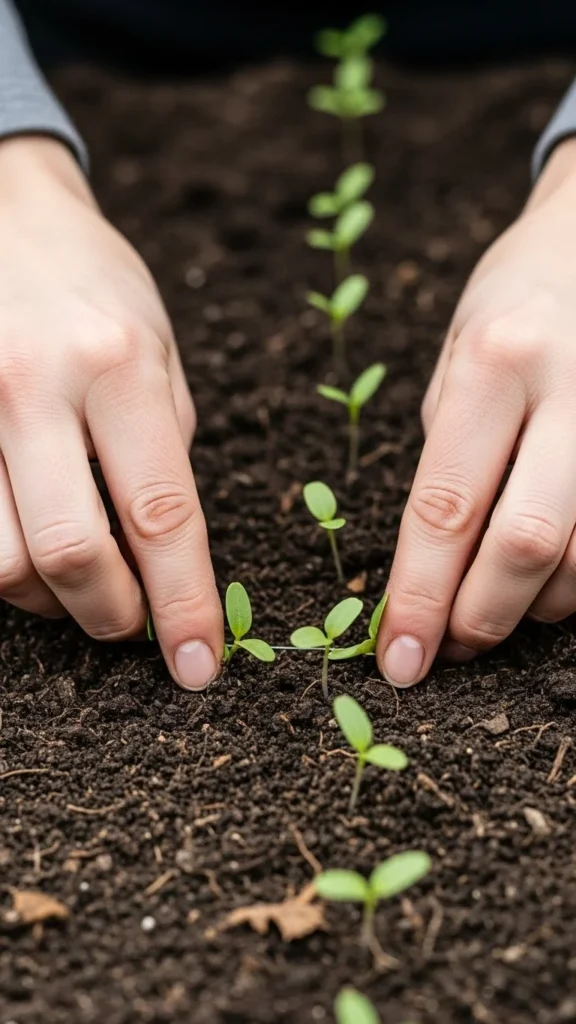
Crowded seedlings compete. Remove extras early.
It feels wasteful, but remaining plants grow stronger.
Think of thinning as selection, not loss.
21. Keep Notes as You Go

Write what you plant and when. Note successes and failures.
Simple notes guide better choices next year.
Experience grows faster when recorded.
22. Start Small With New Ideas
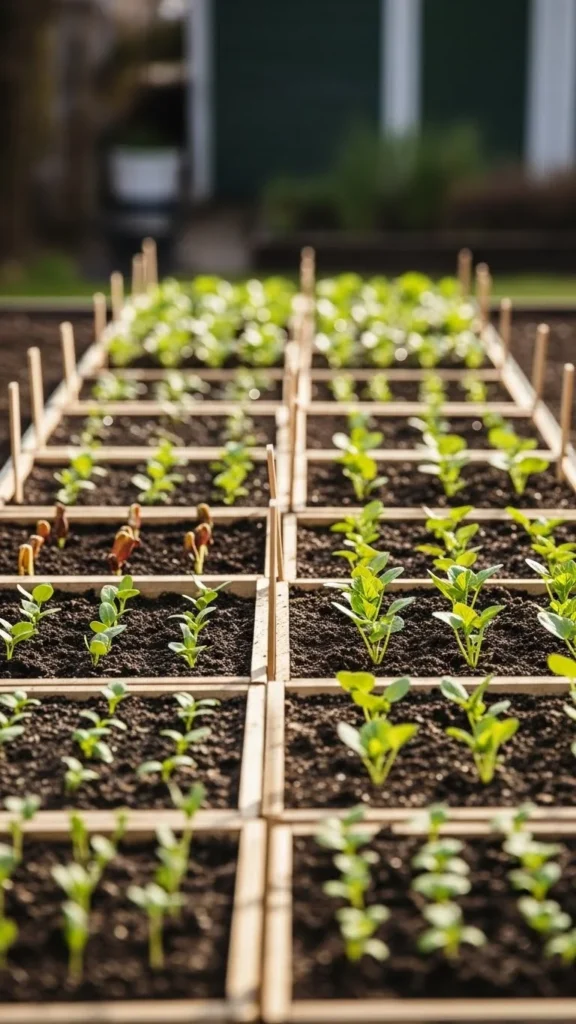
Trying everything at once leads to overwhelm. Test one new plant or method.
Learn from it before expanding.
Small trials save money and effort.
23. Accept Imperfect Results
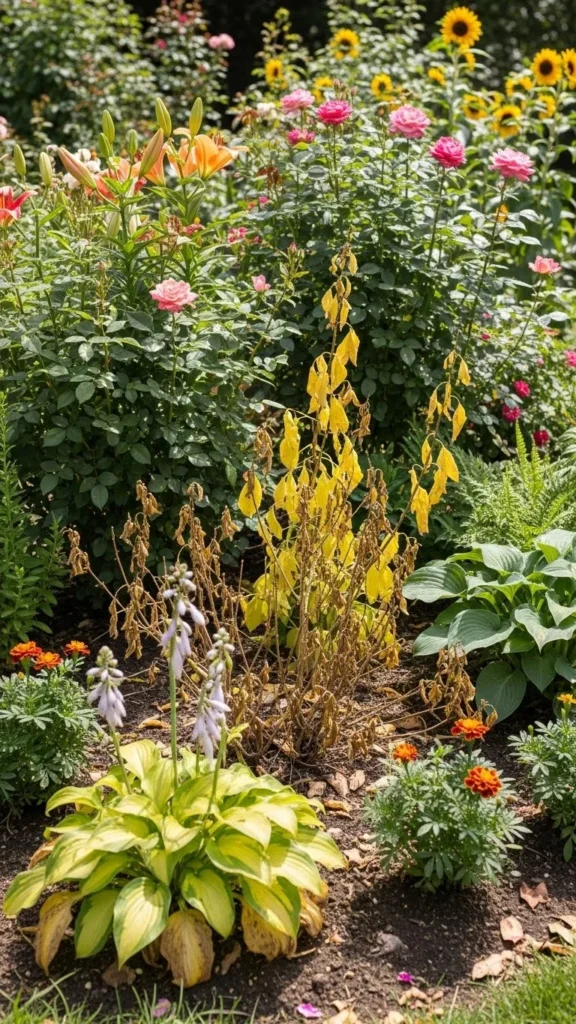
Not every plant will succeed. Weather, pests, and timing affect outcomes.
Focus on progress, not perfection.
Gardens teach through trial.
24. Reuse What You Already Have
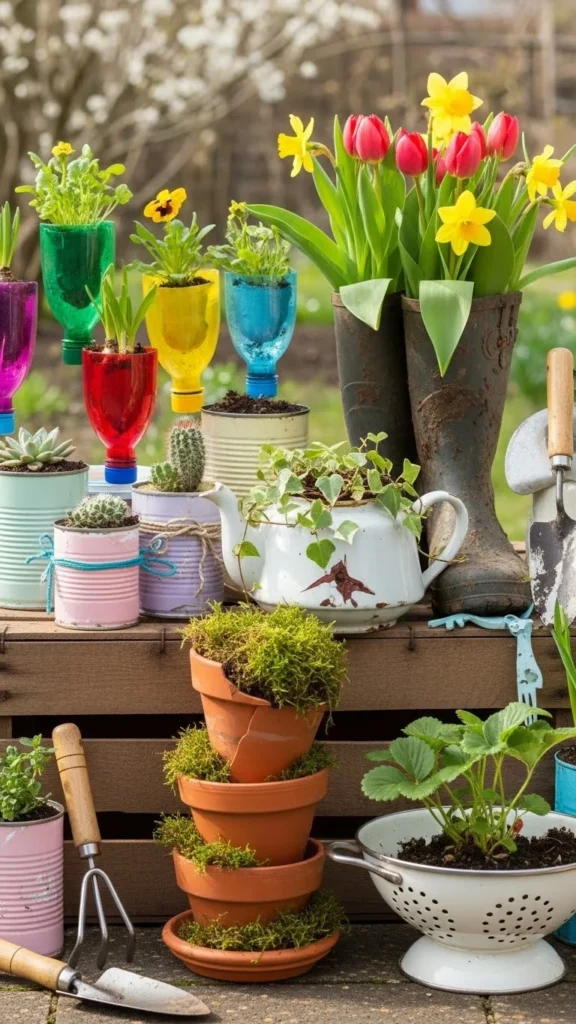
Old containers, jars, and boxes serve many garden tasks.
Reuse reduces costs and clutter.
Resourcefulness often outperforms buying new.
25. Match Fertilizer to Growth Stage
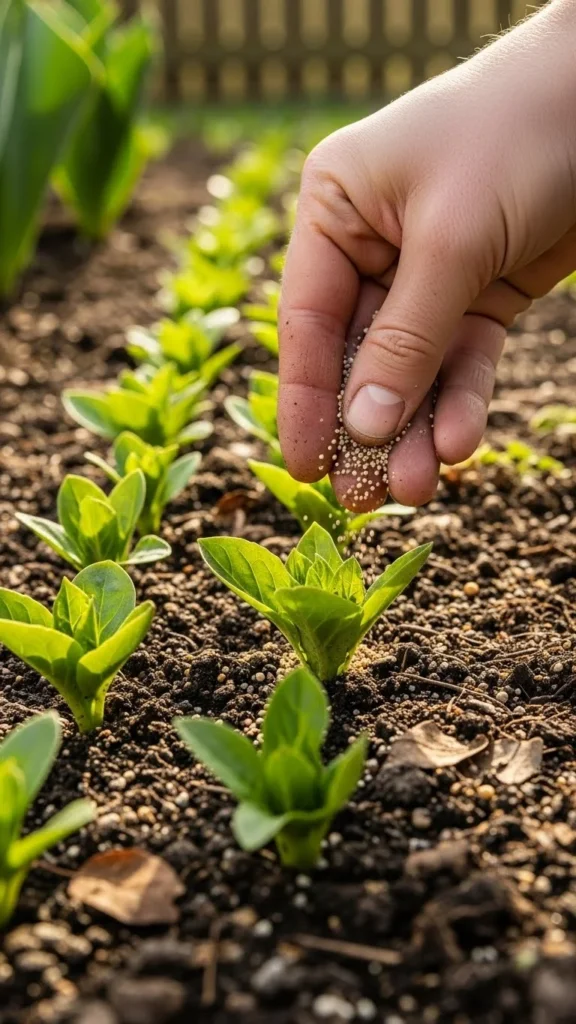
Young plants need gentle feeding. Too much too soon harms roots.
Use diluted feeds or compost early.
Increase feeding as plants mature.
26. Leave Room to Walk
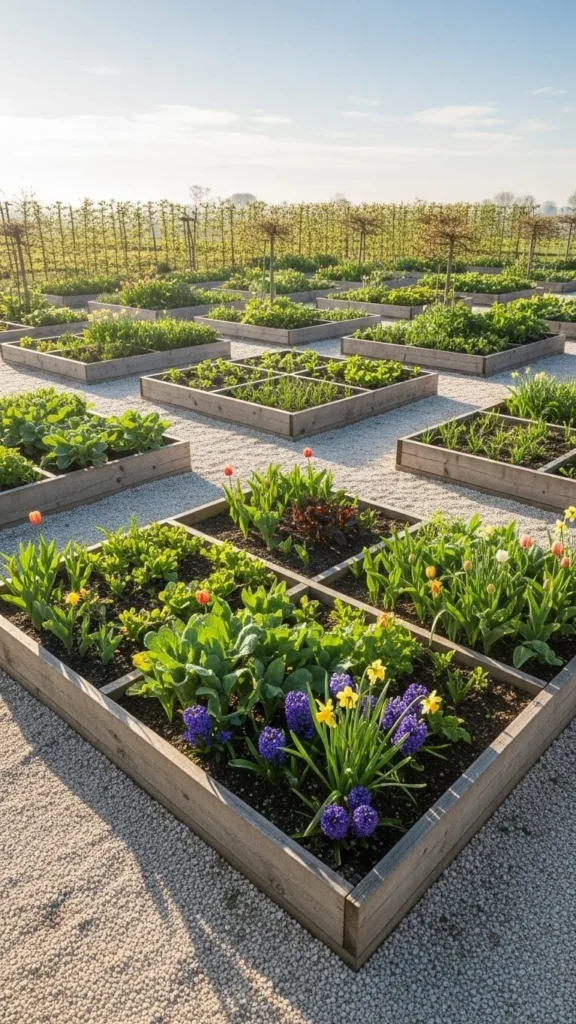
Paths prevent soil compaction and make care easier.
Even narrow walkways help.
Access improves maintenance consistency.
27. End Each Session With a Quick Check
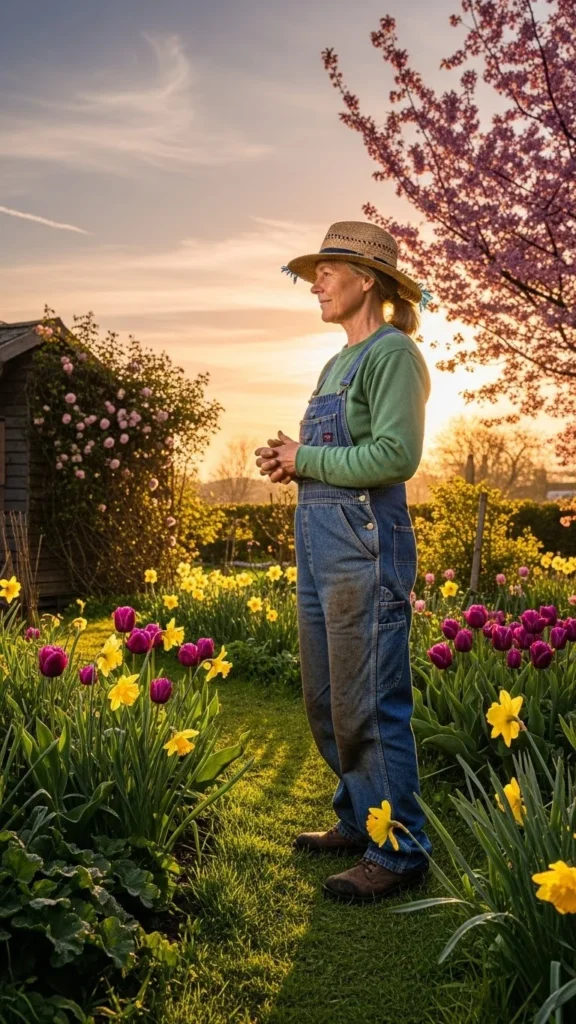
Before leaving the garden, scan plants briefly. Look for wilt, pests, or damage.
Small issues stand out early.
This habit keeps problems manageable.
Conclusion
Spring gardening success comes from steady habits, not expensive tools or perfect timing. Paying attention early, working with what you have, and keeping tasks simple builds confidence and results. Start small, stay observant, and let the season guide your actions. Save this guide, revisit it through spring, and turn these tips into routines that grow stronger every year.
Leave a Reply