

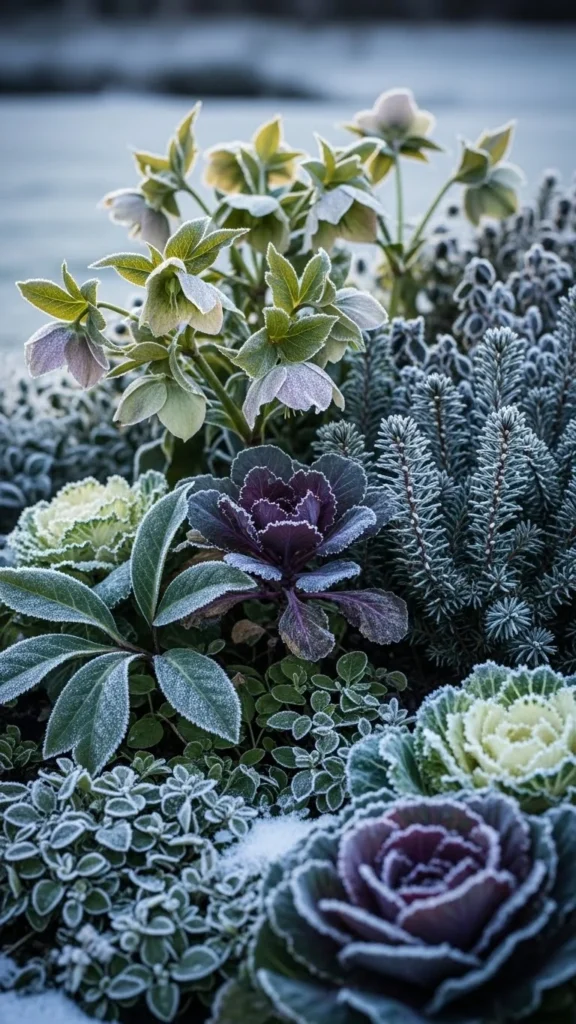
Cold seasons don’t have to pause your garden completely. Many hardy plants continue growing through chilly days, holding color and shape when most flowers fade. These winter-tough choices stay steady in cold soil, resist frost damage, and carry your garden from late fall into early spring with minimal upkeep. Below are 22 reliable cold-weather-hardy plants that stay strong all season, even when temperatures drop.
1. Wintergreen (Gaultheria procumbens)
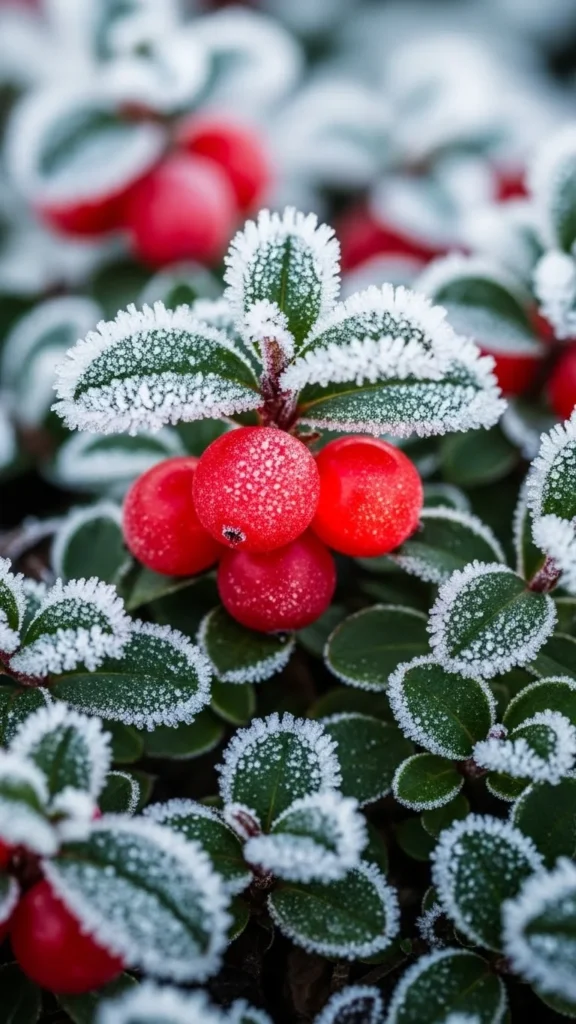
Wintergreen offers steady color when other plants fade. Its red berries and glossy leaves handle low temperatures with ease. Plant it along borders or in small clusters where you want lasting impact.
Keep the soil slightly acidic for better growth. If your soil is neutral, mix in pine needles or composted leaves. Water lightly, as wintergreen prefers drier conditions during cold months.
For an affordable approach, start with smaller pots. They spread slowly but fill in beautifully over time.
2. Hellebore (Lenten Rose)
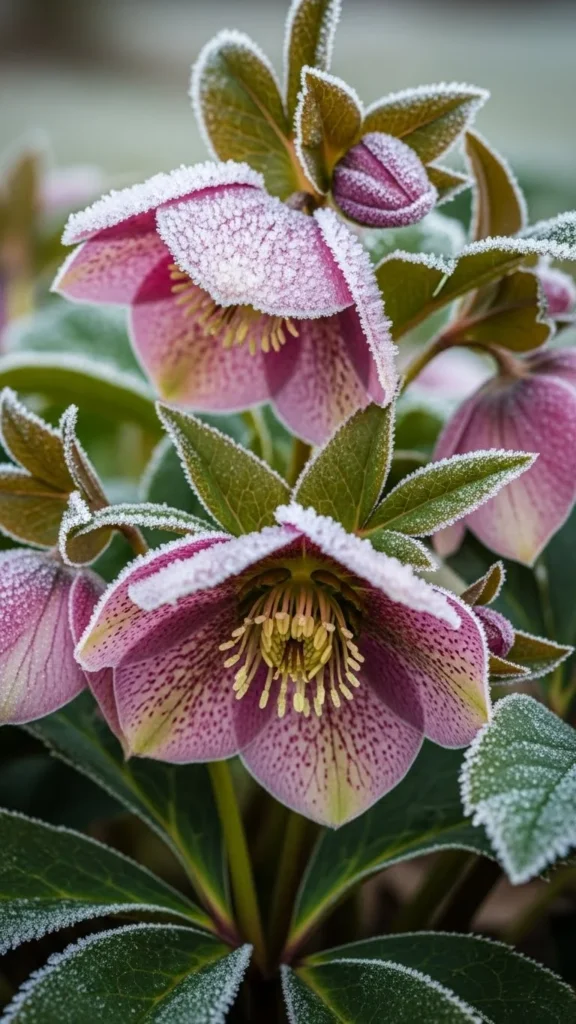
Hellebores are known for steady blooms during winter. Their downward-facing flowers stay colorful even in frosty weather. Plant them in partial shade where they can settle in for years.
Mulch around the base to help regulate soil temperature. Water lightly, as hellebores dislike soggy soil. Group several together for a strong visual patch.
Buy starter plants if you’re on a budget. They grow steadily and return each winter.
3. Snowdrops (Galanthus)
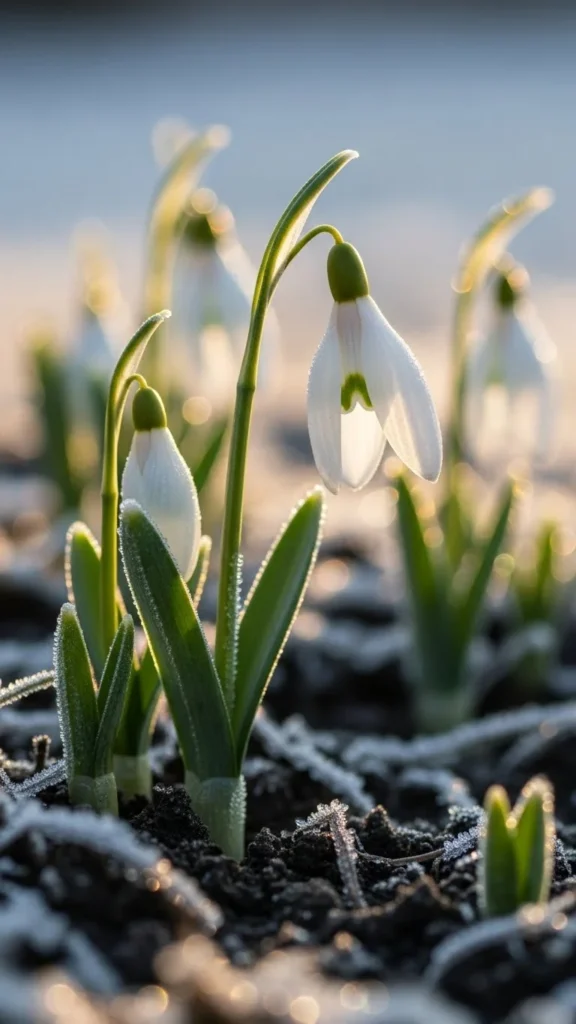
Snowdrops appear early and handle cold soil with ease. Their white bells brighten any winter bed. Plant them in drifts for a natural look that spreads year after year.
Add compost when planting bulbs. They settle best in cool, moist soil. Snowdrops multiply, so one small group turns into many.
They look strong along pathways or at the front of a bed.
4. Winter Heather (Calluna vulgaris)
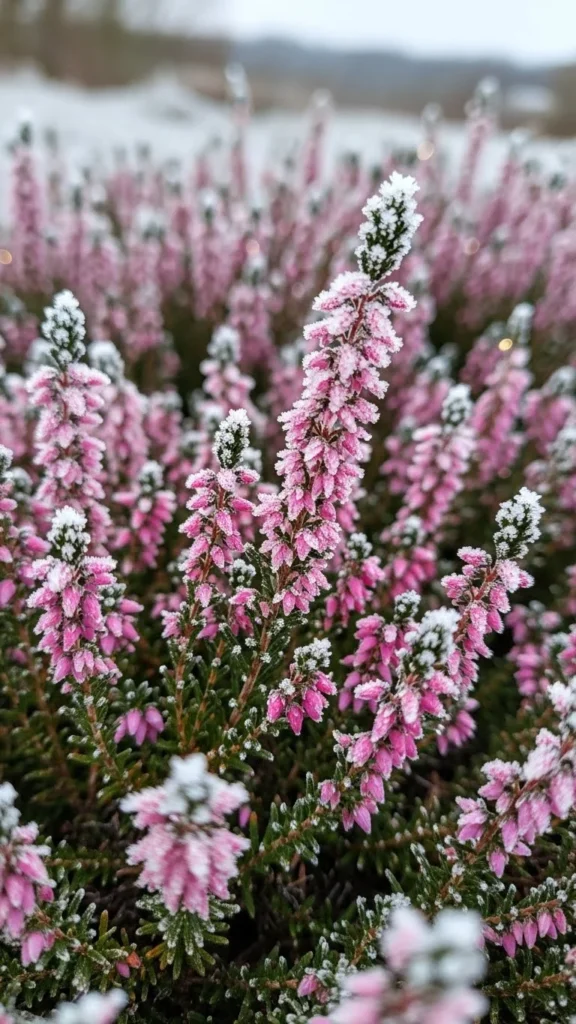
Winter heathers add texture and low color. They thrive in cold climates and hold their shape all season. Use them to fill bare spots where other plants struggle.
Give them slightly acidic soil. If needed, mix in pine mulch. Water lightly in long dry spells.
Start with a few small pots and let them spread. Their bright tones help lift dull winter corners.
5. Pansies
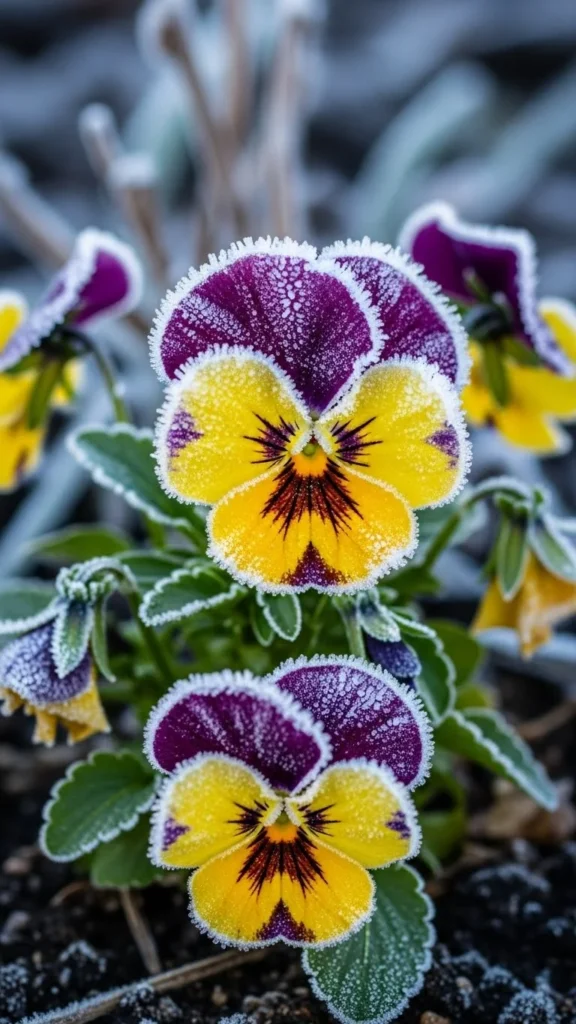
Pansies stay colorful even after frosty nights. They’re easy to manage and come in many colors. Plant them close for a dense, tidy look.
Add dark mulch beneath them to highlight their petals. Water sparingly during cold spells. Pansies often survive deep into winter and return in early spring.
Budget-friendly packs make it easy to fill large spaces.
6. Ornamental Kale and Cabbage
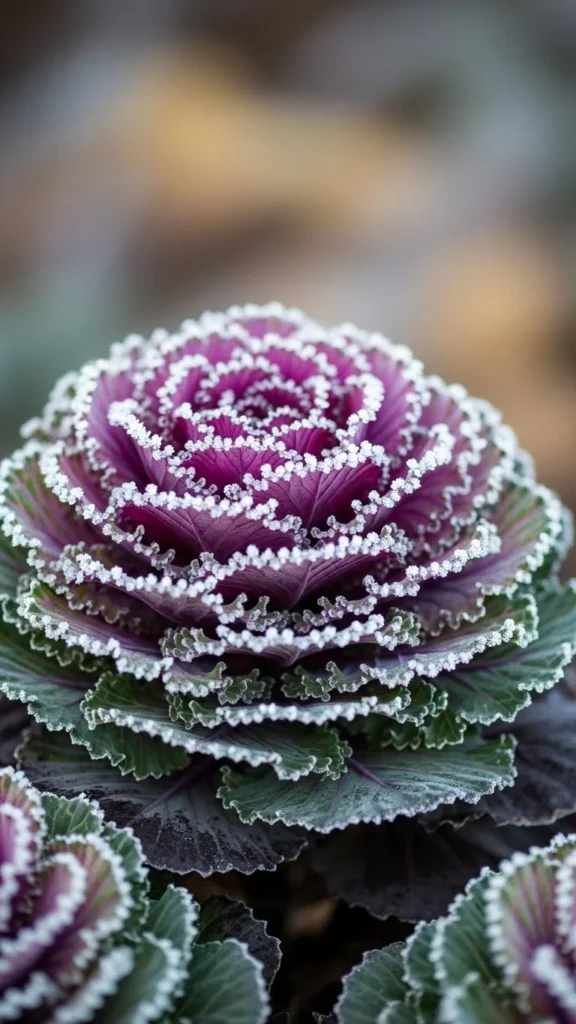
Ornamental cabbages look dramatic in winter beds. Their ruffled leaves resemble flowers and stay colorful through frost.
Plant them in rows or clusters. Use purple, white, and green varieties for contrast. They grow wide, so space them well.
These plants are affordable and long-lasting through the cold season.
7. Coral Bells (Heuchera)
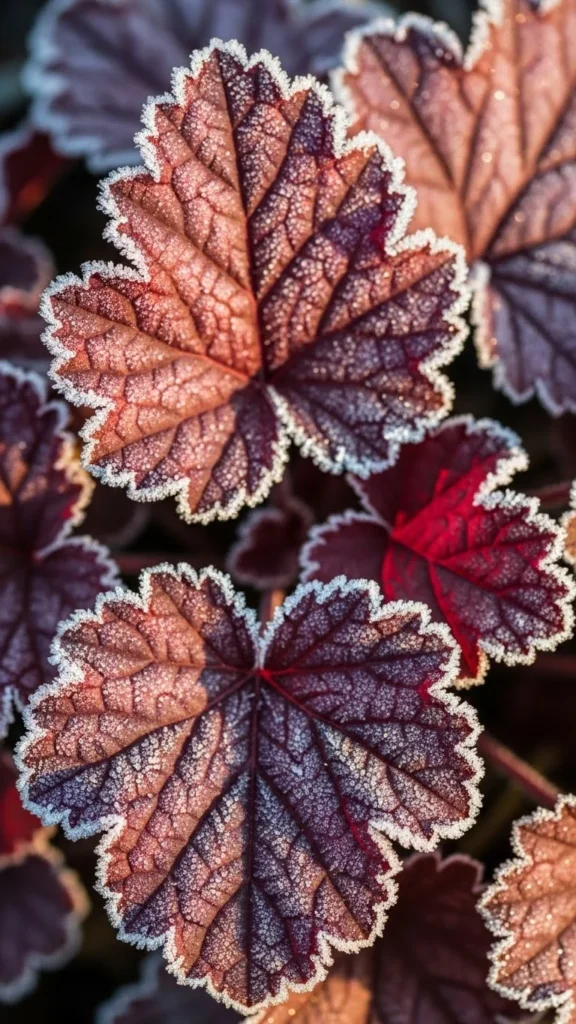
Coral bells offer steady foliage color through winter. Their leaves come in deep purple, lime, or bronze. They handle cold well and add texture.
Use them as fillers around other winter-hardy flowers. Mulch lightly to help roots stay comfortable. Coral bells work well in raised beds and borders.
Choose compact varieties to fit smaller spaces.
8. Cyclamen
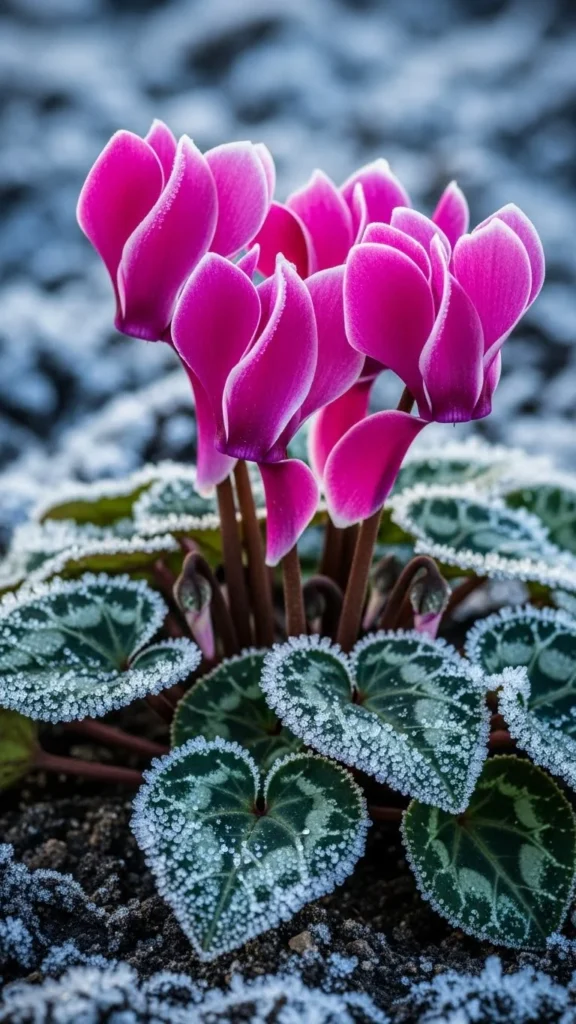
Cyclamen bring bright color to winter beds. Their upright petals stand above patterned leaves, adding elegance to cold gardens.
Plant them in clusters for the best effect. They handle partial shade well. Water gently, avoiding the crown to prevent rot.
Look for late-season deals at garden centers to save money.
9. Witch Hazel
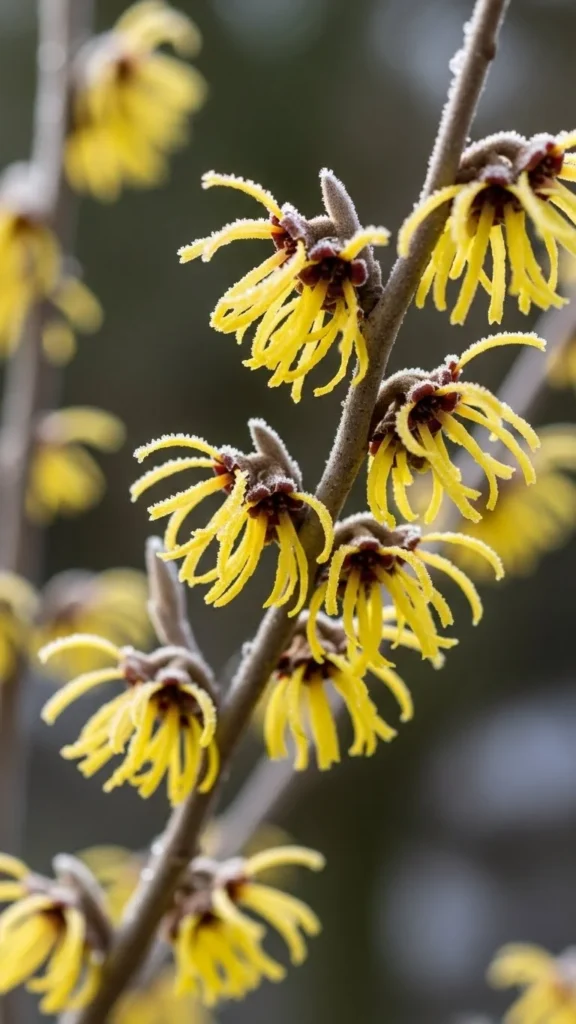
Witch hazel blooms during winter with ribbon-like petals. This shrub is hardy and adds height to winter gardens.
Plant it along fences or as a focal point. It prefers well-draining soil. Add compost when planting to help roots settle.
Its winter flowers carry mild fragrance, adding charm to cold mornings.
10. Winter Jasmine
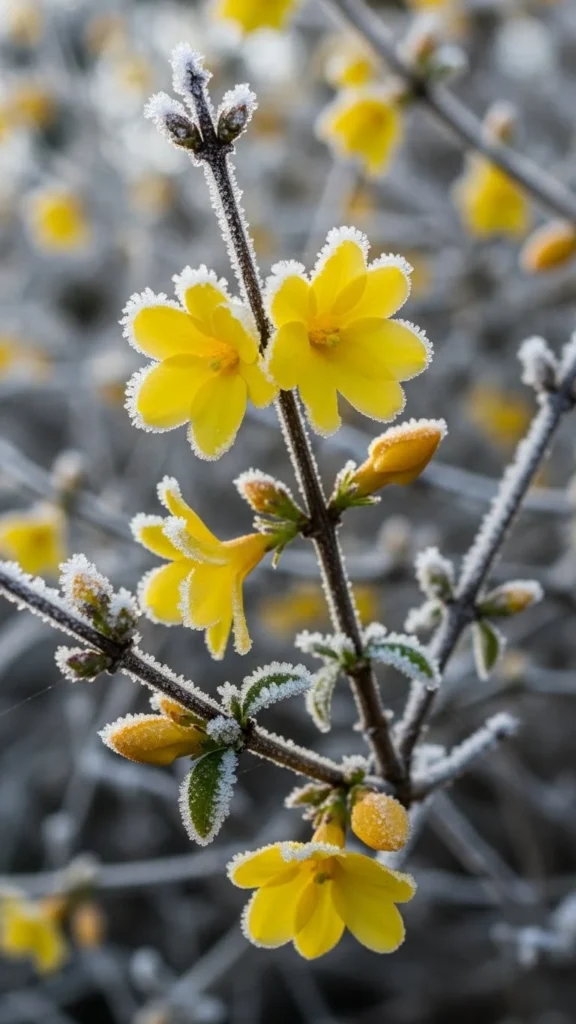
Winter jasmine lights up the garden with bright yellow blooms. It flowers during late winter and handles cold easily.
Use it as a border shrub or plant near walls where it can arch gracefully. Water lightly during dry weeks.
Winter jasmine is affordable and low-maintenance, making it an excellent winter choice.
11. Primroses
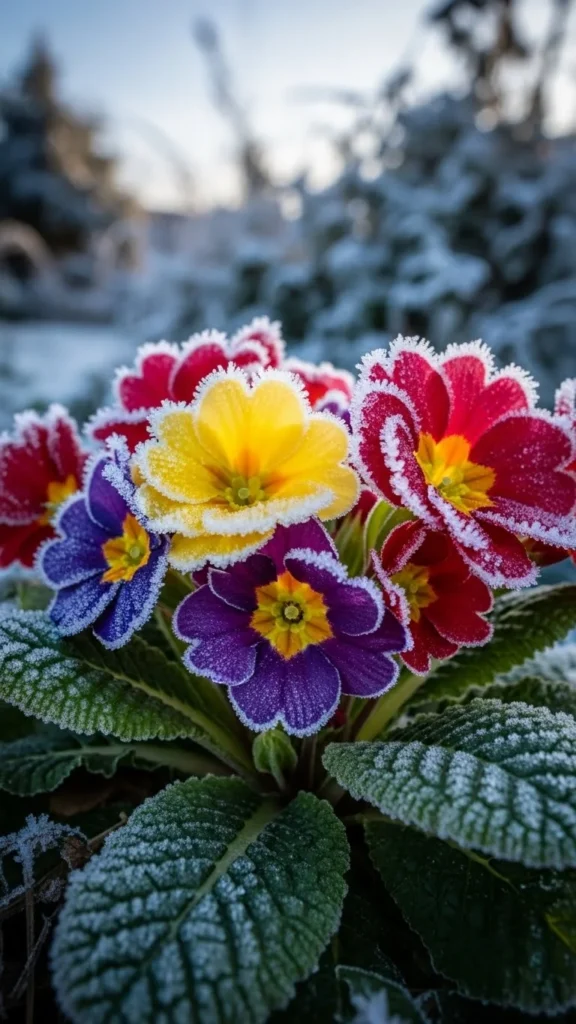
Primroses thrive in cool weather. Their bold colors stand out in winter beds. Plant them along paths or in containers for easy upkeep.
Use rich soil and mulch lightly around them. Water when the soil feels dry. They often return in early spring.
Primroses are inexpensive and available in many shades.
12. Creeping Jenny (Lysimachia nummularia)
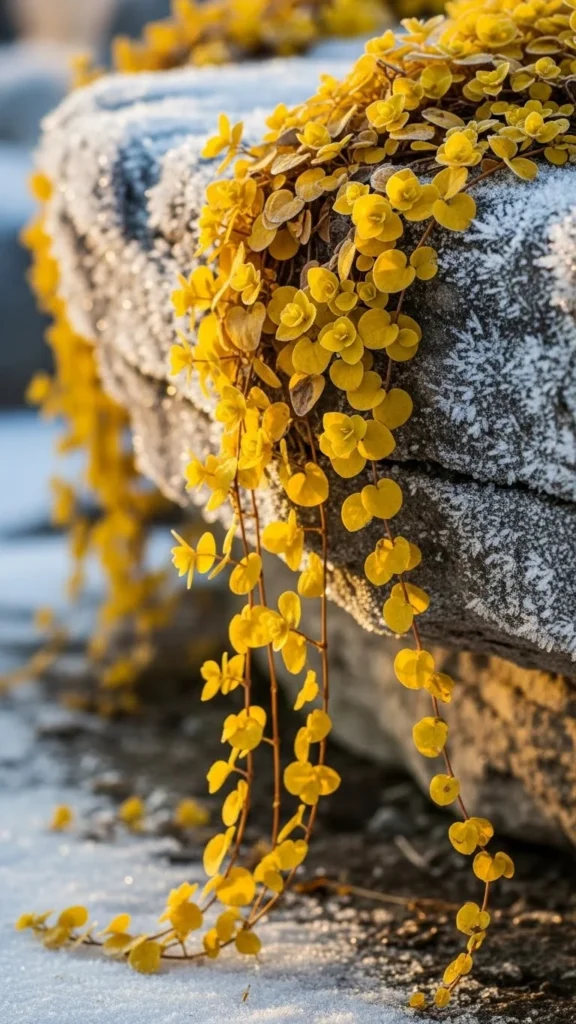
Creeping Jenny holds color through winter in many climates. Its golden leaves brighten dull beds. Use it as a groundcover or border plant.
It spreads quickly, so plant sparingly if you want control. Trim it back in late fall to shape the growth. It pairs well with evergreens and purple plants.
13. English Ivy
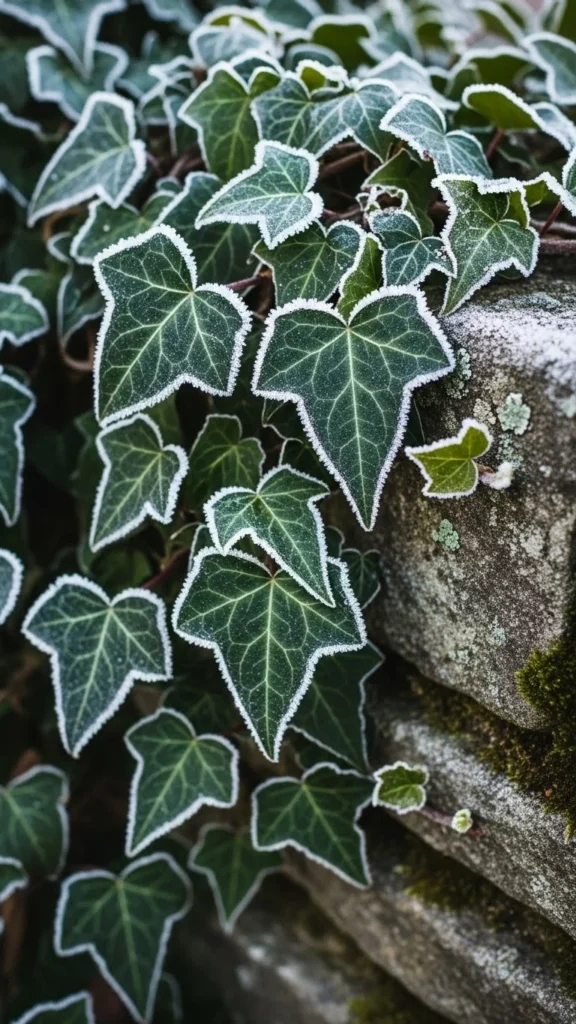
English ivy stays green all year. It handles frost well and fills bare spaces. Use it to cover walls, borders, or empty garden corners.
Trim regularly to control spread. Ivy thrives in shaded areas, making it valuable for low-light winter gardens.
Buy small starter pots for an affordable long-term covering.
14. Bergenia
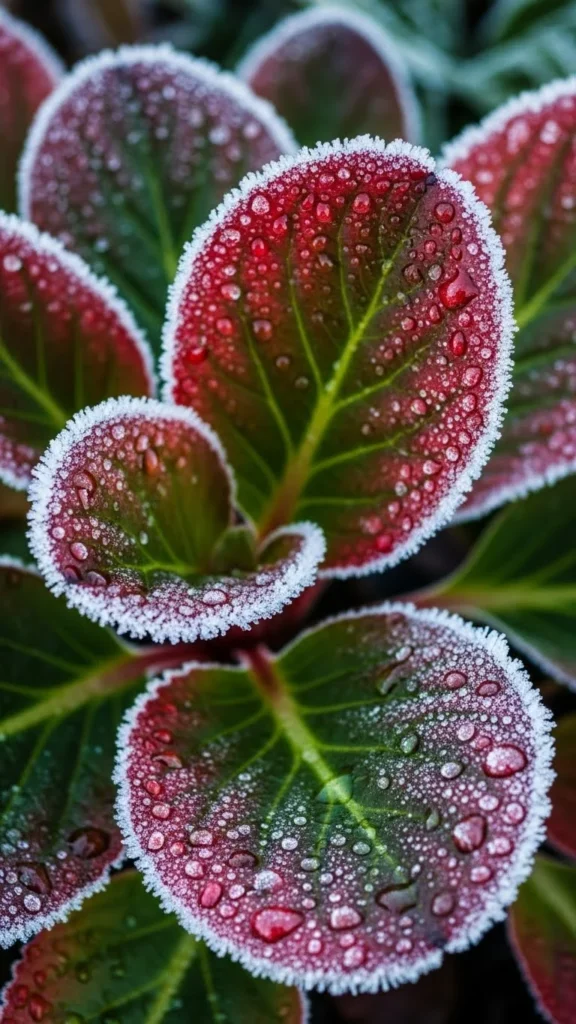
Bergenia adds large, leathery leaves that shift colors in winter. They hold shape and handle frost easily.
Plant them along paths or as mid-height fillers. Add mulch to help retain moisture. Their pink flowers appear in early spring, extending their appeal.
This plant thrives outdoors with minimal upkeep.
15. Winterberry (Ilex verticillata)
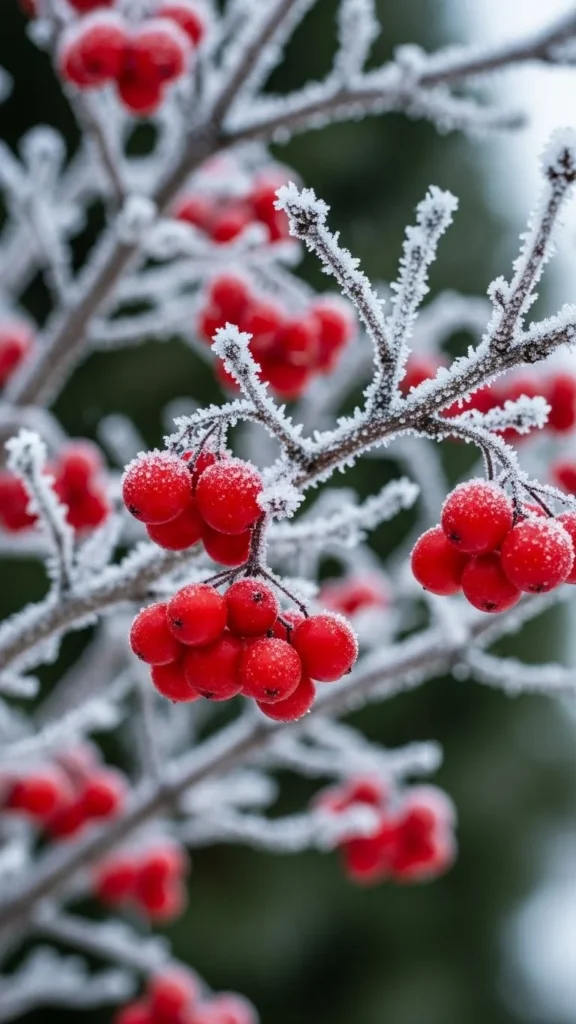
Winterberry shrubs hold vivid red berries through winter. They stand out against snow and bare branches.
Plant them in a sunny spot with moist soil. Add compost to help roots take hold. Pair them with dark evergreens for strong contrast.
Winterberry plants attract birds, adding life to winter gardens.
16. Sedum (Stonecrop)
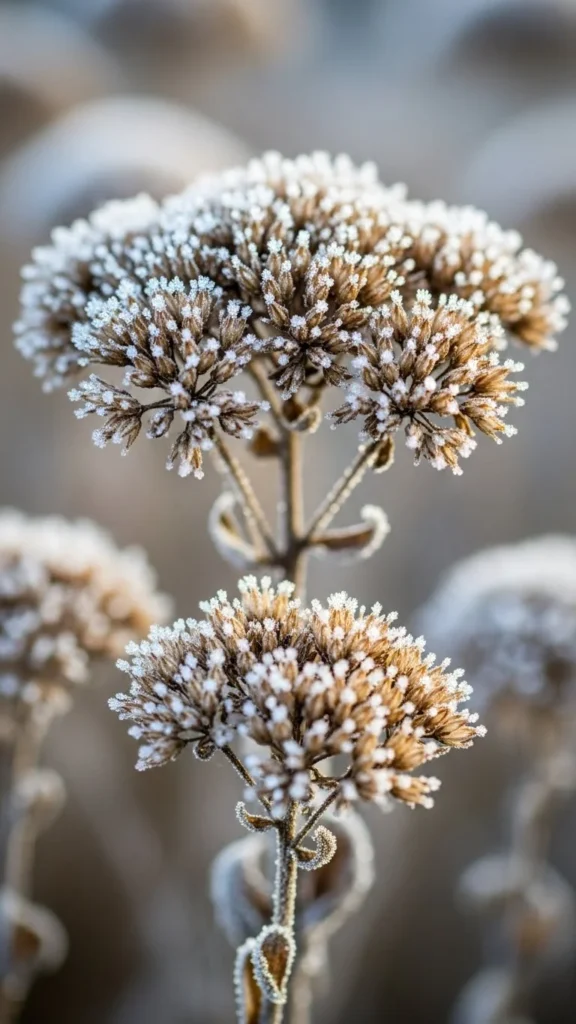
Sedum keeps its structure through winter. The dried flower heads create strong silhouettes in frosty gardens.
Leave them standing instead of cutting back. They look artistic in low winter sun. Plant sedum in well-draining soil for best results.
Sedum is inexpensive and spreads easily.
17. Christmas Rose (Helleborus niger)
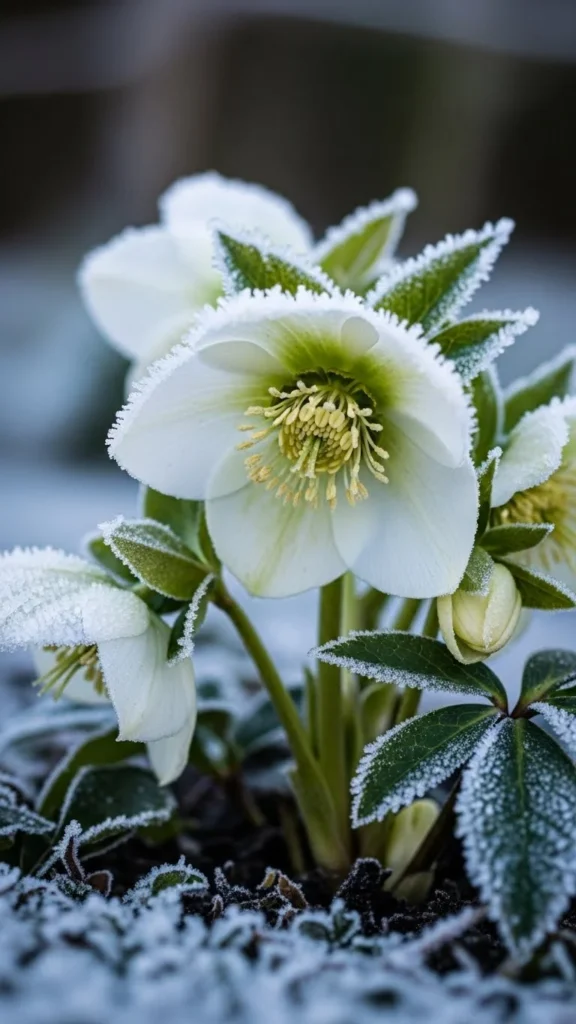
The Christmas rose blooms around winter holidays. It stays strong in cold soil and offers bright white flowers when few plants are active.
Plant it in partial shade. Water lightly. Add mulch to protect roots. These plants return yearly and expand slowly.
18. Blue Spruce Groundcover
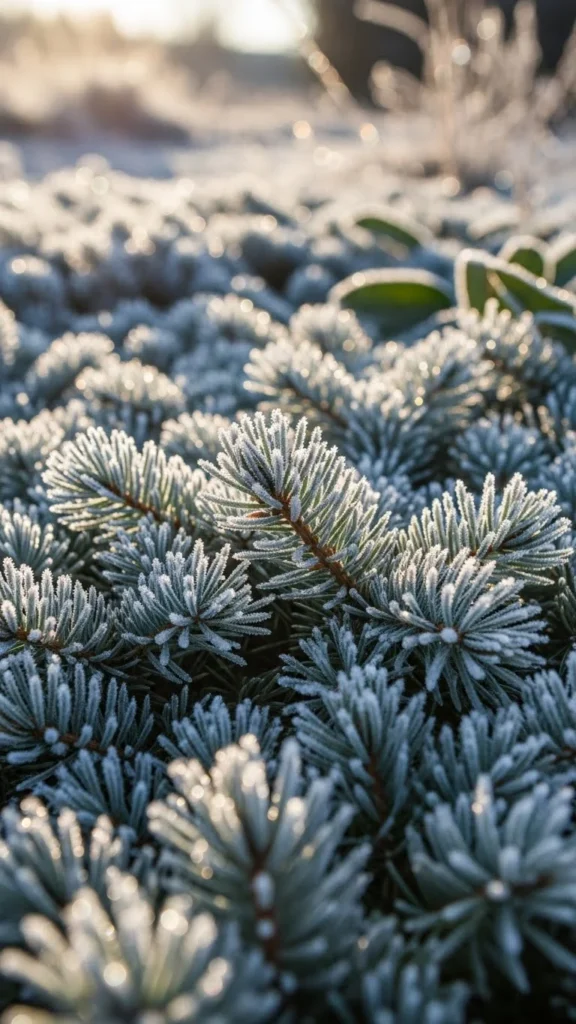
Blue spruce groundcover plants offer steady blue-gray tones. Their needles handle frost with no problem.
Use them along borders or as low fillers around shrubs. Water sparingly. They work well with purple or white winter flowers.
Buy smaller plugs for a budget-friendly start.
19. Lavender (Cold-Hardy Varieties)
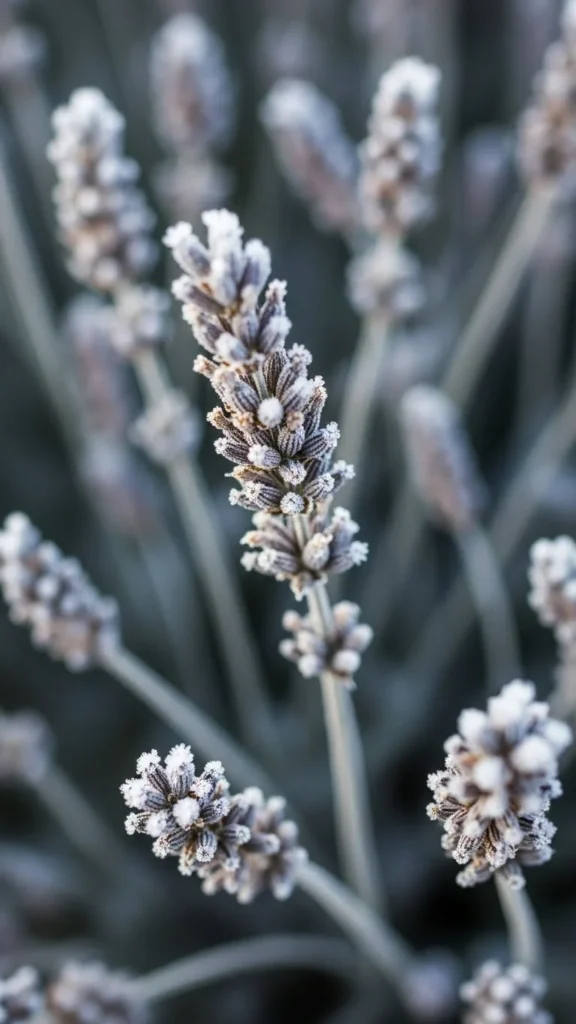
Cold-hardy lavender varieties stay steady in winter. Their scent remains even when blooms fade.
Plant lavender in well-draining soil. Add gravel on top to help keep stems dry. Trim lightly in fall for compact growth.
Lavender pairs well with other evergreen plants.
20. Yucca
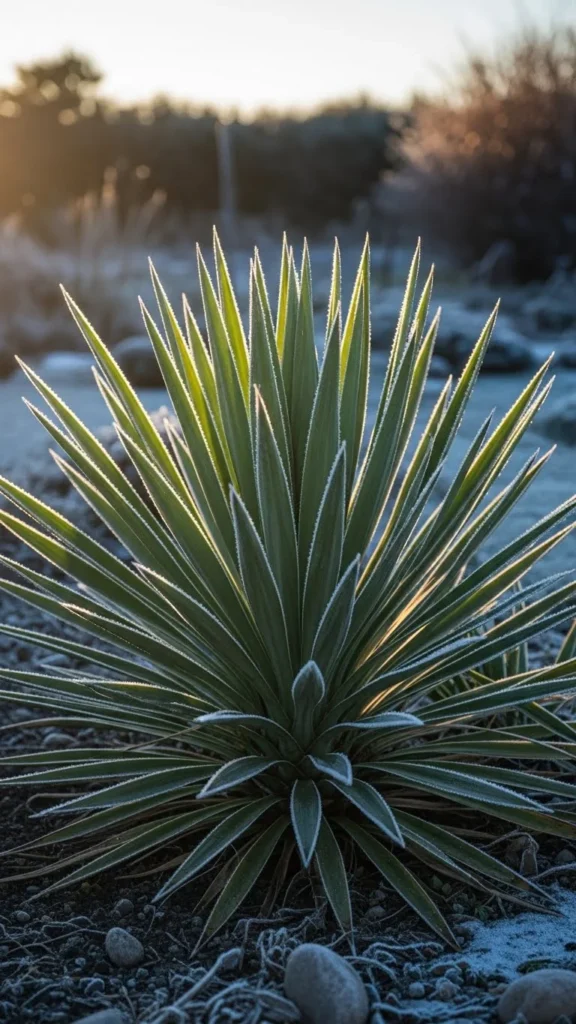
Yucca handles winter with ease. Its sword-shaped leaves stay upright through cold spells. Use it as a focal plant for structure.
Plant in sandy or rocky soil for best performance. Water sparingly. Yucca spreads slowly, making it easy to manage.
21. Japanese Pieris
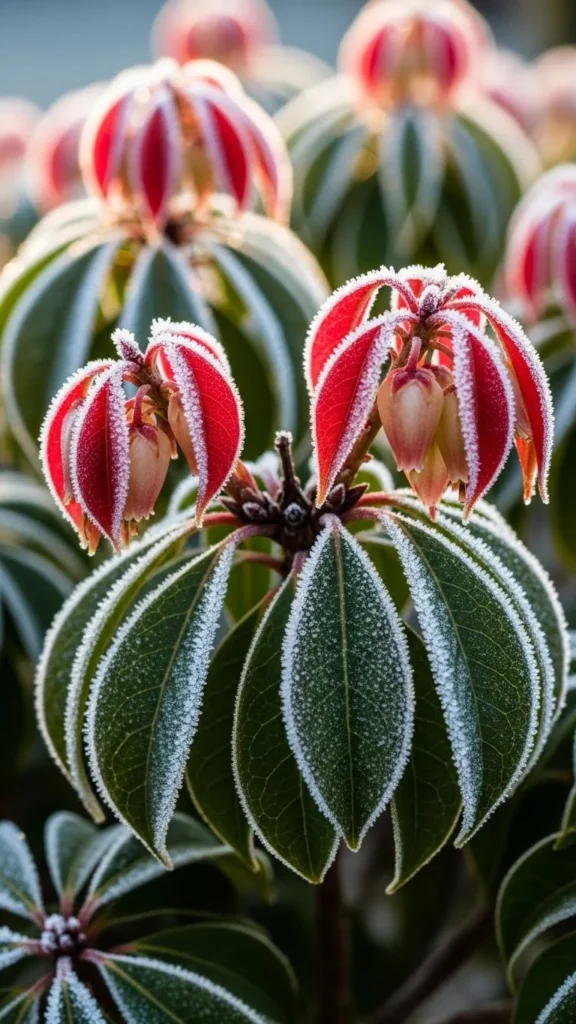
Japanese pieris stays colorful through winter. Its red new growth appears even in cold weather.
Plant it in partial shade with acidic soil. Add pine mulch to help the soil stay suitable. Water lightly.
It pairs well with hellebores and heather.
22. Camellia (Cold-Hardy Types)
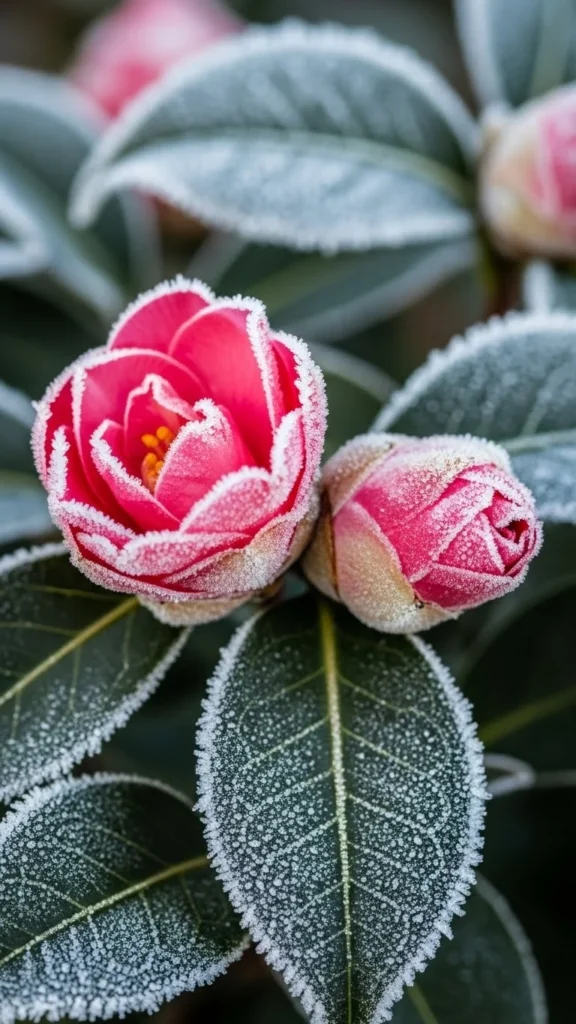
Cold-hardy camellias offer winter flowers in pink, red, and white. They stand strong even with chilly mornings.
Plant them in partial shade. Keep the soil slightly acidic. Mulch helps protect their roots. Camellias make excellent winter garden anchors.
They’re long-lasting and add color when very few plants bloom.
Conclusion
Cold-weather gardens can stay colorful and lively with hardy plants that stand strong through frost. By choosing steady performers like hellebores, winterberry, cyclamen, and pansies, you create a garden that keeps its shape and color even during harsh months. Try adding a few of these reliable plants to your beds or containers and enjoy a winter garden that stays active all season.
Leave a Reply