

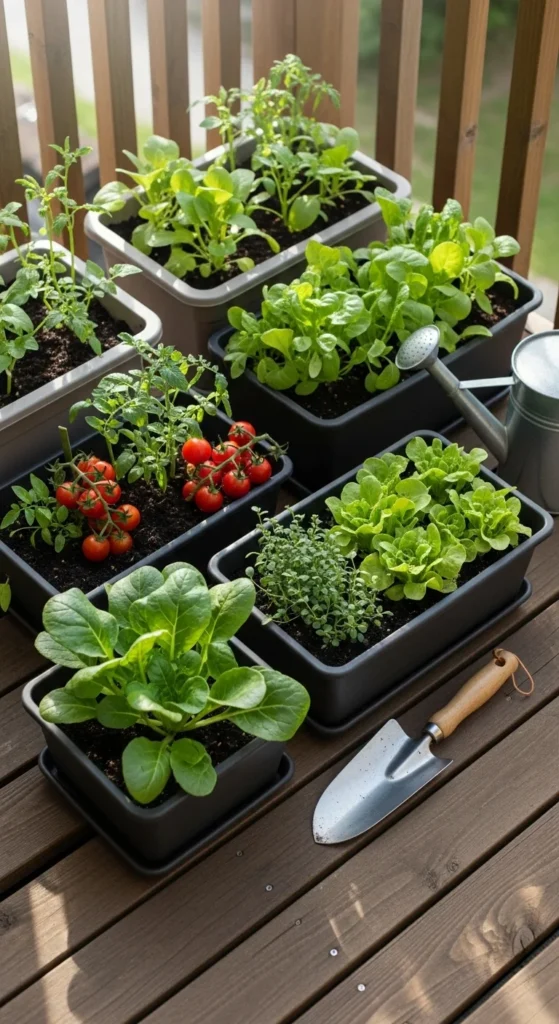
The turn of the year is the perfect time to refresh your growing space with smart, compact planter-box ideas. Even small balconies, patios, or backyards can produce plenty of vegetables with the right setup. Planter boxes make it simple to grow healthy crops, manage soil, and keep things tidy. These ideas are designed for anyone who wants quick results without taking up too much space. Let’s explore clever, low-cost setups that deliver rich harvests all season long.
1. Deep Box for Root Veggies
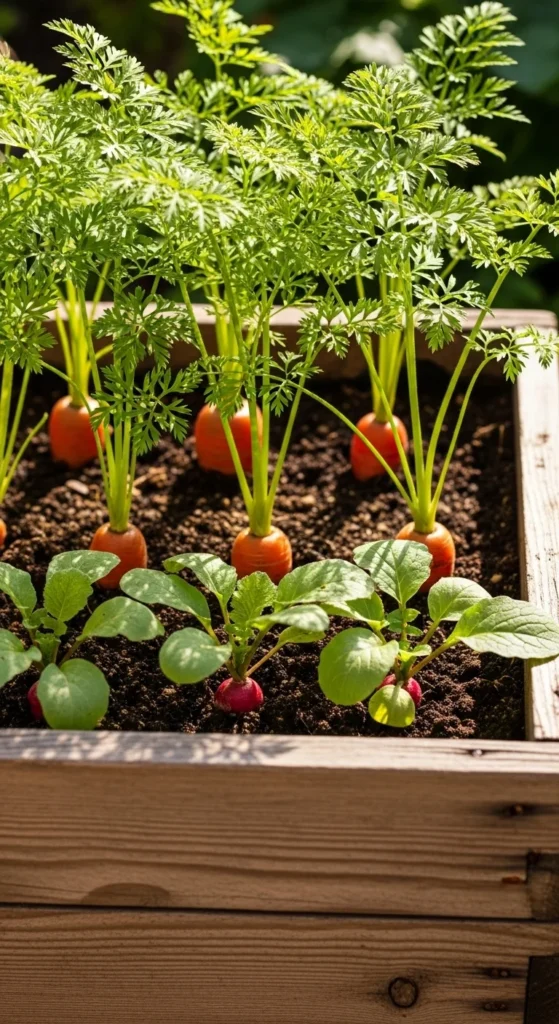
Deep containers work best for root crops like carrots and radishes. Use boxes at least 12 inches deep filled with loose soil. Mix in compost for better structure and moisture control. Keep soil evenly damp for straight, firm roots. Try staggering plantings every few weeks for continuous harvests. Place boxes where sunlight hits directly—roots love steady warmth even in cool months.
2. Tiered Lettuce Box Setup
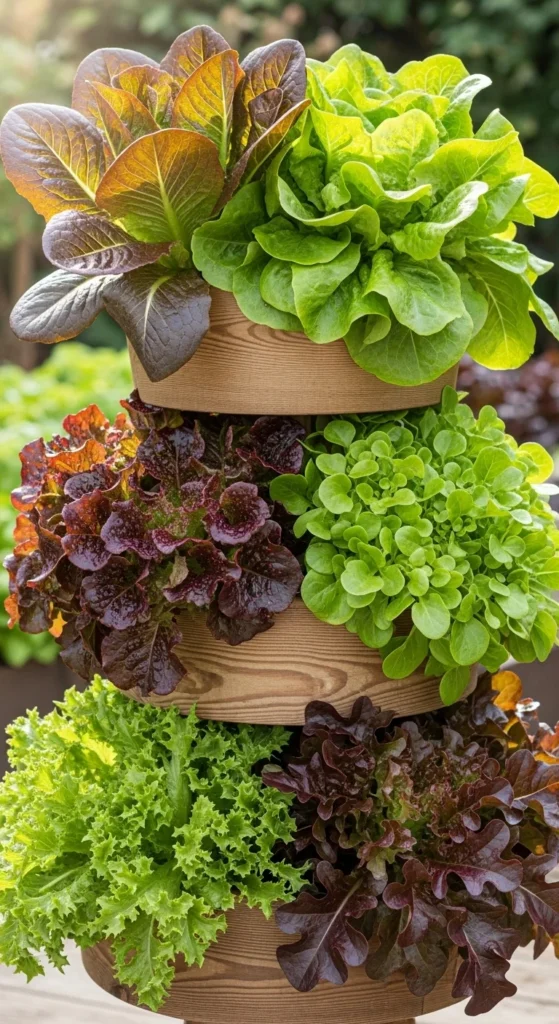
Stacked tiers create more growing room without spreading out. Plant different lettuce varieties on each level for color and texture. Top tiers dry faster, so water evenly. Keep a watering can nearby for quick spritzes. Use untreated pine or cedar for a natural look. This setup brings structure and constant salad greens within reach right by your back door.
3. Balcony Tomato Crate
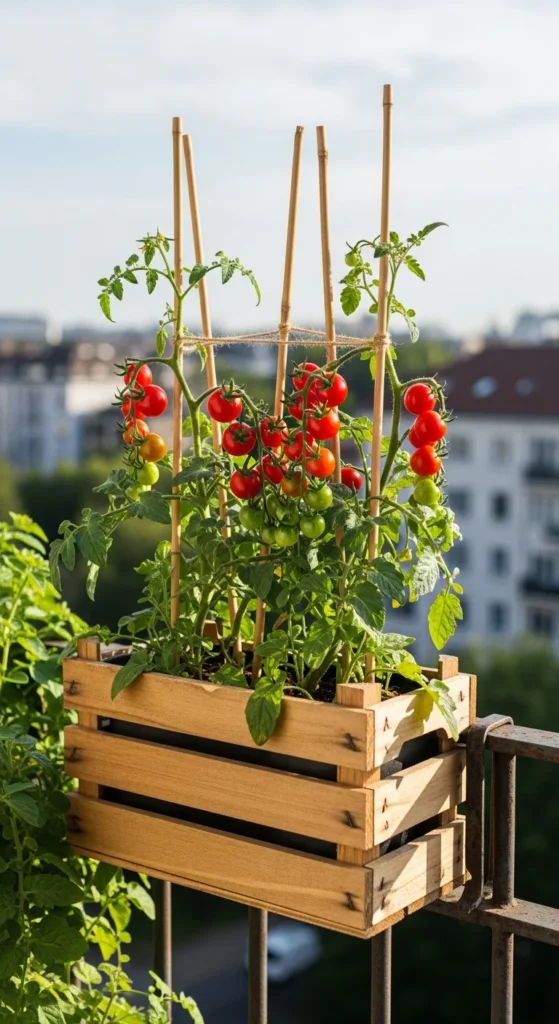
Tomatoes thrive in compact boxes with good drainage. Choose dwarf or patio varieties for best results. Fill the crate with compost-rich soil and place near full sunlight. Use bamboo sticks for support as vines grow. Water regularly but don’t overdo it—slightly dry soil encourages better fruiting. Even one small crate can yield handfuls of bright red tomatoes by early summer.
4. Herb Box with Built-in Divider
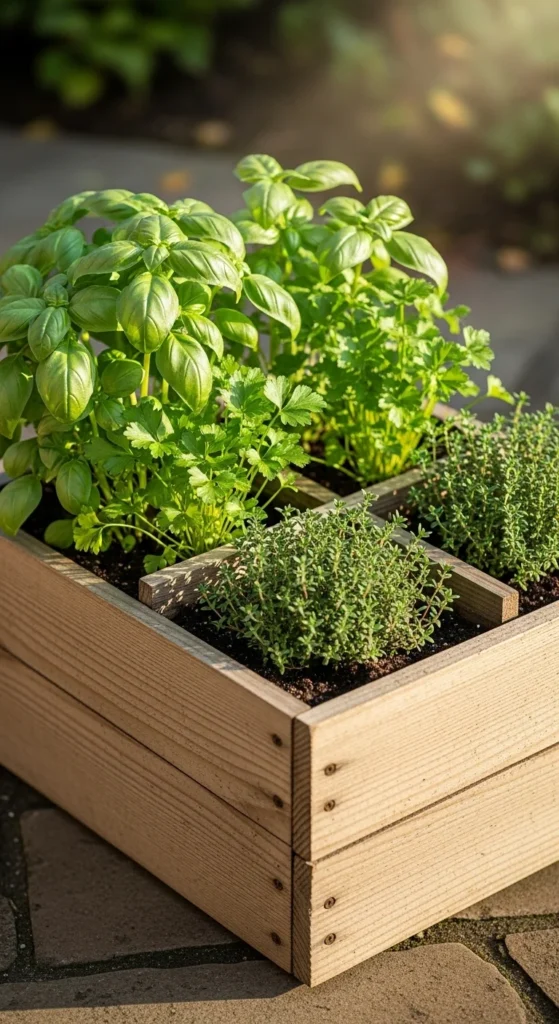
Divided boxes keep herbs organized while preventing one from taking over. Plant fast-growing herbs like basil or cilantro next to hardy ones like thyme. Add gravel at the bottom for drainage. Trim herbs regularly to promote regrowth. Keep this box close to your kitchen for easy access while cooking. It’s small, stylish, and endlessly useful.
5. Upcycled Drawer Garden
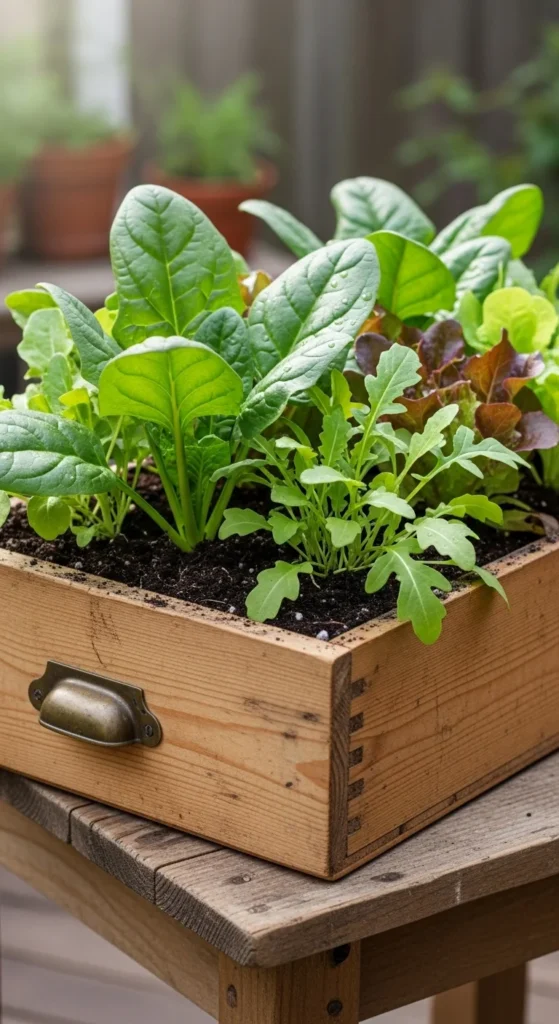
Old drawers make surprisingly effective planter boxes. Drill drainage holes, line with burlap, and fill with soil. They’re shallow but perfect for greens like spinach or arugula. Stack multiple drawers vertically for a tiered look. This DIY project gives furniture a second life and turns tight corners into green zones filled with life.
6. Potato Box with Sliding Panels
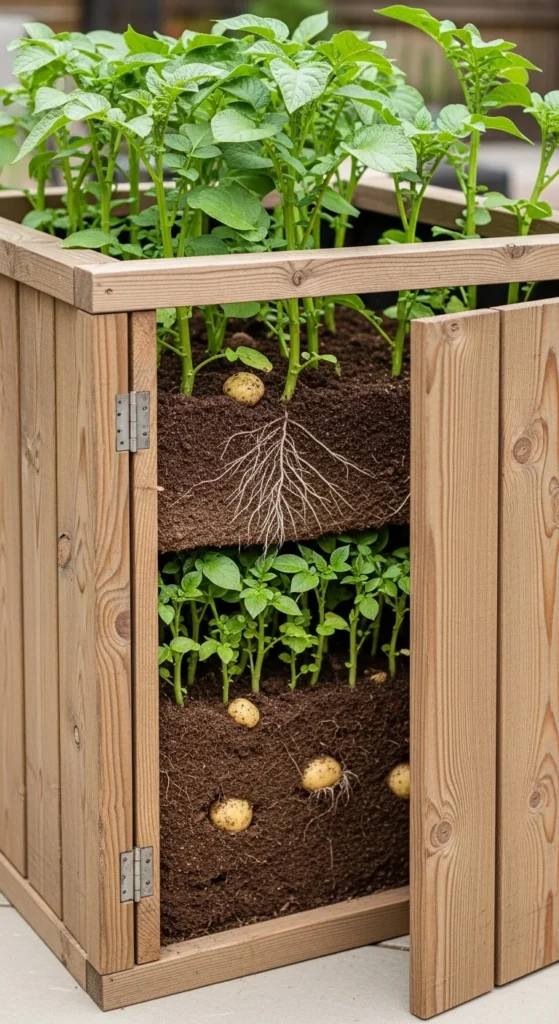
Build a simple wooden box with removable slats. As potatoes grow, add soil and boards upward. When ready to harvest, remove panels from the bottom for easy digging. This design maximizes yield in minimal space and keeps tubers insulated from cold. Perfect for small patios where ground planting isn’t possible.
7. Compact Bean Box with Trellis
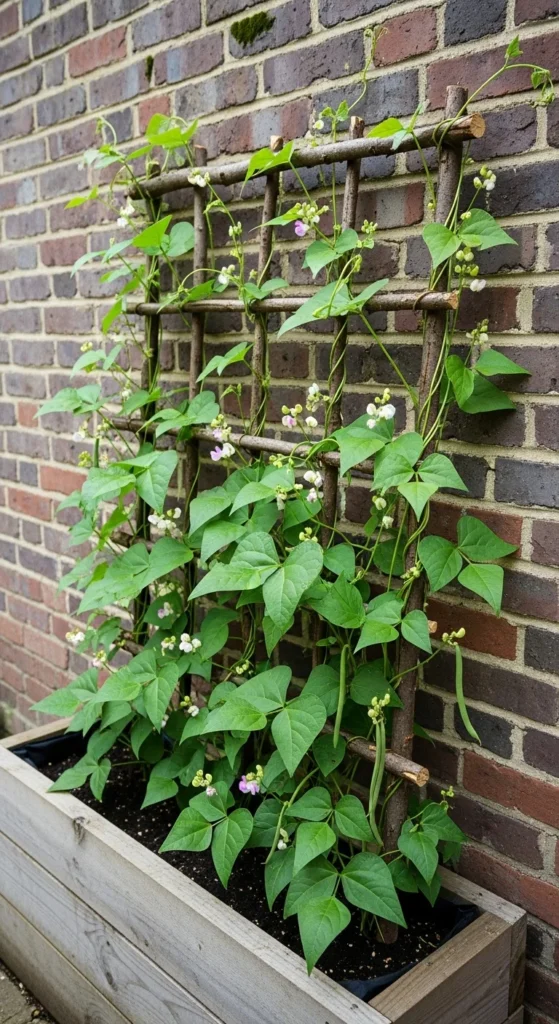
Beans grow vertically, saving horizontal space. Install a trellis behind a narrow planter and plant climbing beans along the edge. Use twine or netting for easy gripping. The setup adds height and shade while providing steady harvests. Place it near a sunny wall for warmth and wind protection.
8. Salad Box on Wheels
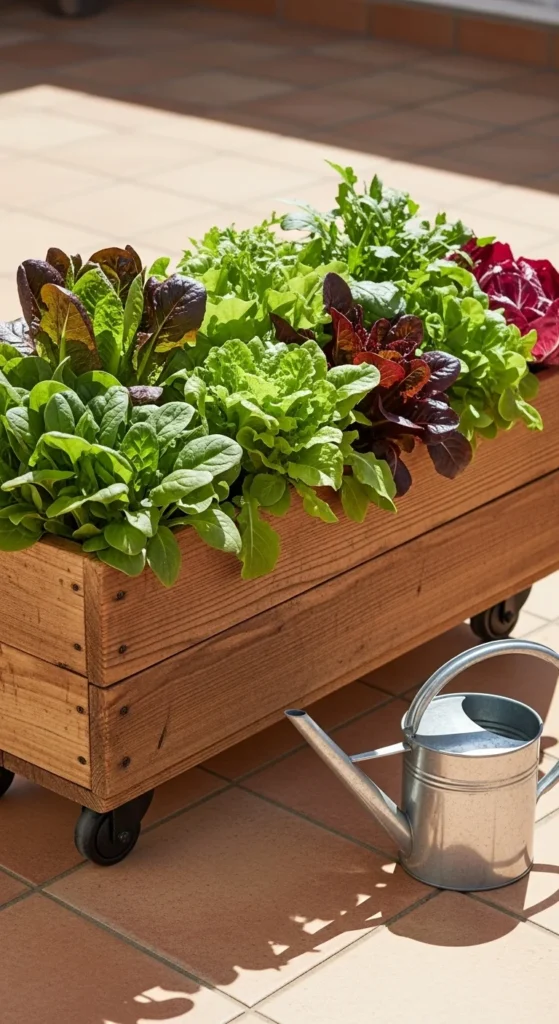
Attach wheels to a shallow planter box for easy movement. Grow quick crops like lettuce, arugula, and mustard greens. Move the box as sunlight shifts during winter. Keep it close to your door for convenience. This mobile design helps you manage light and temperature effortlessly through changing seasons.
9. Succession Planting Tray Box
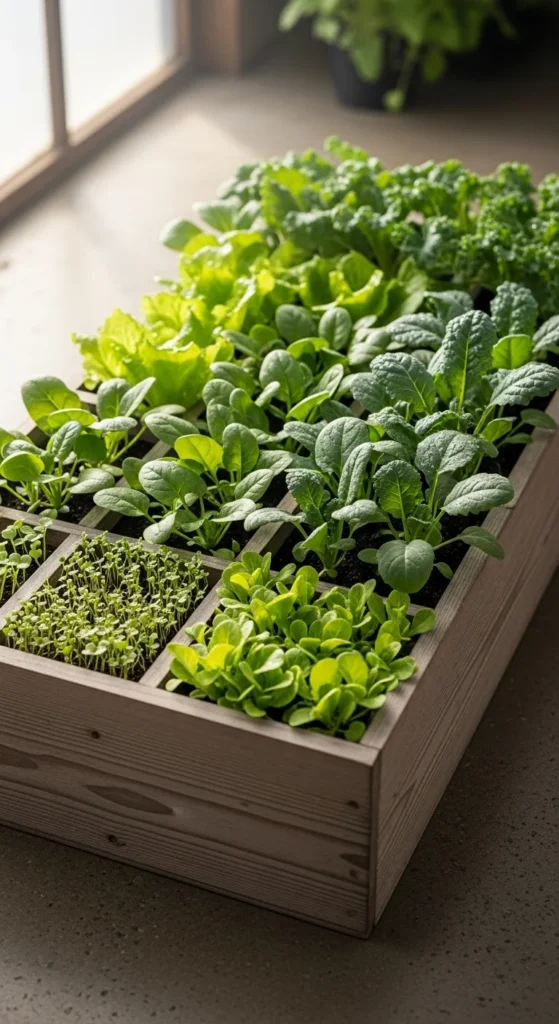
Create a schedule by sowing seeds in separate rows weekly. This simple technique ensures you always have young plants ready. It works well with compact crops like spinach or baby chard. Label each section to track planting dates. It’s an easy, space-saving rhythm that keeps your box producing fresh veggies all year.
10. Recycled Plastic Storage Box Garden
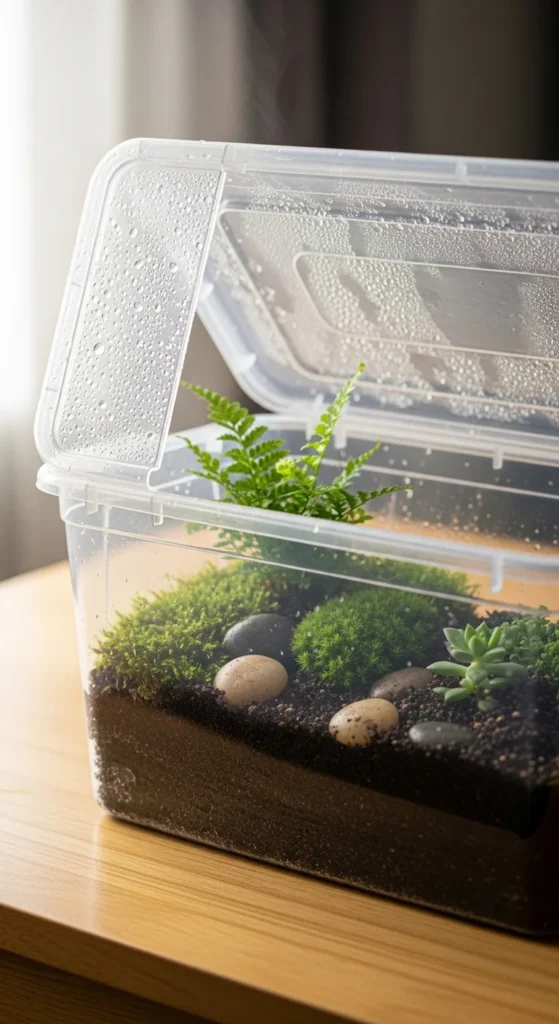
Turn an unused plastic bin into a productive planter. Drill drainage holes and fill with soil. The clear sides act like a mini greenhouse, trapping warmth for young plants. Perfect for early sowing of kale or lettuce. It’s budget-friendly and portable—ideal for experimenting with small-scale gardening.
11. Dual-Depth Vegetable Box
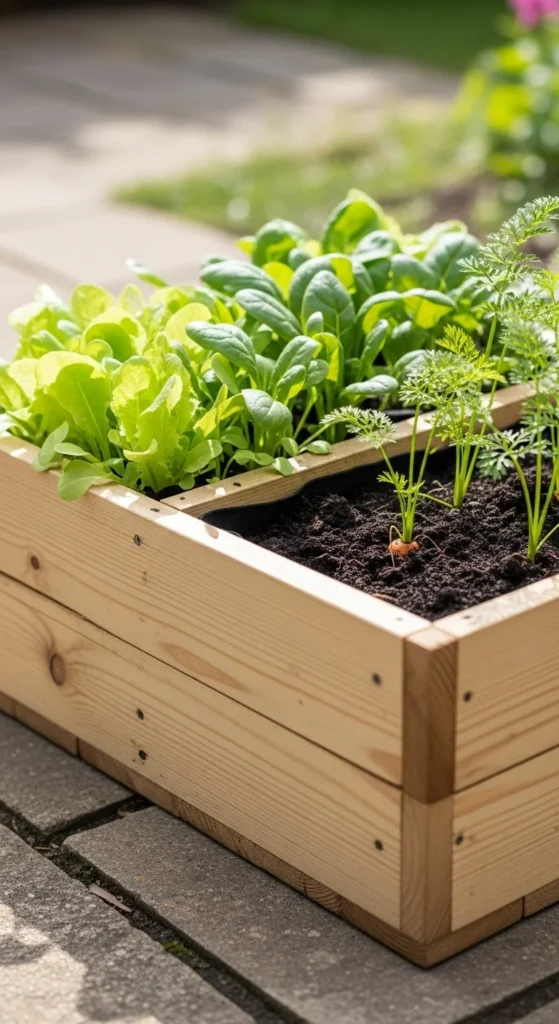
Design a box with two sections—one deep, one shallow. Use the deeper side for root crops and the other for leafy greens. This mixed layout maximizes yield per square foot. Water needs differ slightly, so use a small divider board to control flow. It’s clever space management for compact gardens.
12. Narrow Wall Box for Spinach
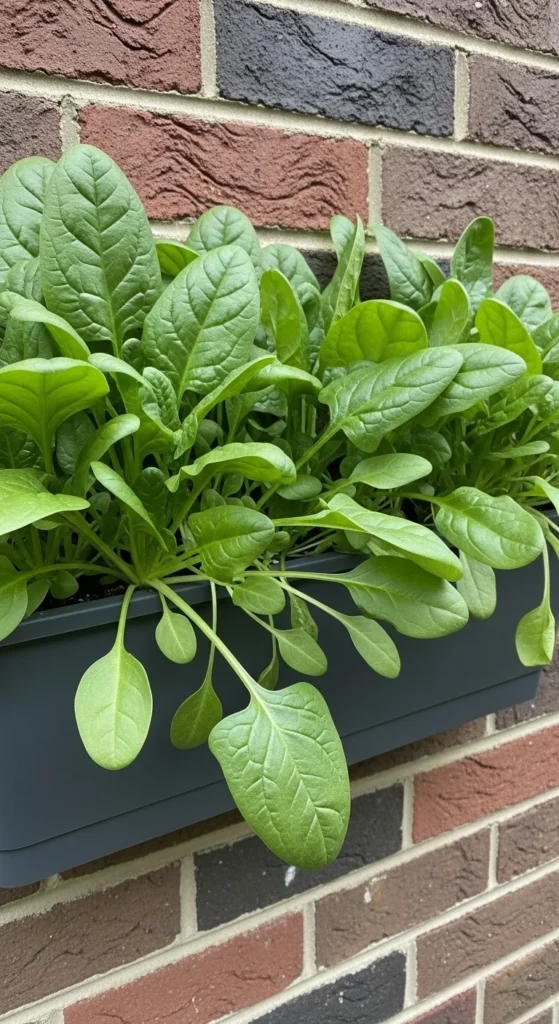
Mount narrow boxes along balcony or patio walls. Spinach and baby lettuce thrive in shallow soil and partial sunlight. Install a drip line for easy watering. These slim boxes save ground space and add greenery to vertical surfaces. Perfect for apartment dwellers looking for daily harvests.
13. Herb-and-Veggie Combo Planter
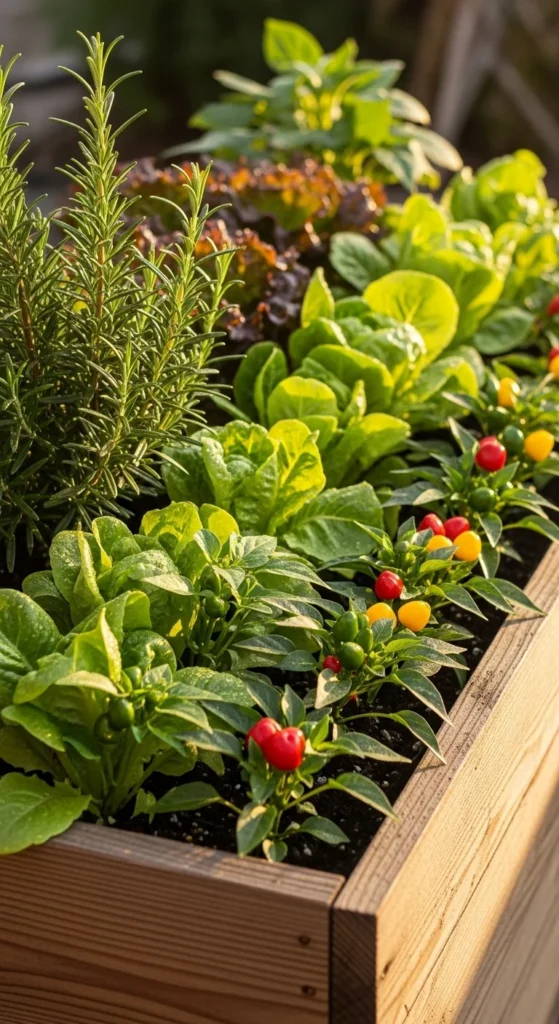
Combine herbs and small veggies for variety and pest control. Rosemary deters insects, while lettuce and peppers fill in the gaps. Keep soil light and water evenly. Place it near sunlight but shielded from strong wind. It’s a compact, productive mix that keeps your garden fragrant and edible.
14. Self-Watering Box Setup
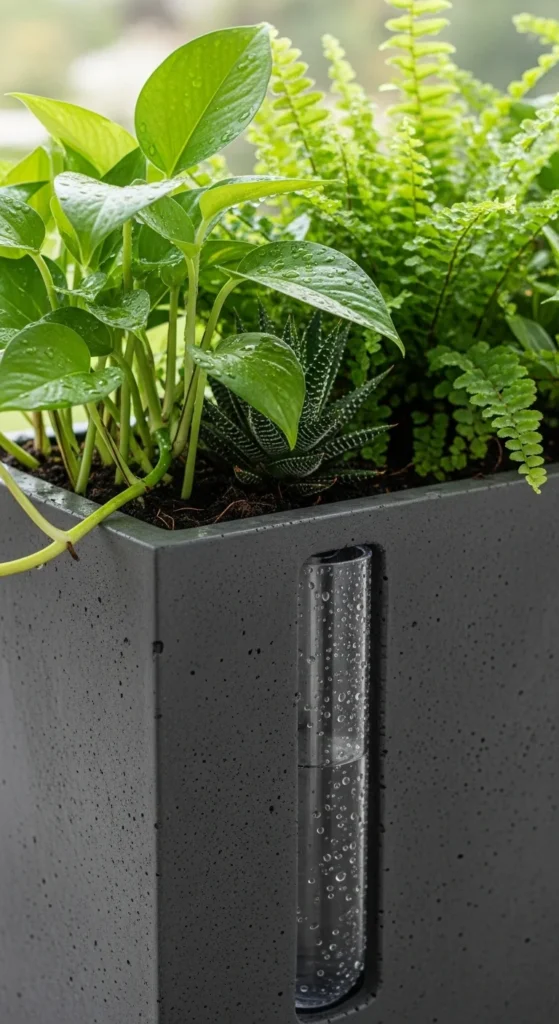
Use self-watering containers to save time and prevent dry soil. Add a small reservoir at the bottom with a wicking system. Perfect for busy gardeners who forget to water daily. Works best for thirsty crops like cucumbers or leafy greens. This design keeps soil moisture balanced without constant care.
15. Old Crate Veggie Patch
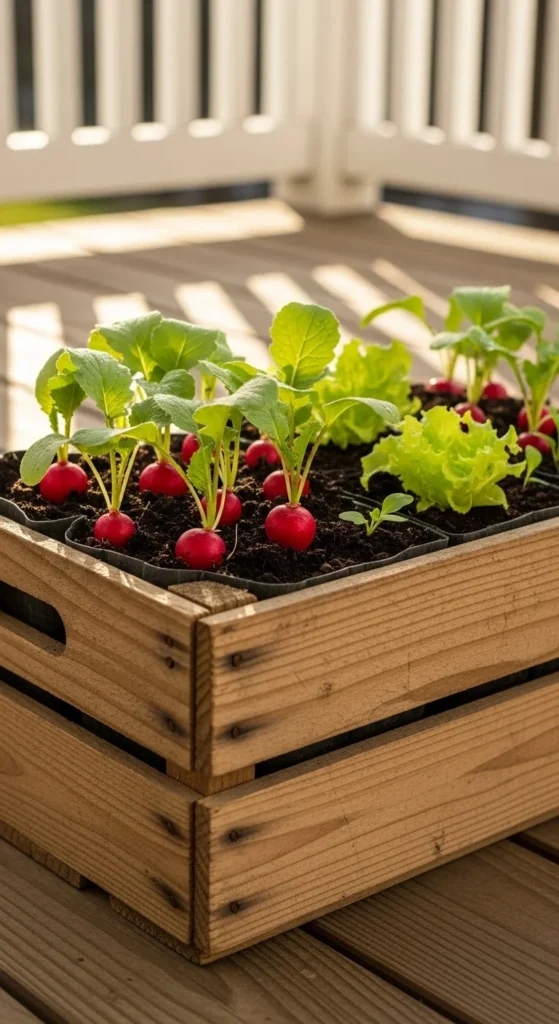
Repurpose shipping crates as compact veggie planters. Their rustic look fits any outdoor space. Add landscape fabric to hold soil inside. Great for small roots or greens that mature quickly. Stack multiple crates to save ground area. An inexpensive way to create an attractive and functional edible corner.
16. Raised Cedar Box with Mulch Edge
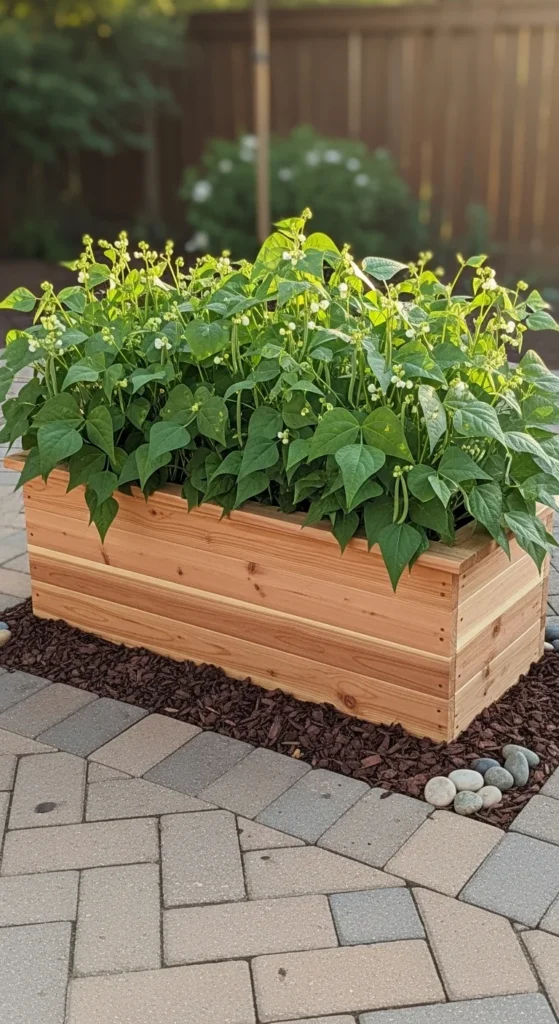
Cedar lasts long and naturally resists decay. Use it for raised boxes to grow compact bush beans or dwarf peas. Line with garden fabric and topsoil. The mulch edge keeps the base neat and reduces evaporation. This simple touch extends the life of the planter while keeping it tidy.
17. Rainwater Catch Box
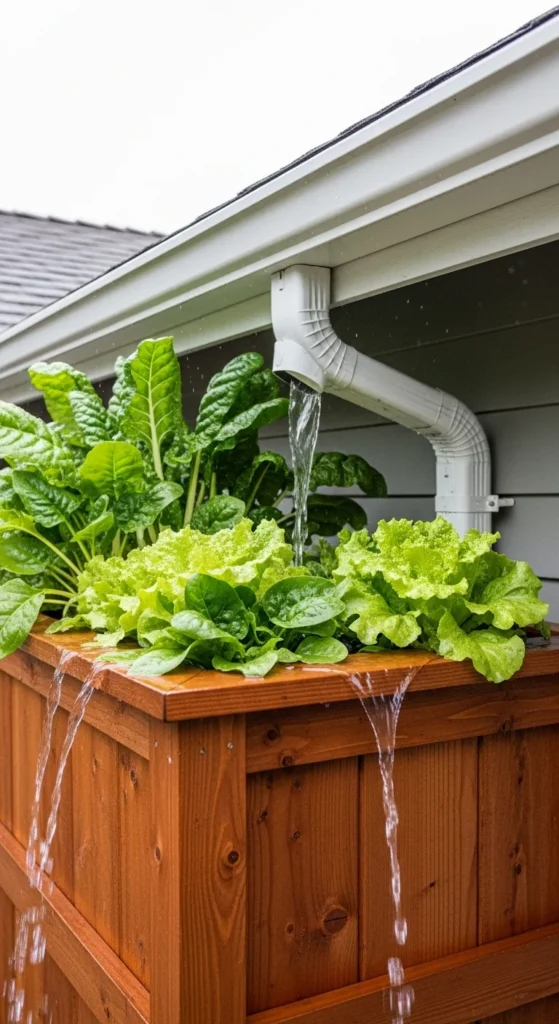
Position your planter under a downspout to collect light rainfall. Add a simple filter net to block debris. This eco-friendly trick provides natural irrigation for greens and herbs. Monitor flow to avoid overwatering during storms. It’s an efficient setup for climates with frequent drizzle.
18. Window Box Vegetables
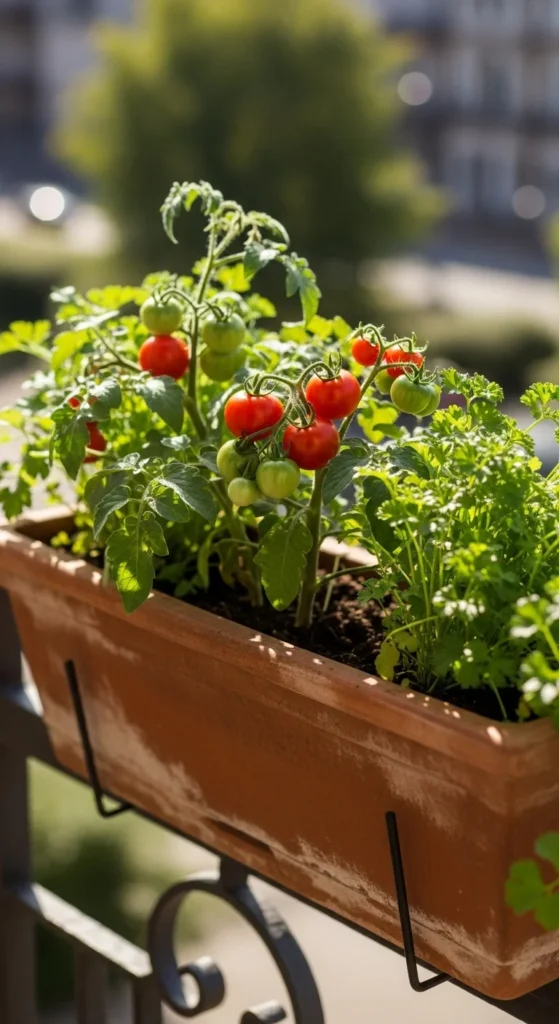
Transform traditional flower boxes into productive food gardens. Cherry tomatoes, lettuce, and parsley all thrive in these compact spaces. Water regularly since boxes dry quickly. Keep an eye out for drainage—add small holes if needed. It’s an easy way to make your windows both pretty and practical.
19. Insulated Styrofoam Planter
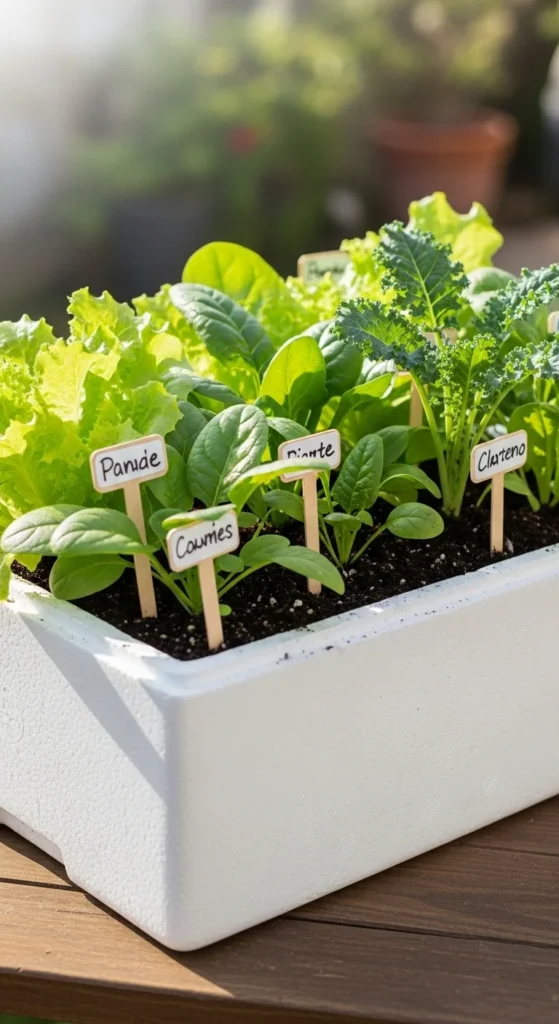
Styrofoam boxes maintain soil warmth during cold months. They’re lightweight and perfect for portable vegetable boxes. Drill holes at the bottom and fill with compost-rich soil. Paint or wrap the exterior for a cleaner appearance. This approach works especially well for cool-season crops like kale or spinach.
20. Modular Box System
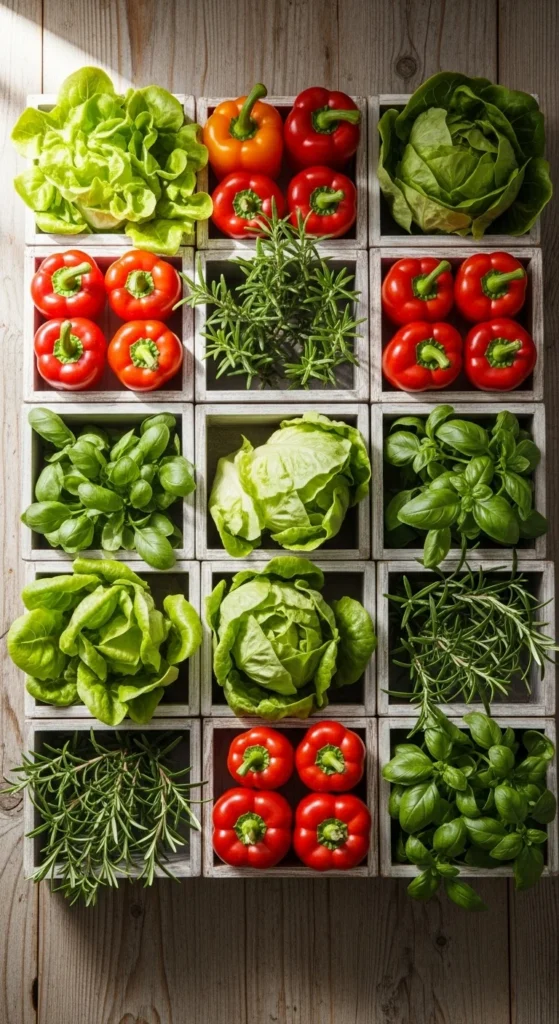
Use several small boxes instead of one large planter. Group them by plant type for easier care and rotation. You can rearrange boxes as sunlight shifts through seasons. Modular designs give flexibility and make maintenance simple. Great for experimenting with new crops without committing large space.
21. DIY Mini Greenhouse Box
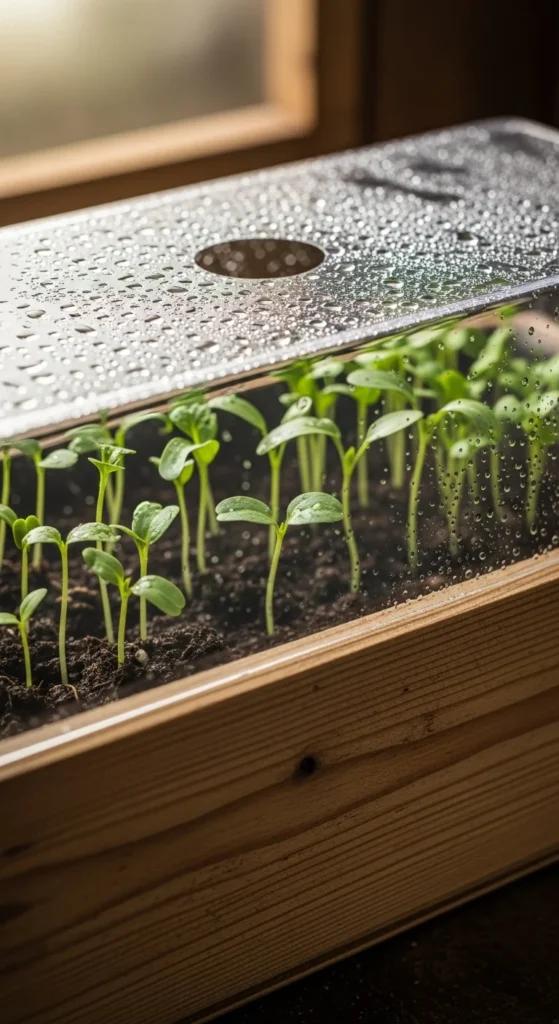
Add a clear cover or old window frame to a planter box to create a tiny greenhouse. It traps warmth and extends growing time for early seedlings. Vent during sunny hours to avoid overheating. Works beautifully for leafy crops that prefer steady warmth. A simple design that keeps your garden productive even through chilly weeks.
Conclusion
Small spaces don’t limit your vegetable-growing dreams. With thoughtful planter-box setups, you can turn even the tiniest corner into a productive patch. Each of these compact ideas helps you grow more with less effort, keeping your vegetables healthy through every season. Start with one box, watch it thrive, and soon you’ll have a rewarding garden that truly packs punch.
Leave a Reply