

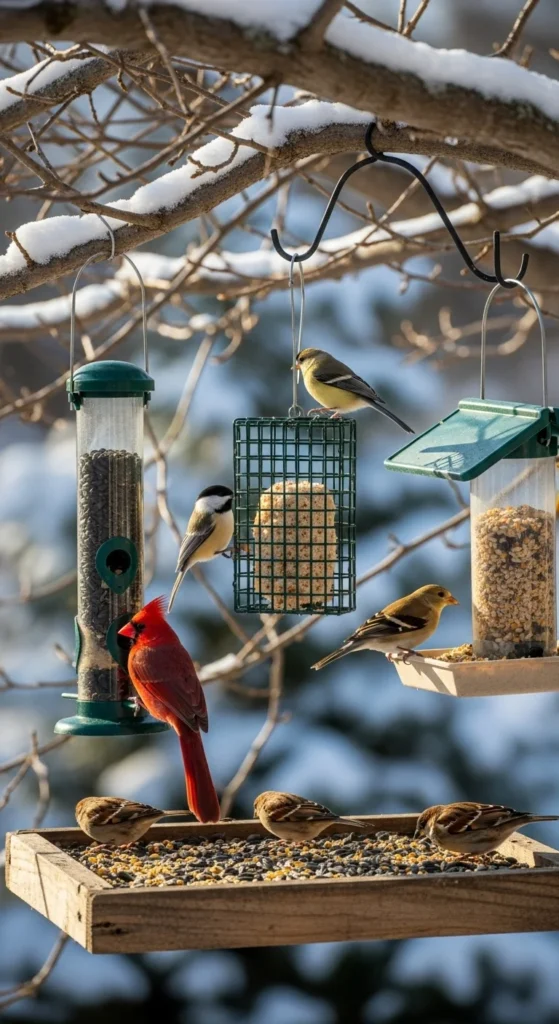
Bird-feeding stations bring gentle movement and outdoor life into your yard during quiet winter months. With food scarce, birds rely on simple feeding setups that offer shelter, steady access to seed, and safe landing spots. These ideas help you create inviting stations using easy materials, clear layouts, and low-cost add-ons that support local wildlife while adding calm energy to your space.
1. Classic Multi-Hook Pole Station
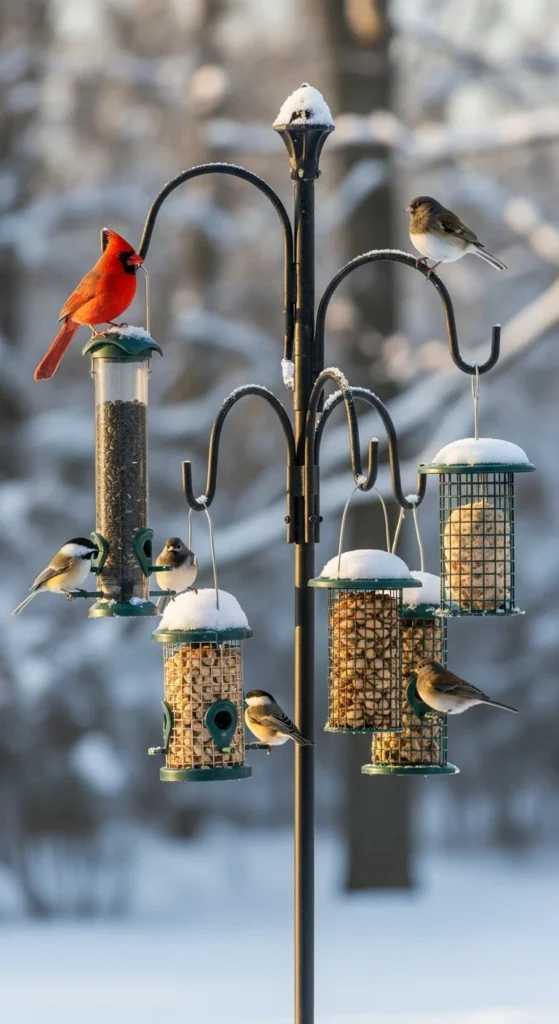
A multi-hook pole station keeps all your feeders in one neat place. The structure helps different bird types find their preferred food without crowding. Place heavier feeders on lower hooks and lighter ones up top to maintain balance.
A budget-friendly version uses a simple metal pole with screw-in hooks. Add a tray feeder below so seeds that fall become extra snacks. Position the station near a tree or fence for gentle wind protection. Keep the ground clear of ice so birds can hop safely below. Refill feeders regularly during cold weeks to maintain steady visits.
2. Window-Mounted Seed Tray
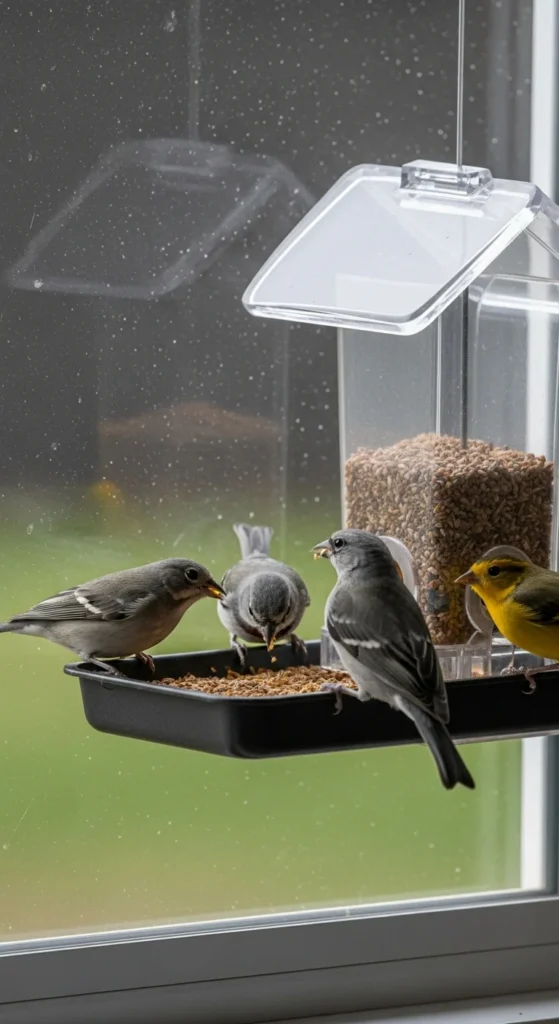
Window trays bring birds right up close. They attach with strong suction cups and let you enjoy feather details up close.
Fill the tray with sunflower mix or small seeds. Clean the mount weekly so dust doesn’t weaken the hold. A low-cost option is a clear plastic tray with removable cups for easy refills. Keep the tray on the quietest window of your home to avoid startling birds. Place it high enough so outdoor predators cannot reach. Wipe condensation so visibility stays clear.
3. Branch-Hanging Rustic Feeders
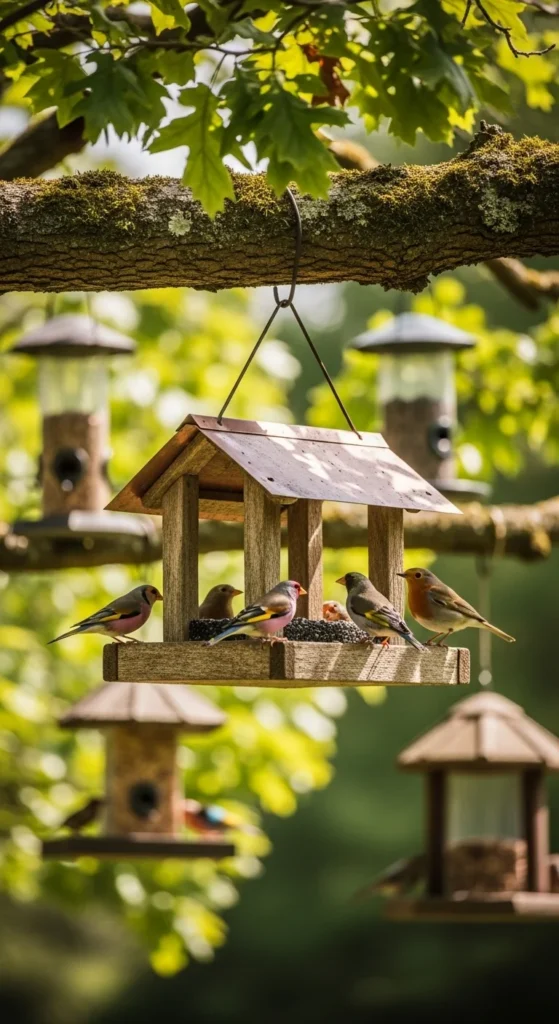
Rustic feeders blend naturally into your backyard. Hanging them from sturdy branches gives birds a sense of safety.
Use twine or rope to secure feeders. Choose branches thick enough to handle winter winds. A budget idea is repurposing wooden bowls or small baskets with mesh bottoms. Place them on the sheltered side of the tree to limit snow buildup. Add small stones in the feeder for drainage. Keep the branch clear of ice so birds can grip safely.
4. Ground Platform for Larger Birds
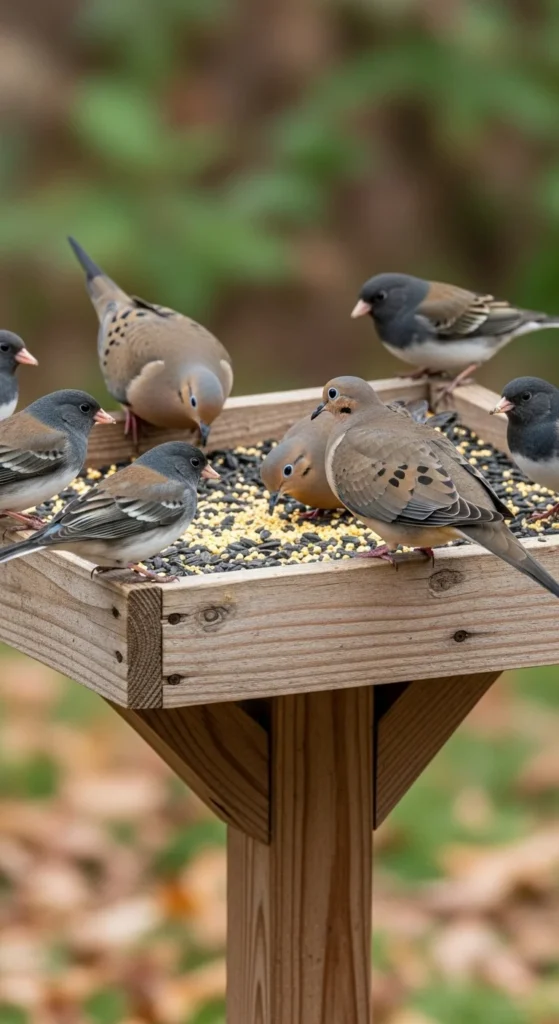
Some birds prefer ground feeding, especially larger ones. A raised platform keeps food dry while still low enough for them.
Build a simple square using scrap wood. Add wire mesh so snow falls through. Place the platform in an open area so birds see approaching predators. Spread cracked corn or mixed seed lightly across the surface. Clean the platform every few days to prevent buildup. Add small stones around the edges to help drainage in wet weather.
5. DIY Pinecone Feeders
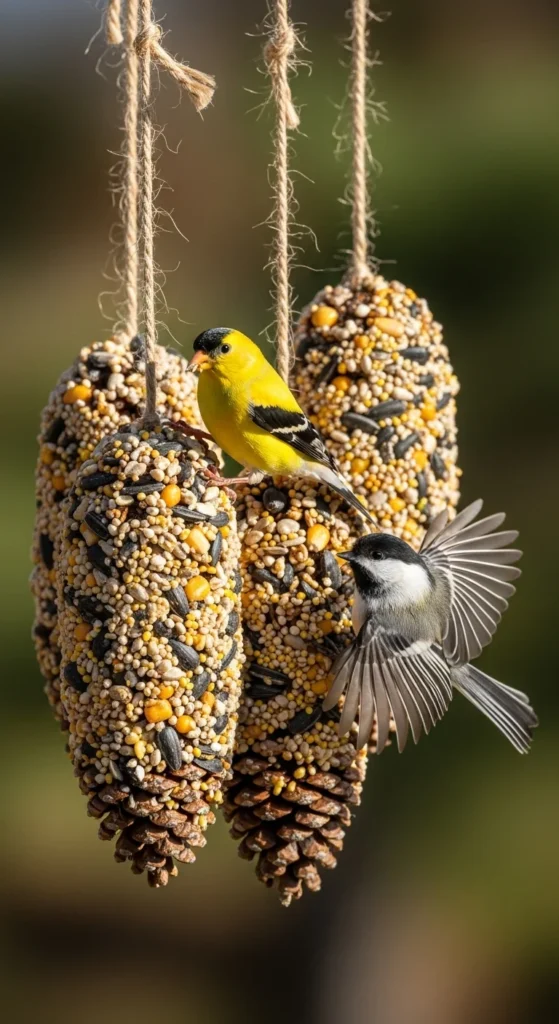
Pinecone feeders are simple and engaging. They attract small birds that enjoy clinging while they eat.
Coat pinecones with nut butter and roll them in seed. Hang them from low branches using twine. A cheap way to make several at once is collecting pinecones from local parks. Replace them when the mixture hardens too much in freezing temperatures. Keep them spaced apart so birds don’t crowd.
6. Suet Cage for Winter Energy
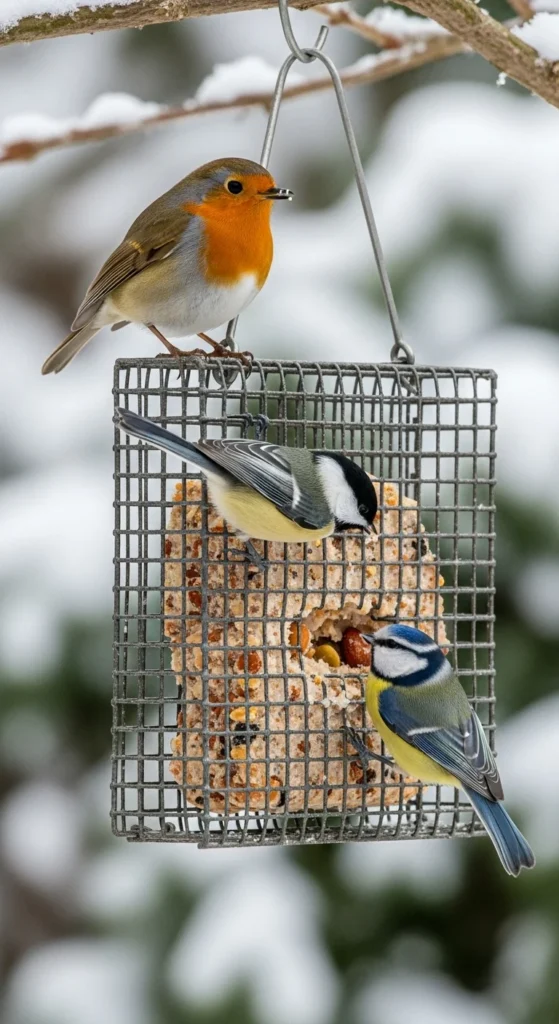
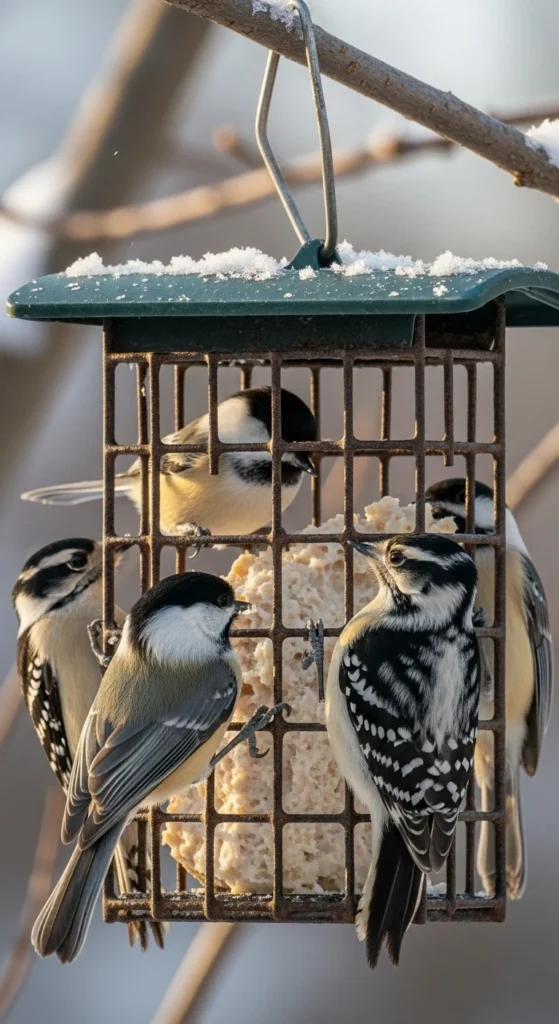
Suet gives birds high energy during cold months. A suet cage is easy to refill and doesn’t take much space.
Hang the cage on a branch or pole hook. Choose suet blocks with seeds or fruit chunks. For a low-cost idea, wrap suet in mesh bags. Keep the cage out of direct sun so suet stays firm. Clean the cage every few weeks to remove residue.
7. Recycled Jar Feeder
A jar feeder offers a tidy, simple design. Birds perch on a narrow dowel while reaching inside.
Use a clean glass jar and attach a small wooden perch below the opening. Secure the jar with wire loops on a branch or hook. Fill with dry seeds that don’t clump in winter. A budget trick is using leftover mason jars. Keep the jar tilted slightly downward so snow doesn’t settle inside.
8. Small Roofed Hopper Feeder
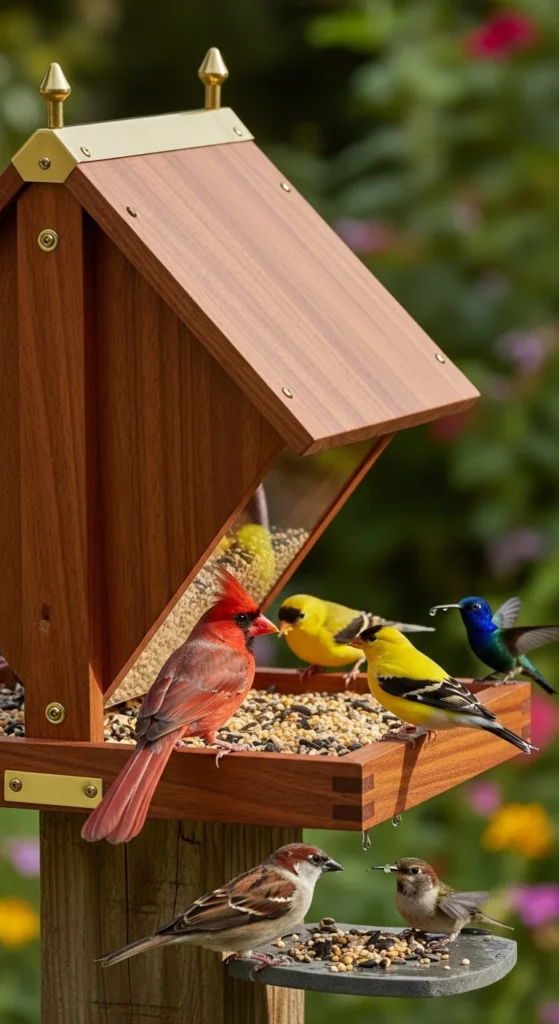
Hopper feeders keep seed dry while giving birds shelter. The roof helps block snow and wind.
Build a small wooden frame with plexiglass sides. Let seed fall gradually as birds eat. A low-cost method is converting old wooden crates. Hang the feeder at chest height for easy refills. Clean the tray weekly to remove mold or shells.
9. Heated Birdbath + Feeder Combo
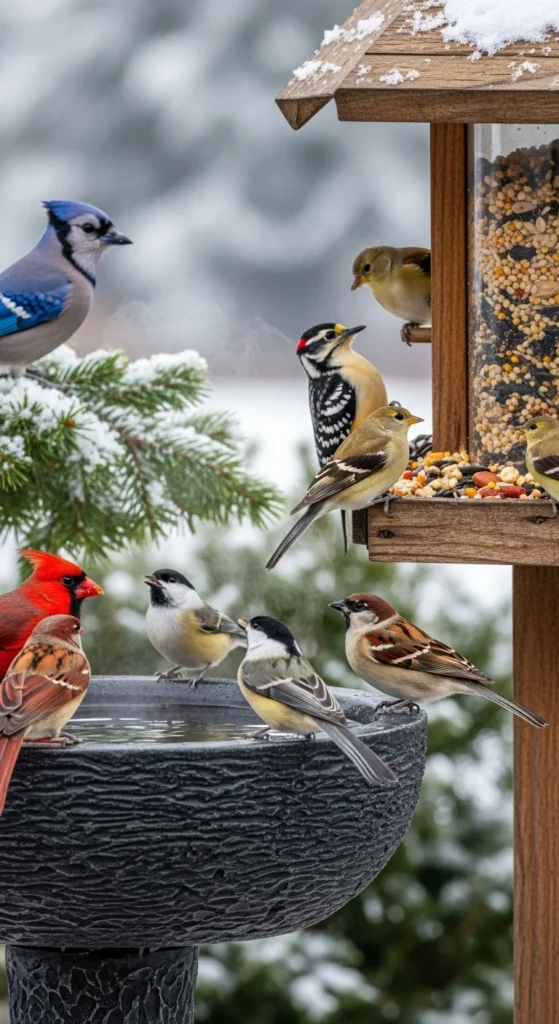
Water sources matter in winter. A heated birdbath keeps water from freezing.
Place a feeder next to the bath so birds can hydrate and snack at one stop. Use a low-energy heater designed for outdoor bowls. For a budget setup, use a black rubber bowl that absorbs warmth from the sun. Keep the water shallow for safety.
10. Platform with Wind Screen
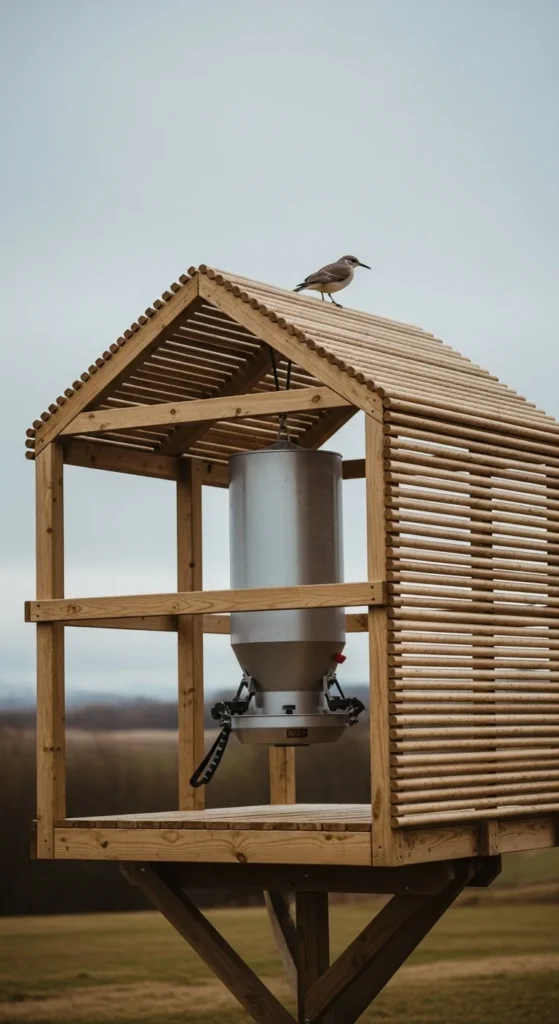
Wind can blow seed away. A small screen helps birds stay longer.
Attach wooden side panels around a raised platform. Keep one side open for easy access. A budget-friendly idea is reusing old fence boards. Place this feeder in a corner of your yard where two structures provide extra shielding. Refill lightly to prevent waste.
11. Peanut Garland for Clingers
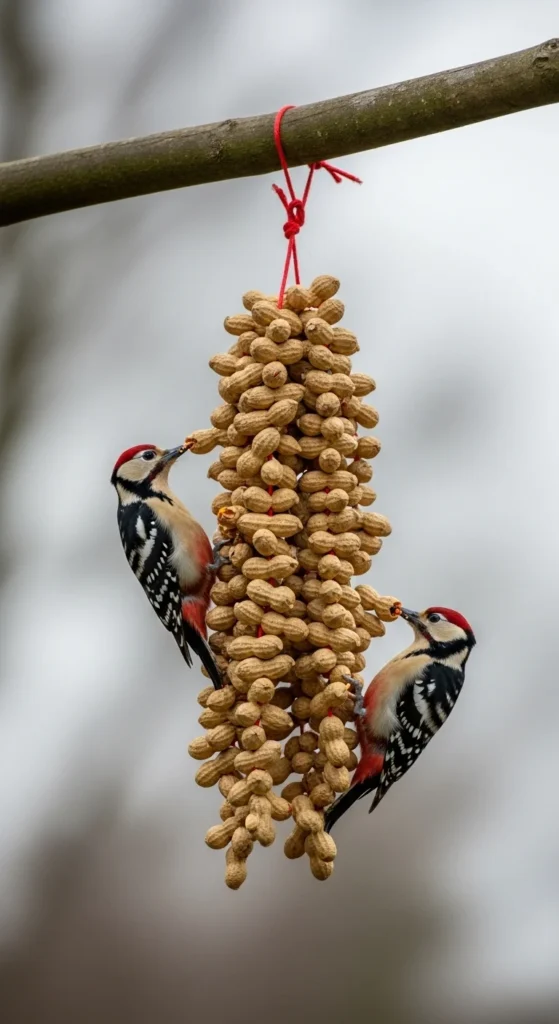
Peanut garlands draw woodpeckers, chickadees, and nuthatches.
Thread unshelled peanuts onto wire. Form a loop and hang it from a branch. This feeder takes minutes to make and costs little. Keep it away from surfaces squirrels can jump from. Replace peanuts when shells crack or soften.
12. Log Feeder with Drilled Holes
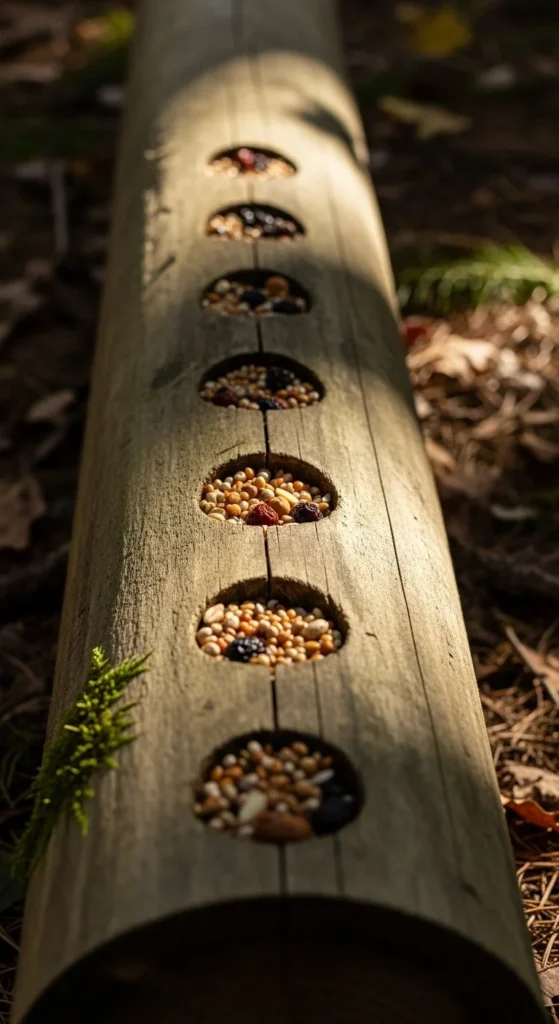
Log feeders mimic natural feeding behaviors.
Drill holes into a branch and fill them with seed paste or suet. Hang the log using rope or wire. Choose hardwood branches so they last longer. Replace mixture weekly. This setup draws species that cling while feeding.
13. Multi-Level Feeding Stand
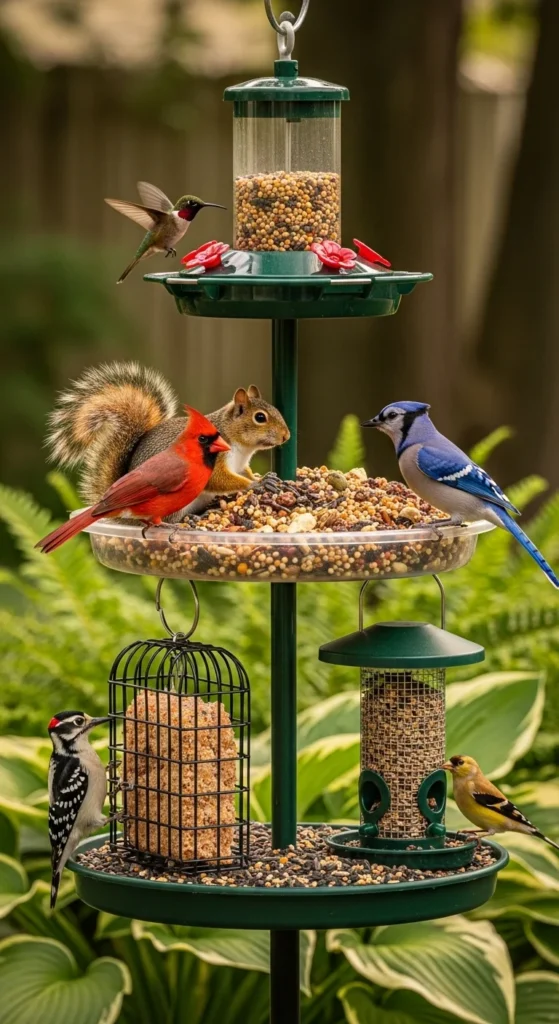
Different birds prefer different heights.
Build a tiered stand using stacked crates or shelves. Place small feeders up high and platform feeders near the base. A budget method is using old plant stands. Keep spacing wide so birds don’t collide.
14. Hanging Orange Halves for Color
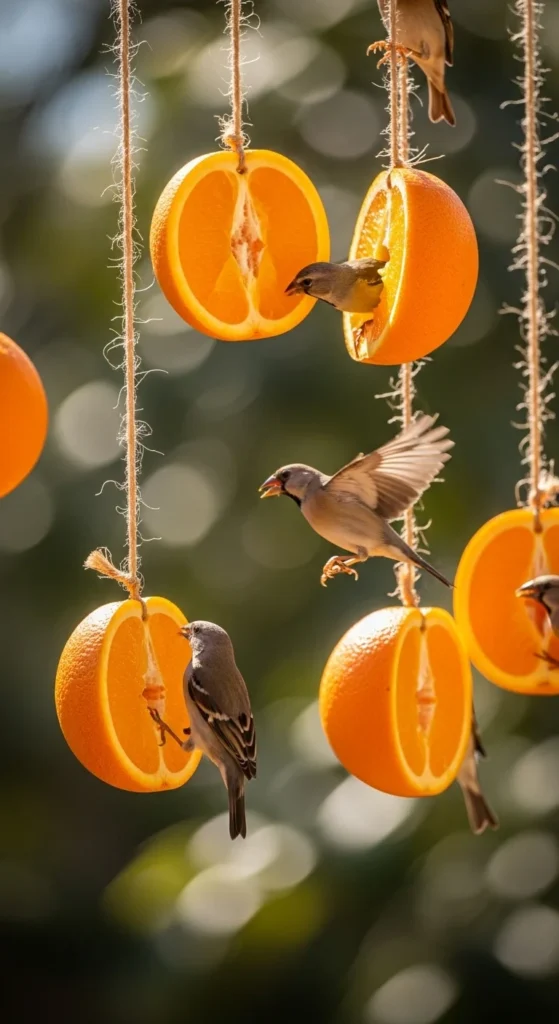
Citrus adds color and attracts fruit-loving birds.
Cut oranges in half and hang them with twine. Attach them to branches or poles. Replace them every few days. For a low-cost variation, use apples or pears.
15. Stick-Bundle Feeding Perch
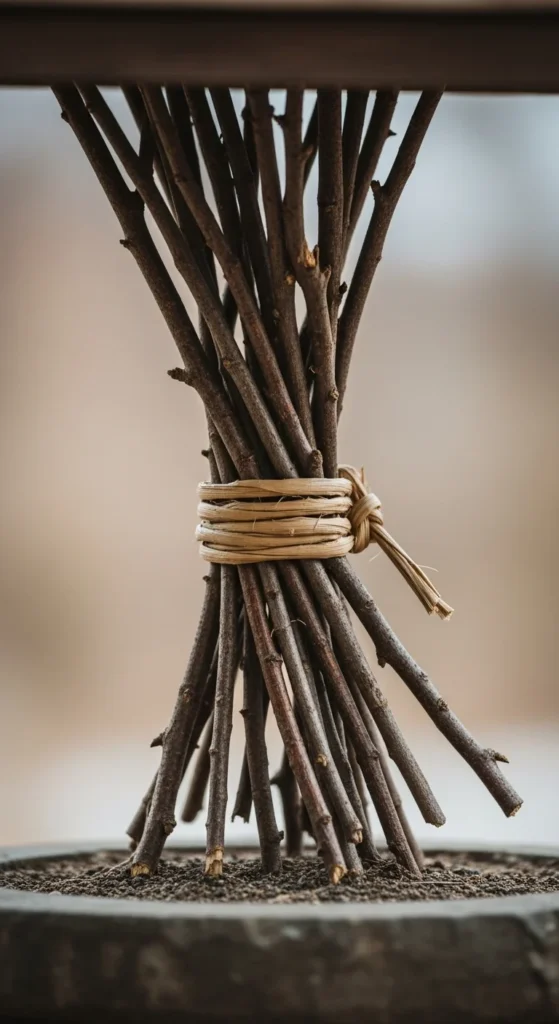
Stick bundles make perching easier.
Tie together a bundle of straight sticks. Attach it under your feeder. Birds like natural surfaces for gripping. Collect sticks from your yard to save money. Check the bundle occasionally and tighten twine if needed.
16. Seed Wreath on Fence Panel
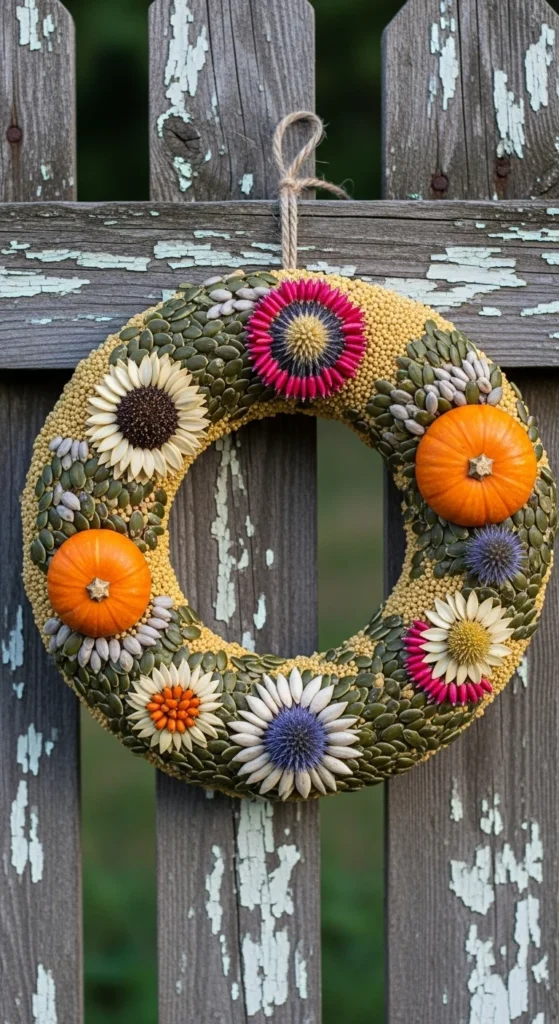
Seed wreaths bring texture and winter charm.
Use a wreath form coated in peanut butter and press seeds firmly onto it. Hang from a fence or tree. Replace when empty. A budget idea is using cardboard cutouts as your wreath shape.
17. Clay Saucer Feeder
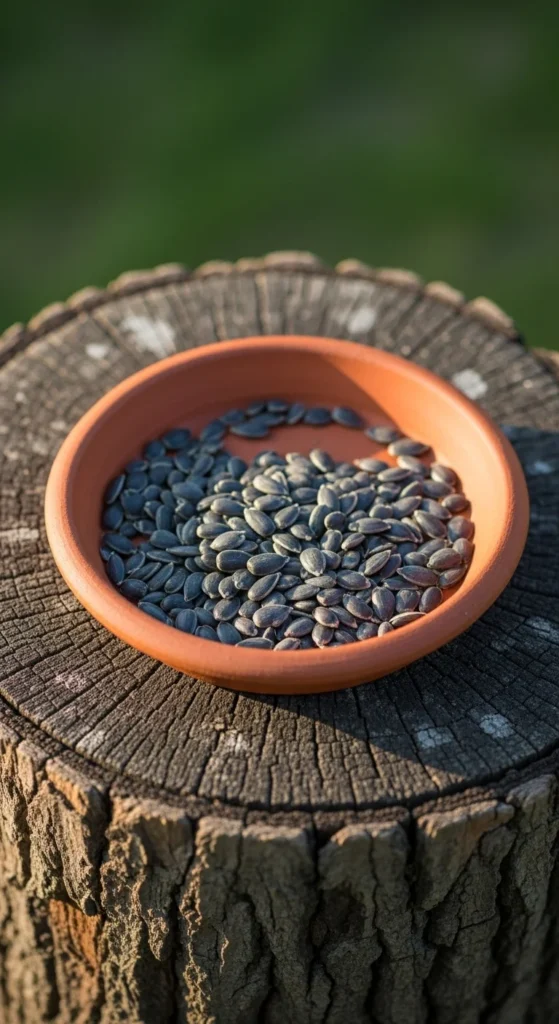
Clay saucers are simple, inexpensive feeders.
Place a saucer on a stump or brick stack. Fill lightly with seed. This feeder is easy to clean. Use saucers from old planters to keep costs low. Add small stones so seed doesn’t scatter.
18. Squirrel-Guarded Pole Feeder
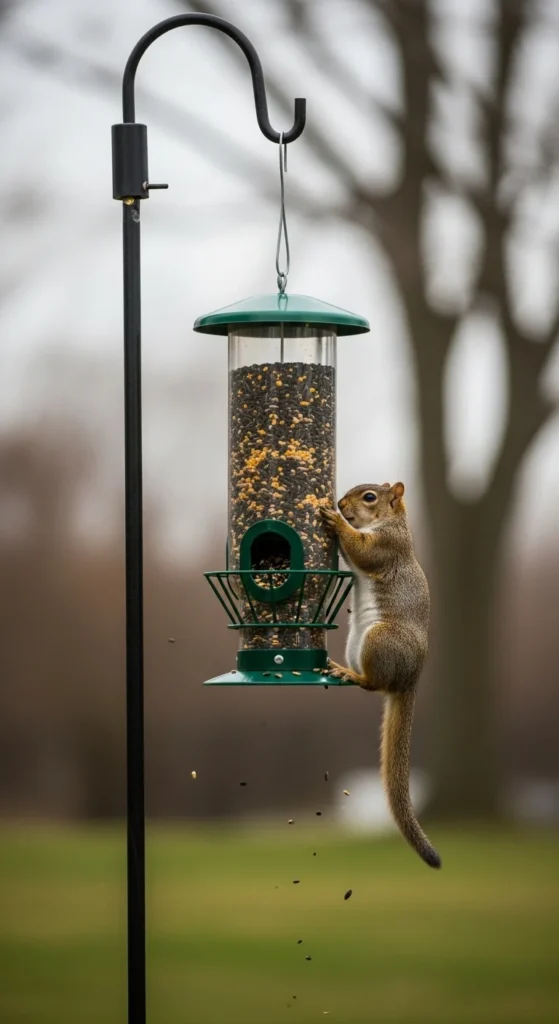
Squirrel guards protect your seed supply.
Attach a baffle halfway up the pole. Use metal or plastic. A low-cost DIY baffle can be made from an inverted metal bowl. Keep the feeder far from trees so squirrels can’t jump across.
19. Sheltered Shed-Wall Feeder
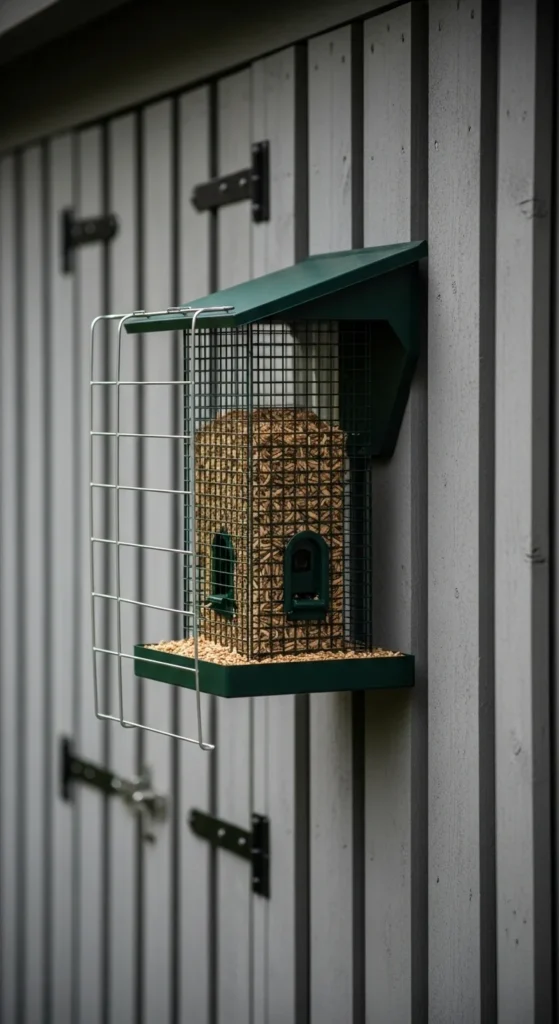
Mounting a feeder on a shed wall gives birds a stable, sheltered spot.
Choose a wall facing away from strong winds. Attach a simple tray or box feeder. Use screws for secure mounting. A budget idea is reusing shallow wooden crates. Refill lightly to avoid damp seed clumps.
20. Winter Berry String
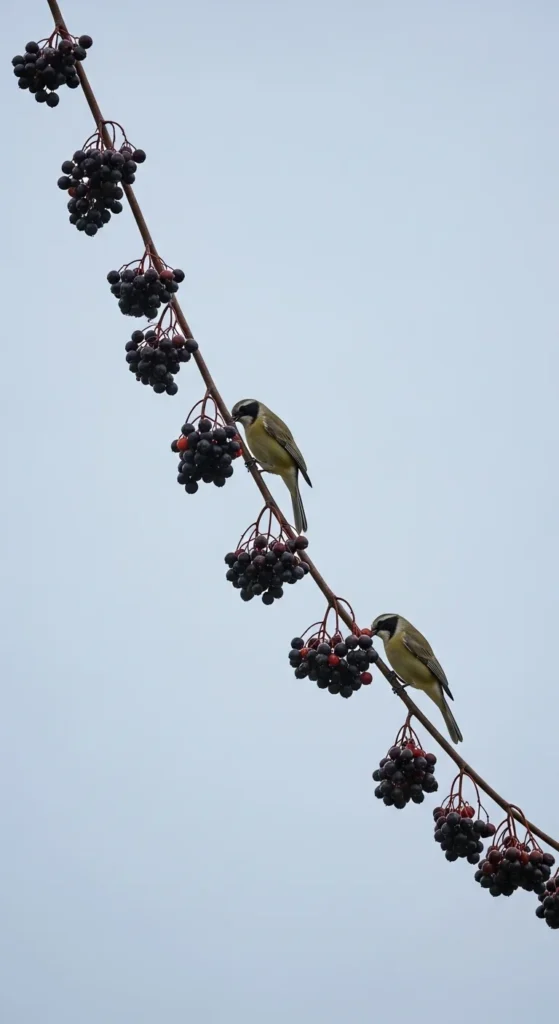
Berry strings add natural feeding options.
Thread cranberries or rose hips onto fishing line. Hang the string between branches. Replace when berries soften. This option adds color and attracts fruit eaters.
21. Hanging Coconut Shell Feeder
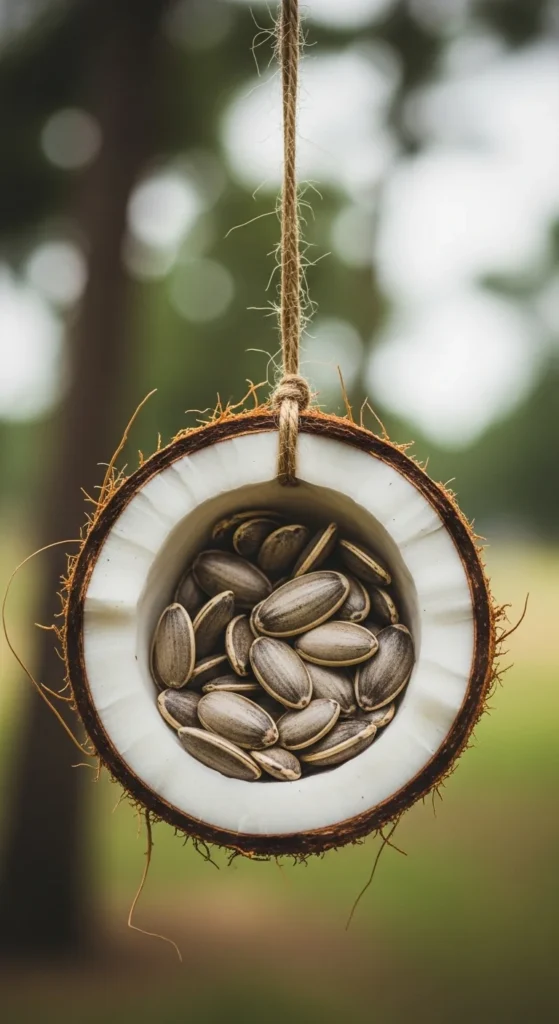
Coconut shells create natural, lightweight feeders.
Scoop out the center and fill the shell with seed. Hang using twine or rope. A budget version uses shells leftover from cooking. Drill drainage holes to prevent moisture buildup.
22. Simple Ladder-Style Stand
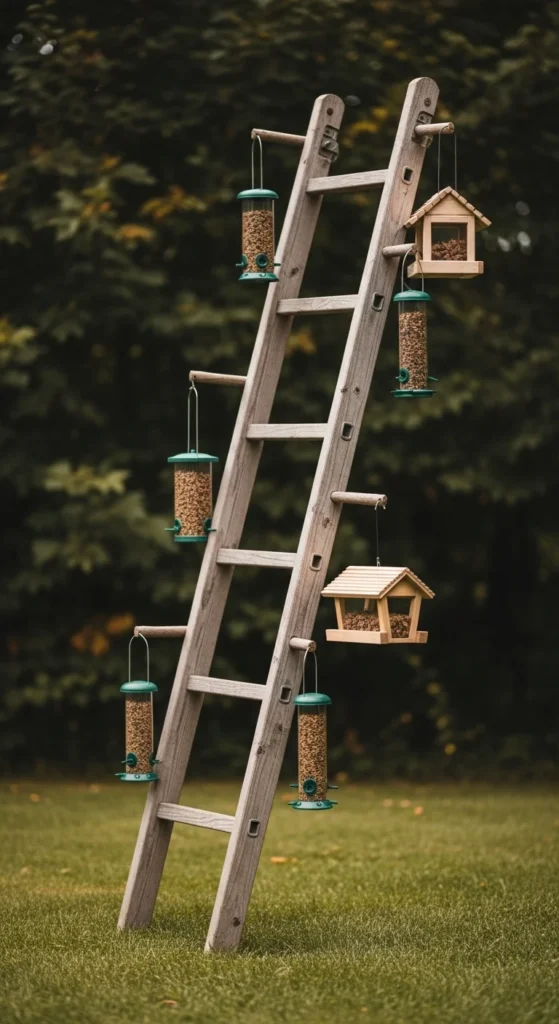
Ladders make versatile feeder stands.
Lean a small wooden ladder against a fence. Hang feeders from the rungs. This setup creates height variety. Use old ladders for a low-cost approach. Check stability during windy weather.
Conclusion
A winter bird-feeding station brings movement and calm energy into your yard while supporting wildlife during a tough season. These ideas help you create welcoming spaces using simple materials, smart placement, and steady refills. Start with one feeder, observe which birds visit, and add more styles over time. With thoughtful setups, your yard becomes a reliable stop for winter birds all season.

Leave a Reply