

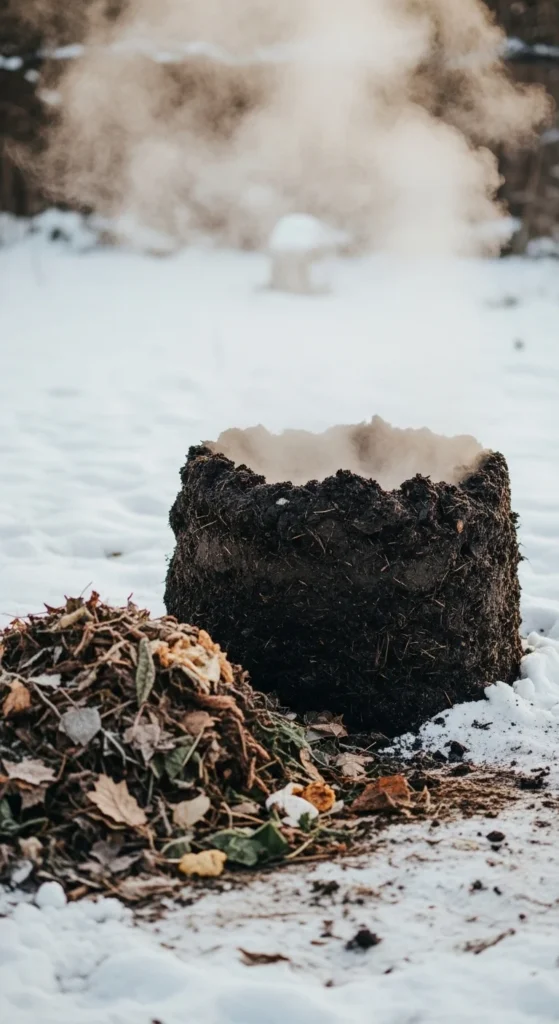
Even in the coldest months, your garden’s soil can keep getting richer. Winter composting works quietly beneath the frost, turning scraps and leaves into nutrient gold for spring. With the right methods, insulation, and patience, you can compost effectively all year round. Here are 24 eco-smart ideas to make your winter compost system productive, clean, and surprisingly easy to manage this New Year.
1. Insulate Your Compost Bin
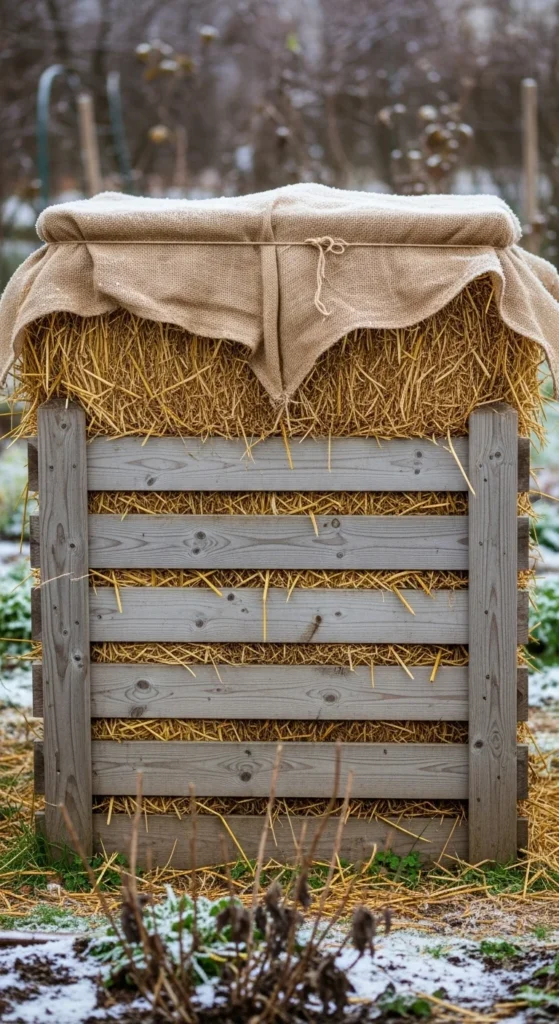
Cold slows decomposition, but insulation keeps microbes active. Surround your bin with straw bales, cardboard, or old blankets. Even snow acts as natural insulation. Cover the top with burlap or plastic to keep rain and frost out. The internal heat from decomposing matter does the rest. Add kitchen scraps in layers with dry leaves to keep airflow balanced.
2. Use a Black Plastic Bin
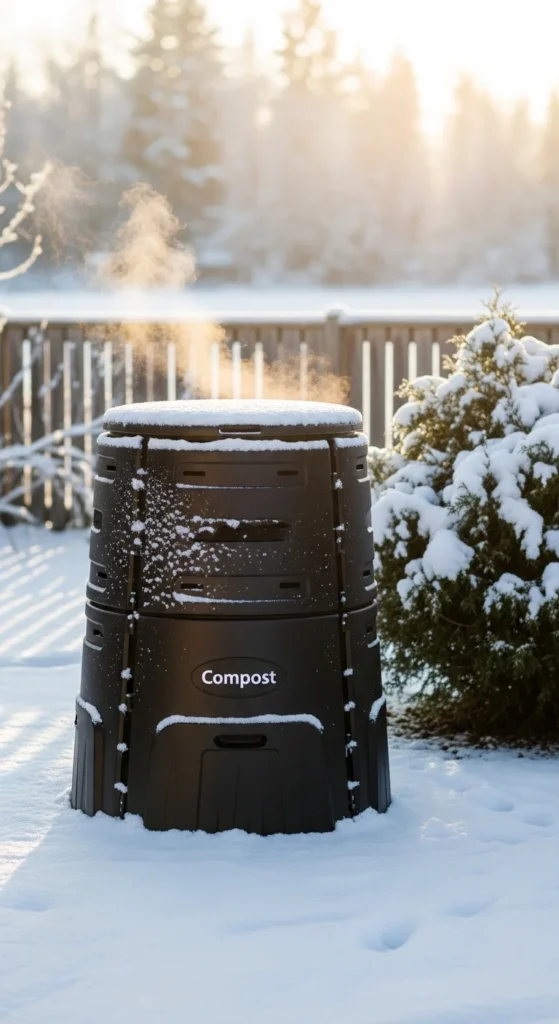
Black bins absorb sunlight and hold warmth longer. Position one where it gets maximum winter sun exposure. The dark surface keeps the internal temperature higher, helping materials break down faster. Stir occasionally to mix outer layers inward. It’s simple solar energy at work for your compost.
3. Layer With Dry Leaves
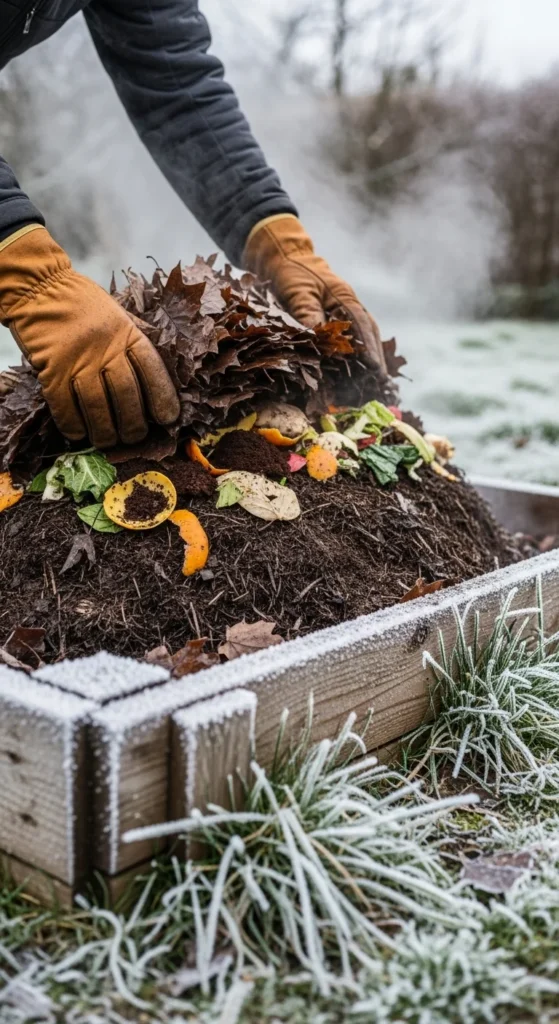
Leaves provide carbon and structure, key ingredients for airflow. Keep a bag of dry autumn leaves nearby to layer between food scraps. This stops your pile from turning soggy and keeps decomposition steady. Plus, they add texture that prevents freezing into solid chunks.
4. Chop Materials Smaller
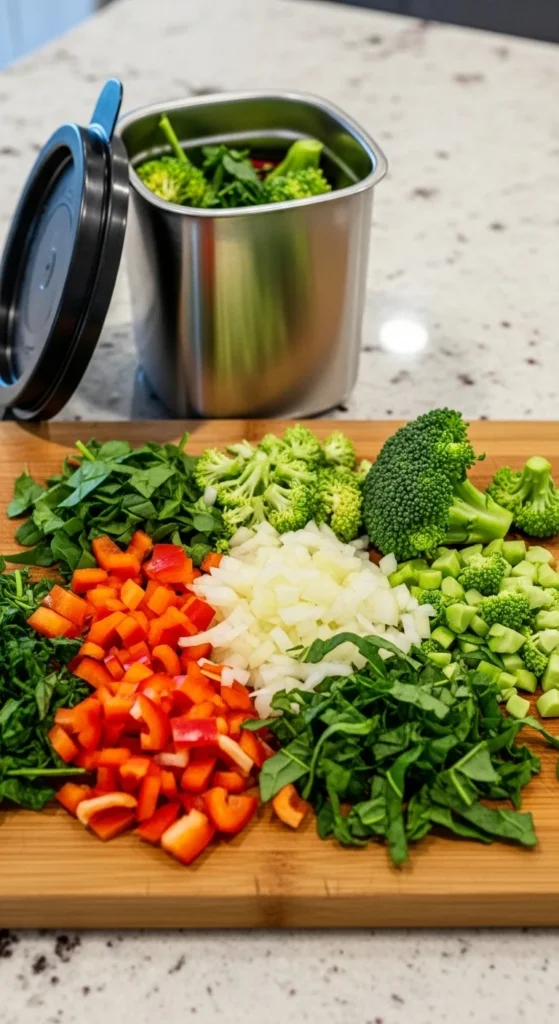
Smaller pieces decompose faster, even in the cold. Chop food scraps, stems, and paper into bite-sized bits before adding them. A kitchen knife or old blender does the job quickly. This gives microbes more surface area to work on—perfect for winter’s slow pace.
5. Keep a Countertop Compost Jar
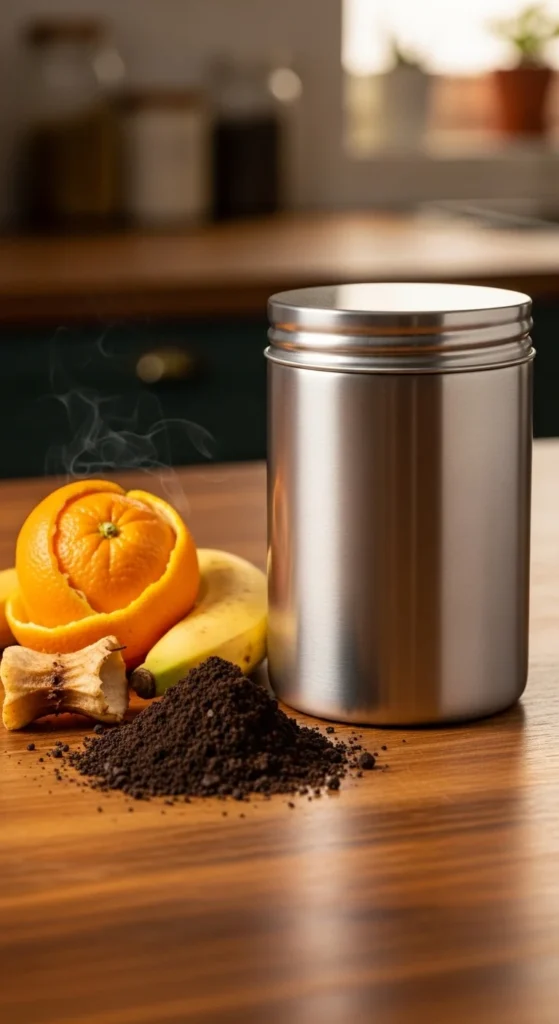
Freezing weather can make trips to the compost bin less fun. Use a counter jar or sealed pail to collect scraps indoors. Empty it every few days when the weather allows. It keeps your routine simple and prevents frozen lids or clumped waste outside.
6. Start a Trench Compost System
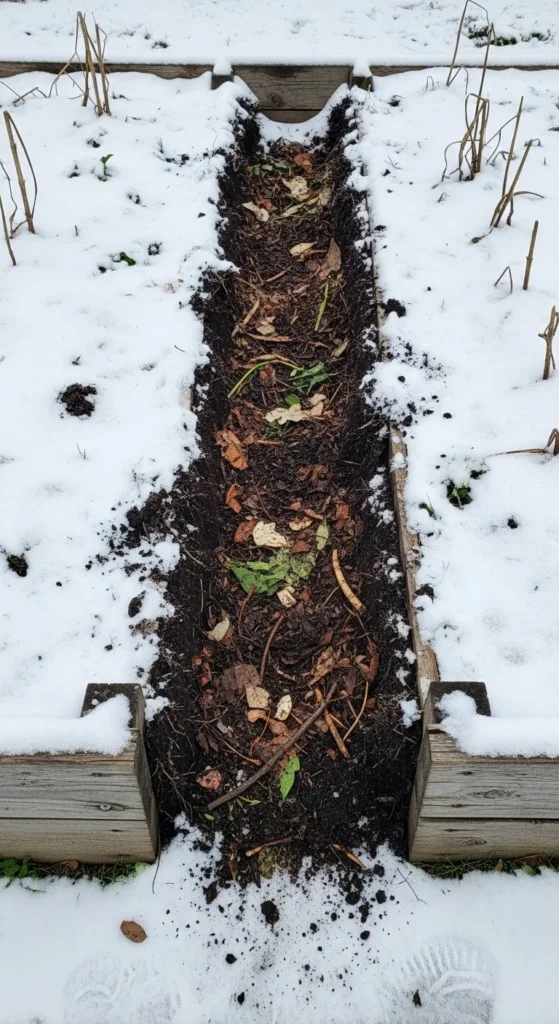
Dig a trench in your garden and bury kitchen waste directly. Cover with soil and snow. This slow composting method feeds roots naturally over time. By spring, the buried material decomposes, enriching soil where you’ll plant next.
7. Use an Indoor Worm Bin
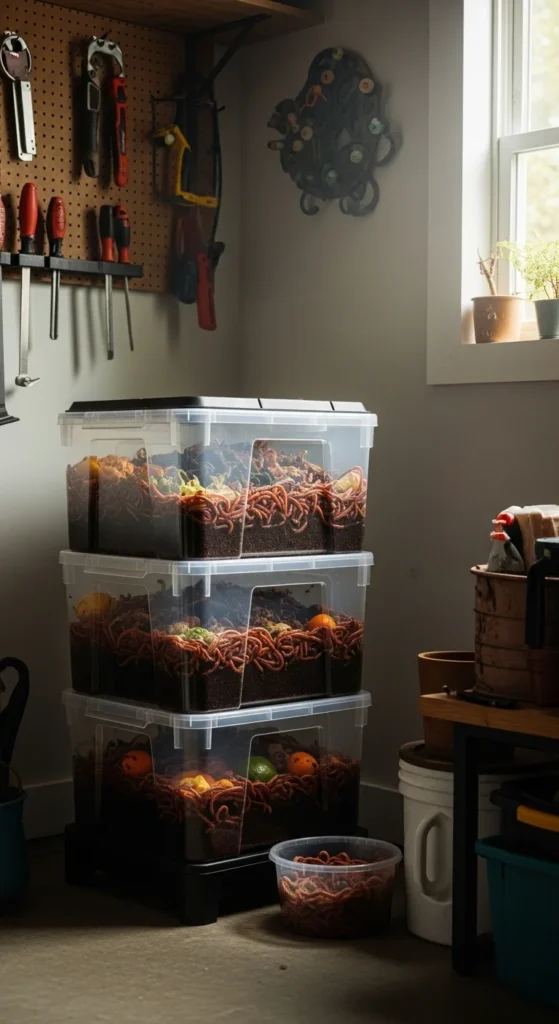
Worms love warmth, so keep a vermicomposting bin indoors or in a basement. Red wigglers turn scraps into rich castings. Maintain moisture with shredded paper and keep the temperature above 10°C (50°F). It’s odor-free if balanced correctly and produces top-quality compost.
8. Add Coffee Grounds and Filters
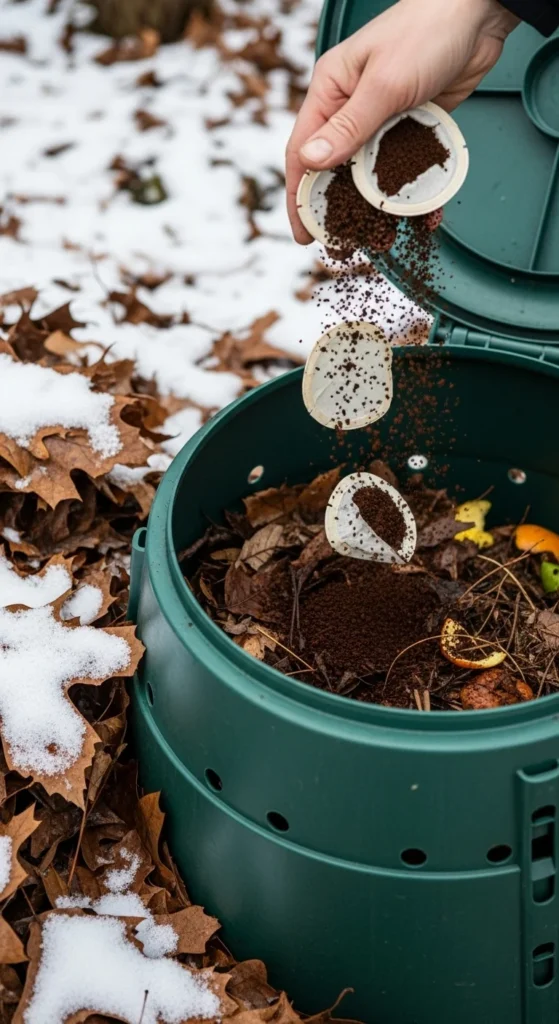
Coffee adds nitrogen, helping heat your pile. Mix grounds and filters evenly into your compost for better breakdown. The texture helps loosen dense material, and the aroma naturally deters pests. You can also pour cooled coffee to slightly moisten dry layers.
9. Store Scraps in a Freezer Bin
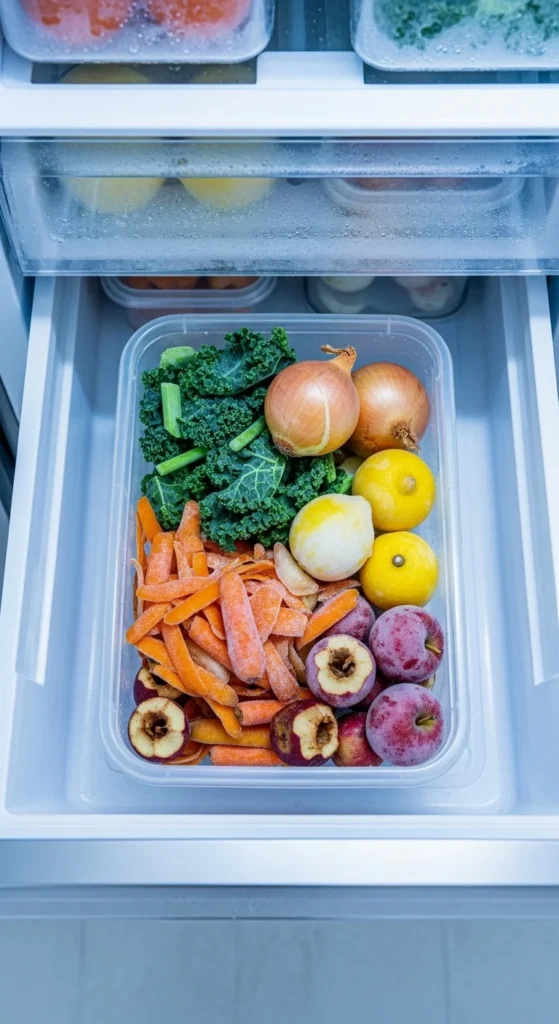
If your outdoor pile is frozen solid, freeze your scraps until temperatures rise. Store them in sealed bags or a container in your freezer. Once thawed, they break down quickly due to cellular damage from ice—an easy jumpstart for your spring compost.
10. Build a Dual-Bin Setup
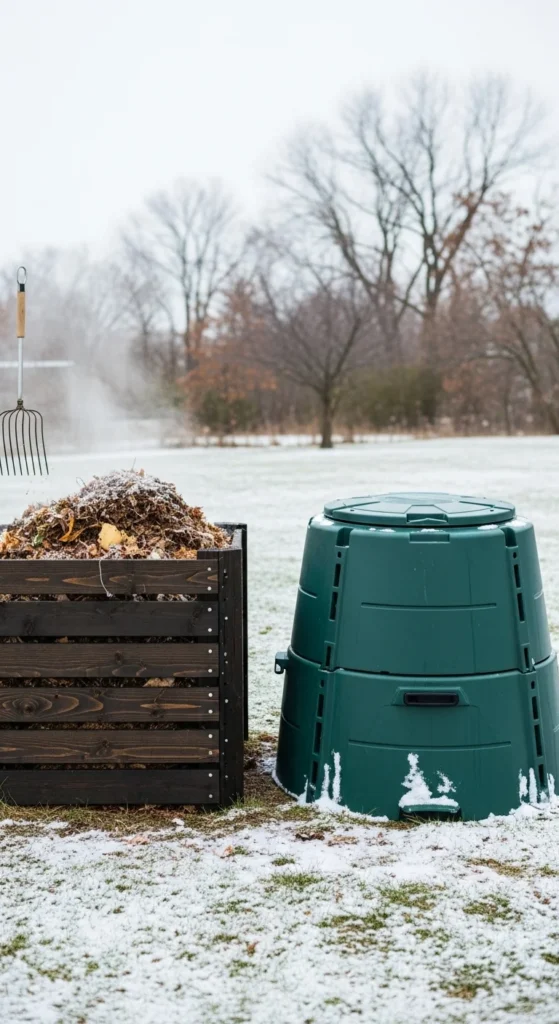
Alternate between two bins—one “active” for new scraps, one “resting” to decompose undisturbed. This method keeps one pile warm while the other finishes breaking down. Switch every few months. It’s low-effort and keeps compost constantly cycling.
11. Add Straw Between Layers
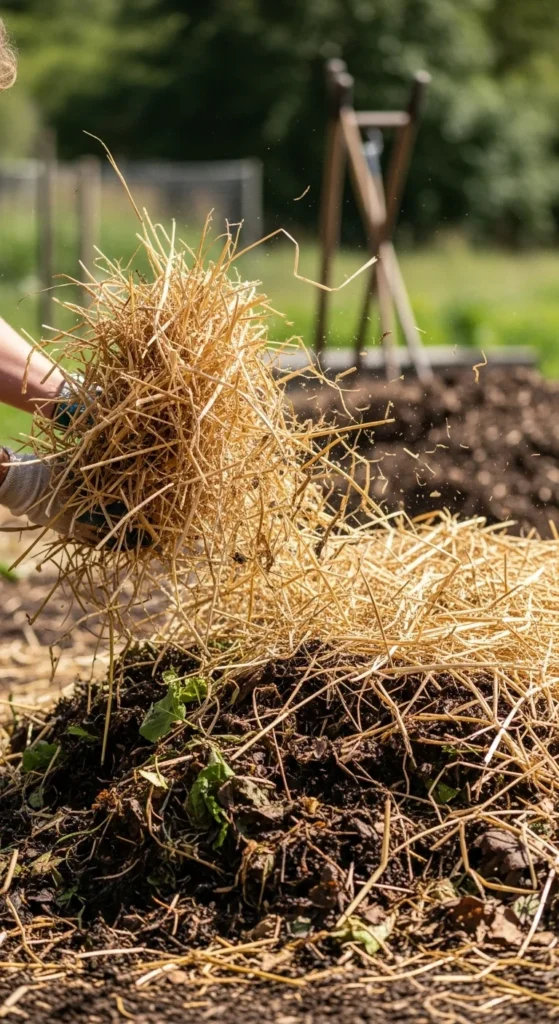
Straw locks air pockets and keeps the pile from freezing solid. Add a thin layer of straw between food scraps. It traps heat while letting moisture escape. As it decomposes, it adds carbon and texture for richer compost.
12. Keep Moisture Balanced
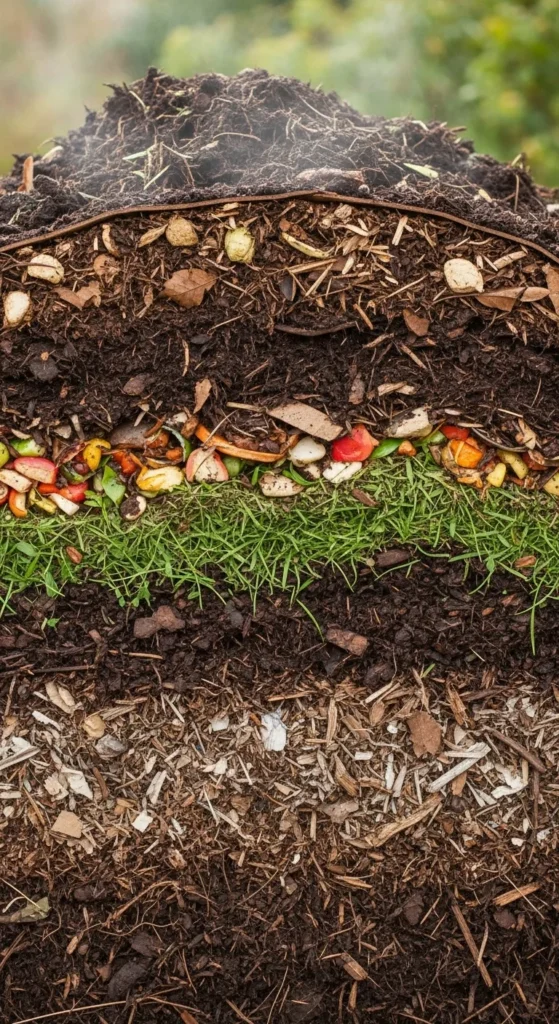
Too much water can freeze and halt activity. Your compost should feel like a wrung-out sponge. Add shredded paper if it’s wet or sprinkle water if too dry. Cover the top tightly during snow to keep the mix consistent and protect from excess moisture.
13. Use a Compost Thermometer
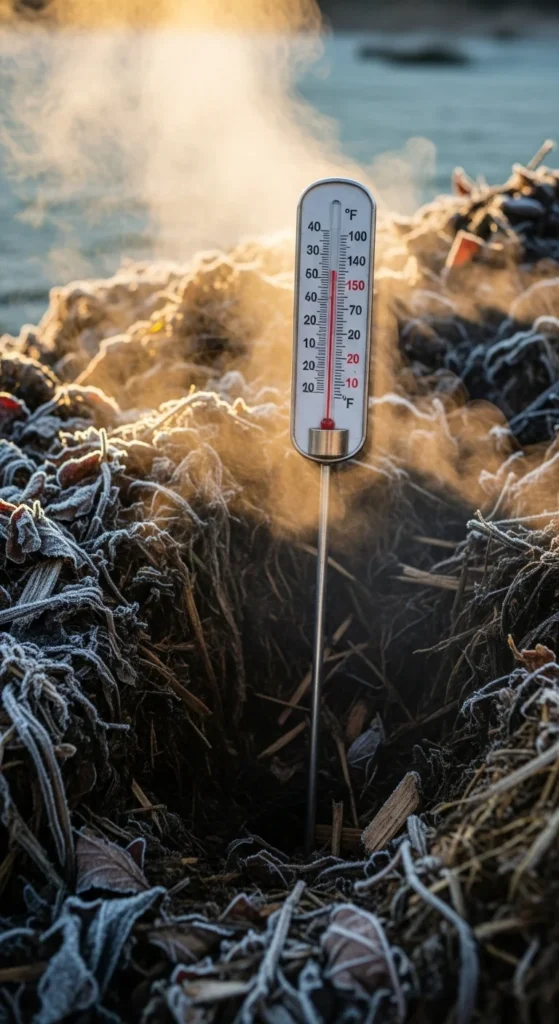
Track the temperature to see how active your pile is. A simple compost thermometer helps you gauge when to turn the pile or add new materials. If the core stays around 30–50°C (86–122°F), decomposition continues even in winter conditions.
14. Try Bokashi Composting Indoors
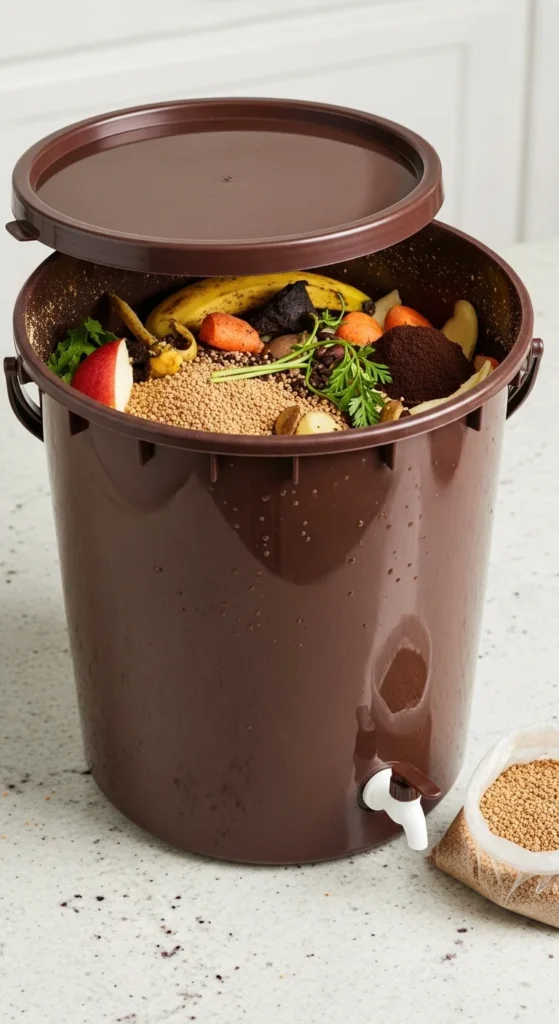
Bokashi is a fermentation-style composting method using bran inoculated with microbes. It works indoors with no odor and minimal space. Once full, bury the fermented mix outside when the ground softens—it decomposes quickly into rich soil.
15. Keep Your Pile Covered
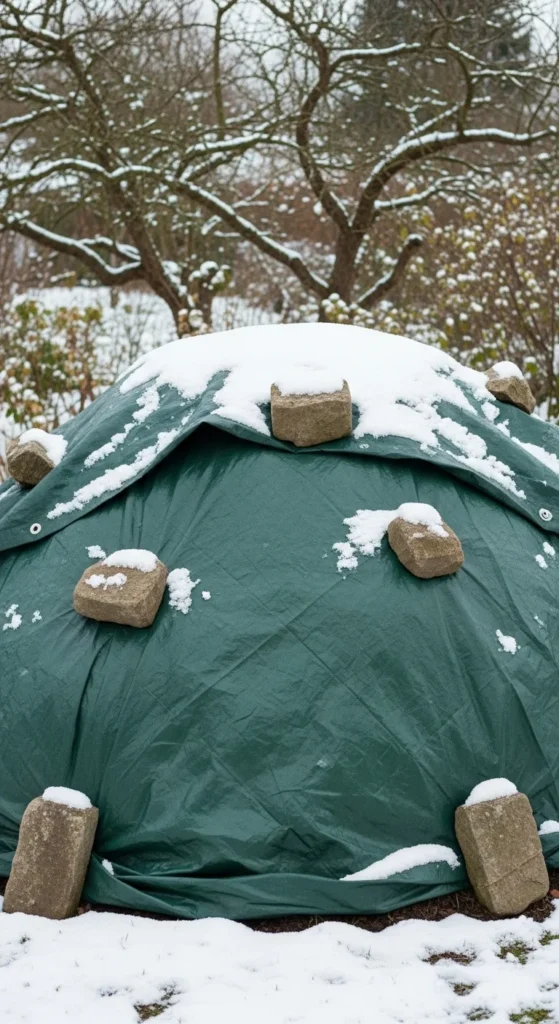
Covering your compost keeps moisture balanced and prevents nutrients from washing away. Use a tarp, plywood, or old carpet. This traps internal heat and keeps critters out. Lift it occasionally to aerate, then seal again tightly.
16. Mix in Fireplace Ash (Lightly)
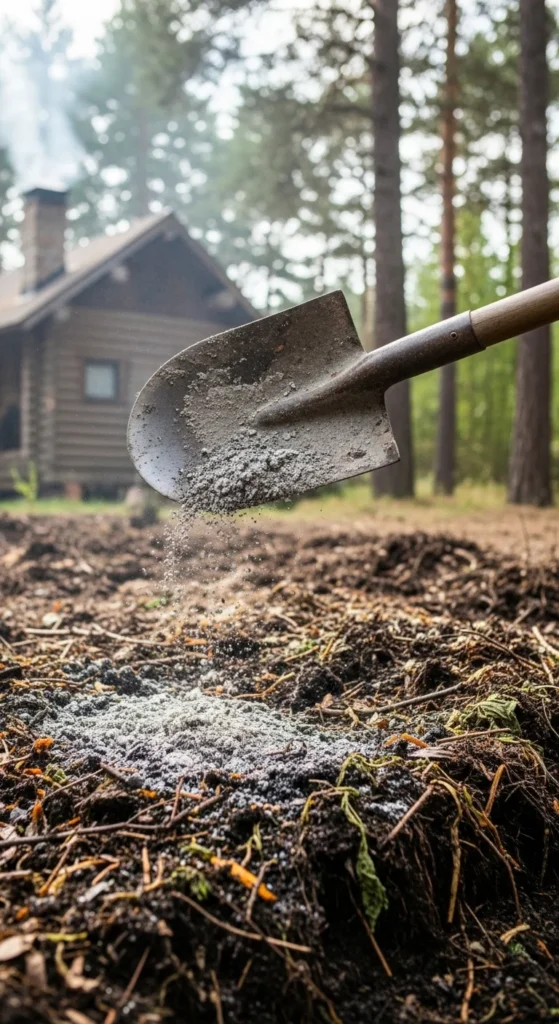
Wood ash adds potassium and lime but should be used sparingly. Sprinkle a thin layer of cold fireplace ash over your pile occasionally. Avoid using ashes from treated wood or charcoal. It balances acidity and enhances soil nutrients later.
17. Turn the Pile Every Few Weeks
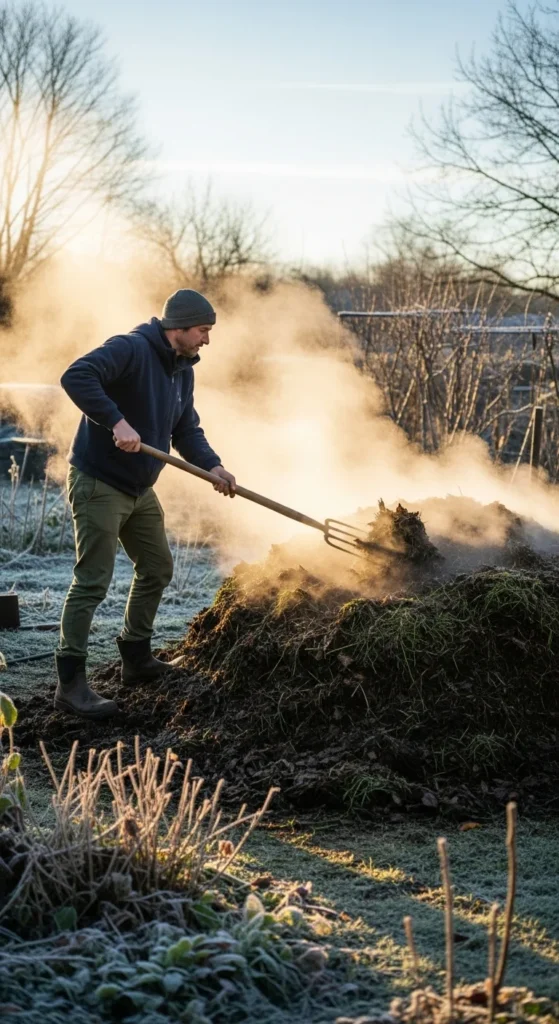
Even in winter, turning keeps oxygen flowing. Flip your compost once or twice a month to prevent clumping and frozen sections. Move outer layers to the center to keep heat concentrated. It takes a few minutes and keeps decomposition steady.
18. Add Cardboard Scraps
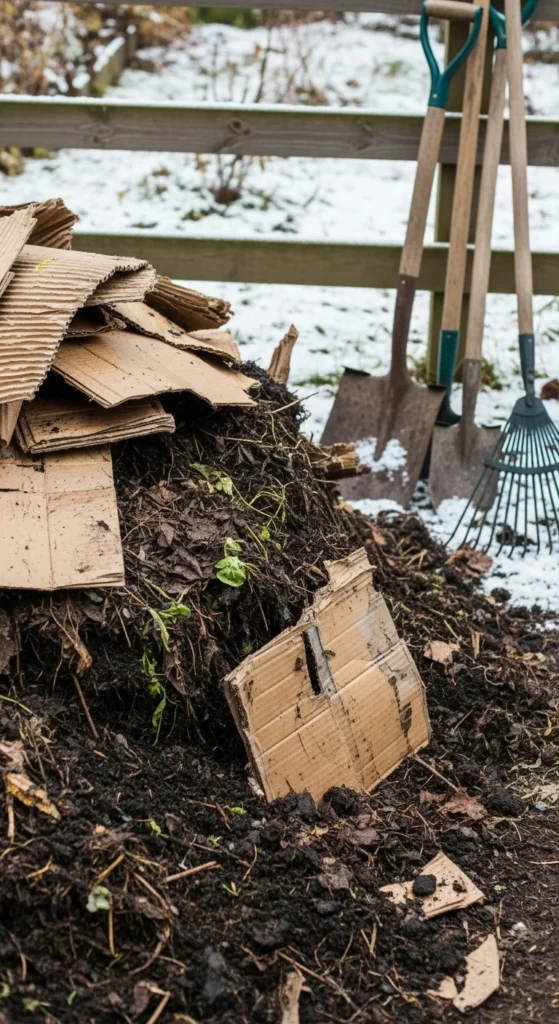
Shredded cardboard and paper act as dry brown material when kitchen waste is heavy. Tear into small bits and layer between food scraps. It prevents sogginess and creates insulation pockets. Avoid glossy or colored paper.
19. Collect Manure for Winter Heat
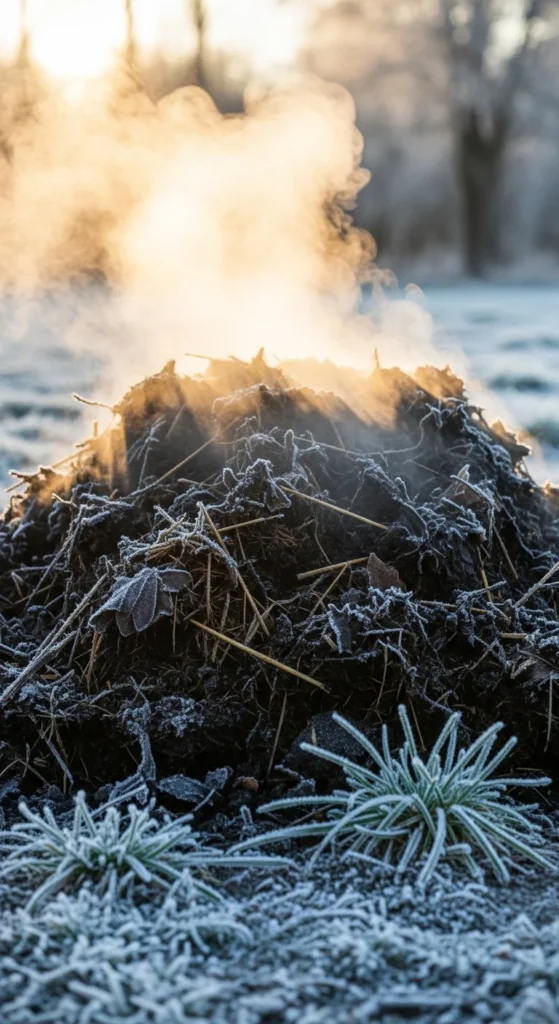
Animal manure from herbivores—like chickens, rabbits, or horses—adds warmth and nitrogen. Mix small amounts into your compost to speed winter breakdown. Let it mature for months before using in gardens. It naturally generates heat and enriches your soil mix.
20. Compost Citrus and Eggshells Separately
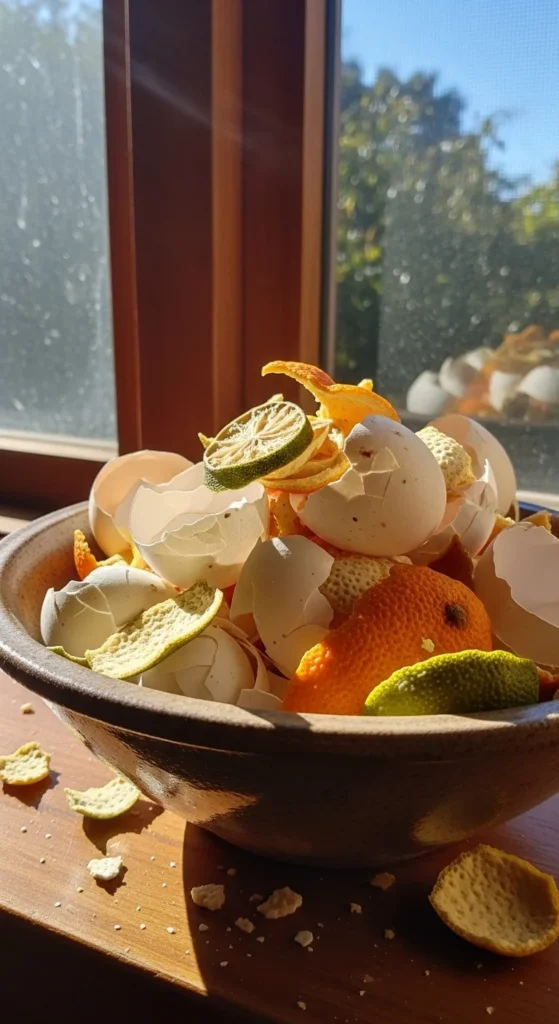
Citrus and shells take longer to break down. Crush eggshells finely and dry citrus peels before adding. The small size helps them integrate smoothly with other materials. They add calcium and structure without clumping or slowing decay.
21. Use a Tumbling Bin
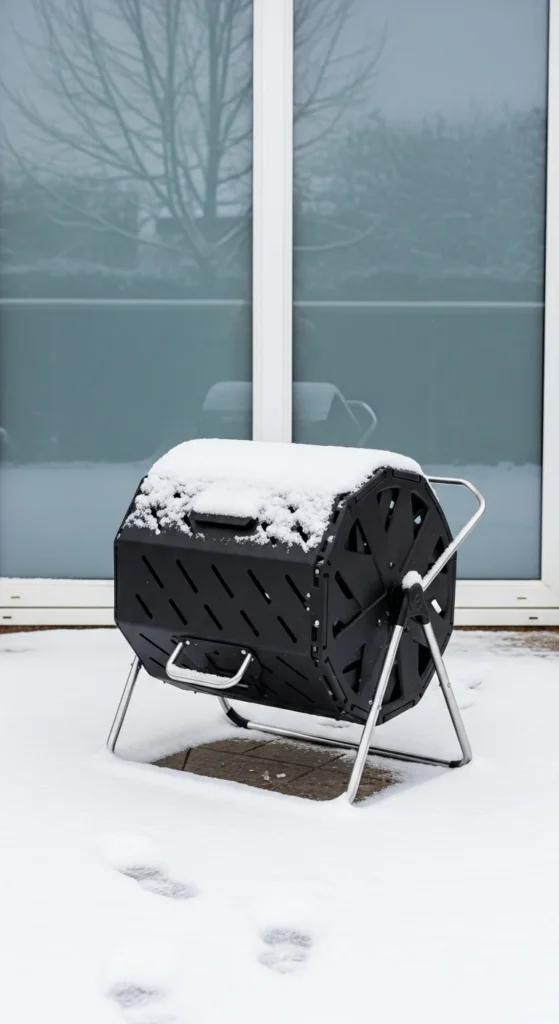
A rotating compost tumbler keeps materials mixed and insulated from the ground. It’s tidy, quick to turn, and perfect for small yards. Add scraps weekly and spin every few days. The enclosed design traps heat, speeding the cold-season process.
22. Add Finished Compost as a Starter
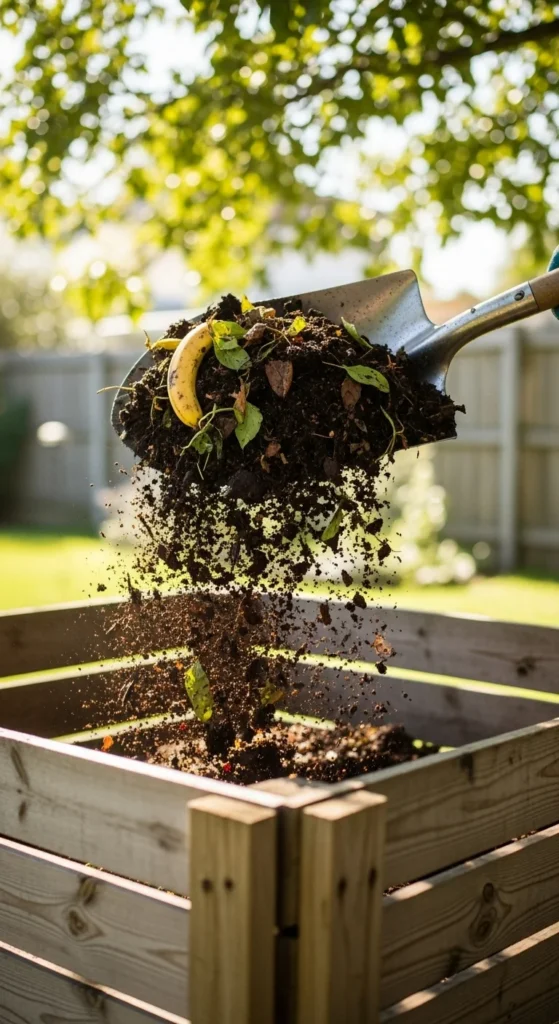
Adding a bit of mature compost introduces active microbes that jumpstart decomposition. Scatter a thin layer over new material as you build. It’s like giving your pile a natural enzyme boost—simple science that works even in freezing weather.
23. Try Insulated Plastic Bins Indoors
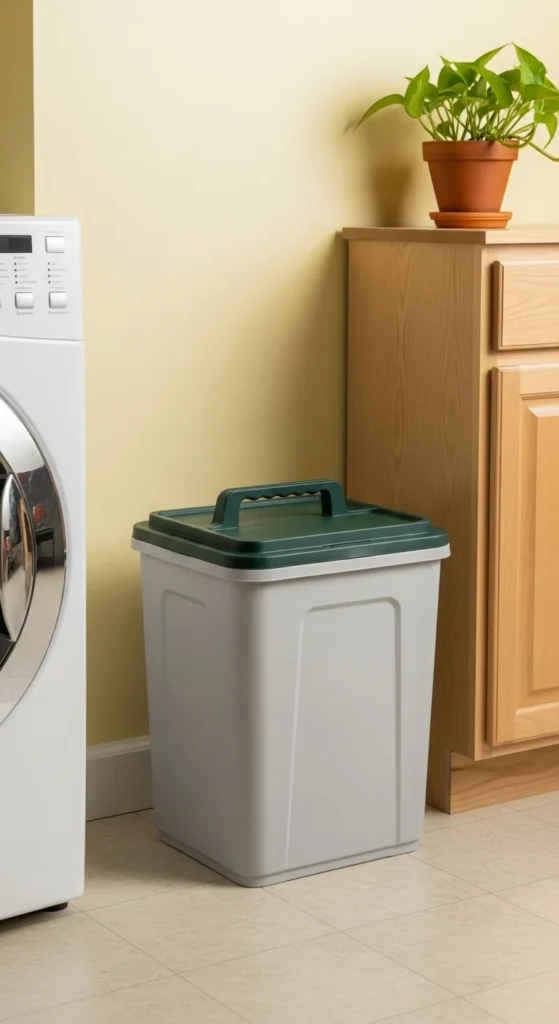
For apartments or small homes, use a compact indoor compost system. Modern bins have carbon filters and tight seals. Add food scraps, shredded paper, and compost accelerators. It’s clean, smell-free, and keeps your compost habit alive year-round.
24. Pre-Mix Compost Tea for Spring
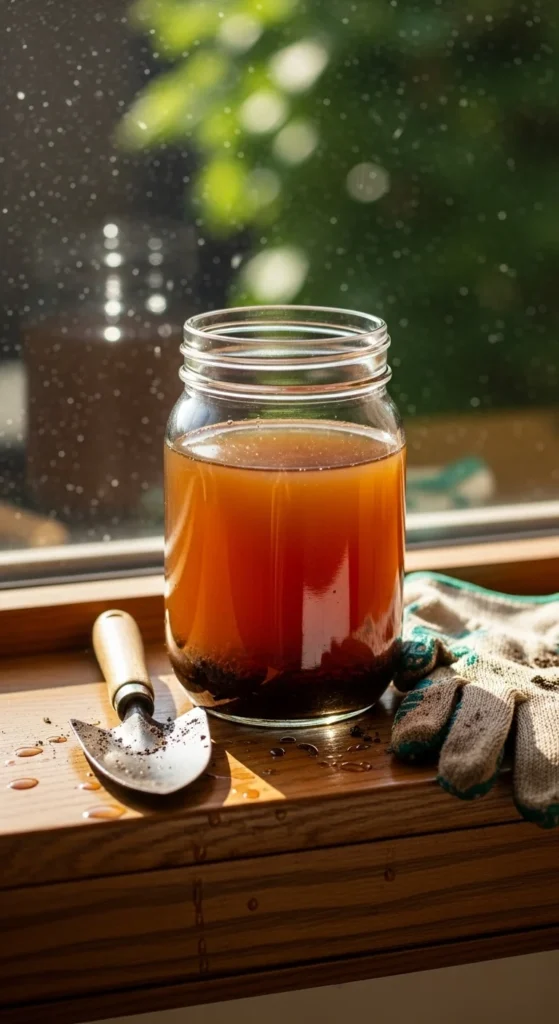
Collect a small amount of finished compost and soak it in water for a few days. Store the liquid “compost tea” in sealed containers through winter. Once spring comes, use it as a nutrient boost for seedlings and garden beds.
Conclusion
Cold weather doesn’t stop composting—it just changes the rhythm. With small adjustments, your scraps can still turn into rich soil all winter long. From insulated bins to indoor worm setups, these ideas keep nature’s recycling process active when everything else sleeps. Start one this New Year, and by spring, you’ll have a pile of dark, crumbly compost ready to enrich your garden naturally.

Leave a Reply