

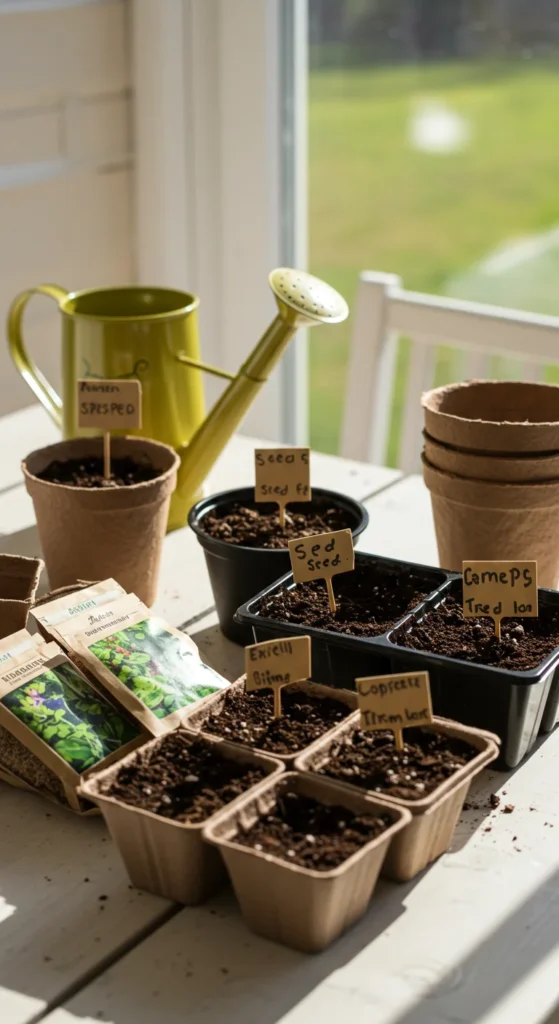
Starting seeds at home is one of the most rewarding parts of gardening. Watching tiny sprouts push through the soil feels like magic. But sometimes seeds take too long, sprout unevenly, or fail altogether. The good news is, you can make the process easier with simple tricks. These 22 easy seed starting hacks help you create the right conditions so your seeds sprout stronger, faster, and healthier—all without spending much.
1. Pre-Soak Tough Seeds
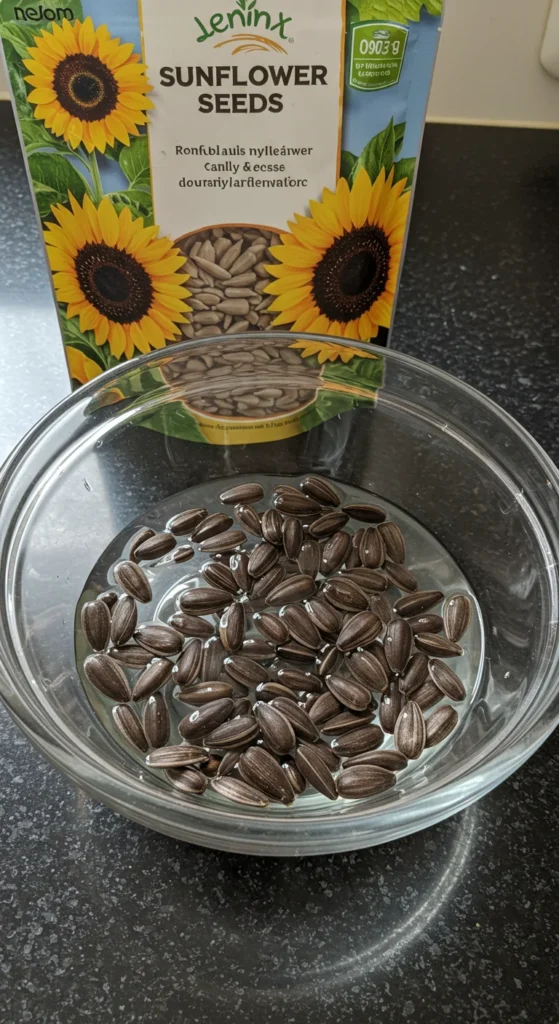
Some seeds, like beans or peas, have tough outer shells. Soaking them overnight softens the coat and helps them sprout more quickly. Simply place the seeds in warm water for 8–12 hours, then plant them the next day. It’s a small step that saves you days of waiting.
2. Use Recycled Egg Cartons
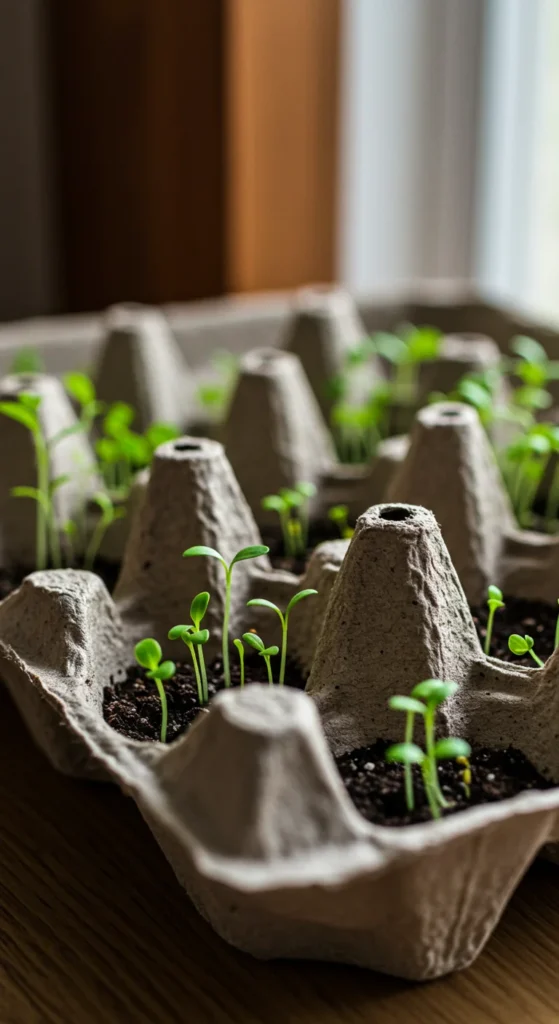
Egg cartons make perfect mini seed trays. They’re free, biodegradable, and easy to fill with soil. Just poke a small hole in the bottom of each cup for drainage. Once seedlings grow, you can cut apart each section and plant directly into the garden.
3. Warm the Soil with a Heating Pad
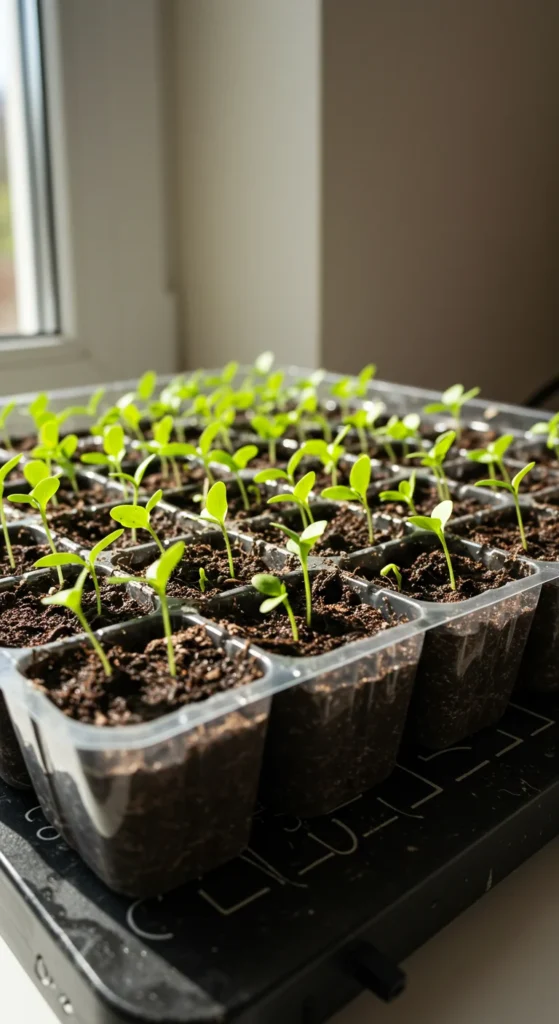
Warmth encourages faster germination. Place seed trays on a seed heating mat or even a household heating pad on the lowest setting. This works especially well for peppers, tomatoes, and herbs that love warmth.
4. Cover with Plastic Wrap
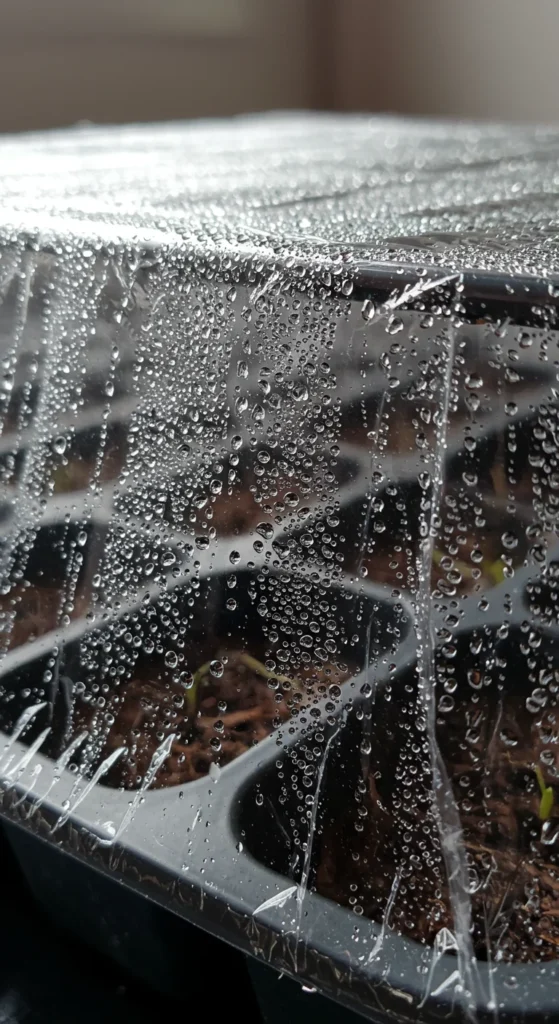
Seeds germinate best in moist conditions. Stretch plastic wrap over your seed trays to create a mini greenhouse. Once sprouts appear, remove the cover so seedlings can breathe and grow strong.
5. Label Everything
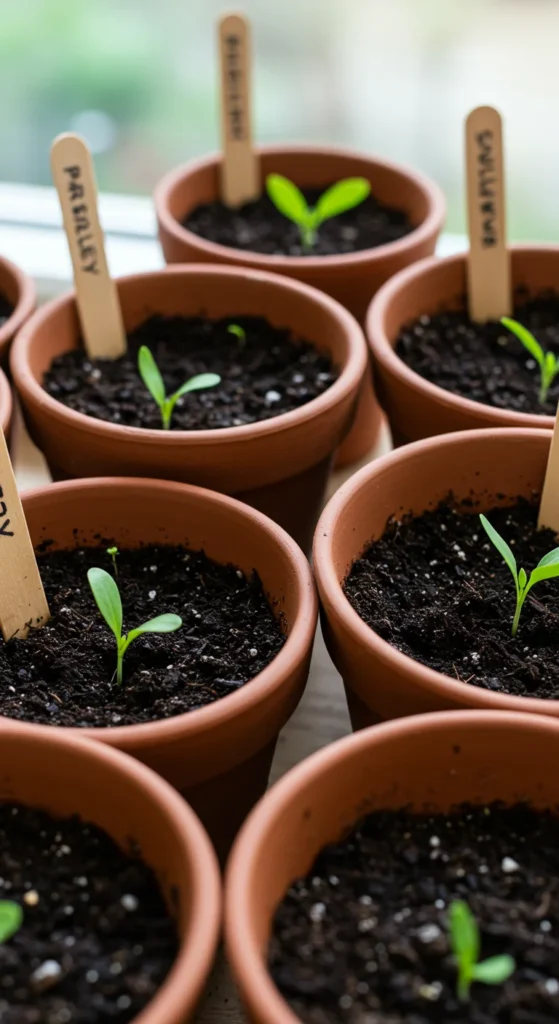
When you plant multiple varieties, it’s easy to forget what’s what. Use popsicle sticks, old spoons, or even masking tape to label each row or cup. Clear labels keep your seedlings organized and help you track their progress.
6. Try the Paper Towel Method
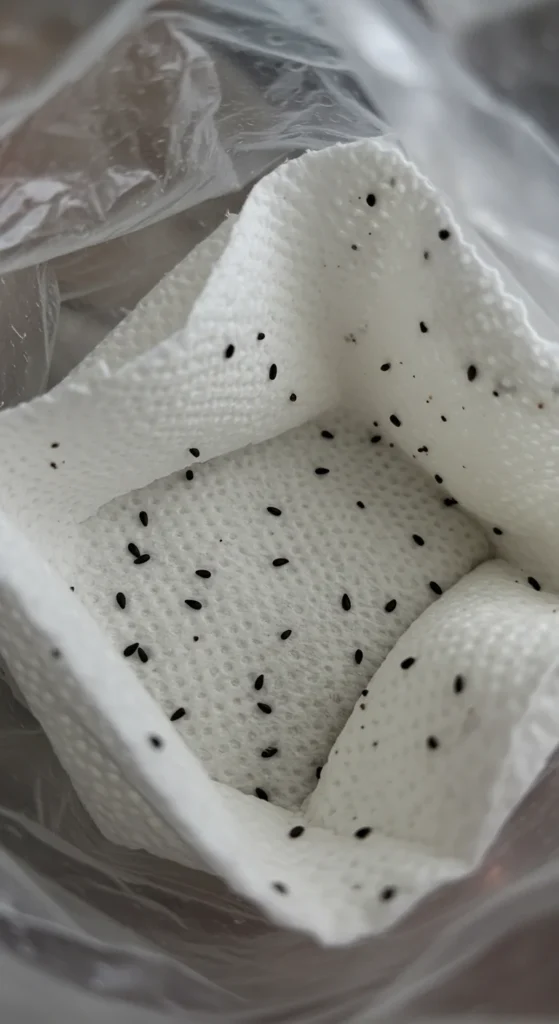
For fast germination checks, sandwich seeds between damp paper towels. Place the towel inside a resealable bag and keep it warm. Once sprouts appear, carefully transfer them into soil. This hack helps you test seed viability before planting.
7. Save Toilet Paper Rolls
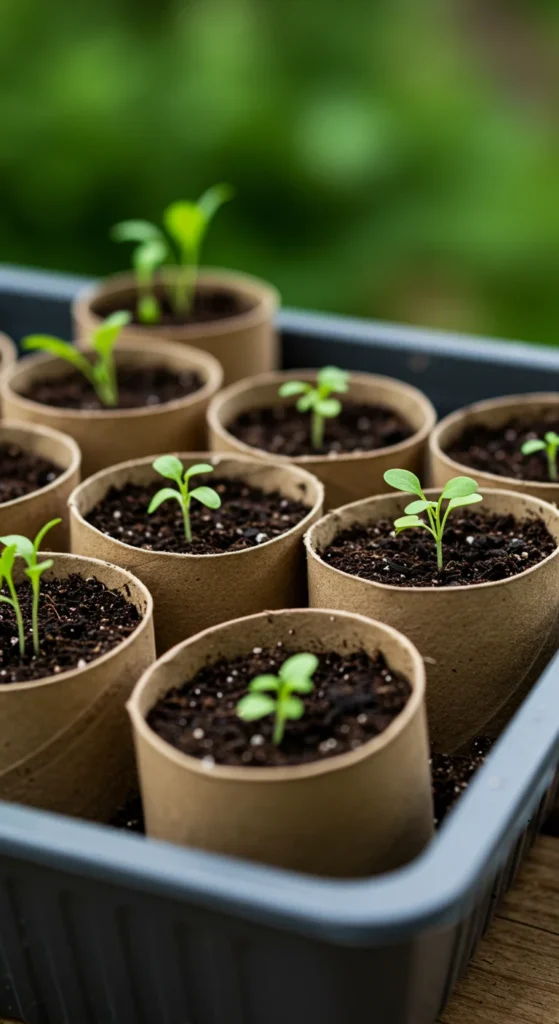
Cut toilet paper rolls into small sections and use them as biodegradable pots. They hold soil, allow good drainage, and can be planted directly into the ground once seedlings are ready.
8. Use Cinnamon to Prevent Mold
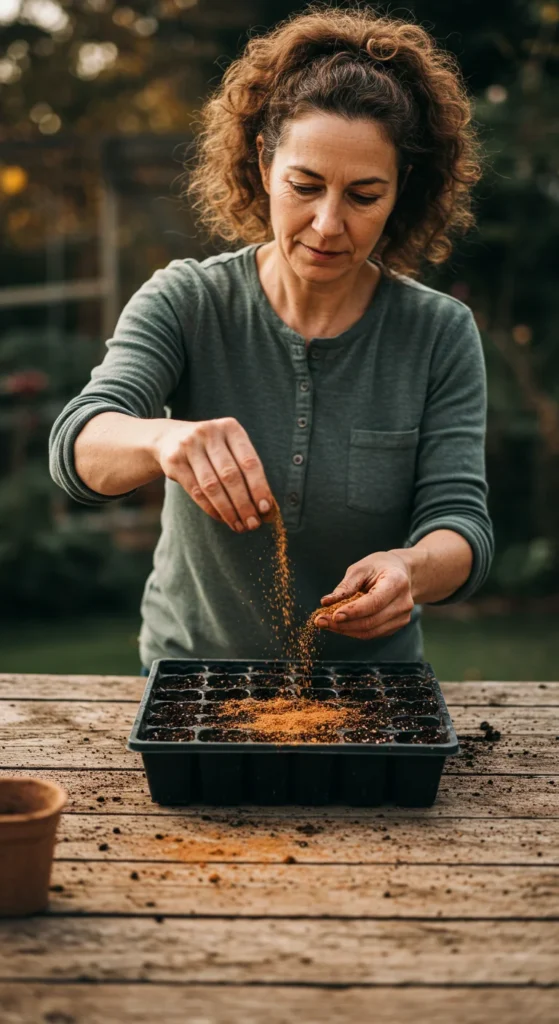
Seed trays sometimes grow fuzzy mold. A light sprinkle of cinnamon on the soil helps prevent fungal growth. It’s a natural and inexpensive way to keep seedlings healthy.
9. Water from the Bottom
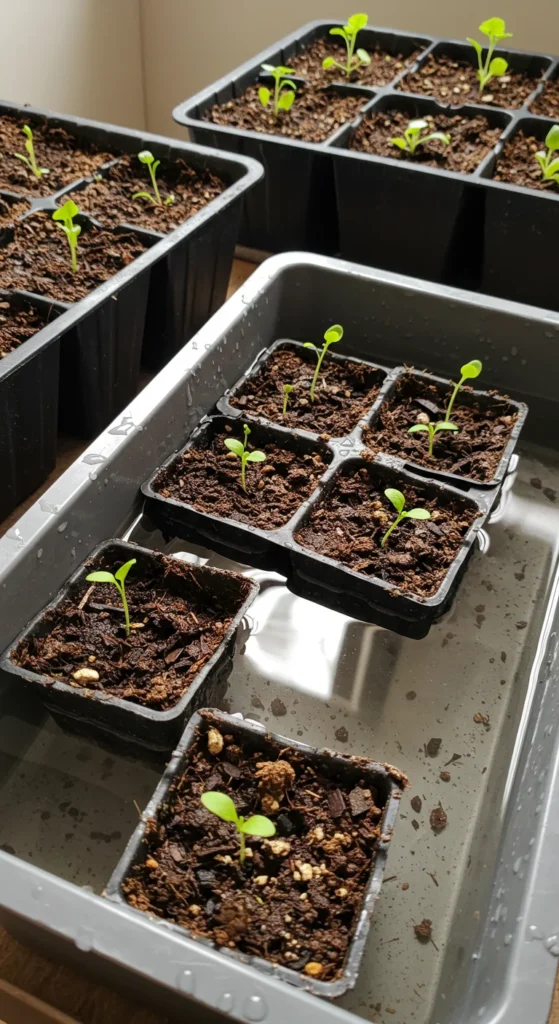
Instead of watering from above, place your pots or seed trays in a shallow dish of water. The soil soaks it up from below, keeping roots evenly moist without disturbing delicate seeds on top.
10. Give Seeds a Light Scratch
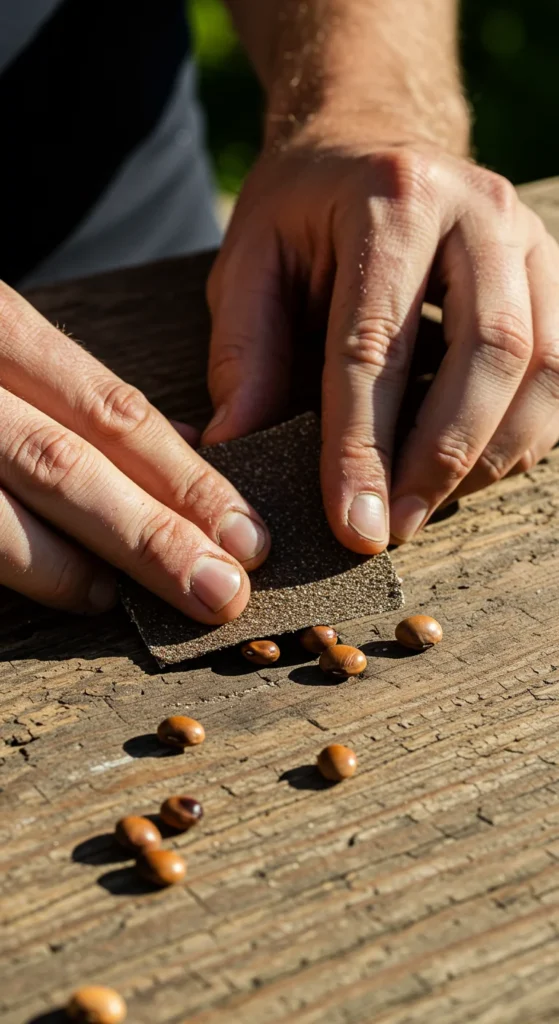
Some seeds have tough shells that water can’t easily penetrate. Rubbing them lightly with sandpaper before planting helps them absorb water faster, which encourages quicker germination.
11. Reuse Clear Salad Containers
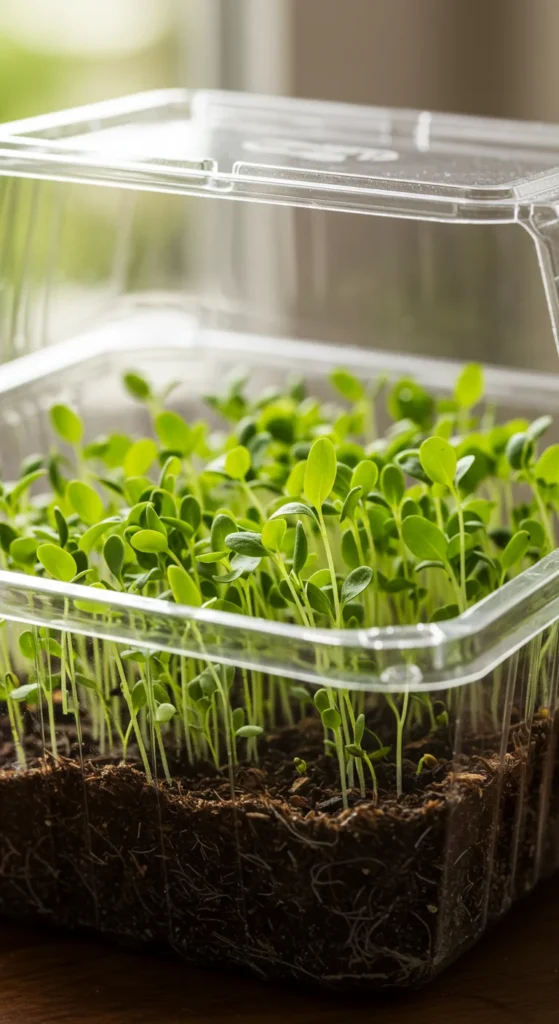
Clamshell salad containers make great seed-starting mini greenhouses. They already have lids, which trap moisture and warmth. Just fill with soil, plant your seeds, and close the lid until sprouts appear.
12. Don’t Plant Too Deep
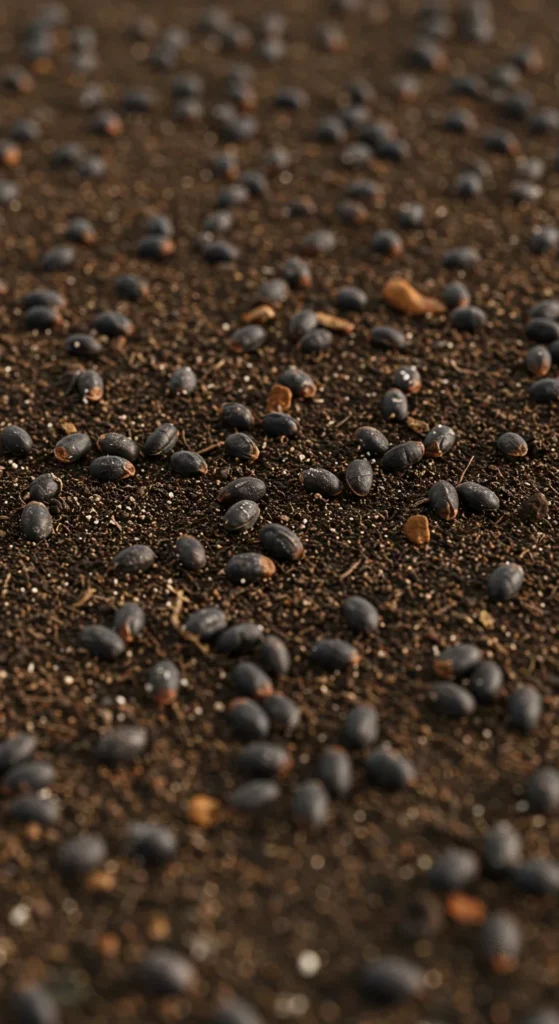
A common mistake is burying seeds too far down. Most only need a light dusting of soil. Check the seed packet for depth recommendations. If in doubt, shallow planting is usually safer than too deep.
13. Use Grow Lights Indoors
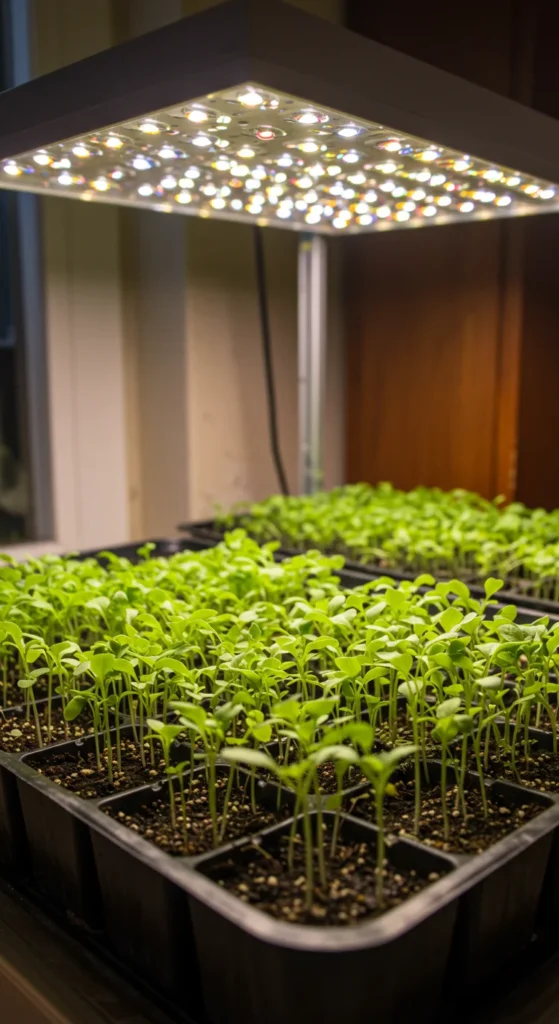
Indoor seedlings often get leggy from stretching toward windows. A basic LED grow light keeps them strong and upright. Position lights a few inches above the trays and keep them on for 12–16 hours daily.
14. Save Clear Plastic Bottles
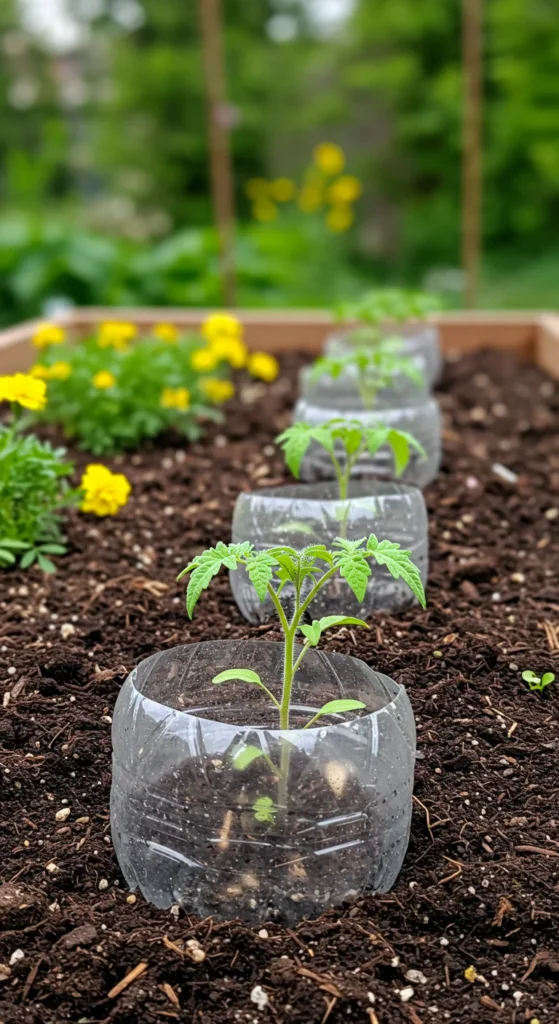
Cut clear bottles in half and place them over seedlings outdoors for added warmth and protection. They act like mini greenhouses and shield plants from wind or pests.
15. Use Old Muffin Tins
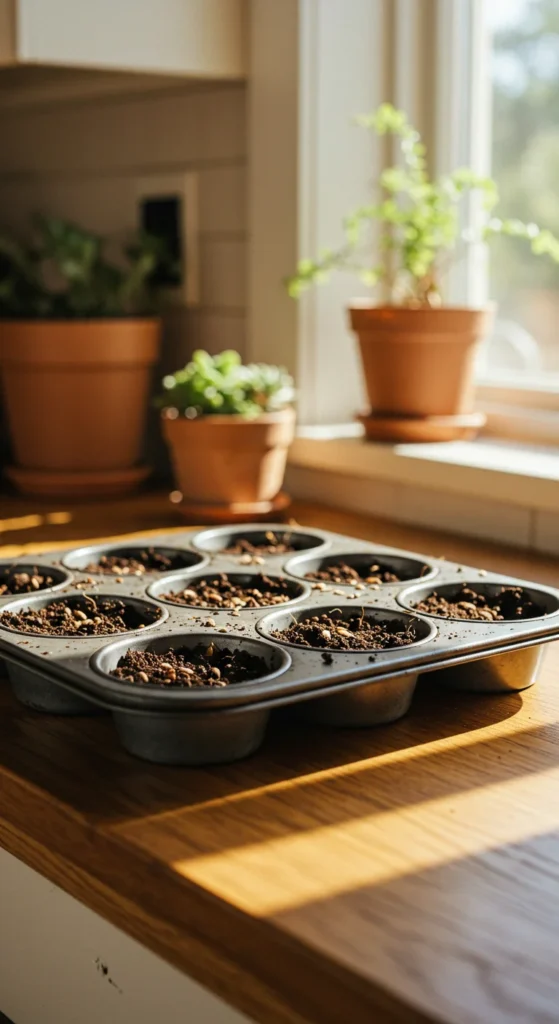
If you don’t have seed trays, muffin tins work surprisingly well. Fill each cup with soil, poke a drainage hole if needed, and plant your seeds. Place the whole tin on a tray for easy watering.
16. Add Vermiculite on Top
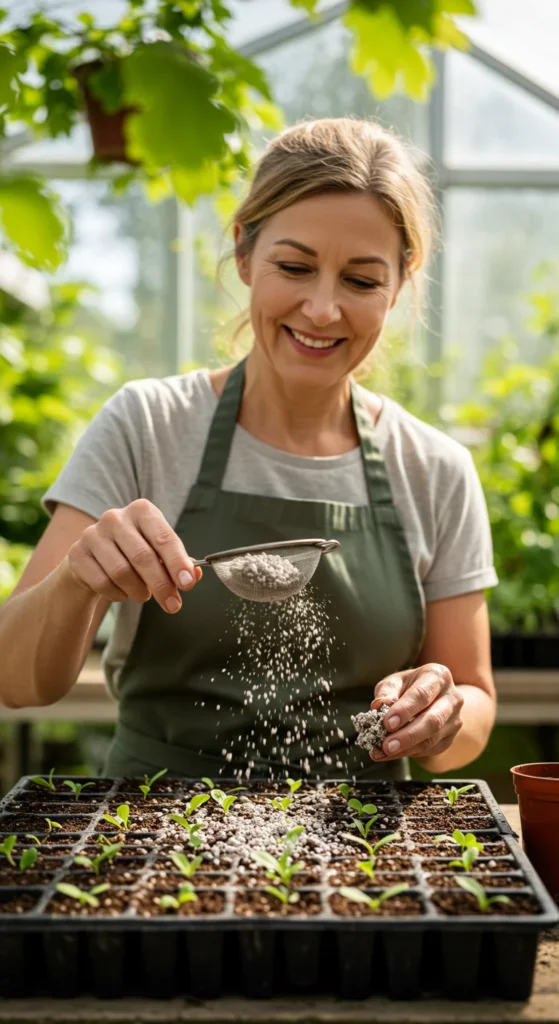
Sprinkling vermiculite on top of soil keeps it moist without blocking light. It’s especially helpful for seeds that need light to germinate, like lettuce or herbs.
17. Pre-Warm Soil Mix
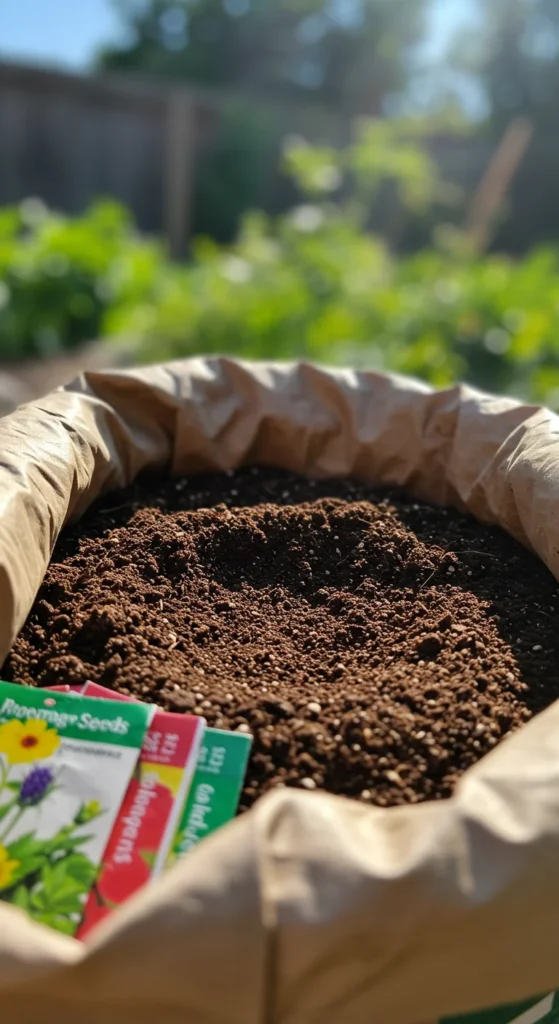
Cold soil slows germination. Set your soil mix in the sun for a few hours before planting to gently warm it. This simple step gives seeds a better start.
18. Stagger Planting Times
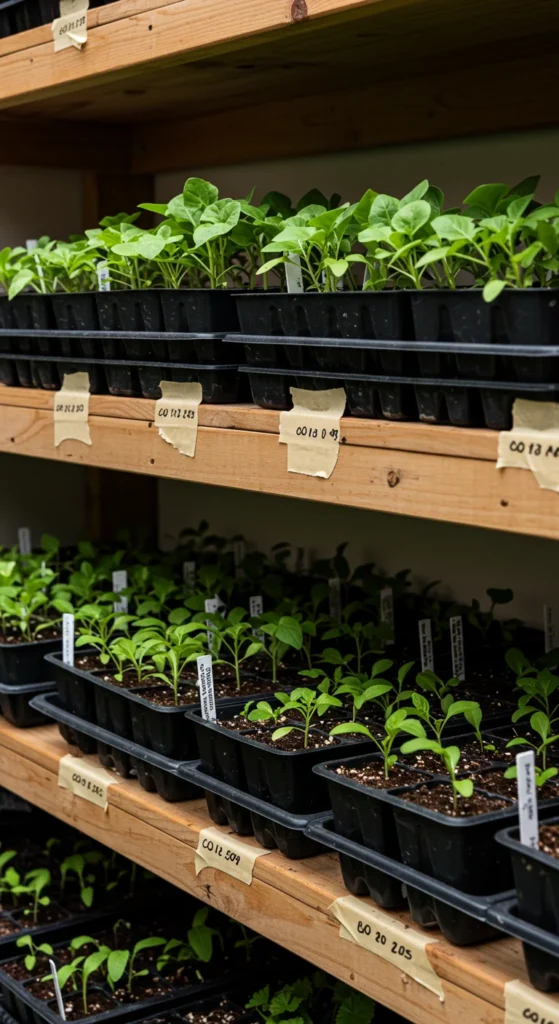
Instead of sowing everything at once, stagger your planting by a week or two. This gives you a steady harvest later, and if one tray doesn’t do well, you’ll have backup seedlings.
19. Try Bottom Heat with a Refrigerator Top
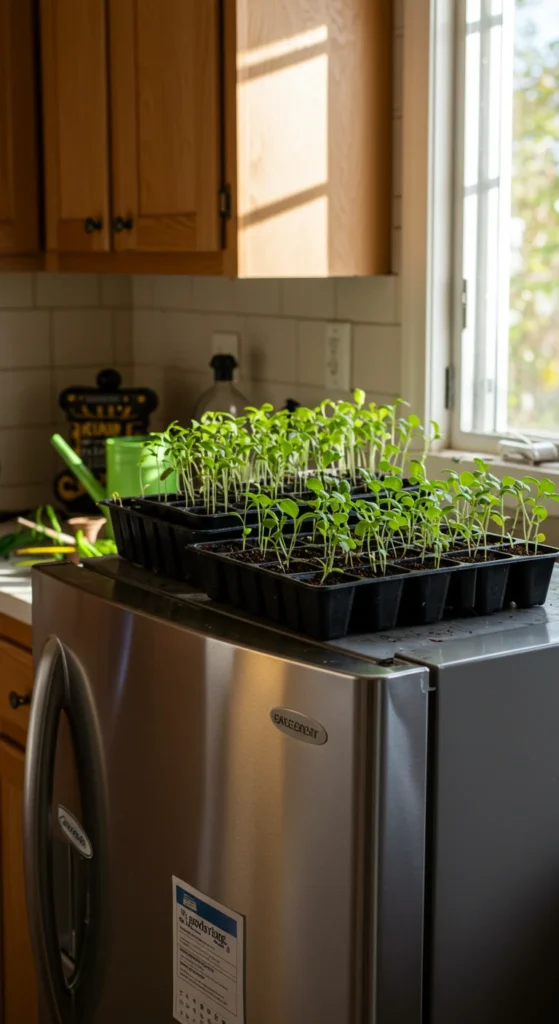
The top of a fridge stays slightly warm, making it a handy place to germinate seeds. Place trays there until sprouts appear, then move them to a sunnier spot.
20. Add a Fan for Strength
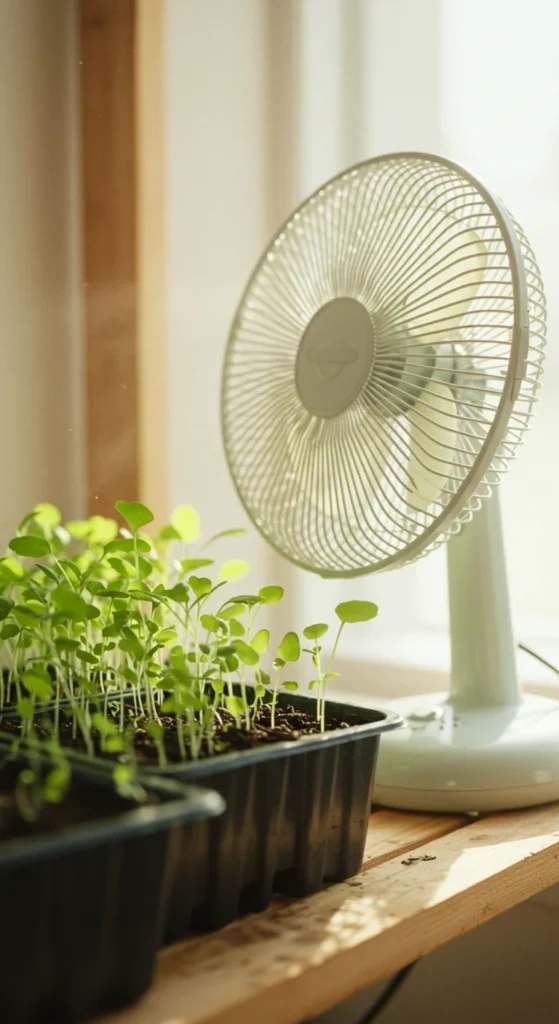
Indoor seedlings often grow weak stems. A small fan on a low setting mimics outdoor breezes, encouraging stronger roots and sturdier plants. Just run it for a few hours daily.
21. Don’t Overcrowd Seeds
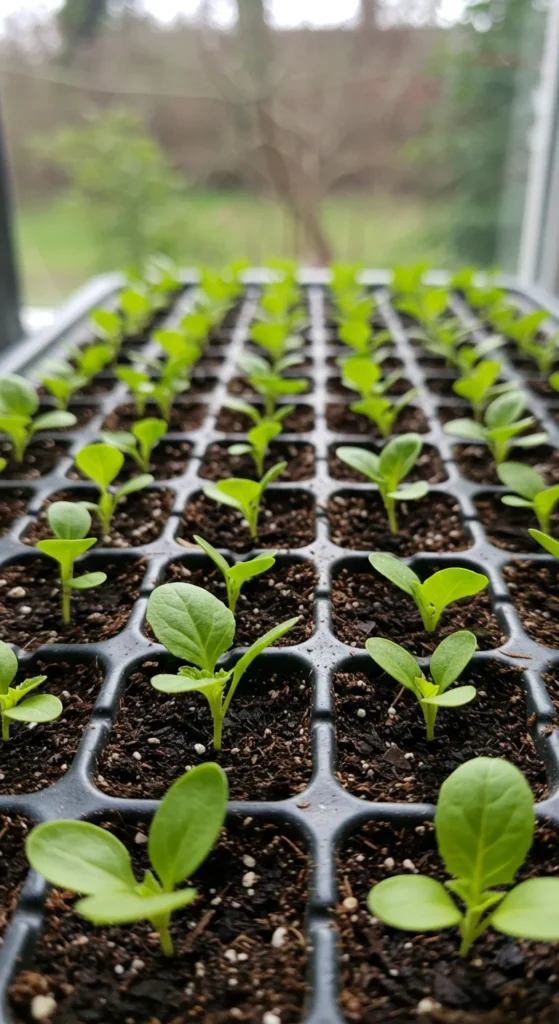
Planting too many seeds in one spot leads to overcrowding. Thin them early so each seedling has space to grow. This prevents weak, spindly plants and gives each one enough light and nutrients.
22. Harden Off Before Planting Outside
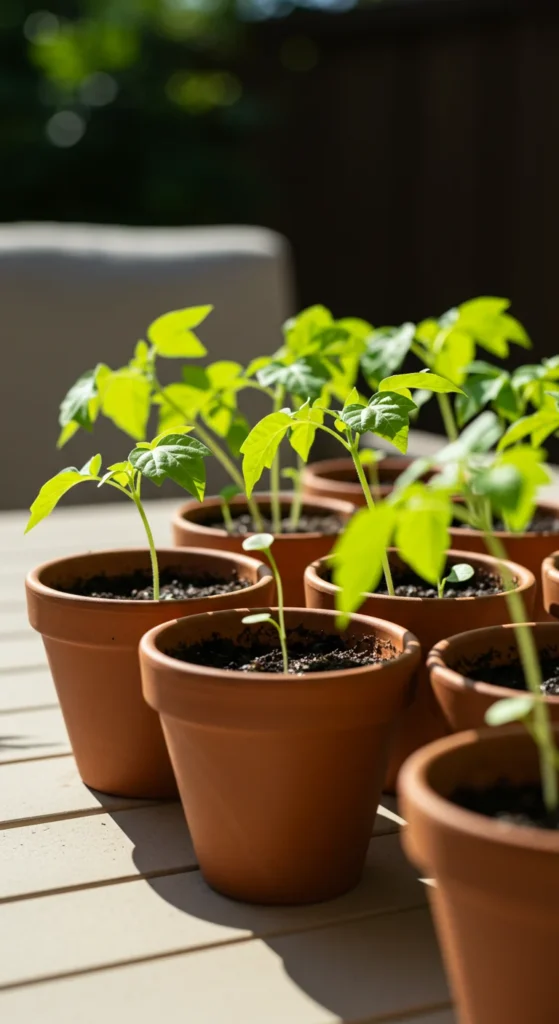
Before moving seedlings outdoors, let them adjust gradually. Start by placing them outside for a few hours a day, then extend the time over a week. This prevents shock and helps them thrive once planted.
Conclusion
Starting seeds doesn’t have to be complicated. With these 22 easy hacks, you can set up better conditions for germination and raise stronger seedlings. From reusing everyday items to adjusting light and warmth, each trick makes the process smoother and more affordable. Try a few, watch your seeds sprout faster, and enjoy the satisfaction of growing healthy plants right from the start. 🌱
Leave a Reply