

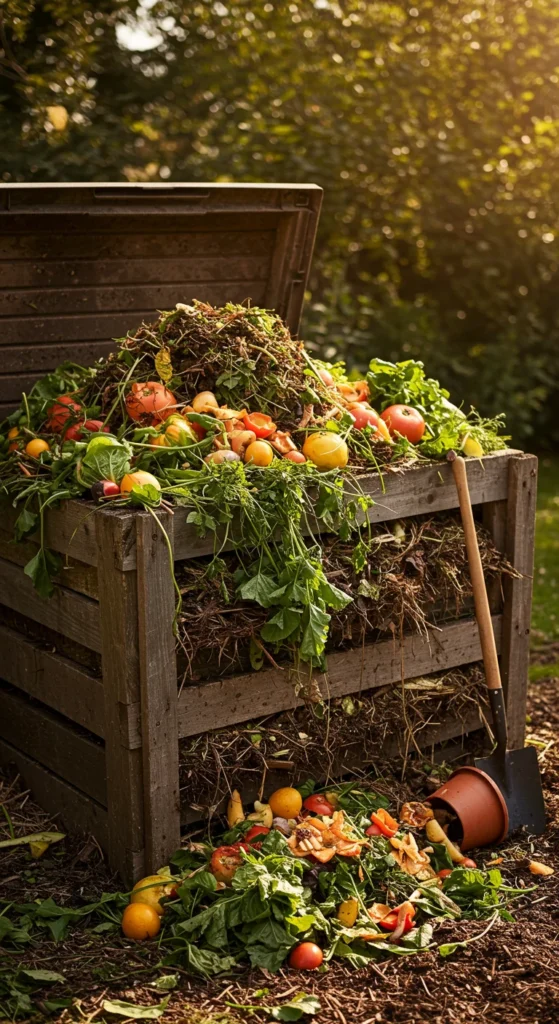
Turning kitchen scraps and garden waste into black gold soil is one of the most rewarding things you can do for your garden. Composting isn’t complicated—it’s about finding simple habits that make the process easier, faster, and more effective. These 25 smart composting tricks will help you create nutrient-rich soil that keeps your plants thriving without spending much.
1. Start with Balance
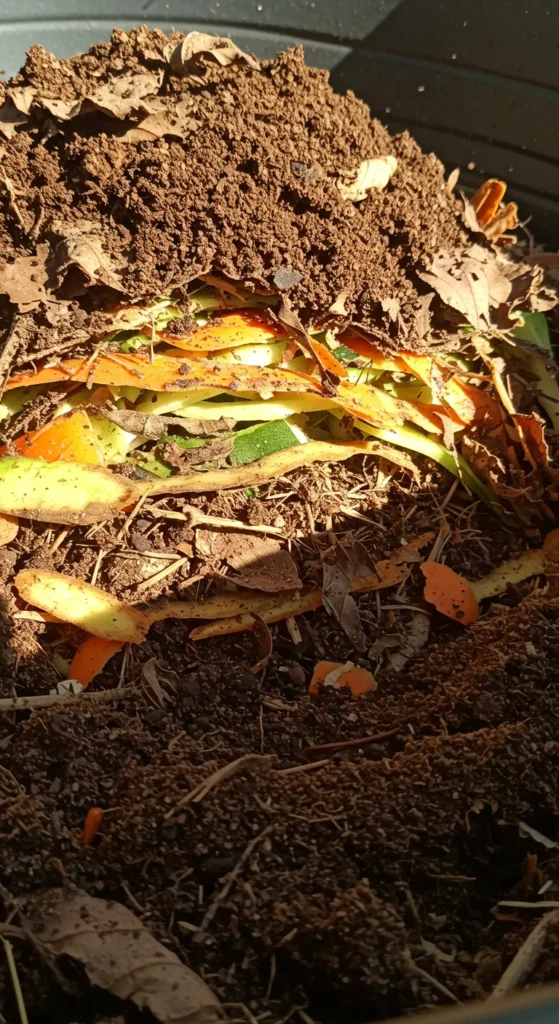
Composting works best when you balance “greens” (like veggie scraps) and “browns” (like dried leaves). Greens provide nitrogen, while browns add carbon. Aim for a mix that looks even. If your pile is too wet, add more browns. If it’s too dry, toss in more greens. A simple habit is to keep a bucket under your sink for food scraps and a basket outdoors for dry leaves. That way, you can quickly grab what you need and layer as you go.
2. Chop Scraps Small
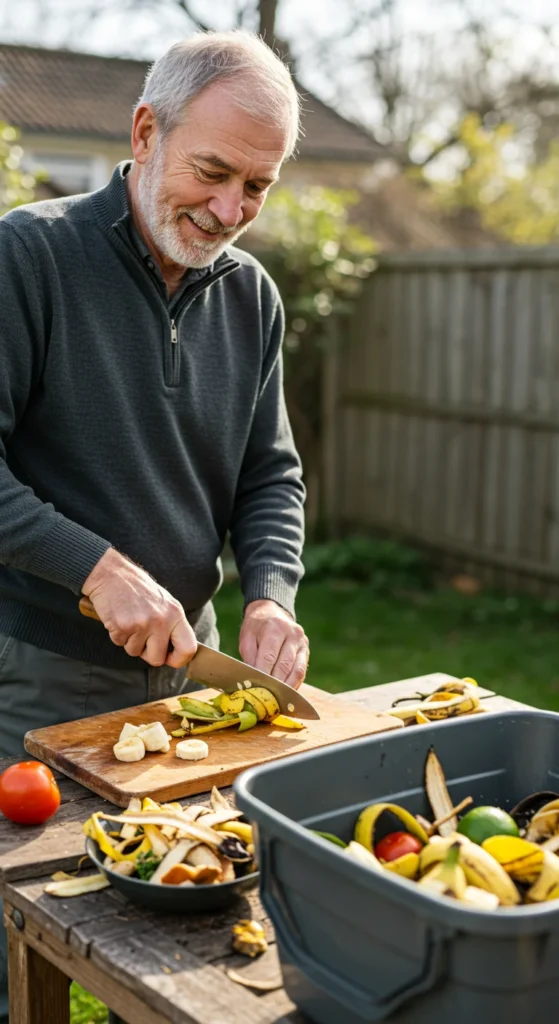
The smaller the scraps, the faster they break down. Chopping up peels, rinds, and stems before tossing them in makes the process quicker. You don’t need fancy tools—just use your kitchen knife or scissors. Even tearing newspaper and cardboard into strips speeds things up. This trick is especially handy for tougher items like corn cobs or melon rinds, which otherwise take forever to break down.
3. Keep It Moist Like a Sponge
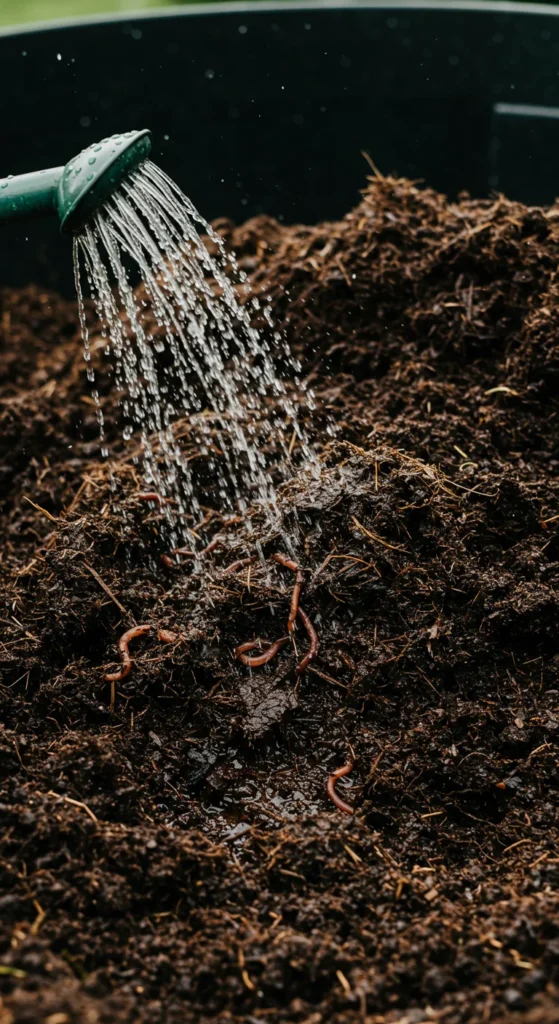
Your compost pile should feel like a wrung-out sponge—not too wet, not too dry. Water lightly when it looks dusty, especially in hot summer months. If it gets too wet, add more dry materials like shredded paper or straw. Checking moisture once a week keeps decomposition steady and prevents smells.
4. Turn the Pile Often
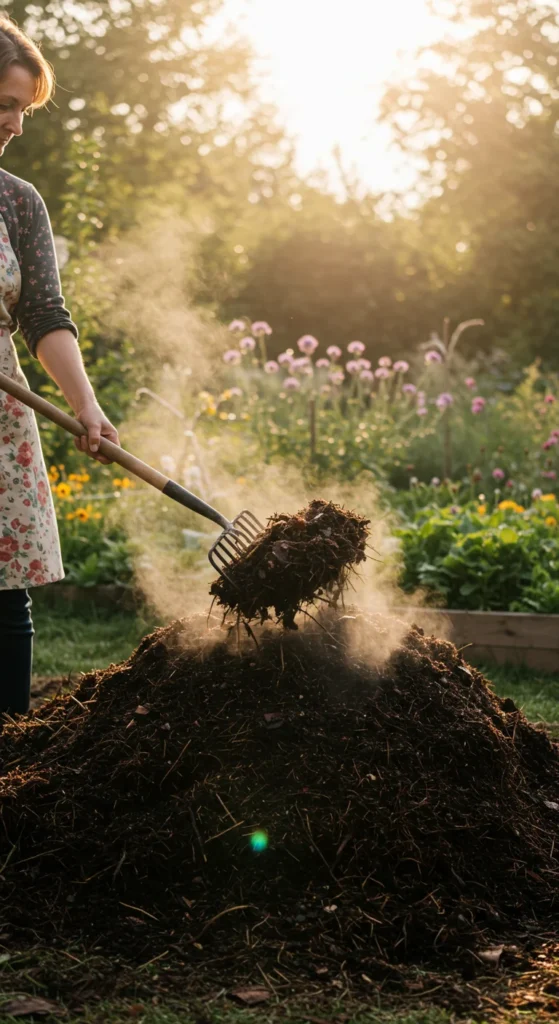
Turning your compost introduces oxygen, which speeds up the breakdown process. Use a garden fork or shovel and mix everything once a week. If that feels like too much, even flipping the pile once a month makes a difference. Some gardeners keep two bins—one “cooking” and one active—so they can rotate between them easily.
5. Add Coffee Grounds
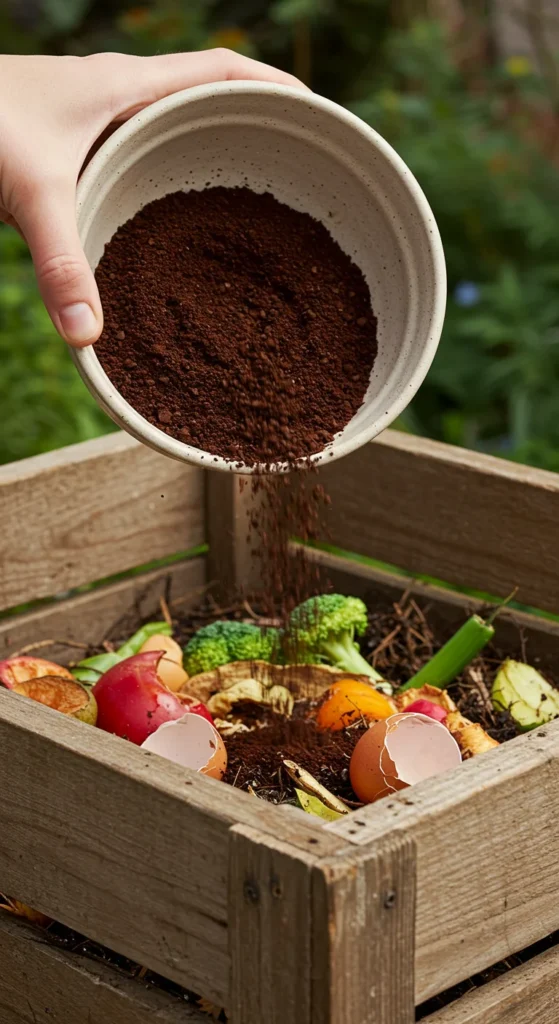
Coffee grounds are a nitrogen-rich favorite for compost. Collect them from your morning brew or ask local cafes for their leftover grounds. They add texture and help speed decomposition. Just don’t dump in too many at once, or the pile can get too acidic. Mix grounds with dry leaves for a balanced layer.
6. Use Eggshells for Calcium
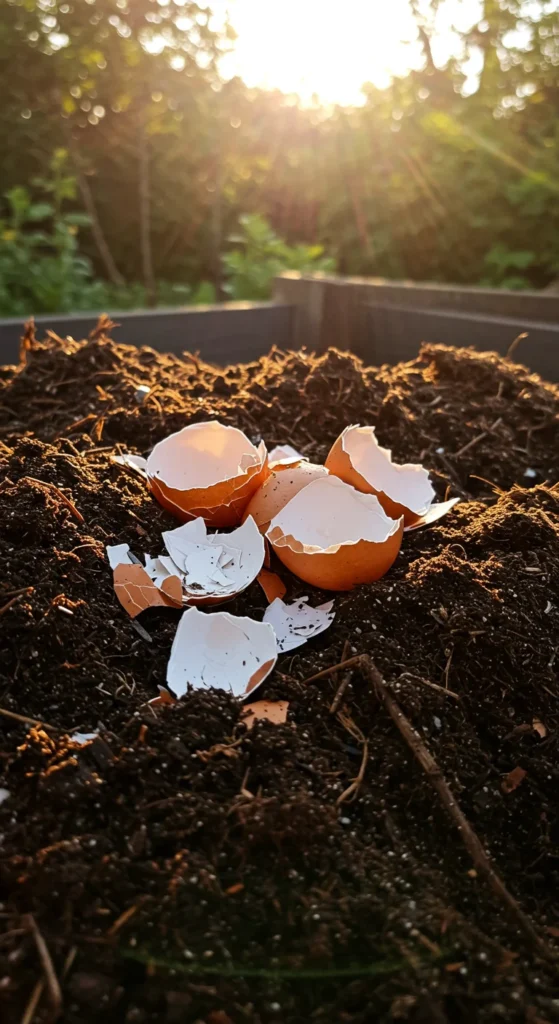
Eggshells break down slowly but add calcium that plants love. Crush them before tossing in to help them decompose faster. Save shells in a jar by the sink and crush them with a spoon before sprinkling into your compost. They also help deter slugs if scattered around garden beds later.
7. Layer Like a Cake
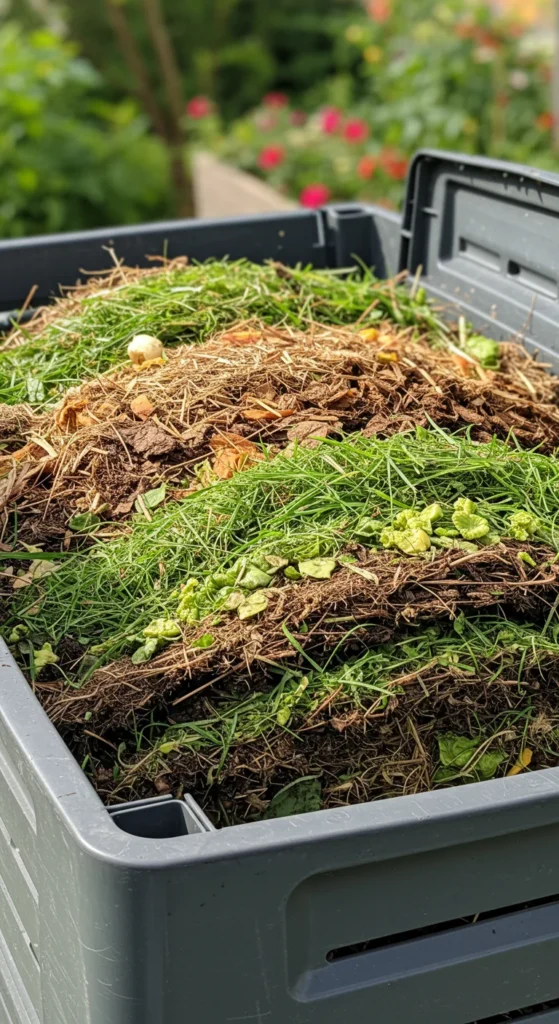
Think of your compost like a lasagna. Layer greens and browns in alternating sections for faster breakdown. Start with a brown base like sticks or straw, then add food scraps, then more browns. This keeps air pockets open and prevents sogginess.
8. Avoid Meat and Dairy
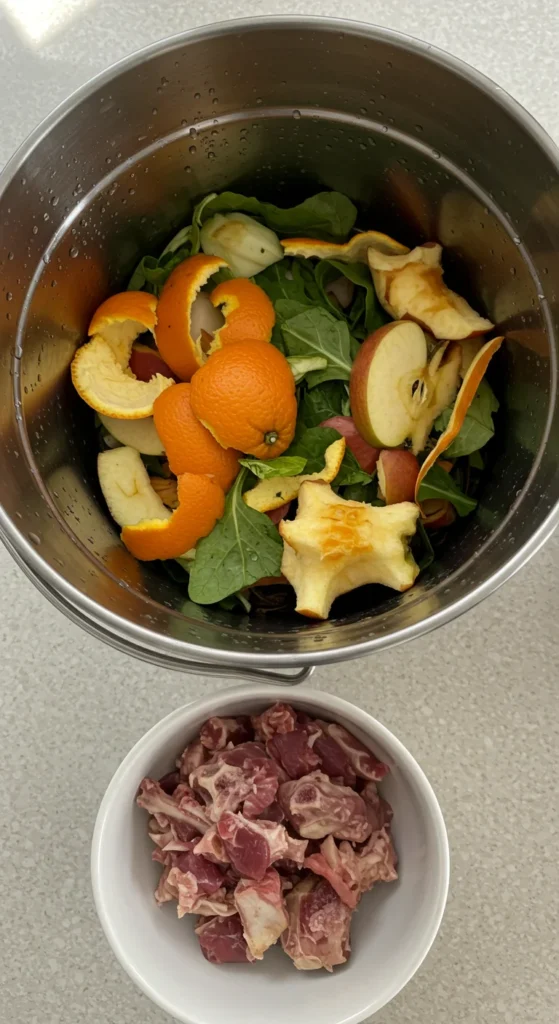
Meat, dairy, and oily foods attract pests and create odors. Stick to fruit, veggies, grains, coffee, and yard waste. If you want to compost everything, look into bokashi systems or specialized bins indoors. For outdoor piles, keeping it simple is best.
9. Add Garden Weeds Carefully
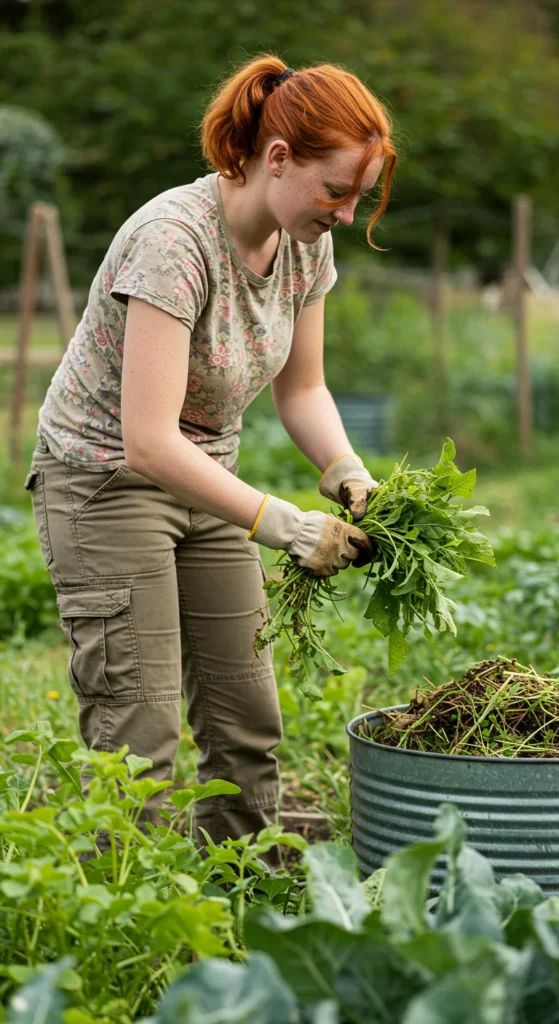
Weeds can be composted, but only if they haven’t gone to seed. Otherwise, you risk spreading them back into your garden. Dry them out in the sun before adding them in. This makes them safer and less likely to regrow.
10. Keep a Kitchen Scrap Jar
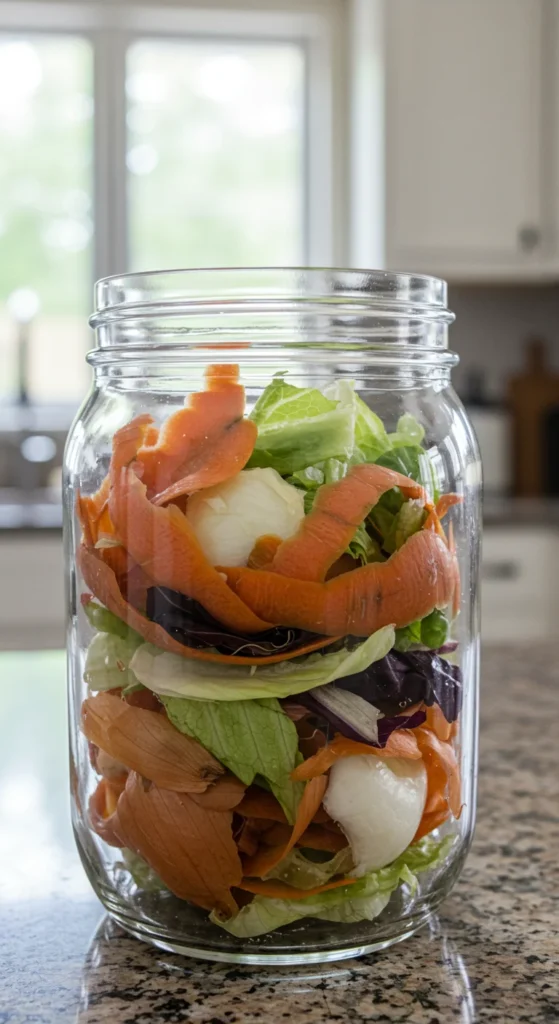
Instead of walking outside every time you have scraps, keep a small jar or bucket in the kitchen. Empty it into your compost every couple of days. This habit makes composting easier and reduces food waste in the trash.
11. Cover Food with Browns
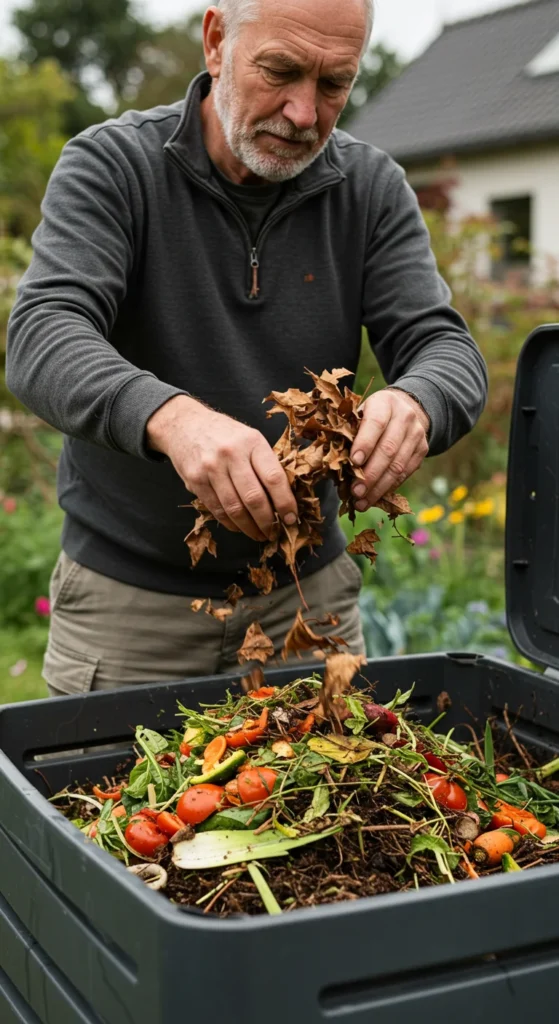
Always cover fresh food scraps with a layer of browns like leaves or shredded newspaper. This helps control odors and keeps flies away. It also balances nitrogen and carbon.
12. Use Shredded Newspaper
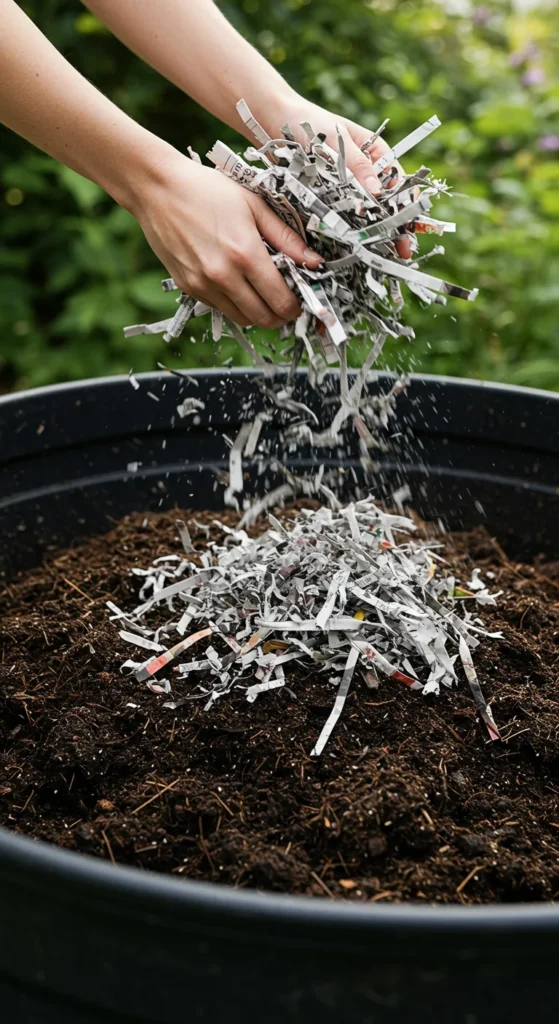
Shredded newspaper adds carbon and absorbs excess moisture. It’s a cheap, accessible option if you don’t have straw or dried leaves. Just avoid glossy or colored paper.
13. Add Grass Clippings Wisely
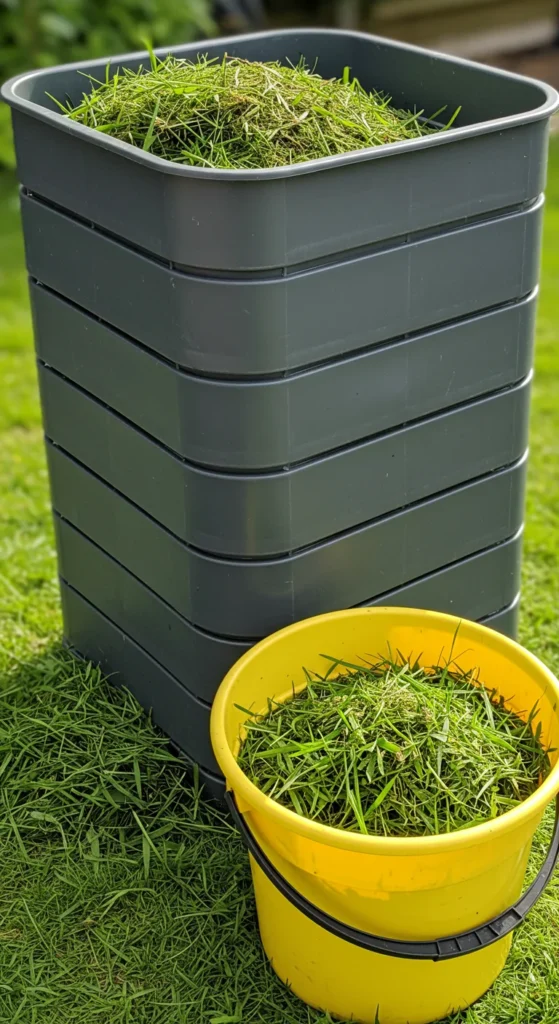
Grass clippings are high in nitrogen but can clump together and get slimy. Mix them with dried leaves or cardboard before adding to prevent matting. Use thin layers instead of dumping big piles at once.
14. Try Compost Tea
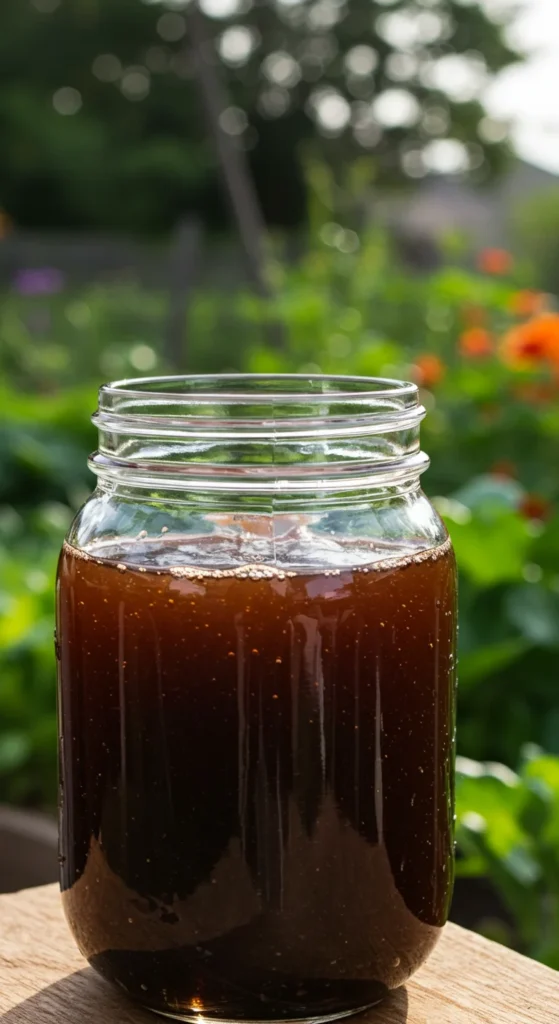
Steep compost in water for a day or two, then strain and use the liquid to water plants. Compost tea provides a nutrient-rich drink and keeps soil healthy.
15. Keep the Pile Warm
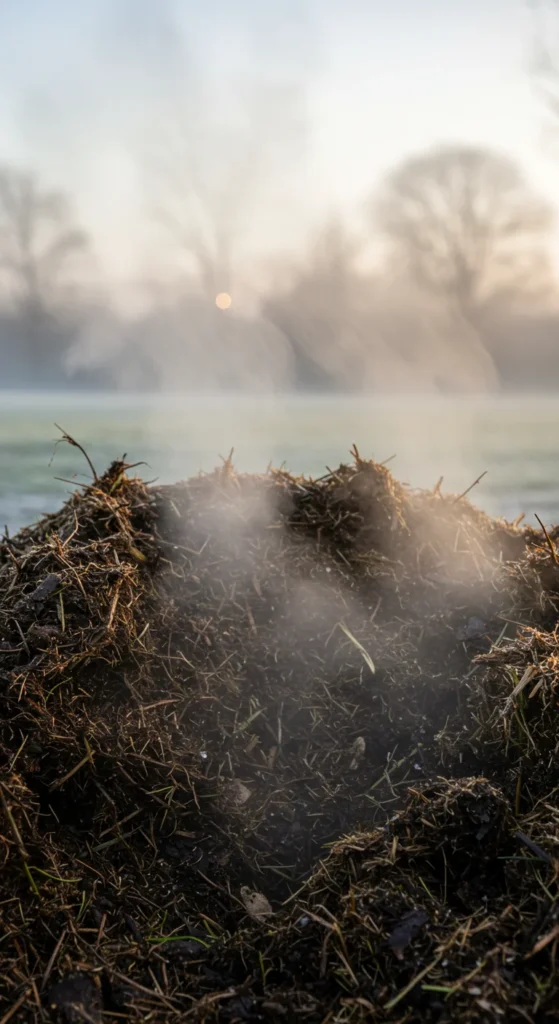
Heat helps compost break down faster. A well-balanced pile naturally generates warmth. You can insulate with straw bales or cover with a tarp in winter.
16. Add Cardboard
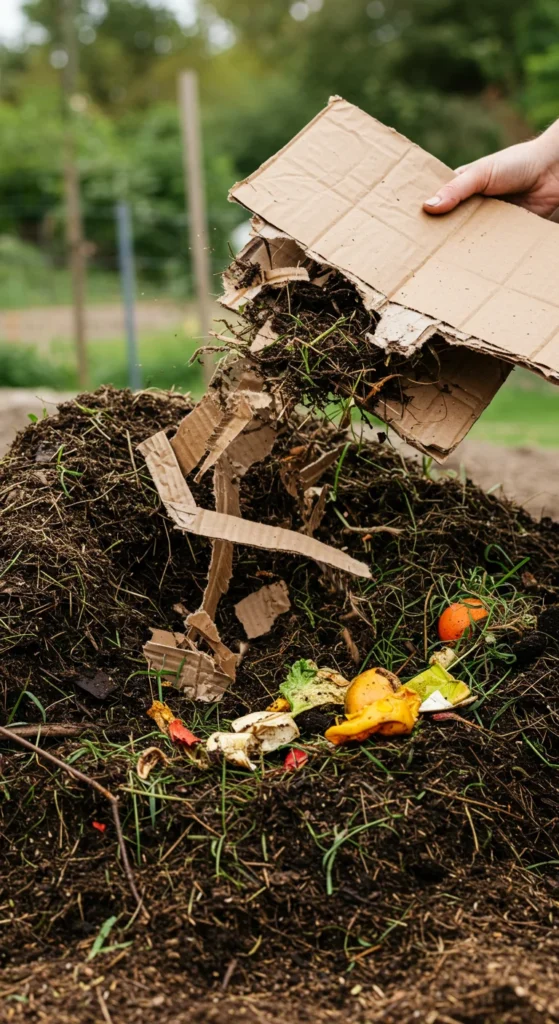
Cardboard provides carbon and helps soak up excess moisture. Tear it into strips before adding. Plain, brown cardboard works best—avoid glossy or printed ones.
17. Don’t Forget Tea Bags
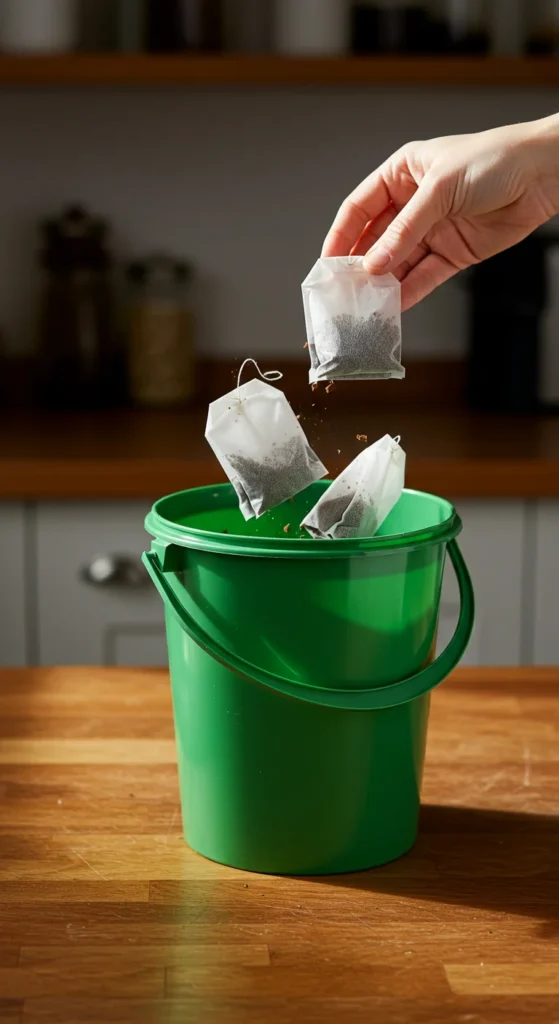
Most tea bags break down well, but check if they contain plastic mesh. Compostable ones add nitrogen and organic matter.
18. Save Fall Leaves
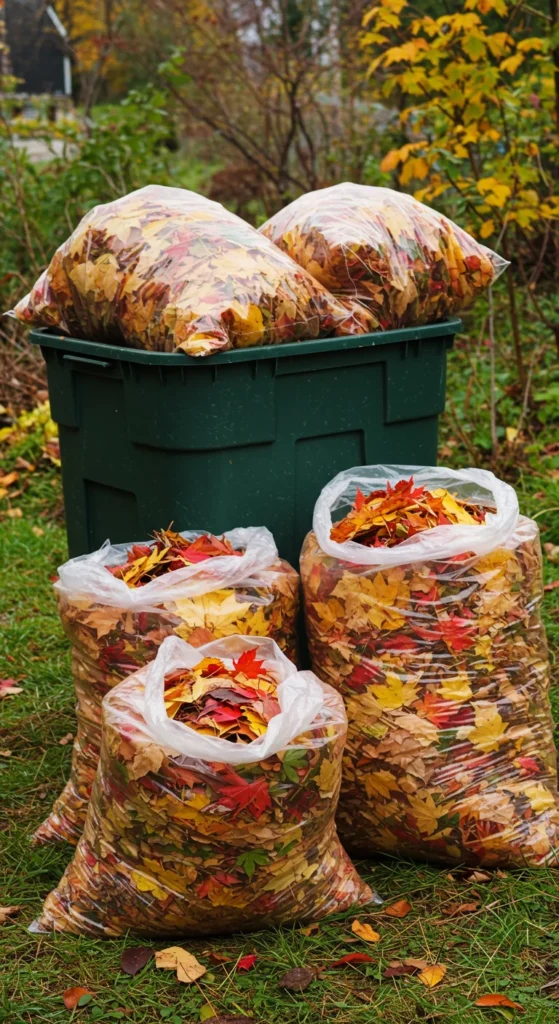
Fall leaves are gold for composting. Collect and store them in bags so you can use them year-round. They’re perfect browns for balancing wet kitchen scraps.
19. Add Sawdust in Small Amounts
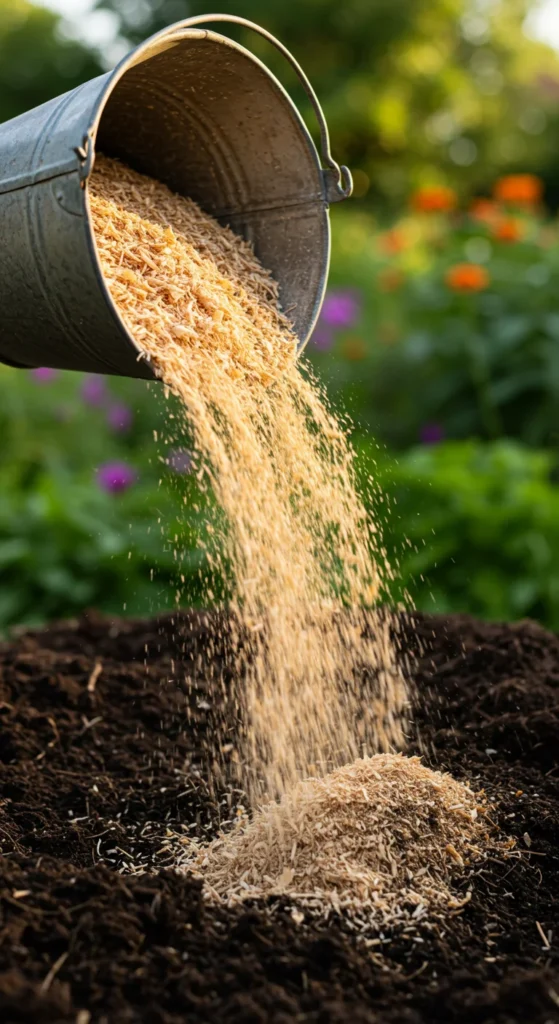
Sawdust is carbon-rich, but only use untreated wood. Sprinkle it in thin layers to avoid clumping. Great for balancing wet food scraps.
20. Compost Citrus Sparingly
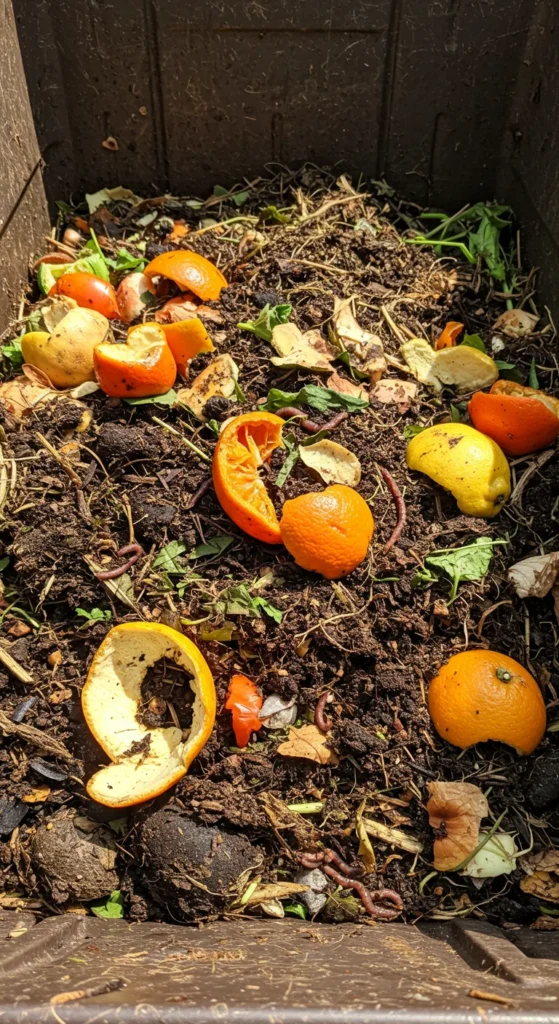
Citrus peels are fine in small amounts, but too many can make the pile acidic. Chop them up for faster breakdown and mix well with browns.
21. Try Worm Composting
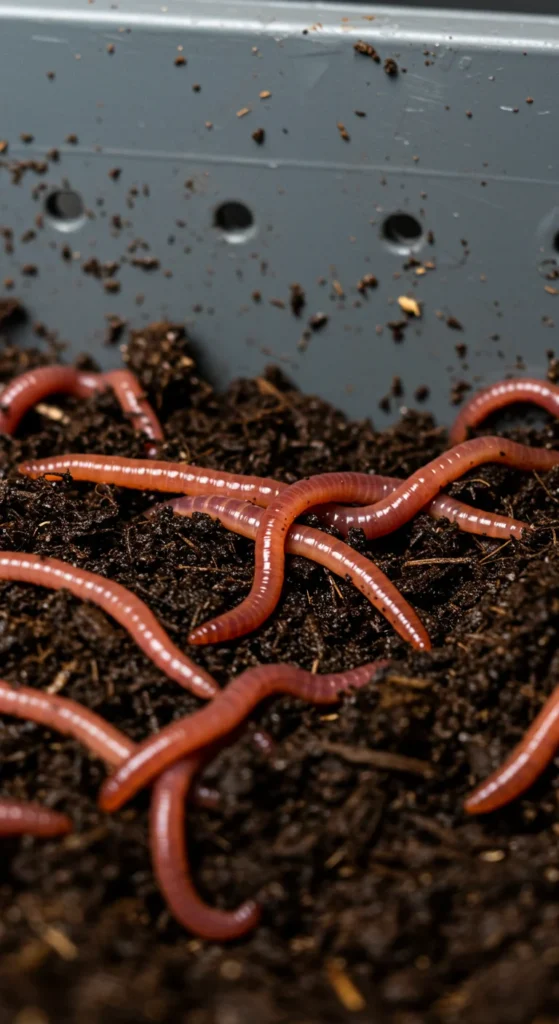
Worm bins (vermicomposting) are perfect for apartments or small spaces. Red wigglers eat scraps and produce nutrient-rich castings. They’re low-maintenance and great for indoor composting.
22. Add Seaweed if Available
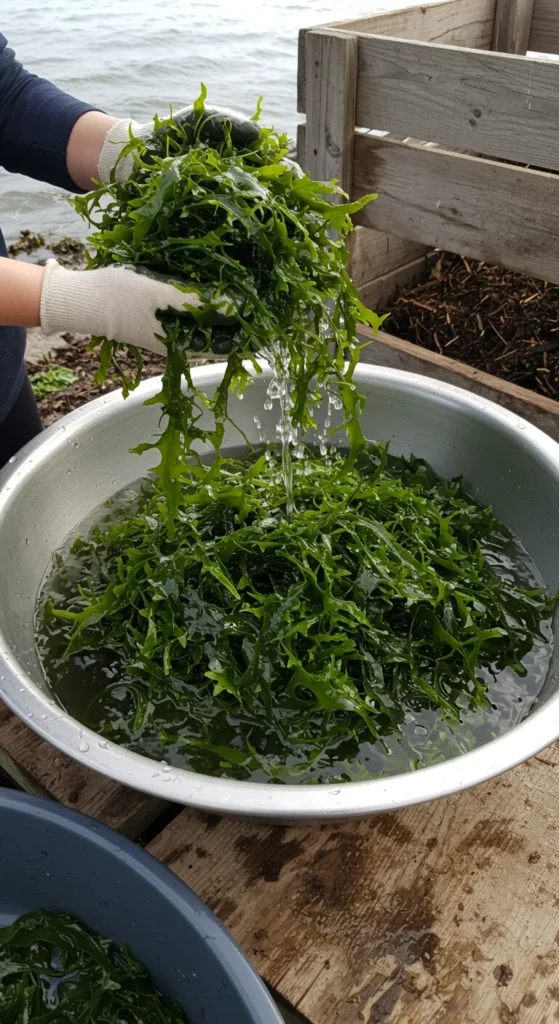
If you live near the coast, seaweed makes an excellent compost addition. It’s full of minerals and breaks down quickly. Just rinse off the salt before adding.
23. Use a Compost Tumbler
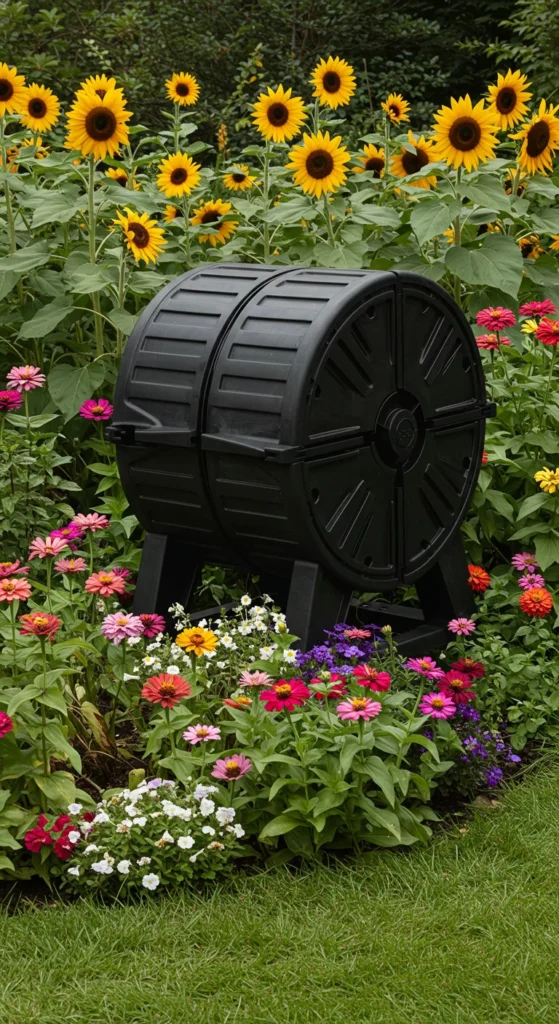
Compost tumblers make turning easy. Just spin the barrel instead of shoveling. They’re compact and keep piles neat, which is great for small yards.
24. Collect Rainwater for Moisture
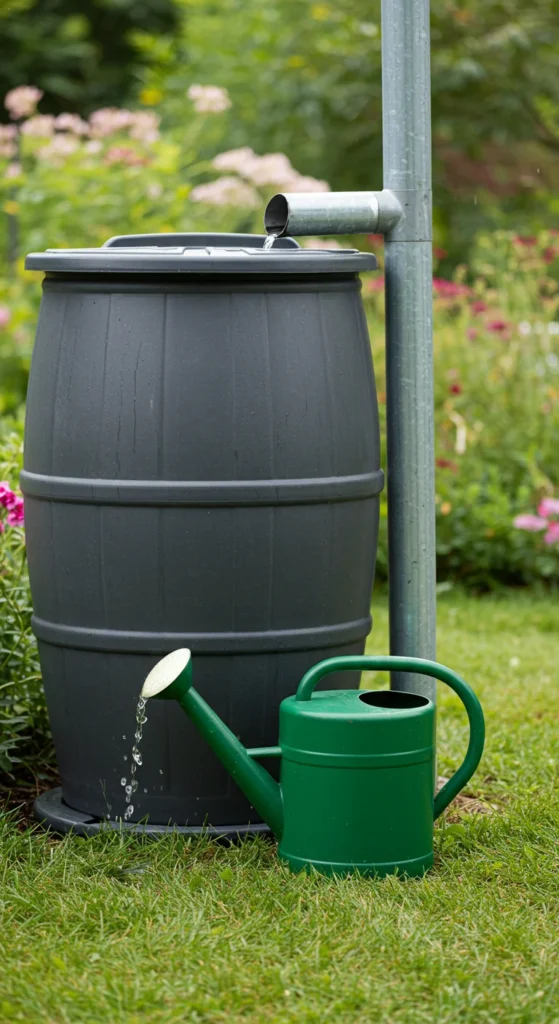
Instead of using tap water, collect rainwater to moisten your compost. It’s chemical-free and saves money. Keep a barrel by your garden for easy access.
25. Be Patient
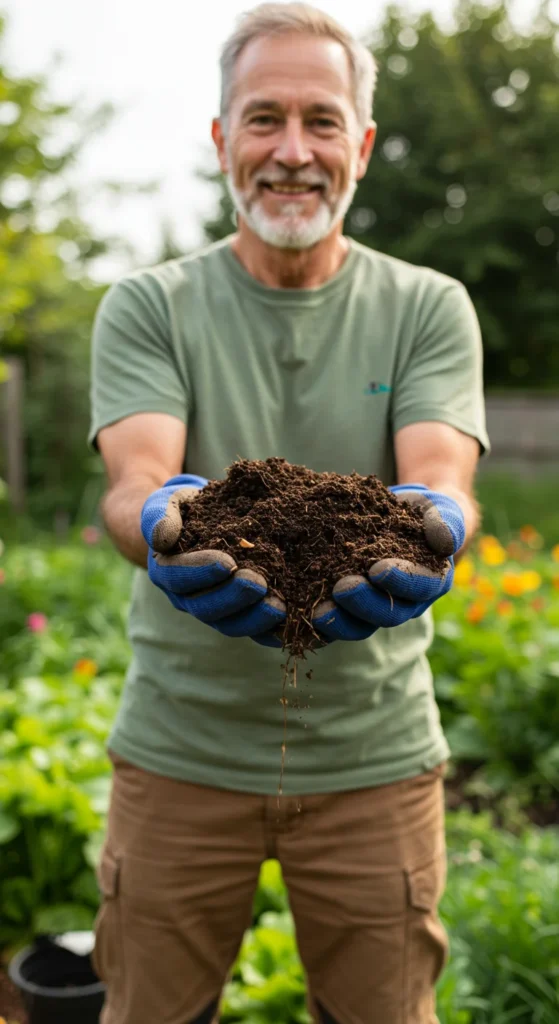
Compost takes time. Depending on your system, it may be ready in a few months or up to a year. Don’t rush it—the result is worth waiting for. Finished compost should be dark, crumbly, and smell earthy.
Conclusion
Composting doesn’t need to be complicated or expensive. With these 25 simple tricks, you can turn everyday scraps into rich soil that feeds your garden year after year. Start small, be consistent, and watch your waste transform into black gold soil. Your plants—and your wallet—will thank you.
Leave a Reply