

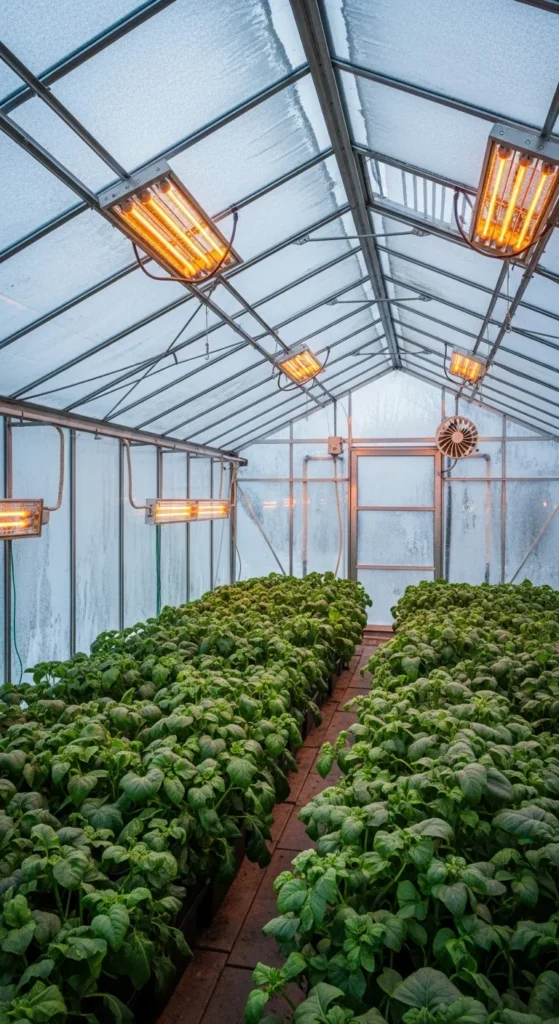
Heating a greenhouse in winter can get expensive, especially during long cold spells. Many gardeners search for simple techniques that help protect plants without raising energy bills. This list brings practical, budget-friendly ideas that steady temperatures, cut heat loss, and use natural warmth. Each method works for small home greenhouses, backyard tunnels, and indoor setups. With small adjustments and low-cost upgrades, you can keep plants alive through winter while saving money at the same time.
1. Add Thermal Mass Using Water Barrels
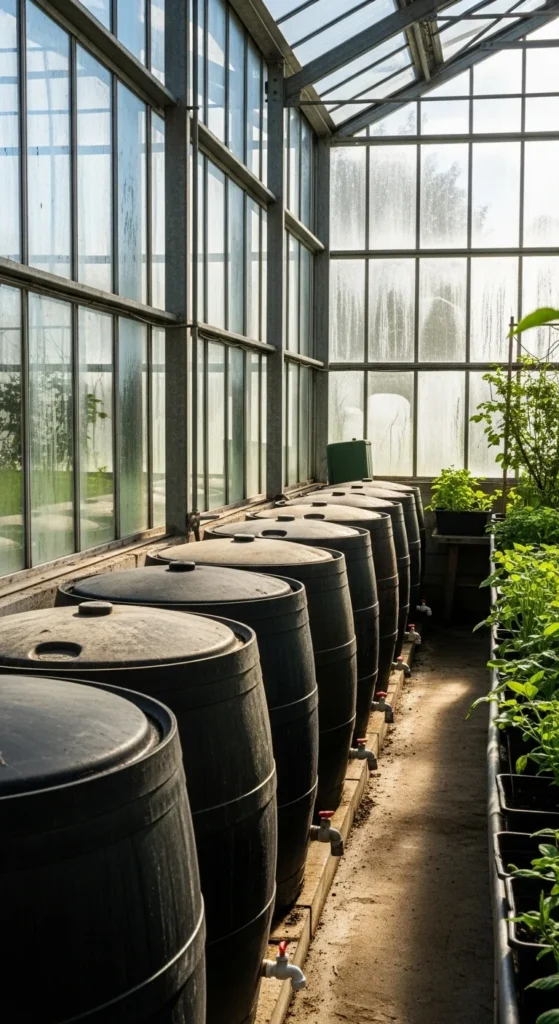
Water barrels act as natural heat batteries. Place dark-colored barrels along the north or west walls where they can absorb warmth during the day. The water slowly releases heat at night, helping stabilize the temperature. Keep the barrels sealed to prevent evaporation. Add several smaller jugs if your space is small. This simple setup improves nighttime warmth without increasing your power bill. You can also paint the barrels black to improve heat absorption.
2. Use Bubble Wrap for Insulation
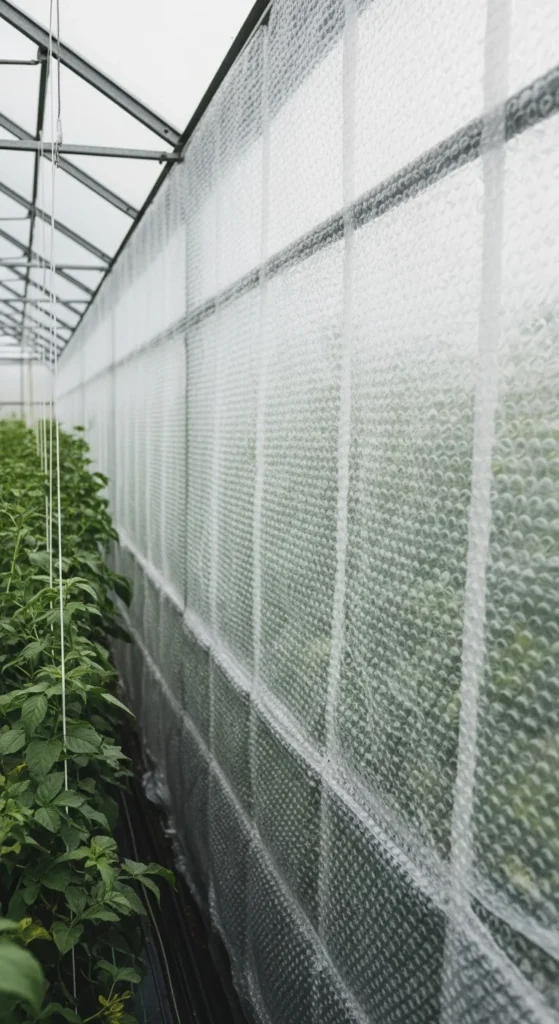
Bubble wrap is one of the easiest ways to slow heat loss. Attach it to the inside of your greenhouse walls with clips or tape designed for plastic. Keep the wrap tight and smooth to reduce gaps. Choose large-bubble wrap if you want stronger insulation. This material still lets light through while creating a warm barrier. Replace sections only if they tear. It’s a low-cost method that makes a noticeable temperature difference.
3. Create a Mini Greenhouse Inside the Greenhouse
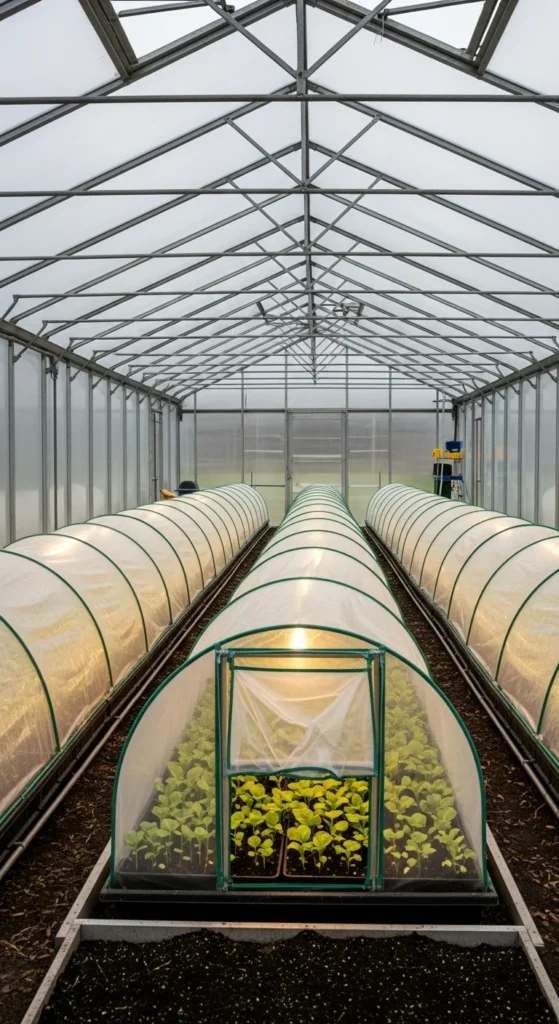
You can double your insulation by placing small hoop tunnels or cold frames inside the main greenhouse. This “greenhouse within a greenhouse” setup traps more heat around tender plants. Use plastic sheeting, clear lids, or fabric covers. Keep vents slightly open during daytime to prevent overheating. This method protects seedlings, tropical plants, or herbs that react quickly to cold snaps. It works well in unheated greenhouses.
4. Seal Drafts Along Doors and Vents
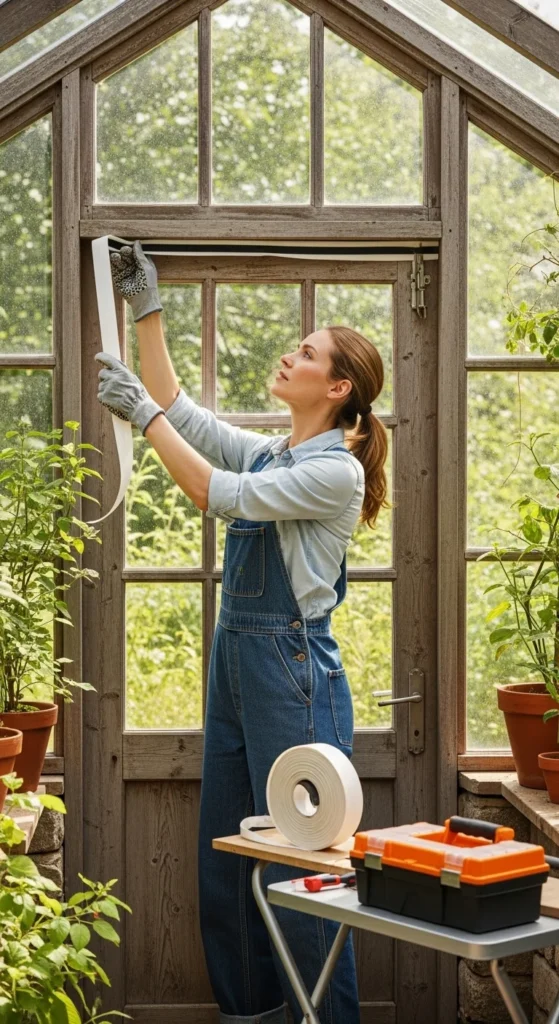
Drafts quickly lower greenhouse temperatures. Apply weatherstripping around the door frame and check vents for gaps. Use foam strips or adhesive seals. Tight seals keep warm air inside and stop cold air from slipping in. This simple fix can improve heat retention without any ongoing cost. Check seals each year and replace any sections that peel. It’s one of the easiest ways to save energy.
5. Lay Down Thick Mulch Around Plant Beds
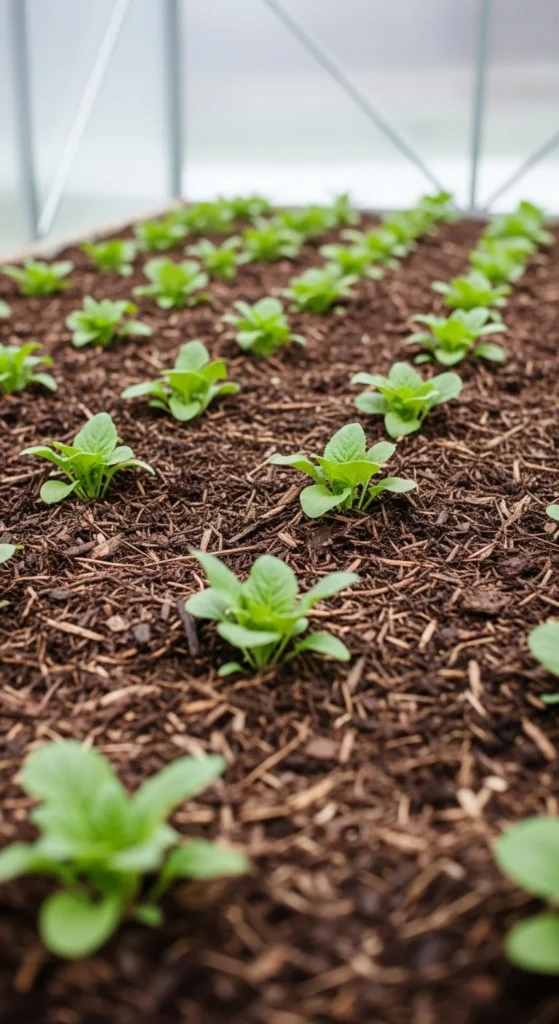
Mulch helps soil stay warmer overnight. Spread straw, bark, or shredded leaves around plant bases. This protects roots from cold shocks and reduces the load on heaters. Choose organic mulch so it breaks down slowly. Keep it a few inches away from stems to prevent moisture issues. This technique supports healthier root zones with little effort and works well for vegetables, herbs, and young fruiting plants.
6. Install a Small Solar Heater
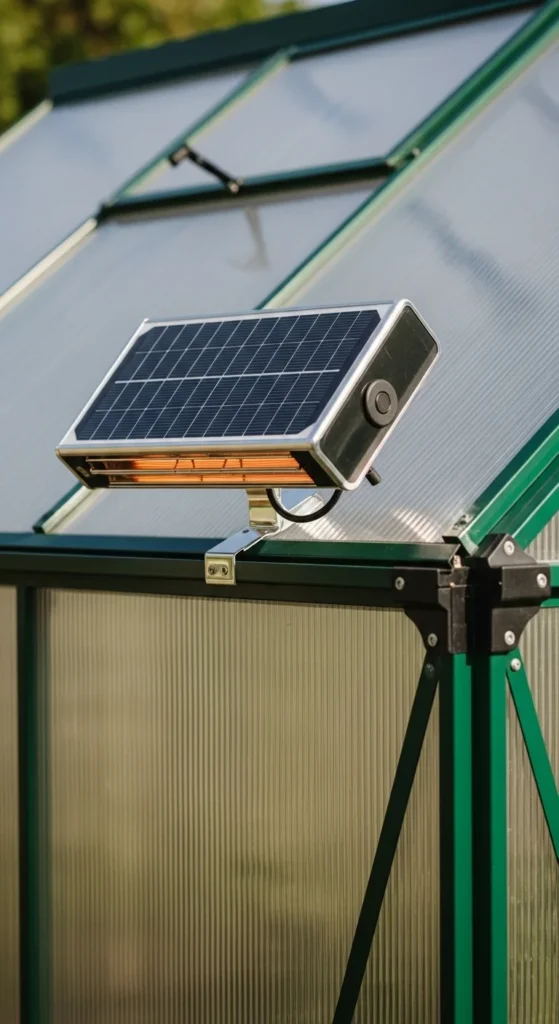
A compact solar heater can add gentle warmth during sunny days without raising electric bills. Mount the heater where it receives direct sunlight. Use it to warm small spaces or tender seedlings. Solar heaters work best as temperature stabilizers rather than main heating. They pair nicely with insulation and thermal mass setups. This combination helps your greenhouse stay warmer during cold mornings and late evenings.
7. Add a Layer of Frost Cloth at Night
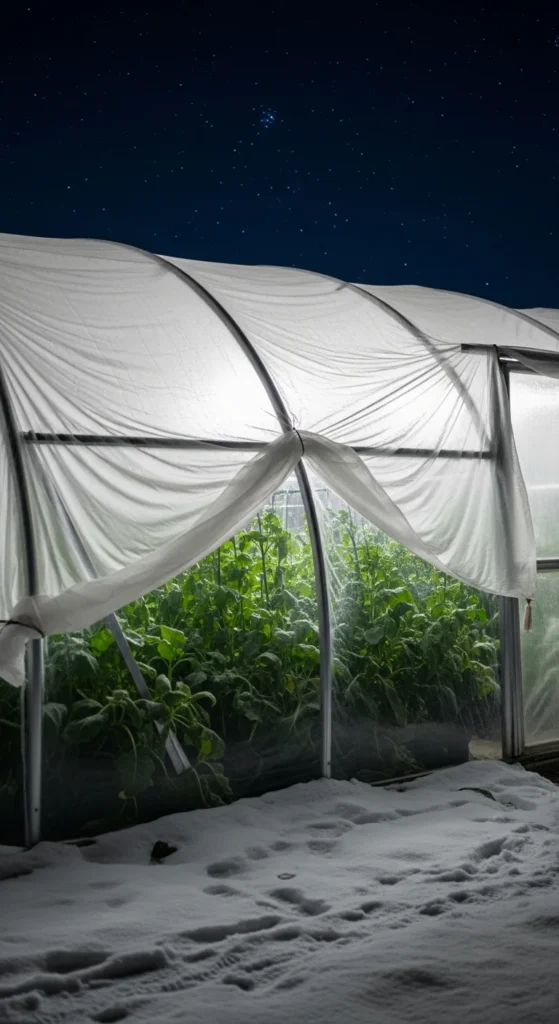
Frost cloth acts as a breathable blanket for plants. Drape it over rows or individual pots at night. Remove it during the day to let heat and light in. Frost cloth traps warmth close to foliage and prevents sudden temperature drops. Keep several pieces ready for extra-cold nights. This technique helps sensitive plants survive winter without relying heavily on electric heaters.
8. Use Heat-Retaining Stone or Brick
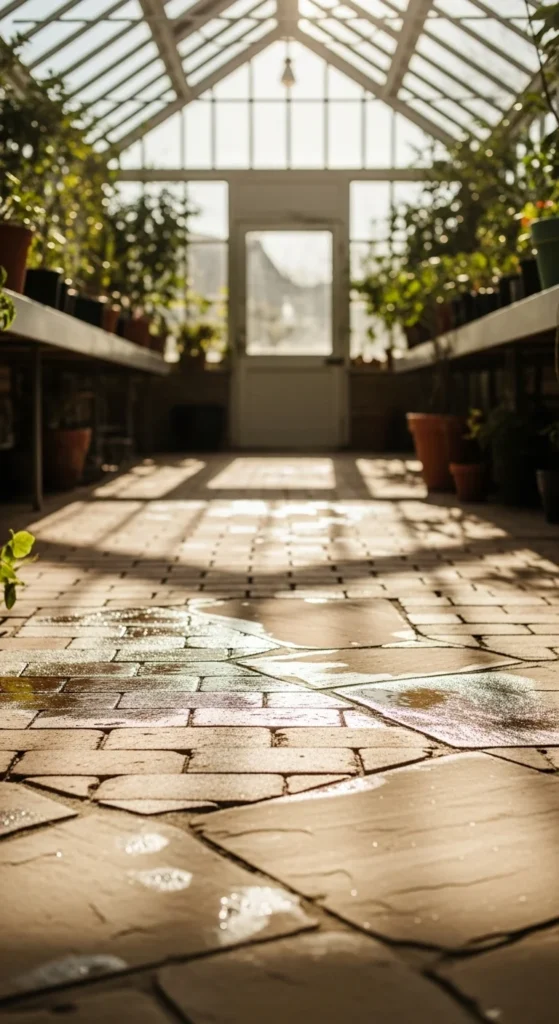
Stone and brick surfaces store warmth during the daytime. Use them for pathways or borders inside the greenhouse. These materials absorb sunlight and release gentle heat after dark. Even small brick sections can make a difference. If you already have a stone path, clear debris so it receives maximum sun exposure. It’s a long-lasting way to add passive heat.
9. Group Plants Close Together
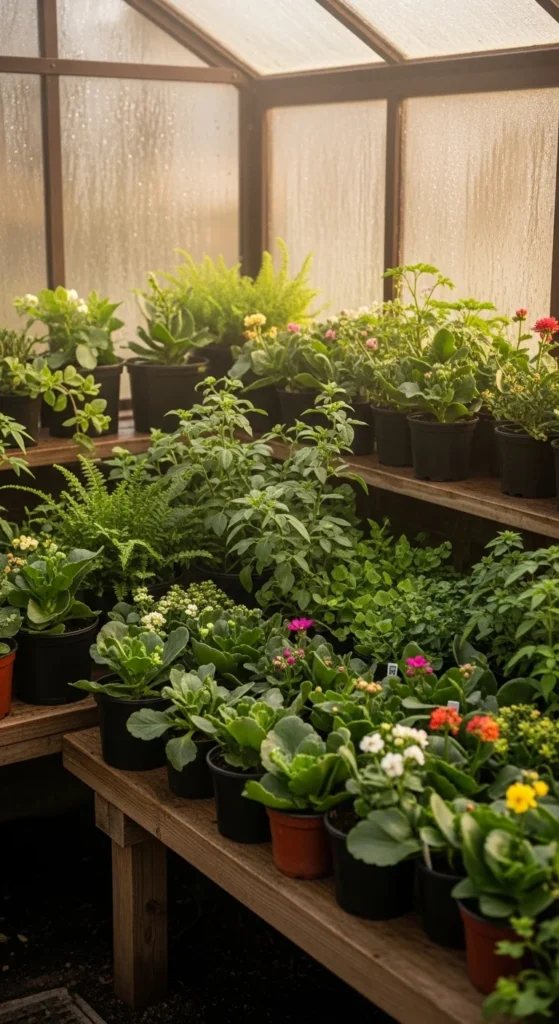
Plants generate small amounts of heat and humidity. Grouping them together helps them share warmth and creates a microclimate. Put the most delicate plants in the center where temperatures stay more stable. Keep them close enough to reduce heat loss but spaced enough for air movement. Use shelving or tiered racks to stack planters without blocking light.
10. Place a Compost Pile Near the Greenhouse Wall
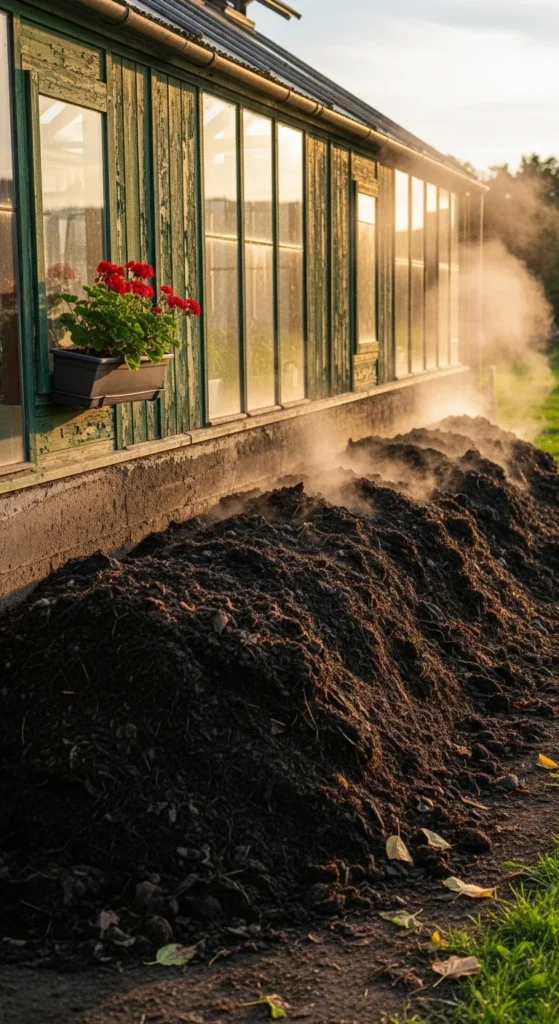
A compost pile releases natural heat while decomposing. Position it near an outer wall of your greenhouse. The warmth helps maintain slightly higher temperatures inside. Compost also provides organic material for your plants. Use a covered bin to keep the pile protected during winter. This method works well for gardeners who compost regularly.
11. Use a Low-Wattage Space Heater
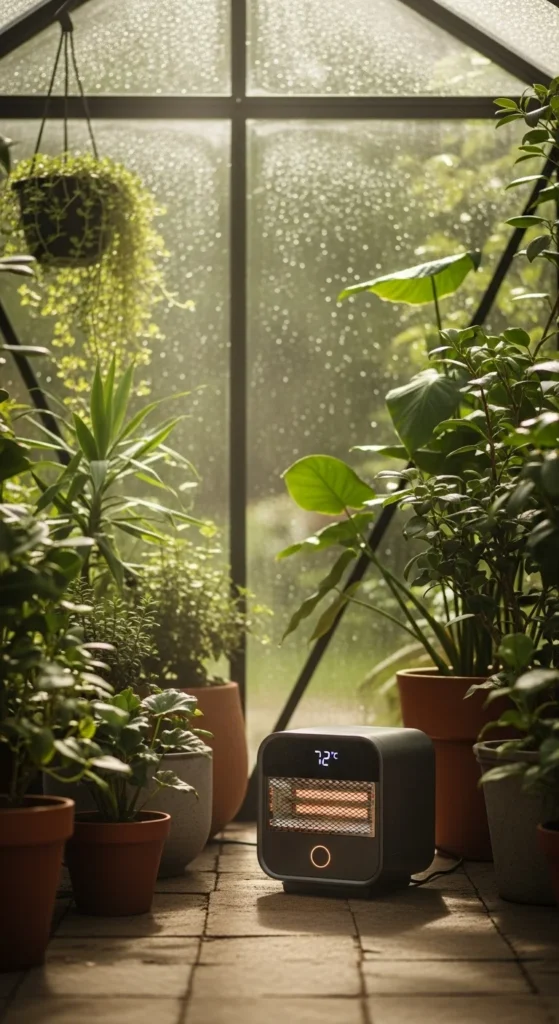
A low-wattage heater can raise temperatures enough to prevent frost damage. Place it away from flammable materials and use a thermostat to avoid overheating. These heaters use much less power than large units. Keep the greenhouse insulated for best results. This method works well when used alongside passive heating techniques like water barrels and bubble wrap.
12. Install Thermal Curtains
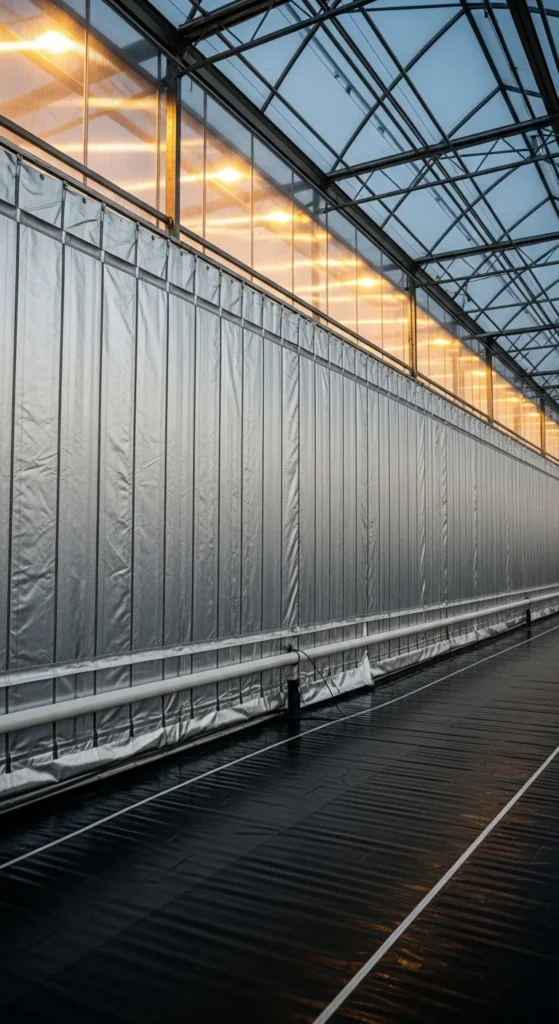
Thermal curtains help trap warmth during night hours. Hang them along the inside walls and pull them closed after sunset. Choose light-blocking fabric that fits tightly. The curtains lower heat loss significantly and fold away easily in the morning. Use curtain rods or hooks for smooth movement. This setup helps keep heat inside without ongoing energy costs.
13. Raise Plants Off the Floor
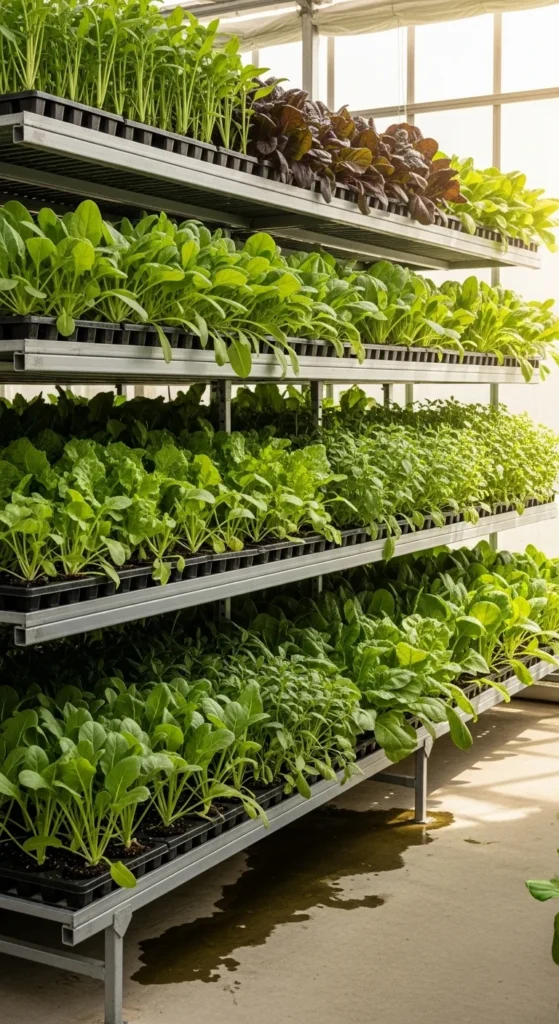
Cold floors cool root zones quickly. Raise plants on shelves or benches to keep them warmer. Metal or wooden racks work well. Add trays beneath pots to catch extra water. Keeping plants off the ground also improves air circulation. This small change helps fragile plants survive during extreme cold. It also makes daily watering and monitoring easier.
14. Warm the Root Zone With Soil Cables
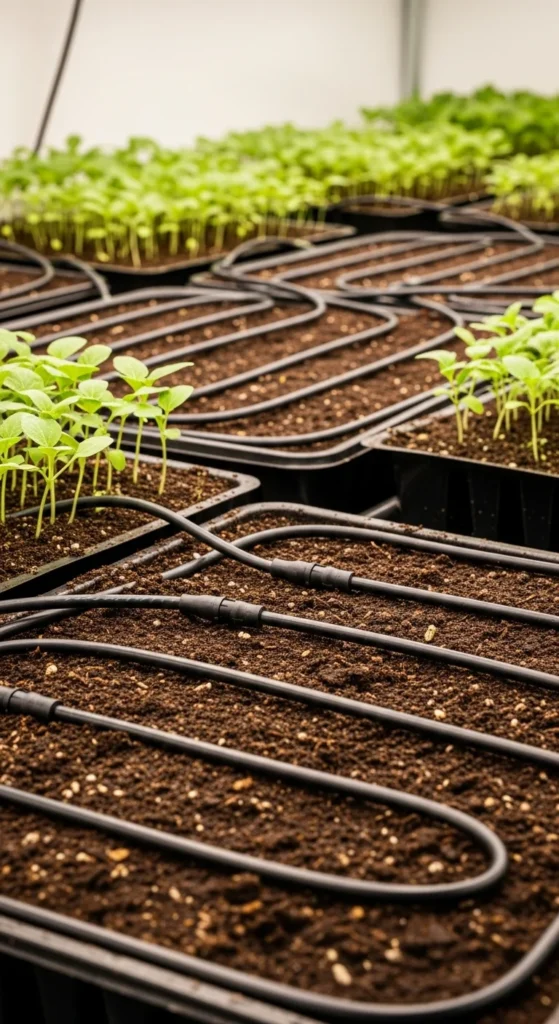
Root-zone heating is more efficient than heating the entire greenhouse. Install soil heating cables under trays or raised beds. Set them on a low setting to keep soil warm. This helps seedlings and sensitive plants grow steadily through winter. Use a thermostat for consistent temperatures. The method saves energy because it targets only the areas that need warmth.
15. Add Reflective Panels Behind Plants
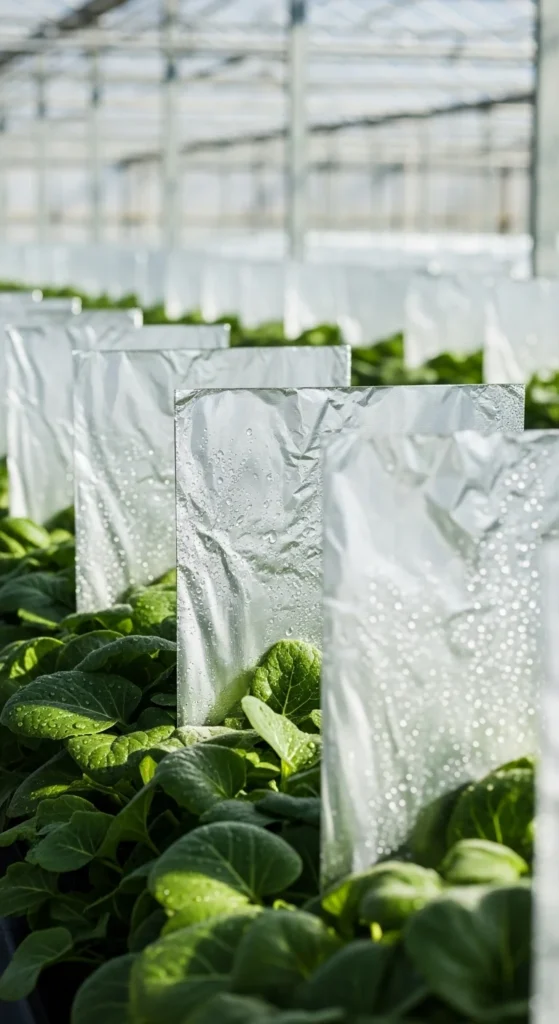
Reflective panels help redirect sunlight back toward your plants. Place them along the north wall or behind your coldest section. Aluminum sheets or reflective insulation work well. They brighten darker corners and improve heat absorption. Panels are lightweight and easy to reposition. This technique is especially helpful for leafy greens and seedlings.
16. Cover Greenhouse Floors With Insulated Mats
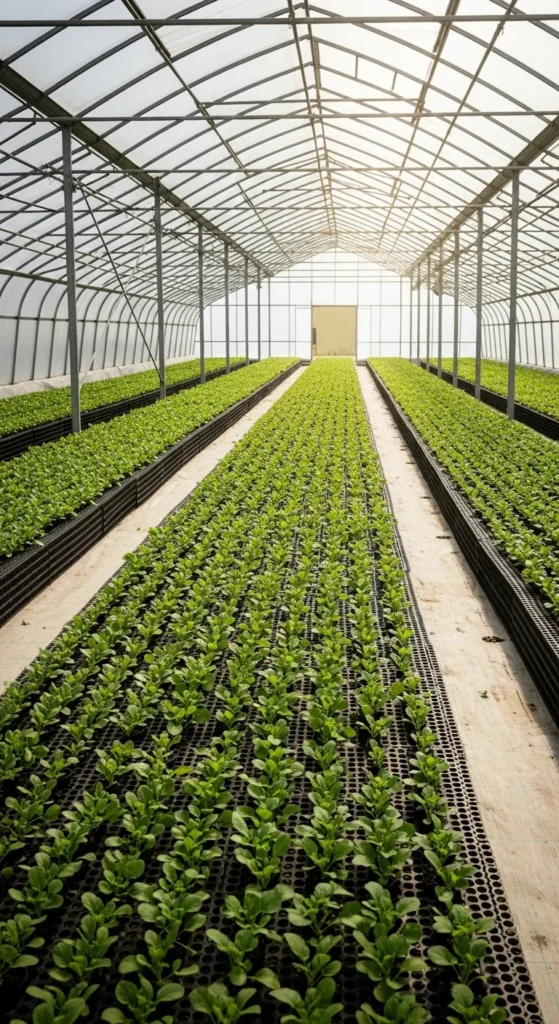
Insulated mats slow heat loss through the ground. Lay them under benches or plant racks. Mats keep roots warmer and make walking on cold mornings more comfortable. Choose moisture-resistant materials. This method pairs well with raised plant racks and lightweight heaters. It’s a simple way to protect delicate root systems without expensive upgrades.
17. Use a Timer for Heaters
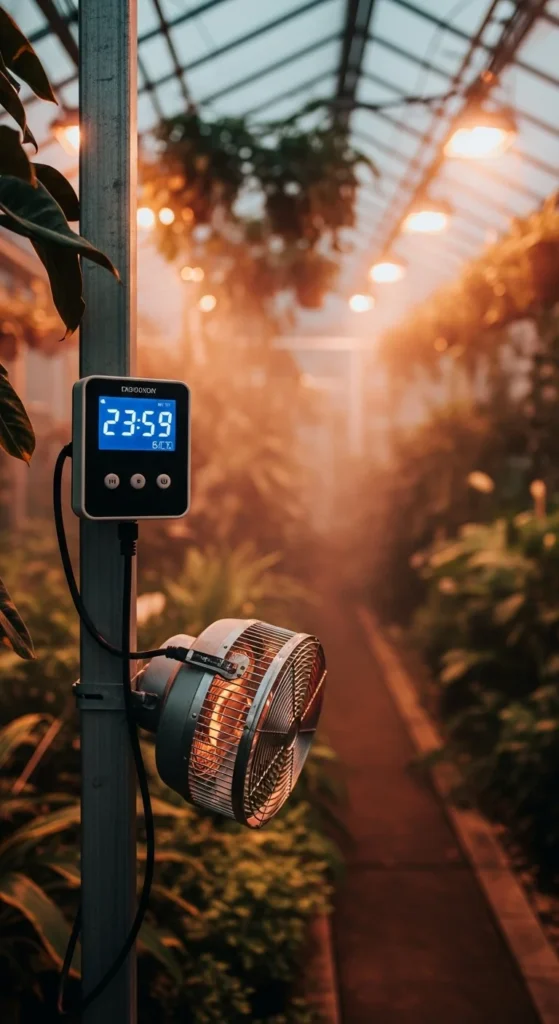
Running heaters all night can raise electricity costs. Use a timer to run them in short cycles, especially during mild nights. Set the timer to turn on during the coldest hours just before dawn. This approach keeps temperatures stable while lowering energy use. Pair it with insulation for best results.
18. Add Doorway Draft Stoppers
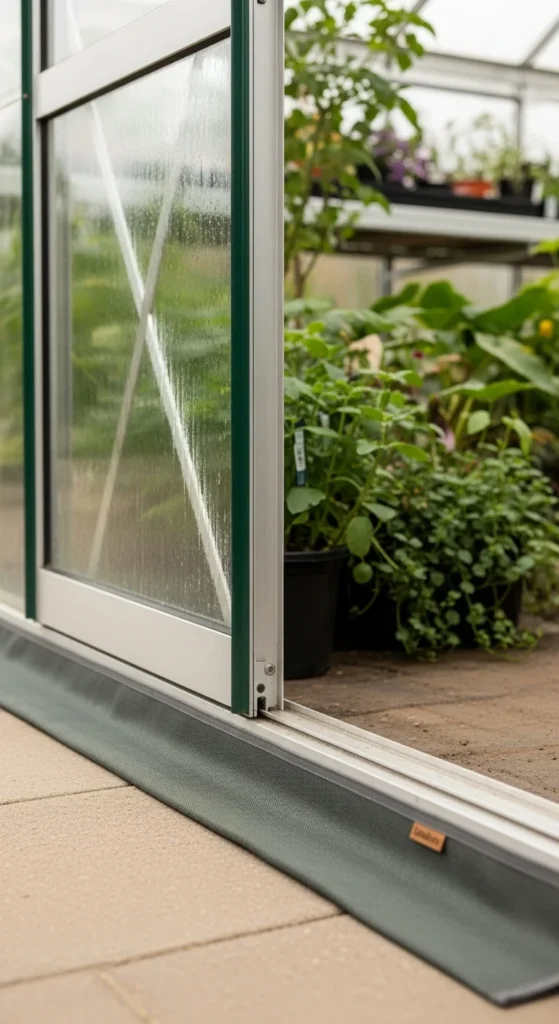
Cold air slips under doors easily. Add a fabric draft stopper or foam wedge to block gaps. This keeps warm air inside and reduces heater workload. Check the door regularly for cracks or loose hinges. Replace the stopper if it gets damp. It’s a small upgrade with big heating benefits.
19. Use Dark-Colored Pots to Absorb Heat
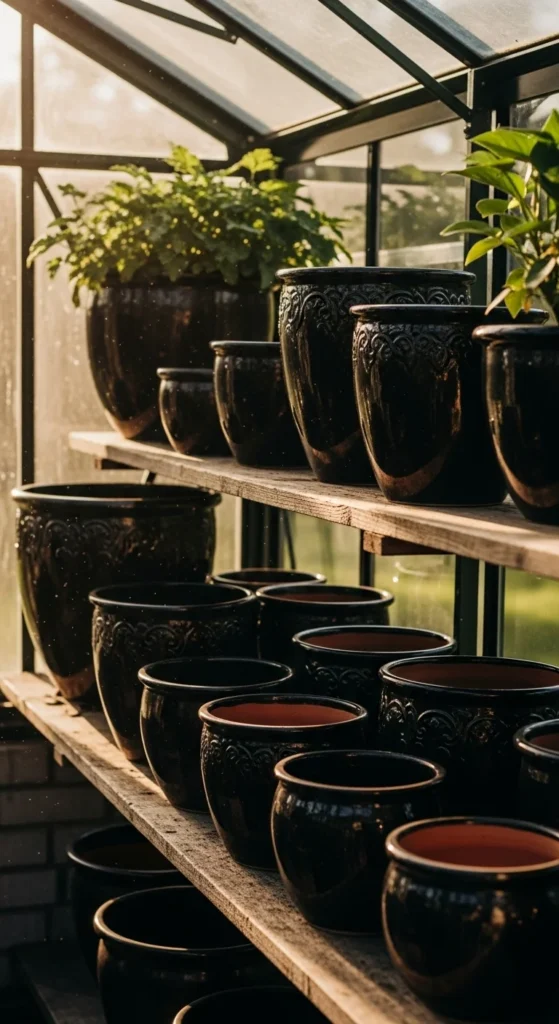
Dark pots warm up faster during daylight. Use black or deep-colored containers for plants that tolerate warm soil. Spread them across sunny areas of the greenhouse. They absorb heat and release it slowly once temperatures drop. This method pairs well with thermal mass ideas like stone and water barrels.
20. Hang Plastic Sheeting to Divide the Space
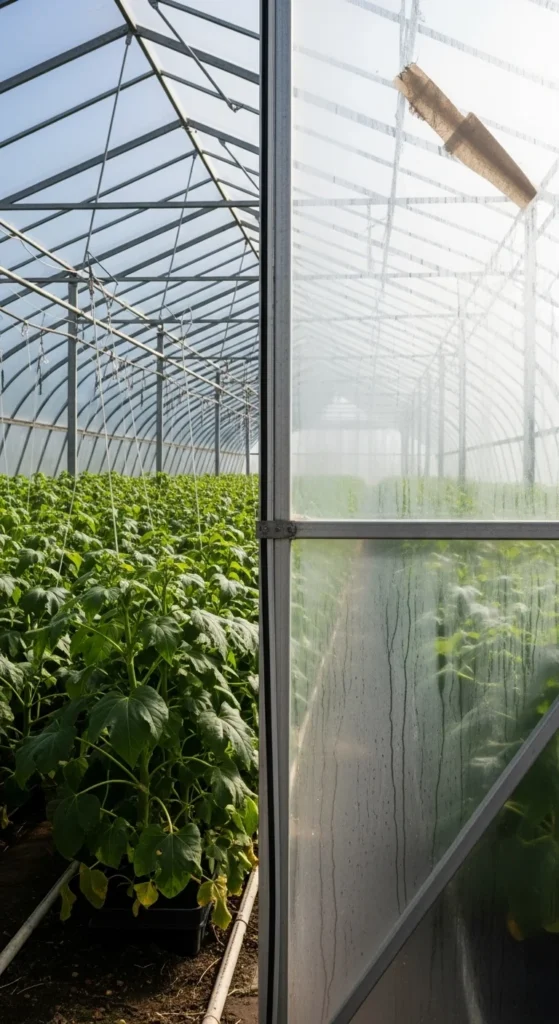
Heating an entire greenhouse can get expensive. Hang clear plastic sheeting to divide the space into zones. Heat only the section where sensitive plants live. Clip the plastic firmly to prevent drafts. This reduces energy use and helps maintain steady warmth in smaller areas. It’s especially helpful for gardeners with larger greenhouses.
21. Bring in Heat-Loving Plants for the Coldest Nights
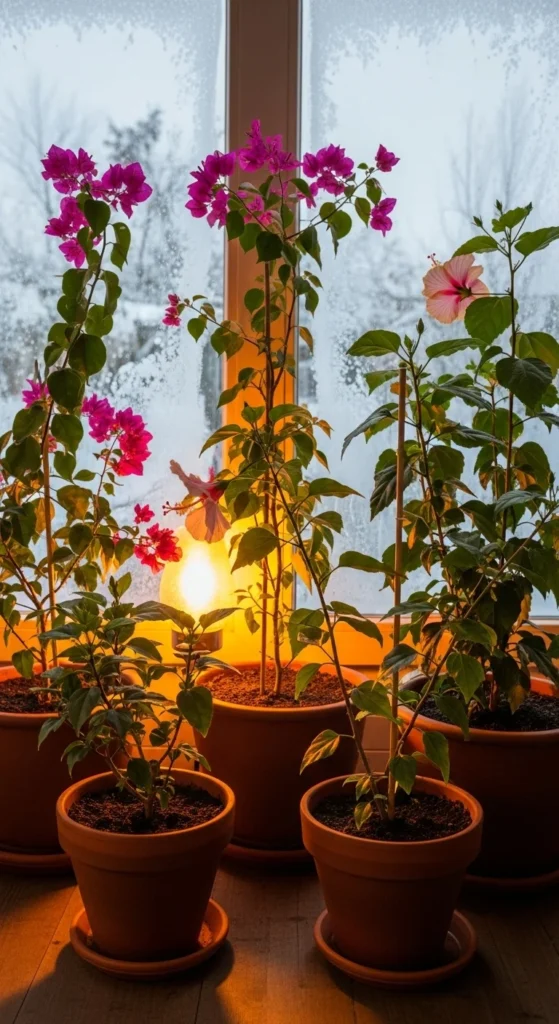
During extremely cold nights, move the most sensitive plants indoors. Place them near a bright window or under grow lights. Keep them grouped to retain humidity. Return them to the greenhouse when conditions improve. This method saves heating costs by reducing the area that requires warmth. It also protects your most valuable plants from frost damage.
Conclusion
Winter greenhouse heating doesn’t have to strain your budget. By combining passive heat sources, simple insulation methods, and smart airflow control, you can keep plants alive while saving money. Choose the methods that fit your setup, add low-cost upgrades like bubble wrap or frost cloth, and rely on thermal mass for nighttime warmth. With these practical techniques, your greenhouse will stay productive through the coldest months without heavy energy use.
Leave a Reply