

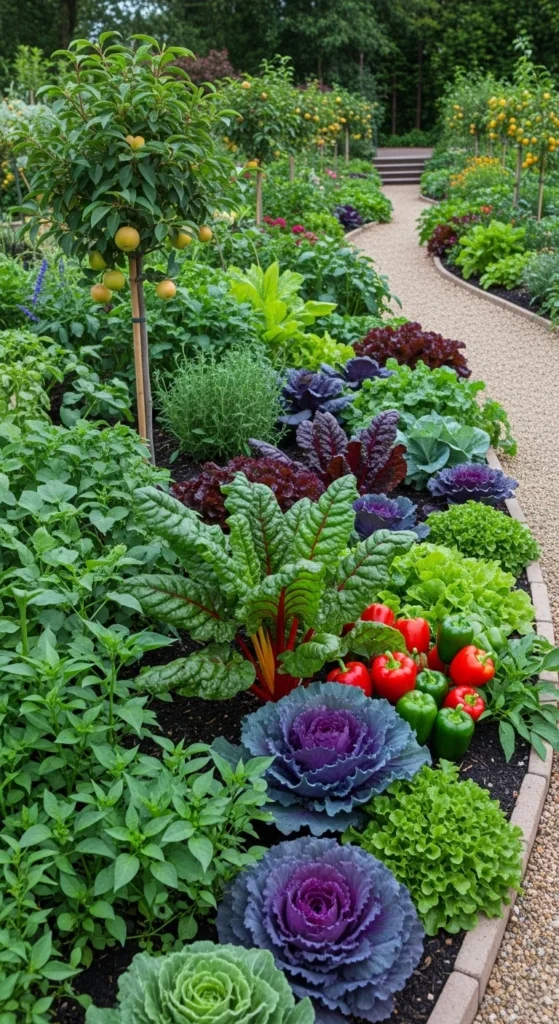
Edible landscaping turns everyday yards into useful, attractive spaces by mixing food plants with flowers and shrubs. Many gardeners want ideas that look polished while still producing herbs, fruit, or vegetables. This list brings practical ways to blend edible plants into borders, pathways, patios, and containers. Each idea adds visual charm while giving you something to harvest. Whether your yard is large or compact, these suggestions help you grow decorative and edible elements side by side.
1. Berry Hedges Along Pathways
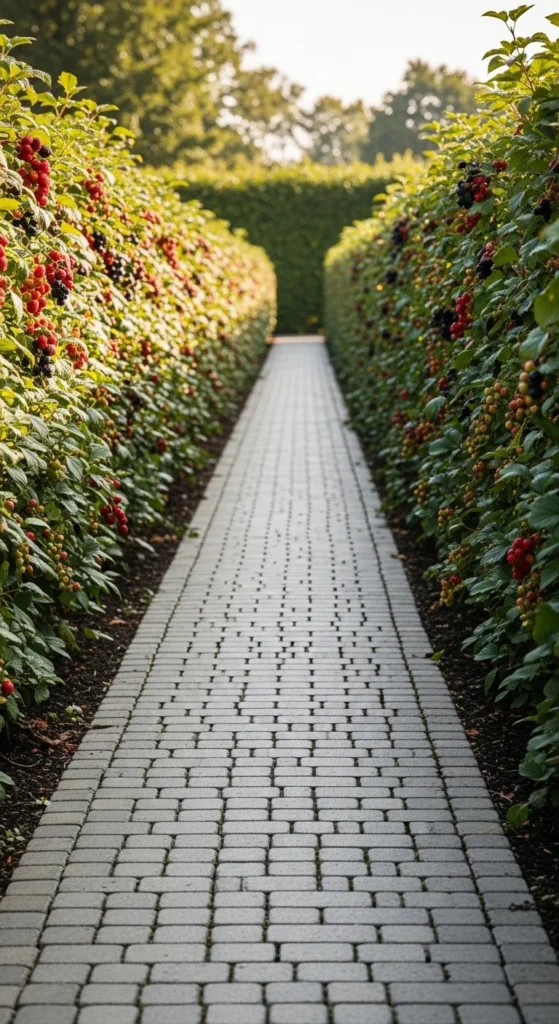
Berry shrubs make attractive borders that also give regular harvests. Choose varieties like blueberries or currants for a clean, compact shape. Keep the shrubs evenly spaced for balance. Add wood chips around the base to limit weeds and help the area look tidy. Water consistently during warm spells. These shrubs bring color through multiple seasons, especially when leaves change tone. For tighter yards, use dwarf varieties. The pathway looks orderly while giving you steady berry bowls all year.
2. Lavender and Rosemary Mixed Beds
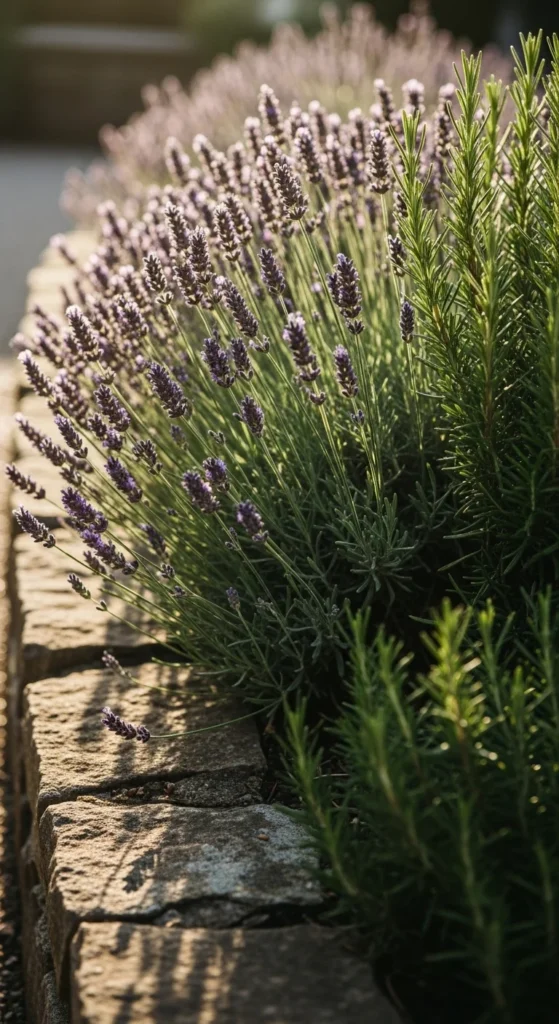
Lavender and rosemary work beautifully together. Both bring strong fragrance and visual charm. Create a mixed border by alternating the two plants. Keep the soil lightly dry and choose a sunny spot. Add gravel mulch for drainage and a refined look. Trim lightly once a year to maintain shape. This pairing suits front yards, patios, and side gardens. You get herbs for cooking while keeping the space elegant and easy to maintain.
3. Fruit Trees Shaped for Small Yards
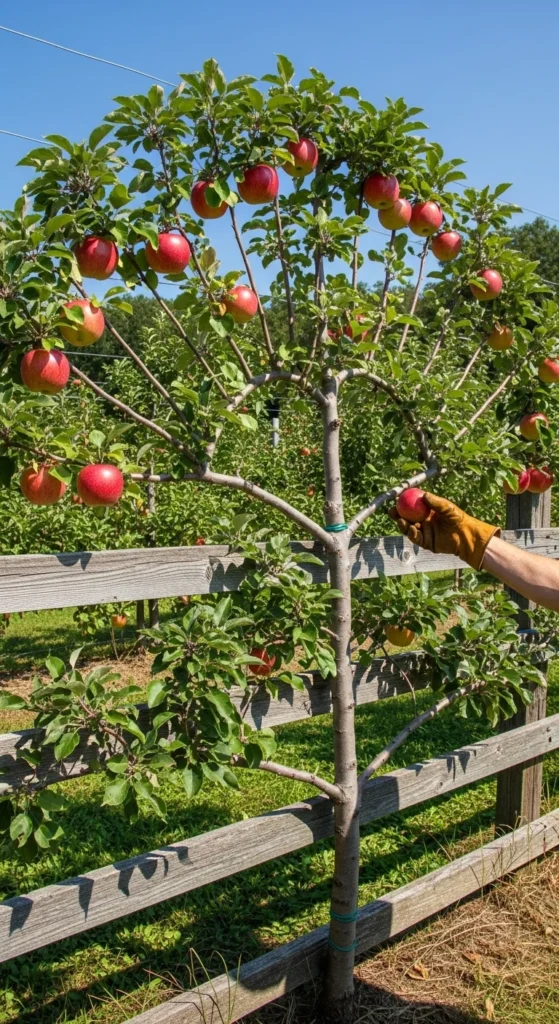
Espaliered fruit trees grow flat against walls or fences, saving space while looking decorative. Choose apples, pears, or figs for easy training. Install a few wires against the support surface and tie young branches gently. Keep pruning simple by trimming long shoots once or twice a year. This setup gives structure to the yard and allows you to pick fruit without climbing. It works especially well in narrow spaces or near patios.
4. Colorful Chard in Flower Beds
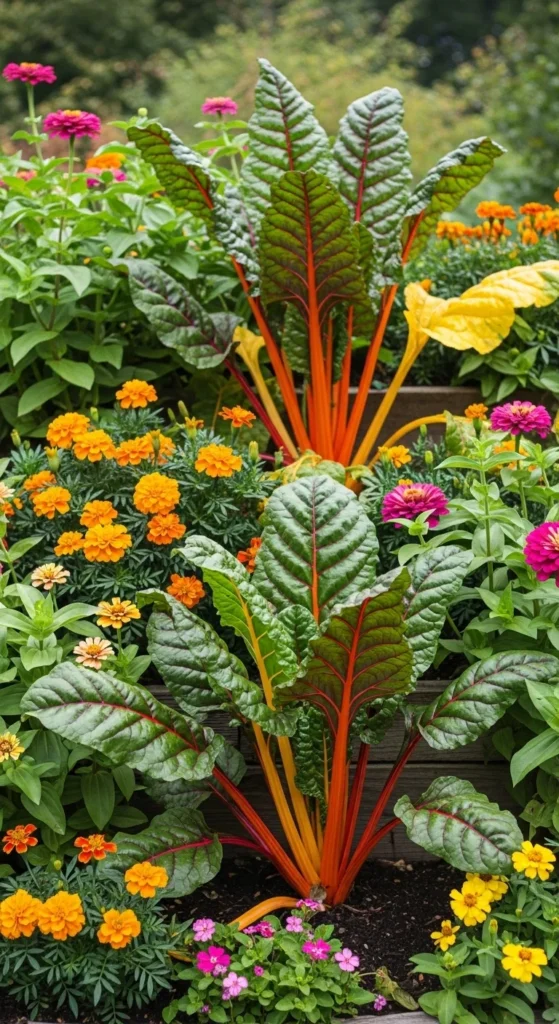
Chard adds bright stems that stand out among flowers. Plant it near marigolds, petunias, or calendulas for contrast. Keep soil evenly moist and harvest outer leaves regularly to keep plants tidy. Mix colors by choosing rainbow chard varieties. Use a thin layer of compost around the base for steady growth. This idea works well for raised beds or decorative front gardens. The mix of edible and ornamental plants feels natural and purposeful.
5. Blueberry Containers by the Patio
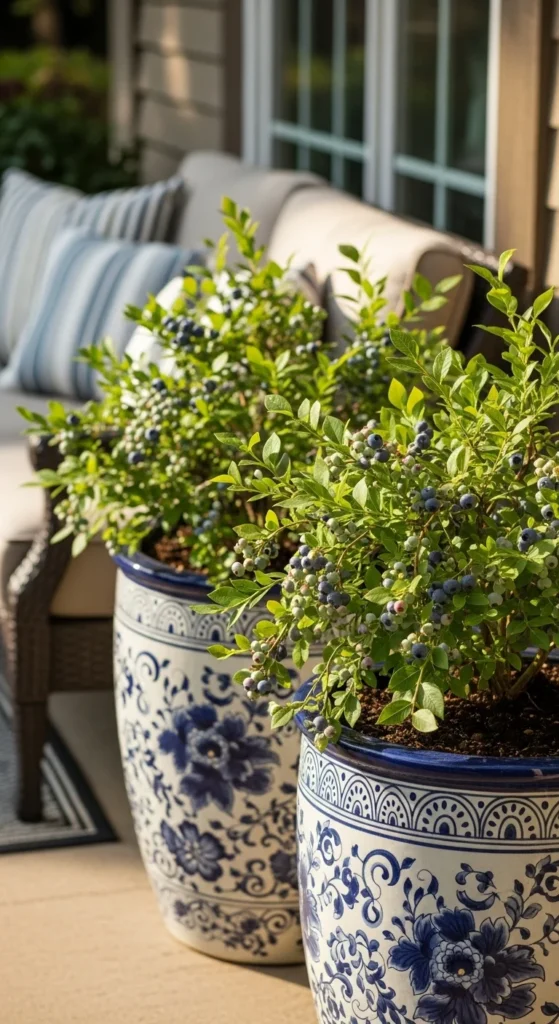
Blueberries grow well in containers and make attractive patio features. Choose large pots and fill them with acidic soil. Place the containers where they get several hours of sun. Water when the topsoil feels dry. Add pine bark on top for a natural finish. In spring, white blossoms decorate the plant; in fall, the leaves change color. You get fruit plus year-round visual charm without using much space.
6. Grapevines on an Arbor
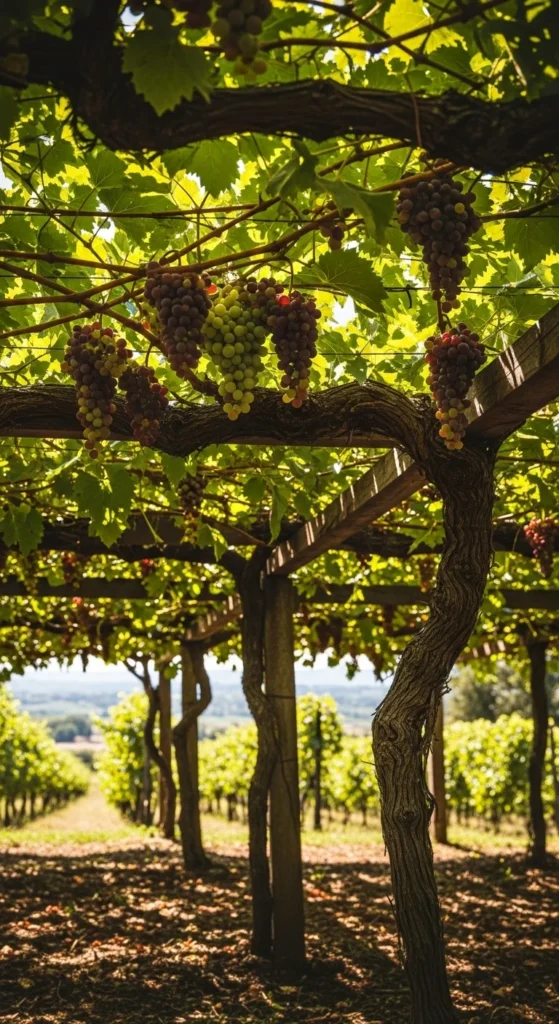
Grapevines add shade and greenery while giving you clusters of fruit. Install a simple wooden or metal arbor and let the vines climb naturally. Trim long shoots to keep the structure tidy. Add a bench under the arbor for a shaded seating area. Water deeply once or twice a week. This setup turns a simple walkway or patio corner into a destination while offering sweet harvests through the season.
7. Herb Spiral for Small Spaces
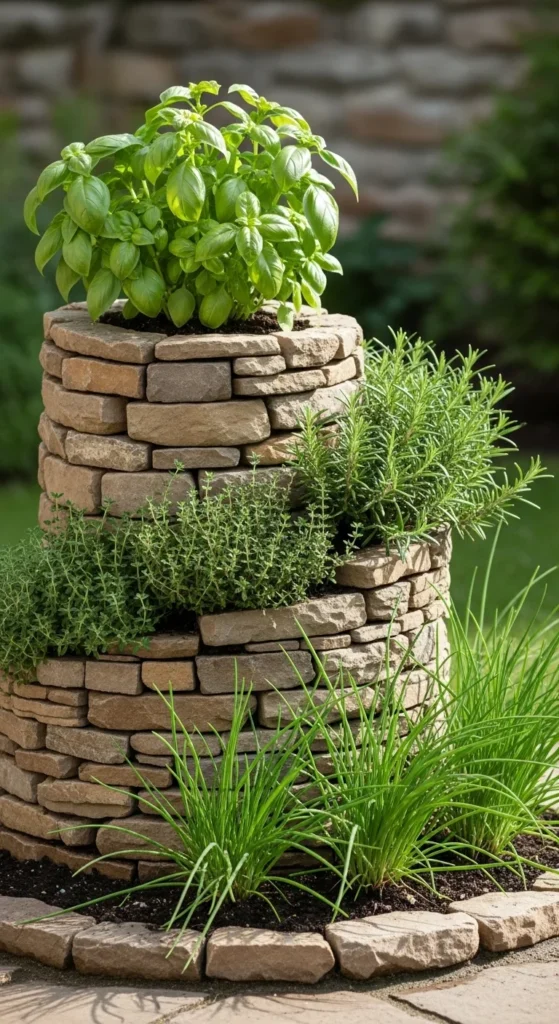
An herb spiral allows you to grow many herbs in a compact area. Build the spiral shape with stones or bricks. Plant herbs that like drier soil near the top and moisture-loving herbs at the bottom. Water lightly and harvest often to keep the growth steady. The spiral becomes a sculptural feature in the garden, and it’s easy to maintain. This idea fits well in small yards or balcony gardens.
8. Edible Groundcovers for Empty Patches
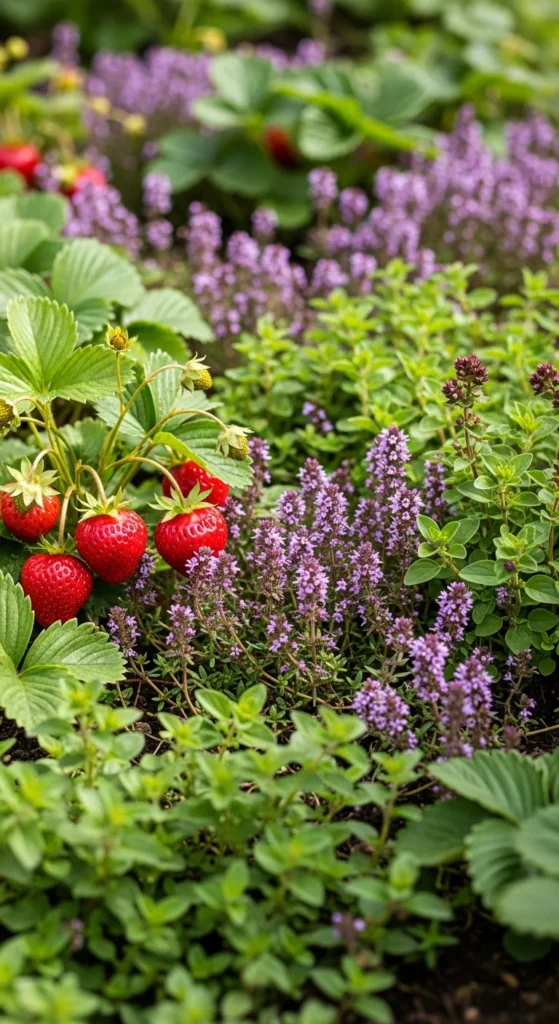
Groundcovers help reduce weeds while giving small harvests. Plant creeping thyme, strawberries, or oregano around trees or along borders. Water regularly until established. Use these plants to fill awkward spaces where larger shrubs won’t fit. They create a soft carpet that looks attractive and serves a purpose. Harvesting berries or leaves feels easy because the plants grow low and spread naturally.
9. Citrus Trees in Decorative Pots
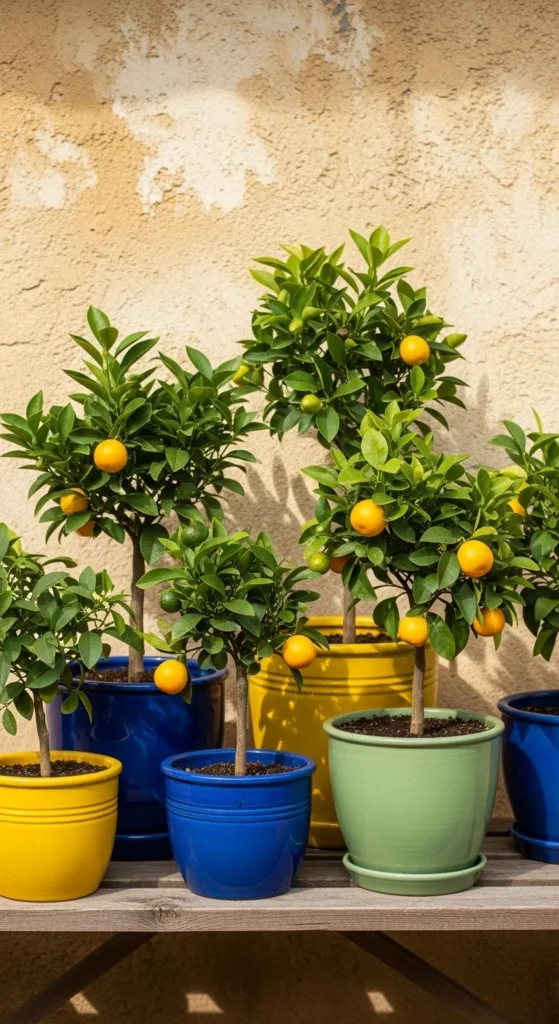
Citrus trees bring color and fragrance. Grow them in decorative pots so you can move them during weather changes. Choose lemon, lime, or kumquat varieties for steady fruiting. Keep the soil slightly moist. Add small stones on top for a clean look. Place the pots near a sunny wall to help the trees stay warm. These trees look charming year-round and give fruit for drinks or cooking.
10. Mixed Vegetable-and-Flower Borders
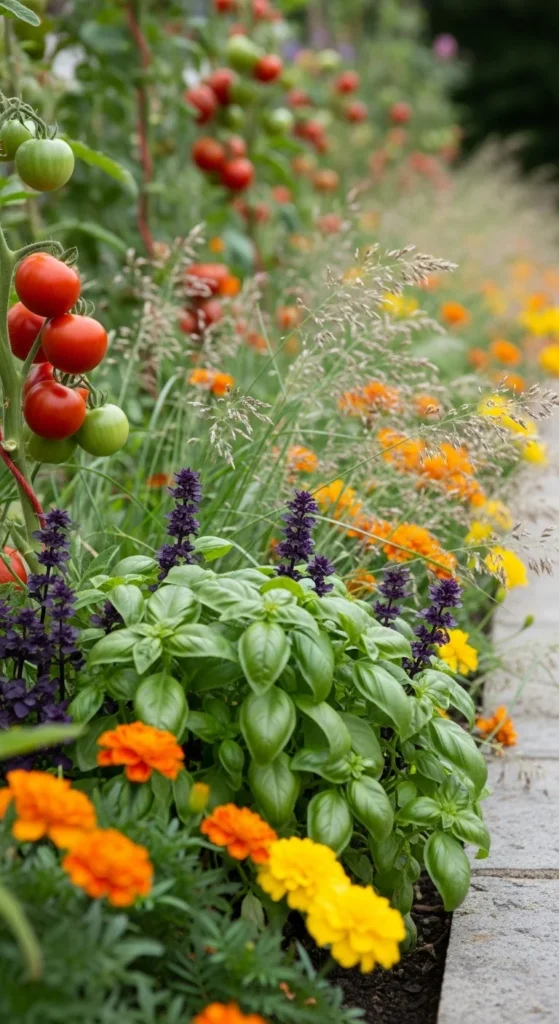
Vegetables can blend into flower beds if arranged thoughtfully. Pair tomatoes with marigolds, basil, or sage to create a natural mix. Use stakes or cages to keep vegetables upright. Add mulch to keep the soil steady. This layout looks decorative while giving you steady harvests. It also helps with pollination because flowers attract bees. Your garden keeps its visual charm even during the growing season.
11. Edible Window Boxes
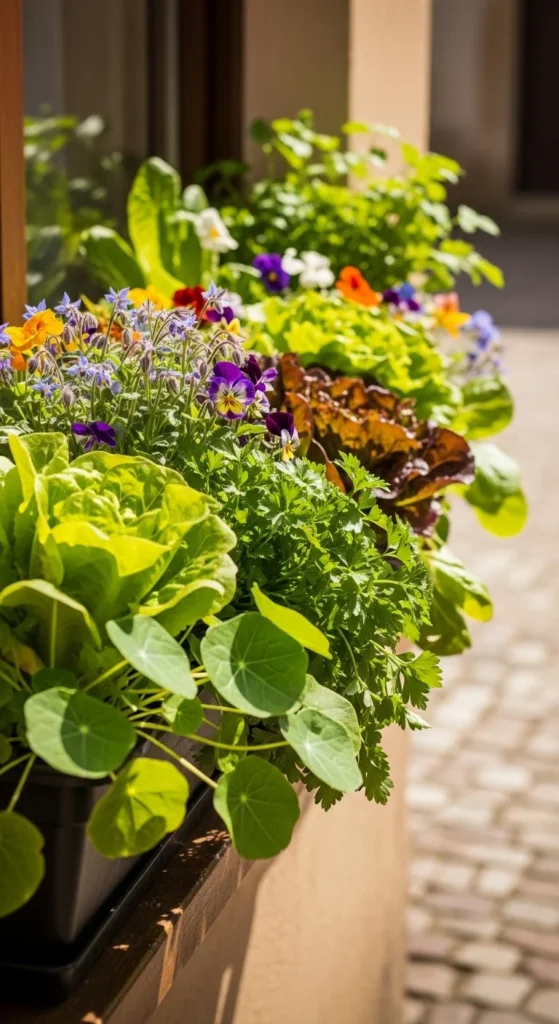
Window boxes are great for herbs and leafy greens. Fill them with lettuce, parsley, and edible flowers like violas. Keep the soil damp and harvest small amounts regularly. This idea works for kitchens, balconies, or bedroom windows. Add trailing thyme along the edges for texture. Window boxes bring charm to the outside of your home while providing quick ingredients for meals.
12. Fig Trees as Focal Points
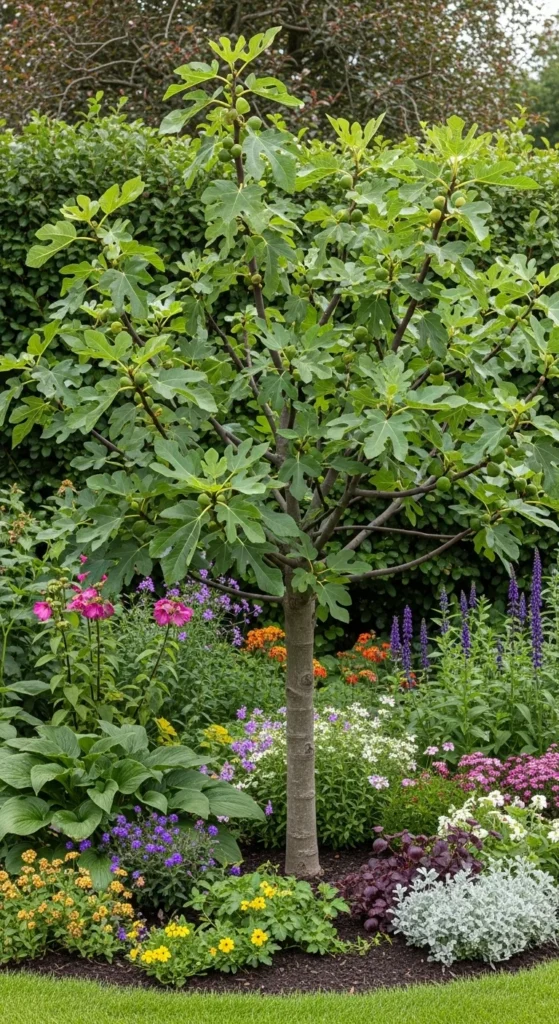
A fig tree works beautifully as a main feature in a garden. Choose a compact variety if space is limited. Plant it in a raised bed or in the center of a lawn circle. Water consistently during warm seasons. Add stones or mulch around the base. Fig leaves bring large, dramatic shapes that make the garden feel lush. You also get sweet fruit during late summer.
13. Raised Beds With Decorative Edges
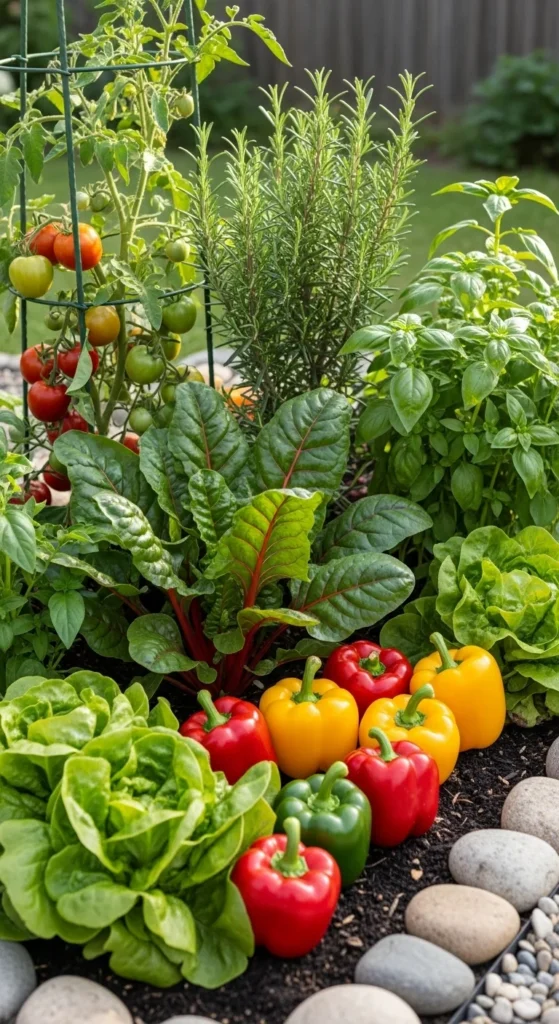
Raised beds can look stylish when framed correctly. Use stones, metal, or wood to create clean edges. Fill the beds with mixed greens, carrots, herbs, and compact fruits. Water steadily and refresh mulch during the season. Raised beds help keep planting areas organized and easy to access. They add structure to the yard while giving you fresh produce throughout the year.
14. Strawberry Towers for Tight Yards
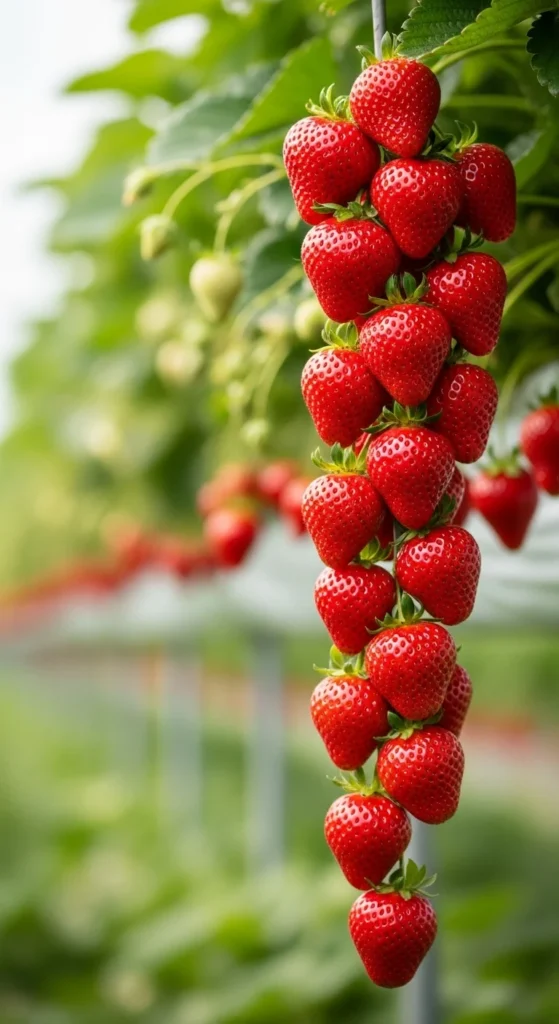
Strawberry towers are ideal for small spaces. Build them from stacked pots or use a pre-made vertical planter. Add soil and plant strawberries in the side openings. Water from the top and let it drip downward. This tower saves ground space and creates a stunning vertical display. You get plenty of berries without needing wide beds. It’s perfect for patios, balconies, or compact gardens.
15. Mint Patches Near Seating Areas
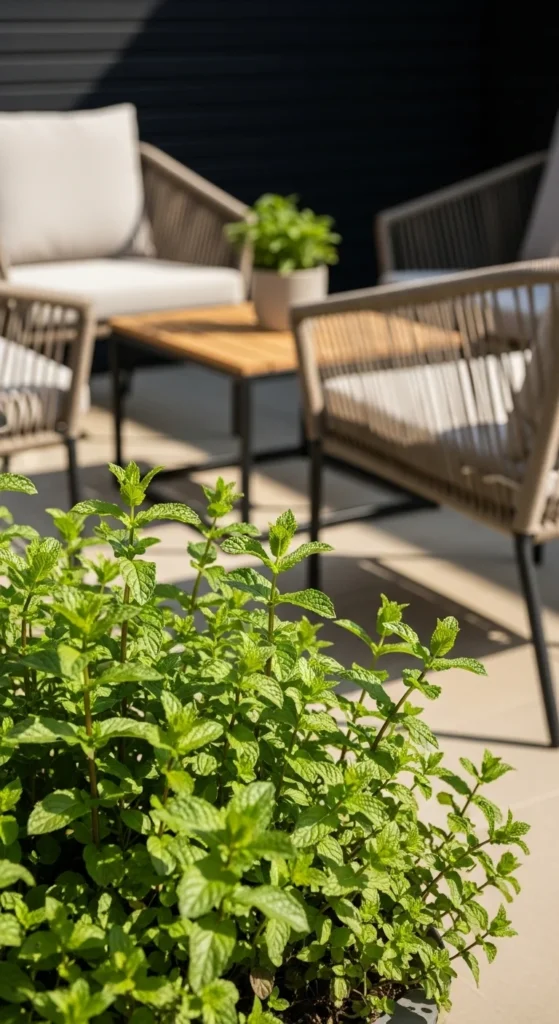
Mint spreads easily, so keep it in controlled patches or containers. Plant it near seating areas so the scent drifts through the space. Water regularly and trim often. Add stepping stones or small pavers around the mint to keep the area clean. This herb grows thick and brings a relaxing aroma. It also works well as a garnish for drinks or desserts.
16. Colorful Pepper Pots
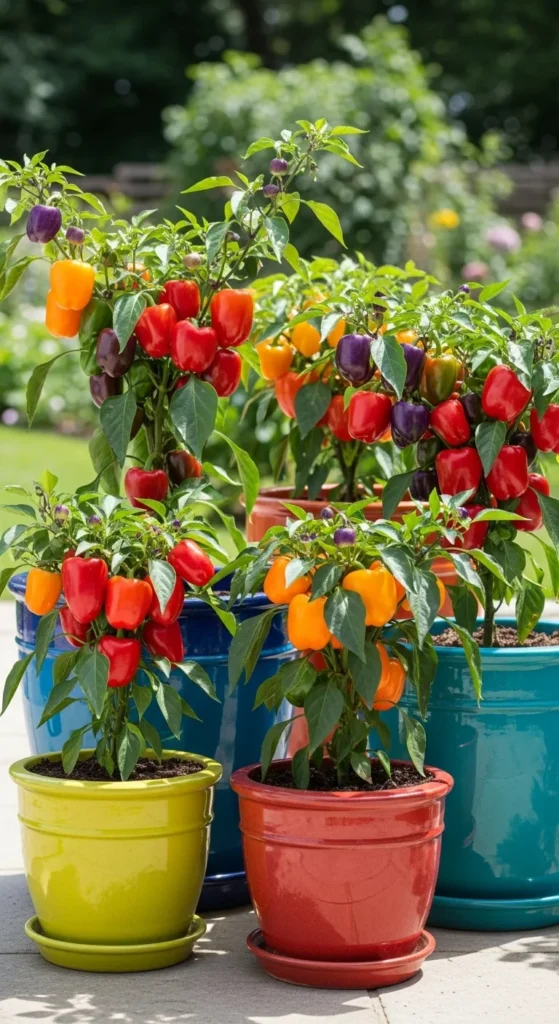
Small pepper plants look attractive in pots. Choose red, yellow, and purple varieties for a colorful display. Place the pots in sunny spots and water when the soil feels dry. Add small stakes if the plants grow tall. These peppers make great patio accents and provide quick harvests. Group several pots together for a bold arrangement.
17. Edible Flower Borders
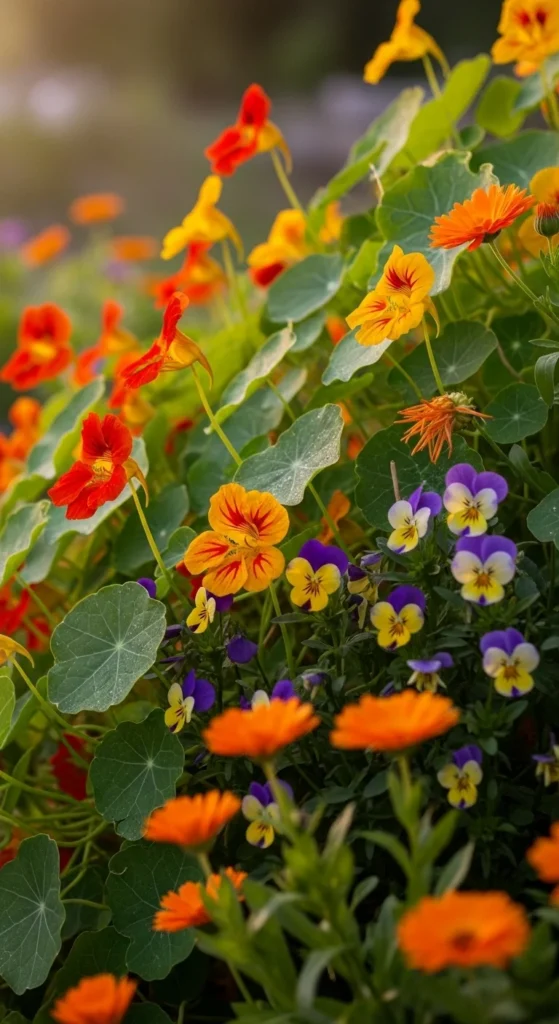
Edible flowers add color and texture to borders. Plant nasturtiums, violas, calendulas, and pansies. Keep the soil moderately damp. Trim old blooms to keep plants tidy. These flowers brighten garden edges while offering petals for salads or drinks. They pair nicely with herbs and low vegetables. This idea suits front yards, pathways, and raised beds.
18. Basil and Tomato Patio Duo
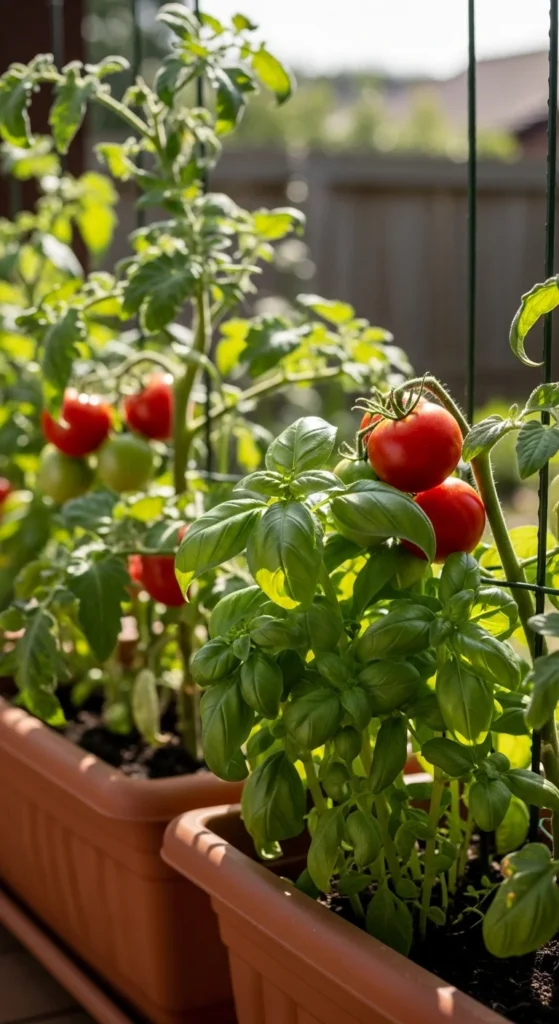
Tomato and basil grow well together and look attractive in paired containers. Choose a large pot for the tomato and place basil around the edges. Water regularly and stake the tomato for support. Add mulch to limit evaporation. This duo fits well on patios near kitchens. You get bright foliage, fragrant leaves, and a steady tomato harvest.
19. Kiwi Vines on a Garden Fence
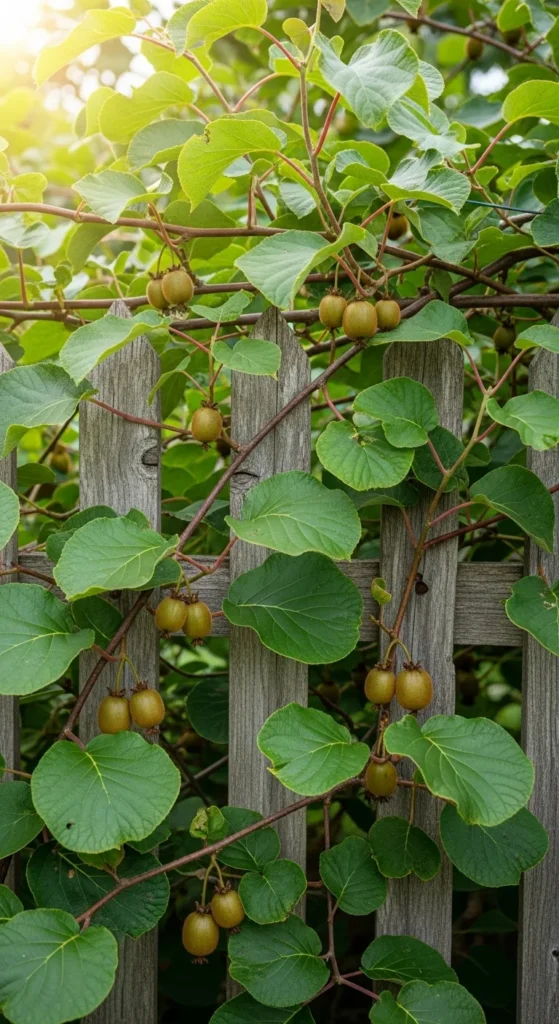
Kiwi vines offer large leaves that shade fences and provide fruit. Install a sturdy trellis or fence for the vines to climb. Water consistently during warm periods. Prune once a year to control growth. This plant creates a tropical look without demanding much space on the ground. It’s a great choice for long fence lines or side yards.
20. Decorative Cabbage Border Rows
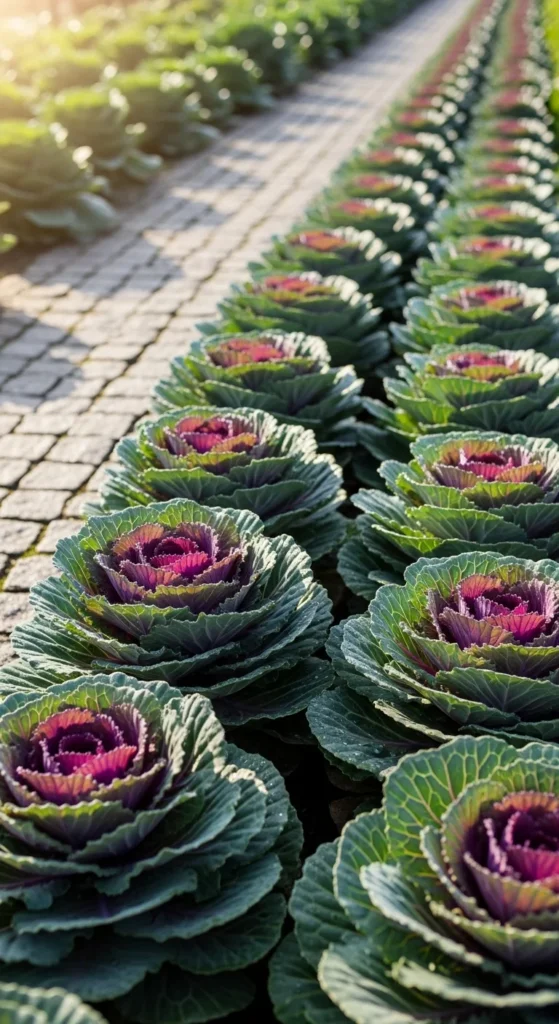
Decorative cabbages bring dramatic shapes and rich colors. Plant them in rows along walkways or around patio edges. Keep the soil evenly moist. Add bark or gravel around the plants for contrast. These cabbages hold their color through cooler months and combine well with small herbs. They make excellent front-yard edible features.
21. Patio Citrus-and-Herb Combos
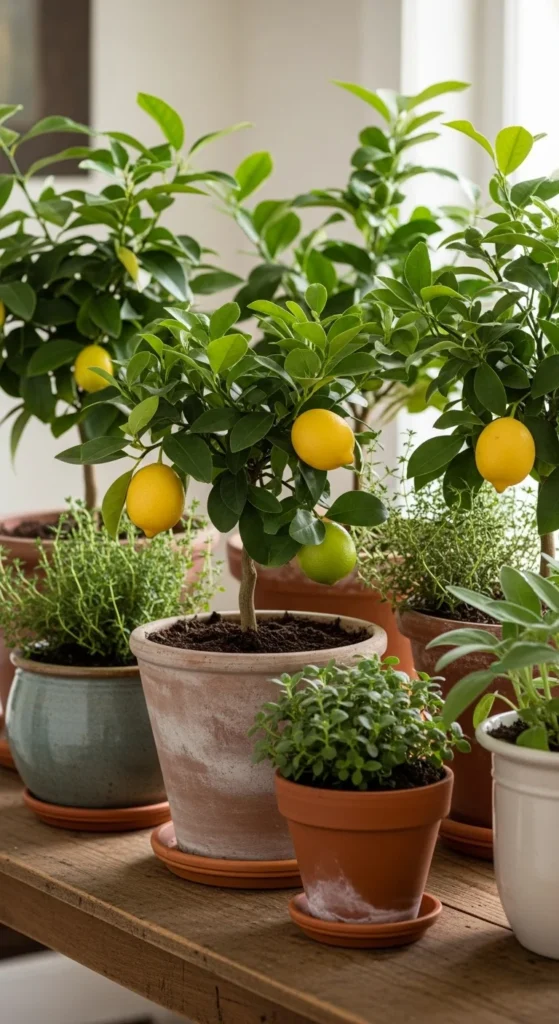
Plant citrus trees in large pots and fill the base with herbs like thyme, sage, or oregano. Water gently and place the container in a sunny location. Choose a neutral-colored pot so the foliage stands out. This mix creates a layered, textured look that fits patios, balconies, and entrances. You get citrus fragrance, edible herbs, and attractive foliage all in one setup.
Conclusion
Edible landscaping brings practical value while keeping your yard attractive year-round. By mixing herbs, fruit, and vegetables with decorative features, you create a garden that serves multiple purposes. These ideas help you fill pathways, patios, borders, and small spaces with plants that look good and offer something useful. Choose a few combinations that match your style, start with simple arrangements, and enjoy a garden that feeds and beautifies at the same time.
Leave a Reply