

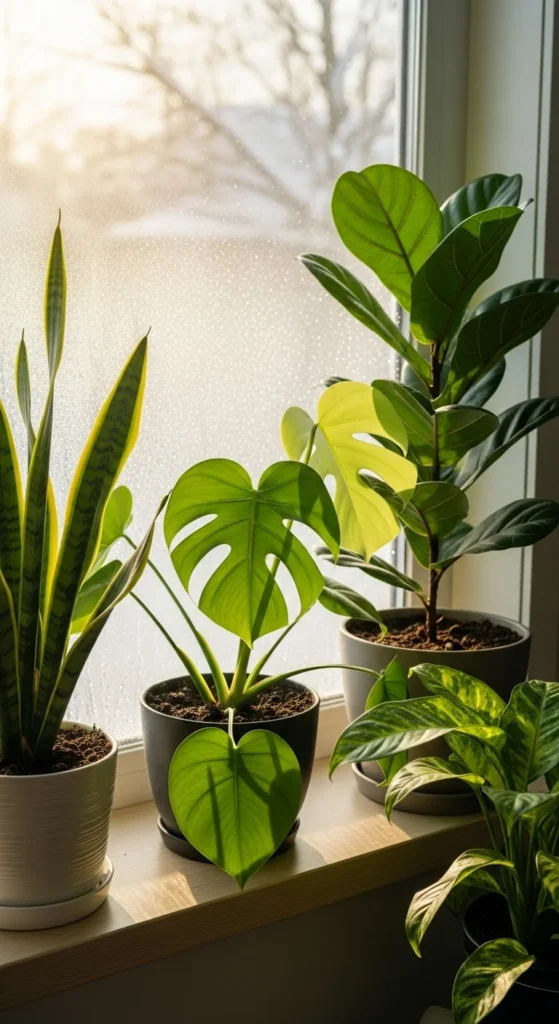
Winter can be hard on indoor plants. Short days, dry air, and temperature swings all affect leaves and soil moisture. With a few simple habits, you can help your plants stay healthy until spring. These care tips keep leaves from dropping, prevent root issues, and make winter maintenance easier and more predictable.
1. Give Plants the Brightest Spot You Have
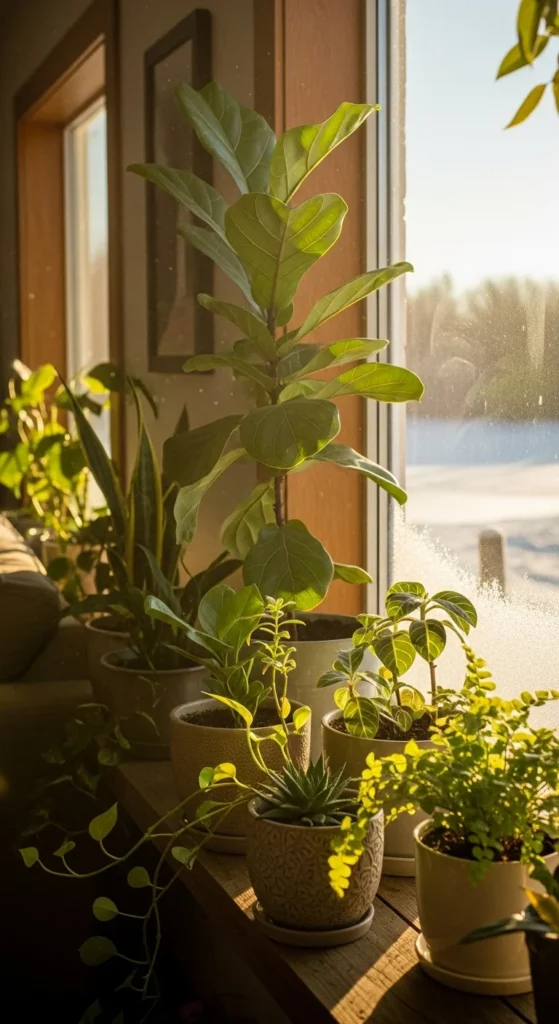
Plants slow down when days shorten, so brightness becomes a priority. Move pots toward windows that get morning light, since it’s softer and steadier. Turn plants slightly once a week so leaves grow evenly. If you live in a darker home, use a small budget-friendly LED grow light on a timer. Position it a few inches above the tallest plant. Keep the light on for 8–10 hours to mimic natural daylight. Avoid placing plants directly against cold window glass; leave a little space for airflow. This simple shift helps plants maintain leaf color and avoid winter stretching.
2. Check Soil Before Every Watering
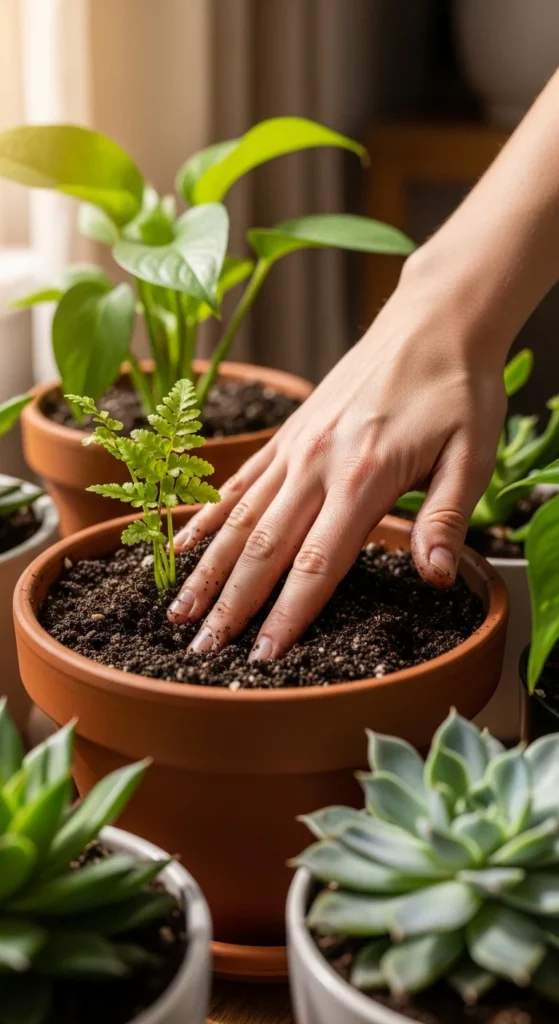
Winter watering works differently. Soil dries slower, so roots sit in moisture longer. Instead of watering on a schedule, test the top inch with your finger. Only water when it feels dry. Use room-temperature water to avoid shocking roots. If your pot feels heavy, wait a few more days. Overwatering is the main reason leaves turn yellow in winter. To avoid waste, keep a small jar filled with water and use it only when needed. This keeps moisture balanced and prevents soggy conditions.
3. Group Plants to Increase Humidity
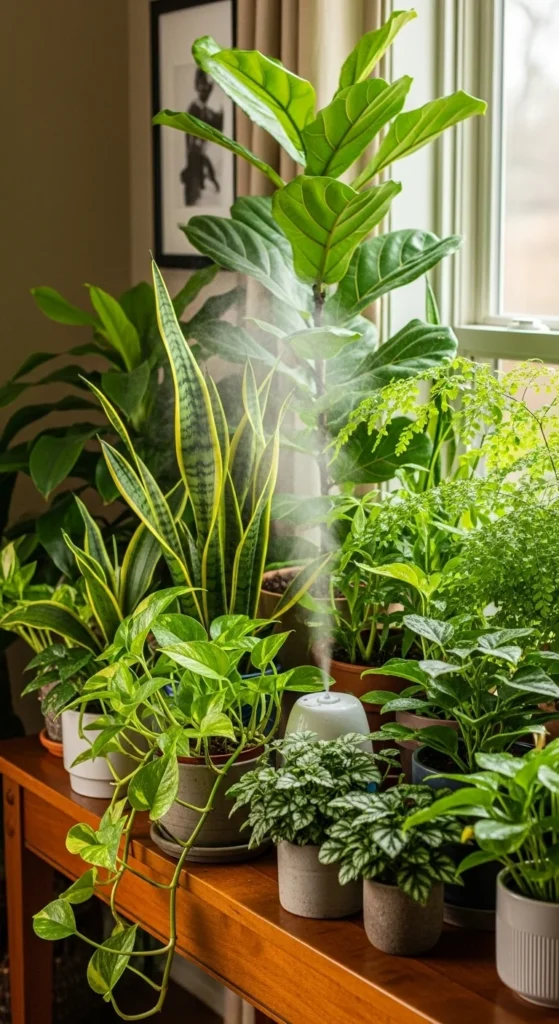
Dry air is common in winter. Placing plants close together helps create a shared humidity bubble. Keep them a few inches apart so air still moves. If you want an affordable solution, set a shallow tray filled with pebbles and water beneath several pots. As water evaporates, humidity rises gently around the leaves. Avoid misting unless you do it early in the day, since damp leaves at night can cause leaf spotting. This simple grouping helps plants stay hydrated without fancy equipment.
4. Clean Dust Off Leaves
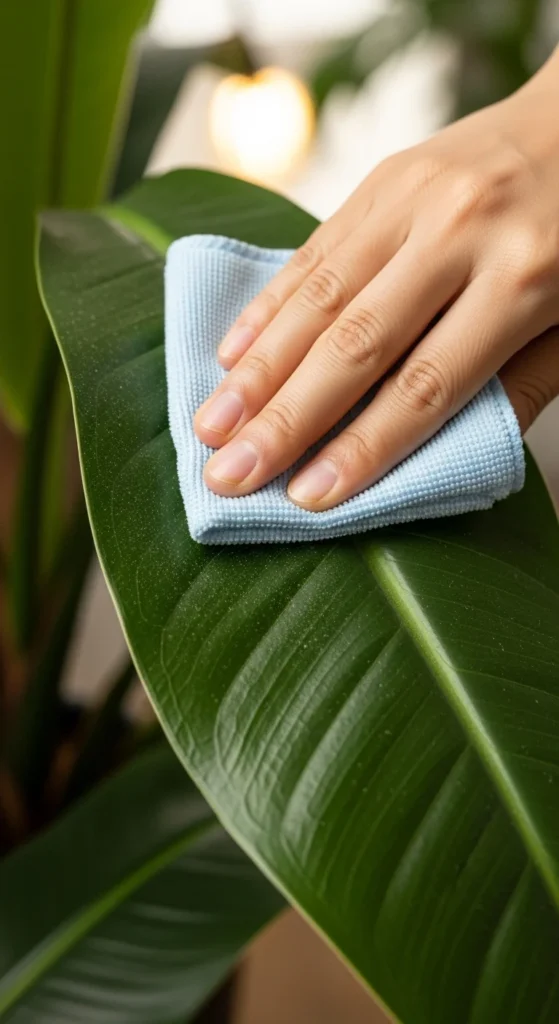
Dust blocks light and traps moisture. Use a soft cloth or slightly damp microfiber towel to wipe leaves one at a time. This helps plants absorb more light during dark winter weeks. Avoid oily leaf-shine products; they clog pores. Clean once a month or whenever leaves start looking dull. For delicate plants, use a small paintbrush to dust between narrow leaves. This routine makes your indoor space look cleaner too.
5. Keep Plants Away From Heaters
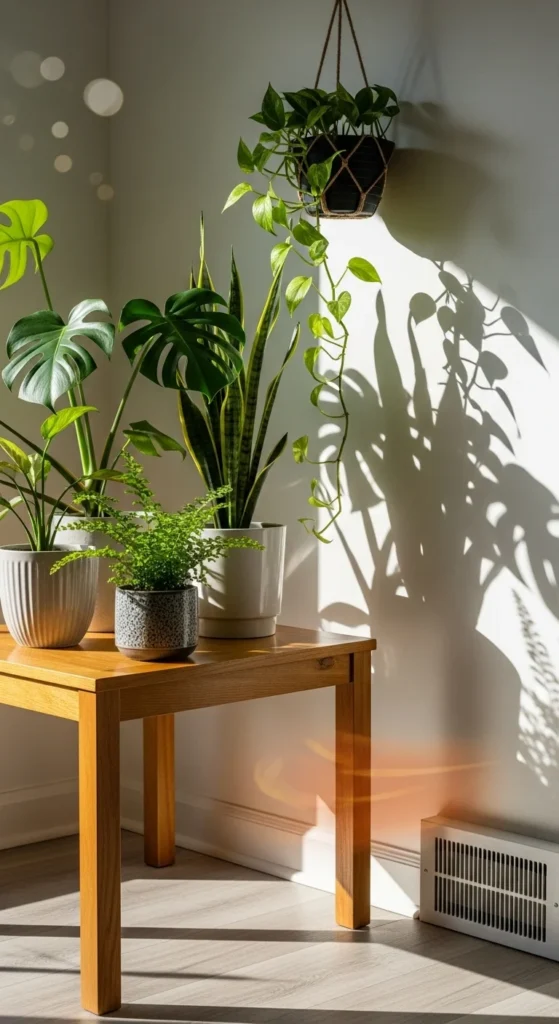
Heaters dry out air quickly and cause leaves to brown. Move your plants a few feet from vents or radiators. If your home runs warm, place pots in spots with steady temperature, such as shelves away from heat sources. You can redirect vents with inexpensive plastic clip-on guides. This reduces stress and keeps leaves from curling or crisping.
6. Rotate Plants Weekly
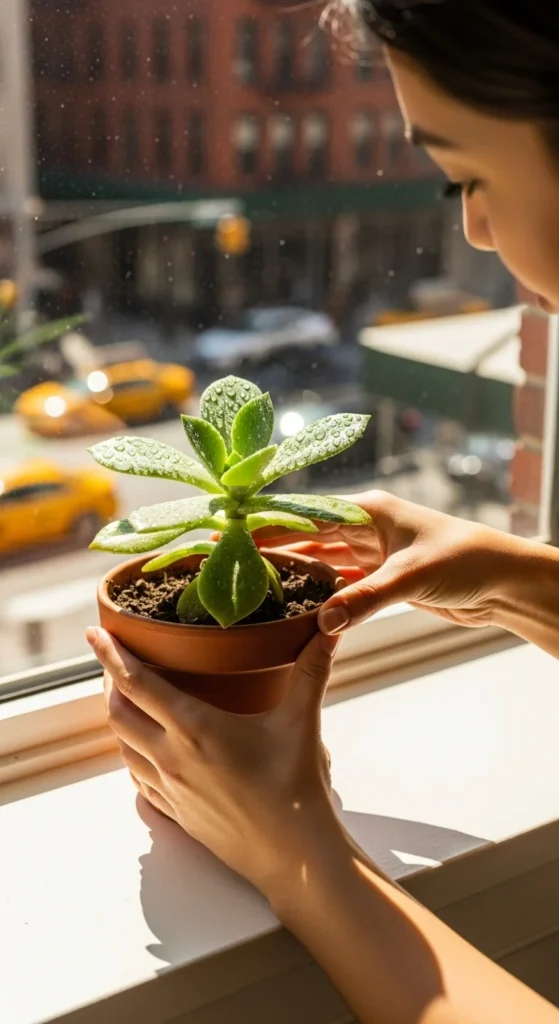
Winter sun comes from a lower angle. Plants lean toward it over time. Rotate pots a little each week to keep growth balanced. This also helps light reach lower leaves. If a plant starts leaning heavily, adjust its position for a few days. Even rotation keeps stems straight and prevents plants from becoming lopsided.
7. Hold Back on Fertilizer
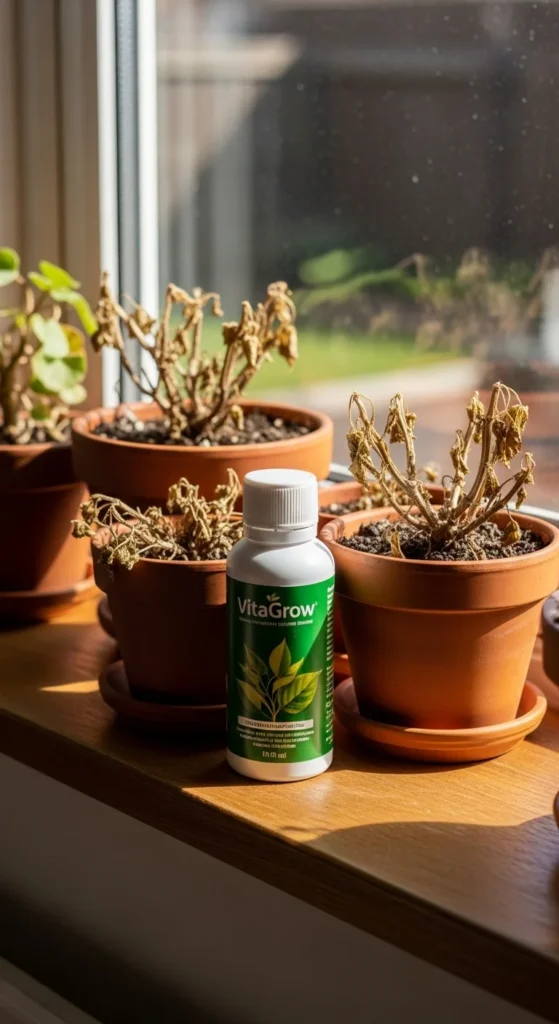
Most indoor plants slow down in winter. They don’t use nutrients quickly, so fertilizer can overwhelm the soil. Pause feeding until early spring. If a plant shows strong new growth despite winter light, give it a small half-strength dose once a month. Remember: less is better during cold months. This prevents leaf burn and soil stress.
8. Add a Small Fan for Light Airflow
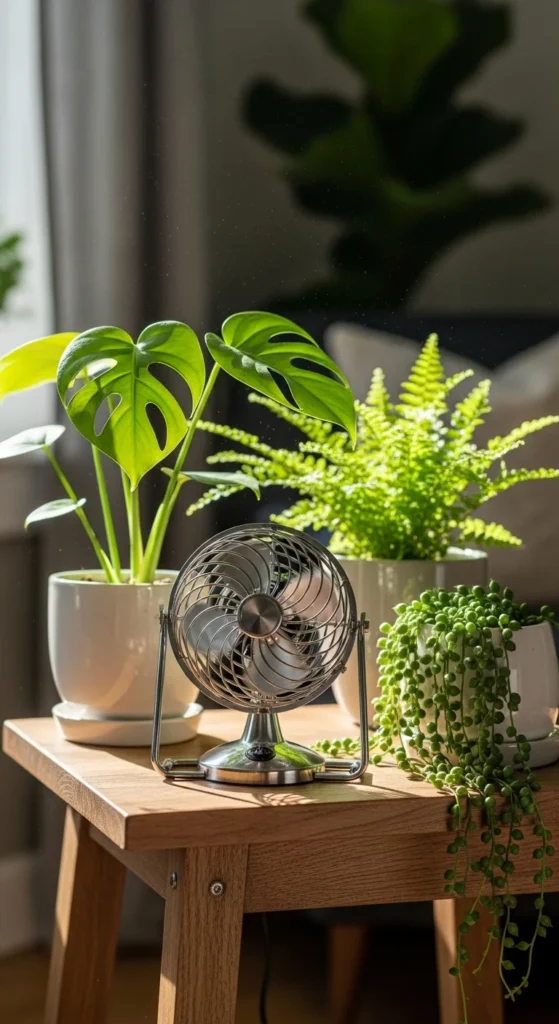
Still air can cause fungus issues. Use a small fan on the lowest setting to keep air moving. Point it slightly away from plants so wind doesn’t dry leaves. Run it for a few hours each day. This simple step prevents mold on soil and keeps leaves healthier. It also helps strengthen stems over time.
9. Use Warm Water for Watering
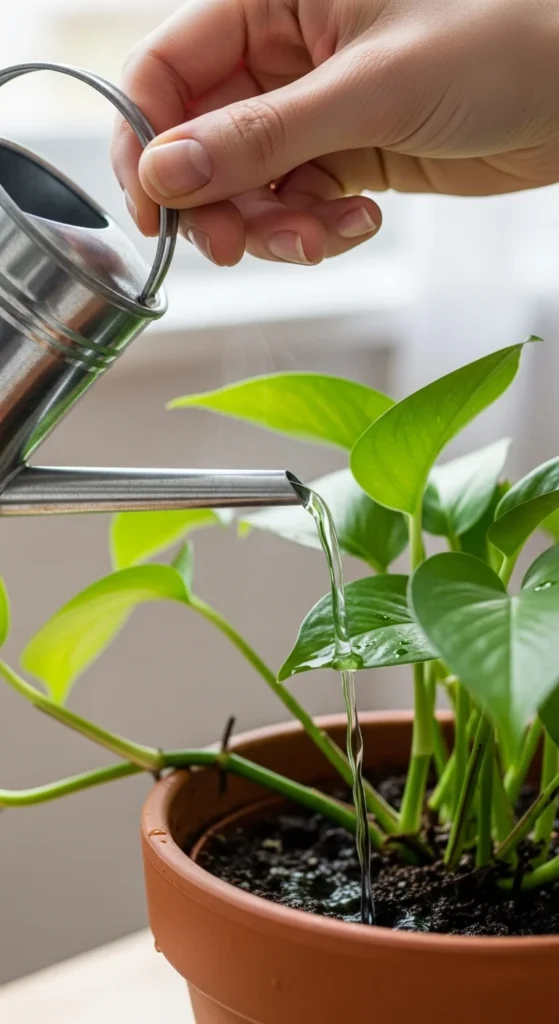
Cold water shocks roots. Fill a jug and let it sit indoors so it reaches room temperature. Warm water absorbs into soil easier, especially in winter. Keep a jug near your plants so it’s always ready. This helps roots stay stable and prevents sudden leaf drop.
10. Protect Plants From Cold Drafts
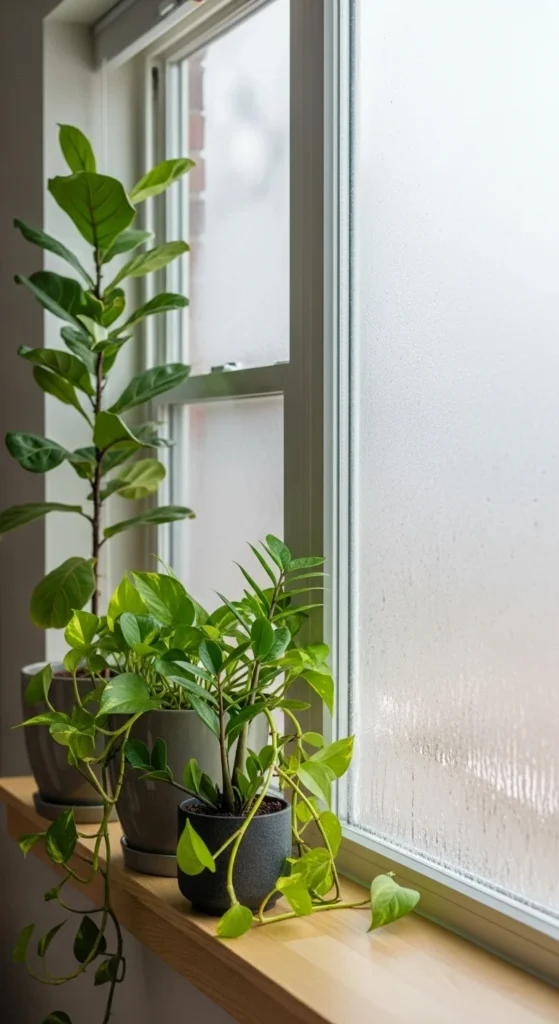
Cold drafts from windows or doors can damage leaves within hours. Check your space for cold spots. If a plant sits near a drafty area, move it slightly inward. Use thick curtains at night to trap warmth while letting light in during the day. Draft guards or rolled towels add simple protection for plant corners.
11. Avoid Repotting Until Spring
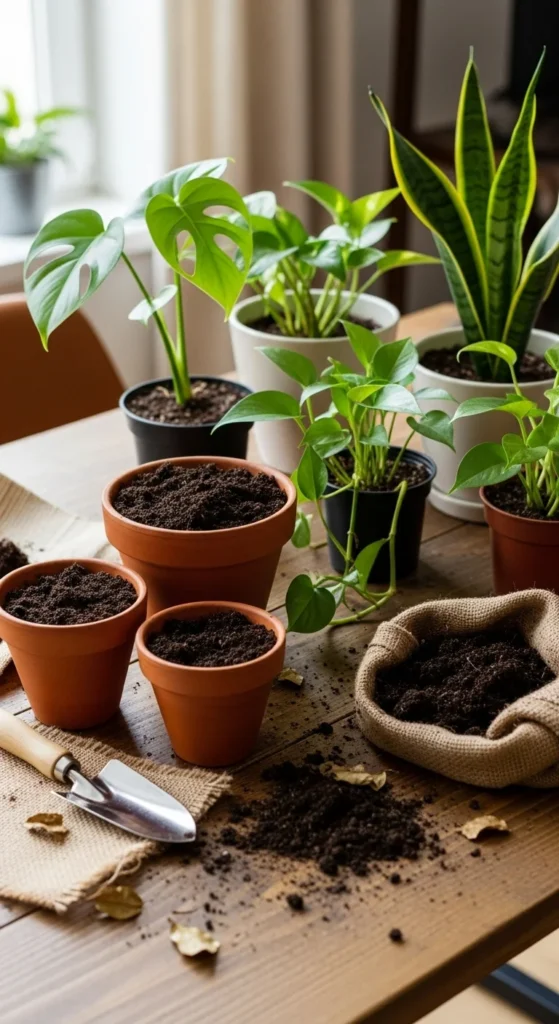
Repotting stresses plants, and winter growth is slow. Hold off unless roots are bursting from the pot. Instead, tidy the soil surface and remove debris. If drainage is poor, place a small layer of pebbles under the pot to lift it slightly. Save full repotting for brighter months when plants recover quickly.
12. Use Sheer Curtains for Harsh Midday Sun
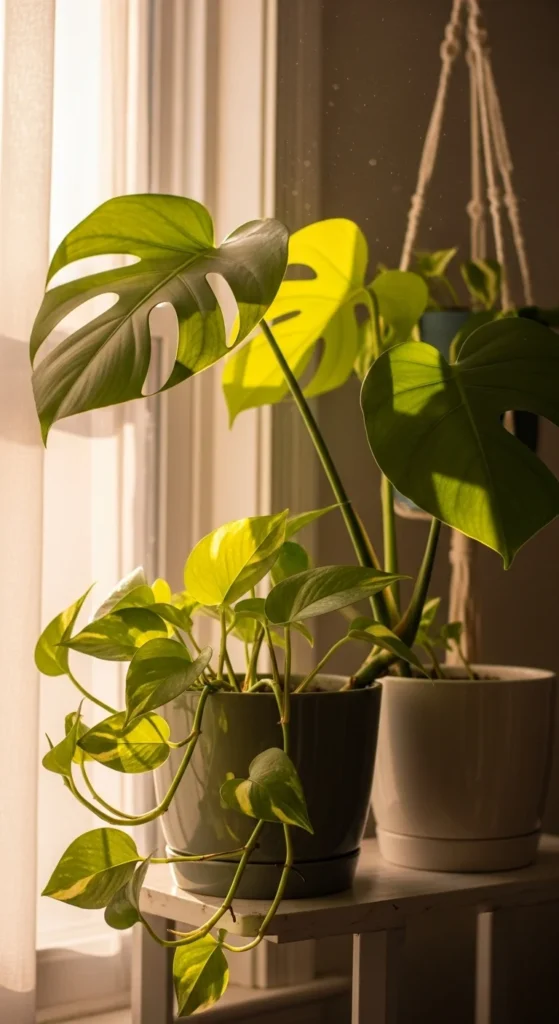
Some winter days bring sharp sunlight. Use a sheer curtain to soften midday rays. This prevents leaf scorch, especially on plants with thin foliage. It also balances light across the whole room. A low-cost curtain panel works well. This makes lighting more stable day-to-day.
13. Warm Pots With Simple Insulation
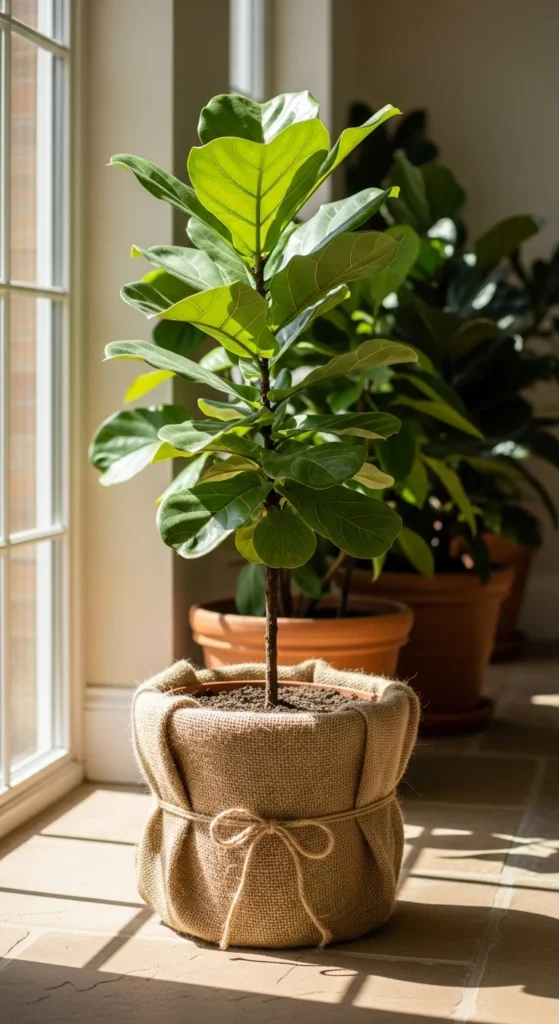
Cold pots can chill roots. Wrap pots with cloth, jute, or a spare towel to help trap warmth. Avoid covering the soil surface; leave it open to breathe. Elevate pots using small wooden blocks if floors stay cold. This keeps roots comfortable during winter dips.
14. Use a Moisture Meter for Accuracy
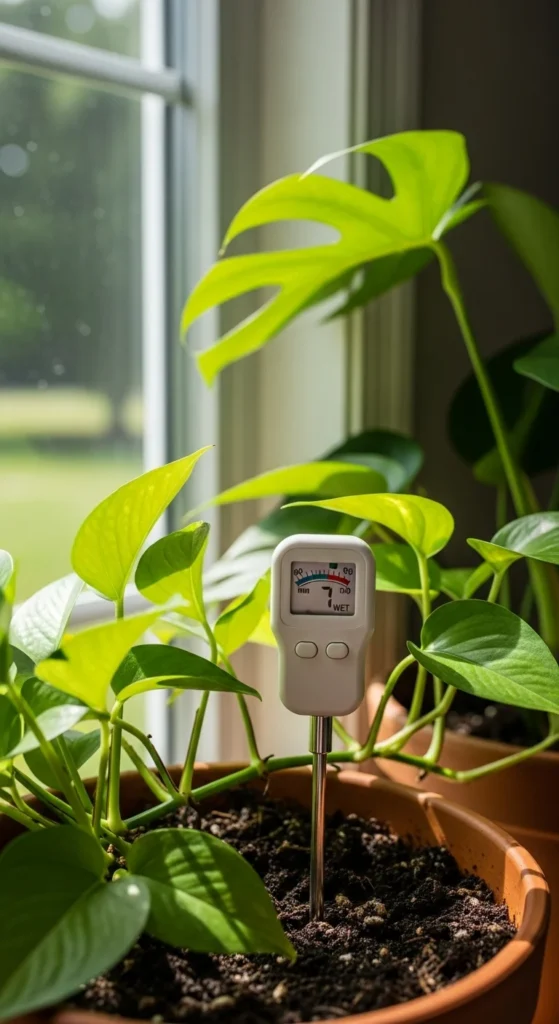
If you struggle with watering, a moisture meter can help. It gives quick readings and reduces guesswork. Use it especially for larger pots or thick soil mixes. Choose a simple, inexpensive model. This tool helps your plants avoid soggy soil or dryness during inconsistent winter conditions.
15. Trim Dead Leaves Promptly
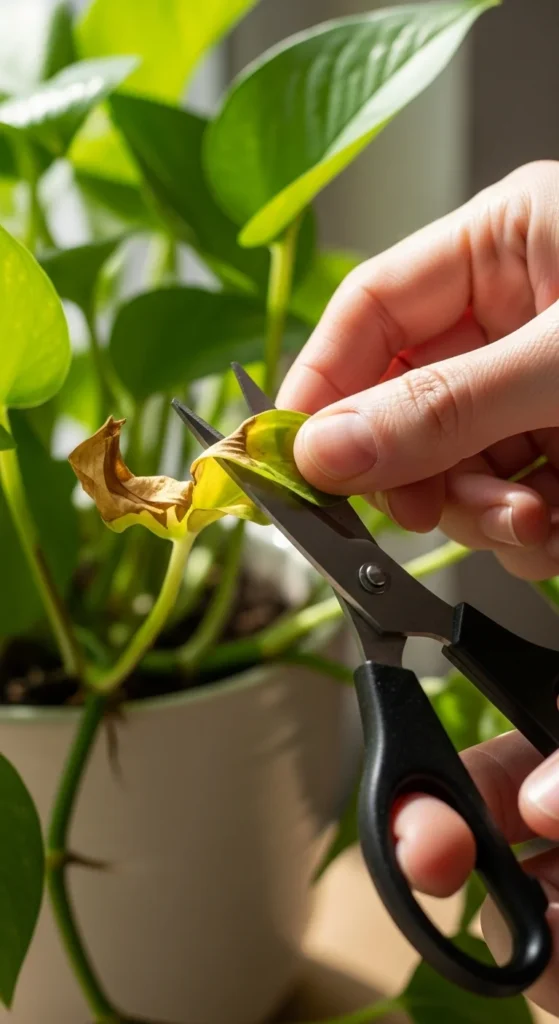
Dry or yellowing leaves draw energy away from healthy growth. Trim them as soon as they appear. Use clean scissors and cut close to the base. This keeps plants tidy and helps air circulate better. For plants with long stems, remove only damaged parts, not the entire leaf.
16. Check Soil Drainage Regularly
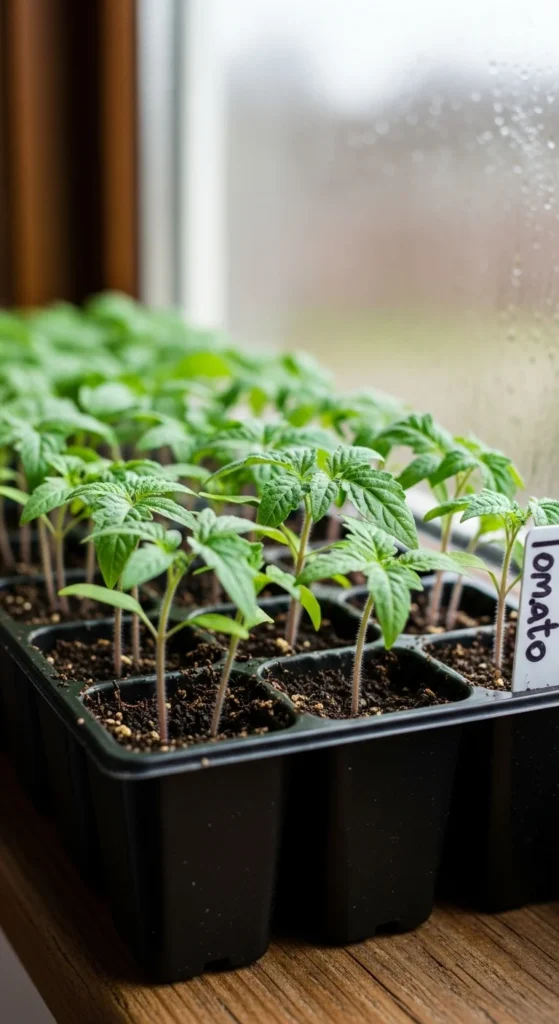
Winter watering issues often start with blocked drainage. Lift pots to make sure water flows freely. If holes clog, tap gently or use a wooden skewer to clear them. Keep trays empty so roots don’t sit in standing water. Good drainage helps prevent root rot.
17. Mist Only in the Morning
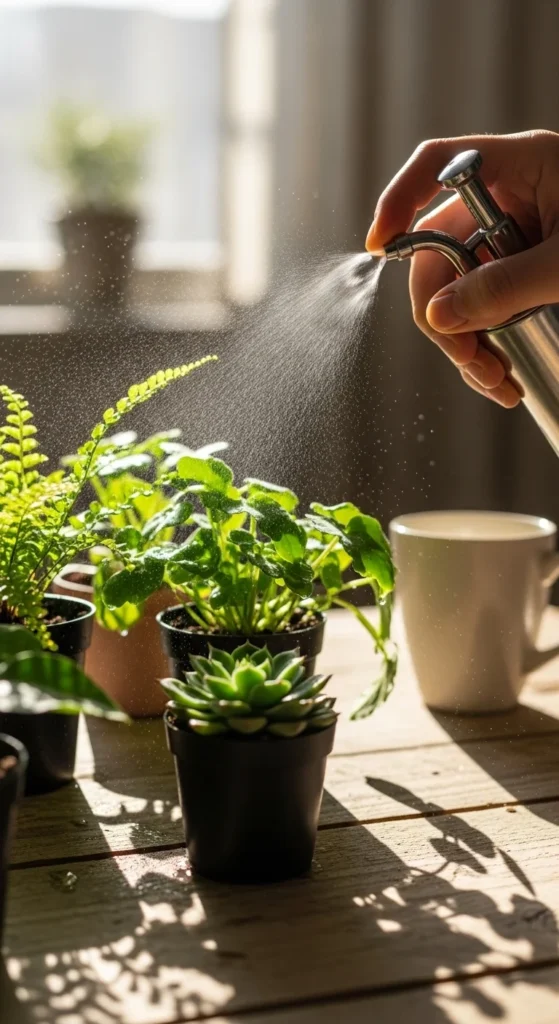
If you mist plants, do it early. Leaves dry faster during the day, reducing the chance of fungal spots. Use a fine spray and keep it light. Misting works best for ferns and tropical plants. Avoid misting plants that dislike wet foliage, such as succulents or ZZ plants.
18. Keep Thermostat Steady
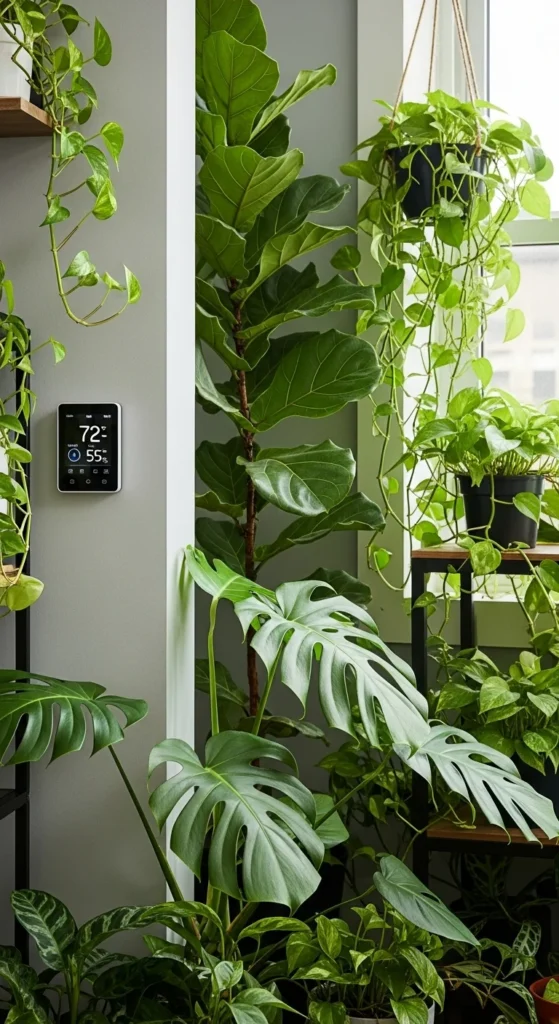
Temperature swings cause leaf stress. Keep your thermostat steady between morning and night. If your home cools dramatically overnight, group plants together in warmer rooms. Avoid placing them near doors that open frequently. Consistency matters more than warmth.
19. Give Plants a Weekly Visual Check
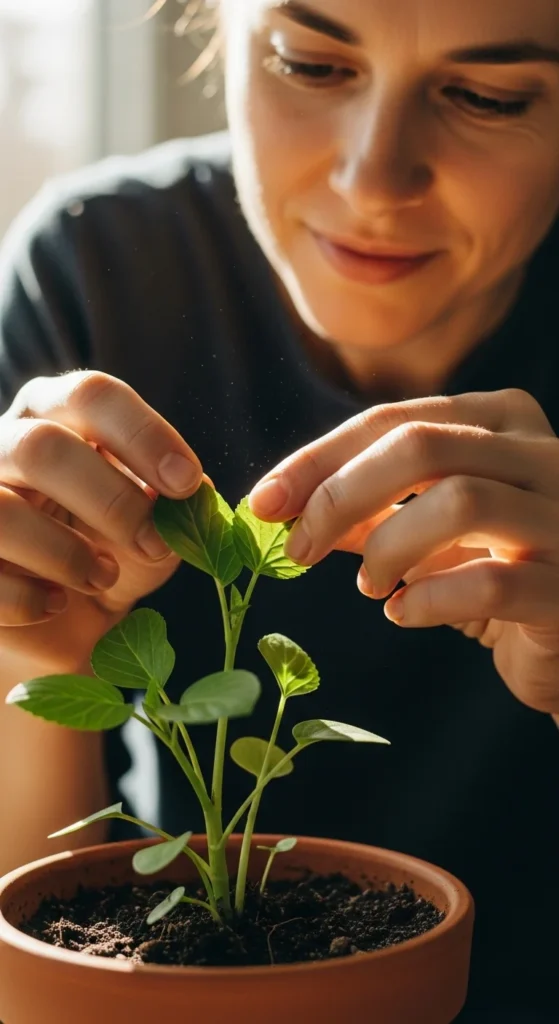
Look for signs of trouble: yellowing, spotting, drooping, or pests. Catching issues early makes them easier to fix. Check soil, stems, and leaves. Remove debris sitting on the soil surface. This routine helps you understand each plant’s winter rhythm.
20. Add a Simple Humidifier for Large Rooms
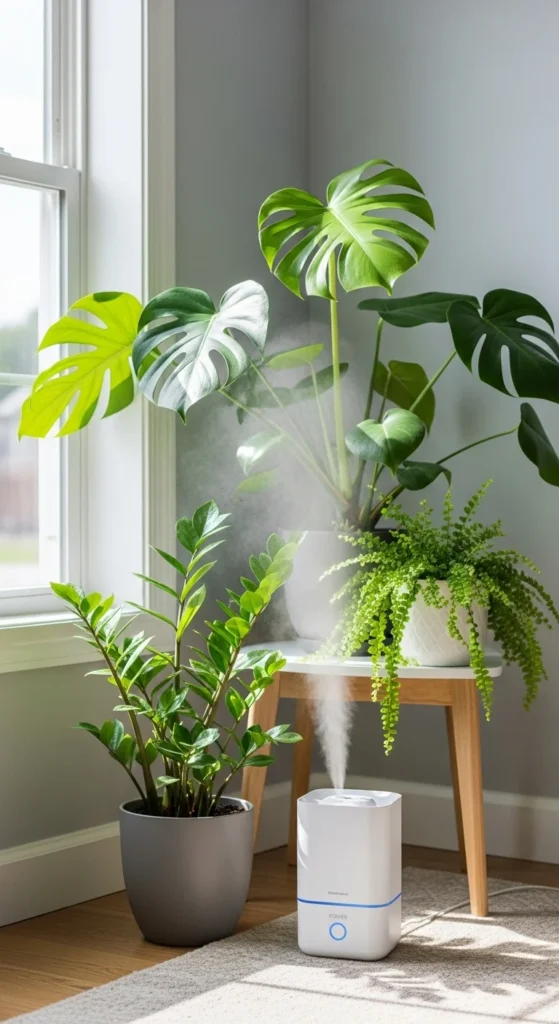
A humidifier supports plants in dry homes. Use it on low near your plant group. Keep it a foot away so mist doesn’t sit directly on leaves. Clean it weekly to avoid mineral buildup. This helps protect leaf edges from browning.
21. Keep Plants Clean From Fallen Debris
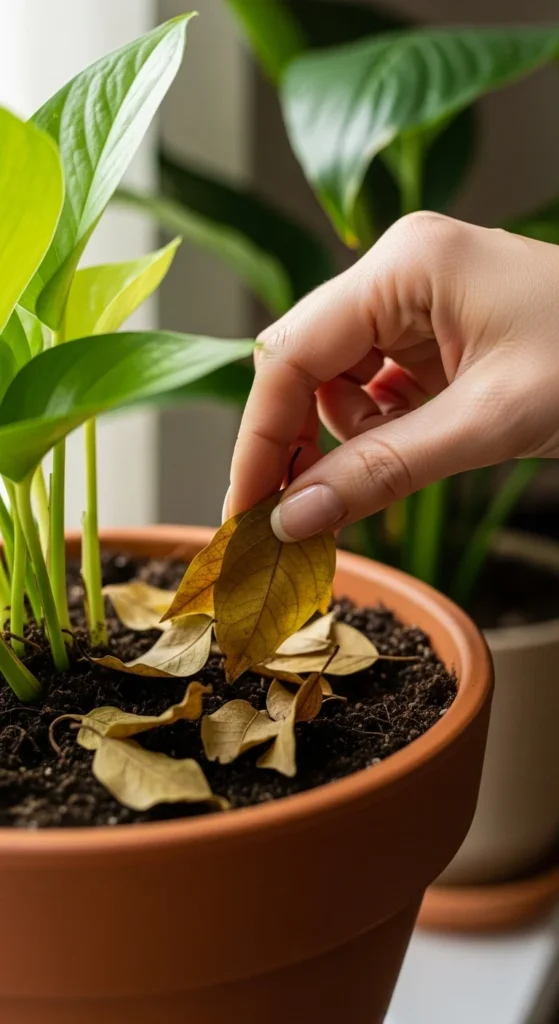
Fallen leaves can harbor pests and trap moisture. Remove debris from soil quickly. Gently fluff the top layer with your fingers to keep air moving. This small habit keeps soil healthier and reduces fungus risk during low-light months.
22. Adjust Watering to Each Plant’s Growth Pause
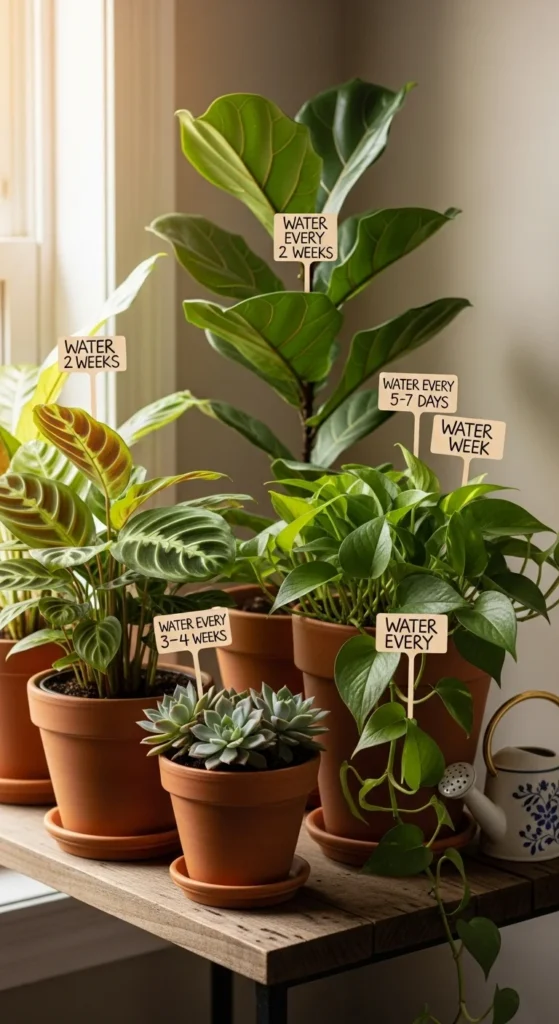
Plants slow down at different rates. Cacti want long breaks, while ferns still want moderate moisture. Notice how each plant behaves during winter. Adjust watering individually rather than treating all plants the same. This tailored approach helps prevent leaf drop and keeps each plant comfortable while growth slows.
Conclusion
Winter indoor-plant care is simpler when you focus on light, moisture, airflow, and temperature. These small adjustments help plants stay stable through darker months and prevent common leaf problems. By observing each plant and using affordable tools and habits, you can keep your indoor jungle healthy until brighter days return.

Leave a Reply