

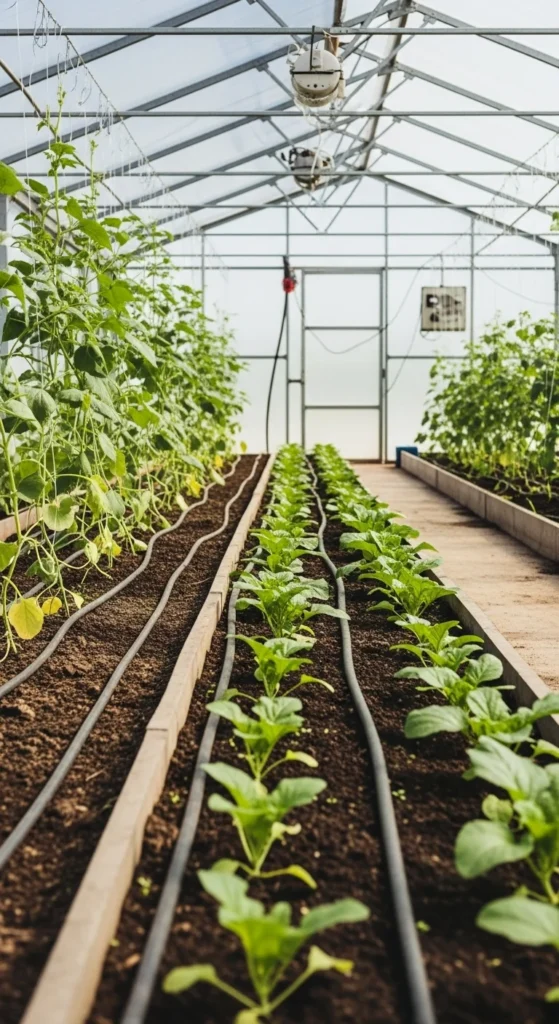
Starting vegetables in a greenhouse early in the year helps you grow strong seedlings, steady harvests, and reliable crops long before outdoor conditions improve. With the right layout, soil mix, and planting plan, you can make the most of every inch inside your greenhouse. These ideas help you choose veggies that perform well, manage heat and moisture, and create simple systems that save time while feeding your household.
1. Start Tomatoes in Deep Pots
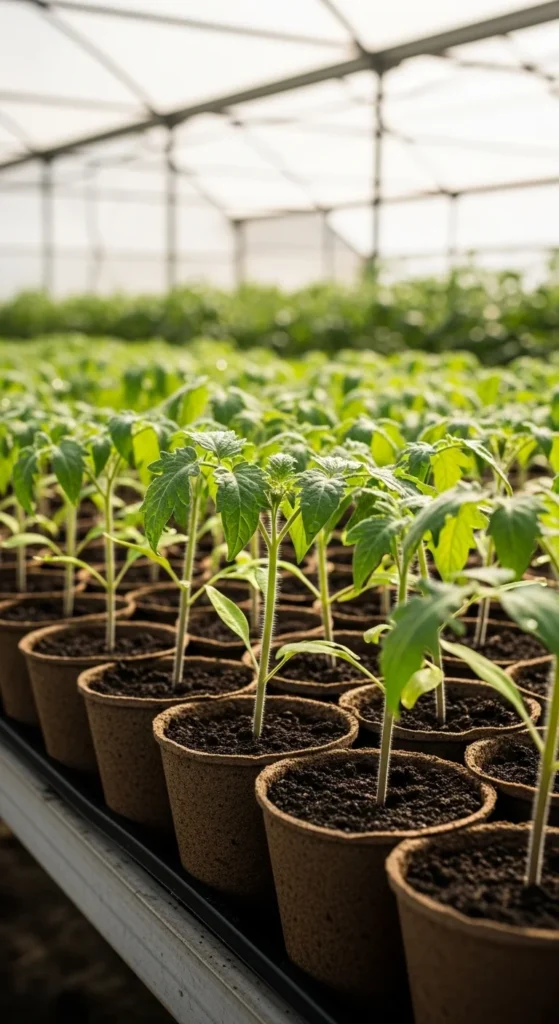
Tomatoes love warm, stable conditions, making greenhouses perfect for early planting. Use deep pots so roots can stretch downward. Place the pots along the sunniest side. Keep soil lightly moist and rotate pots every few days for balanced light. If you want to save money, reuse large plastic containers with drainage holes. Add a light layer of compost around the top once seedlings reach a few inches. Support stems with a simple stake or repurposed stick. This early start helps tomatoes stay sturdy when you eventually transplant them into larger beds or bigger planters inside the greenhouse.
2. Grow Lettuce in Shallow Troughs
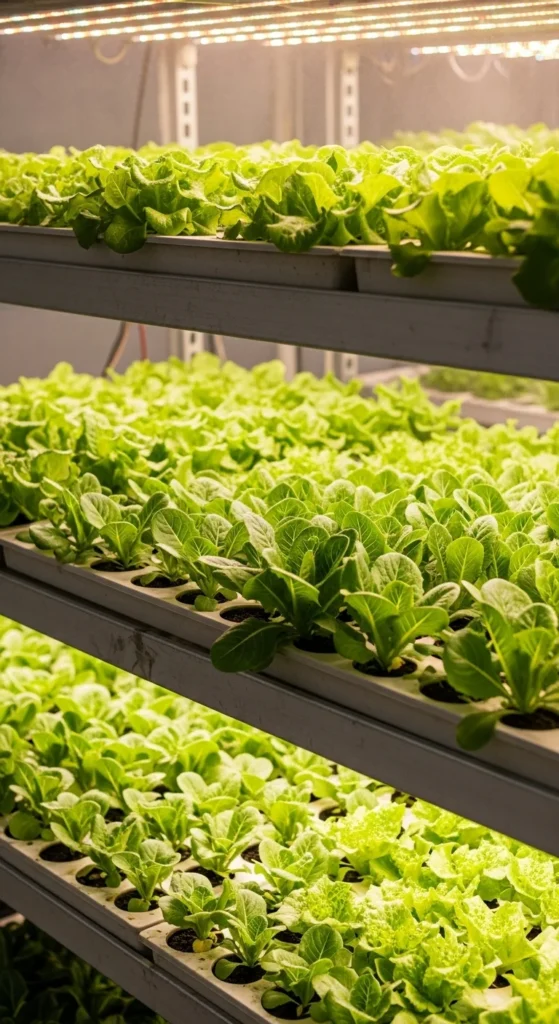
Lettuce grows quickly and stays compact in shallow troughs. Fill trays or narrow boxes with loose soil. Scatter seeds evenly and mist gently. This setup fits well on shelves, freeing floor space. Keep troughs slightly shaded if temperatures rise. Reuse old containers or wooden boxes to cut costs. Harvest outer leaves as they grow to keep the plants producing. This makes lettuce one of the easiest greenhouse veggies to maintain in early months.
3. Early Peppers in Warm Corners
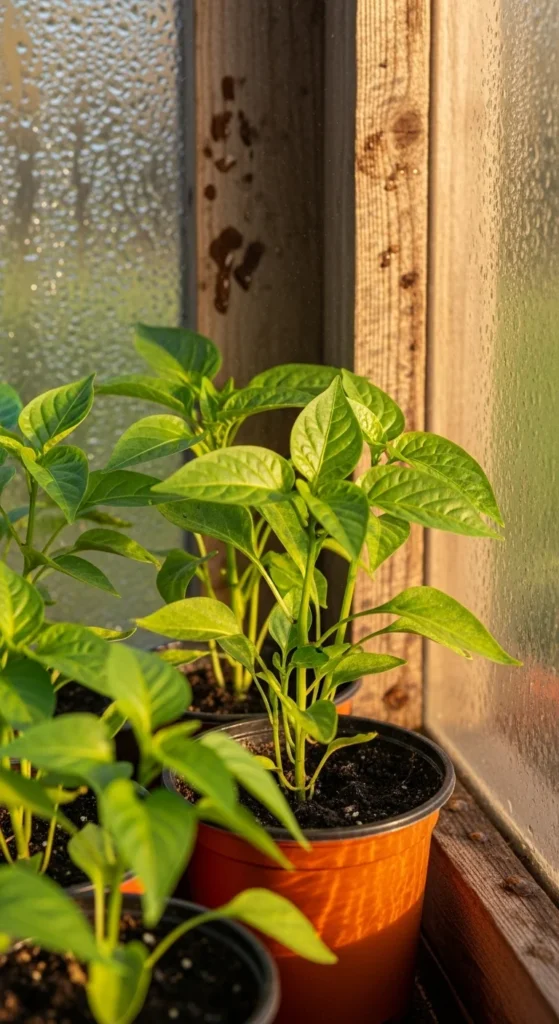
Peppers love warmth, so place them near greenhouse walls or heat-retaining surfaces. Use small pots first, then move to larger ones as roots expand. Water lightly and avoid soggy soil. Add a small tray beneath pots to catch drips. If you’re working on a budget, reuse yogurt cups as starter containers. Peppers often take longer to sprout, so warmth helps speed them up.
4. Spinach Beds for Quick Harvests
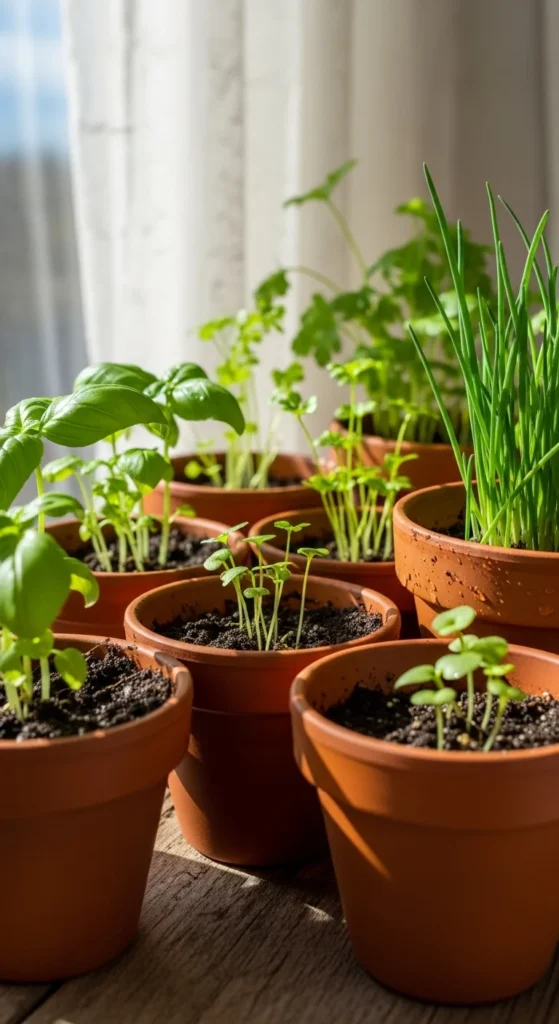
Spinach thrives in cooler greenhouse temperatures. Prepare a shallow bed with soft, rich soil. Sow seeds in dense rows, then thin lightly once leaves appear. Keep soil evenly moist. You can harvest leaves young for salads or wait for larger bunches. This veggie is forgiving and ideal for beginning greenhouse gardeners.
5. Start Cucumbers on Vertical Strings
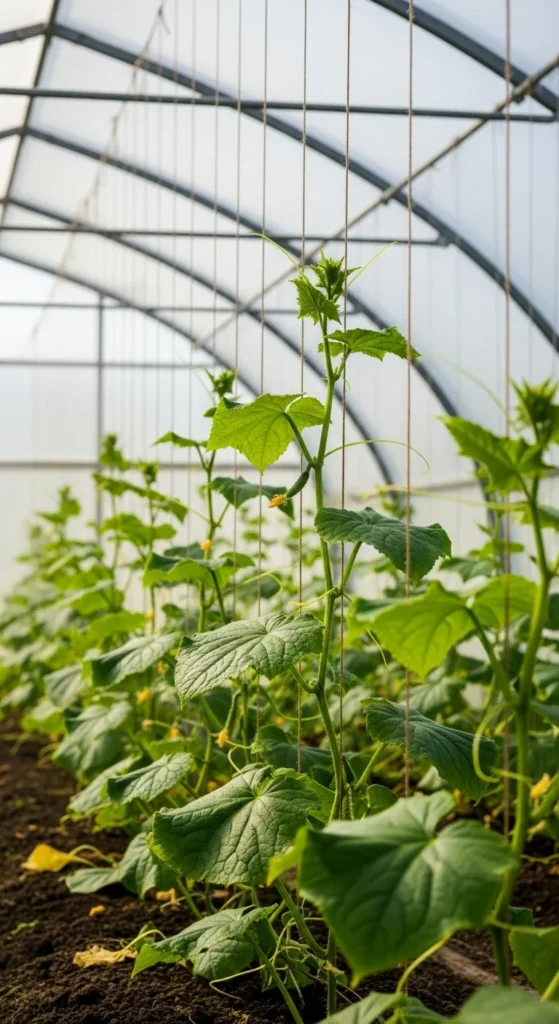
Cucumbers climb well indoors when guided with strings. Tie soft twine from a hook above down to each pot. Wrap young vines gently as they grow. This saves floor space and keeps foliage off the soil. Use wide containers to give roots room. Water steadily to support fast growth. This method works even in small greenhouses.
6. Carrots in Deep Grow Bags
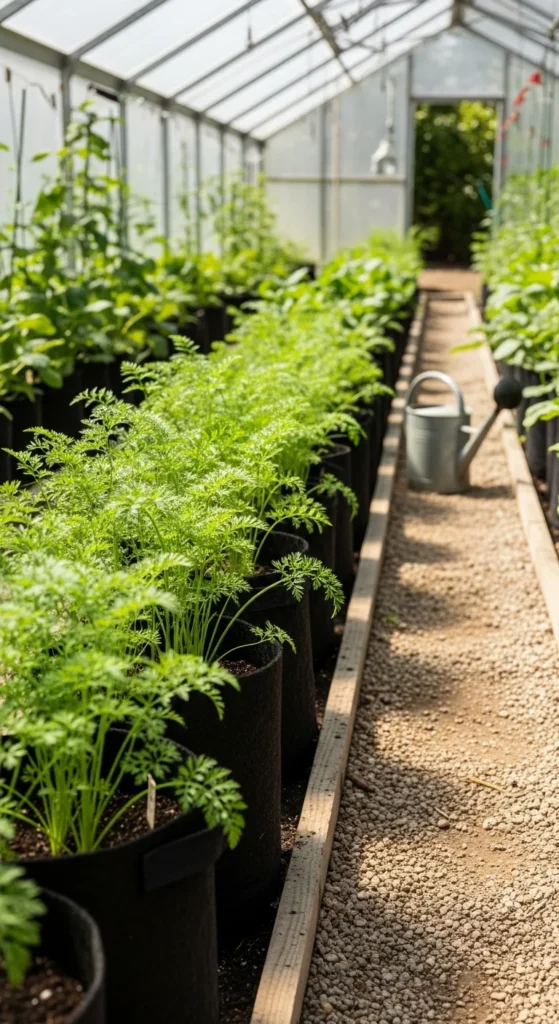
Grow bags are great for carrots. Fill them with loose, stone-free soil so roots grow straight. Sow seeds evenly and mist gently. Keep bags in a bright area and avoid overwatering. Thin seedlings once tops reach a few inches. Grow bags are reusable and fit well in tight greenhouse sections.
7. Herbs in Tiered Shelves
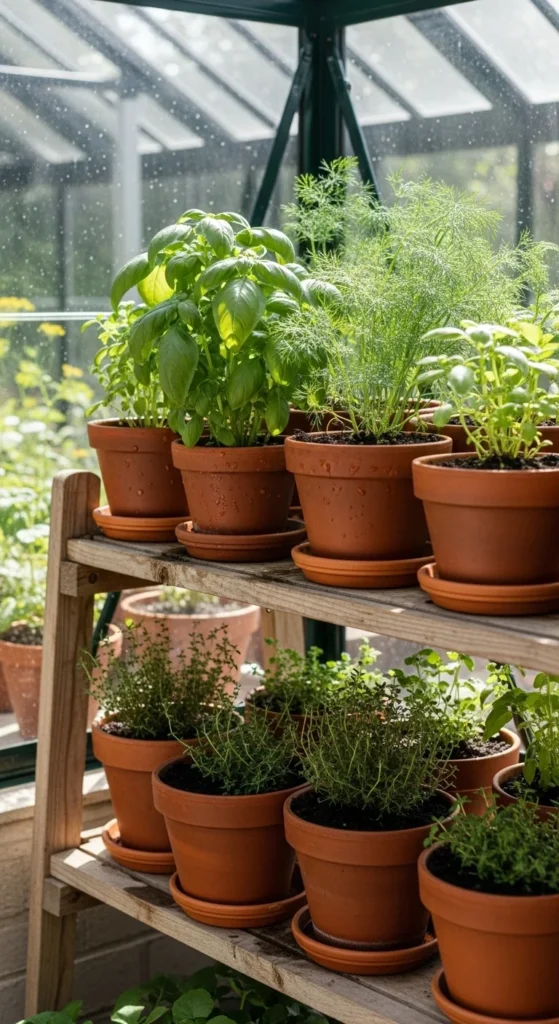
Herbs thrive with steady warmth and bright light. Use tiered shelves to save space. Place basil, dill, cilantro, and thyme in small pots. Rotate shelves occasionally for balanced exposure. Herbs grow quickly when kept slightly moist. Trim often to encourage dense growth. This setup keeps your greenhouse smelling great and provides seasoning for your meals.
8. Zucchini in Large Containers
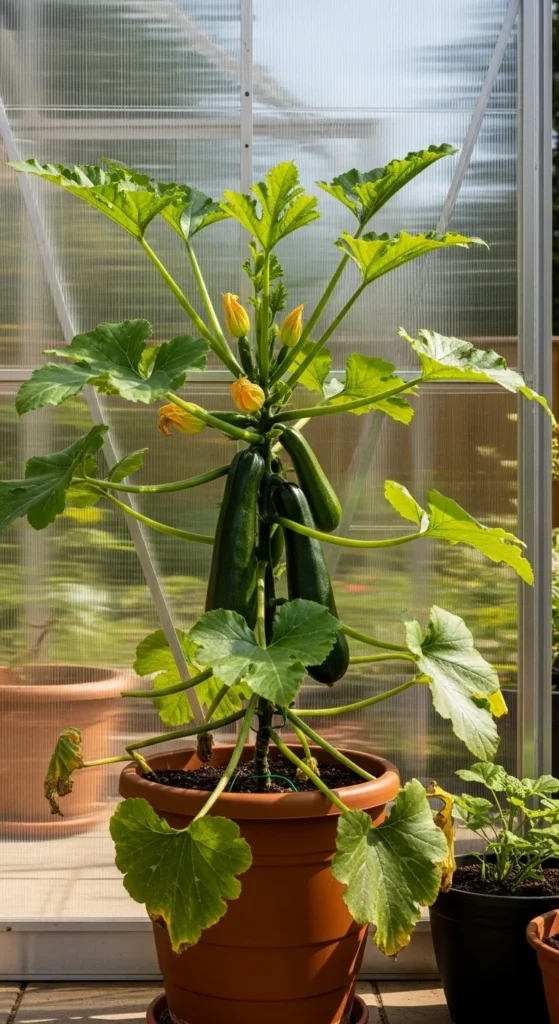
Zucchini grows vigorously, so give it a large container. Use rich soil and place the pot where it gets maximum light. Water deeply once or twice a week. Zucchini plants spread wide, so keep containers spaced a bit apart. If you want to save space, train leaves and stems toward one direction using soft ties.
9. Green Beans on Trellised Walls
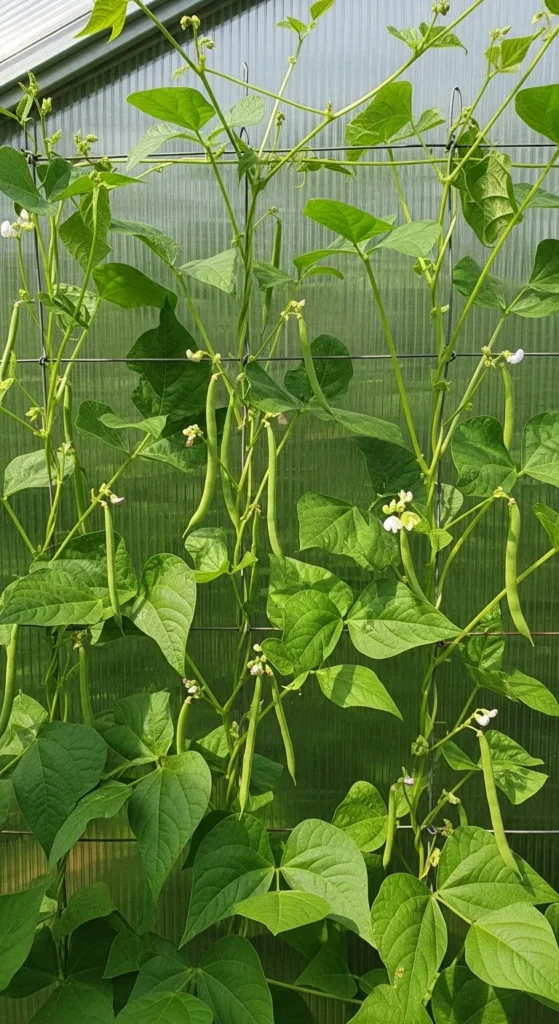
Green beans climb easily along trellises. Attach mesh or wire panels to one interior wall. Plant beans at the base and guide vines upward. This turns unused vertical space into a productive area. Use deep soil and water steadily. Harvest beans often to keep plants producing.
10. Beets in Compact Rows
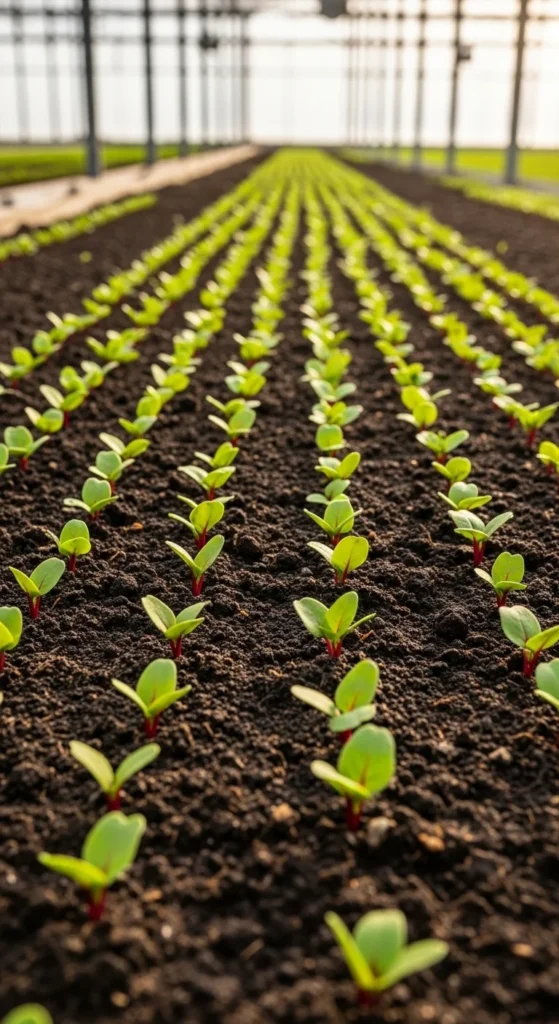
Beets grow well in greenhouse beds or trays. They prefer loose soil. Space seeds evenly and water gently. Once seedlings appear, trim a few tops for salads while leaving roots to grow. Keep temperatures steady to prevent bolting. Beets fit well in small layouts because they don’t sprawl.
11. Early Onion Sets in Raised Tubs
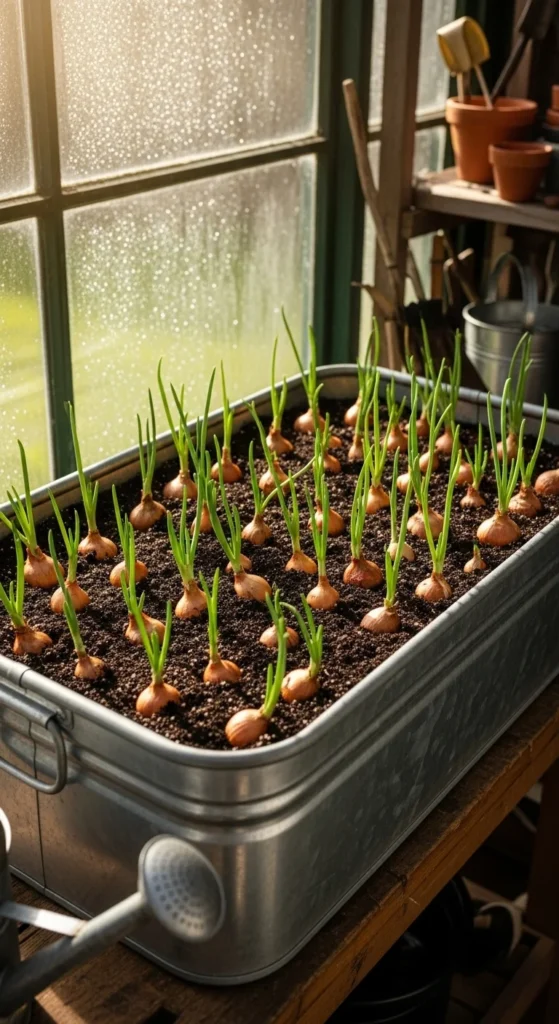
Onion sets sprout quickly when kept warm. Fill a tub with loose soil and push sets a few inches apart. Keep soil slightly damp. Place the tub near the greenhouse entrance where temperatures stay moderate. Onions take little attention and grow steadily over the months.
12. Potatoes in Stackable Buckets
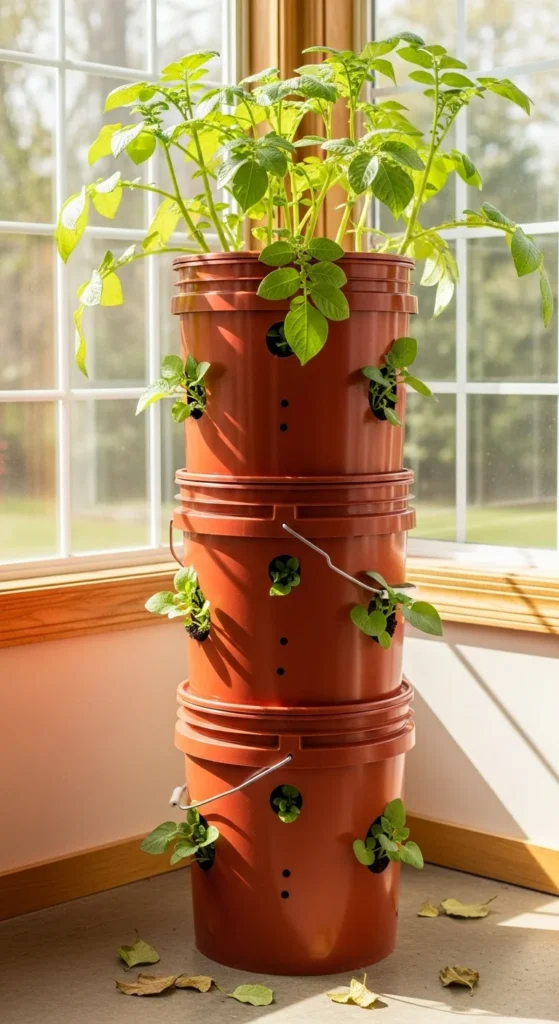
Use stackable buckets to grow potatoes efficiently. Fill the bottom with soil, add seed potatoes, and cover lightly. As shoots appear, add more soil in layers. Keep buckets in bright light. Water deeply but not too often. This system saves floor space and gives you a good harvest later.
13. Kale Along Cooler Edges
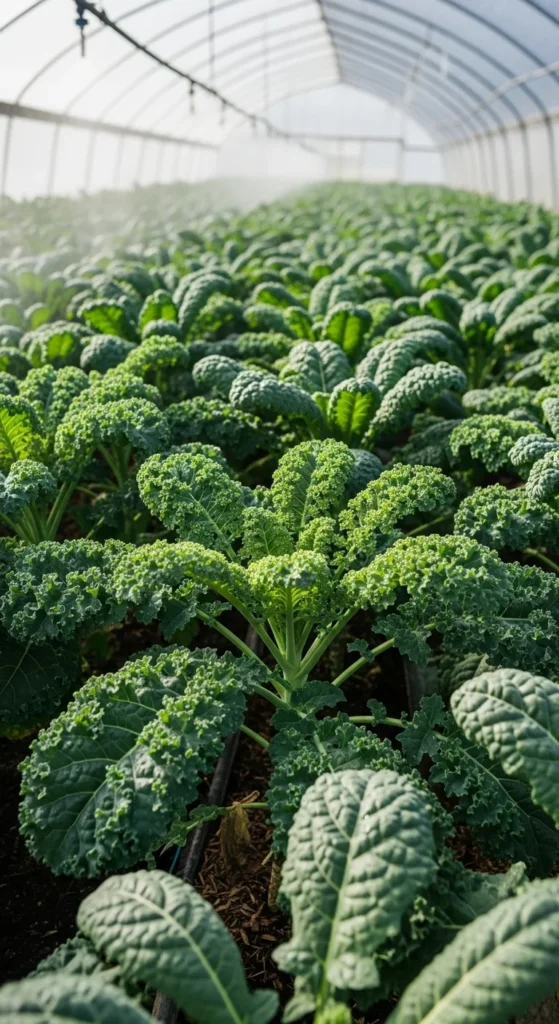
Kale prefers slightly cooler zones. Place pots or beds along the greenhouse edges. Water regularly and trim leaves from the bottom up. Kale grows steadily and handles early-season temperatures well. This makes it a reliable greenhouse crop.
14. Radishes for Fast Turnaround
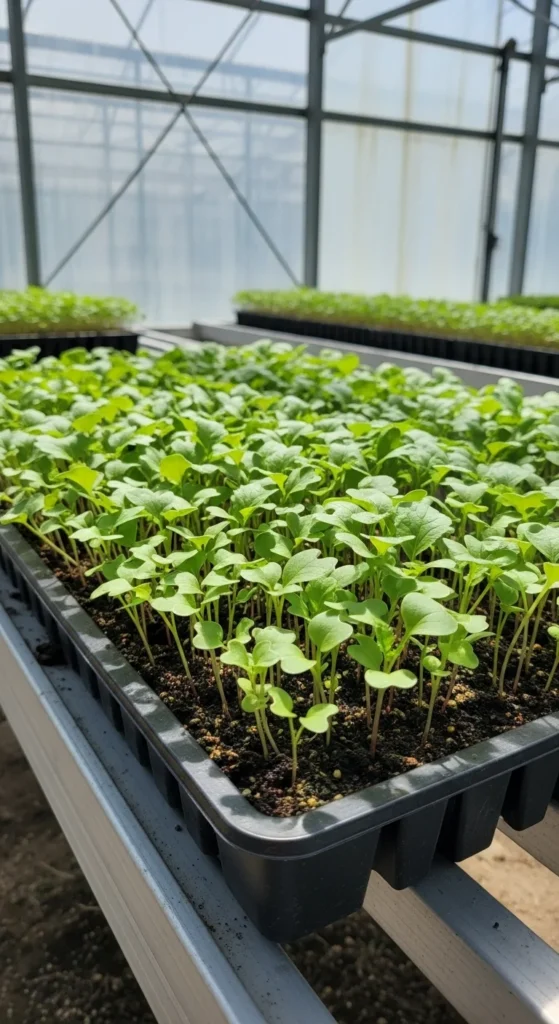
Radishes sprout quickly and mature fast. Sow in shallow trays or beds. Keep soil lightly moist and space seeds generously. Harvest early for tender roots. You can sow multiple batches over the season. Radishes help you make the most of your greenhouse by filling small gaps between larger plants.
15. Cherry Tomatoes on Hanging Lines
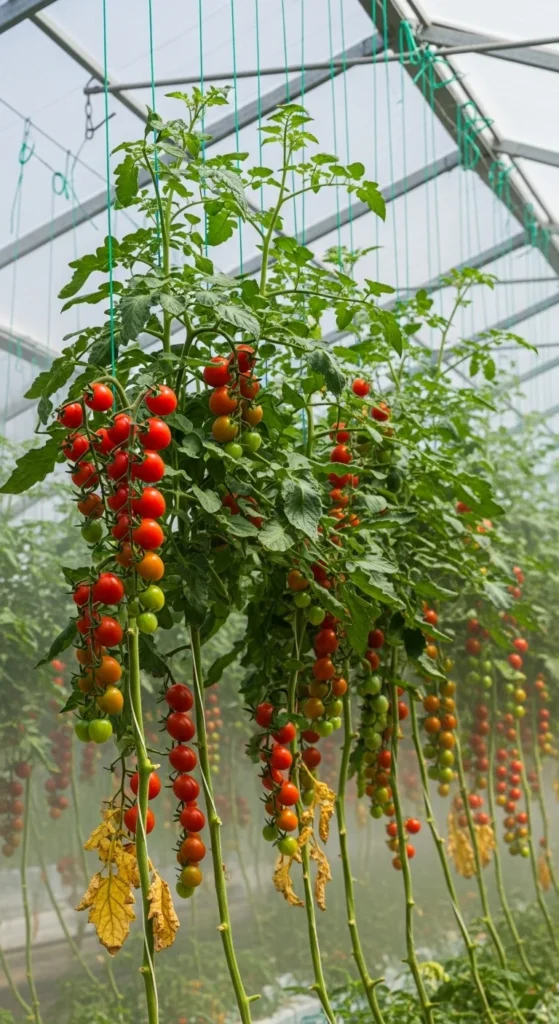
Cherry tomatoes do well on hanging support lines. Tie stems with soft clips as they grow upward. This keeps fruit clusters clean and easy to pick. Use lightweight pots or bags and add compost monthly. This style saves floor space and adds visual interest.
16. Bok Choy in Shaded Beds
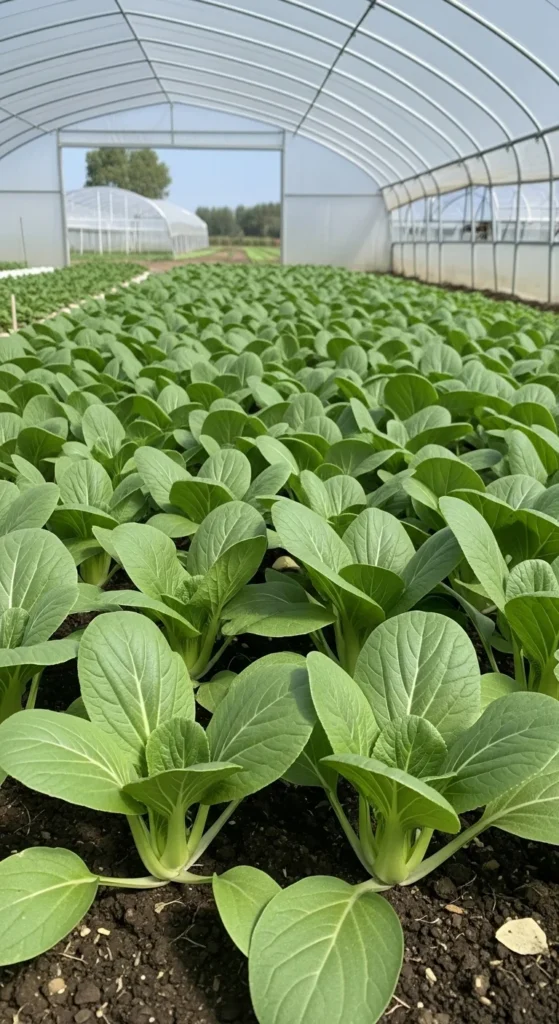
Bok choy thrives in moderate temperatures. Plant in rows and keep soil moist. Provide partial shade using mesh or nearby plants. Harvest outer leaves for stir-fries while letting the center grow. Bok choy fits perfectly in spaces where light fluctuates.
17. Celery in Moist Troughs
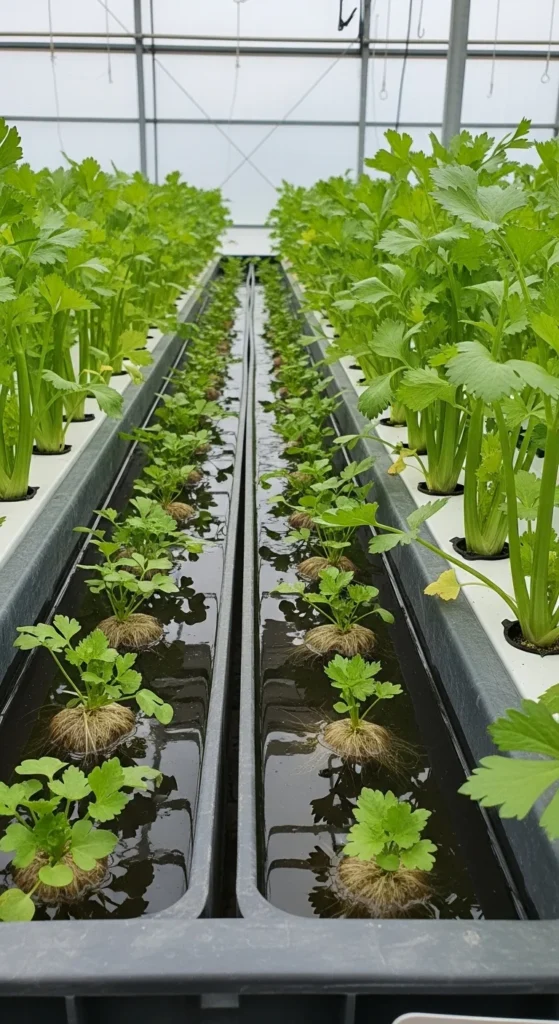
Celery grows best in moist soil. Use long troughs with deep soil. Keep the area damp by using a bottom-watering tray. Celery takes time but rewards you with crisp stalks. Place troughs where they won’t dry out quickly.
18. Peas on String Ladders
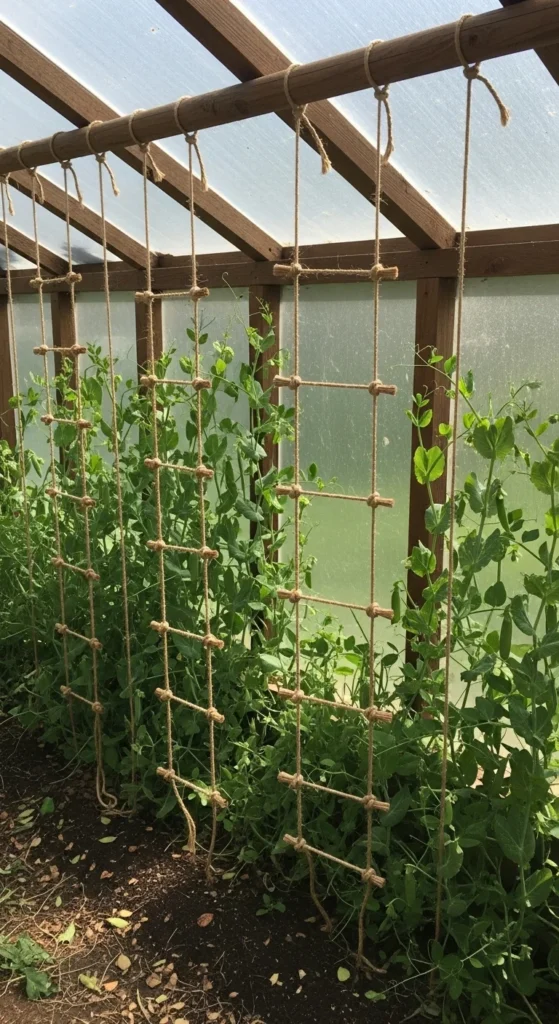
Peas climb easily and love cooler greenhouse temperatures. Create simple string ladders using twine and small stakes. Plant peas at the base and water lightly. As vines grow, wrap them around the strings. This method is cheap and effective. Peas produce early and keep going through cooler months.
19. Swiss Chard for Color
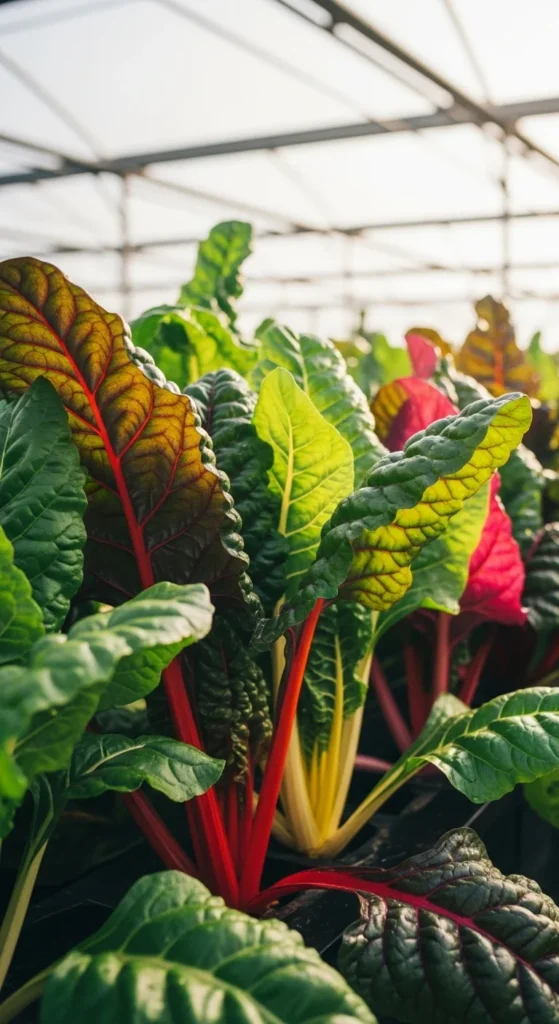
Swiss chard grows well in beds or large tubs. Its colorful stems brighten the greenhouse. Water regularly and trim leaves as needed. Chard tolerates a wide range of temperatures, making it reliable. Plant in clusters to maximize space.
20. Eggplant Near Heat Sources
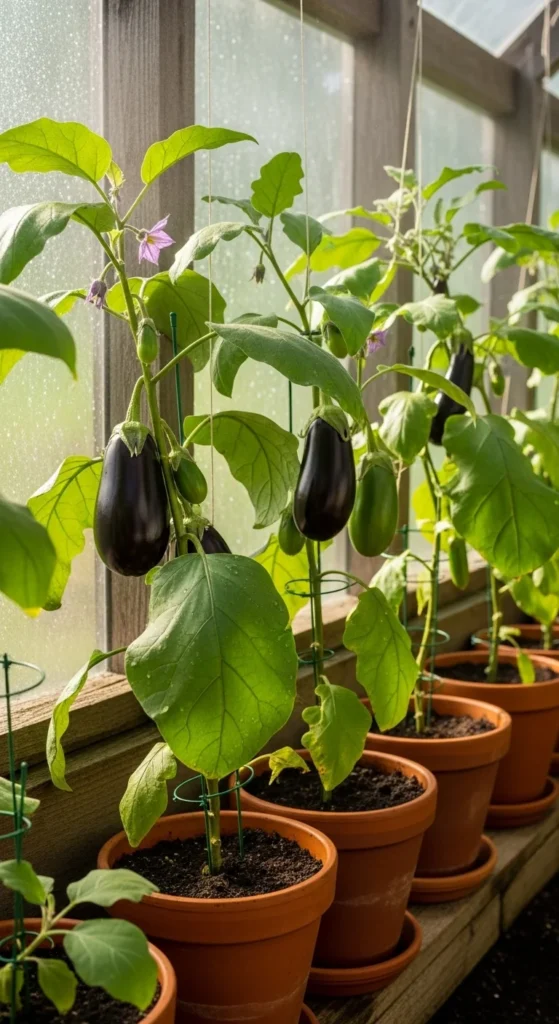
Eggplants like heat, so place them near the warmest greenhouse walls. Use deep pots and give them consistent moisture. Support stems with a small stake. Pick fruit early for tender texture. This crop benefits greatly from greenhouse warmth.
21. Mixed Microgreens on Racks
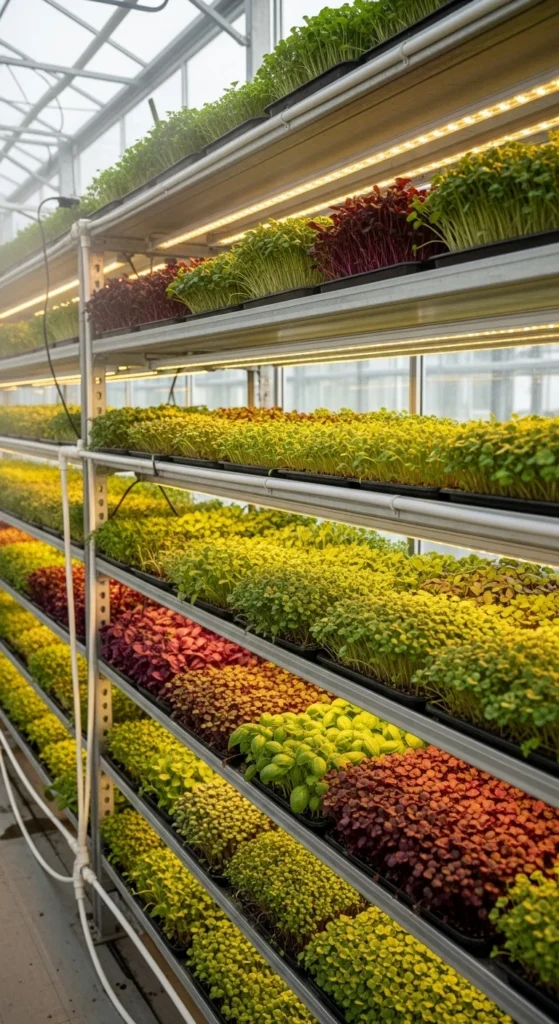
Microgreens grow fast and fit almost anywhere. Use shallow trays on racks or shelves. Sow seeds thickly and mist daily. Harvest within weeks. You can grow multiple varieties at once. This setup makes it easy to add nutrient-rich greens to meals every day.
Conclusion
A well-planned greenhouse makes year-round veggie growing simple and rewarding. With early starts, smart layouts, and compact systems, you can feed your household while keeping plant care manageable. Use these ideas to mix fast-growers with heat-lovers, add vertical supports, rotate crops, and create a productive space that stays active through all seasons. Each step brings you closer to a consistent harvest and a greenhouse that works efficiently for you.
Leave a Reply