

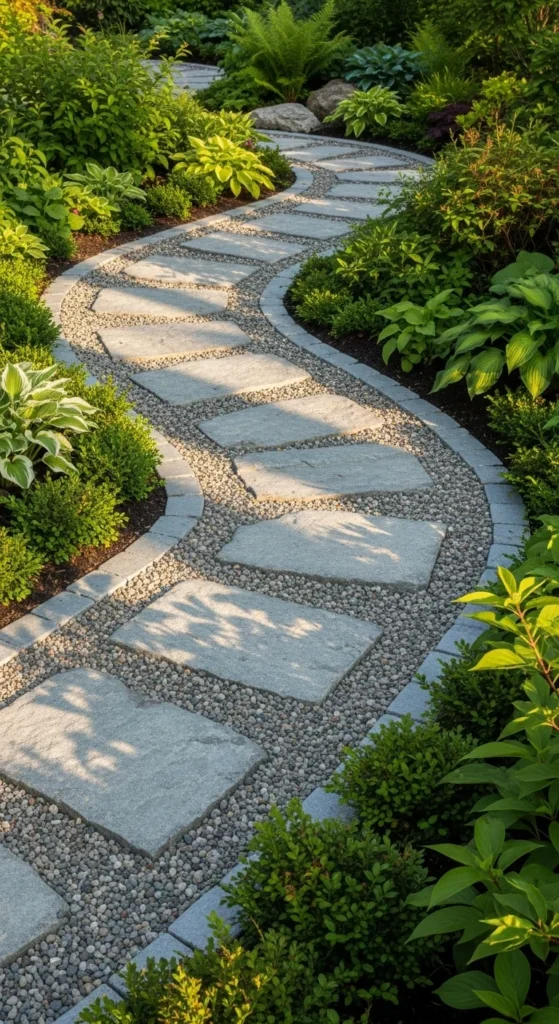
A well-designed garden path guides the eye, sets the mood, and connects different areas of your outdoor space. Whether you prefer rustic stepping stones, clean gravel lanes, or playful curves, paths help shape movement and create structure. These design ideas are simple to apply and work in large gardens, small yards, or narrow walkways. With affordable materials and thoughtful layouts, you can refresh your entire outdoor flow for the New Year.
1. Curved Stone Pathway
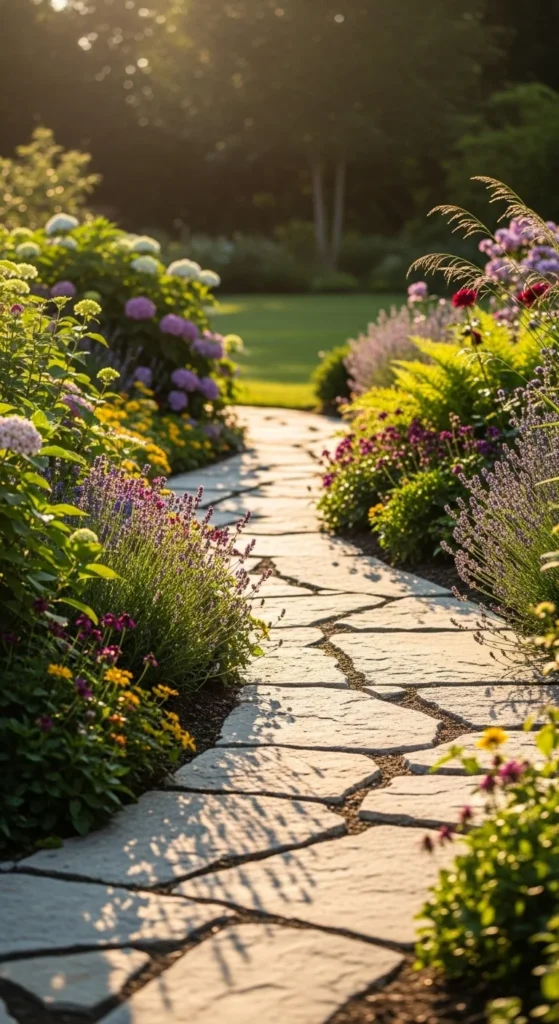
Curved paths bring gentle movement to any garden. Use flat stones or pavers and lay them in a loose, flowing line. This works well for yards with irregular shapes. Keep stones spaced evenly so walking feels natural. If you want a budget option, mix larger stones with gravel filler. Cut plants back along the edges so the curves stay visible. This design helps your view naturally follow the path deeper into the garden.
2. Gravel Walkway With Wood Edging
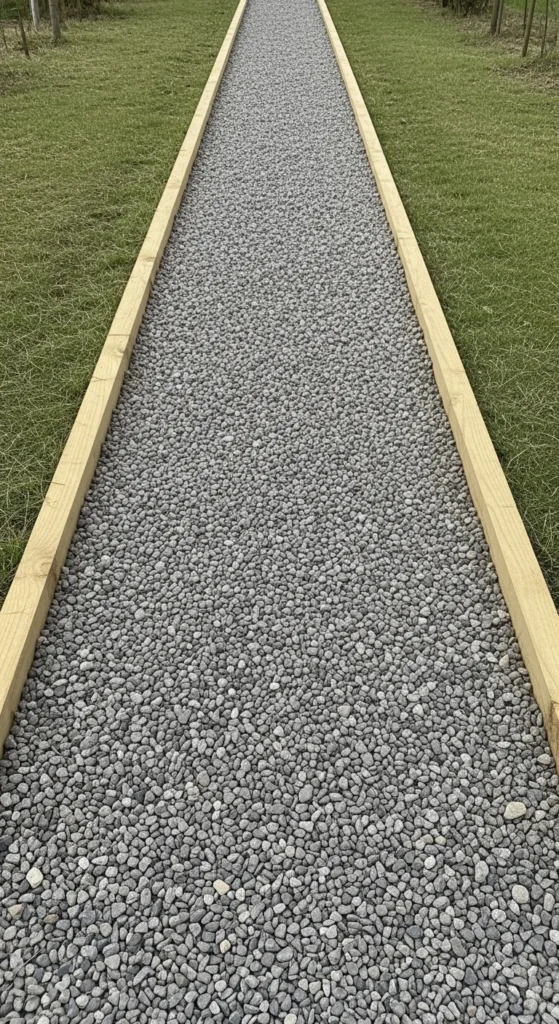
Gravel paths are easy and affordable. Spread a few inches of gravel over weed fabric to keep the walkway tidy. Add wood edging on both sides to keep gravel contained. Choose warm-toned gravel for a natural look. Rake it occasionally to keep it level. This setup works especially well between beds or leading to a vegetable garden.
3. Stepping Stones Through Groundcover
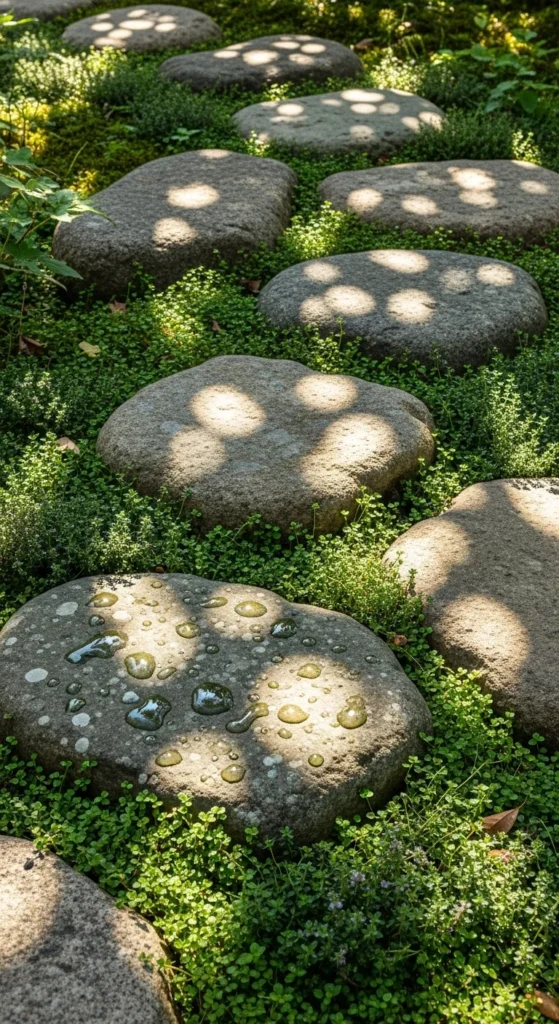
Stepping stones create a relaxed, inviting look. Place them on soil and plant creeping thyme or clover around the edges. These plants fill gaps and soften the design. Keep stones spaced so walking feels comfortable. Use reclaimed stones if you want to save money. This style works beautifully near patios or shady corners.
4. Brick Path With Mossy Joints
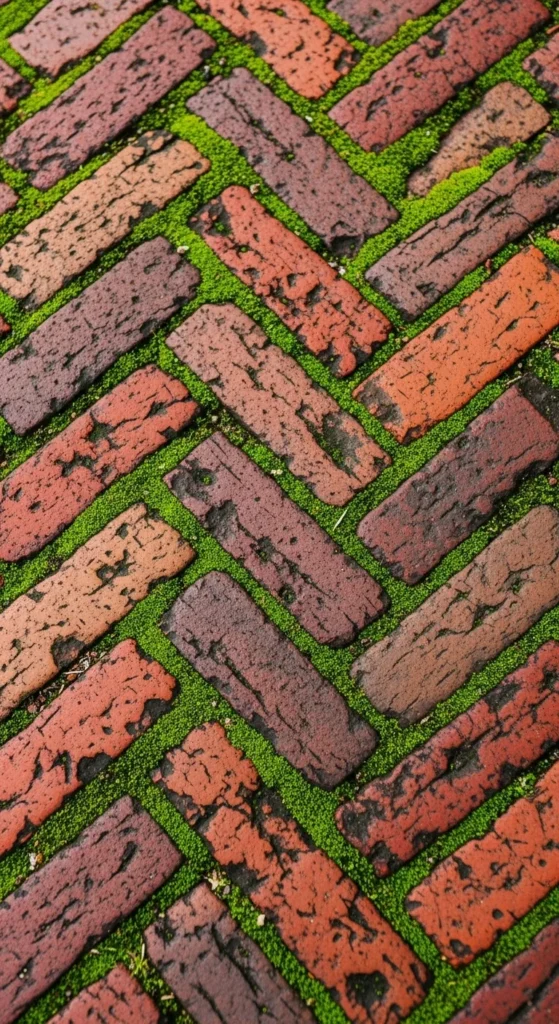
A brick path adds old-world charm. Lay bricks tightly or create a herringbone pattern for extra style. Moss grows naturally in damp, shady areas and adds softness. Brush soil into cracks to encourage moss. This path suits cottage gardens and tree-lined areas. Keep bricks clean with a light scrub when needed.
5. Wood Slice Walkway
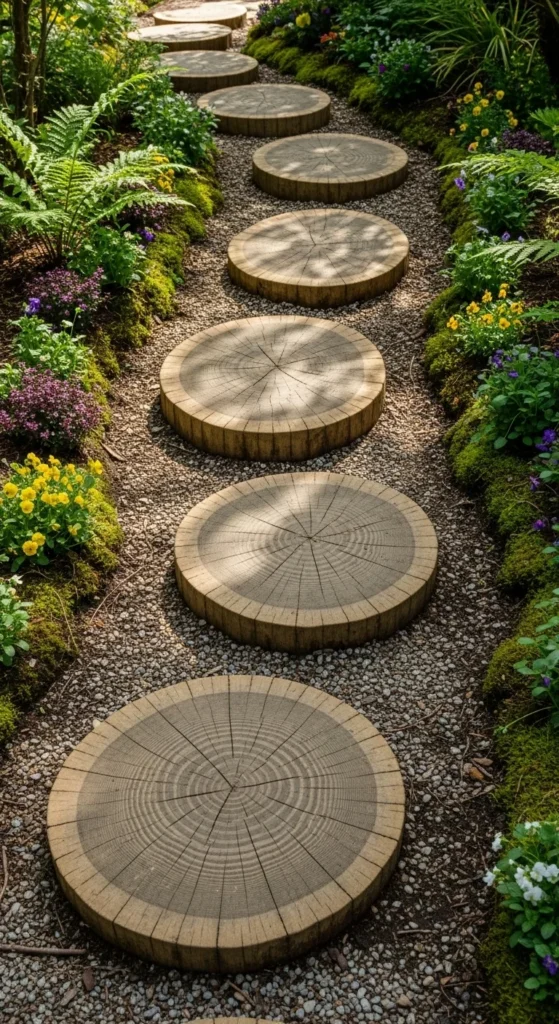
Wood slices create a natural woodland feel. Collect thick logs and cut them into slices. Place them securely into soil or sand so they stay stable. Fill gaps with mulch or gravel. Seal the wood to extend lifespan. This design works well under trees or near play areas. It’s a low-cost, eye-catching option.
6. Straight Modern Paver Path
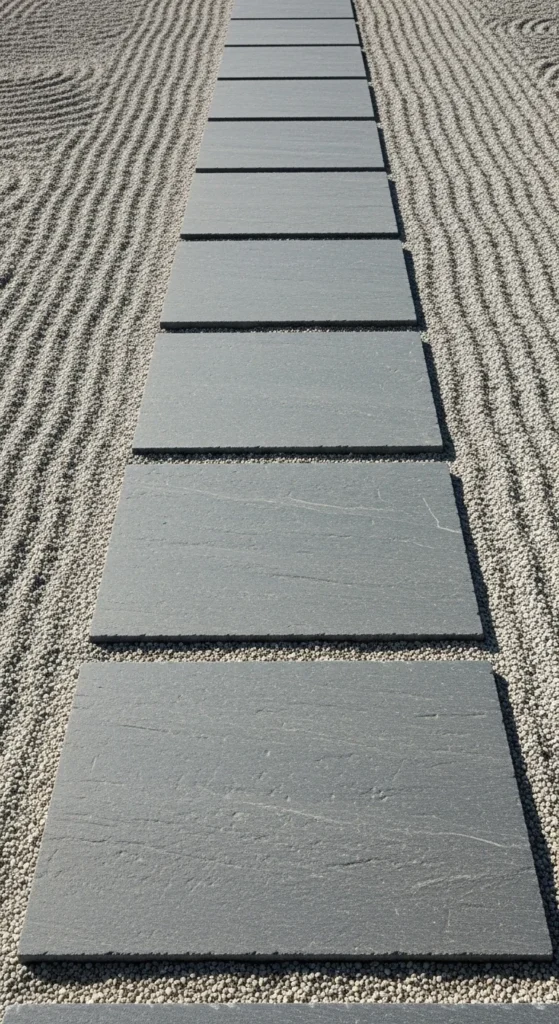
Modern pavers give your garden a clean, minimal look. Use large rectangles and set them evenly with gravel in between. Keep lines sharp for a tidy layout. This path pairs well with contemporary landscaping. Water the gravel lightly after installation to settle everything in place.
7. Crushed Granite Garden Lane
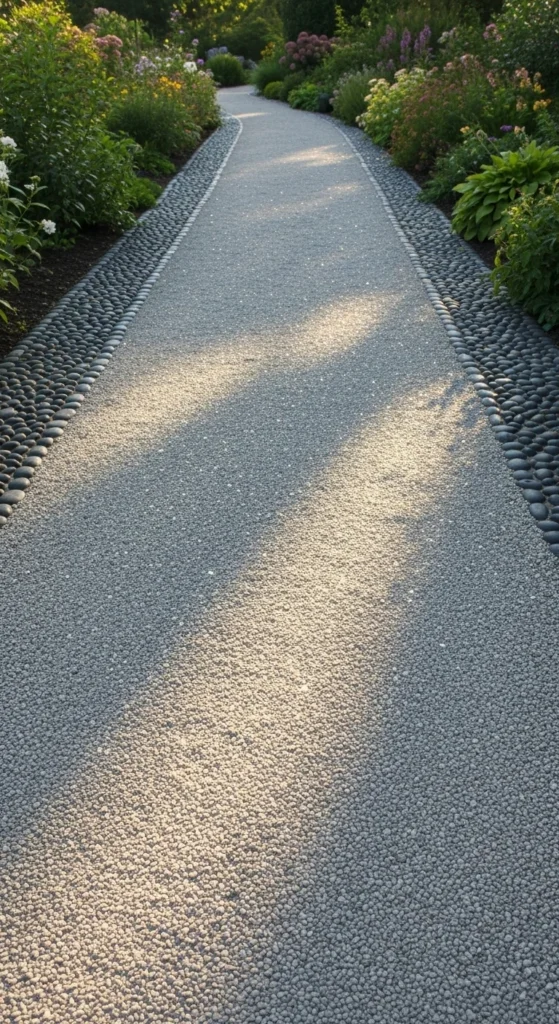
Crushed granite feels firm underfoot and looks refined. Spread it thickly over compacted soil. Add simple metal or stone edging. This material drains well and stays clean even after rain. Ideal for larger paths or main walkways. Rake occasionally to refresh the surface.
8. Mulch Path for Woodland Gardens
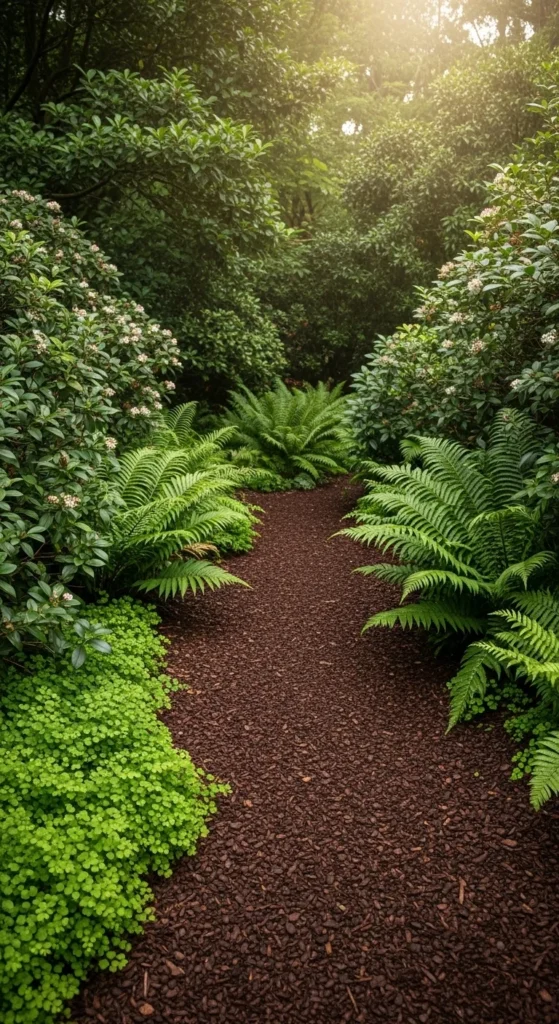
Mulch paths are soft, quiet, and budget-friendly. Spread several inches of bark mulch and refresh yearly. Use logs, branches, or stones as edging. Mulch suits shady gardens, forest-style beds, or natural areas. It’s easy to install with basic tools. Keep weeds down by adding a layer of cardboard below.
9. Stone Pavers With Grass Strips
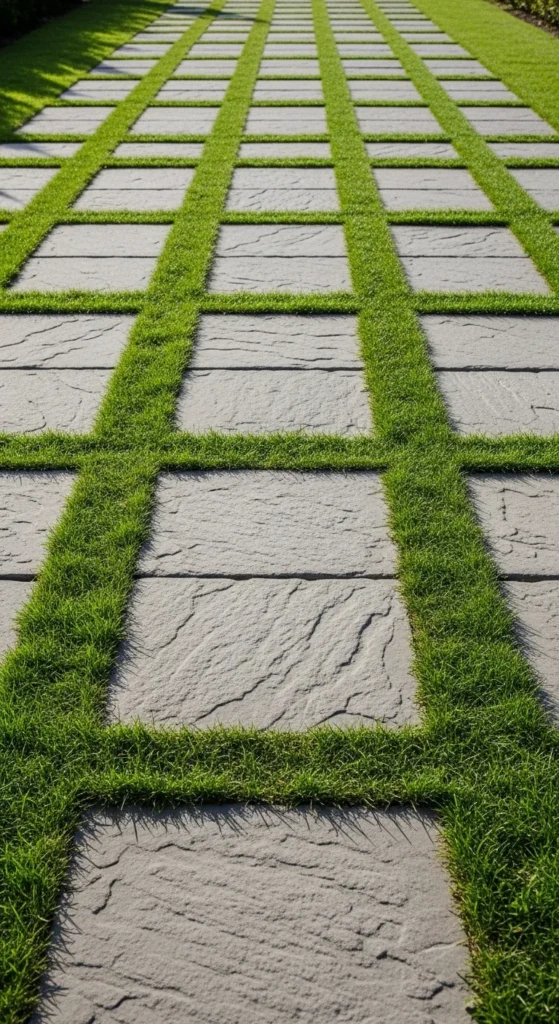
This layout mixes hardscape with greenery. Space large pavers apart and grow grass or low groundcover between them. Keep lines straight for a geometric effect. Water the grass strips regularly until established. This path works beautifully for front yards or patios.
10. Pebble Mosaic Accent Section
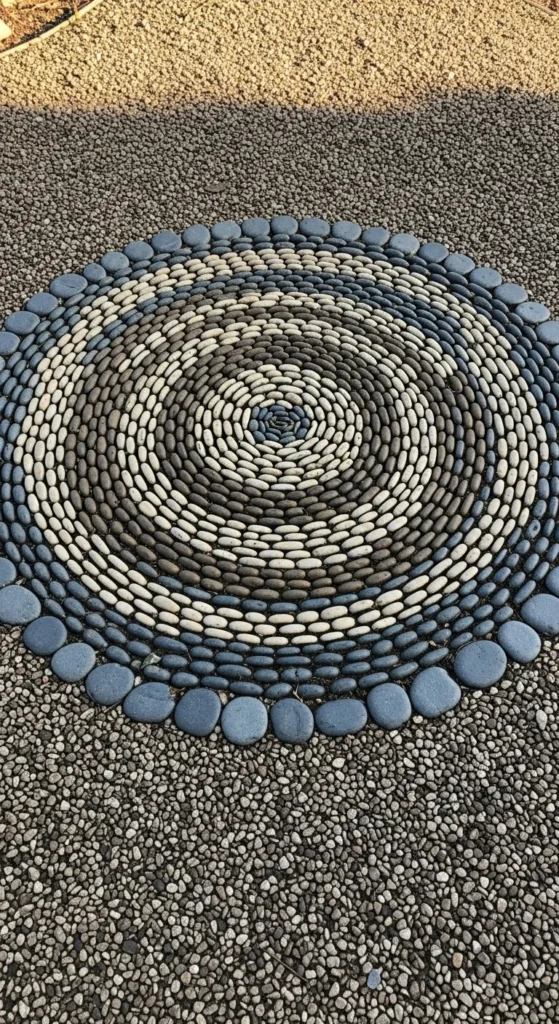
Pebble mosaics create an artistic focal point. Lay pebbles in patterns inside a mortar base. Use natural colors for a subtle look. Place the mosaic at a path intersection or entrance. You can start with a small circle to keep it budget-friendly. This adds a handcrafted touch to your path.
11. Railroad Tie Steps With Gravel
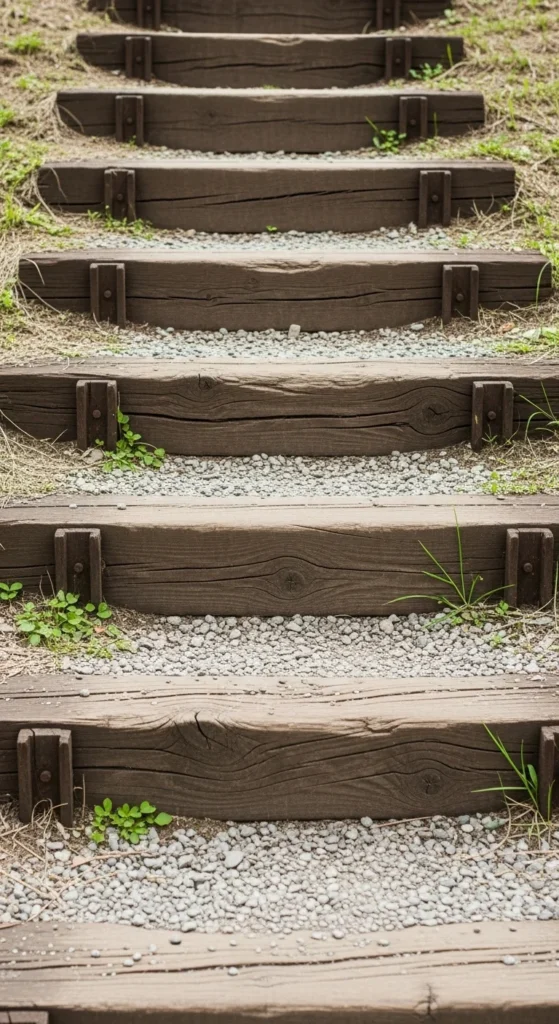
Railroad ties make great risers for sloped paths. Place ties horizontally and fill the center with gravel. This design handles uneven ground well. Seal the wood for longevity. It’s a sturdy, rustic option for hillside gardens or sloping yards.
12. Zigzag Path for Narrow Spaces
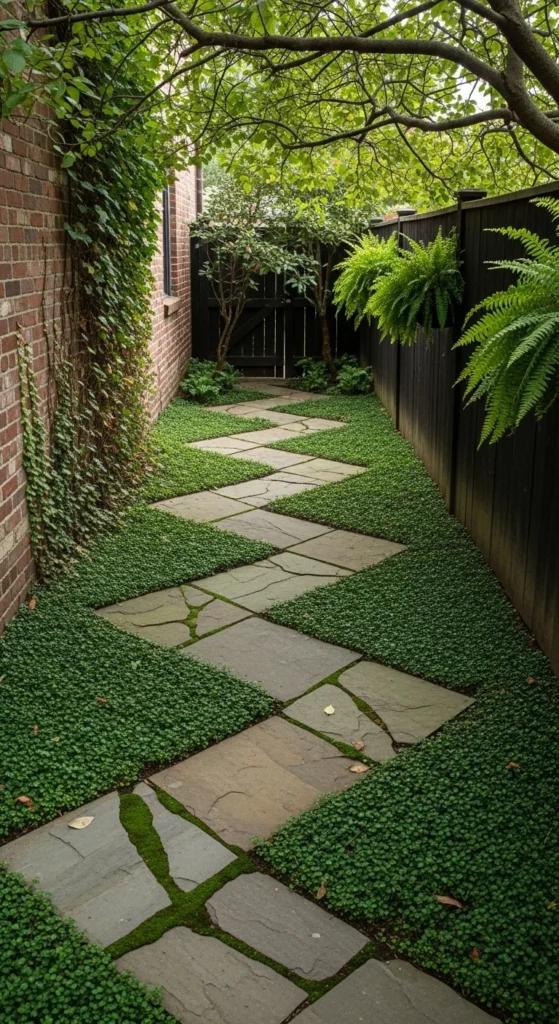
A zigzag path works well in tight areas. Use small pavers or cut stone pieces. Keep angles sharp for style. This layout visually widens narrow spaces and creates interest. Add slim plants along the corners for softness. Cheap concrete pavers work great for this design.
13. Bamboo-Edged Pathway
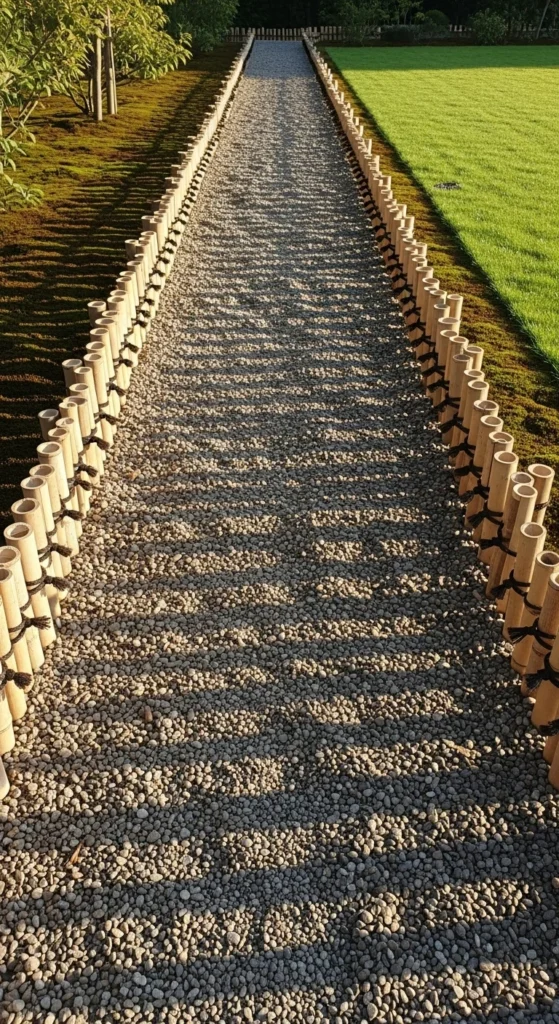
Bamboo edging adds a natural frame to a simple path. Cut bamboo into short pieces and secure them along both sides. Pair with gravel or mulch. This approach suits Asian-inspired gardens or minimalist yards. It’s also inexpensive if you source bamboo locally.
14. Flagstone Path With Loose Spacing
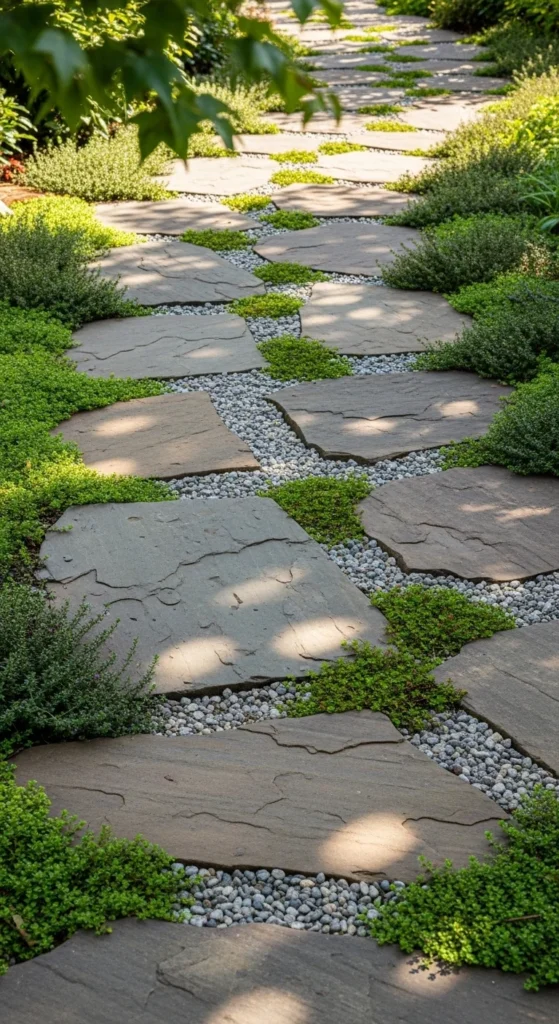
Flagstones create an organic, relaxed look. Leave gaps between stones and fill them with gravel or groundcover. Place larger stones first, then smaller ones. This path fits well in informal gardens. Use local stone to reduce cost.
15. Mixed-Material Patchwork Path
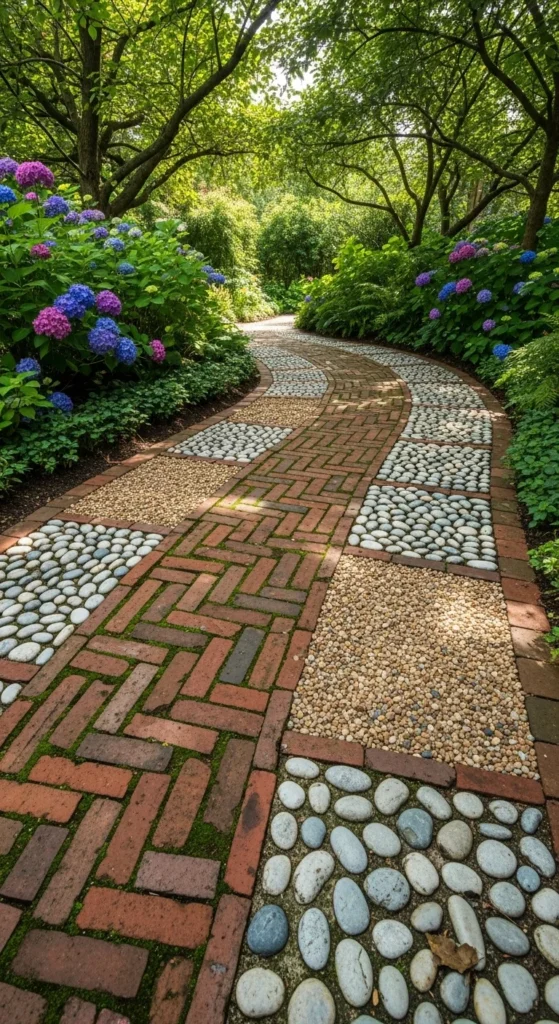
Mixing materials creates visual interest without needing a full overhaul. Use leftover bricks, stones, or pavers. Arrange them in sections along a winding path. Add gravel or mulch between transitions. This is a great way to use scrap materials and create a unique walkway.
16. Lantern-Lined Evening Path
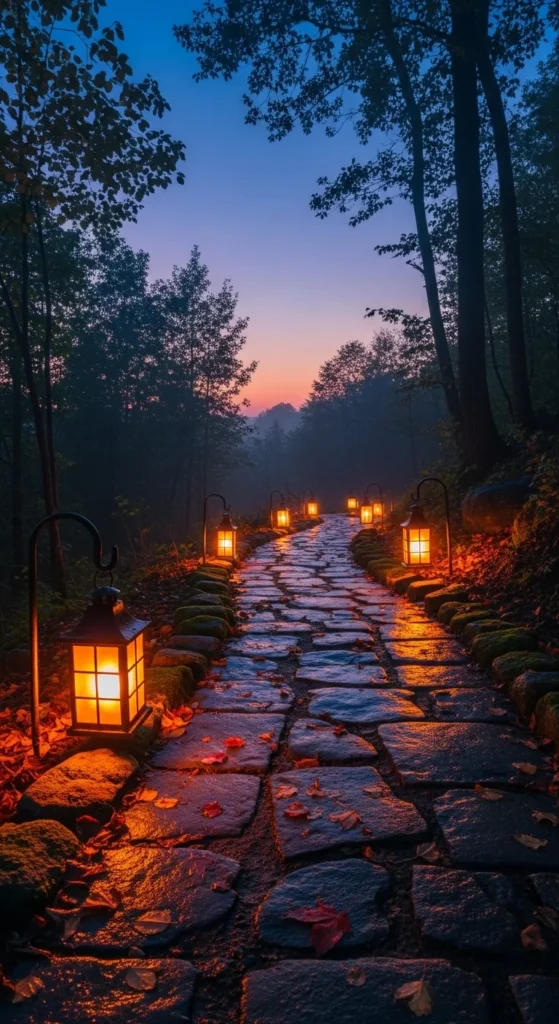
Light changes the entire feel of a path. Use solar lanterns or small LED stakes. Place them evenly along the edges. This helps guide movement at night and adds ambiance. You don’t need fancy fixtures—simple lanterns work just as well. Keep wiring minimal or choose solar for easy setup.
17. Raised Timber Walkway
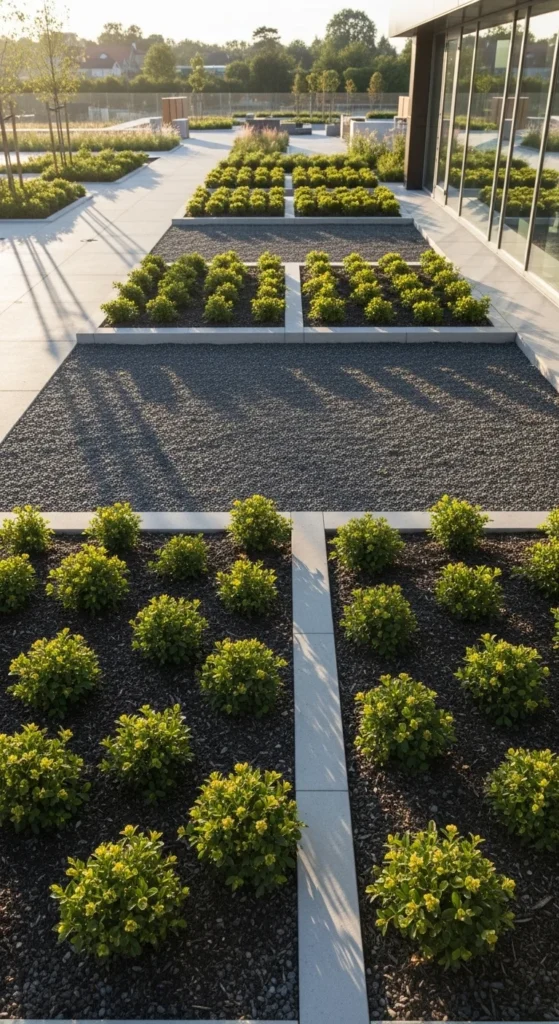
Raised timber paths work well in damp or uneven areas. Build a simple frame and lay wooden planks on top. Treat the wood to extend lifespan. This design keeps feet dry and looks stylish. Add plants underneath for a layered effect.
18. Decomposed Granite Path With Steel Edging
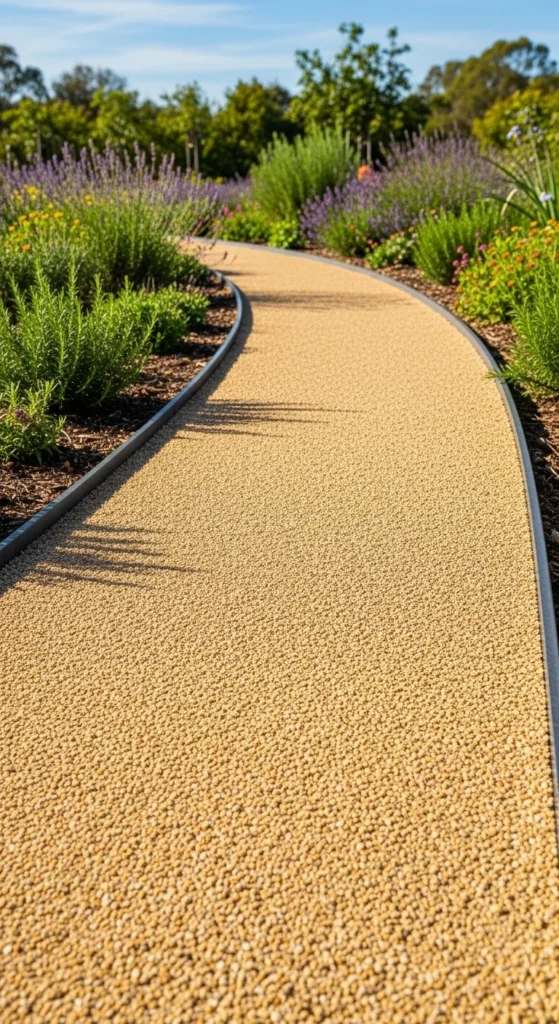
Steel edging gives a modern finish to loose materials. Install steel strips along both sides, then fill the center with decomposed granite. Compact it lightly. This is great for clean, structured gardens. Steel lasts long and keeps lines sharp.
19. Cottage-Style Flower-Framed Path
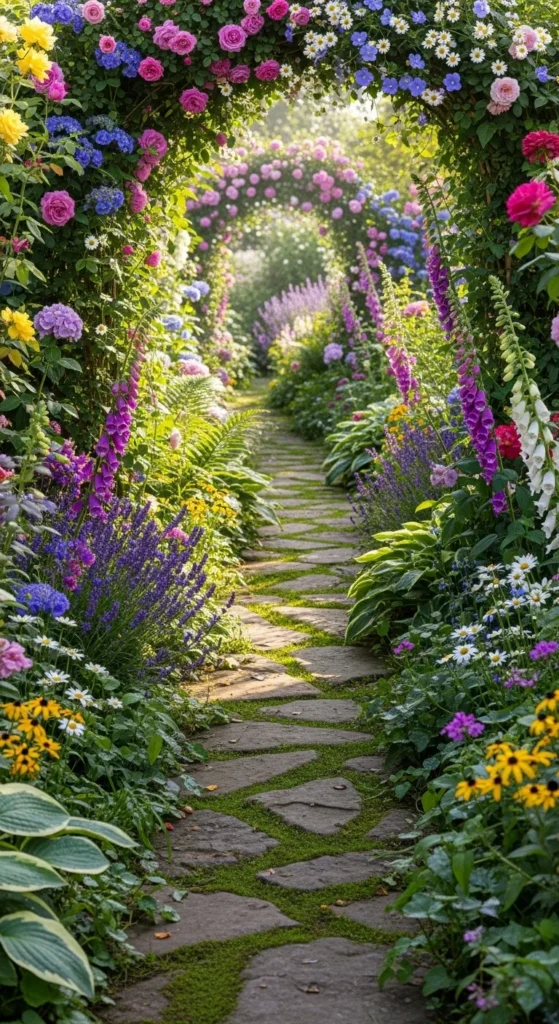
A flower-framed path creates charm and color. Plant low blooms like alyssum, dianthus, or lavender along both sides. Keep the path narrow so flowers frame it nicely. Refresh mulch or gravel yearly. This suits cottage, romantic, or farmhouse-style gardens.
20. Moss Path in Shaded Corners
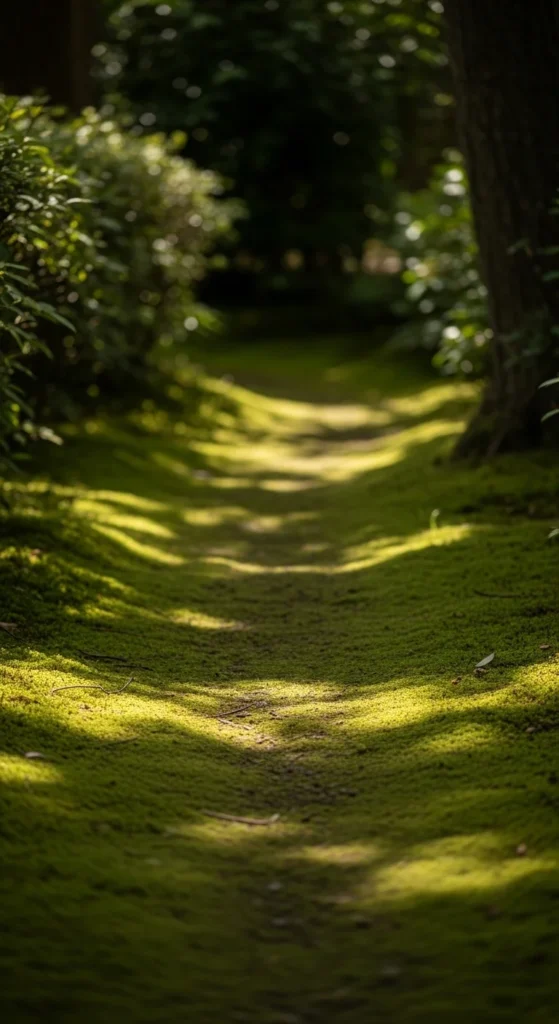
Moss paths thrive in shady, moist areas. Clear the soil, level it, and plant moss sheets or patches. Keep them moist until they settle. Moss needs little care and feels soft underfoot. This path brings calm energy to quiet corners.
21. Brick-Stepping Pattern Walkway
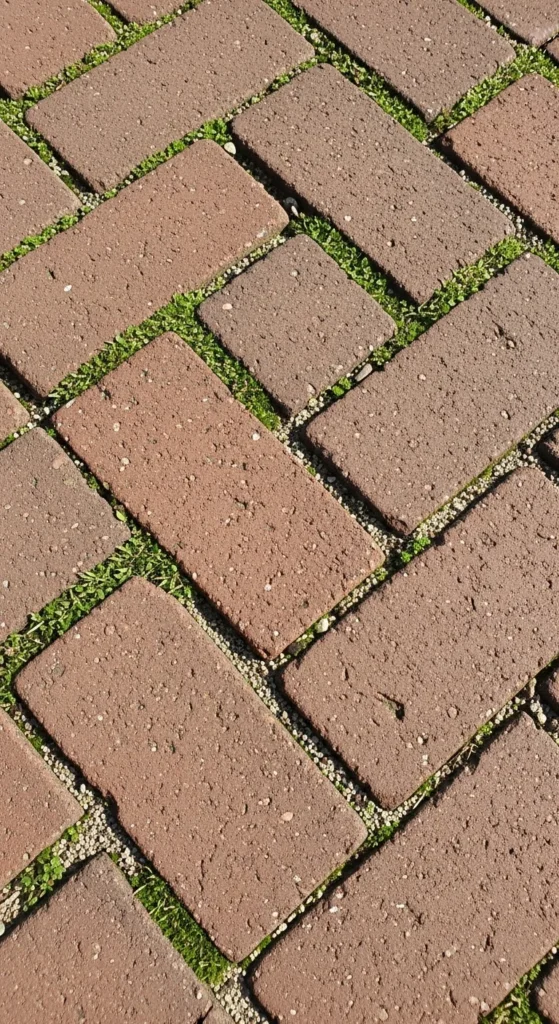
Instead of a full brick layout, use spaced stepping bricks. This reduces material costs while still creating structure. Fill gaps with sand or small gravel. Great for semi-formal gardens and smaller yards. Keep the bricks level for safe walking.
22. River Rock Ribbon Path
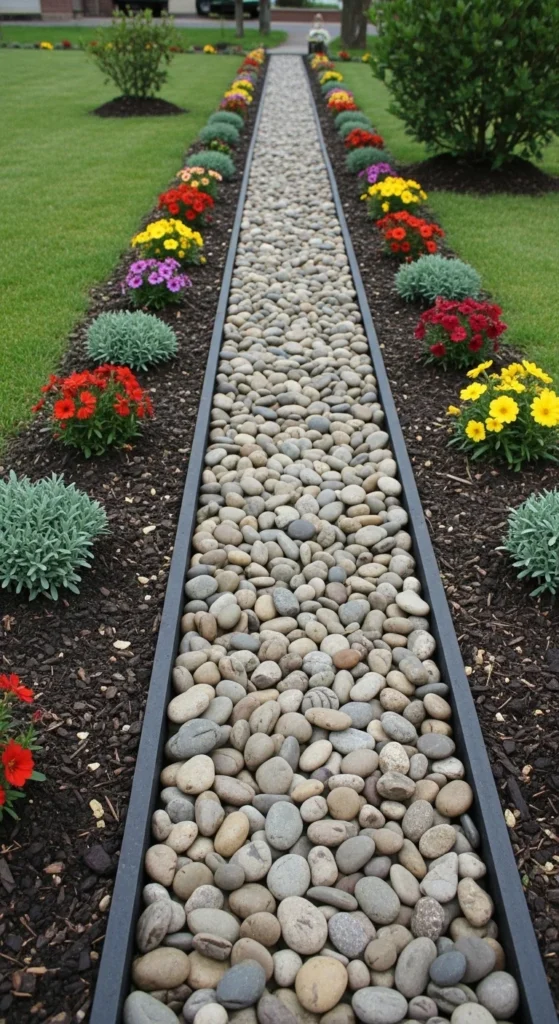
River rocks create a flowing, soft line through the garden. Dig a shallow trench, fill with rocks, and smooth the top. This acts as both a path and a visual guide. It pairs nicely with ferns, hostas, and ornamental grasses. It’s also very low maintenance.
23. Stepping Pads in Lawn
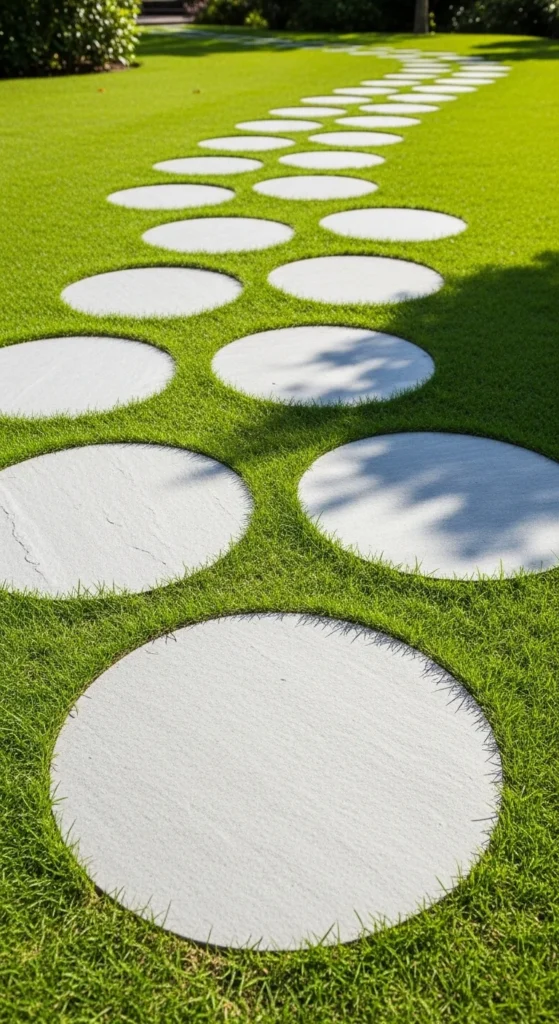
Large stepping pads give structure to open lawn areas. Set them level with the grass so mowing stays easy. Choose circular or square pads for a crisp look. Space them evenly. This is perfect for connecting patios, sheds, or seating areas.
24. Split-Stone Rustic Trail
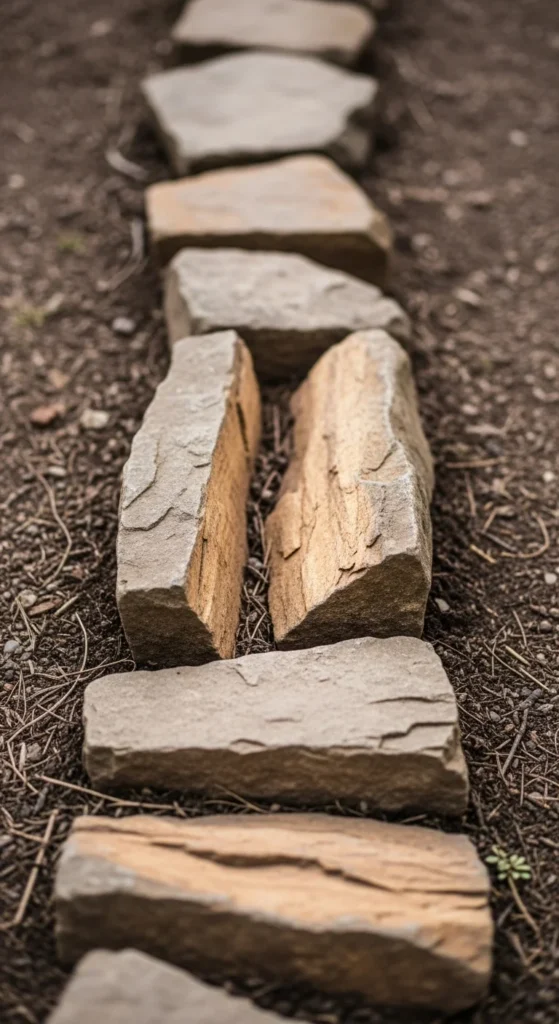
Split stones give a rustic, natural feel. Arrange them loosely along a soil path. Keep shapes irregular. Add mulch or leaves along edges. This design blends well with trees, shrubs, and natural landscapes. It’s great for woodland gardens or relaxed backyard spaces.
Conclusion
Redesigning a garden path reshapes how you move through your outdoor space. With simple materials like gravel, stone, mulch, wood, or moss, you can guide the view, improve flow, and highlight your favorite areas. Use these ideas to mix styles, adjust shapes, or refresh worn-out walkways. Even small changes can create a completely new experience each time you step outside.
Leave a Reply