

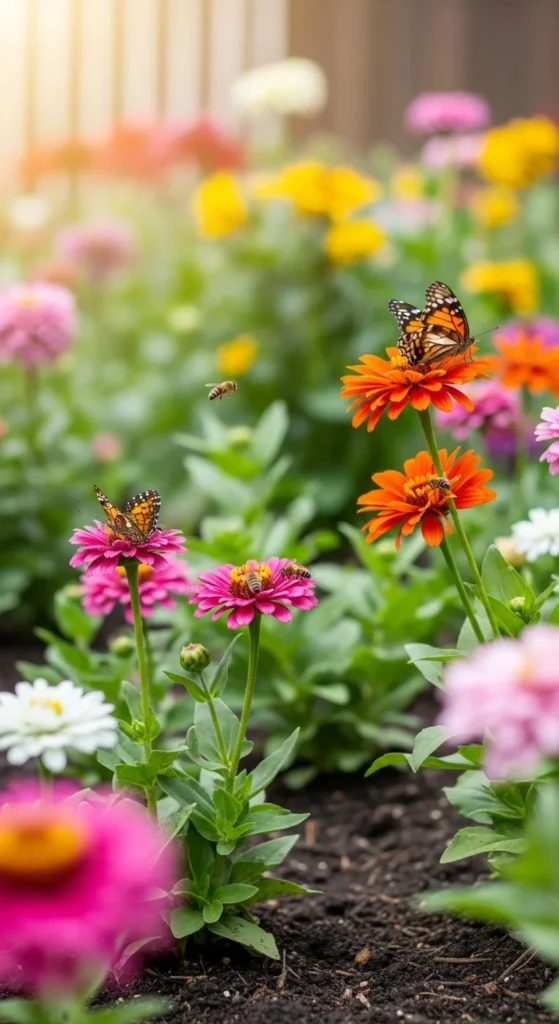
Pollinator gardens help create a lively, balanced outdoor space where plants and wildlife thrive together. By choosing the right flowers, adding water spots, and offering simple shelter, you support bees, butterflies, and other helpful insects. These setups are easy to build, affordable, and suitable for small yards, balconies, or large landscapes. With a few practical steps, you can create a space that supports nature while helping your plants grow better.
1. Native Flower Bed Setup
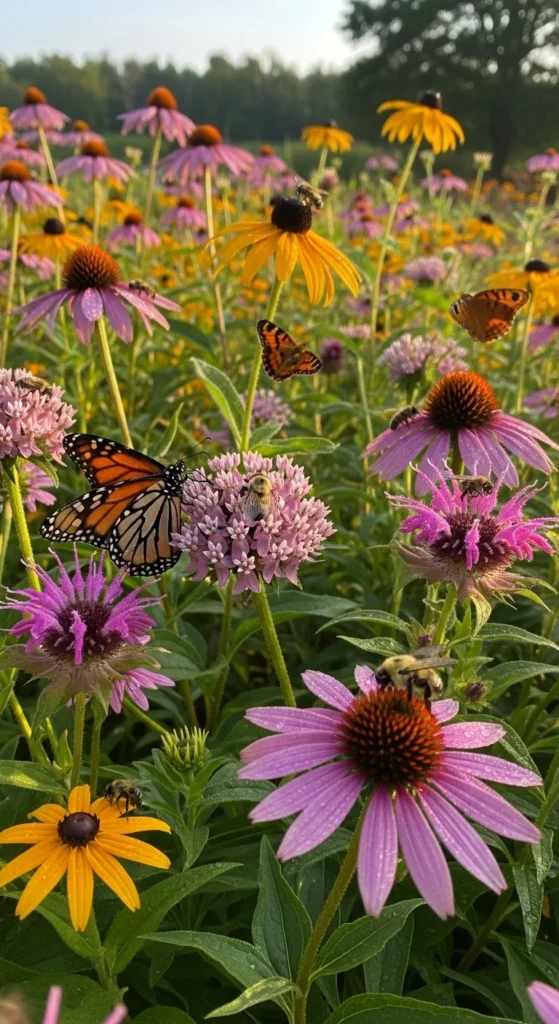
Native flowers attract local pollinators quickly because they’re familiar food sources. Start with simple options like coneflowers, asters, or black-eyed Susans. Mix colors and heights to give insects easy landing spots. If you’re on a budget, buy seed packets instead of plants. Clear a small patch, rake lightly, and scatter seeds evenly. Water gently until sprouts appear. Native plants often handle weather changes better, making them low effort long term. Add a small border using stones or bricks to keep the area tidy. This creates a welcoming space for bees and butterflies without needing constant care.
2. Herb Patch for Bees & Butterflies
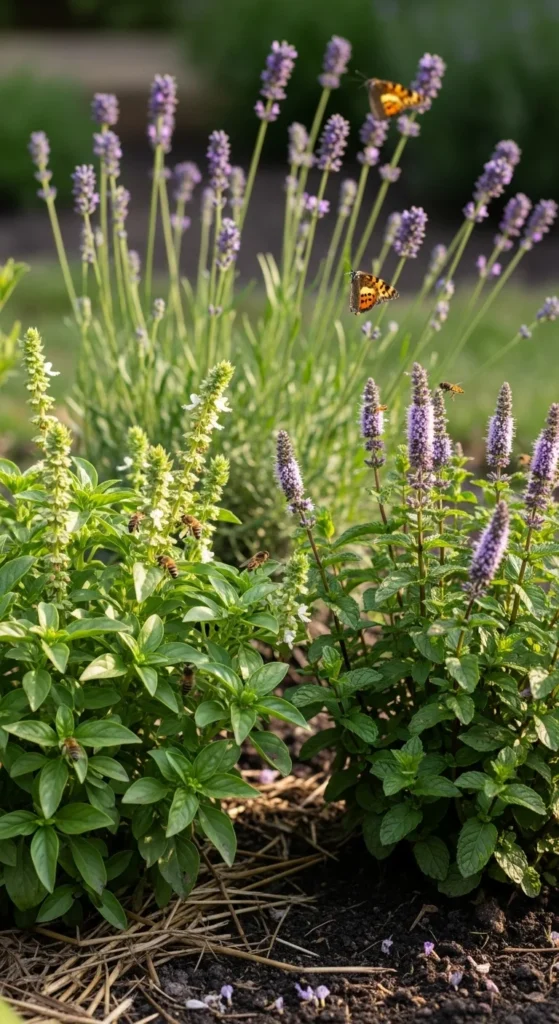
Herbs are simple to grow and offer long-lasting blooms. Lavender, basil, mint, dill, and oregano attract bees and beneficial insects. Plant them close together so pollinators move from one bloom to the next easily. Trim herbs often to encourage new flowers. If you’re saving money, start from seeds or cuttings. Place herbs near your door or walkway so you can enjoy the scent too. Keep soil loose and water lightly. This small patch provides food for pollinators while giving you fresh ingredients.
3. Color-Themed Pollinator Strip
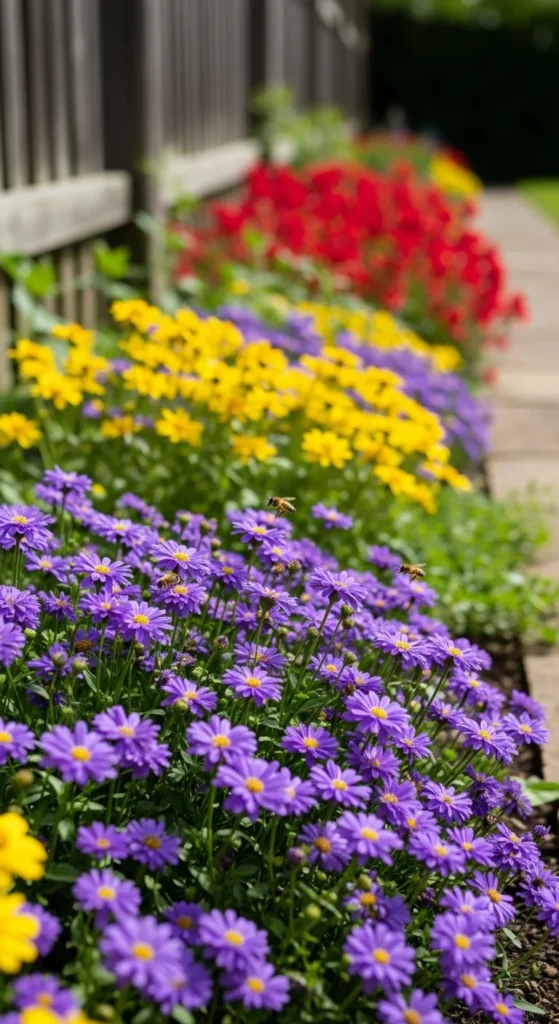
A narrow color strip draws pollinators from far away. Choose flowers in bold shades like red zinnias, yellow marigolds, or purple salvias. Plant them in a straight line along fences or pathways so insects can travel smoothly. This works well in small yards where space is limited. Buy mixed seed blends for a low-cost approach. Keep the soil soft and remove weeds so flowers stay healthy. This simple strip adds color and activity to your garden.
4. Bee-Friendly Water Dish
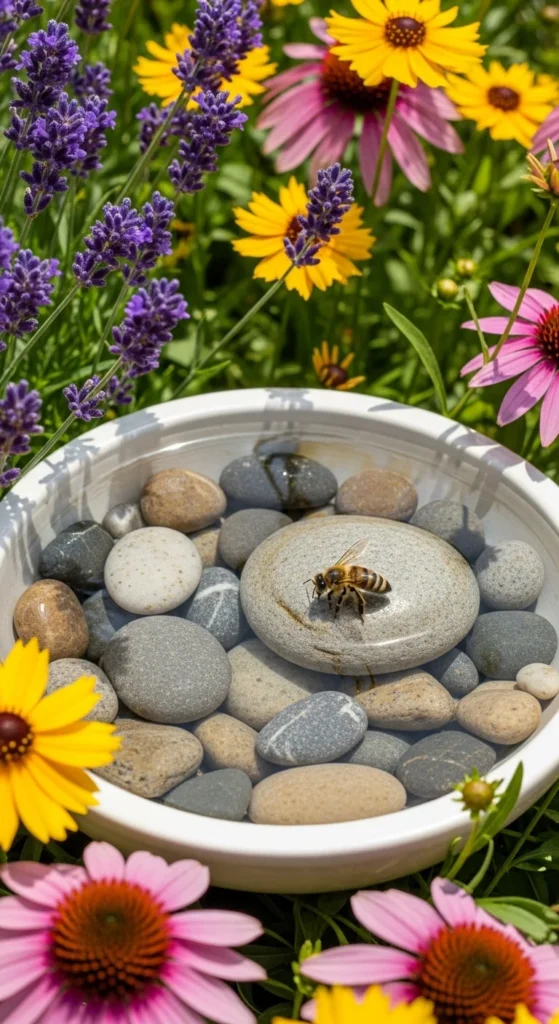
Pollinators need water but can’t land on deep surfaces. Use a shallow dish filled with stones so bees can perch safely. Refill it often, especially during warm days. Place the dish near blooms so insects find it easily. You can repurpose old saucers or small plates. This is one of the simplest additions to a pollinator garden and takes only minutes to set up.
5. Flowering Shrub Corner
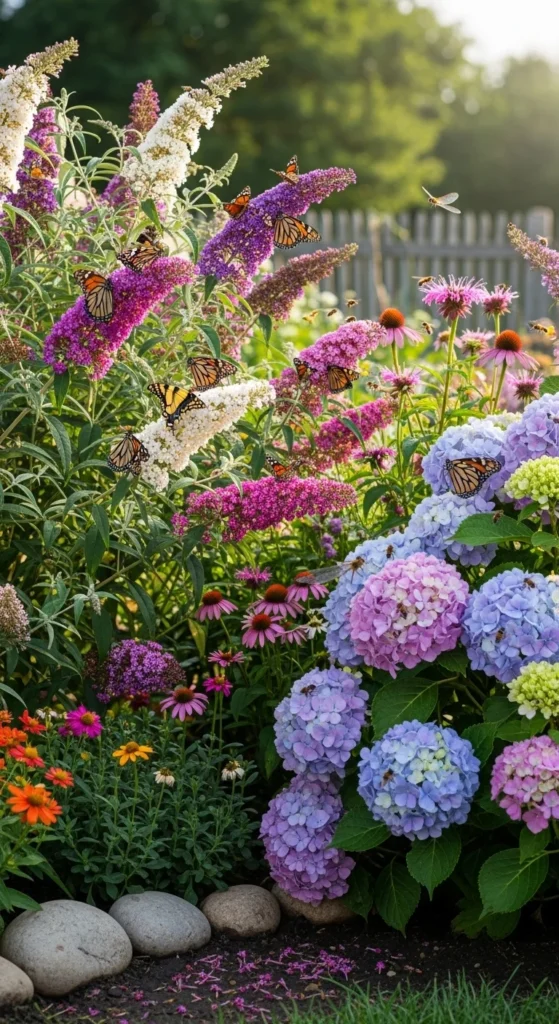
Flowering shrubs provide long-lasting clusters of blooms. Add shrubs like butterfly bush, spirea, or hydrangea in one corner. They offer food and shelter at the same time. Space them so air flows well and trim any dry branches. Shrubs are great for gardeners who want color without frequent replanting. Water deeply once a week to keep roots strong. Pollinators love large blossom clusters for easy feeding.
6. Balcony Pollinator Planter Box
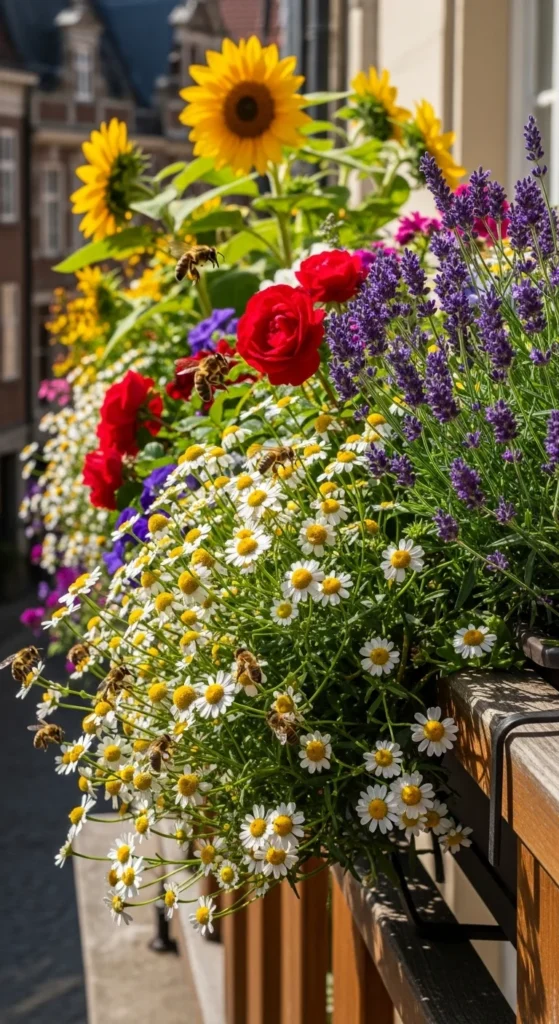
Even small balconies can host pollinator-friendly plants. Fill a long planter with blooms like alyssum, calendula, or dwarf sunflowers. Keep the box in a sunny spot and water regularly. Add a small water station nearby. If budget is tight, use recycled wood or plastic containers. Pollinators will find your balcony quickly once flowers open.
7. Wildflower Mini Meadow
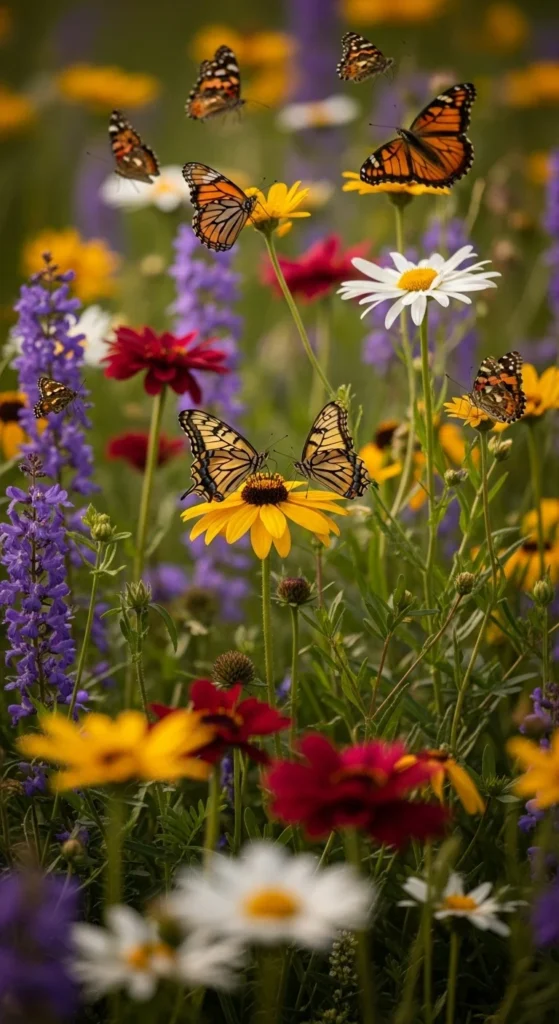
A meadow patch is low-effort and full of life. Use wildflower seed mixes suited to your area. Clear a small space, sprinkle seeds, and water lightly. Let plants grow naturally without trimming too much. This creates a habitat for bees, butterflies, and small insects. It’s also great for kids who love exploring. Wildflowers grow with minimal fuss and fill empty garden spots beautifully.
8. Butterfly Host-Plant Area
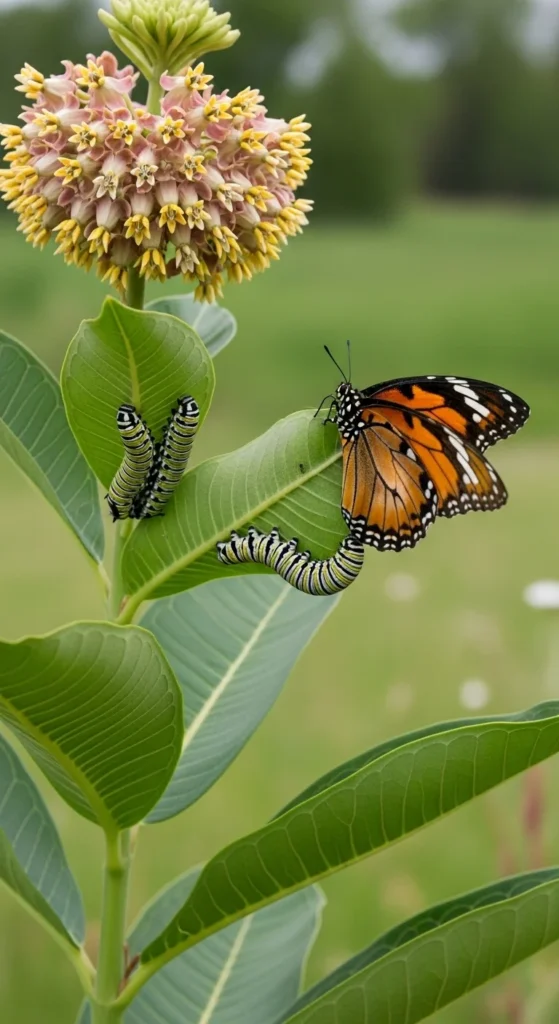
Butterflies need plants for both feeding and laying eggs. Add milkweed for monarchs, parsley and dill for swallowtails, or violets for fritillaries. Plant host plants close to nectar flowers. Avoid spraying chemicals so caterpillars stay safe. Keep soil moist during early growth. Watching the life cycle unfold makes this area exciting for the whole family.
9. Bee Hotel Wall
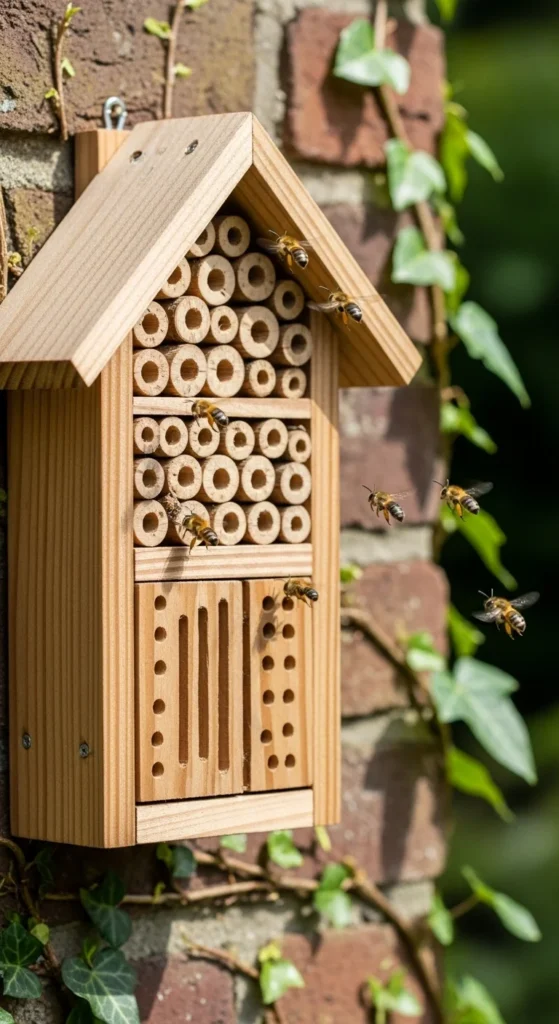
Solitary bees love simple shelters. Mount a bee hotel on a sunny wall. Choose one with hollow tubes or make your own using bamboo pieces bundled tightly. Keep it dry and elevated. Pollinators will use these holes to rest or nest during the season. Add flowering plants nearby to make the space more inviting.
10. Succession-Bloom Layout
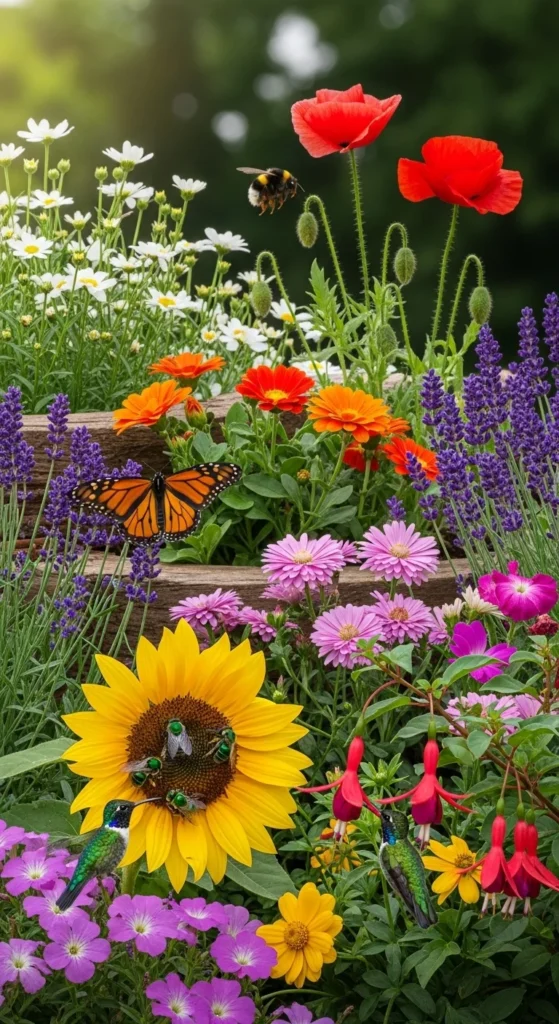
Plant flowers that bloom at different times so pollinators always have food. Choose early bloomers like crocus, mid-season flowers like salvia, and late bloomers like asters. Place them close together but not overcrowded. This steady supply keeps bees and butterflies returning for months. It also adds variety and color to your space.
11. Fruit Tree Underplanting
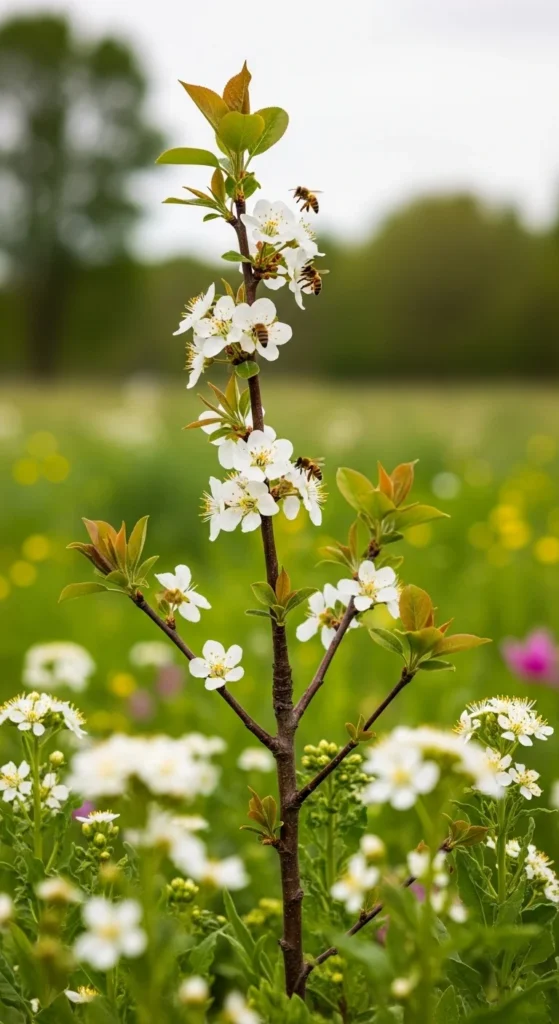
Grow flowers at the base of fruit trees. Use low-growing blooms like thyme, chamomile, or clover. These attract pollinators to the blossoms above. Keep the soil loose and avoid piling mulch against the trunk. This setup helps both the tree and visiting insects.
12. Pollinator-Friendly Raised Bed
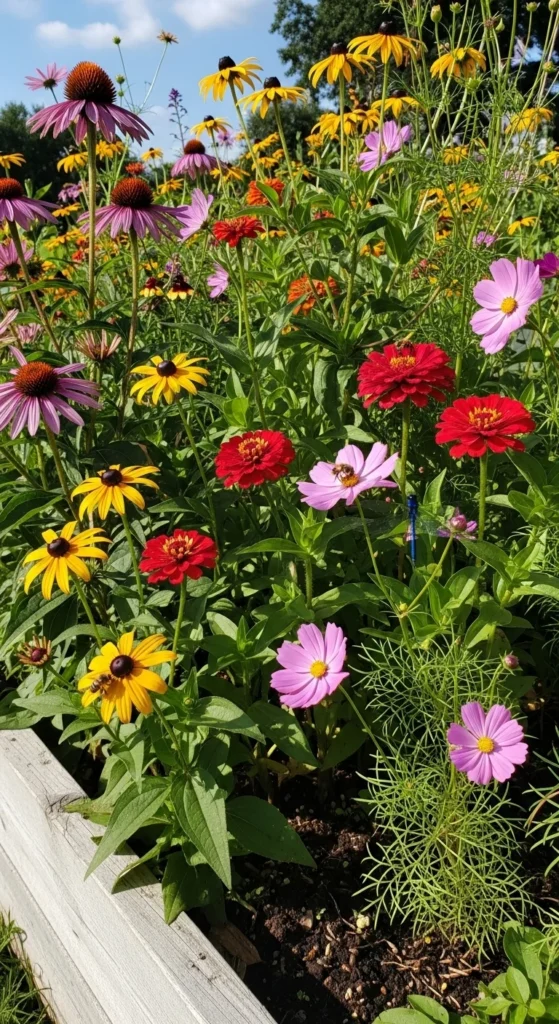
Raised beds offer structure and easy access. Fill one bed with pollinator favorites like cosmos, borage, and zinnias. Water deeply and refresh soil with compost each season. Raised beds warm quickly, so flowers bloom sooner. This creates a concentrated feeding zone for pollinators.
13. Evening-Bloomer Spot
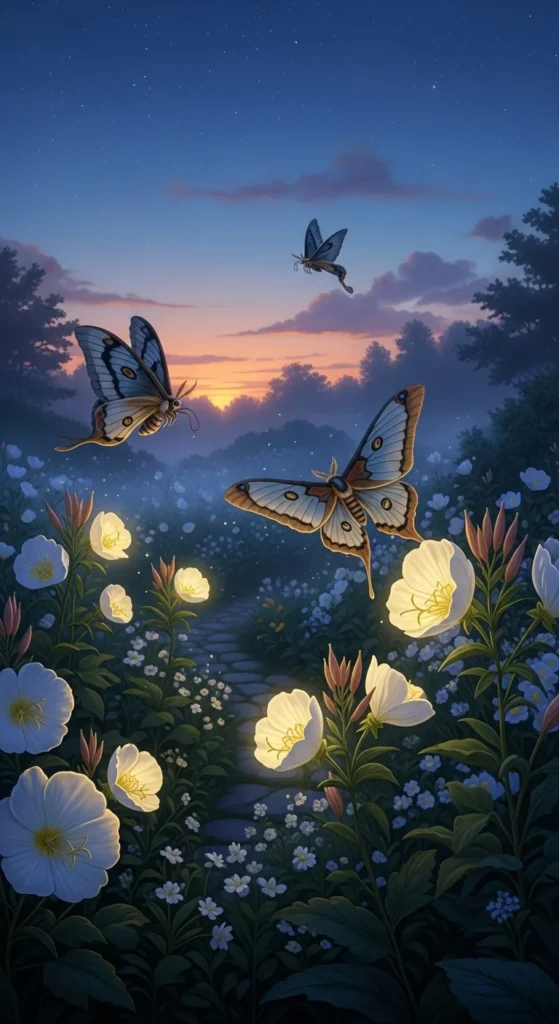
Pollinators aren’t only active during the day. Add evening bloomers like evening primrose, jasmine, or moonflower. These attract moths and other night insects. Place them near seating areas for fragrance. Water in the morning to keep plants healthy.
14. Small Rock-Pile Habitat
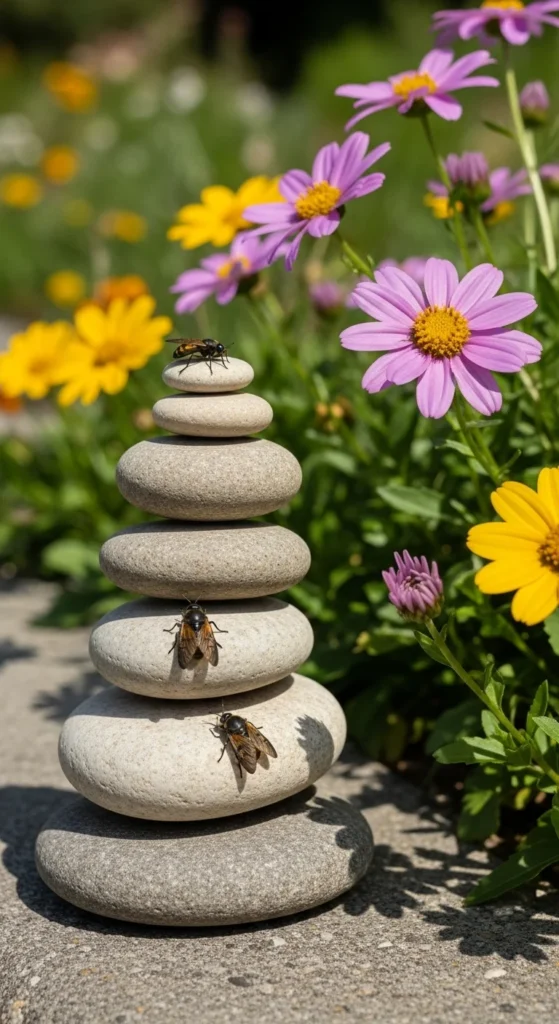
A rock pile offers shade and resting spots for insects. Stack stones loosely so gaps remain open. Place near a flower bed to provide shelter from heat or rain. You can gather stones locally for free. This simple habitat helps support a diverse garden ecosystem.
15. Vine-Covered Fence for Pollinators
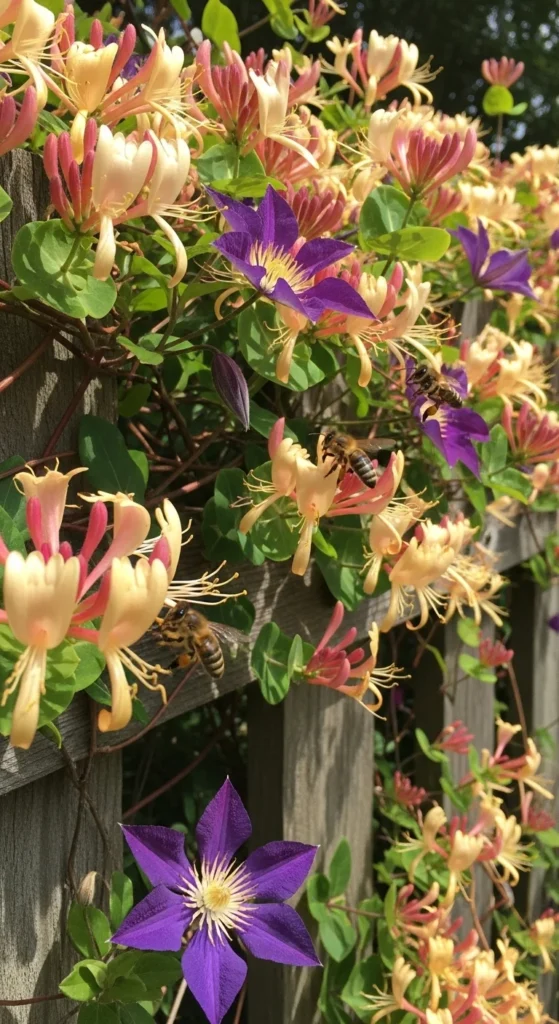
Vines like honeysuckle, clematis, or passionflower offer long vertical feeding surfaces. Train vines along a fence or trellis. Water regularly until established. These flowers attract hummingbirds too. This setup is great for small yards where ground space is limited.
16. Overwintering Leaf Corner
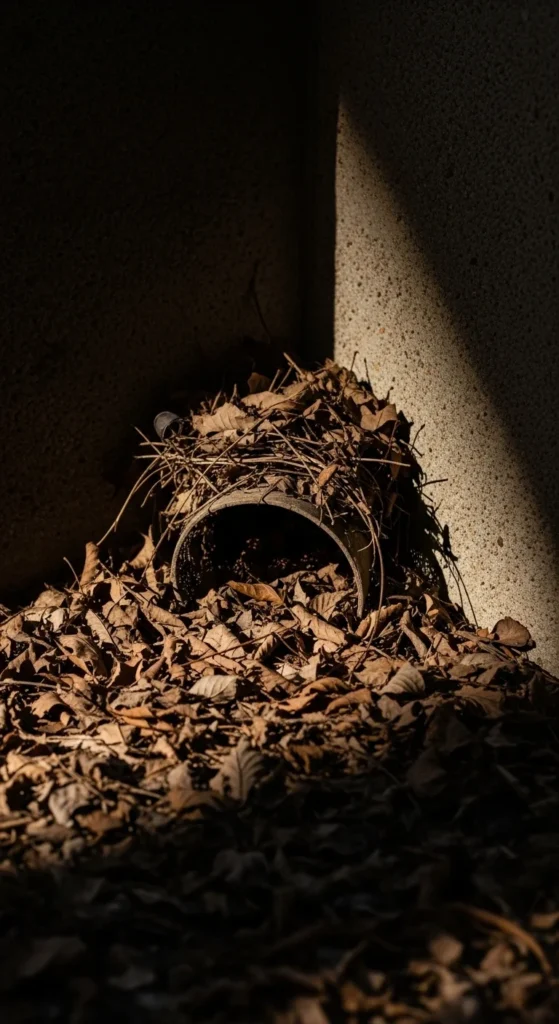
Leave a small pile of dry leaves in a corner. Many pollinators hide in leaf litter during colder months. Avoid disturbing this area until spring. It’s a simple, cost-free way to support insects year-round. Keep it tidy by placing stones around the leaf pile.
17. Potted Patio Cluster for Pollinators
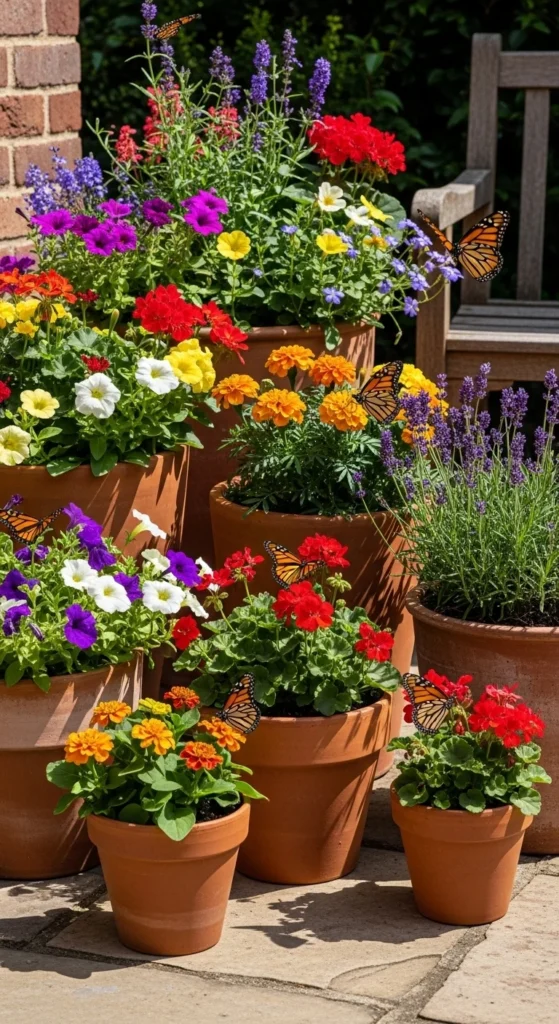
Cluster several pots together to create a mini feeding station. Use marigolds, verbena, and lantana. Mix pot sizes and heights for visual balance. Water lightly but consistently. This setup works even on small patios or renters’ spaces. Move pots around to adjust sunlight.
18. Shade-Friendly Pollinator Area
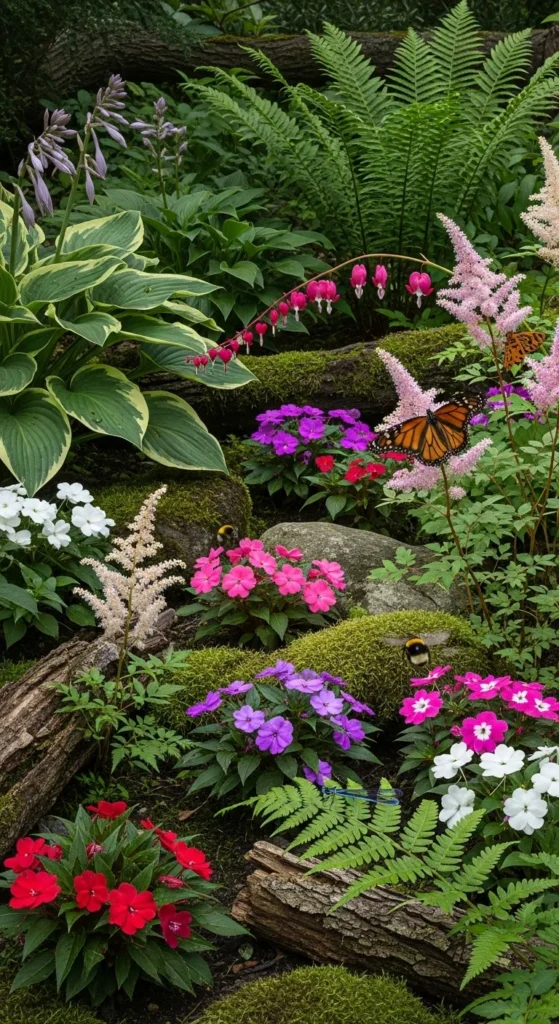
Not all pollinators prefer full sun. Add shade-friendly blooms like foxglove, hosta, or astilbe. These attract pollinators that prefer cooler spots. Keep soil rich and moist. Add a small water dish nearby. This setup fills unused shady corners with life.
19. Flowering Vegetable Patch
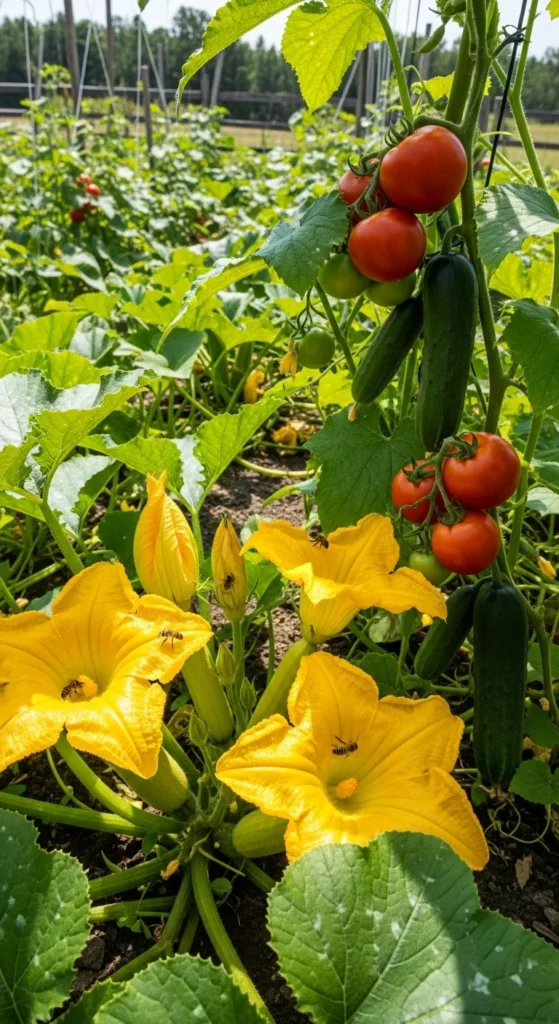
Many vegetables have flowers that attract pollinators. Let a few herbs and leafy crops bloom too. This helps increase the number of insects in the area and supports better fruit set. Companion flowers like marigolds and borage fit perfectly in veggie beds. Keep the soil loose and feed with compost.
20. Border of Continuous Blooms
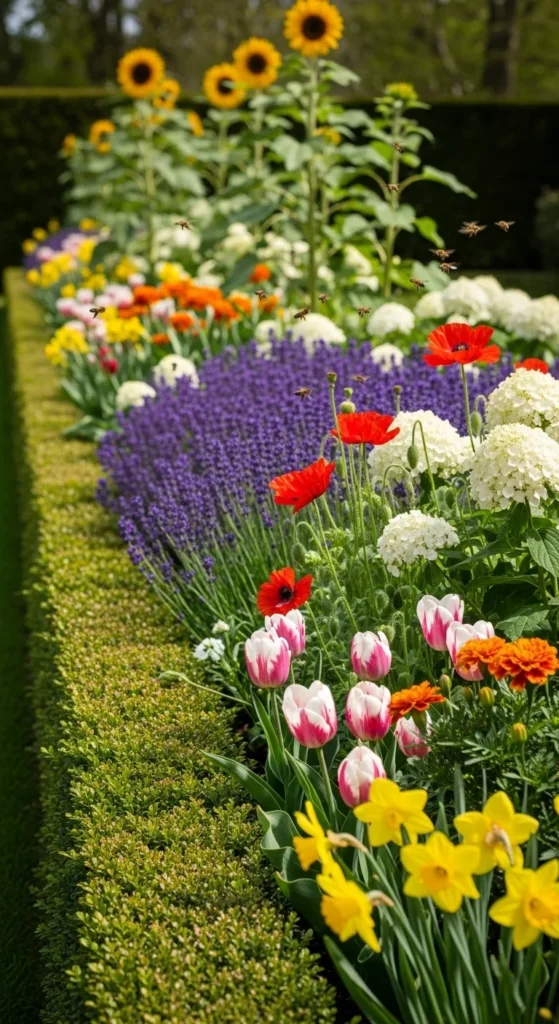
A border filled with staggered blooms keeps pollinators active from season start to finish. Plant from tallest in back to shortest in front. Add mulch to lock in moisture. This border also helps define walkways and beds while feeding insects consistently.
21. Low-Maintenance Clover Lawn Patch
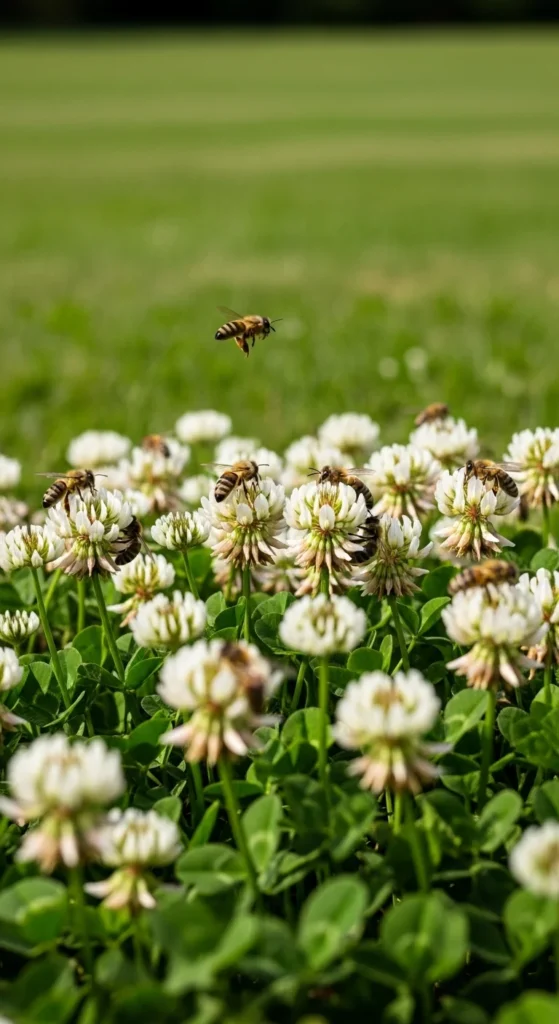
Replace part of your lawn with clover. It stays green, grows low, and attracts bees. Scatter seeds over bare spots and water lightly. Clover can handle foot traffic and needs very little care. It’s affordable and easy to establish.
22. Flower-Filled Windowbox
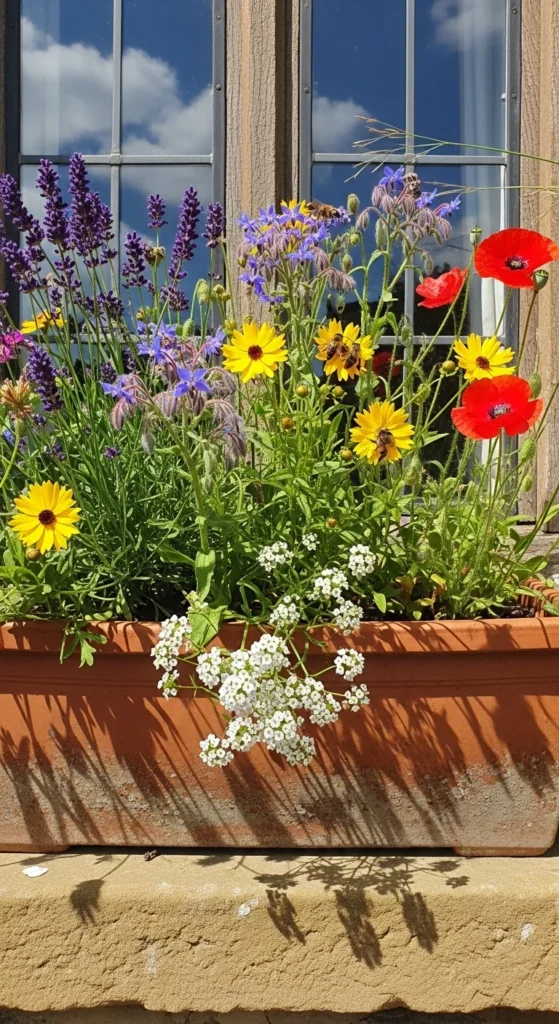
Windowboxes bring pollinator plants closer to eye level. Add blooms like alyssum, dwarf cosmos, or small sunflowers. Water lightly and trim when needed. Even apartment dwellers can support pollinators with a simple box of flowers. Choose bright colors to attract insects flying nearby.
Conclusion
A pollinator garden brings color, movement, and balance to your outdoor spaces. By mixing native plants, herbs, shrubs, and simple habitats, you create a welcoming environment for bees, butterflies, and helpful insects. These setups are easy to start, affordable, and adaptable to any space. With steady blooms, water stations, and safe shelter, you support nature while helping your garden grow stronger all year.
Leave a Reply