

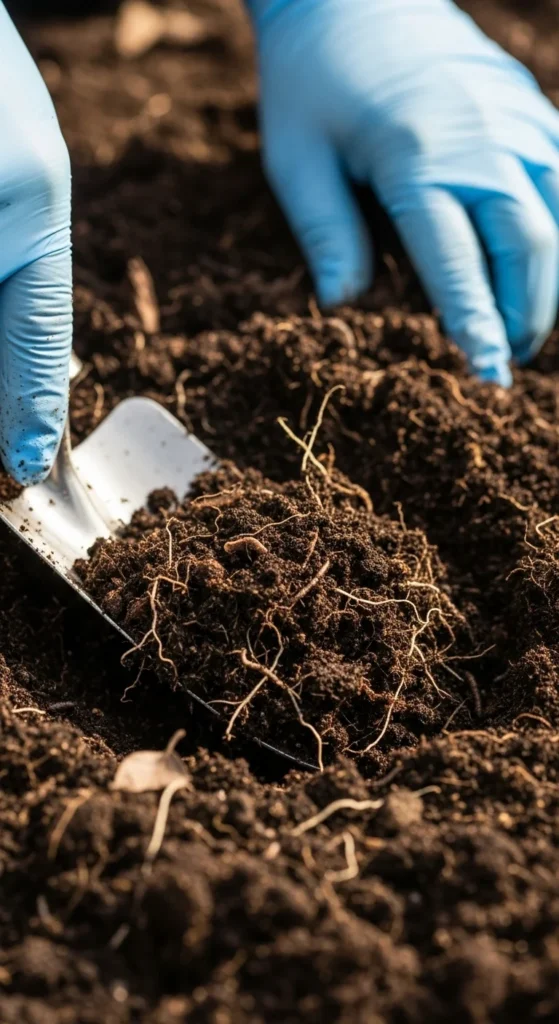
Improving soil at the start of the year helps plants grow stronger and stay productive through changing seasons. You don’t need expensive supplies or special equipment—simple organic materials, homemade mixes, and small adjustments can make a big difference. These soil-enrichment ideas are easy to follow and fit any backyard, balcony, or raised bed. Each method focuses on adding structure, nutrients, and long-term health while keeping costs low and steps simple.
1. Add Homemade Compost
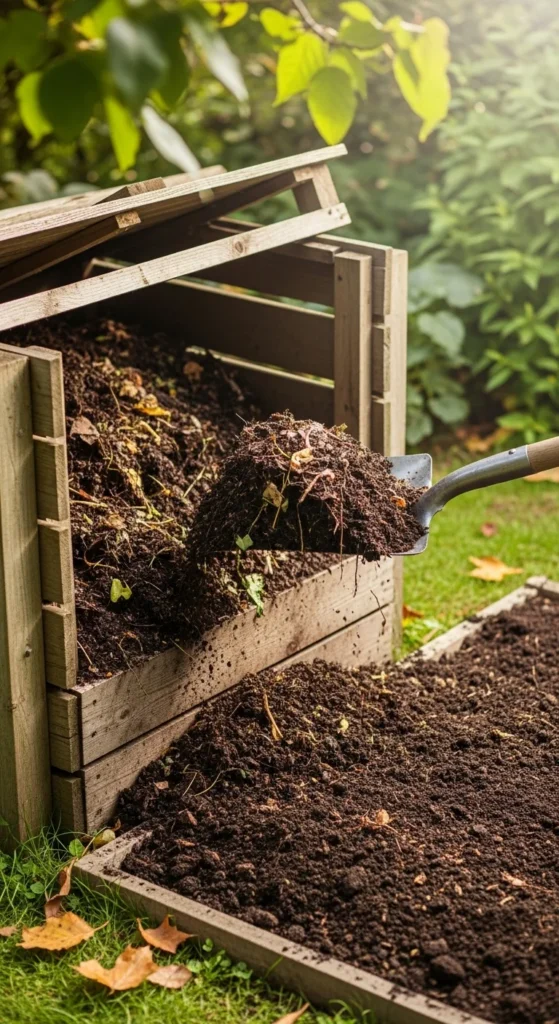
Homemade compost brings life back to tired soil. Spread a thin layer on top and mix lightly with a hand fork. Use kitchen scraps like vegetable peels, eggshells, and coffee grounds to create more compost throughout the year. If your bin feels slow, chop scraps smaller to speed things up. This method improves texture and moisture balance without buying store products. You can use buckets or crates to hold compost if you’re working in a small space. Keep a small container near the kitchen to collect scraps easily. A little compost goes a long way, so start with a few scoops per bed.
2. Mix in Aged Manure
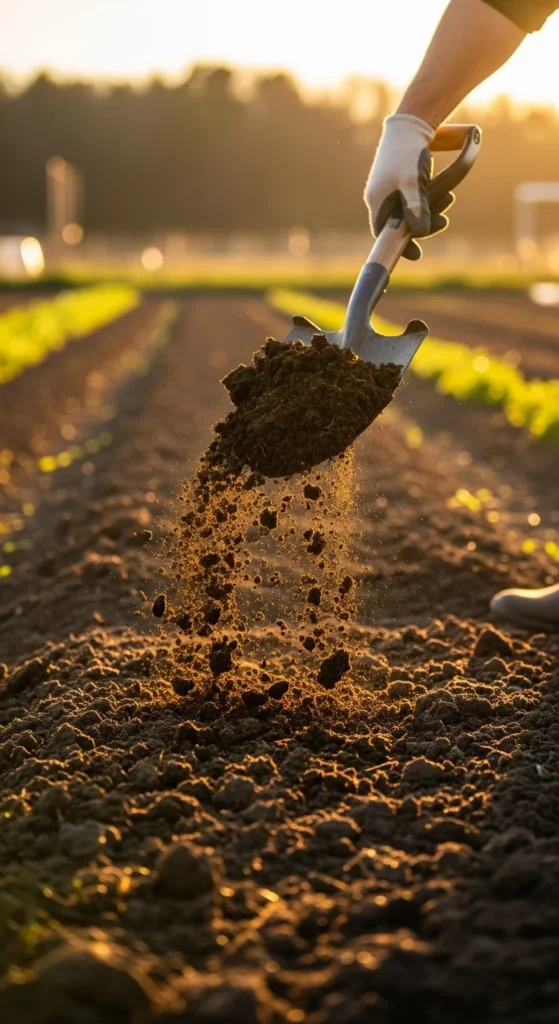
Aged manure helps soil stay loose and nutrient-rich. Choose cow, chicken, or goat manure that has been left to break down. Never use it fresh, as it can overwhelm plants. Add a small layer and mix it in lightly. Bags from local farms are usually affordable. If you raise chickens, collect droppings and let them age in a covered bin. This gives you a steady supply through the year. Add a little at a time rather than dumping too much in one spot.
3. Create a Leaf Mold Layer
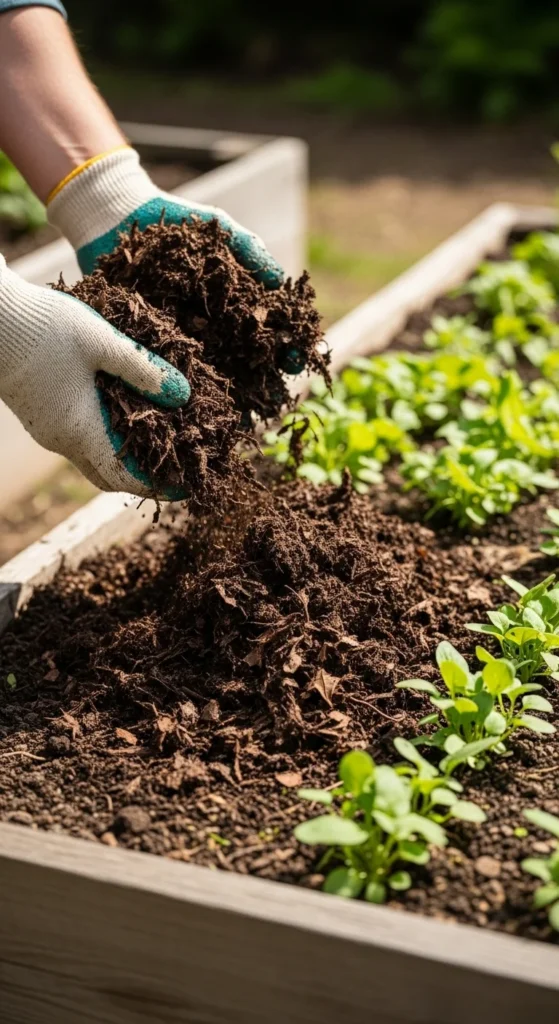
Leaf mold helps soil stay loose and hold moisture better. Collect dry leaves, wet them slightly, and let them break down in a simple wire bin. After a few months, you get a soft, crumbly material that mixes well into beds. Use it around shrubs, flowers, and vegetables. Rake up leaves from your yard instead of throwing them away. If you don’t have many trees, ask neighbors for their leftover leaves.
4. Add Worm Castings
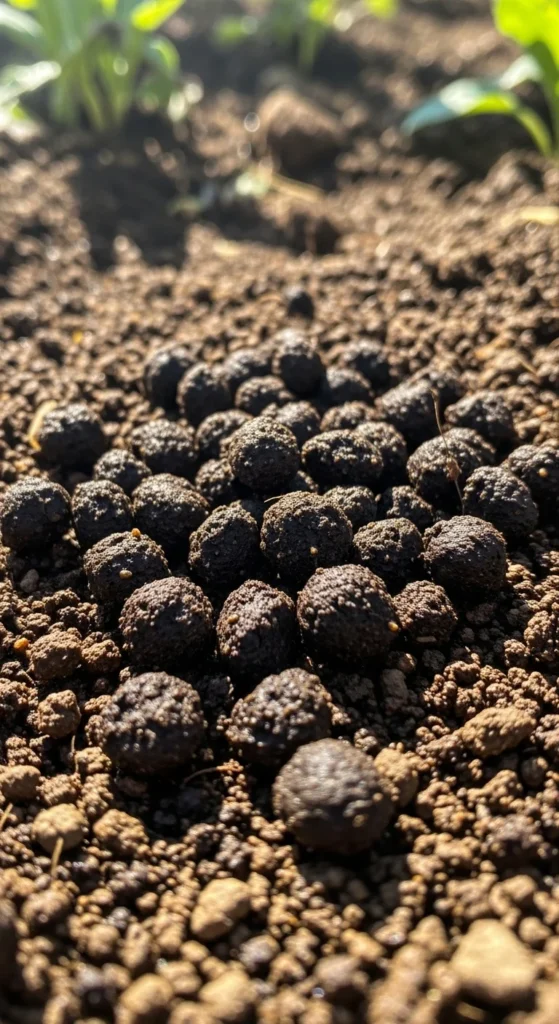
Worm castings improve soil texture and support healthy root growth. You only need a small amount. Mix a handful around each plant or sprinkle across a bed. If you have space, create a simple worm bin using a plastic tub. Feed worms vegetable scraps, and they’ll produce castings year-round. This is low-cost, clean, and helpful for all types of gardens.
5. Try Green Manure Cover Crops
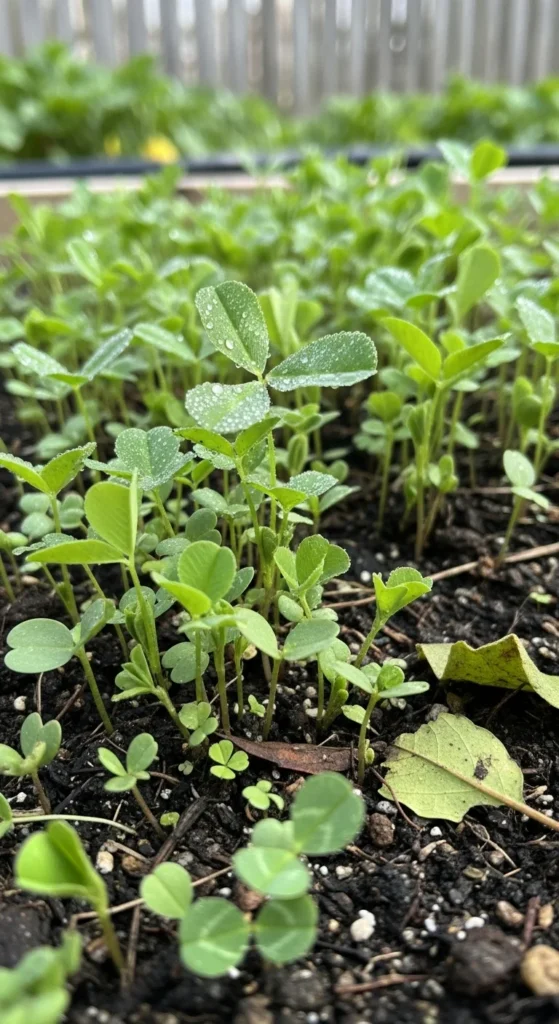
Cover crops like clover or rye grow fast and help soil recover. Plant them in empty beds during cool seasons. Once they reach a few inches, trim or cut them and mix lightly into the soil. This adds organic matter and improves structure. Seeds are cheap and cover large areas. Even small raised beds benefit from this method.
6. Add Biochar for Structure
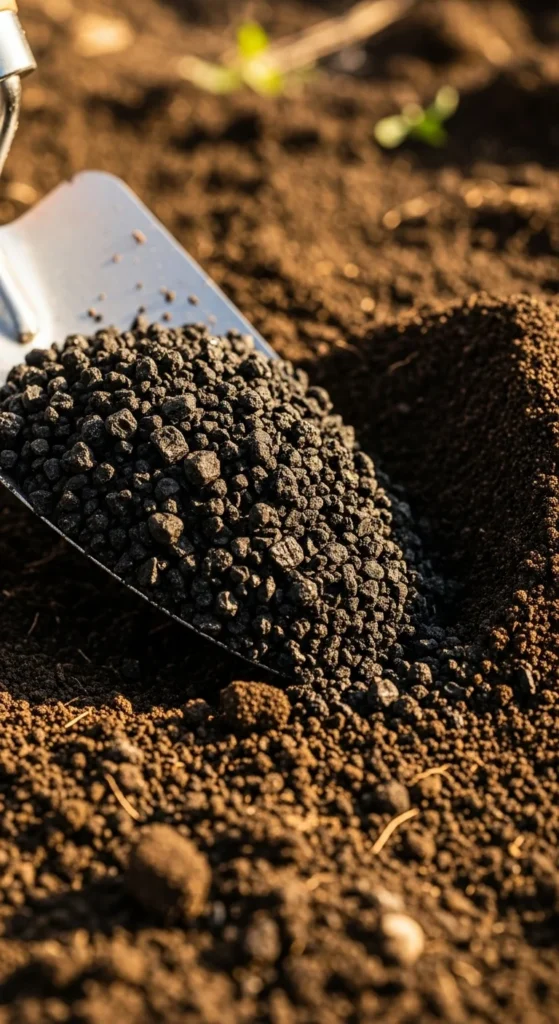
Biochar helps soil stay airy and reduces compaction. Use small amounts—just a cup or two per bed. Mix it well into moist soil. If you have leftover wood from a fire pit, you can crush the cooled charcoal and rinse it before using. Pair it with compost for better results. This is great for clay-heavy soils.
7. Incorporate Grass Clippings
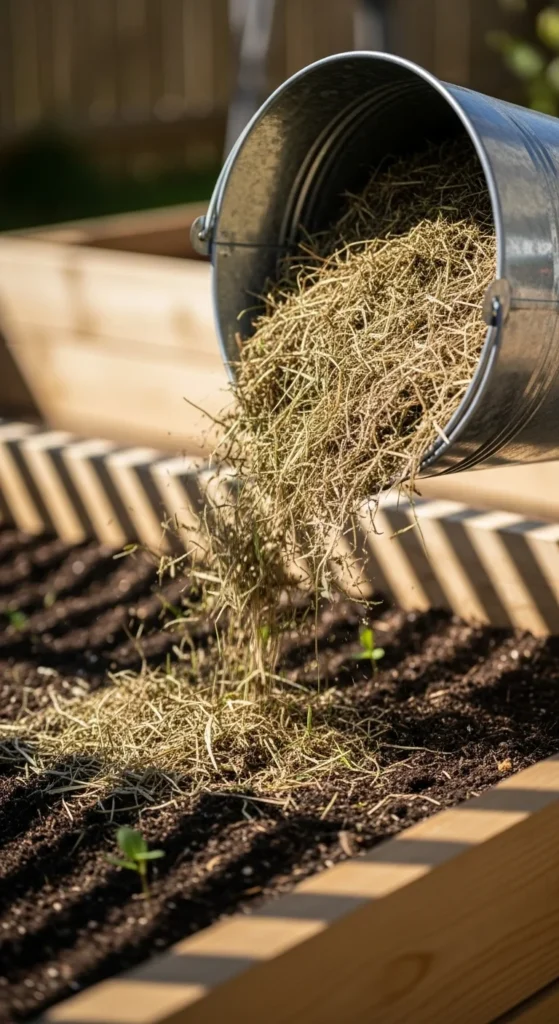
Dry grass adds organic matter without costing anything. Spread a thin layer across your soil and mix lightly. Make sure the clippings are dry and free from chemicals. This enriches soil slowly and improves moisture control. Collect clippings after mowing and keep them in a bag for later use.
8. Add Kitchen Scrap Trench Composting
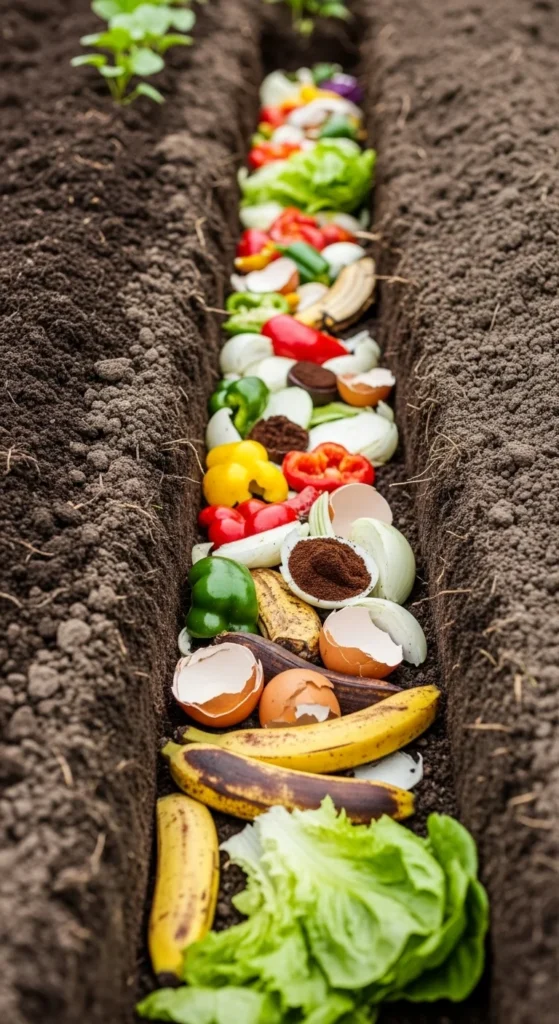
Dig a small trench and bury chopped vegetable scraps directly in the ground. Cover with soil and let it break down naturally. This method works well in unused corners or between rows. It reduces waste and feeds the soil at the same time. Rotate trench spots each month for steady enrichment.
9. Use Coffee Grounds Wisely
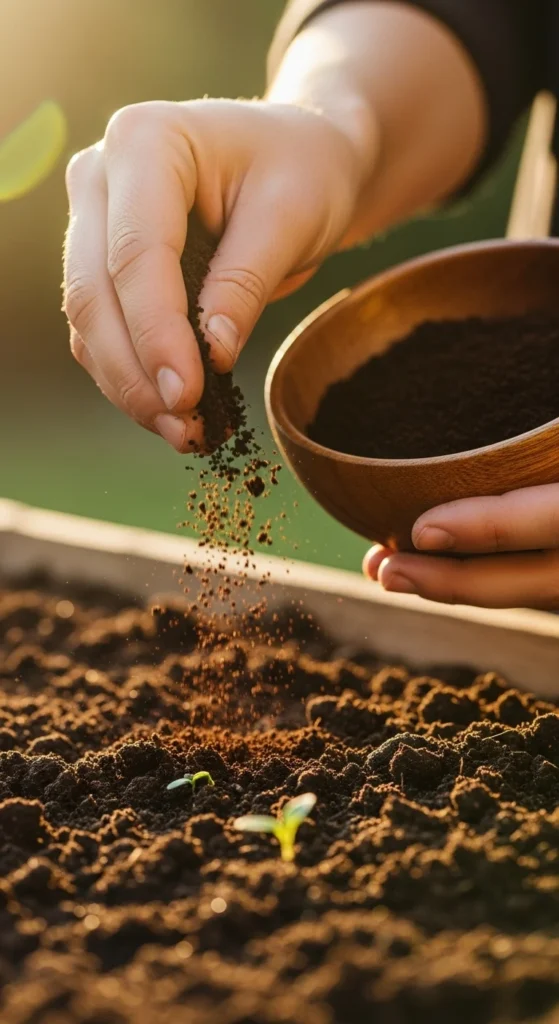
Coffee grounds help improve texture when used in small amounts. Mix them lightly into the top layer of soil. They pair well with compost. Ask local cafes for leftover grounds—they often give them away for free. Spread them thinly to avoid forming clumps.
10. Apply Rock Dust
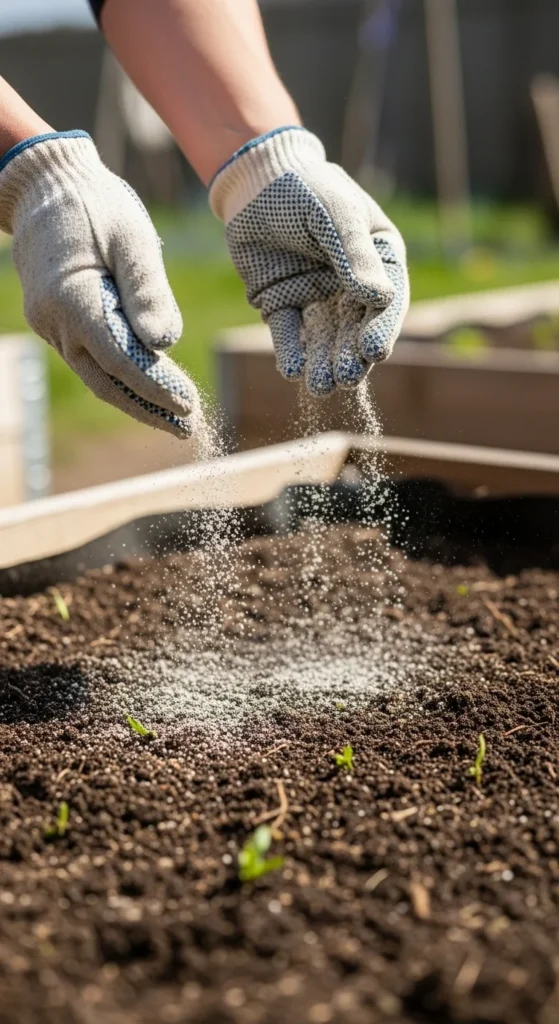
Rock dust helps soil stay balanced and healthy. Use only a thin layer. It works best when mixed with compost. Small bags last a long time, making this a budget-friendly option. Spread it evenly and water lightly afterward.
11. Add Crushed Eggshells
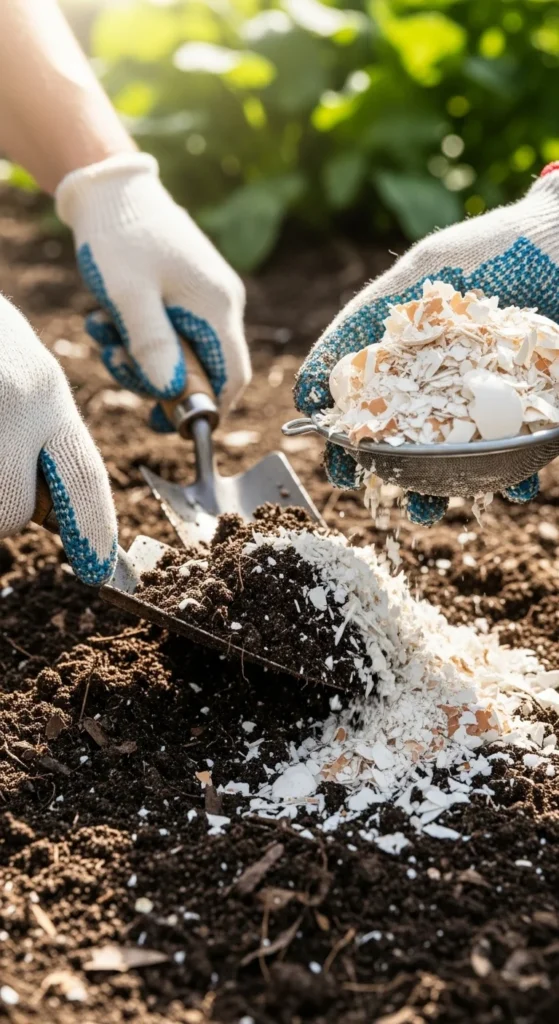
Eggshells support stronger soil structure. Crush them into powder and sprinkle around plants. This works well in vegetable beds. Save shells in a container and crush them once dry. This simple step is great for home kitchens with steady egg use.
12. Use Seaweed or Kelp Additions
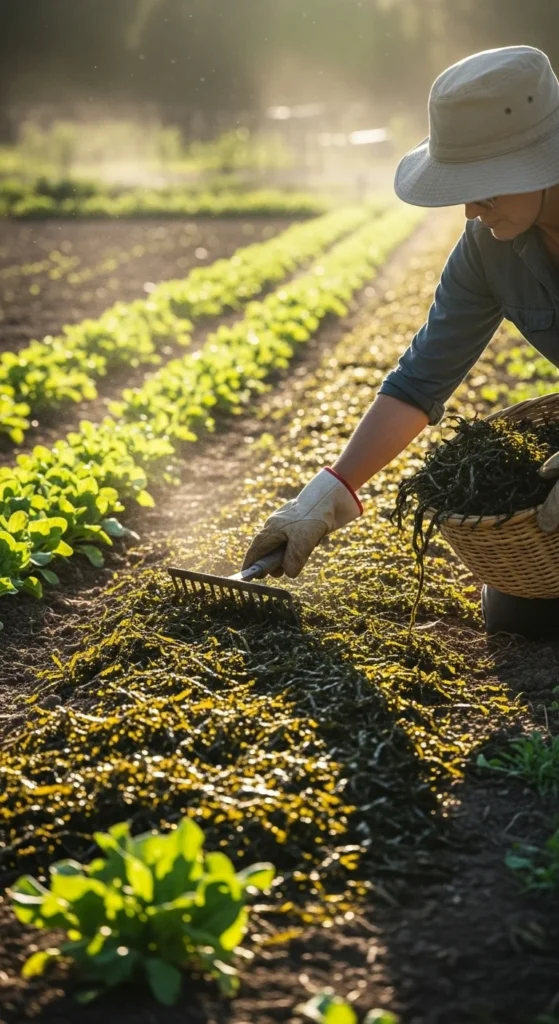
Seaweed helps lighten heavy soil and supports healthy roots. Rinse it well and let it dry before adding. Spread small amounts over beds and mix lightly. If you live far from the coast, buy dried kelp meal online. A little goes a long way and fits well into small gardens.
13. Add Pine Needles for Soil Texture
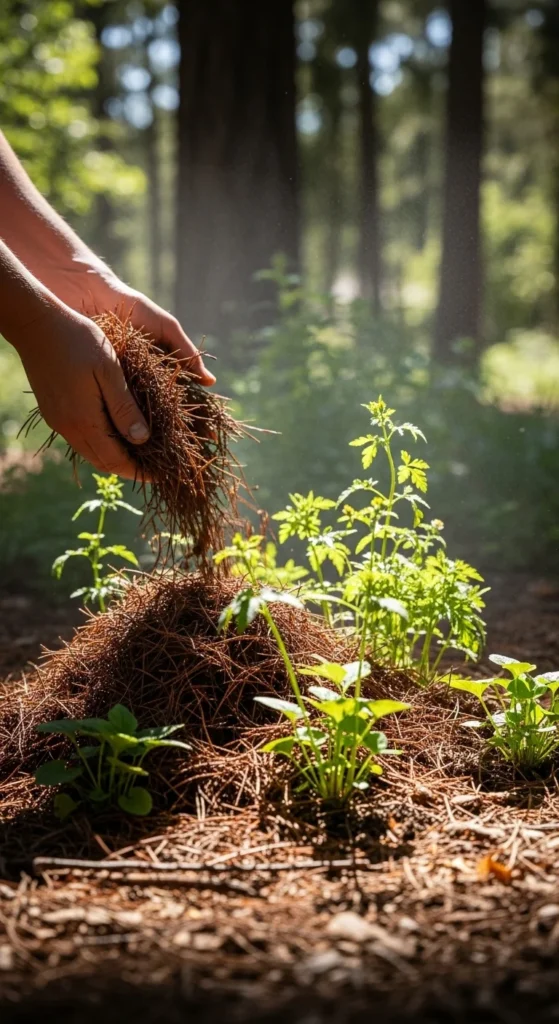
Pine needles help improve drainage in clay soil. Add a thin layer around shrubs or flower beds. They break down slowly and improve structure. Collect needles from local trees if available. Avoid piling them too thick.
14. Incorporate Sawdust Carefully
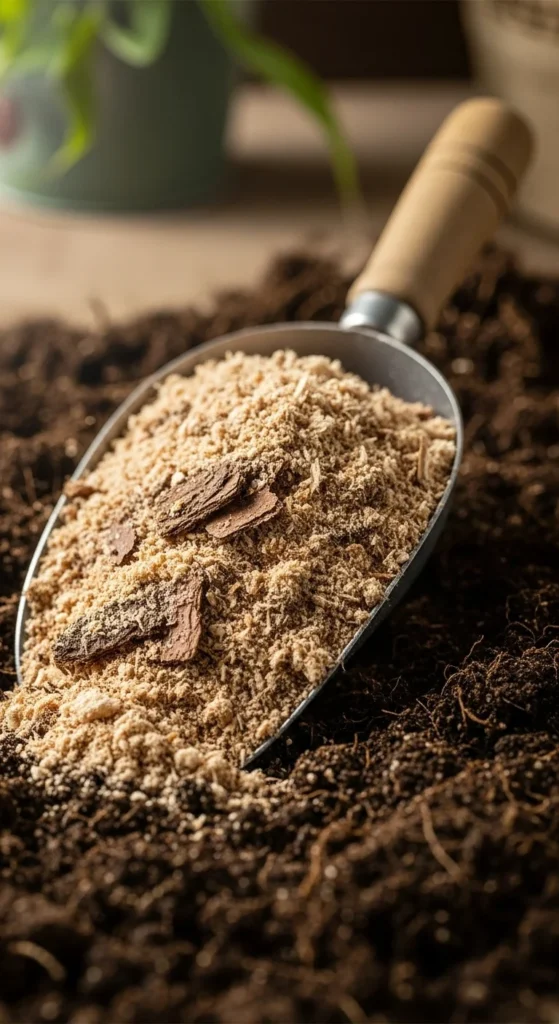
Aged sawdust helps lighten compacted soil. Use only well-aged sawdust so it doesn’t pull nitrogen from the soil. Mix a small amount with compost before spreading. This method works well in large beds or walkways.
15. Add Mushroom Compost
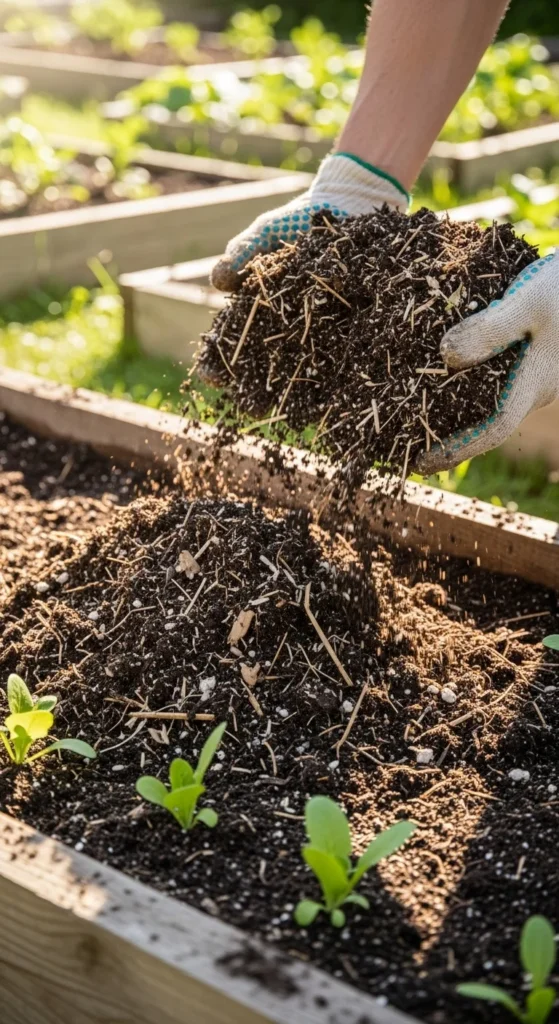
Mushroom compost improves soil drainage and structure. Add a thin layer and mix it lightly. It’s usually affordable and simple to spread. Use it in vegetable or flower beds for long-term soil health.
16. Use Cocoa Husk or Bean Shell Mulch
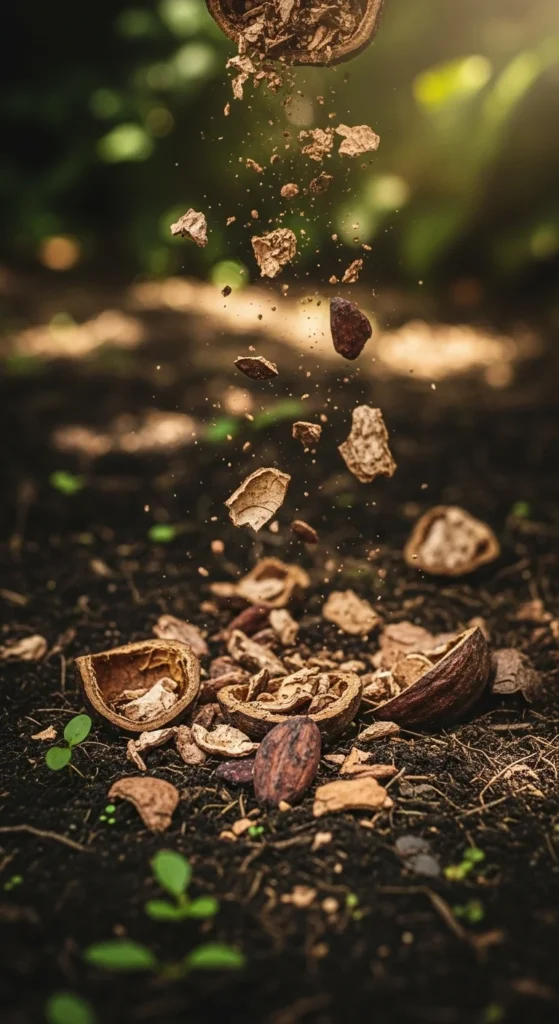
Cocoa or bean shells lighten soil and break down slowly. Add a thin layer across the top. They smell pleasant and help hold moisture. Make sure pets can’t access areas where cocoa mulch is used. This works well in decorative beds or pots.
17. Add Peat-Free Organic Mix
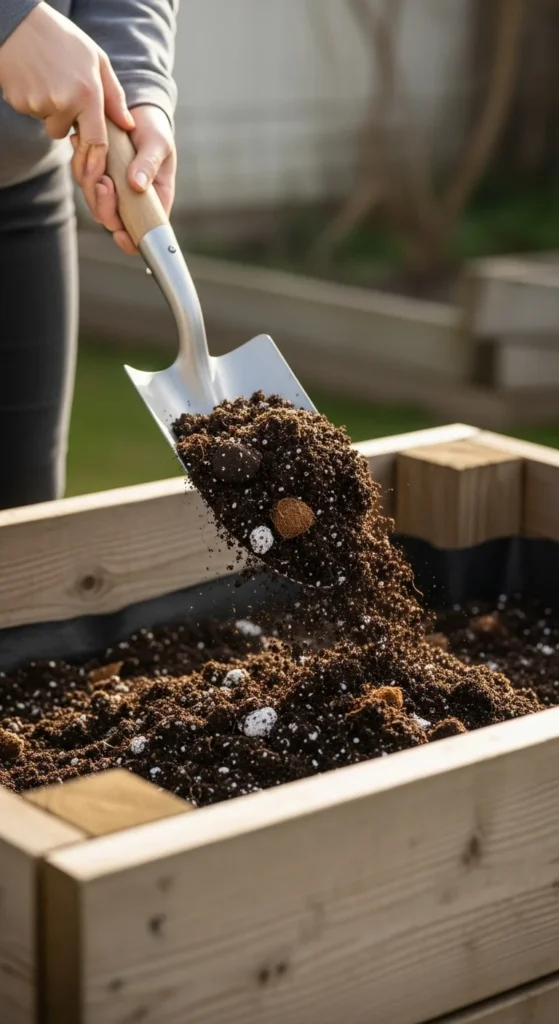
Peat-free mixes help soil stay airy and lightweight. Add small amounts during early soil prep. These mixes are great for container gardening and raised beds. Combine with compost for better results. This is a clean, ready-to-use option for beginners.
18. Use Clay-Breaker Gypsum
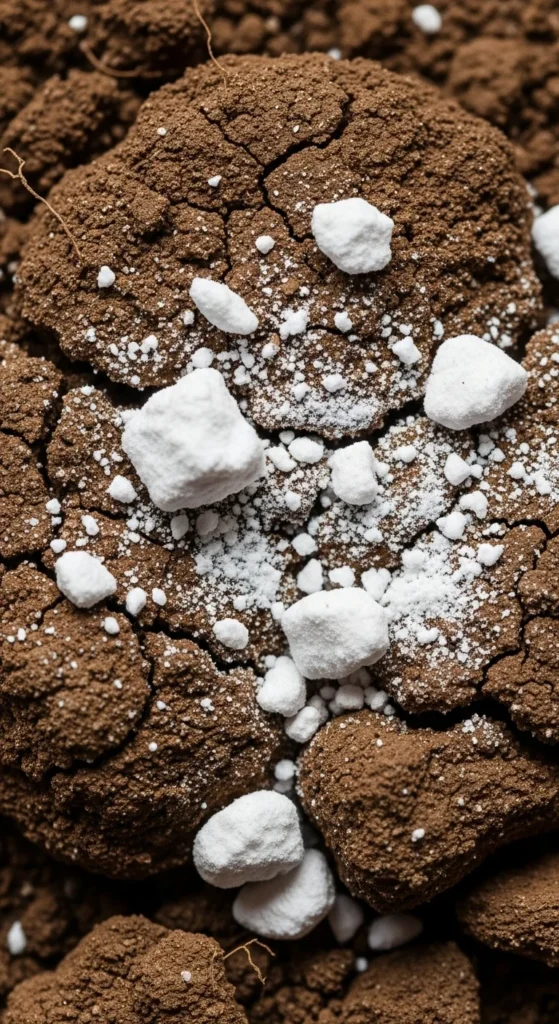
Gypsum helps make clay soil easier to work with. Sprinkle a light layer and mix gently. Water the area afterward. This improves soil structure over time. Apply only once or twice a year.
19. Add Perlite for Drainage
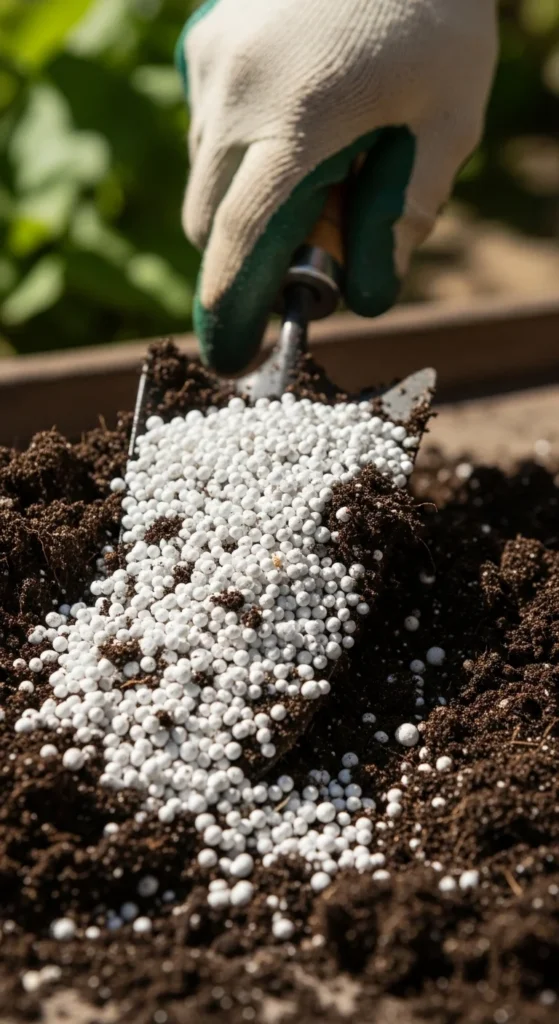
Perlite helps soil drain better and stay loose. Mix a handful into containers or beds. This prevents water buildup and improves airflow around roots. Small bags last long because you only need little amounts per pot.
20. Mix in Coconut Coir
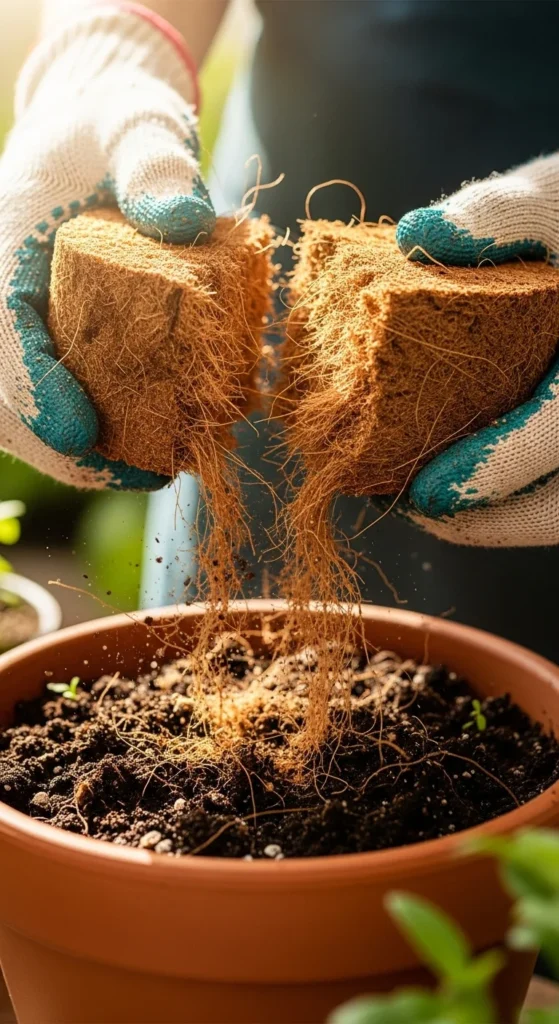
Coconut coir lightens soil and holds moisture evenly. Hydrate the brick in a bucket, then mix it into beds or containers. Coir is long-lasting and easy to store. It replaces peat with a cleaner alternative.
21. Add Homemade Liquid Compost Tea
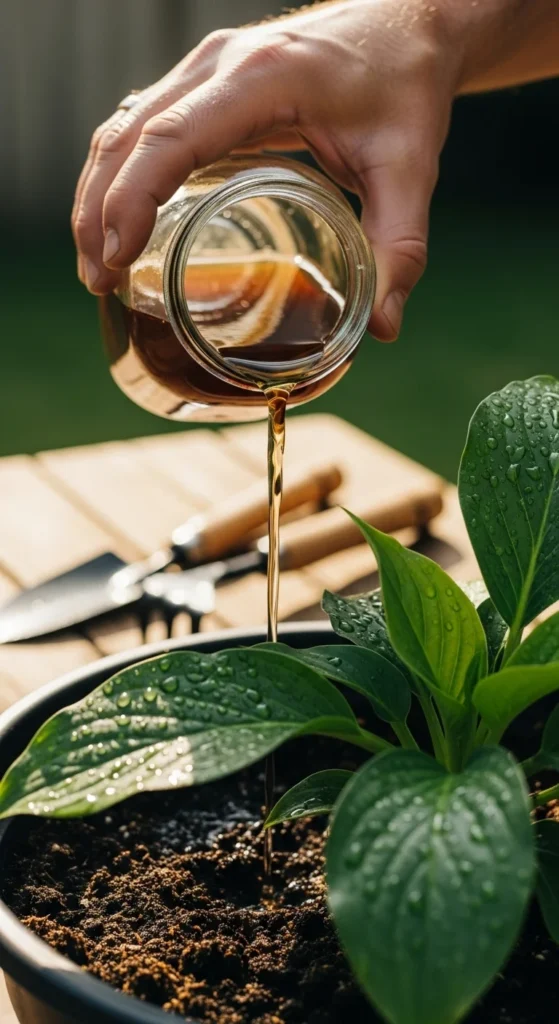
Compost tea feeds soil gently. Soak finished compost in water for 24–48 hours. Strain and pour around plants. Use once a month for steady improvement. Cheap, simple, and helpful for all garden sizes.
22. Use Epsom Salt Sparingly
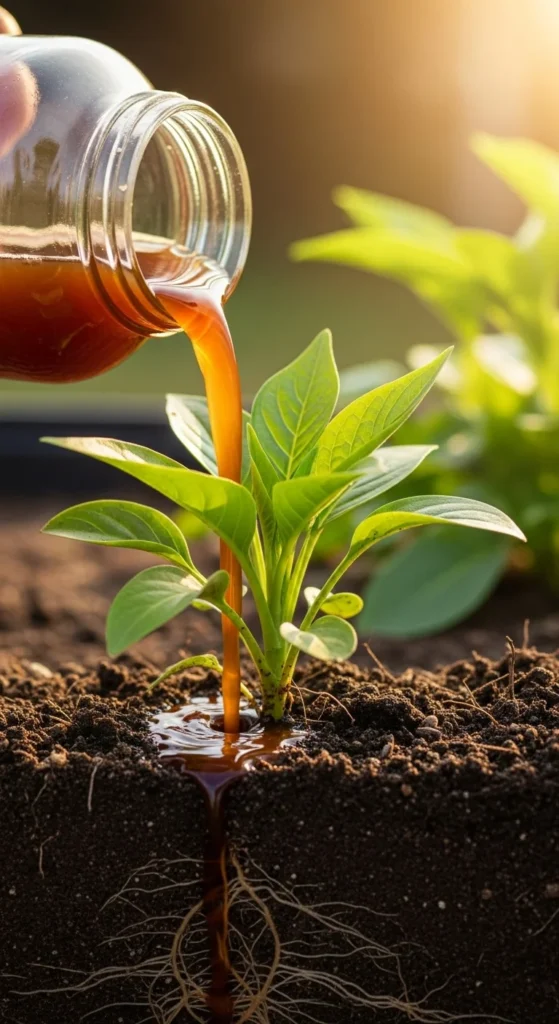
Epsom salt supports soil structure when used lightly. Add a teaspoon around large plants once every few months. Mix with water when applying to avoid clumping. It works well with roses, peppers, and tomatoes.
23. Add Rice Hulls for Airiness
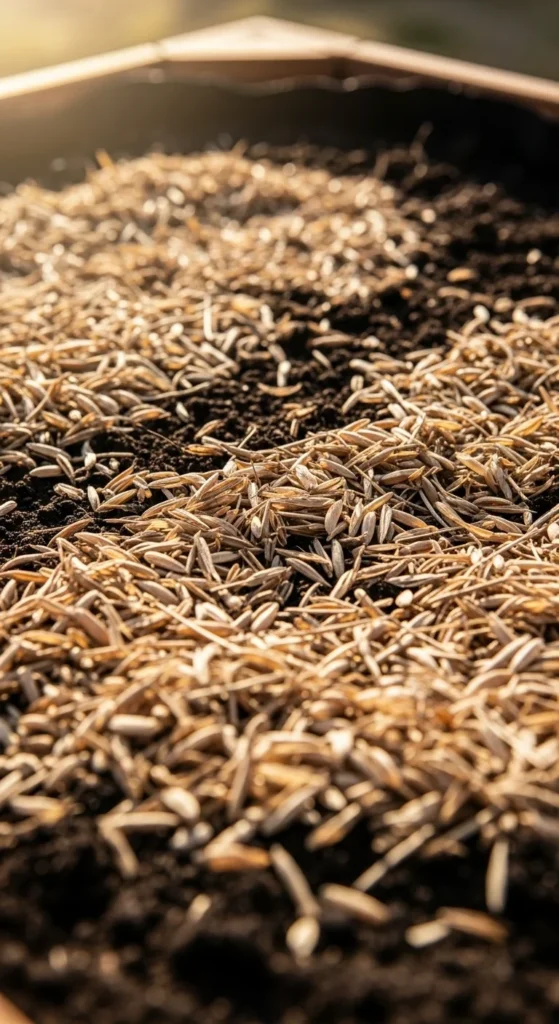
Rice hulls help make soil fluffy and improve drainage. They’re lightweight and break down over time. Mix them into containers or raised beds. They’re an affordable alternative to perlite if buying in bulk.
24. Apply Wood Ash Carefully
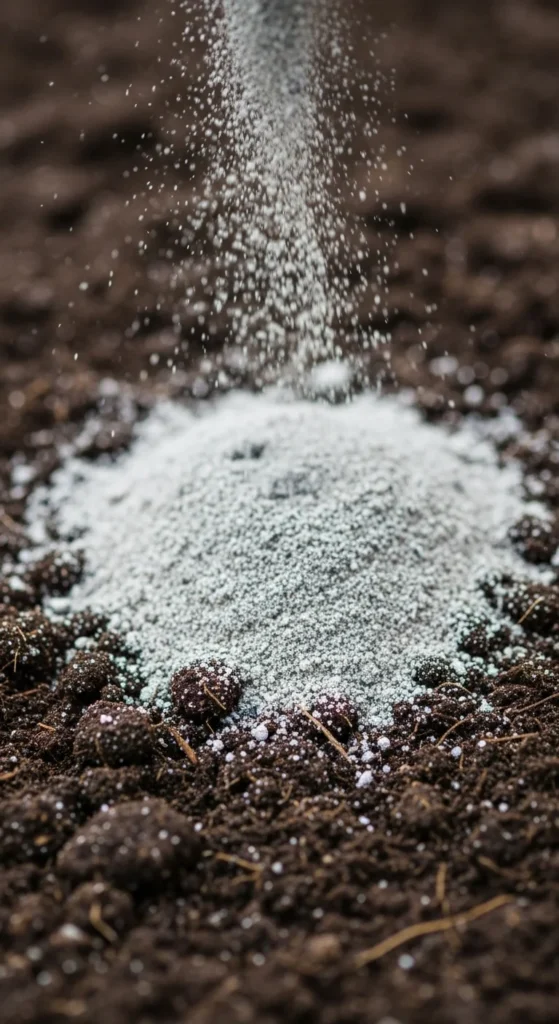
Wood ash supports balanced soil when used sparingly. Add a thin dusting and mix lightly. Too much can overwhelm the soil, so go slow. Wood ash from clean, untreated wood works best.
Conclusion
Improving soil doesn’t need to be complicated or costly. By adding simple materials like compost, leaf mold, worm castings, or small amendments, you can turn dull soil into a thriving base for healthier plants. Mix and match the methods that fit your garden, whether you grow in beds, pots, or containers. Small steps done consistently make soil richer through the year and help your plants grow strong and steady.

Leave a Reply