

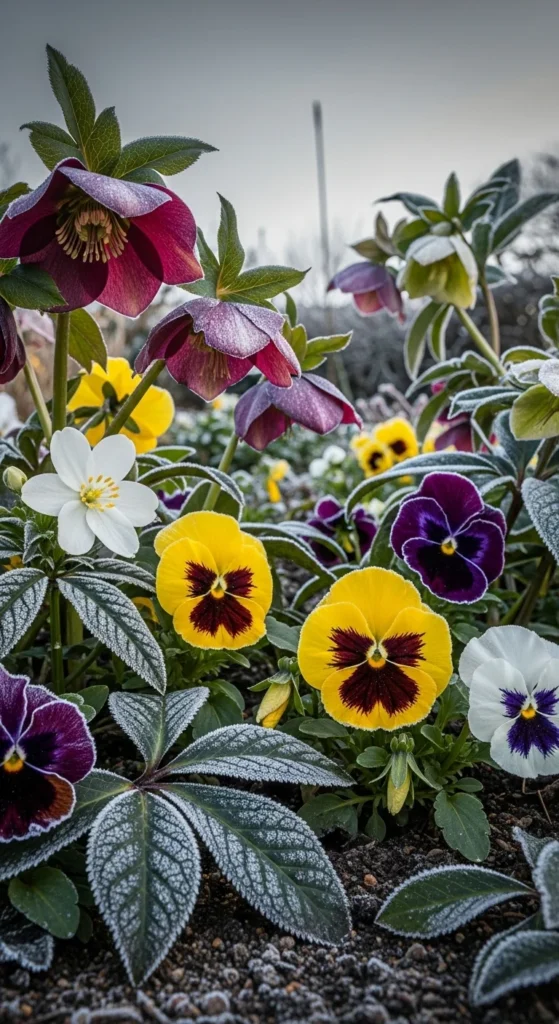
Winter gardens don’t have to feel dull. Many flowers thrive in chilly weather, adding color, texture, and quiet charm to grey days. With the right varieties, you can brighten corners, borders, patio pots, and entry paths all season. These ideas focus on hardy blooms that handle cold well while offering color exactly when your garden needs it most.
Hellebores
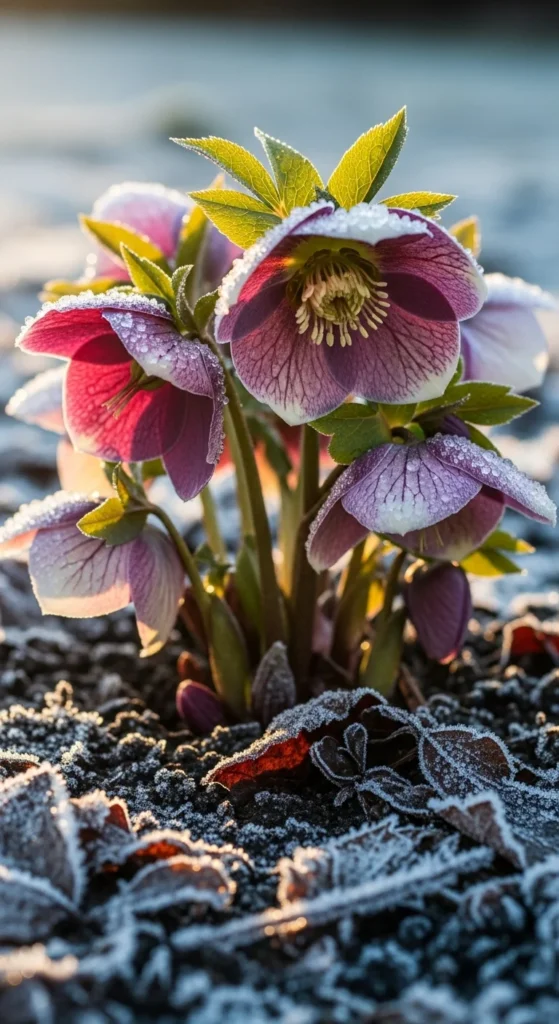
Hellebores bring strong winter color. Their petals range from plum to cream. Plant them in partial shade near trees or shrubs. Add compost to help roots take hold. Water lightly during dry spells. Trim older leaves so blooms stay visible. These flowers open slowly over winter and last long into early spring. They thrive in borders or shady corners. Use mulch to protect roots during cold snaps. Plant in small groups so the colors stand out. Hellebores handle cold without trouble and brighten dark garden spots for months.
Winter Pansies
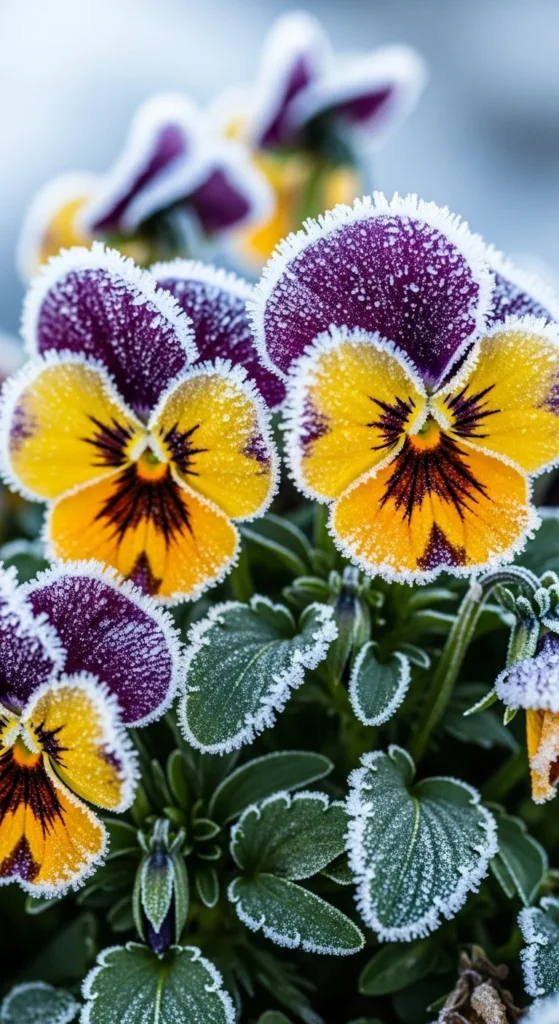
Winter pansies hold color even in freezing weather. Plant them along walkways or in container clusters. Choose bold shades like purple, yellow, or deep red. Add compost to loosen the soil. Water early in the day so petals dry before night. Trim spent blooms often to keep flowers coming. Winter pansies look great with evergreens. They stay upright after frost and continue blooming through cold stretches. Use them to fill empty spots in your beds.
Snowdrops
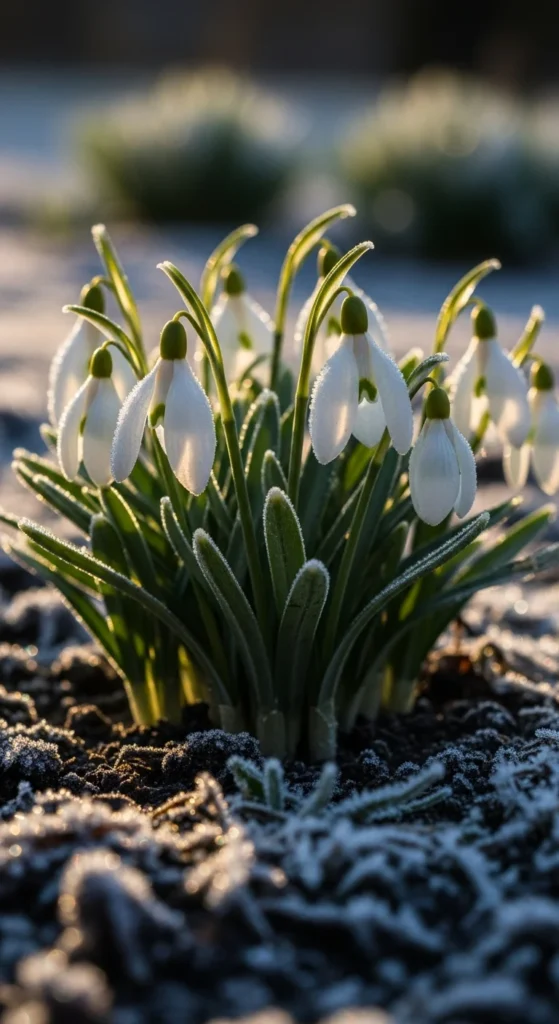
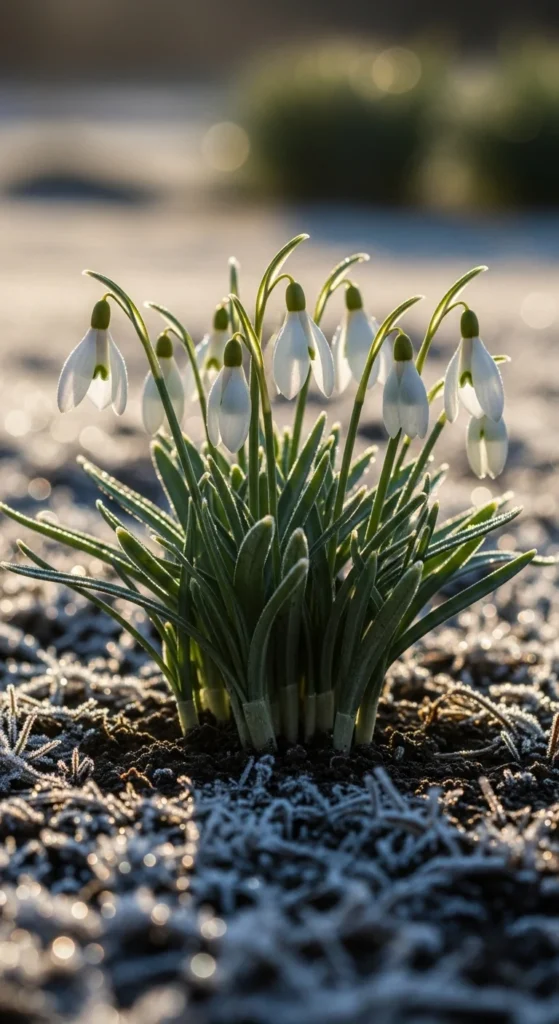
Snowdrops signal new growth when most plants are still resting. They bloom early and thrive in cool soil. Plant bulbs in fall for winter blooms. Choose shady or lightly sunny areas. Snowdrops spread slowly, forming clumps over time. Water lightly and avoid disturbing the soil once planted. They look lovely under trees or along borders. Snowdrops return year after year with little care and bring soft brightness to winter mornings.
Winter Jasmine
Winter jasmine produces cheerful yellow blooms when little else is flowering. Train it along fences or arches. Plant in well-drained soil and water lightly. Prune after flowering to keep stems tidy. Winter jasmine brightens walls and corners with minimal effort. Pair it with evergreens for contrast. This plant grows quickly and handles cold easily.
Cyclamen
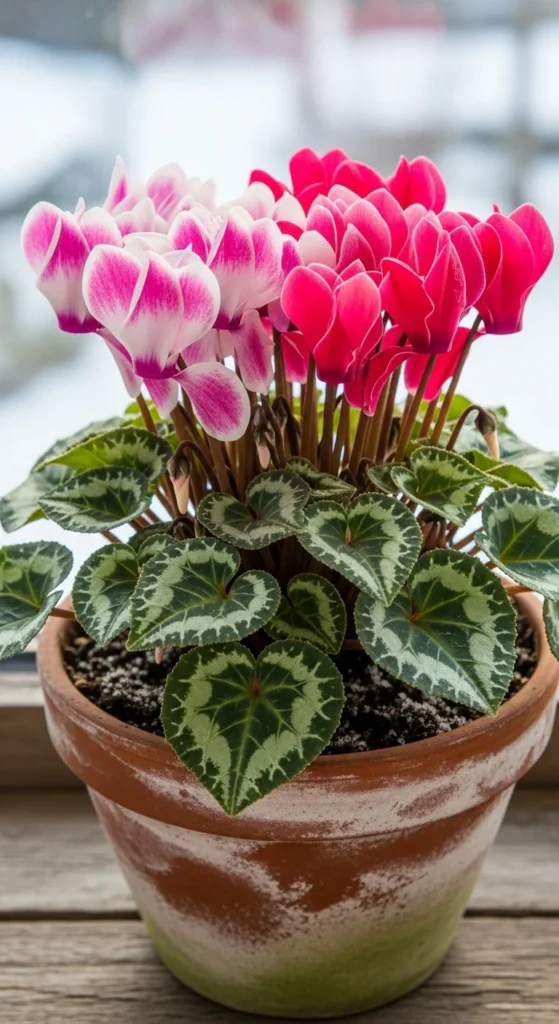
Cyclamen offers rich winter color in pots or shady borders. Its patterned leaves add extra charm. Plant them in loose, cool soil. Water at the base to avoid soaking leaves. Keep them in areas shielded from harsh wind. Cyclamen blooms steadily through cold months. It works well near entryways or in container groups. Trim yellowing leaves to keep plants tidy.
Witch Hazel
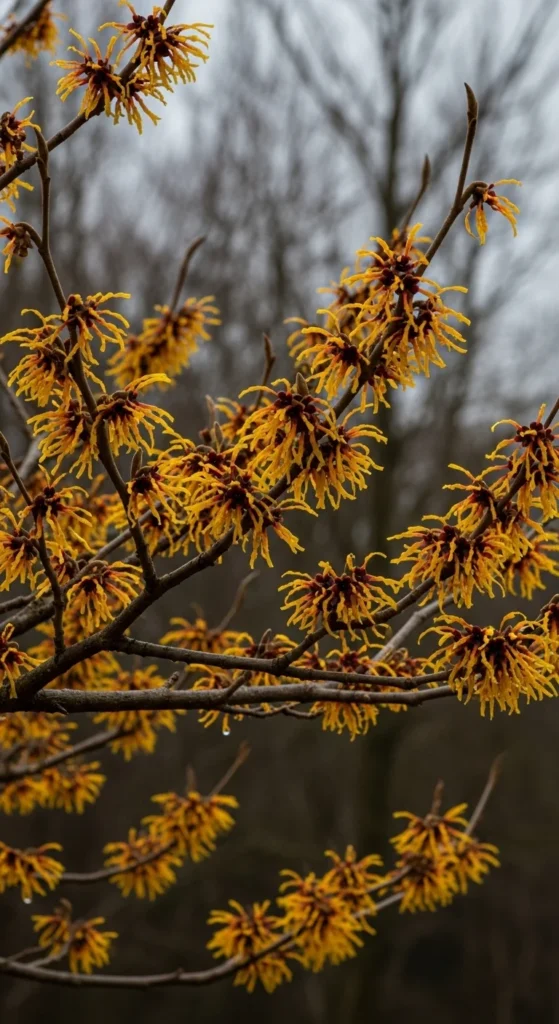
Witch hazel blooms with unique ribbon-like petals. It adds structure and interest when other shrubs look bare. Plant it in well-drained soil with some afternoon shade. Water during dry spells. Witch hazel flowers appear in mid-winter and hold up to cold weather. Use it as a focal shrub near patios or paths. The blooms bring soft color to tired winter landscapes.
Primroses
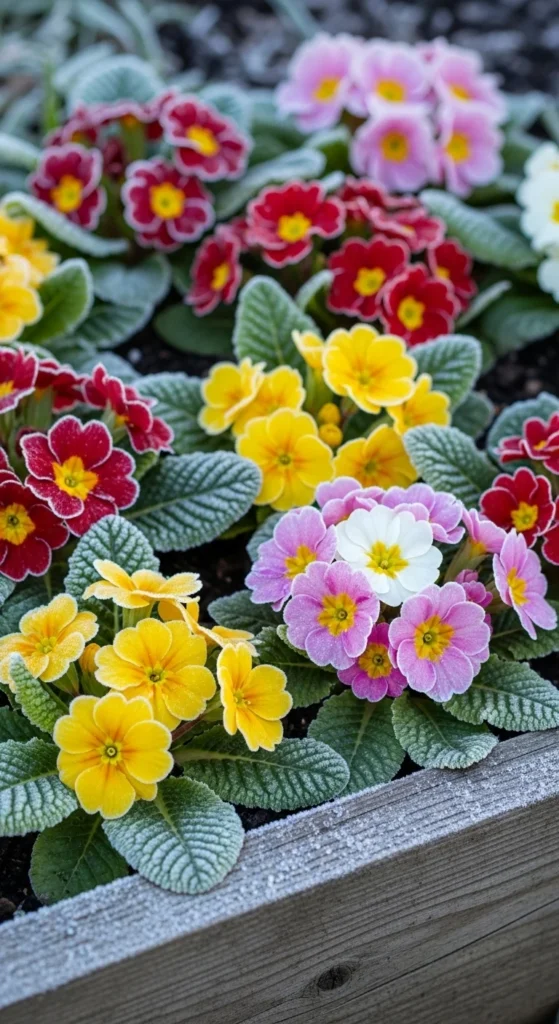
Primroses offer early bursts of color. Plant them in borders, under shrubs, or in pots. Choose shades like pink, yellow, or blue. Add compost to give them a strong start. Water lightly and keep soil moist but not soggy. Primroses brighten corners during late winter. Pair them with evergreen groundcovers for contrast. Trim old blooms to help new ones grow.
Camellias
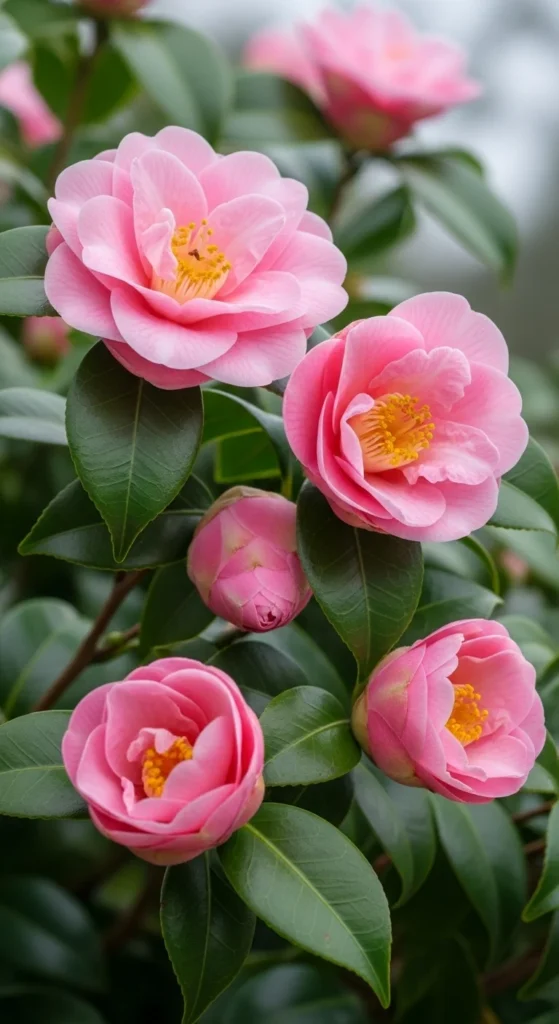
Camellias bloom from winter into early spring. Their glossy leaves stay full all year. Plant them in partial shade and loose soil. Water deeply but not frequently. Mulch around the base to protect roots. Camellias add elegance to patios and entryways. Their blooms stand out on grey days. Use them as feature shrubs in shaded borders.
Heather
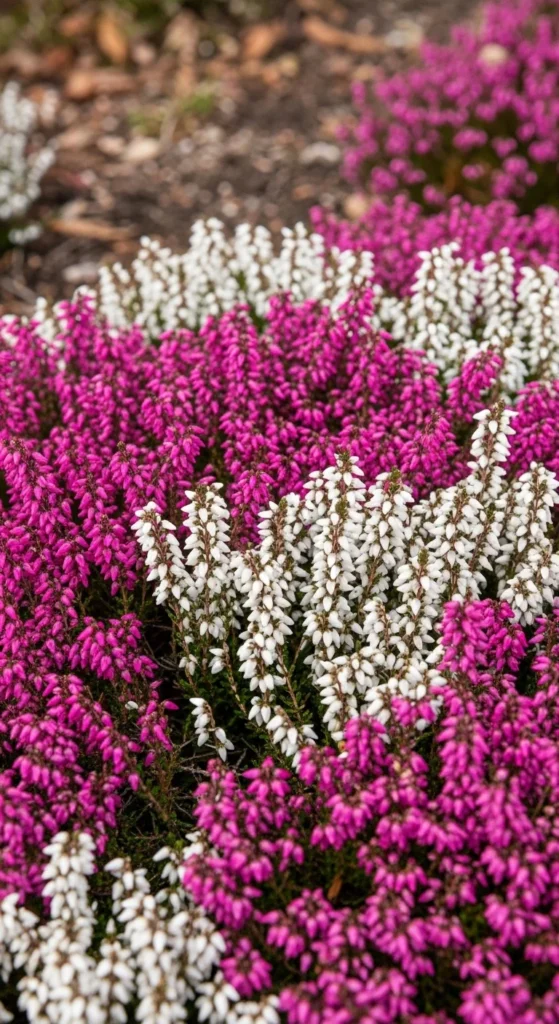
Heather flowers through winter in tiny clusters. Plant it in well-drained soil with full sun. Water lightly. Heather spreads slowly and works well as groundcover. Use it along paths or rock gardens. The blooms attract pollinators on warmer winter days. Trim lightly after flowering to keep plants neat.
Mahonia
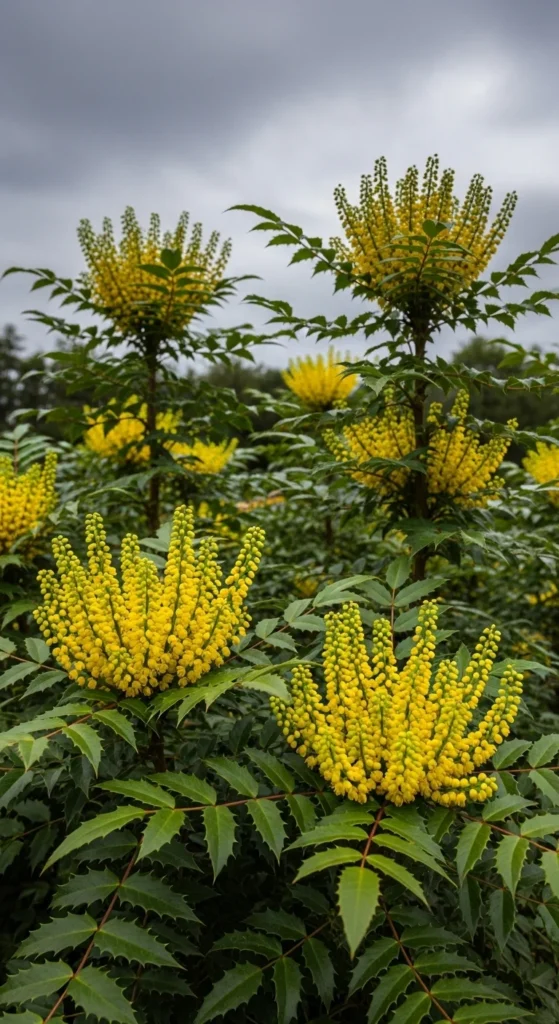
Mahonia brightens winter with tall spikes of yellow flowers. Plant it in partial shade. Water during dry periods. Mahonia adds structure and works well in woodland-style gardens. Birds enjoy the berries that form after flowering. Use it in mixed shrub borders or near fences.
Winter Aconite
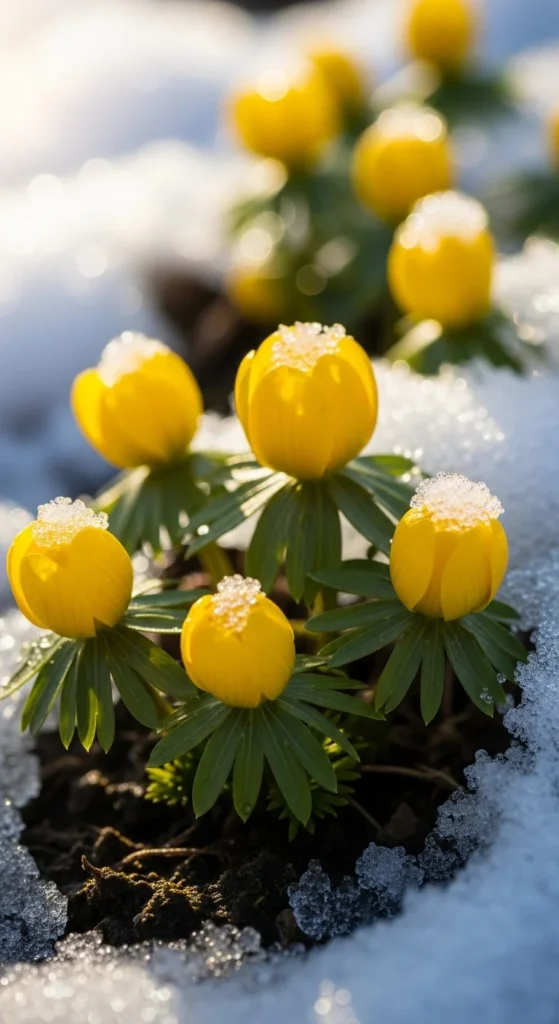
Winter aconite offers bright bursts of gold in late winter. Plant bulbs in fall around trees or in woodland areas. They spread easily over time. Water during dry stretches. Winter aconite pairs well with snowdrops. These blooms appear even when soil is still cold, bringing warmth to shaded corners.
Violas
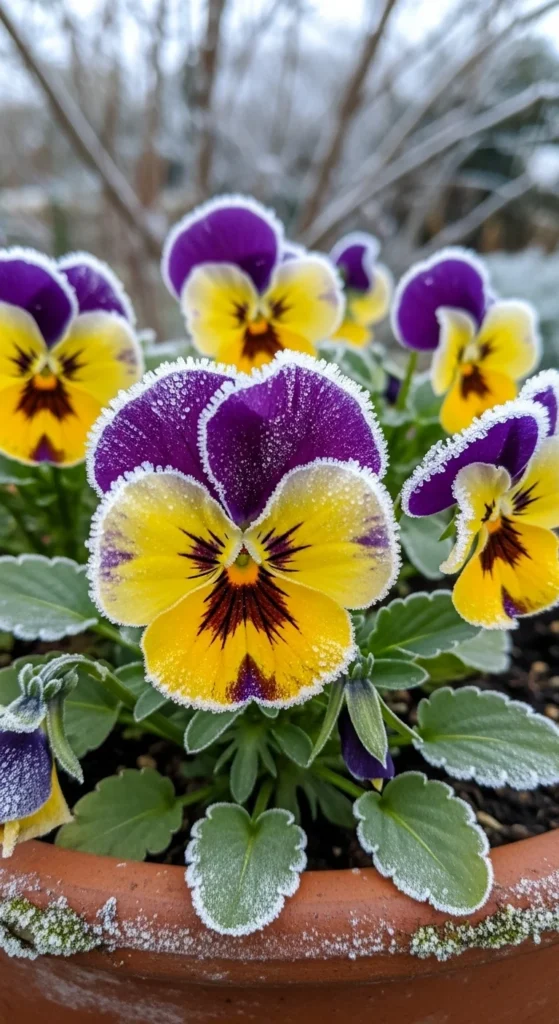
Violas bloom steadily in cool weather. Plant them in pots or borders. Choose compact varieties for winter displays. Water lightly to keep soil damp. Trim old flowers often. Violas handle frost well and offer long-lasting color. Use them as filler plants in garden beds that feel empty during cold weeks.
Bergenia
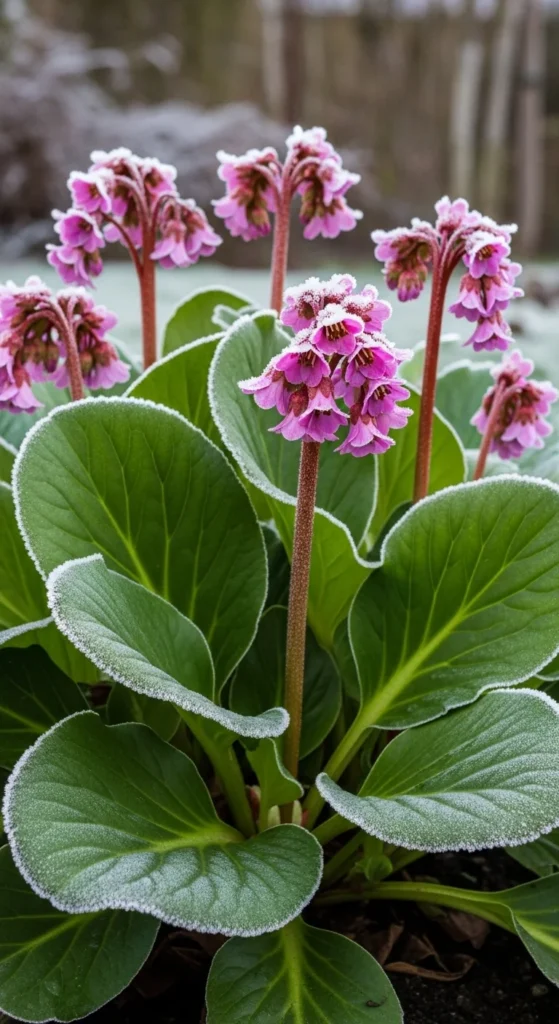
Bergenia blooms during late winter with bold pink clusters. Its large leaves add texture year-round. Plant it in partial shade. Water regularly during early growth. Add mulch around the base for protection. Bergenia works well in borders and woodland-style gardens. Trim damaged leaves to keep plants tidy.
Winter Honeysuckle
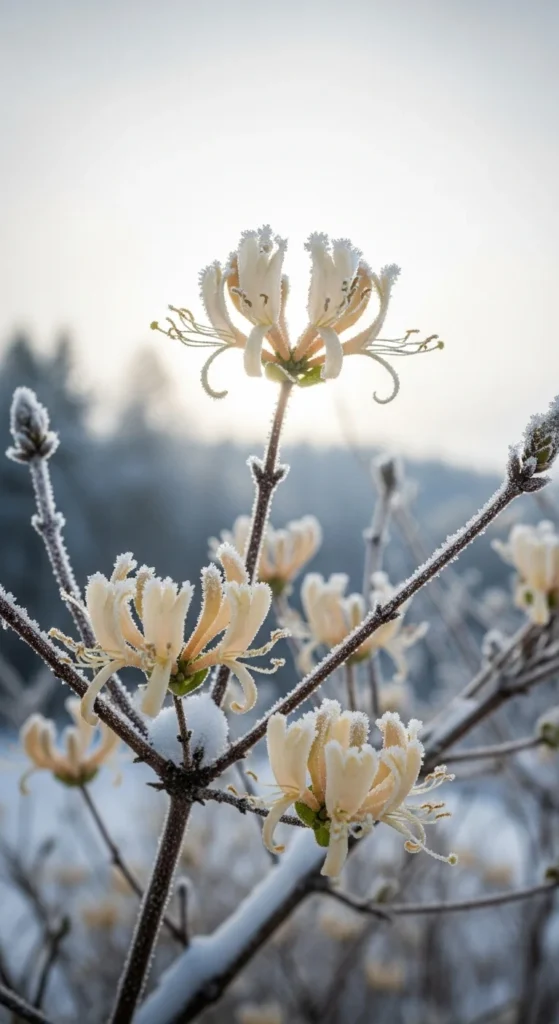
Winter honeysuckle produces soft blooms with gentle scent. Plant it near paths or patios. Water during dry cold spells. Its flowers attract early pollinators. Trim after flowering to shape the shrub. Winter honeysuckle brightens dull borders and works as a backdrop for smaller winter flowers.
Ornamental Cabbage
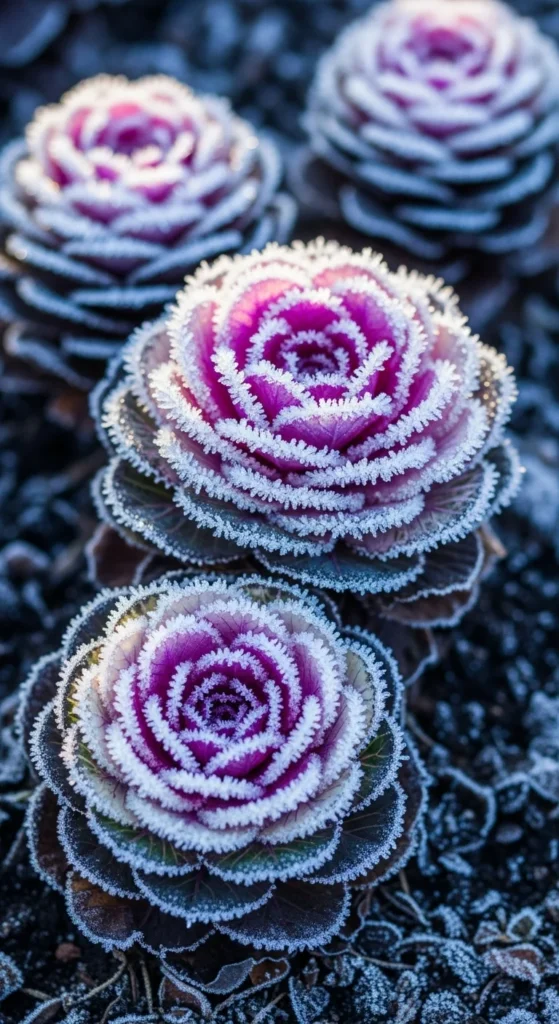
Ornamental cabbages add bold color and texture. Plant them in beds or pots. Choose deep purple or cream-centered varieties. Water consistently to keep leaves crisp. These plants tolerate frost well. Use them to fill gaps between slower winter flowers. Replace outer leaves as they fade.
Cornelian Cherry
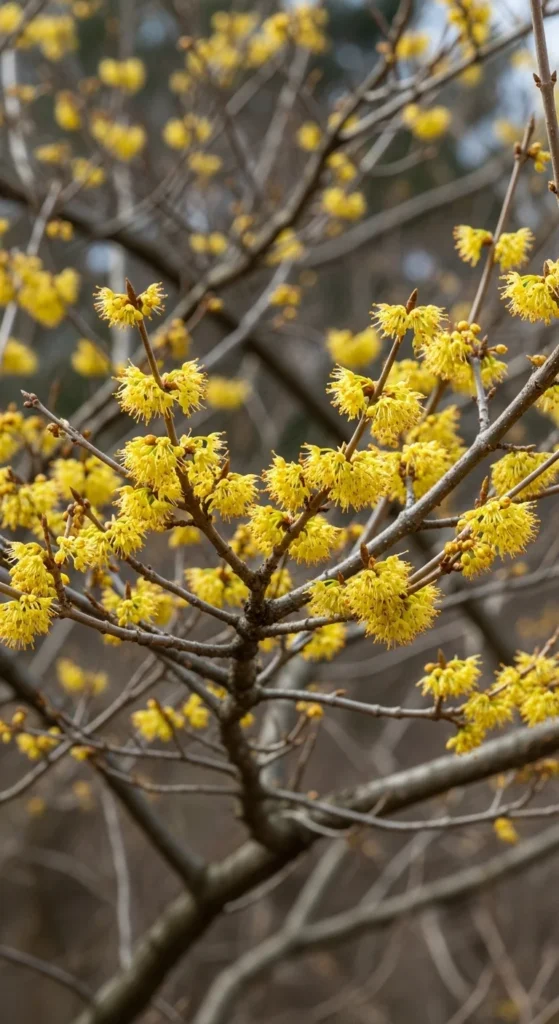
Cornelian cherry shrubs bloom with clusters of yellow flowers. Plant them in full sun for the strongest color. Water until established. This shrub adds brightness early in the season. Use it in mixed borders or near property edges. Birds enjoy the fruit later in the year.
Winter Iris
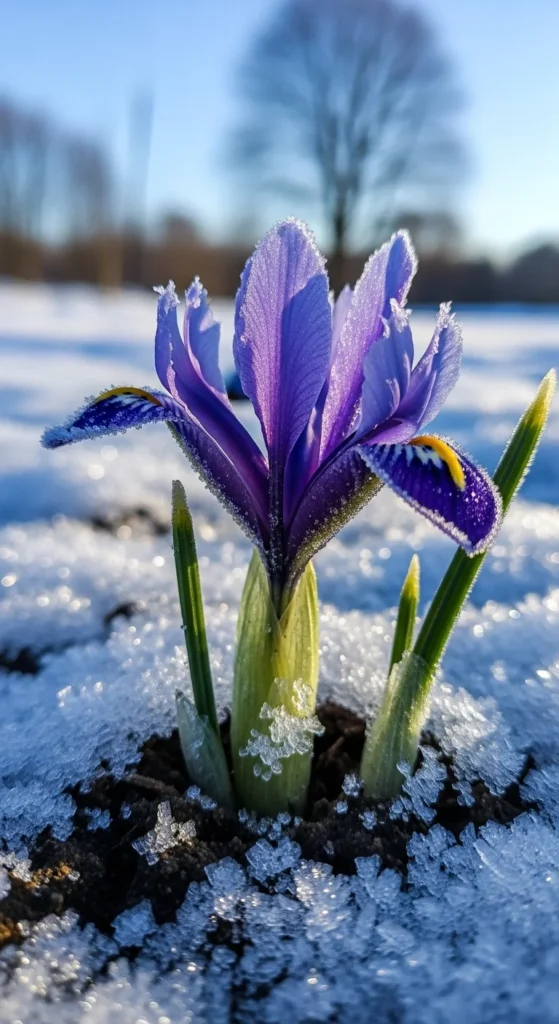
Winter iris produces colorful blooms even in cold temperatures. Plant rhizomes in well-drained soil. Water lightly. These irises open early in the year and pair well with snowdrops or aconite. Place them near paths so you can enjoy the blooms up close.
Hardy Calendula
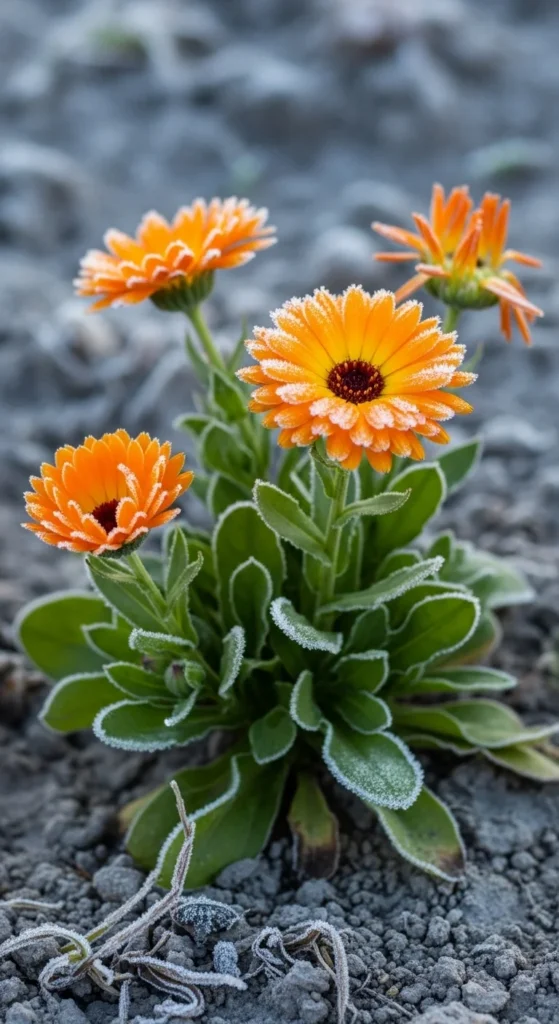
Calendula blooms through mild winter weather. Plant it in borders or pots. Water regularly to keep flowers steady. Calendula adds cheerful color when days are short. Trim faded blooms to encourage new ones. It grows quickly and fills empty spaces easily.
Winter Camassia
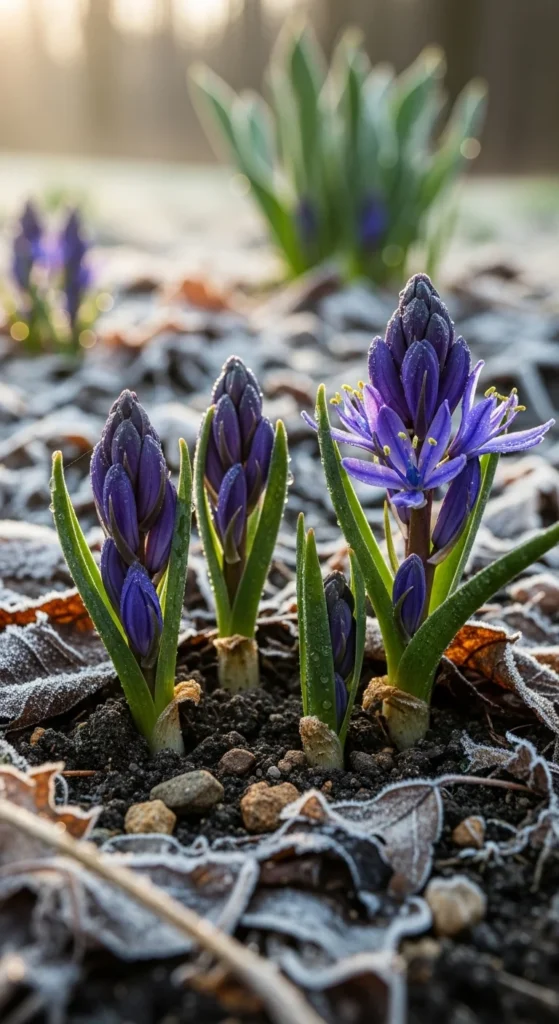
Camassia emerges early with soft blue or white flowers. Plant bulbs in fall. Choose areas with good drainage. Water lightly. Camassia works well in meadow-style beds or along fences. The blooms last long even in cool conditions.
Sweet Box
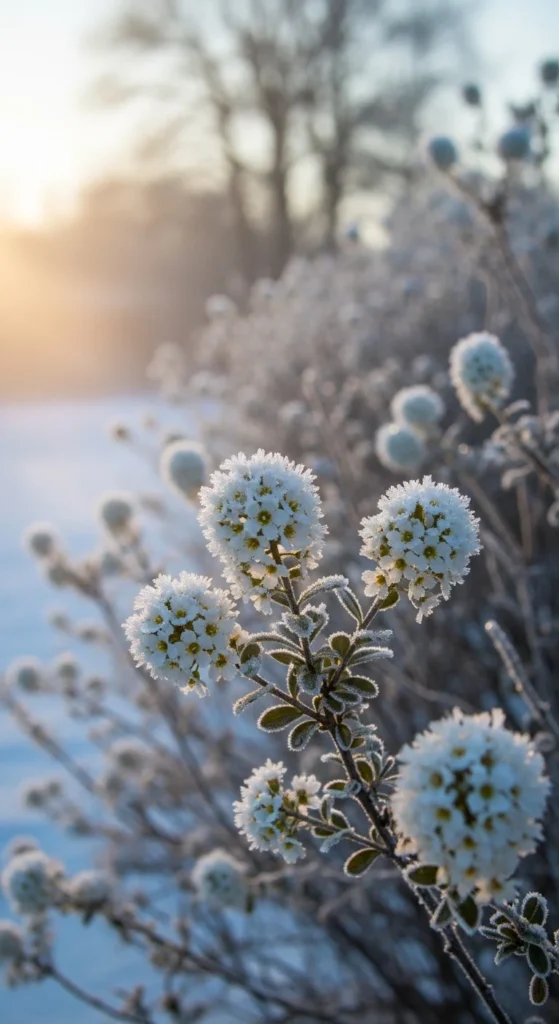
Sweet box produces small white flowers with strong fragrance. Plant it near entrances or patios. Water during dry weeks. Its evergreen leaves keep beds full. Sweet box brightens shady areas during winter and works well as a low hedge.
Hardy Phlox (Winter Selection)
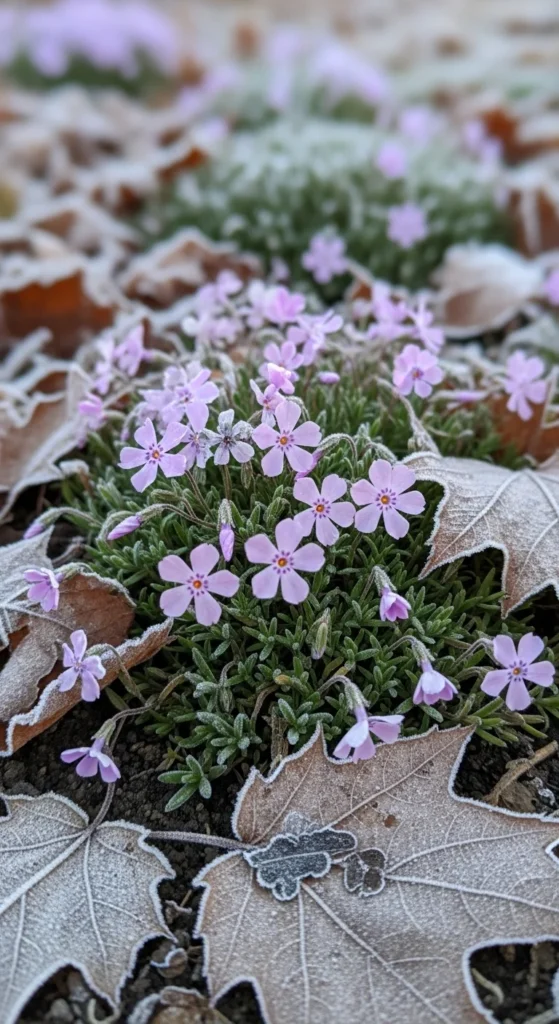
Some compact phlox varieties bloom in cooler weather. Plant them in rock gardens or borders. Add compost to help roots spread. Water lightly. Winter phlox brings soft, low-growing color to areas that look bare. Use it near pathways for close-up viewing.
CONCLUSION
Winter flowers keep gardens colorful even when skies stay grey. By choosing hardy varieties and planting them in smart combinations, you can turn cold months into a season filled with life and quiet charm. Start with a few dependable blooms and expand as you see what thrives best in your space.
Leave a Reply