

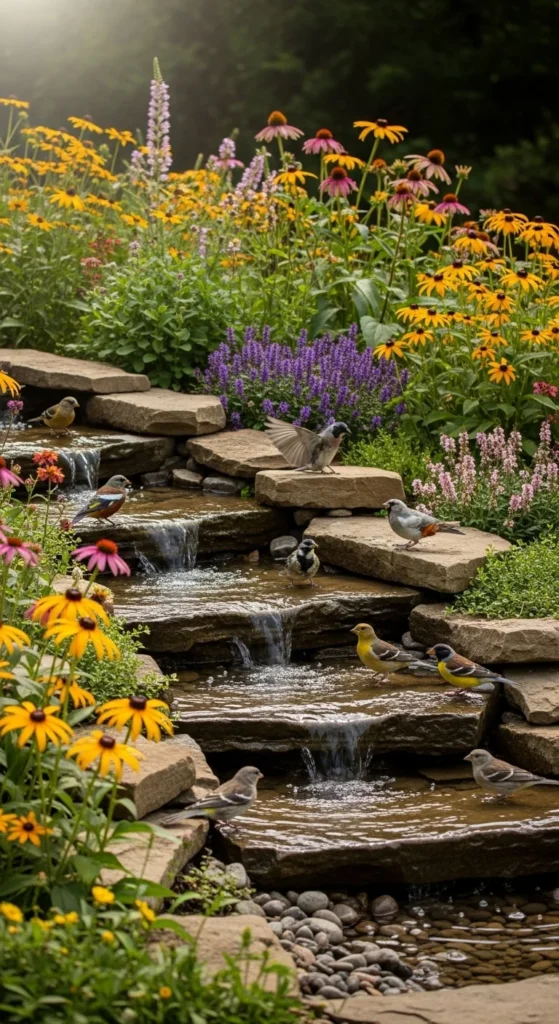
Creating a wildlife-friendly garden invites color, sound, and gentle activity into your outdoor space. Simple features—like water sources, native plants, and quiet shelters—help birds, insects, and small animals feel welcome. These ideas focus on achievable updates that support local ecosystems while keeping your garden attractive and easy to manage.
Native Plant Clusters
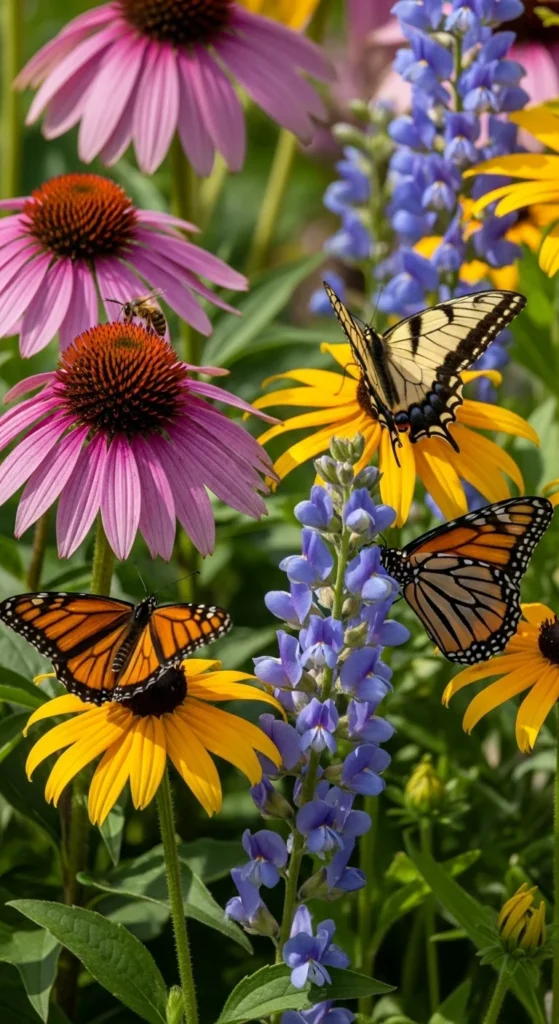
Planting native flowers brings local wildlife in quickly. Choose plants that grow naturally in your region because they offer familiar food and shelter. Cluster them in small groups so pollinators can move easily from bloom to bloom. Use simple beds or containers to start small. Add compost to help young plants settle. Water in the early morning to keep soil steady. You can mix perennials with annuals for long-lasting color. Native plants also support beneficial insects. If you have limited space, create a narrow border along a fence. Add small stones or wood pieces to give insects places to hide. This setup encourages natural movement through your garden and makes caring for the plants easier.
Bird Bath Oasis
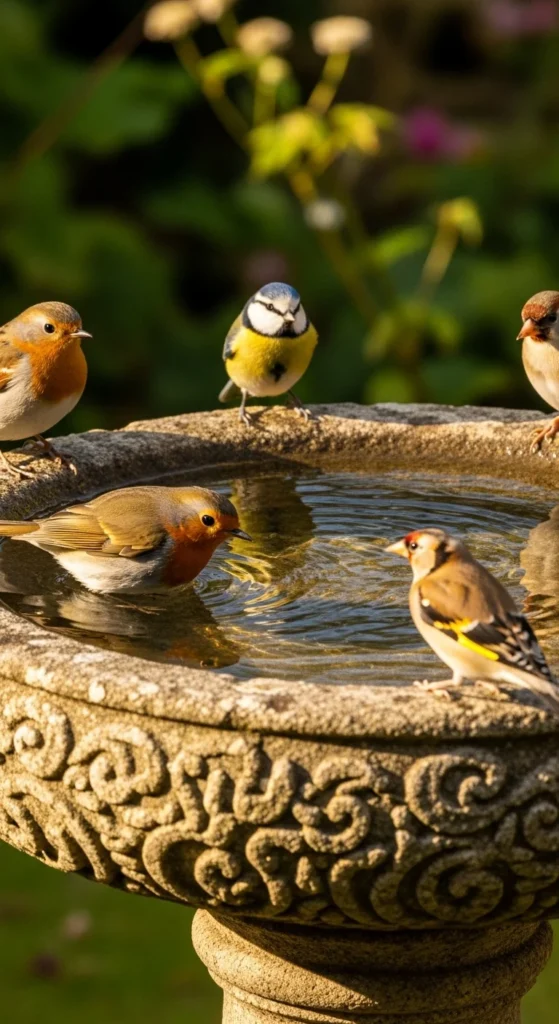
A bird bath offers water for drinking and bathing. Choose a shallow basin so birds feel safe. Place it where you can see it easily, but away from heavy foot traffic. Change the water often so it stays clean. Add a few stones inside to help smaller birds balance. You can raise the bath on a sturdy stand to keep it visible. If winter temperatures dip low, refill with warm water in the morning. Surround the bath with low plants so birds feel comfortable landing nearby. This simple feature attracts a variety of species and brings lively movement into your garden.
Bug Hotel Corner
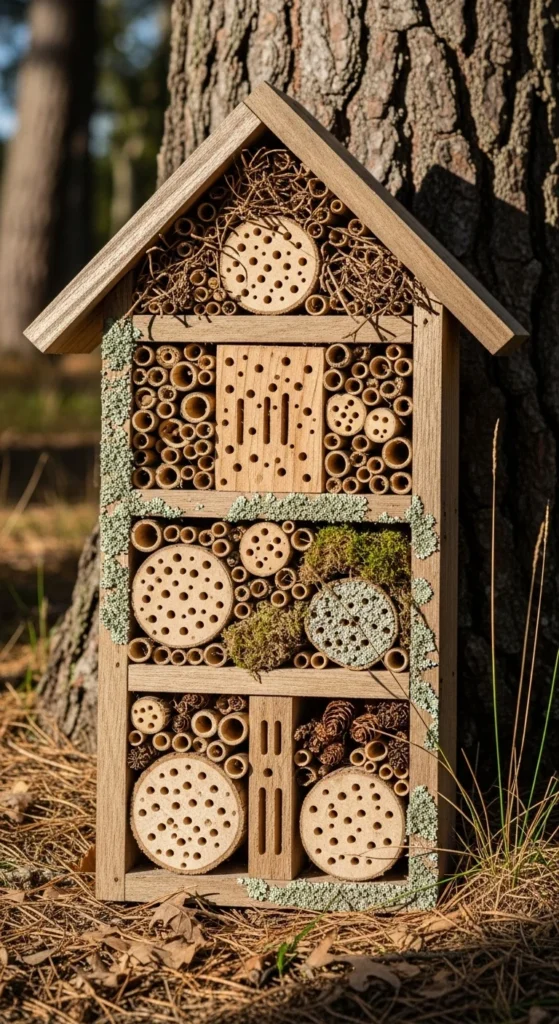
A bug hotel gives insects safe shelter. Use bamboo tubes, drilled wood blocks, or dried stems. Arrange them inside a wooden frame or crate. Place the hotel near shrubs or trees for shade. Keep it off the ground to avoid moisture. You can build it with scrap materials, making this a low-cost upgrade. Insects help pollinate flowers and support birds. Check your hotel occasionally to make sure it stays dry. Avoid moving it once insects take residence. This feature adds hidden life to your garden.
Butterfly Water Dish
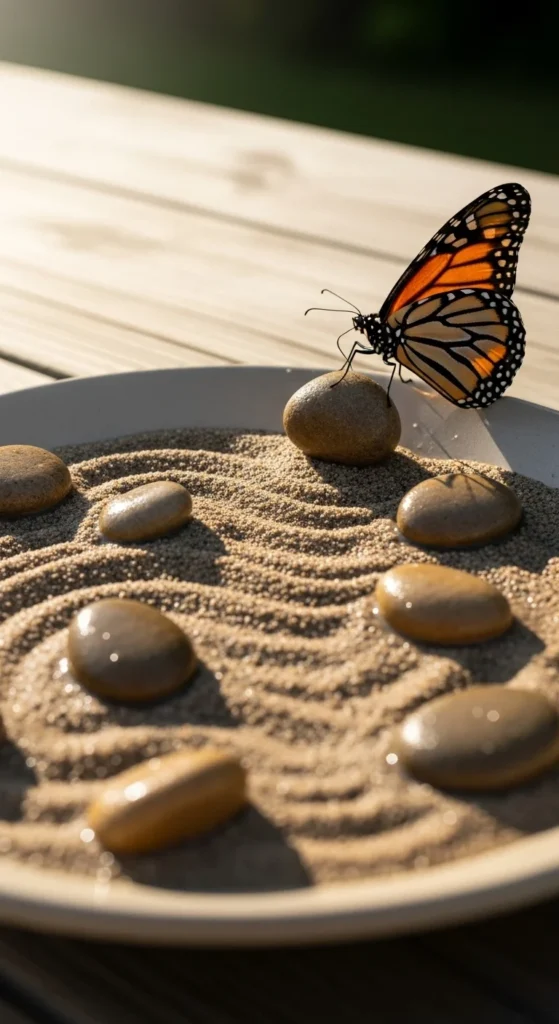
Butterflies enjoy shallow water sources. Fill a dish with damp sand and place a few stones on top. Keep it in a sunny spot near flowers. Add water regularly so the sand stays moist. This dish helps butterflies drink safely without risk of drowning. You can decorate the dish with small pebbles. Place it close to blooming plants so butterflies stop by easily. This small upgrade creates a landing station for pollinators.
Hedge Shelter Line
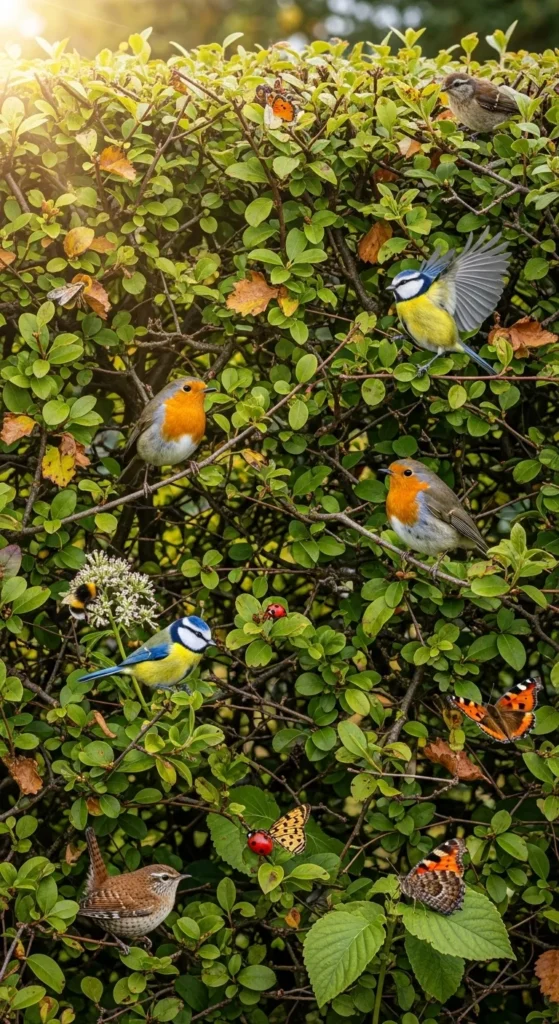
A hedge offers shelter and nesting spots. Choose shrubs that stay dense year-round. Plant them along fences or property lines. Water deeply during early growth. Trim lightly to keep them full. Hedges give birds a safe place to hide from predators. They also support insects that help your garden thrive. Planting a hedge can reduce noise and create a cozy boundary. Mix evergreen and deciduous shrubs for added texture.
Mini Wildlife Pond
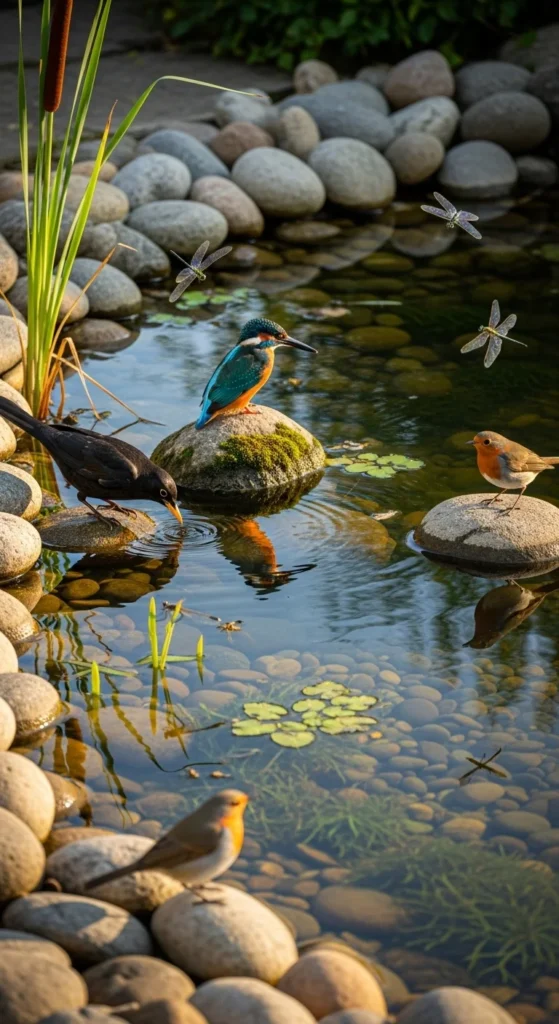
A tiny pond can attract frogs, insects, and birds. Use a shallow container, add stones, and fill with clean water. Place it where it gets partial sun. Add water plants to keep the ecosystem balanced. Avoid adding fish since they may scare smaller creatures. Top off the water weekly. Place logs or flat stones nearby for wildlife to rest on. This pond acts as a quiet sanctuary within your garden.
Log Pile Habitat
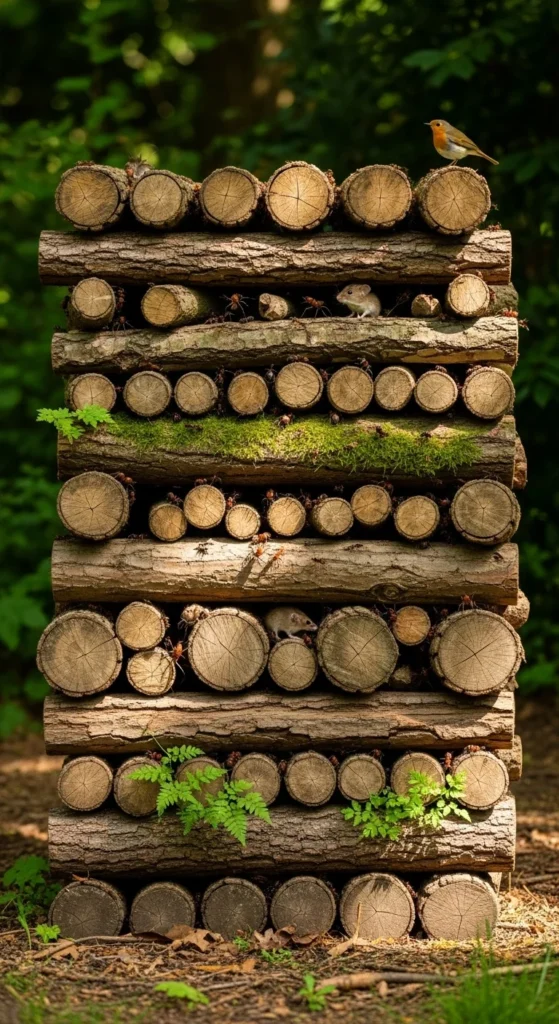
Stack logs in a shaded corner to create shelter for beetles, frogs, and other small creatures. Use untreated wood so the habitat stays natural. Keep some logs thick and others thin for variety. Add leaf litter between layers for extra cover. Water the area lightly once in a while to keep it humid but not soaked. This log pile also becomes a home for decomposers that enrich your soil.
Pollinator Strip
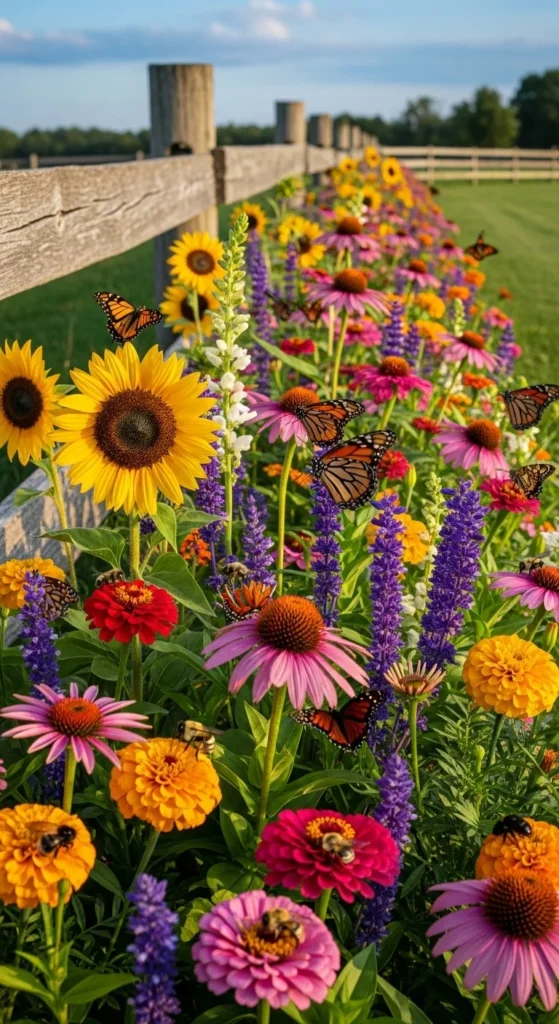
A pollinator strip creates a feeding lane for bees, butterflies, and hoverflies. Plant flowers in a narrow line along a fence or walkway. Choose blooms that appear at different times of year. Add compost before planting. Water consistently while plants settle. This strip draws pollinators through your garden and keeps color visible from multiple angles. You can add stakes for support if flowers grow tall.
Bird Feeder Station
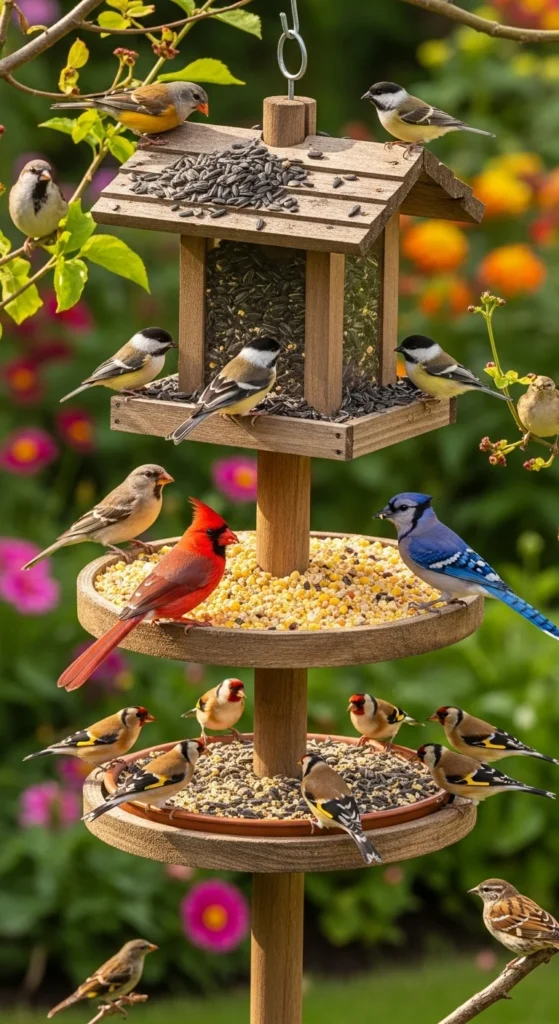
A feeder station supports bird activity all year. Hang feeders at different heights. Offer mixed seeds, suet, and fruit depending on local species. Keep food dry by choosing feeders with small roofs. Clean them weekly to keep wildlife healthy. You can place the station near shrubs so birds feel safe approaching. Add a small tray below to catch fallen seeds.
Nectar-Rich Flower Bed
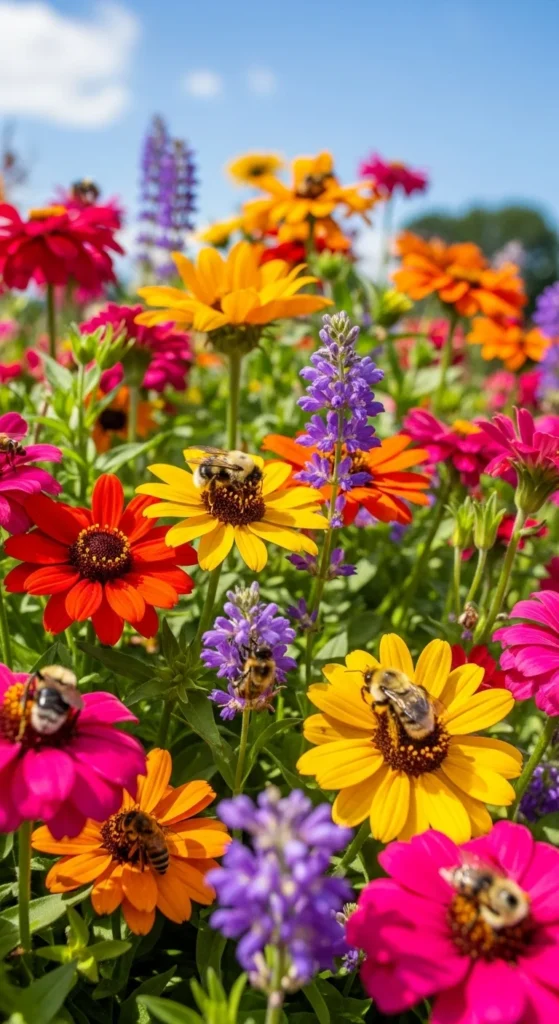
Plant a bed filled with nectar-rich flowers like coneflowers, lavender, and salvia. These plants offer steady food for pollinators. Group them by height so shorter blooms get sunlight. Water deeply but not too often. Add mulch to help soil stay moist. You can start with a few pots if you’re new to nectar plants. Bees, butterflies, and hummingbirds will visit often.
Rock Pile Nook
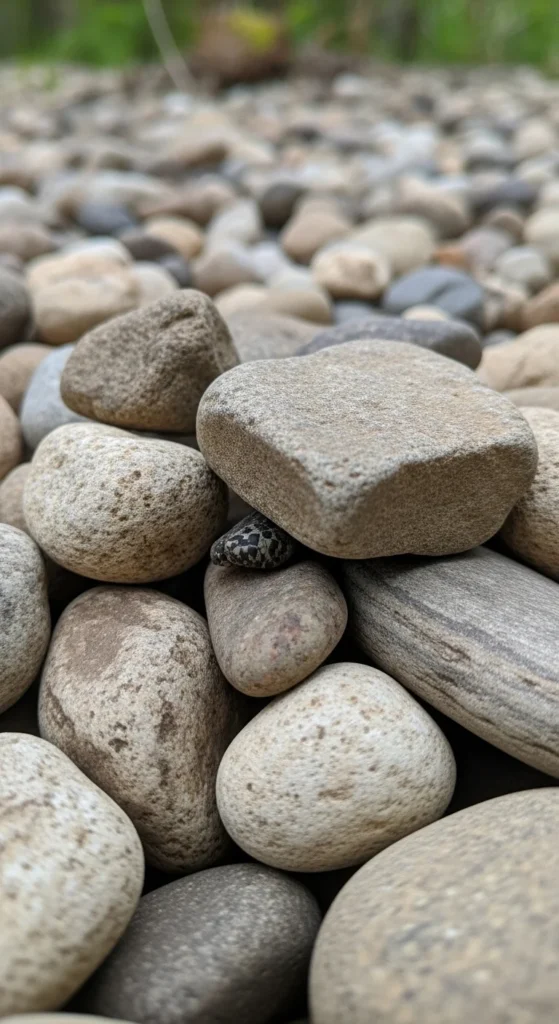
A simple rock pile creates hiding spaces for insects and small reptiles. Use rocks of different sizes. Stack them loosely so gaps form naturally. Place the pile near tall grasses to encourage movement. Keep it in a sunny spot if you want lizards to visit. This setup also helps moisture-loving insects find shelter under larger stones.
Night Blooming Section
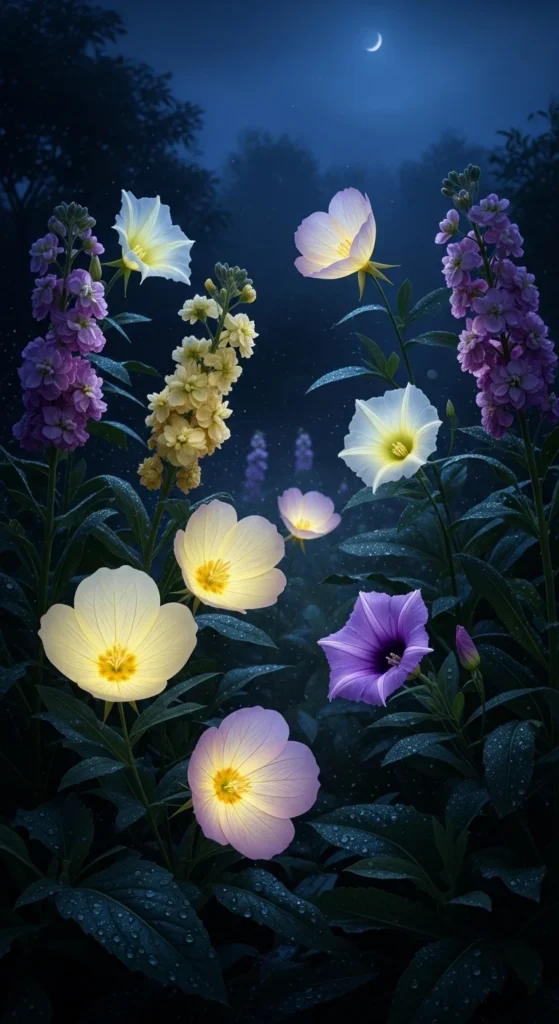
Night-blooming flowers attract moths and evening pollinators. Plant varieties like evening primrose, moonflower, or white nicotiana. Place them near patios or pathways. Water calmly to avoid splashing petals. These blooms open in low light and release mild scents. Add tall grasses or shrubs nearby to create contrast. This section adds interest after sunset.
Perch Branch Posts
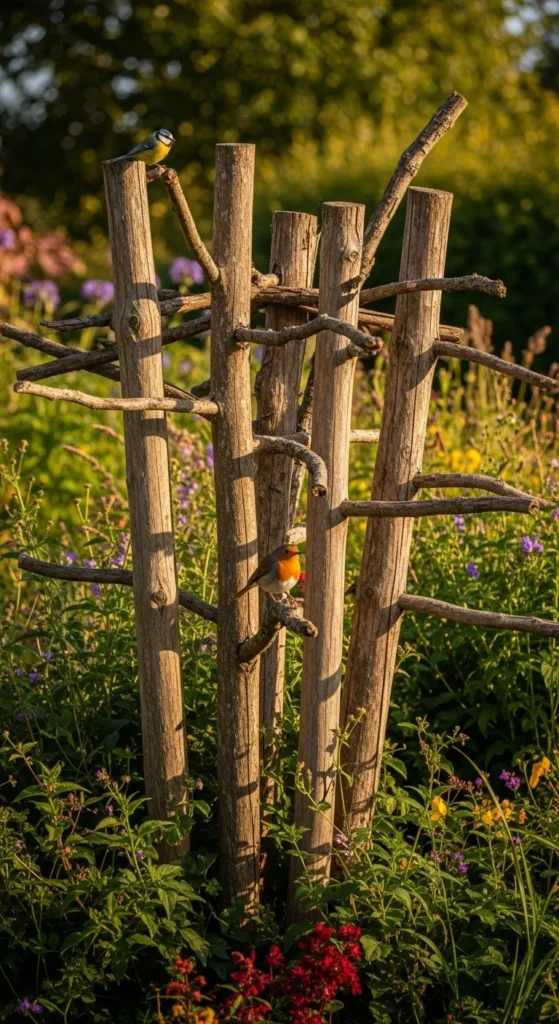
Attach branches to short wooden posts to create natural perches. Position them near shrubs or feeders. Birds use these posts to rest, spot insects, or dry feathers after bathing. Keep the posts sturdy. You can attach multiple branches at different angles. These perches help birds feel welcome and add rustic charm.
Bee Watering Spot
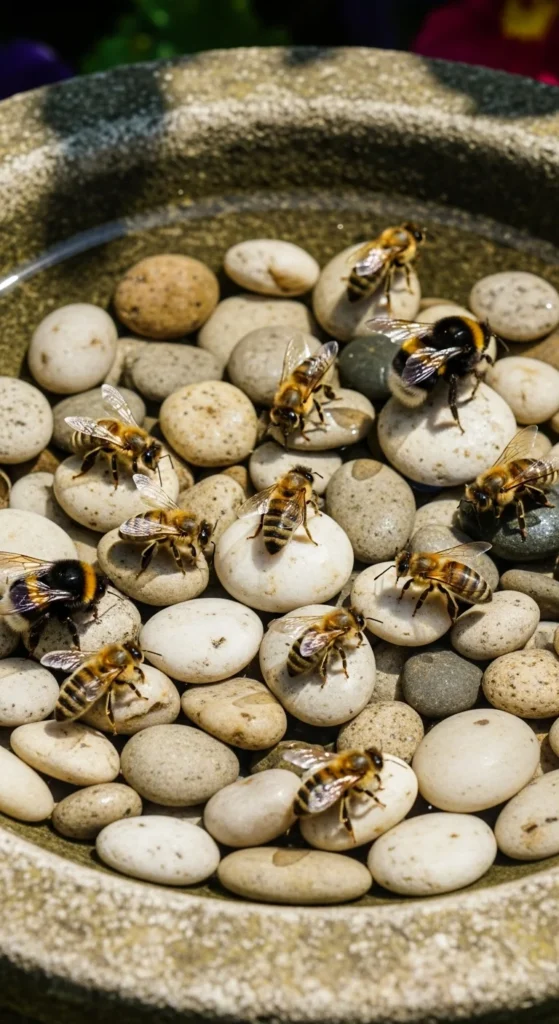
Bees need shallow water sources. Fill a bowl with pebbles and add just enough water to reach the top layer. Place it near flowering plants. Change the water daily to keep it clean. Bees land on the stones safely while drinking. Add a few flat rocks to offer larger landing pads. This station supports pollinators during dry spells.
Mud Patch for Butterflies
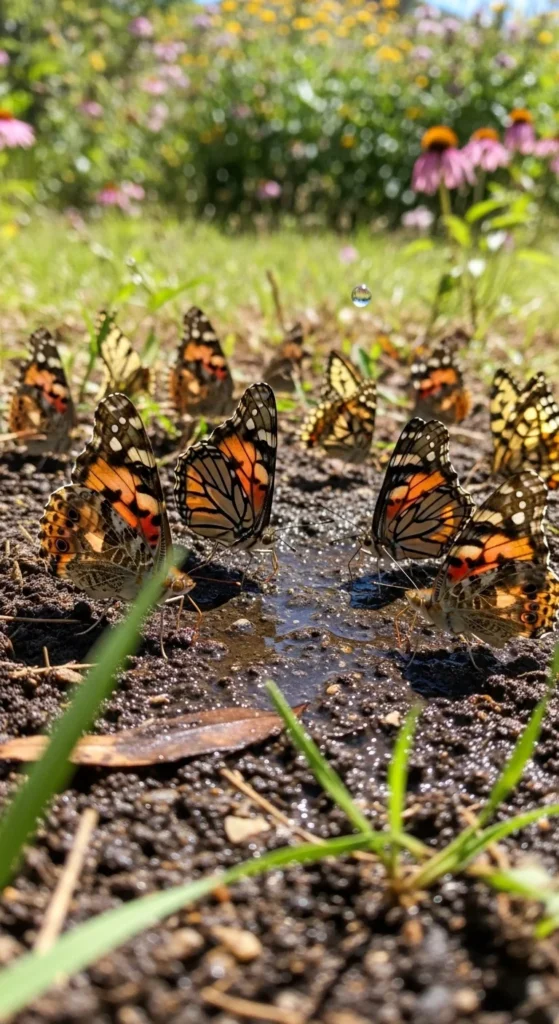
Butterflies gather minerals from damp soil. Create a small mud patch in a sunny location. Keep it moist with a light spray every day or two. Place it near nectar plants. This simple feature attracts butterflies and adds gentle activity to your garden. Add flat stones nearby for resting spots.
Hollow Stem Corner
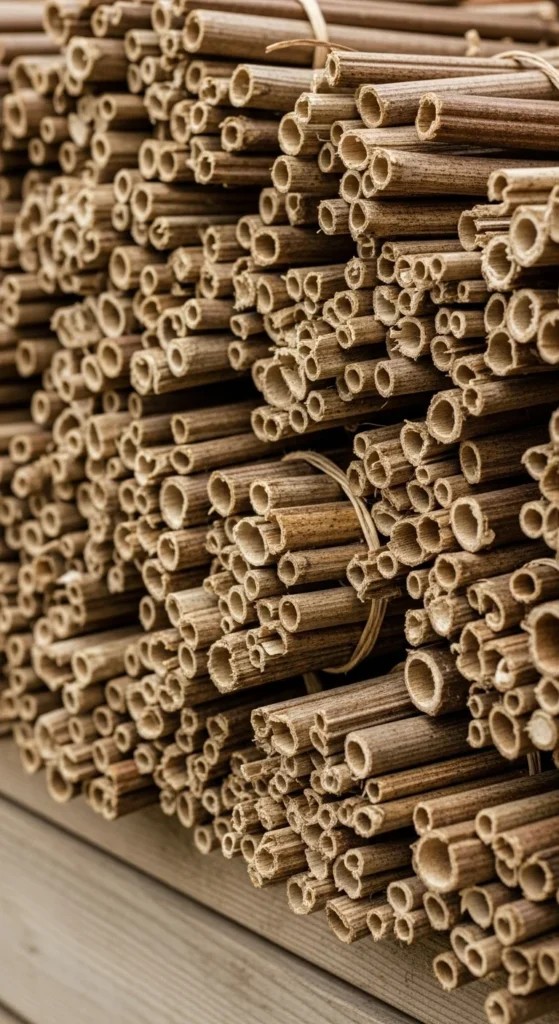
Leave bundles of hollow stems from plants like bamboo or sunflower stalks. Tie them loosely and hang them under a sheltered area. These stems provide nesting spots for solitary bees. Keep them dry to help bees settle. Replace bundles each year to maintain hygiene. This feature fits easily into any garden size.
Feather-Friendly Shrub Patch
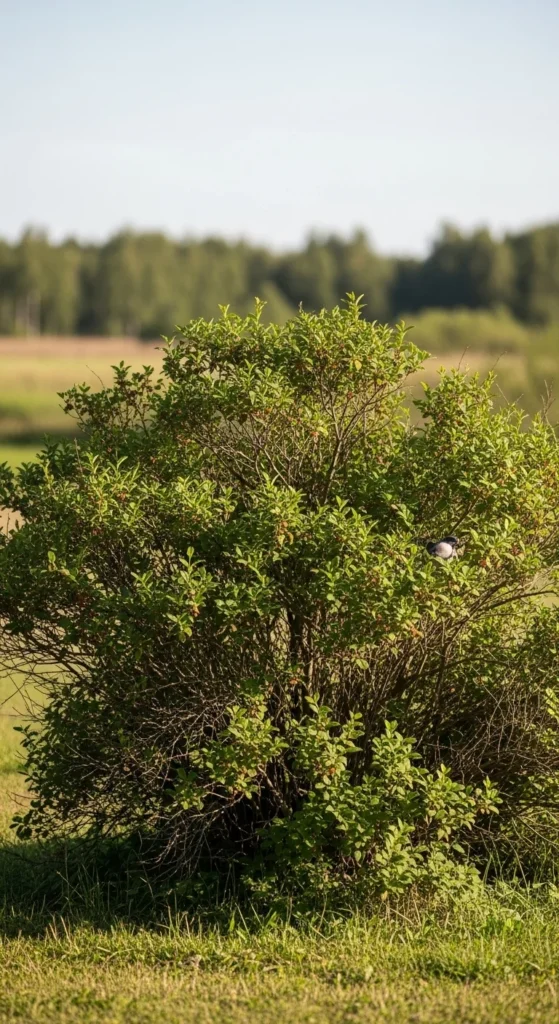
Dense shrubs provide quiet places for birds to hide and rest. Plant shrubs with small berries or seeds for added food. Water during early growth to help them spread. Trim lightly to keep them full. Birds use these shrubs as resting points after feeding or drinking. This patch also provides shade during hot days.
Worm-Friendly Compost Pile
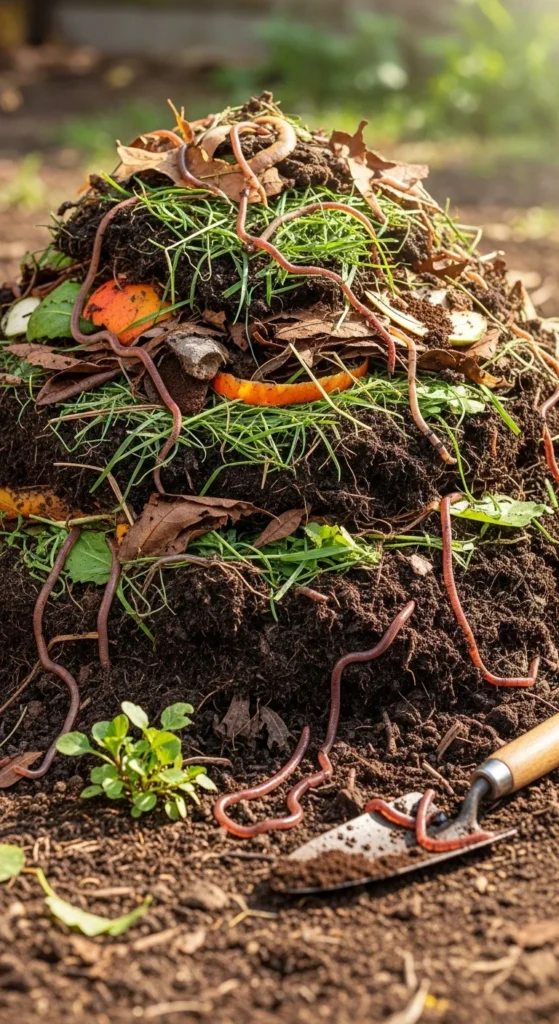
A compost pile supports worms and other decomposers. Start with kitchen scraps, leaves, and grass cuttings. Keep it moist but not soggy. Turn it occasionally. Worms help break down material into rich soil. Place the pile in a shaded corner. This compost also helps nearby plants grow well.
Grassy Hideout Zone
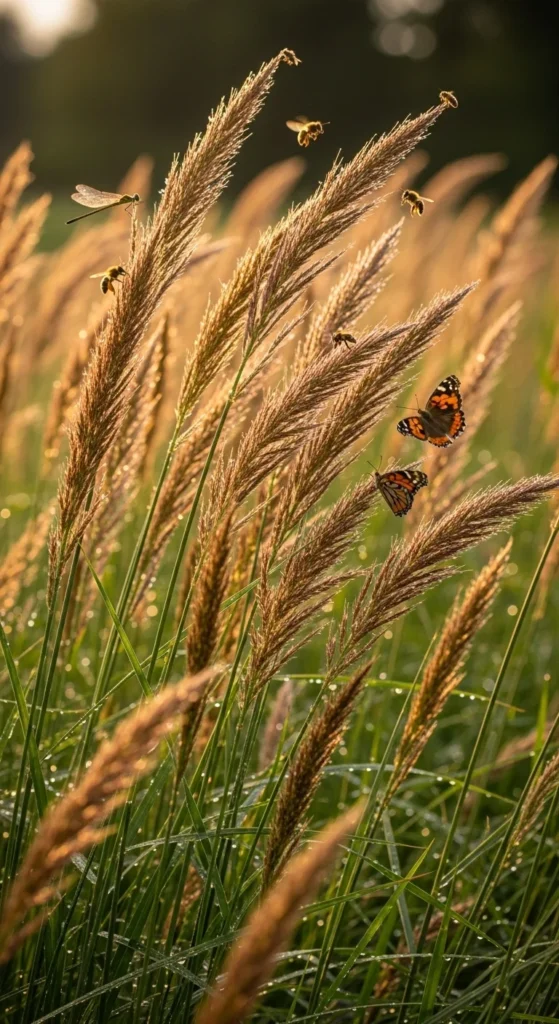
Tall grasses offer habitat for insects and small animals. Plant clumping varieties like switchgrass or fountain grass. Water regularly during the first few weeks. Grasses sway gently and create movement in the garden. Add stones or a log nearby for additional hiding spots. This zone invites natural activity year-round.
Fallen Leaf Corner
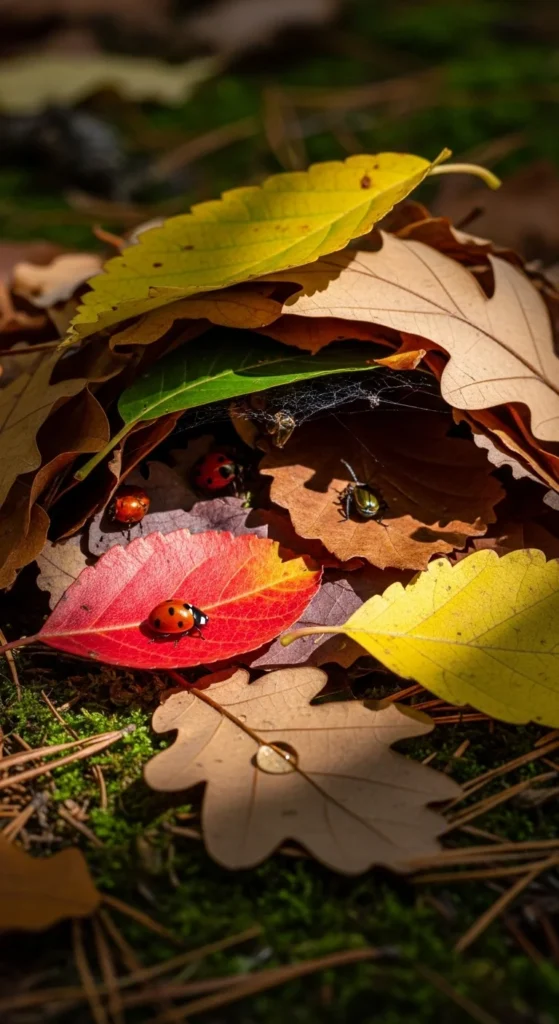
Leave fallen leaves in one corner of your yard. Insects and small animals use them for shelter. Spread the pile slightly so air moves through it. Add a few twigs to help structure the pile. Place it away from main walkways. This simple step supports biodiversity and requires no extra work.
Small Fruit Patch
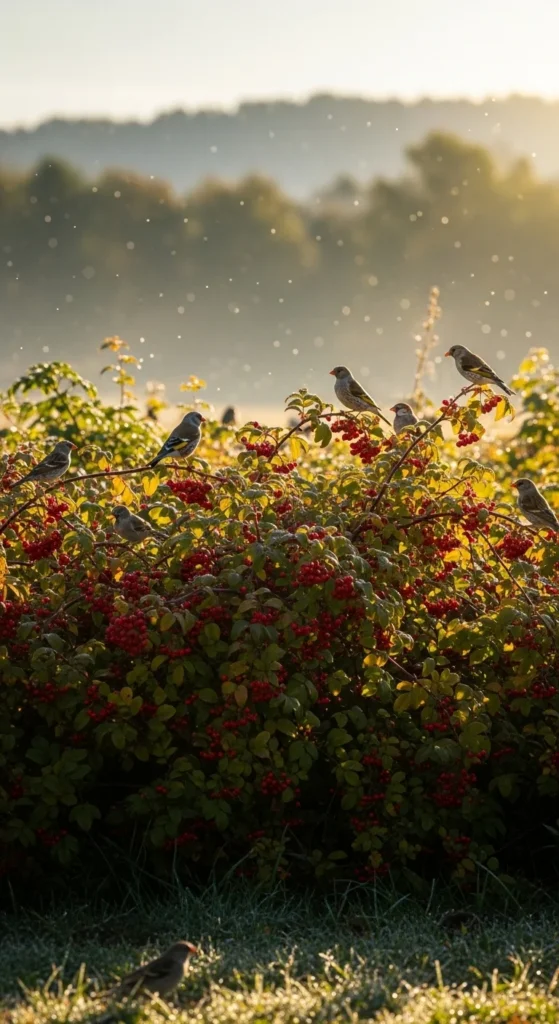
Berries attract birds throughout the year. Plant raspberries, elderberries, or currants. Use compost to prepare the soil. Water consistently during fruiting periods. Birds visit these plants daily. You can place netting over part of the patch if you want to keep some fruit for yourself. Even small patches draw wildlife in quickly.
Water Drip Feature
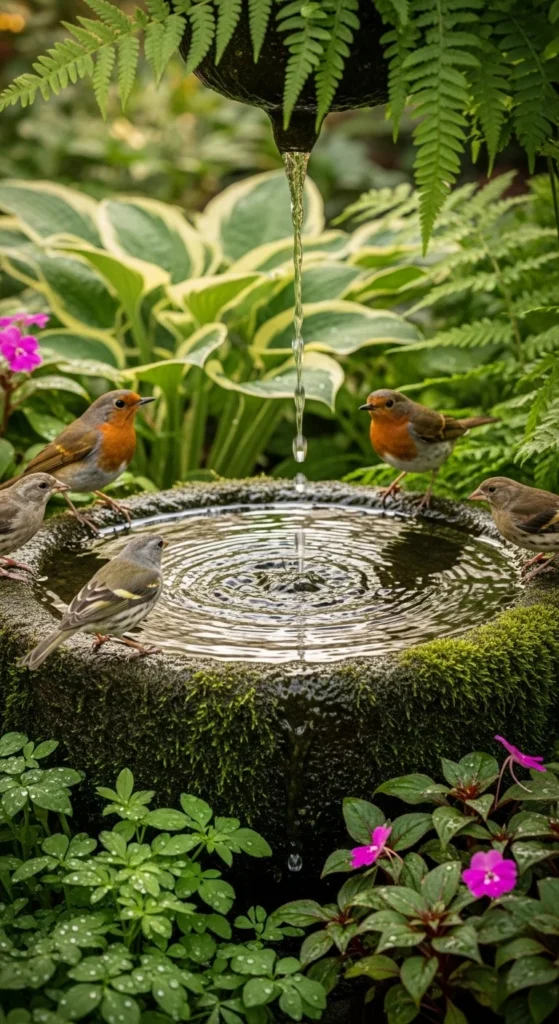
A drip feature offers constant water movement. Set a small container above a shallow dish. Let water drip slowly into the bowl. Birds and insects enjoy the gentle sound. Keep the water clean. Place stones inside for safe footing. This feature brings life and calm to your garden.
CONCLUSION
Wildlife-friendly features turn a quiet yard into a lively habitat. By adding simple water sources, natural shelter, and supportive plants, you invite birds, butterflies, and insects to visit daily. Start with one or two upgrades and build from there. Your garden will quickly become a welcoming space filled with color, sound, and natural activity.

Leave a Reply