

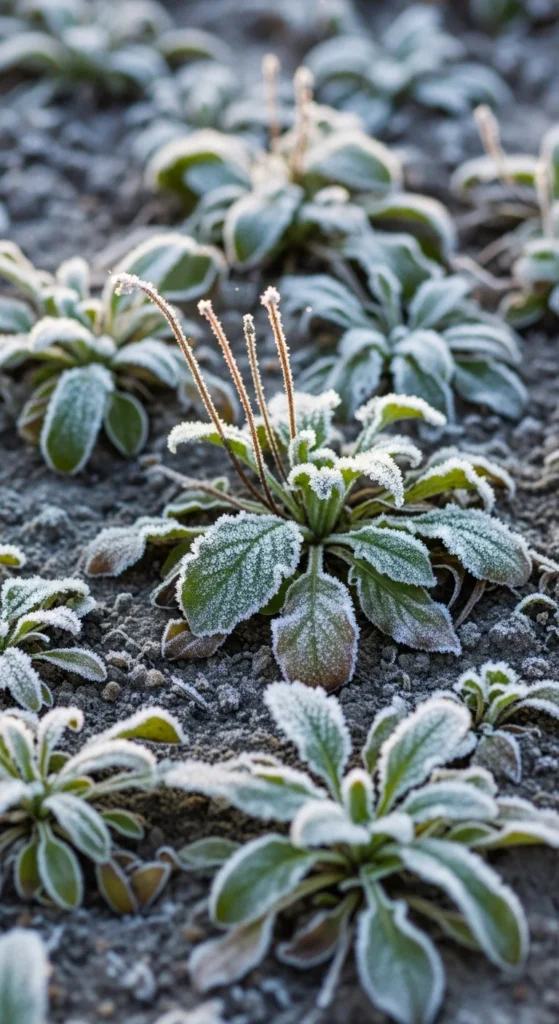
Cold weather doesn’t have to stop your garden from thriving. With the right frost-tolerant plants, you can keep beds lively, textured, and productive even in colder months. These choices offer structure, color, and durability when temperatures drop. Each idea focuses on simple planting layouts, practical care steps, and easy ways to keep your garden strong through winter.
Hardy Kale Rows
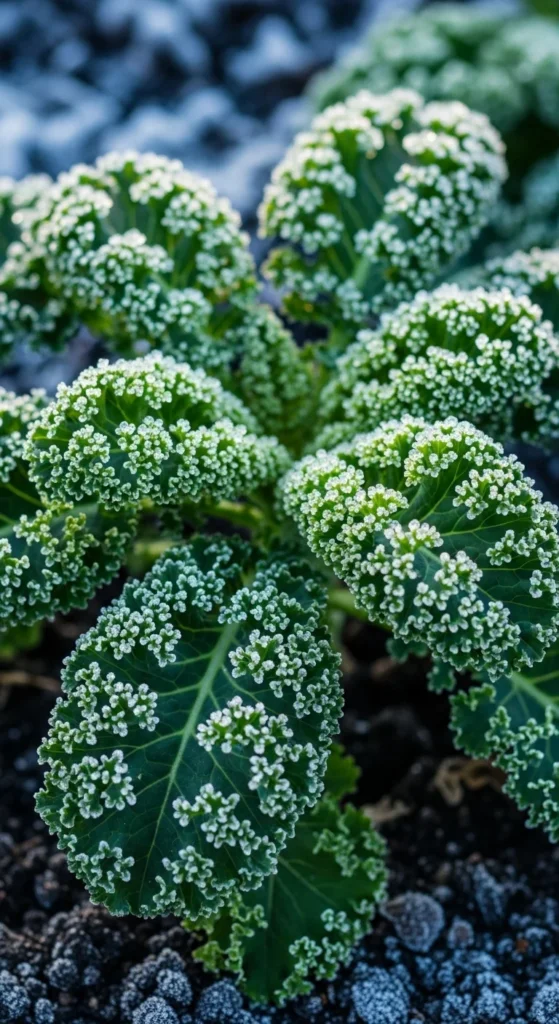
Kale stays strong in cold conditions. Plant it in neat rows so air flows between the leaves. Use compost to loosen the soil and help roots grip well. Water lightly during dry spells. You can pick outer leaves as needed and let the center grow back. If you want extra frost protection, add a low tunnel made from wire hoops and plastic. Kale grows well in raised beds or ground-level plots. Keep weeds low because they compete for moisture. You can tuck small herbs like chives between kale rows to save space. Harvesting during cold weather actually helps kale stay crisp. This plant works well for gardeners who want steady greens even when temperatures dip.
Winter Lettuce Mix
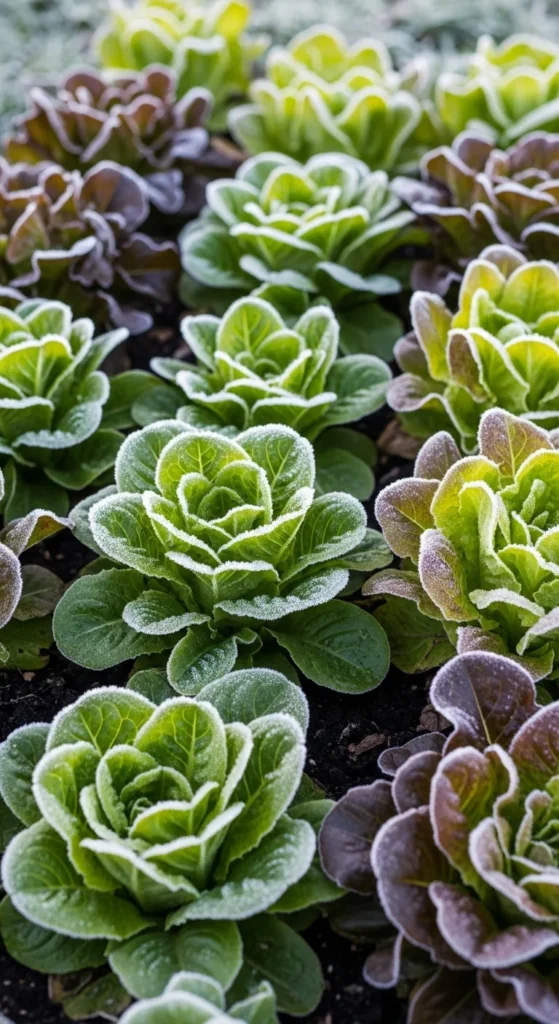
Winter lettuce varieties handle cold surprisingly well. Choose types like winter density or arctic king. Plant seeds close together for a compact patch. Add fine compost on top to help maintain moisture. Cover the bed with a simple row cover during sudden cold snaps. Water early in the day so leaves stay dry before nightfall. This helps prevent damage. You can harvest outer leaves while the plant keeps growing. Lettuce works in containers too, so you can move them to protected spots. Keep the soil loose so roots grow quickly after cutting. This mix keeps your garden lively even when many plants slow down.
Frost-Hardy Spinach Beds
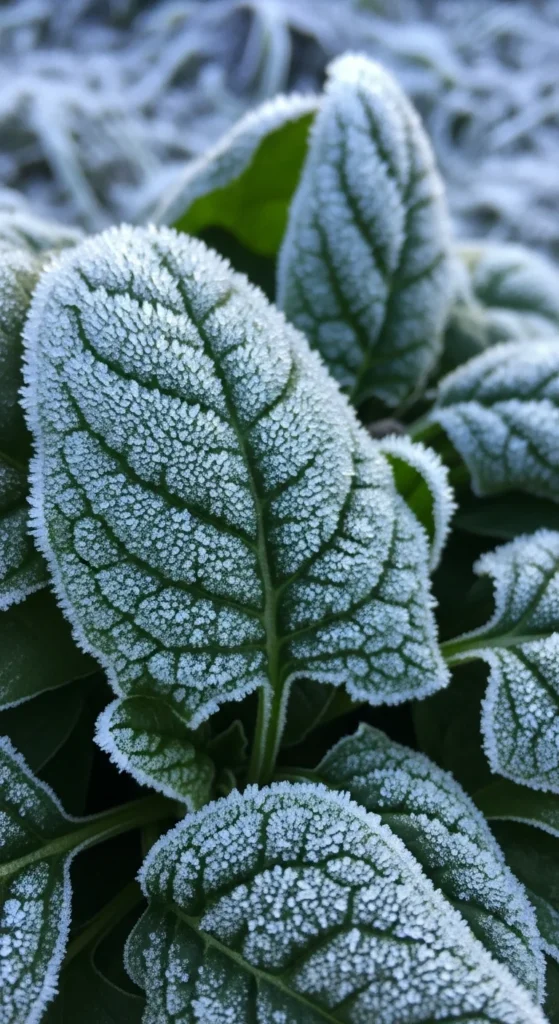
Spinach thrives in cold weather. Sow seeds thickly and thin later if needed. Give the soil a little compost before planting. Water slowly so soil absorbs moisture without pooling. Spinach leaves stay sturdy even with frost on them. If you want steady harvests, plant a few rows every two weeks. Use a simple fabric cover when temperatures drop sharply. Spinach does well in small gardens or larger beds. Keep leaves trimmed to encourage new growth. You can plant spinach near garlic or onions for space-saving combinations.
Tough Winter Pansies
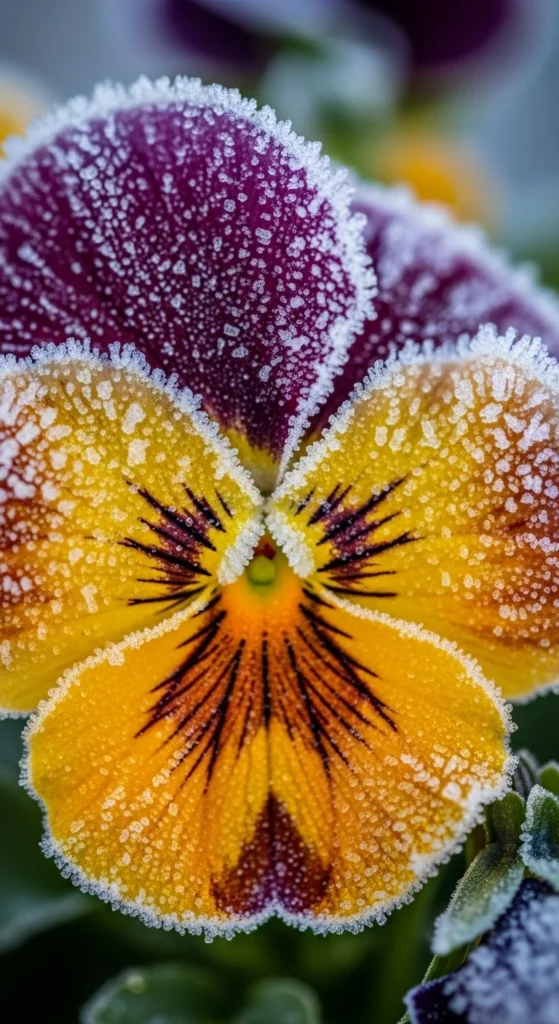
Pansies hold color in colder months. Plant them along borders or in containers. They stay upright even after frost. Choose strong colors like purple, yellow, or deep red. Add compost-rich soil to help them root well. Water lightly and keep spent blooms trimmed. Pansies mix nicely with evergreen shrubs. You can also plant them near walkways so you enjoy their color up close. They handle cold nights and warmer days easily. If heavy frost comes, place a cloth over them overnight. These flowers help brighten quiet winter beds.
Cold-Tough Broccoli Plants
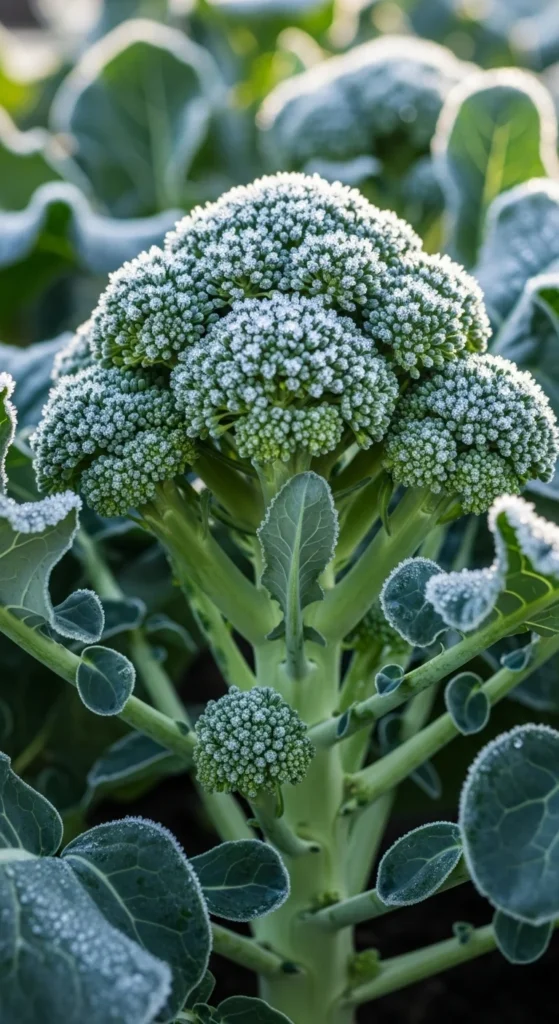
Broccoli holds up well in cold temperatures. Plant seedlings in rows with enough spacing so heads form cleanly. Add a little compost around each plant. Water near the base to avoid soaking the leaves. Broccoli grows slowly during winter but stays healthy. If temperatures dip low, cover the plants with a lightweight cloth. Harvest side shoots even after you cut the main head. Broccoli works well with companion plants like spinach or lettuce. Keep pests low by removing any yellow leaves. This plant stays strong and productive through cold spells.
Evergreen Heuchera Clumps
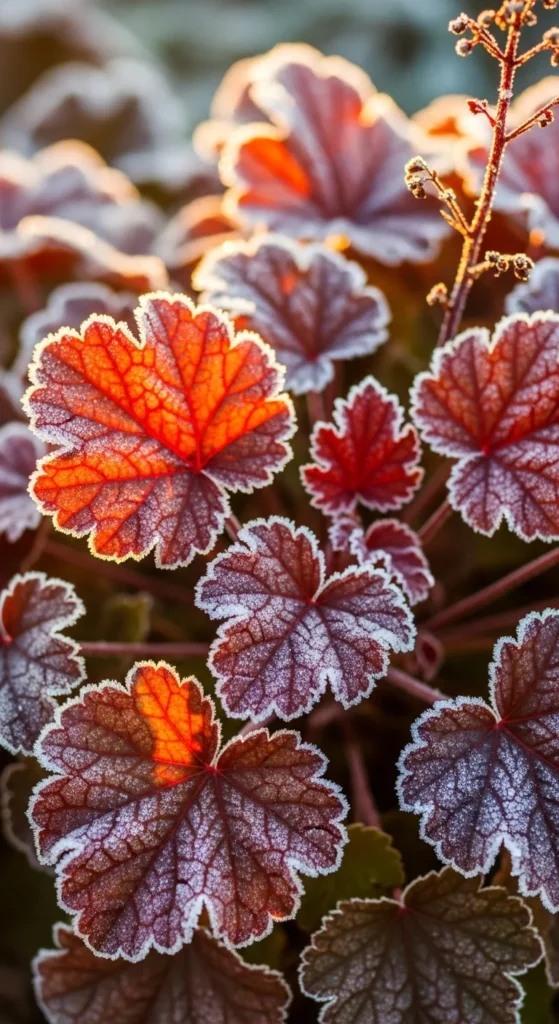
Heuchera adds color and texture even during cold months. The leaves come in greens, burgundies, and silvers. Plant them along borders or near paths. Add composted soil to help them settle. Water lightly to avoid soggy roots. Heuchera stays evergreen in many climates, giving your garden structure when other plants fade. Trim damaged leaves at the start of the year. Pair them with grasses or pansies for color. These plants hold shape through chilly weather and keep beds looking full.
Frost-Tolerant Winter Cabbage
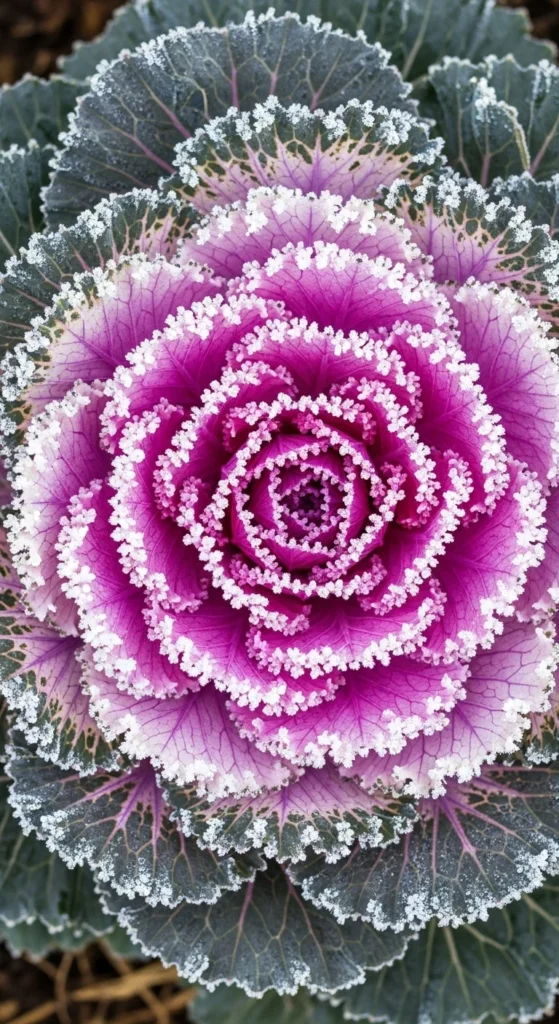
Winter cabbage gives gardens a bold look. The leaves stay strong through frost. Plant them in rows or as single accents. Use compost in the soil so they root deeply. Water gently and avoid soaking the center. Winter cabbage looks great in containers too. Add mulch around the base to help with temperature shifts. Combine different colors—white, pink, or purple—for added charm. These plants can handle strong cold spells and still look sharp.
Rugged Swiss Chard Plants
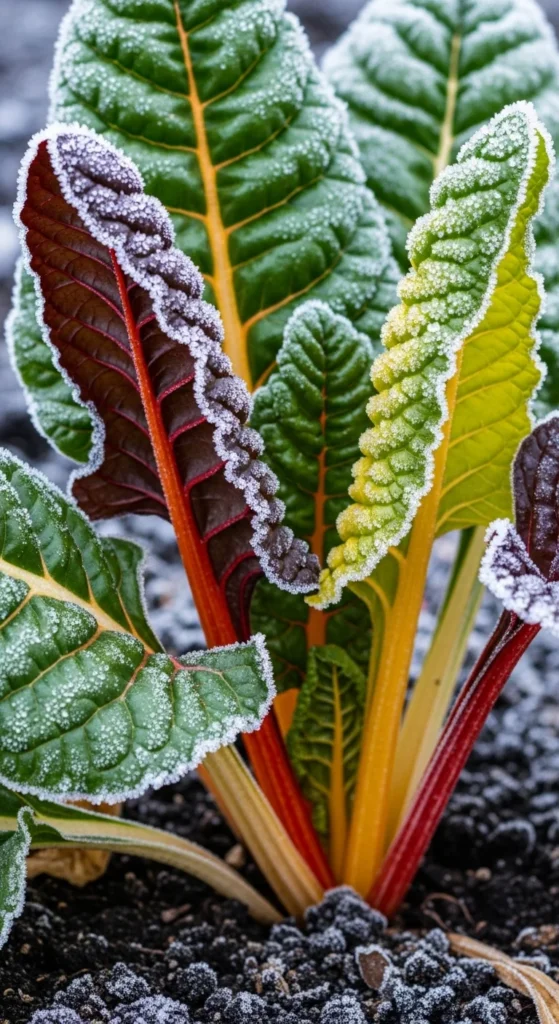
Swiss chard stands tall even in freezing weather. Plant it near the back of a garden bed so the tall stems don’t block smaller plants. Use compost to enrich the soil. Water when the top layer feels dry. Pick outer leaves as they grow. Chard brings color through winter with red, yellow, or white stems. Add mulch to keep roots insulated. Pair it with kale or spinach for a hardy winter mix. This plant handles cold well and stays reliable all season.
Hardy Carrot Rows
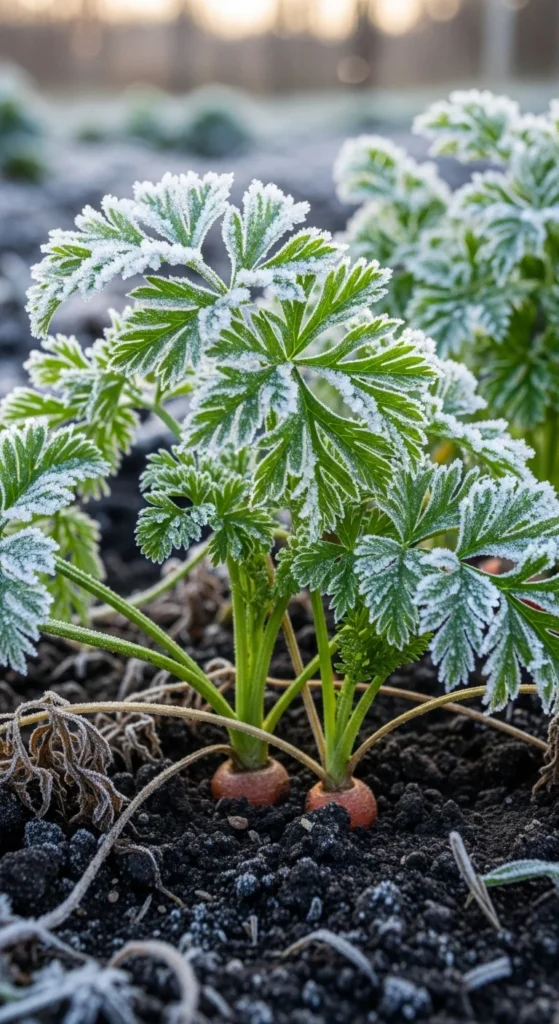
Carrots do well in cold soil. Sow seeds directly into loose ground. Keep soil moist but not wet. Thin seedlings so roots have room to grow. Carrots often taste sweeter after frost. Add mulch over the rows for extra protection. You can harvest throughout winter by pulling just enough for each meal. Carrots work well in raised beds because the soil warms faster during the day. Keep weeds low to help roots grow straight.
Frost-Resistant Onion Beds
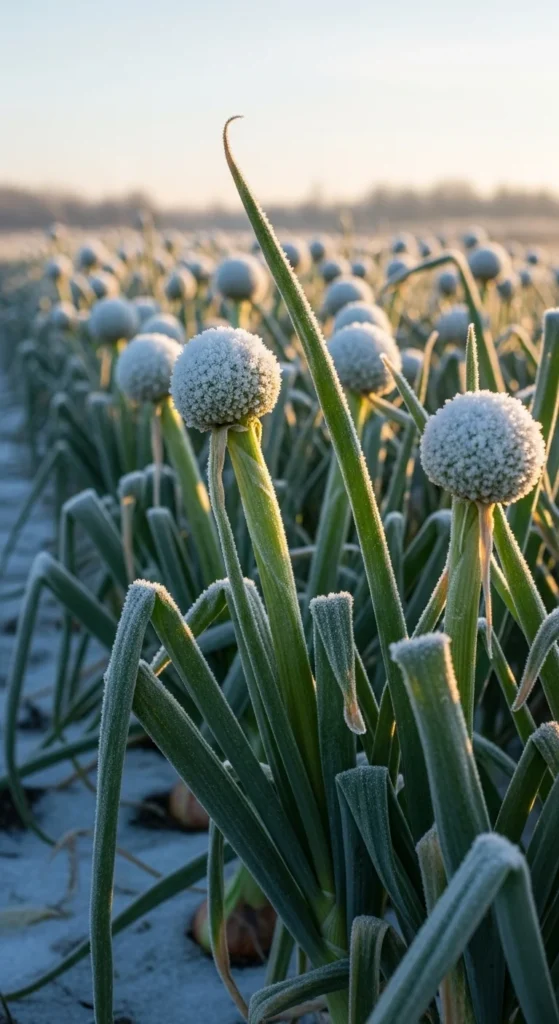
Onions stay steady in cold weather. Plant sets or seedlings in straight rows. Add compost to support root growth. Water carefully at the base. Onions handle frost easily and continue growing slowly during winter. Add mulch around the stems to protect roots. These plants take little space and fit well between rows of greens. Check for weeds often so onions don’t compete for light. You can harvest small green onions early if needed.
Tough Winter Leeks
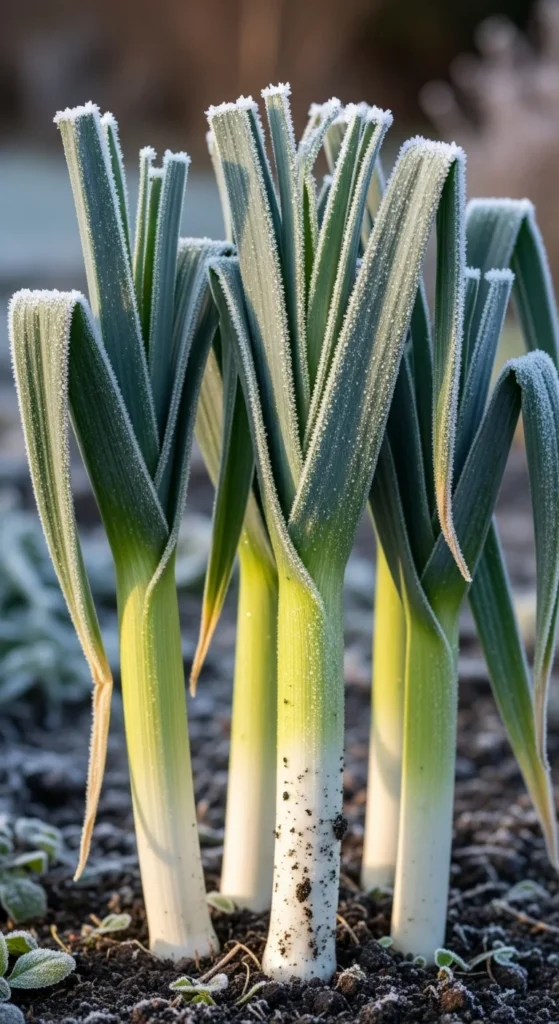
Leeks grow slowly through winter but stay strong. Plant them in deep holes so stems grow thick. Refill the holes as the plants rise. Add compost for steady growth. Water gently and avoid soaking the leaves. Leeks store well in the ground, making them easy to harvest when needed. Cover the bed with mulch to keep soil workable. These plants add height and texture to winter beds.
Frost-Hardy Garlic Rows
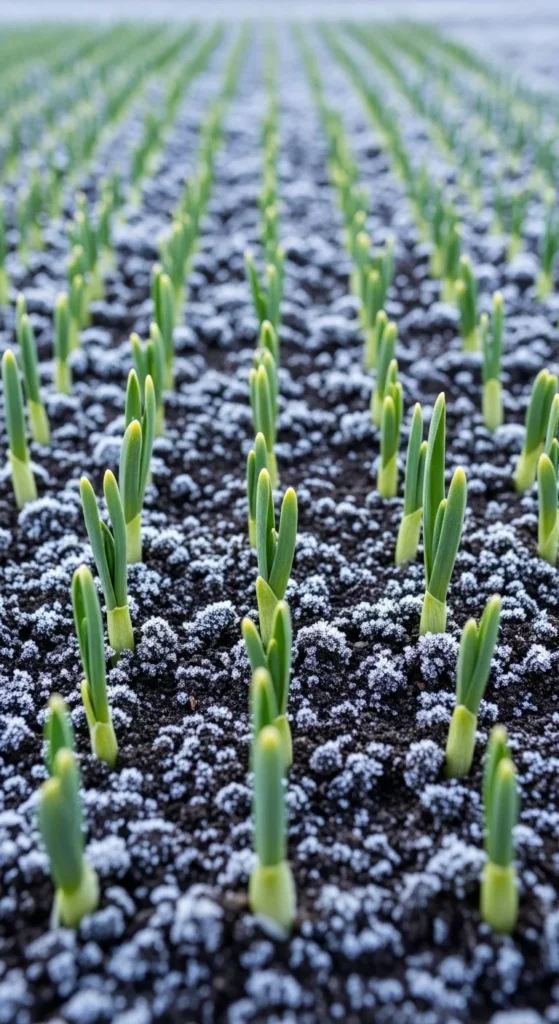
Garlic thrives through winter. Plant cloves in rows and cover with mulch. Water lightly. Garlic sprouts appear even in cold weather. Keep the bed weed-free so bulbs grow well. Garlic takes little work once planted. You can grow it in raised beds or containers. The green shoots add interest to winter beds. Harvest happens much later, but winter growth stays steady.
Resilient Rosemary Bushes
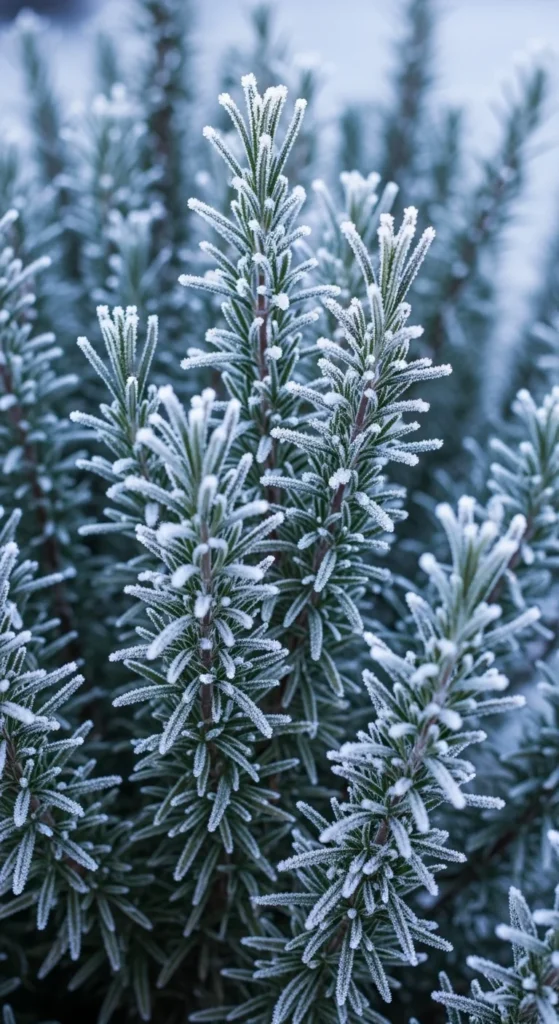
Rosemary handles cold well in many regions. Plant it in a sunny spot with well-drained soil. Add stones around the base to help with drainage. Water sparingly. Rosemary gives structure and scent all year. Trim lightly to maintain shape. You can place it in containers to move during extreme cold. This herb stays strong and keeps beds looking full even in winter.
Hardy Thyme Mats
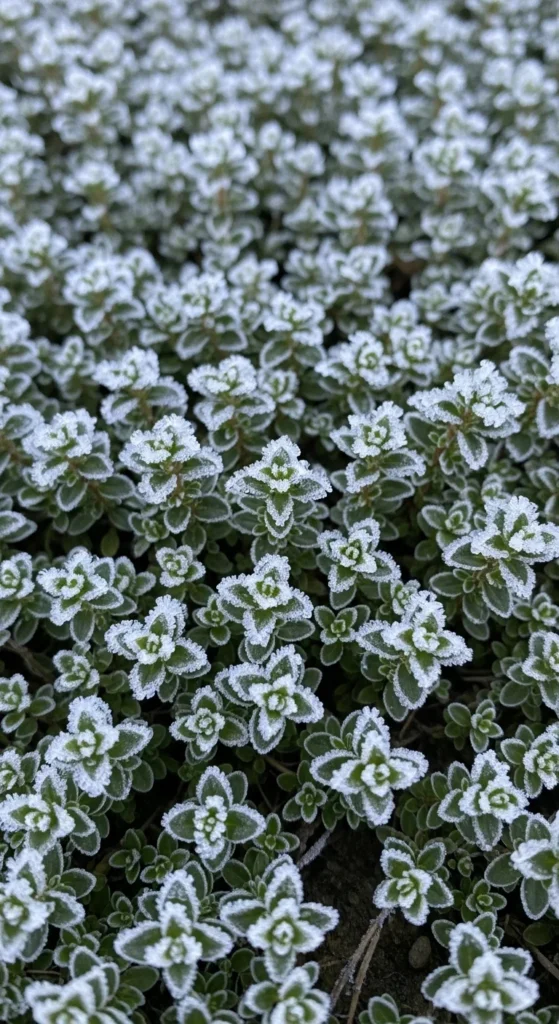
Thyme grows low and handles frost with ease. Plant it along borders or between stepping stones. Use gritty soil so water drains quickly. Water enough to keep roots steady. Trim lightly once a month. Thyme spreads slowly and fills gaps. Pair it with rosemary or lavender for a hardy herb corner. This plant handles cold easily and stays green through most winter days.
Cold-Resistant Hellebores
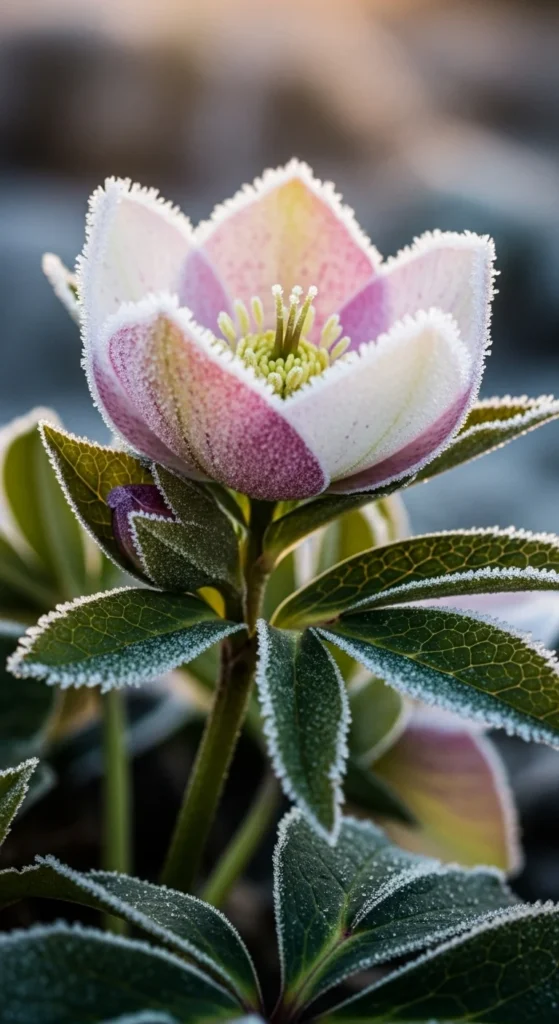
Hellebores add color during late winter. Plant them in partial shade with compost-rich soil. Water evenly during dry spells. The blooms appear early, giving your garden a bright point when other plants sleep. Trim older leaves to highlight new blooms. Hellebores work well under trees or near pathways. These flowers handle frost well and stand strong when temperatures shift.
Evergreen Boxwood Edging
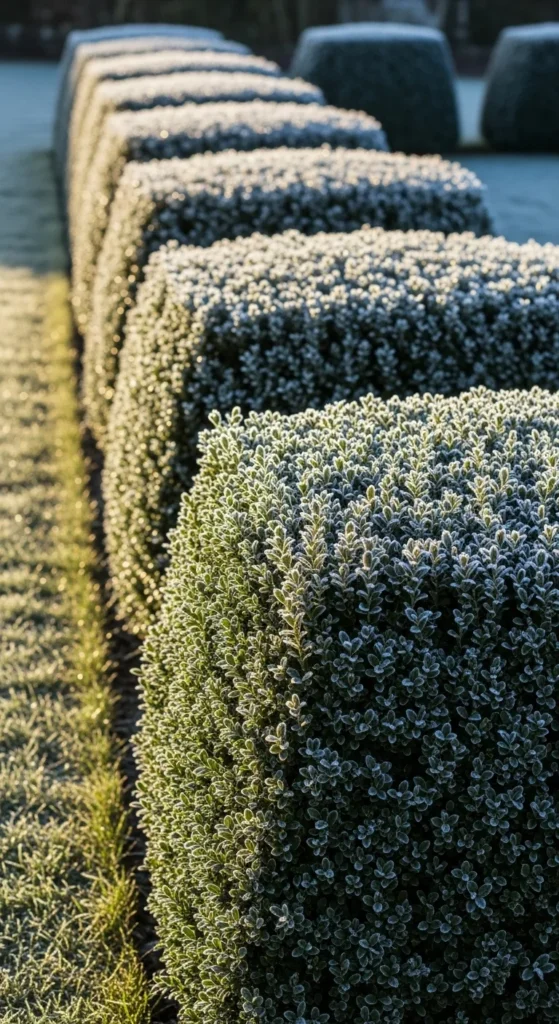
Boxwood shrubs create structure through winter. Plant them as edging or in small clusters. Use composted soil and water lightly. Boxwood stays green even in cold temperatures. Trim lightly in early spring to shape them. Add mulch at the base to protect roots. Boxwood pairs well with winter flowers like pansies or hellebores. This shrub helps frame winter beds neatly.
Winter-Proof Sedum Patches
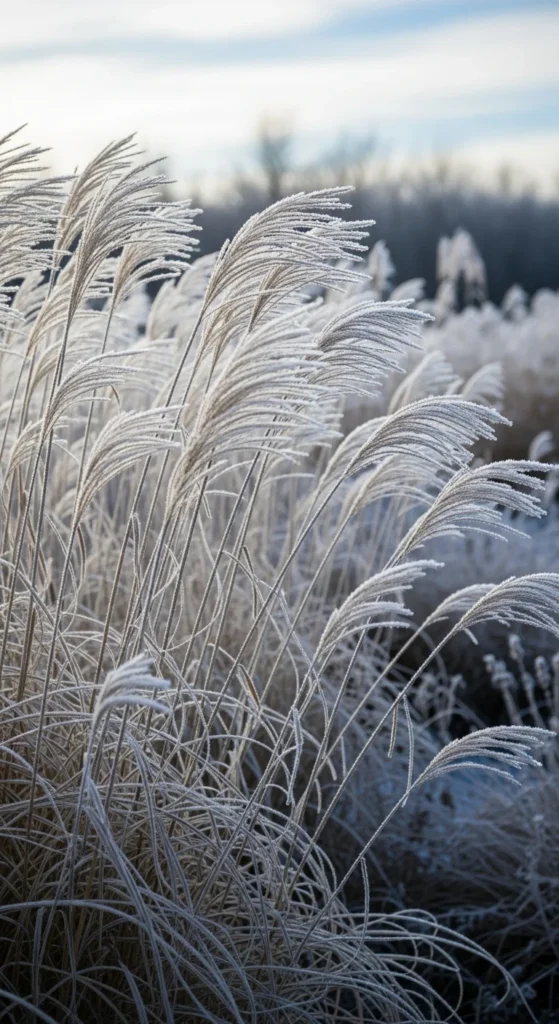
Sedum plants hold strong through cold weather. Plant them in well-drained soil. Water lightly and avoid soggy spots. Sedum stays upright even after frost. The dry flower heads add texture. Trim them in spring when new growth appears. Sedum works well in borders or rock gardens. These plants stay reliable and add structure through winter.
Cold-Ready Ornamental Grasses
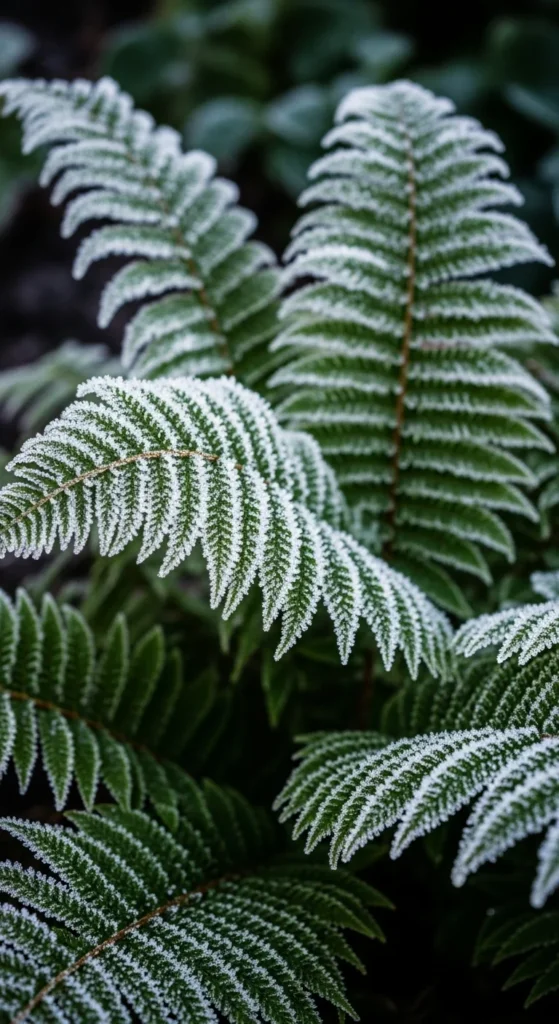
Ornamental grasses add movement during winter. Plant varieties like feather reed grass or blue oat grass. Use well-drained soil and water sparingly. Let the seed heads stay through winter for texture. Cut them back in early spring. These grasses add height and softness to winter beds. Pair them with evergreen shrubs or hellebores for a balanced look.
Winter-Safe Evergreen Ferns
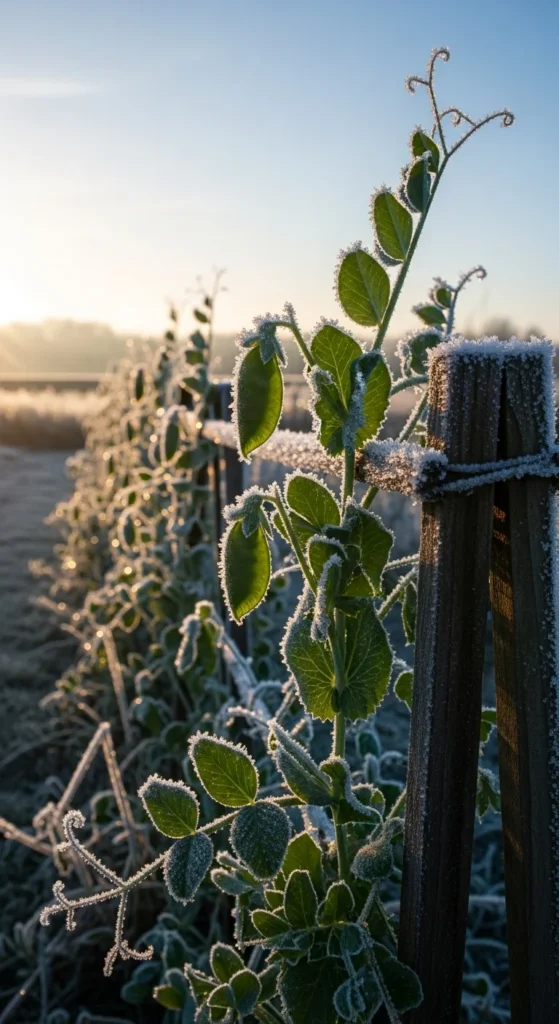
Evergreen ferns stay green during cold months. Plant them in partial shade with rich soil. Water early in the day to prevent freezing. Trim damaged fronds. Ferns create a soft backdrop for winter flowers. Add mulch to keep moisture steady. These plants work well under trees or beside shady paths.
Sturdy Winter Peas
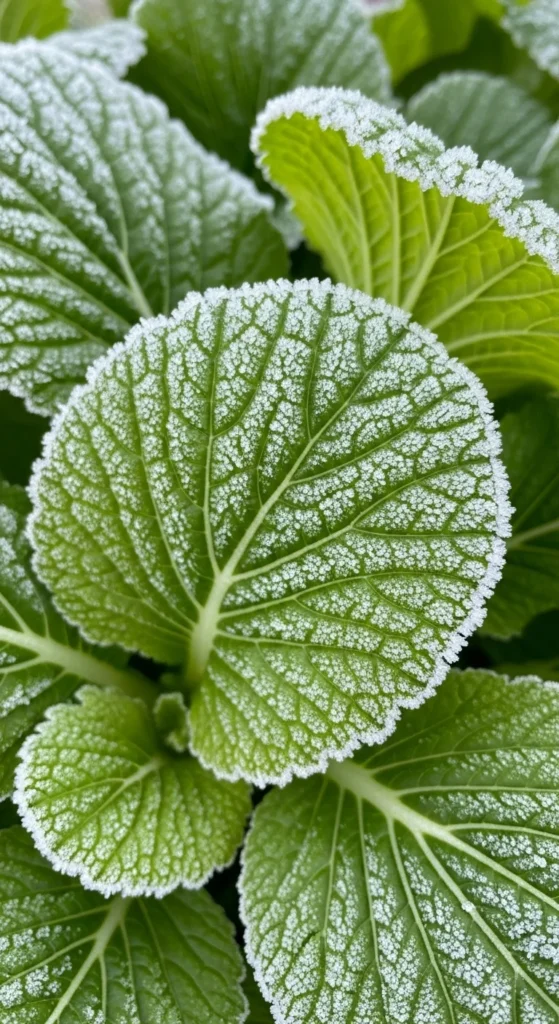
Winter peas handle low temperatures. Plant seeds along a trellis and water gently. They sprout quickly even in cool soil. Add compost to help vines climb. Harvest shoots or peas as they appear. Cover with a cloth during harsh nights. Peas grow well in raised beds or containers. This plant keeps your garden productive even in winter.
Cold-Hardy Mustard Greens
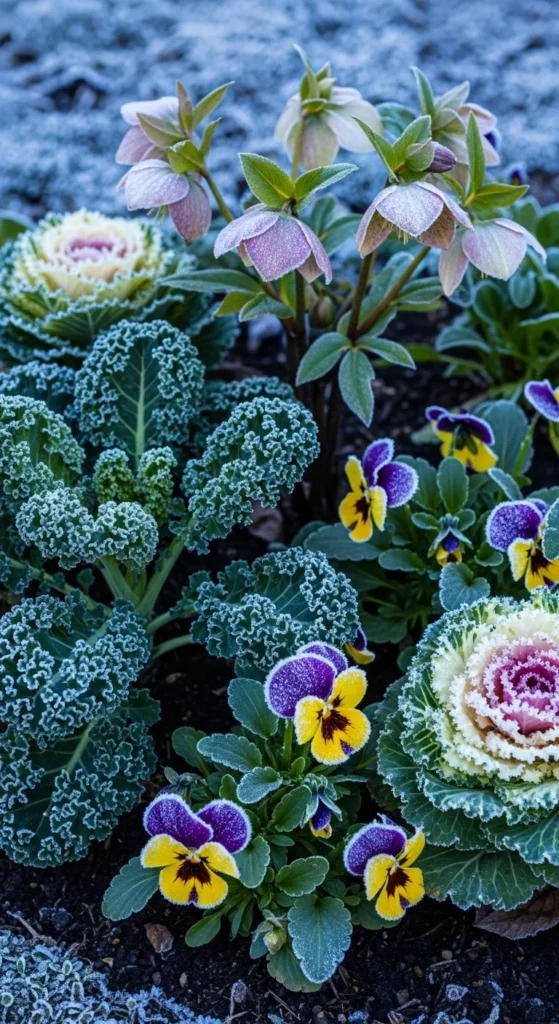
Mustard greens handle cold well and grow quickly. Sow seeds directly in the soil. Water lightly. Trim leaves as they grow. Mustard greens add color and texture to winter beds. Add mulch to help regulate soil temperature. These greens fit well in small beds or containers. They stay steady through cold nights and grow back after trimming.
CONCLUSION
Frost-tolerant planting keeps your garden productive and lively during cold months. By choosing hardy plants and simple maintenance steps, you can enjoy steady growth, reliable color, and strong structure all winter long. Start with a few easy choices and build a garden that stays resilient no matter how low the temperature drops.

Leave a Reply