

Imagine growing crisp lettuce, fragrant herbs, and juicy tomatoes — all without soil. Hydroponic gardening makes it possible to grow fresh food year-round, even if you live in an apartment or have limited outdoor space. With the right setup and care, your kitchen or balcony can become a mini farm that practically runs itself.
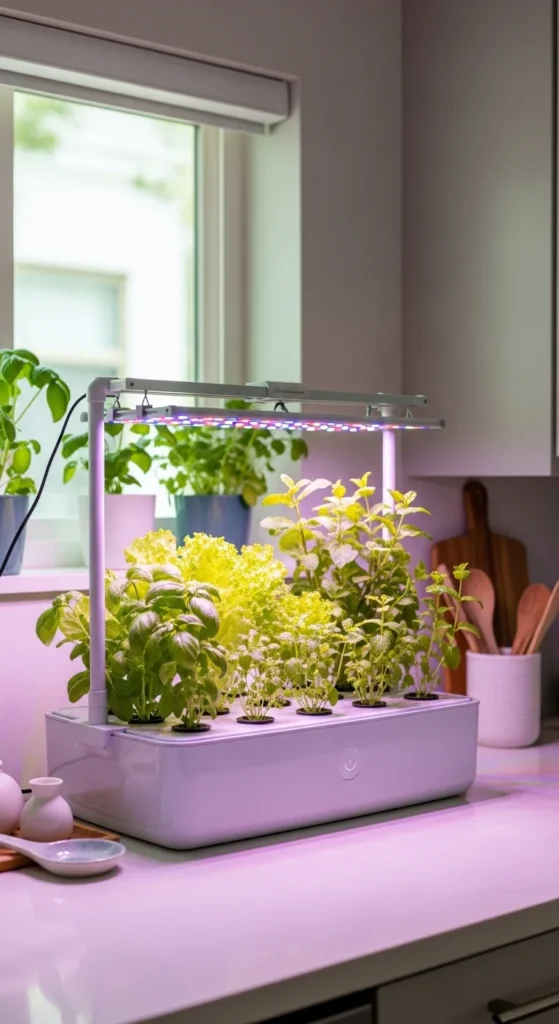
If you’ve ever wanted to grow your own food but thought you didn’t have space or time, hydroponics is your perfect match. Here’s how to start your own system at home — no green thumb required.
What Is Hydroponic Gardening?
Hydroponic gardening is a method of growing plants without soil. Instead, roots sit in a nutrient-rich water solution that provides everything they need to thrive. Because the nutrients are delivered directly to the roots, plants grow faster, use less water, and take up less space.
Popular hydroponic systems include:
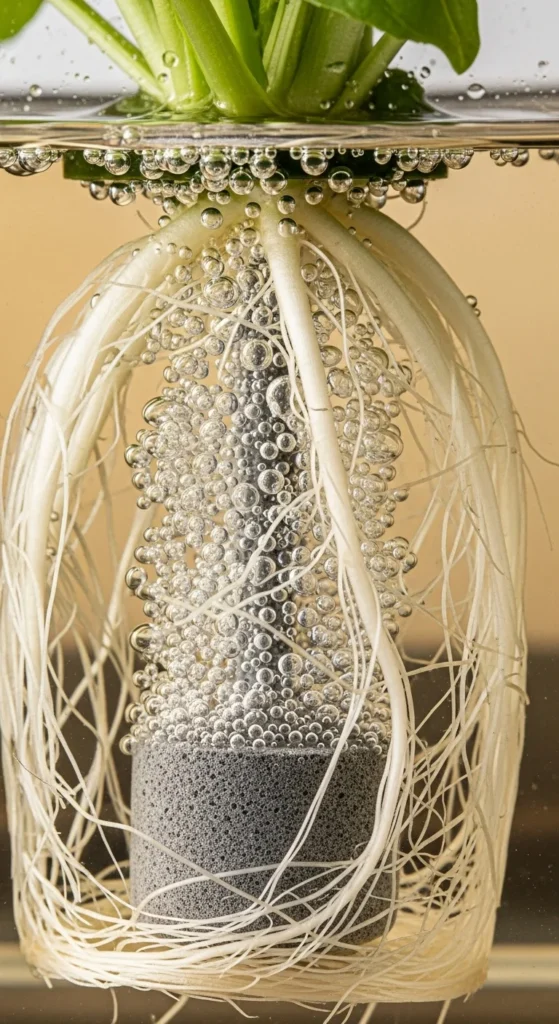
- Deep Water Culture (DWC): Plants float on a nutrient solution using net pots and air stones.
- Nutrient Film Technique (NFT): A thin film of water flows under plant roots in a channel.
- Wick System: Water and nutrients move through a wick to feed plants passively.
- Ebb and Flow (Flood & Drain): Water floods the roots periodically, then drains back into a reservoir.
Even a simple bucket or tote box can become a hydroponic garden with the right setup.
Gather Your Supplies
You don’t need fancy equipment to get started. A few basic materials can build a simple home system that grows everything from herbs to greens.
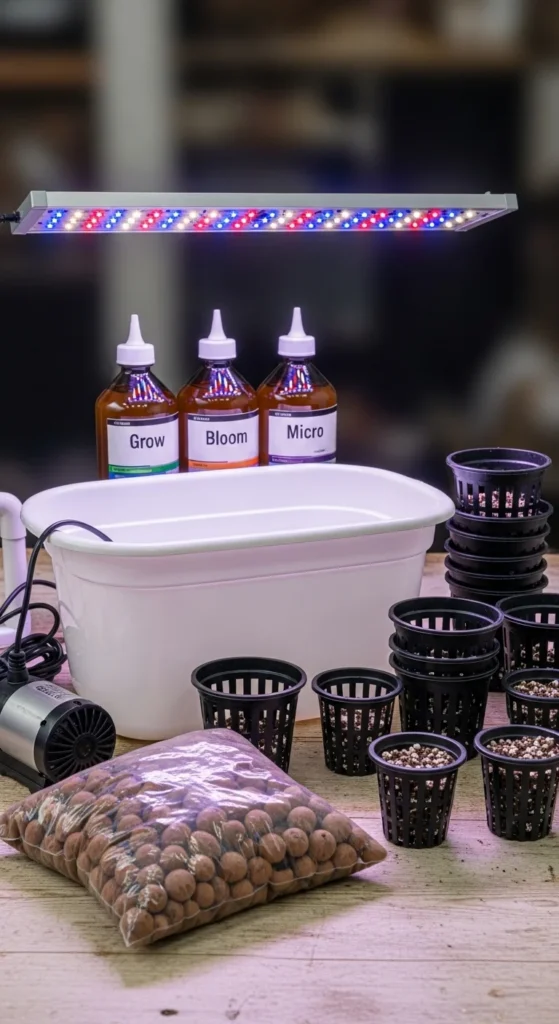
Here’s what you’ll need:
- A container or reservoir (plastic bin, bucket, or tote box)
- Net pots to hold your plants
- Growing medium like clay pebbles, perlite, or coco coir
- A water pump or air stone for oxygen circulation
- Hydroponic nutrients (available online or at garden stores)
- A pH testing kit and pH adjusters
- LED grow lights if you don’t have natural sunlight
Most beginners start small — a countertop herb system or a 5-gallon bucket garden works great.
Set Up Your System
Once you have your materials, assembling your hydroponic system is straightforward.
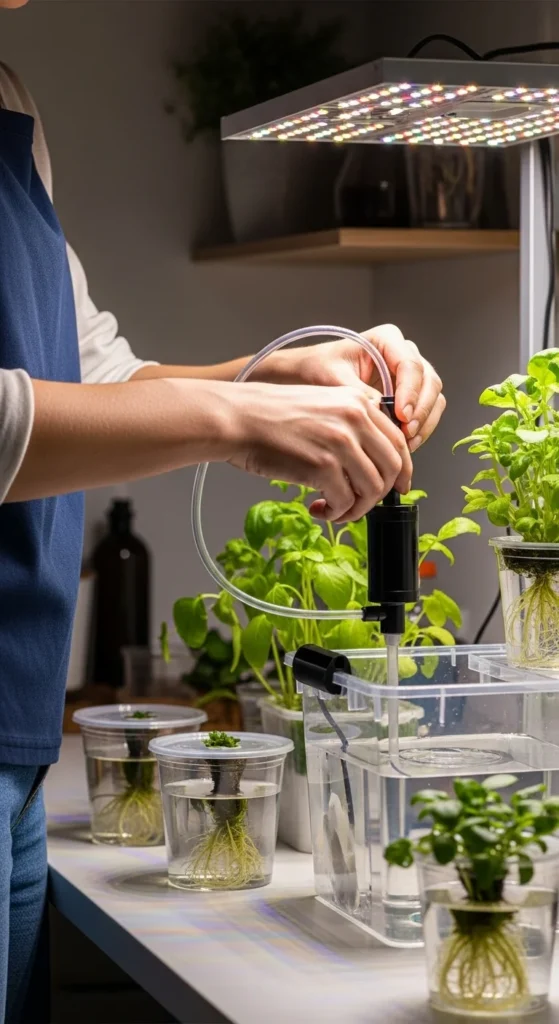
Step-by-step setup:
- Fill your reservoir with water and add the recommended amount of nutrient solution.
- Check and adjust the pH to between 5.5 and 6.5, the ideal range for most plants.
- Place net pots into the lid of your container or system tray.
- Add your growing medium to support the plants.
- Insert air stones or pumps to oxygenate the water (essential for healthy roots).
- Plug in your grow light or place the setup near a bright window.
Once everything is running, you’ll see roots dipping into the solution and new leaves sprouting within days.
Pick the Right Plants
Not all plants love hydroponics, but many thrive in it. Start with fast-growing, shallow-rooted plants — perfect for beginners.
Best plants for hydroponics:
- Lettuce
- Spinach
- Kale
- Basil
- Mint
- Cilantro
- Strawberries
- Cherry tomatoes
Once you gain confidence, you can experiment with larger crops like peppers or cucumbers using bigger systems.
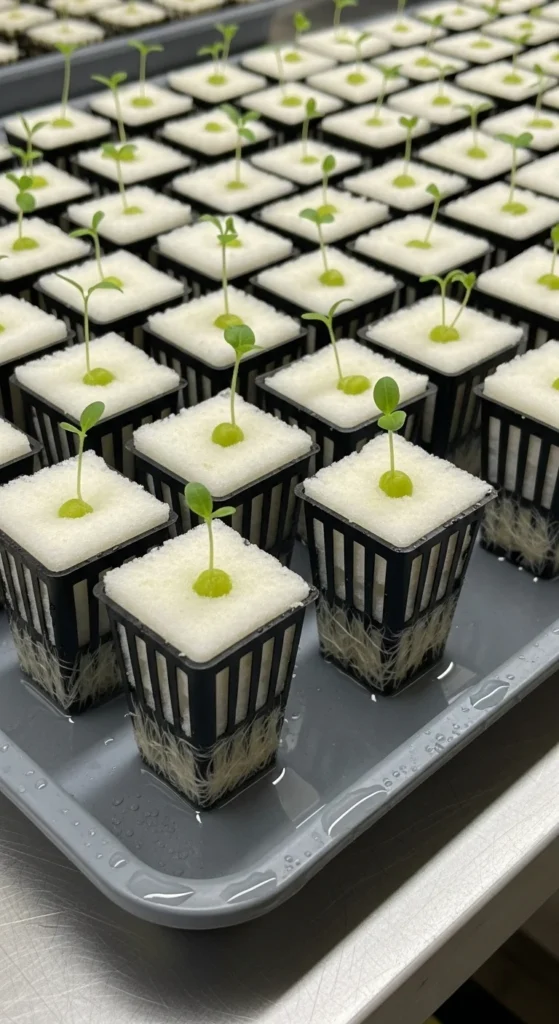
Pro tip: Start from seedlings or germinate seeds in rockwool cubes before transferring them to your system.
Maintain and Monitor
A hydroponic system needs regular checks but less maintenance than traditional gardening.
Keep an eye on:
- Water level: Refill as needed to keep roots submerged.
- Nutrient strength: Follow manufacturer instructions and adjust weekly.
- pH levels: Test every few days to keep it balanced between 5.5–6.5.
- Light exposure: Most plants need 12–16 hours of light daily.
Every few weeks, drain the reservoir and replace the nutrient solution completely to prevent salt buildup.
Watch for signs of stress:
- Yellow leaves = nutrient deficiency.
- Wilting = low oxygen or water temperature too high.
With consistency, your plants will grow strong and produce vibrant leaves and fruit.
Enjoy the Harvest
The most rewarding part of hydroponic gardening is harvest time. Because plants grow faster, you can enjoy greens in half the time of traditional soil gardens.
Cut herbs regularly to encourage new growth, and pick greens when they’re tender. For fruiting plants like tomatoes, hand-pollinate with a small brush to encourage blossoms to set fruit indoors.
Leave a Reply