

If you want a crop that grows fast, looks beautiful, and feeds your family with almost no effort, beans are the answer. And when you grow them on a trellis, everything gets easier—cleaner harvests, healthier vines, and a garden that looks magazine-worthy. The best part? You can build a simple trellis and start growing beans in just a day.
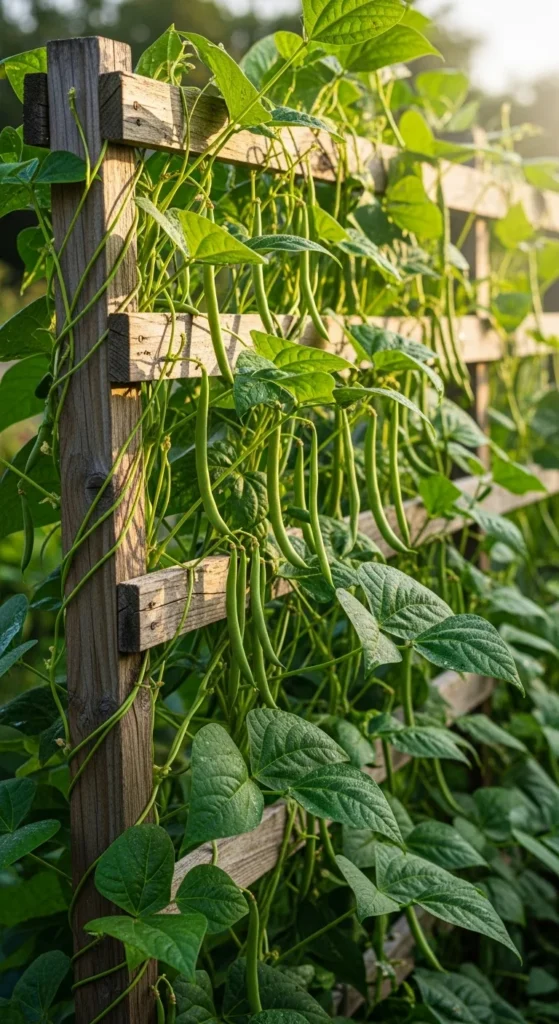
Let’s break down the easiest method to grow beans vertically—perfect for beginners and small-space gardeners.
Why Growing Beans on a Trellis Works So Well
Before you start digging, it helps to know why a trellis is such a game-changer.
✅ Better Airflow
Vines stay dry, reducing disease.
✅ Cleaner Beans
No soil splashing or rotting pods.
✅ Saves Space
Vertical growth = more plants in less area.
✅ Easier Harvesting
You pick beans at eye level instead of crawling around the bed.
Growing beans vertically truly simplifies everything.
Choose the Right Type of Bean
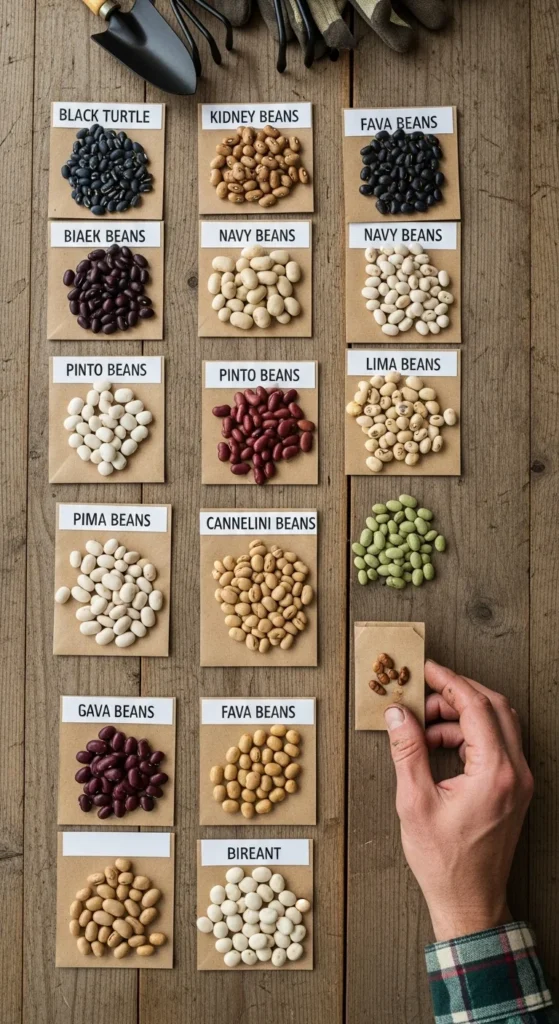
Not all beans love climbing. Some stay short and bushy, while others naturally reach for the sky.
✅ Pole Beans (Best for Trellises)
These thrive when given something to climb:
- Kentucky Wonder
- Blue Lake Pole
- Scarlet Runner
- Rattlesnake Beans
Pole beans will keep producing for weeks as long as you keep harvesting.
✅ Avoid Bush Beans
They don’t climb and won’t use the trellis.
Build a Simple, Low-Cost Trellis
You don’t need fancy supplies to build a strong trellis.
✅ Easiest Options:
- Wooden stakes + twine
- Bamboo poles
- Cattle panel arch
- Metal grid panels
- Fence-style wood lattice
How Tall Should It Be?
Aim for 5–7 feet. Bean vines will happily climb all the way up.
How to Install:
- Push stakes into the soil firmly.
- String twine or attach mesh from bottom to top.
- Make sure it’s tight enough to support heavy vines.
This quick setup takes 15–20 minutes.
Prepare the Soil for Strong Growth
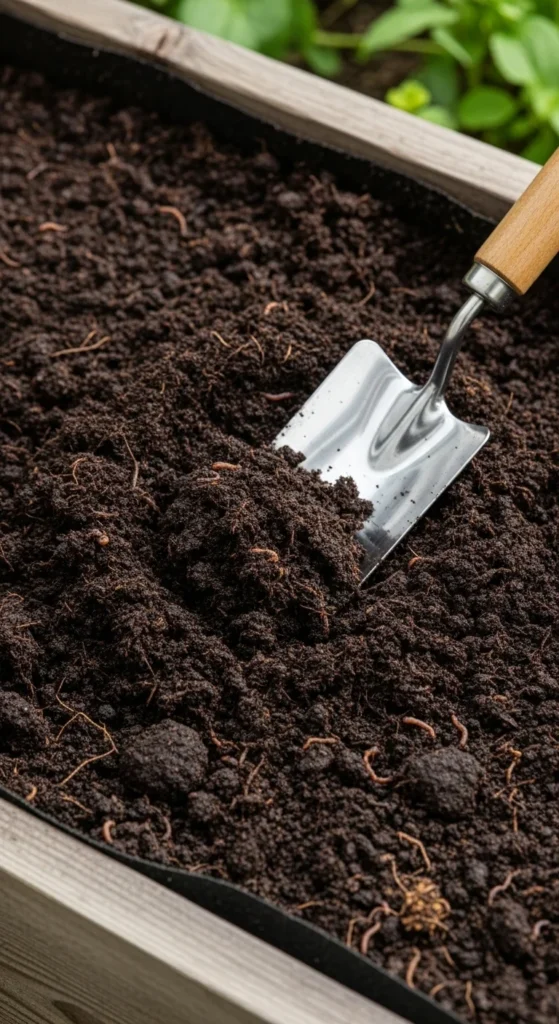
Beans don’t need heavy feeding, but they do appreciate healthy soil.
Perfect Soil Conditions:
- Loose and well-draining
- Slightly acidic to neutral
- Enriched with compost (not heavy fertilizers)
Beans fix their own nitrogen, so too much fertilizer may cause excessive leaf growth instead of pods.
Plant Your Beans at the Base of the Trellis
Once your trellis is ready, it’s time to plant.
✅ When to Plant
Plant after frost, when soil warms up to 15°C–20°C.
✅ Planting Instructions
- Sow seeds 1 inch deep.
- Space them 3–4 inches apart.
- Plant right at the base of the trellis legs or support wires.
Beans grow quickly—within a week, you’ll see tiny shoots climbing upward.
Guide the Vines (They Learn Fast!)
Beans naturally want to climb, but they need a little help at the beginning.
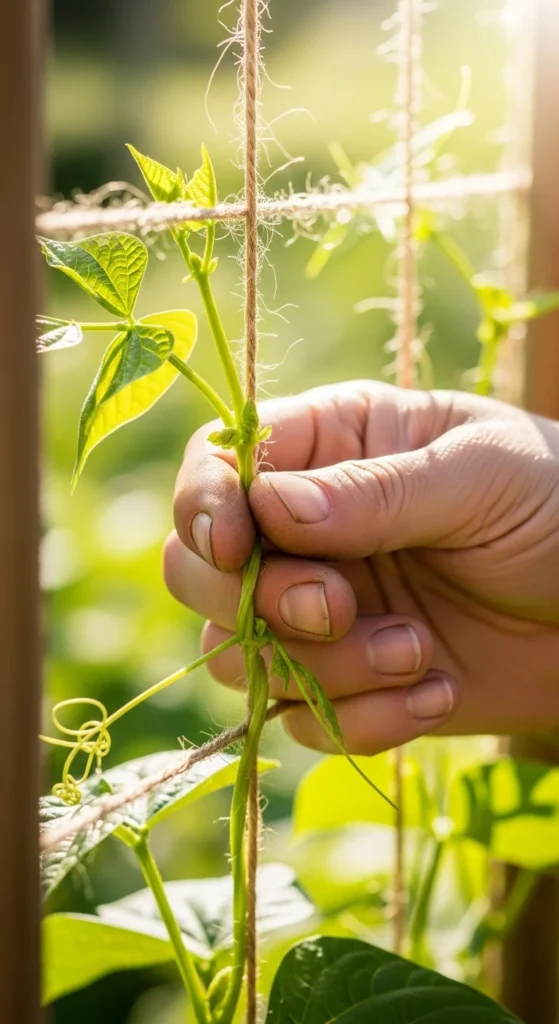
How to Train the Vines:
- Gently wrap young vines around the trellis.
- Do this once or twice during the first week.
- After that, they figure it out on their own.
Watering and Care Made Simple
Bean care is refreshingly low-effort.
✅ Watering
- Keep soil consistently moist during early growth.
- Water at the base, not the leaves.
- Once established, beans tolerate light dryness.
✅ Mulching
Mulch helps keep moisture in and prevents soil splash.
✅ Fertilizing
Skip heavy feeding. Too much nitrogen = lots of leaves, few beans.
✅ Support Adjustments
If vines get heavy, add a couple extra ties or support strings.
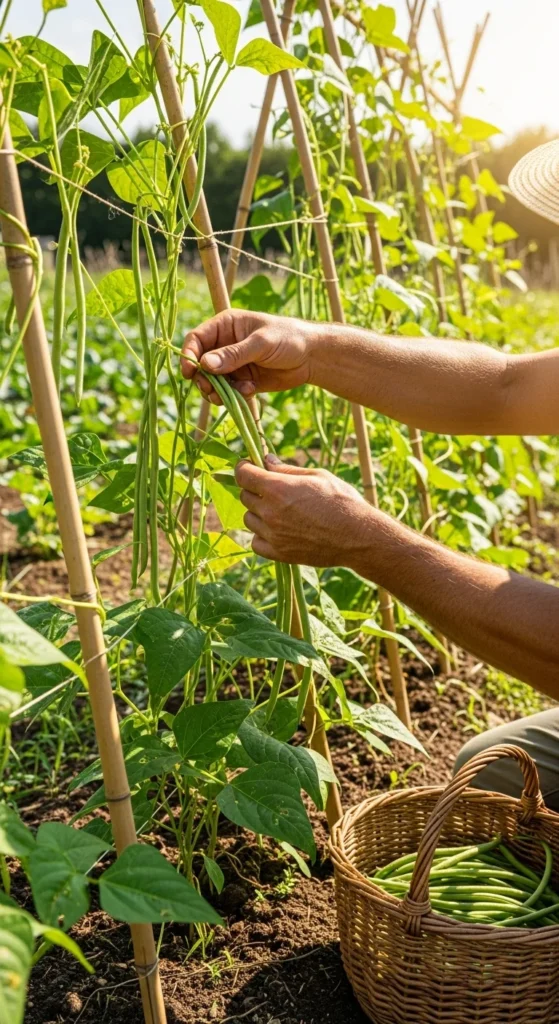
Harvesting Made Easy
This is where the trellis really shines.
How to Harvest:
- Pick beans when they’re young and crisp.
- Don’t let pods overgrow—they become tough.
- Harvest every 2–3 days for continuous production.
Why Frequent Picking Helps
The more you pick, the more beans the plant produces. Pole beans can feed your garden for 6–8 weeks straight.
Common Problems and Quick Fixes
✅ Plants Not Climbing
Guide them manually for a few days.
✅ Yellow Leaves
Too much water or poor drainage.
✅ Few Beans
Too much nitrogen—stop fertilizing.
✅ Vines Tangling
Not a problem! Beans love to twist and climb.
Bonus Tip: Use Vertical Planting for Companion Benefits
Beans pair beautifully with:
- Cucumbers
- Corn
- Squash
They help fix nitrogen, making soil richer for neighboring plants.
✅ Final Takeaway
Growing beans on a trellis is one of the easiest ways to enjoy fresh, crisp, delicious beans all season long. With just a simple support structure, some basic care, and regular harvesting, you’ll have a garden full of tall, lush vines that keep producing nonstop.
Leave a Reply