

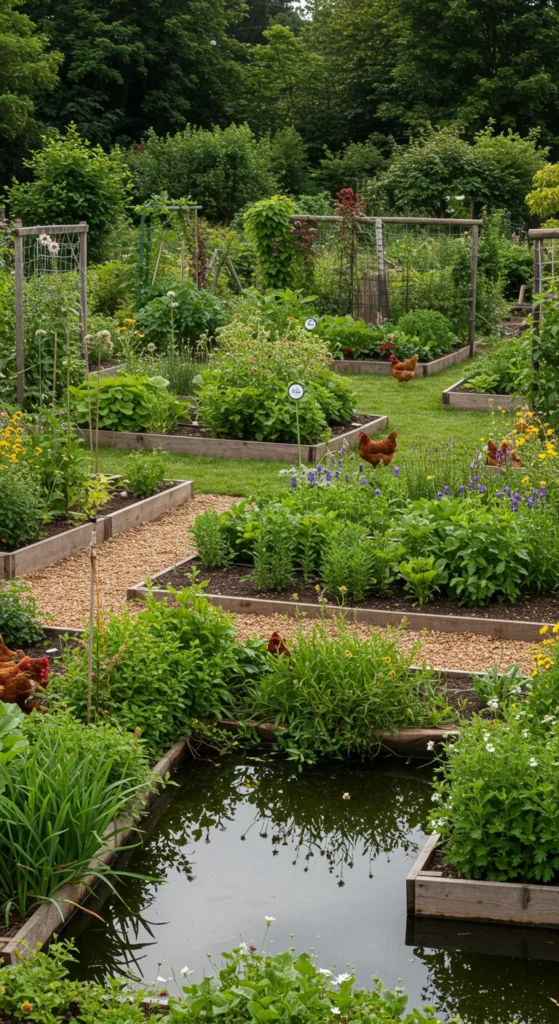
Permaculture gardening is about working with nature instead of against it. By mimicking natural systems, you can create a self-sustaining garden that produces abundant food, conserves resources, and supports wildlife. The beauty of permaculture is that it doesn’t require fancy tools or expensive inputs—just thoughtful design and simple practices. Here are 21 inspiring tips to help you start building a productive garden that thrives year after year.
1. Start with Observation
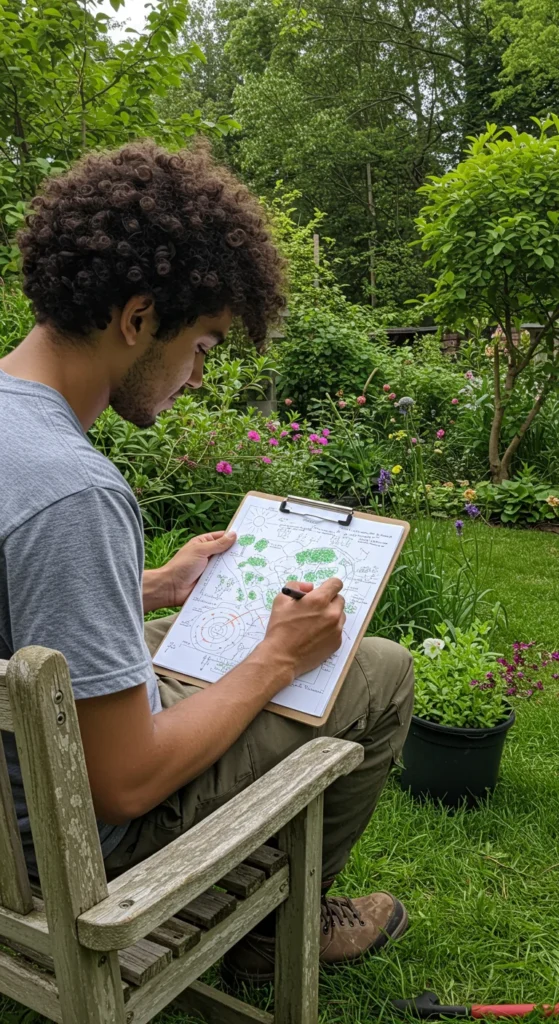
Before planting anything, take time to watch your space. Notice where the sun hits, where water flows, and which areas stay shaded. Observe how wind moves through your yard and where animals travel. These details help you decide where to plant crops, collect water, or build windbreaks. Even a week of observation can save years of mistakes.
2. Design Zones for Efficiency
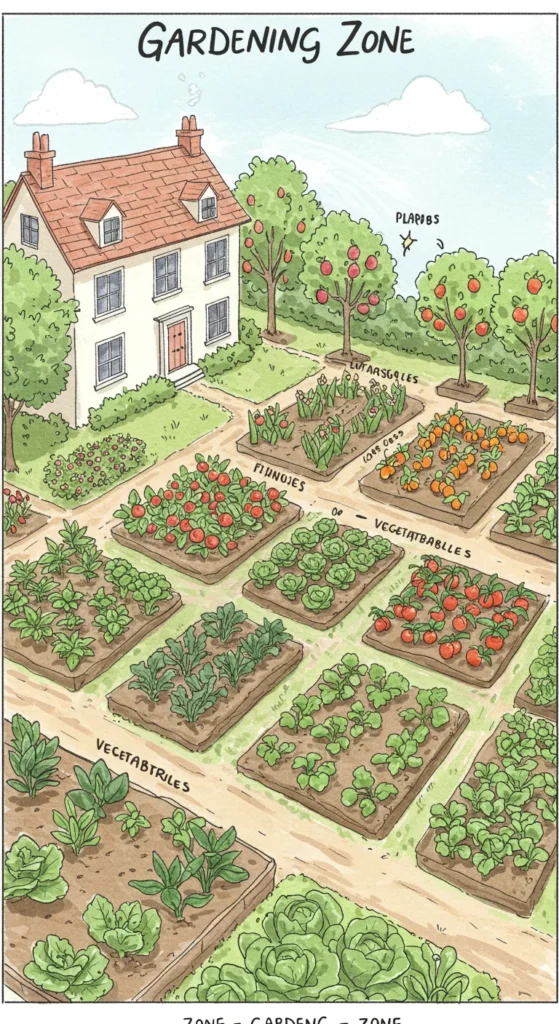
Permaculture uses zones to place plants and activities by frequency of use. Zone 1 is closest to your home—ideal for herbs and salad greens you harvest daily. Zone 2 might hold vegetables, while Zone 3 is for orchards or larger crops. By arranging your garden this way, you save time and energy.
3. Capture Rainwater
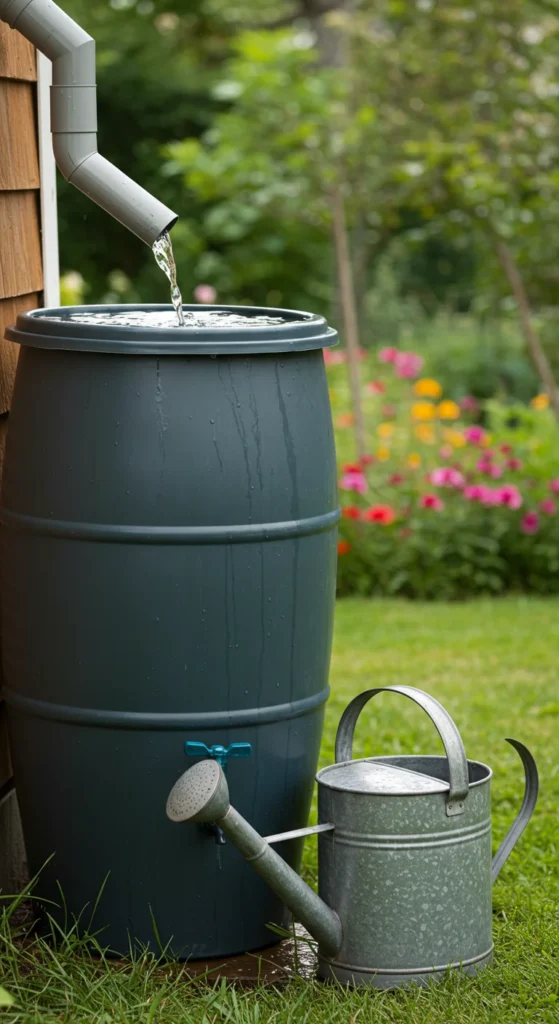
Water is precious. Use rain barrels, gutters, or swales to capture rainfall. This reduces reliance on hoses and builds resilience during dry spells. Even a small barrel can water potted plants or raised beds for weeks.
4. Build Healthy Soil with Compost
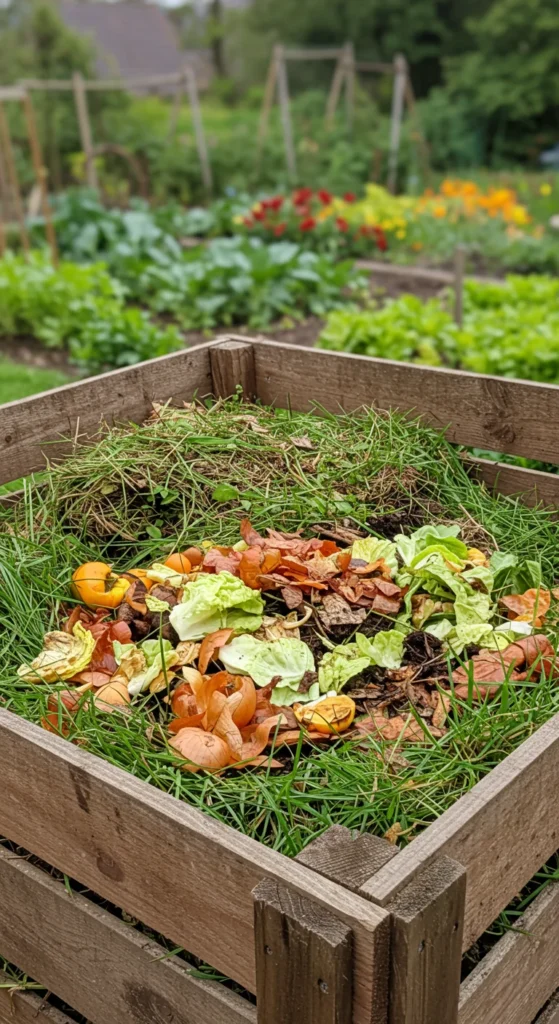
Soil health is the backbone of permaculture. Start a compost pile using kitchen scraps, leaves, and yard waste. Compost adds nutrients, improves structure, and feeds beneficial organisms. Over time, your garden will produce stronger plants and better harvests.
5. Plant a Food Forest
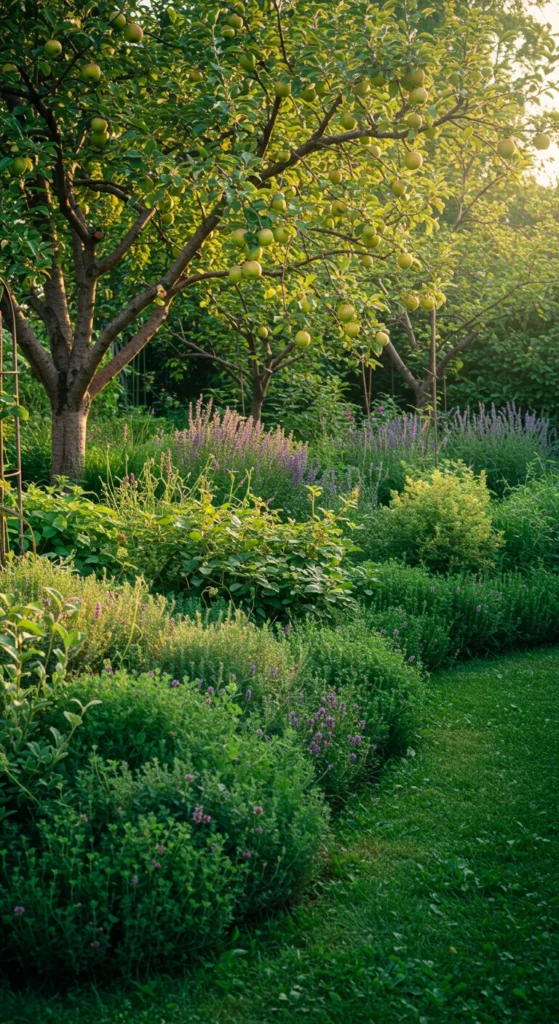
Food forests mimic natural forests. Plant trees like apples or pears, add berry bushes underneath, and fill gaps with herbs, vegetables, and groundcovers. Each layer supports the others, reducing weeds and watering while producing food all year.
6. Grow Perennials
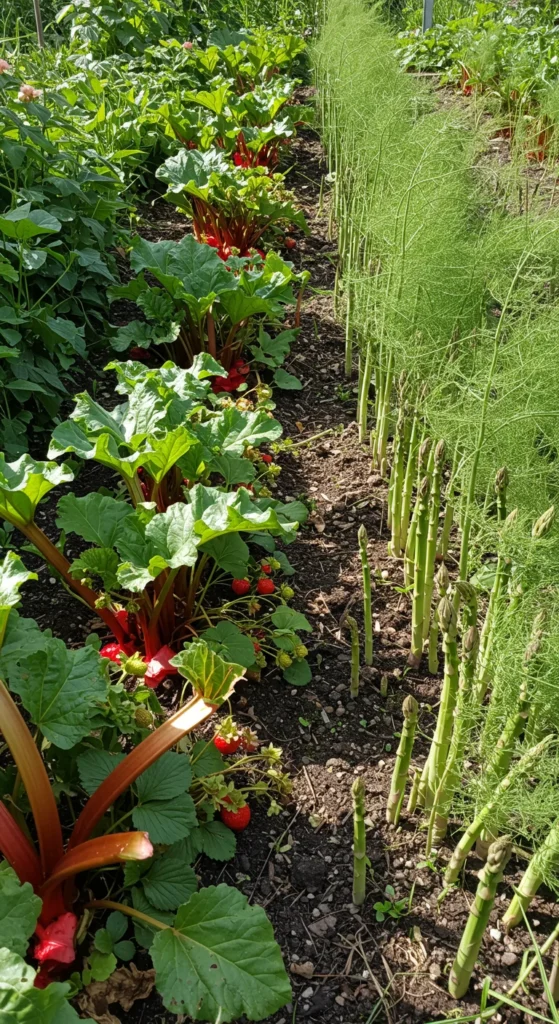
Perennial plants come back year after year, saving time and energy. Asparagus, rhubarb, and strawberries are excellent options. Once established, they require little maintenance and provide reliable harvests season after season.
7. Use Mulch to Protect Soil
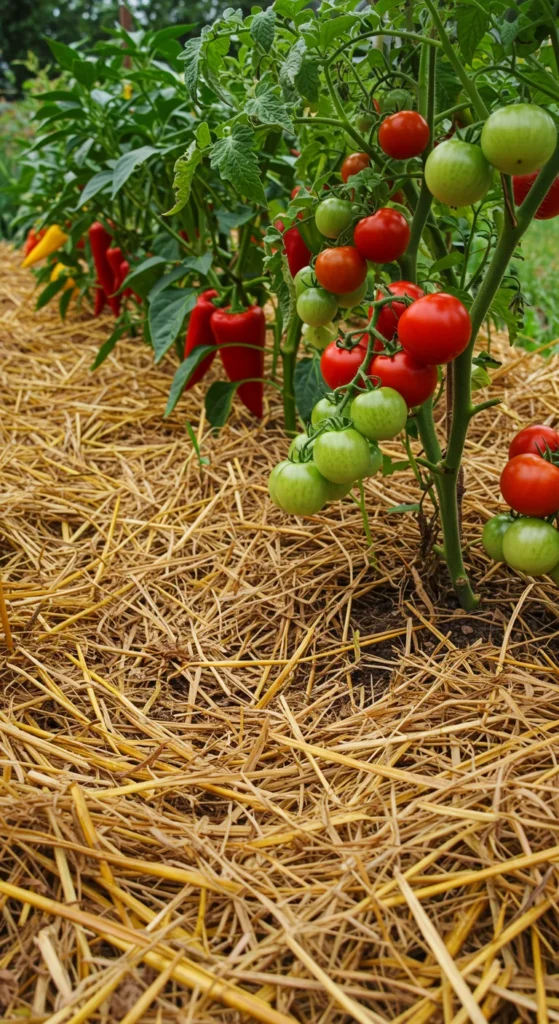
Mulch keeps soil cool, holds moisture, and prevents weeds. Use straw, shredded leaves, or wood chips. As mulch breaks down, it enriches the soil. It’s an affordable way to improve fertility and reduce watering needs.
8. Practice Companion Planting
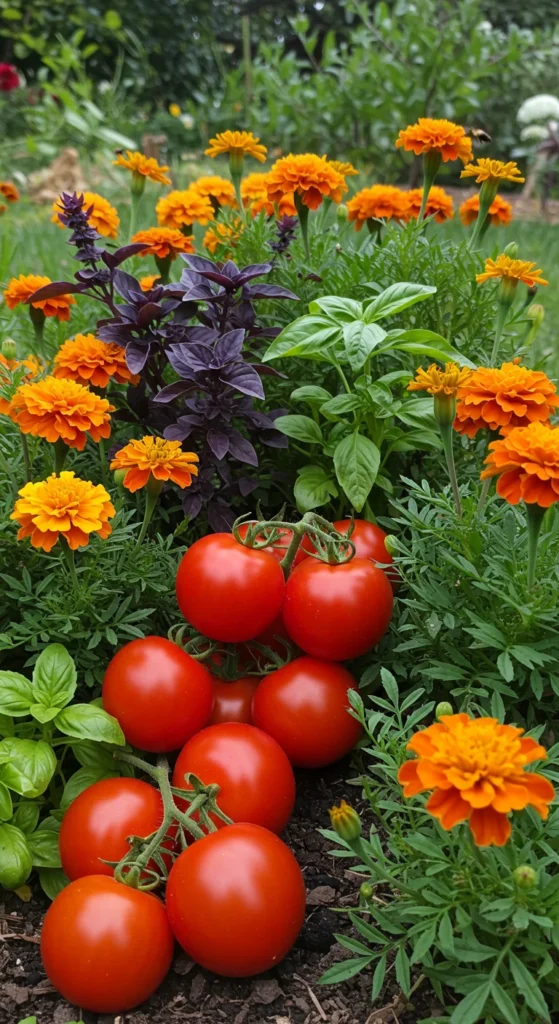
Some plants thrive together. Basil protects tomatoes from pests, while marigolds repel harmful insects. Companion planting creates natural pest control and maximizes space. Plan your garden beds with friendly neighbors for healthier plants.
9. Add Pollinator Plants
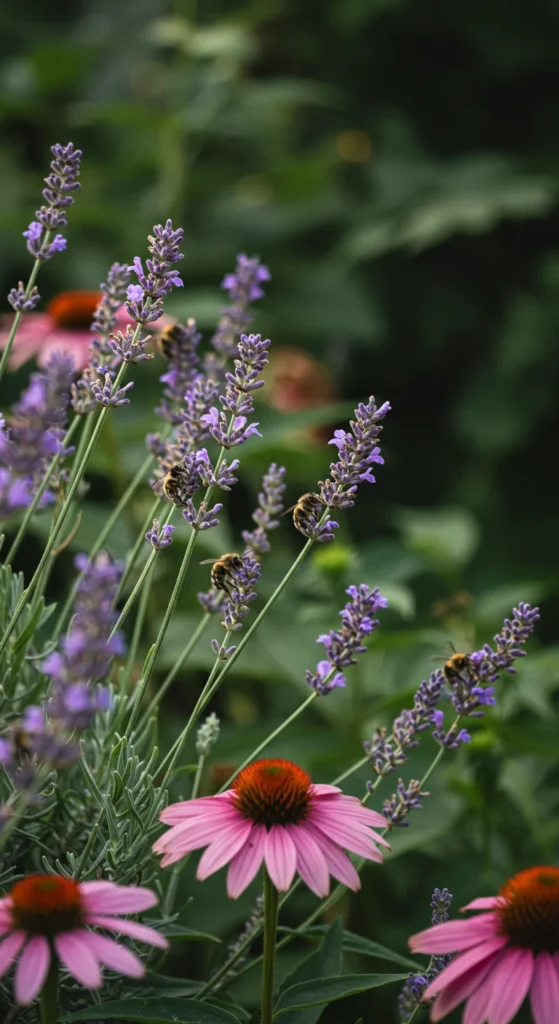
Pollinators keep gardens productive. Plant nectar-rich flowers like lavender, echinacea, and sunflowers near crops. They attract bees, butterflies, and beneficial insects that increase harvests naturally.
10. Build Hugelkultur Beds
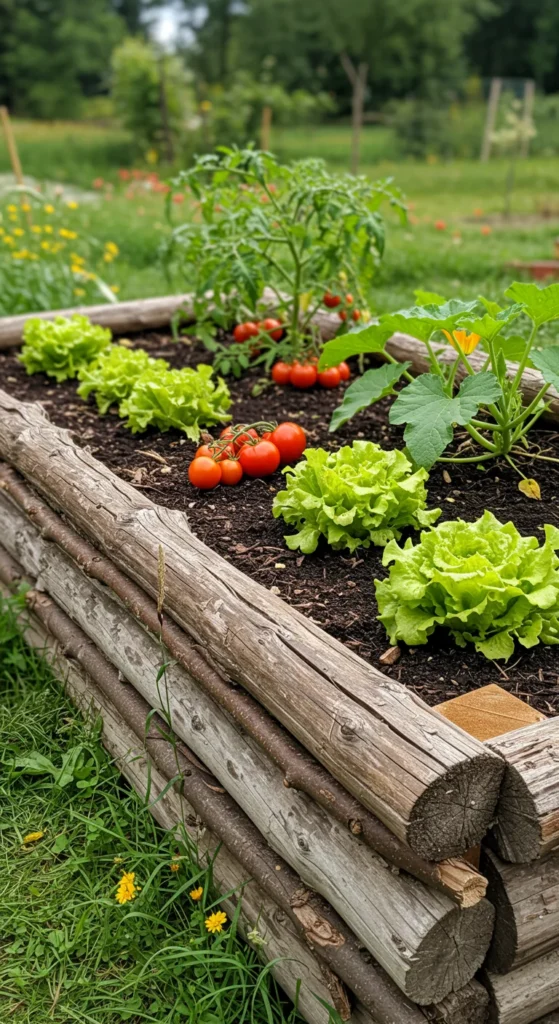
Hugelkultur involves burying logs and branches under soil to create raised beds. As the wood breaks down, it stores water and nutrients for plants. These beds require less watering and produce for years.
11. Use Greywater Wisely
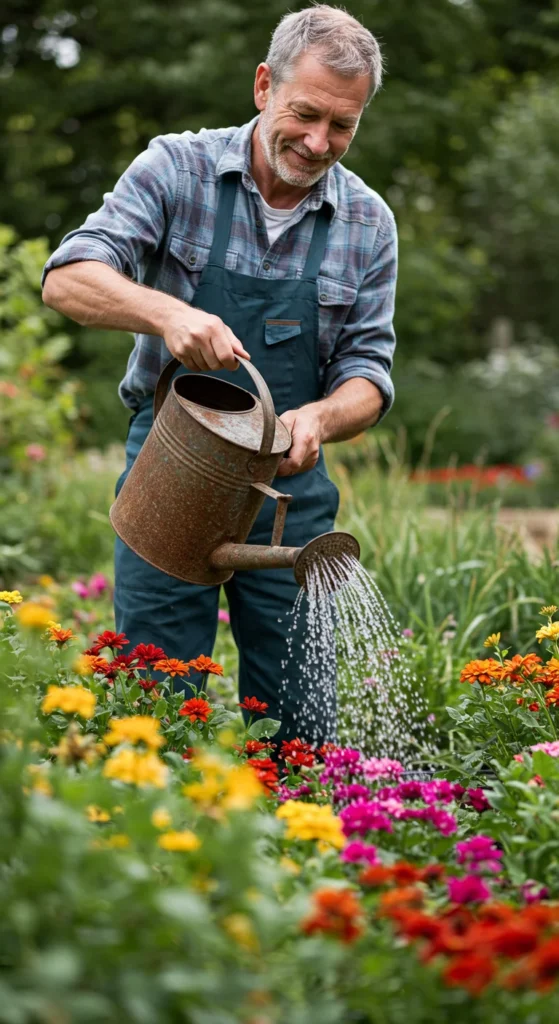
Recycle household greywater, like water from rinsing dishes or bathing. Use it on non-edible plants, trees, or ornamentals. This reduces waste and stretches water supplies.
12. Incorporate Animals
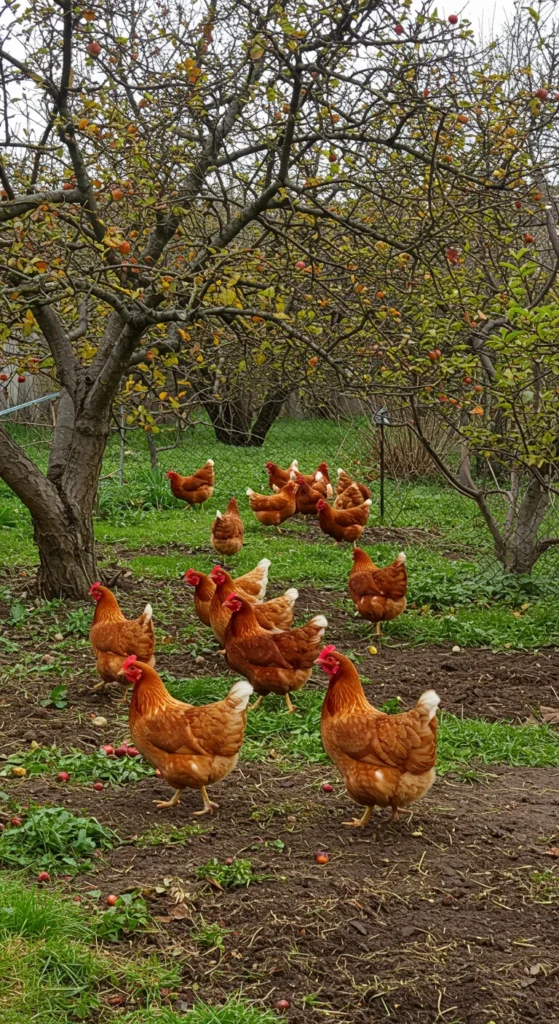
Chickens, ducks, or rabbits can enrich your garden system. Chickens eat pests and provide manure. Ducks control slugs in wet areas. Small animals add fertility while giving eggs or meat.
13. Create Swales for Water Management
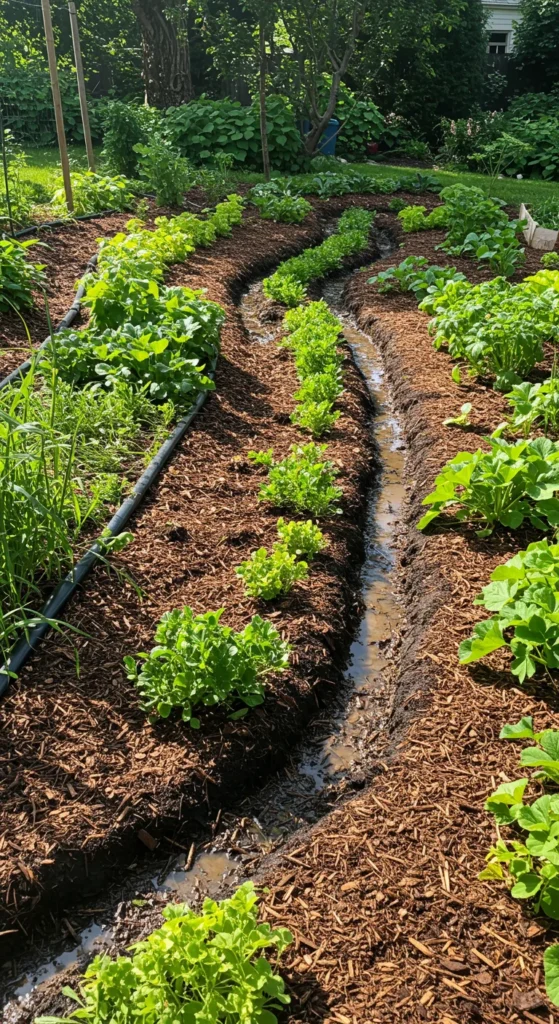
Swales are shallow ditches that capture water and allow it to soak into the ground. Place them on slopes to slow runoff and keep soil hydrated. Plant fruit trees along swales for long-term growth.
14. Grow Guilds Around Trees
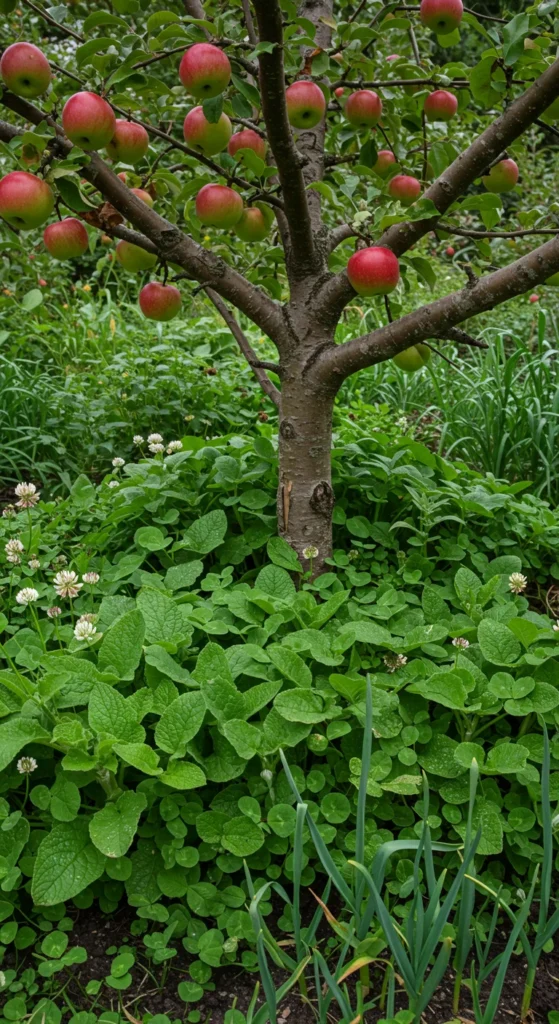
A guild is a group of plants supporting a central tree. For example, comfrey adds nutrients, garlic repels pests, and clover fixes nitrogen. Together, they improve tree health and soil fertility.
15. Save Your Own Seeds

Seed saving makes your garden more resilient. Collect seeds from strong plants each season. Store them in cool, dry places. Over time, seeds adapt to your local conditions and grow stronger crops.
16. Add Vertical Gardening
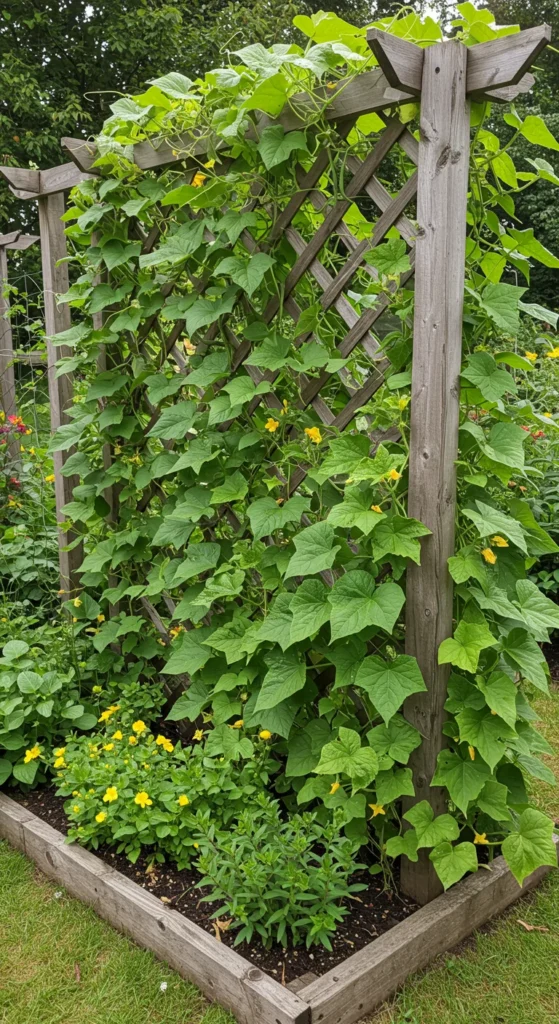
Use trellises, fences, or walls for climbing plants like beans, cucumbers, or squash. Vertical gardening saves space, improves airflow, and makes harvesting easier.
17. Include Water Features
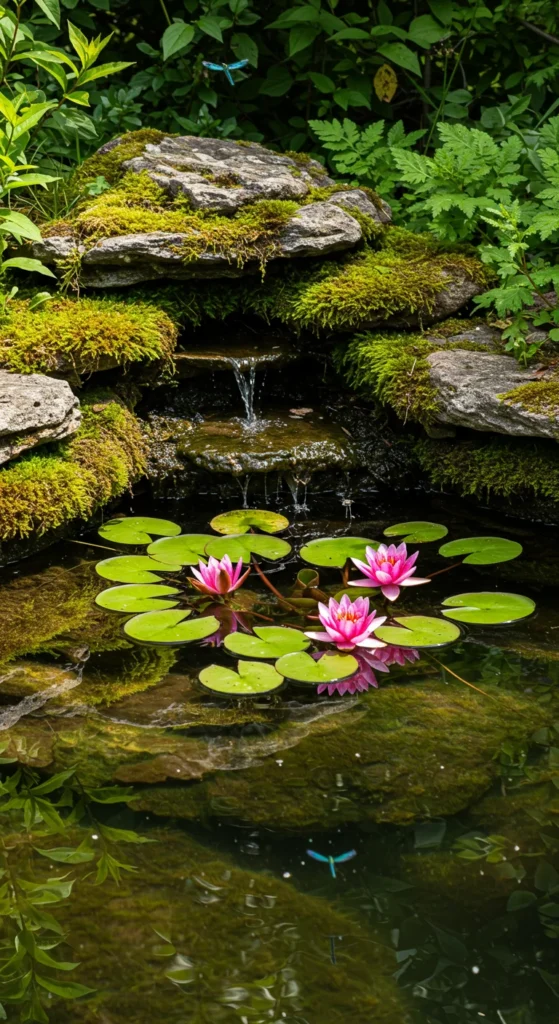
A small pond supports biodiversity. Frogs, birds, and insects benefit from water features. In return, they help control pests and balance your garden ecosystem.
18. Rotate Crops Each Year
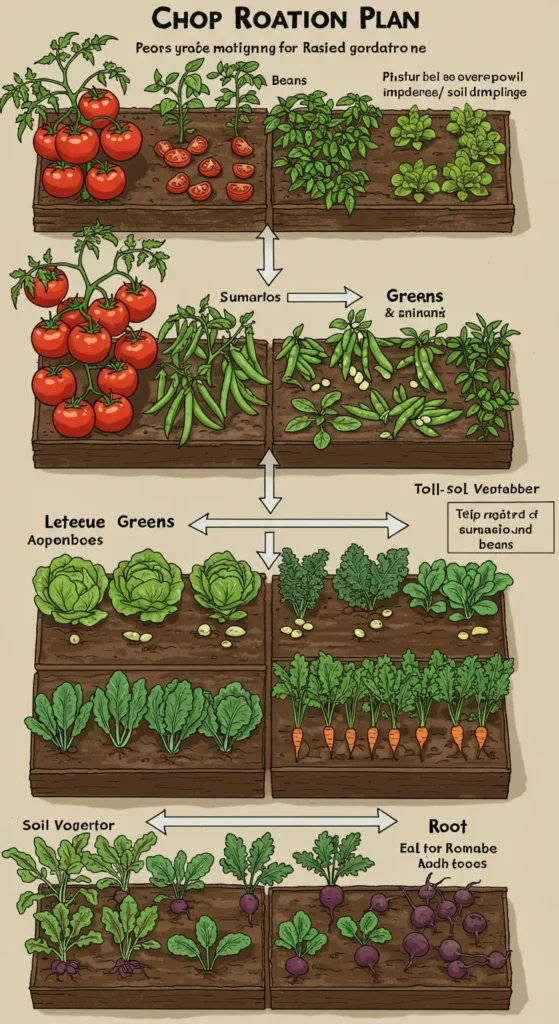
Crop rotation keeps soil healthy and reduces disease. Avoid planting the same family of crops in the same bed year after year. Rotate with legumes, leafy greens, and root vegetables.
19. Build Natural Fences
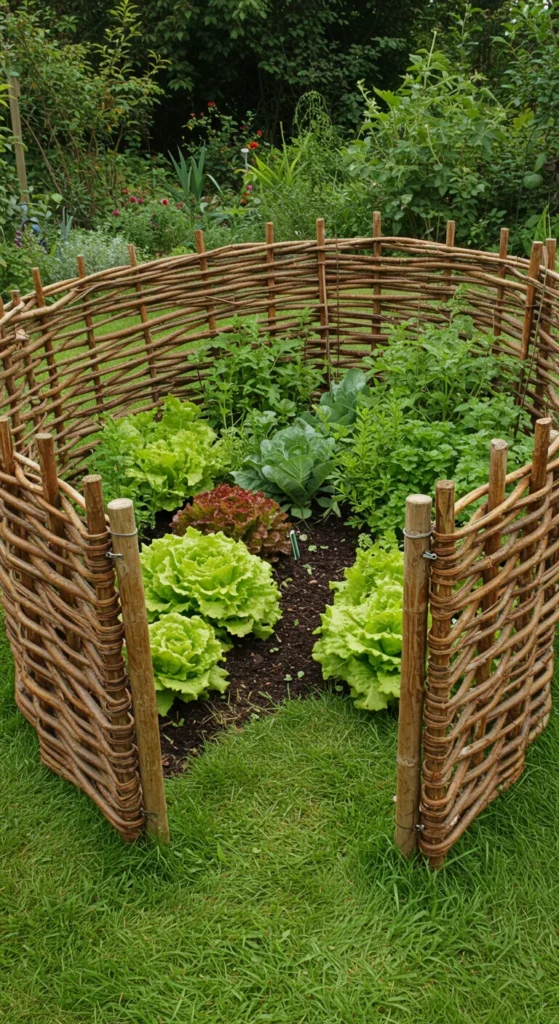
Instead of metal or plastic fences, grow living hedges or weave willow branches. Natural fences look beautiful, provide habitat for wildlife, and protect your crops.
20. Harvest Rain and Sun Together
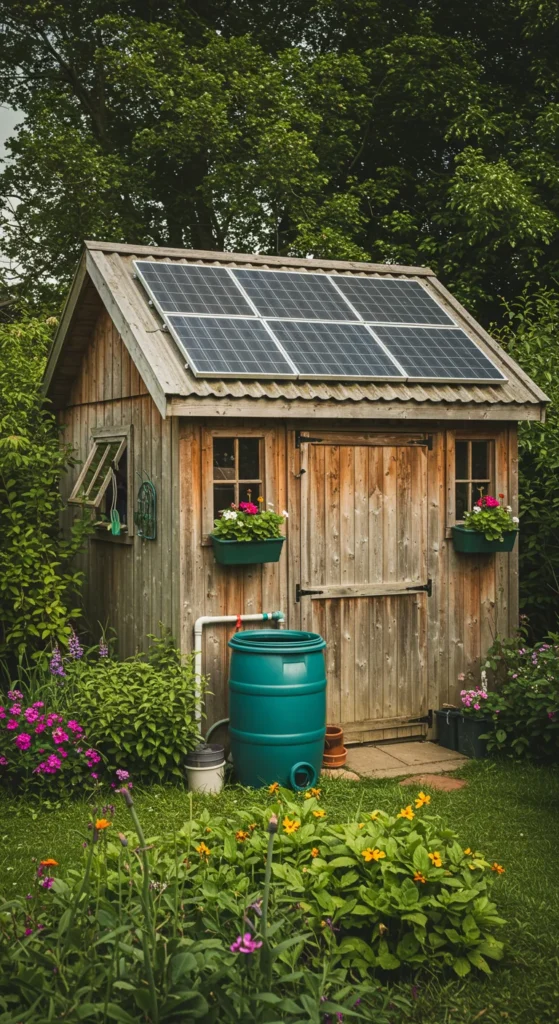
Combine renewable energy with water collection. Solar panels power pumps or lights, while rain barrels collect irrigation water. It’s a simple way to increase independence in your garden.
21. Keep a Garden Journal
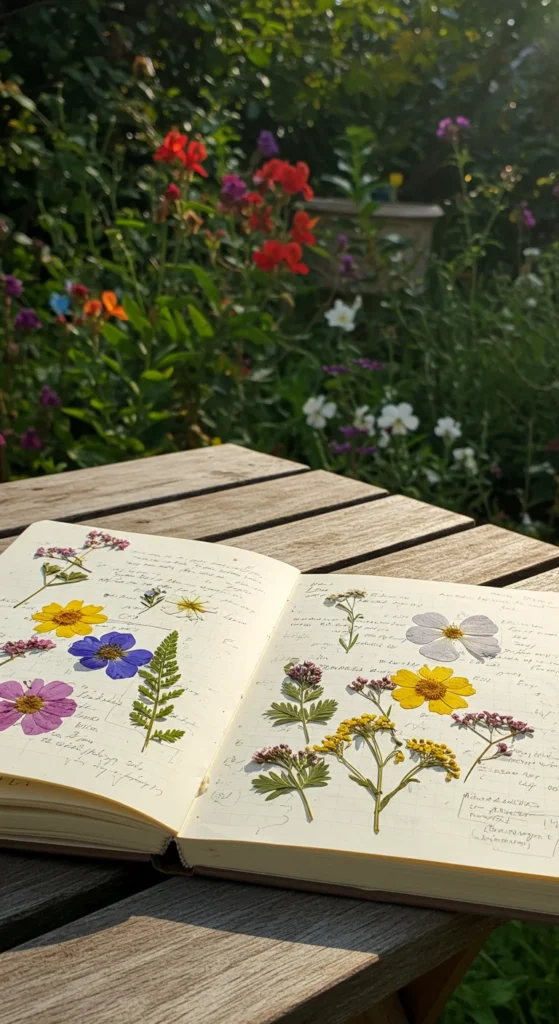
Track planting dates, rainfall, harvest amounts, and challenges in a garden journal. This record helps refine your system year after year. You’ll notice patterns and make better choices with each season.
Conclusion
Permaculture gardening is about designing systems that support themselves while producing food, beauty, and abundance. By observing your space, planting wisely, and recycling natural resources, you create a thriving garden that requires less outside input and gives back year after year. Start with one or two of these 21 tips and build from there. Soon, your garden will not only provide abundant yields but also become a living, sustainable ecosystem.
Leave a Reply