

Spinach is one of those magical vegetables that just keeps rewarding you—if you grow it the right way. Whether you want fresh leaves for salads, smoothies, or quick sautés, learning how to grow spinach for continuous harvests is easier than most beginners think. With just a little planning and a few smart tricks, your spinach bed can stay productive for weeks or even months.
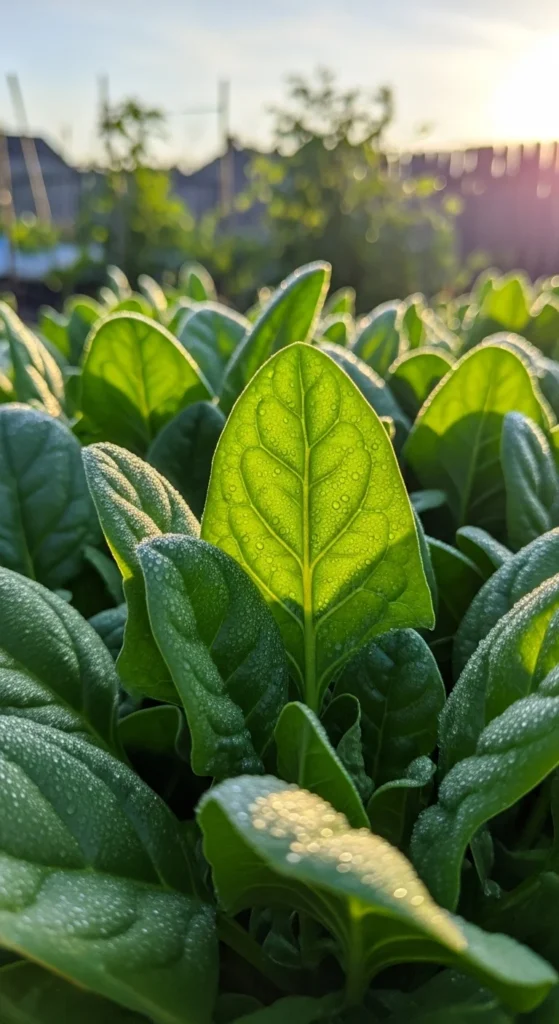
Let’s break it down step-by-step so you can grow spinach that never stops giving.
Choose the Right Variety for Continuous Harvests
Not all spinach varieties behave the same. Some bolt quickly. Others grow slowly. For a continuous supply, choosing the right type makes a huge difference.
Look for “Cut-and-Come-Again” Varieties
These grow new leaves after each harvest. Popular picks include:
- Bloomsdale
- Giant Winter
- Space F1
- Butterflay
Fast-growing varieties are ideal for gardeners who want frequent picking.
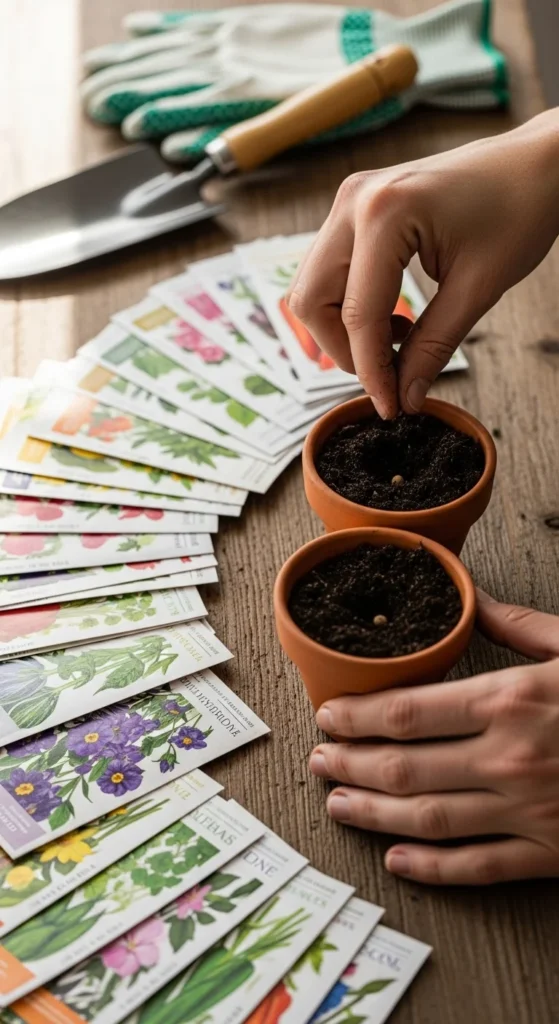
Pick the Perfect Planting Time
Spinach prefers cool weather, so timing your planting correctly is essential.
For the Best Growth:
- Plant early spring before the heat settles in.
- Or grow a fall crop when temperatures drop.
- Spinach thrives at 10°C–20°C.
Why Temperature Matters
Once temperatures climb, spinach starts bolting—sending up seeds instead of producing leaves. That means bitter taste and fewer harvests. So always plant when it’s cool.
Prepare Soil That Supports Continuous Growth
Healthy soil = healthy spinach. Simple as that.
Ideal Soil Conditions
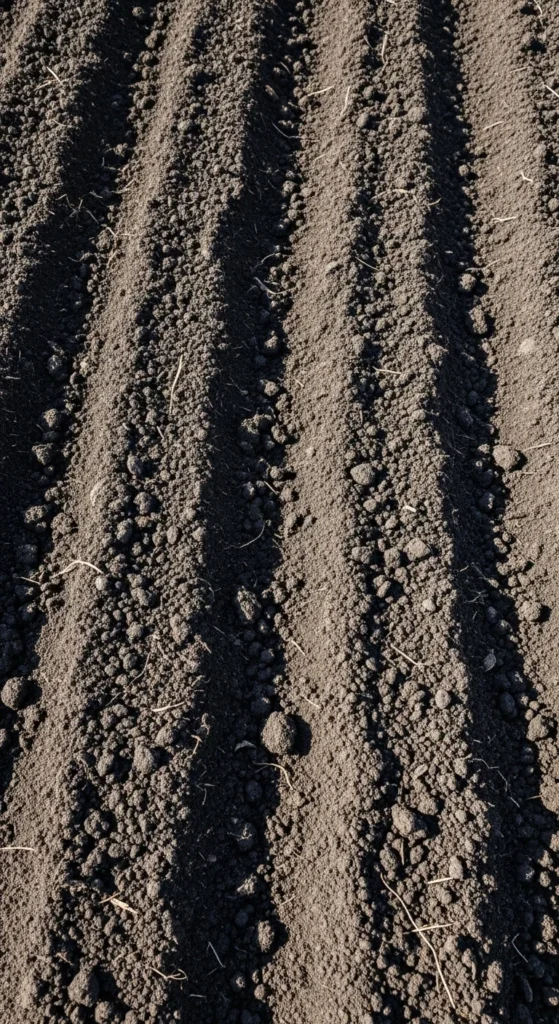
- Light, well-draining soil
- Rich in organic matter
- Slightly acidic to neutral (6.0–7.0 pH)
Mix in compost before planting. It boosts nutrients without overpowering the delicate roots.
Spacing Matters
Space plants 3–4 inches apart.
This gives each plant room to breathe and grow fresh leaves after every harvest.
Water Regularly, But Don’t Overdo It
Spinach loves moisture, but soggy soil leads to root problems.
Watering Tips
- Keep soil evenly moist.
- Water early in the morning.
- Avoid wetting the leaves excessively.
A simple rule:
If the top inch of soil feels dry, it’s watering time.
Mulch Helps
Mulch keeps soil cool and prevents moisture from evaporating too fast—perfect for spinach’s cool-loving nature.
Feed Your Plants for Maximum Productivity
To keep spinach growing strong, give it gentle but regular nutrition.
Fertilizer Tips
- Use a nitrogen-rich fertilizer.
- Apply lightly every 2–3 weeks.
- Avoid over-fertilizing—spinach absorbs chemicals easily.
Organic options like compost tea or fish emulsion work beautifully and help leaves grow vibrant and juicy.
Harvest Smart to Keep Spinach Producing
This is the most important part—harvest correctly, and your spinach will keep giving!
Two Harvesting Methods
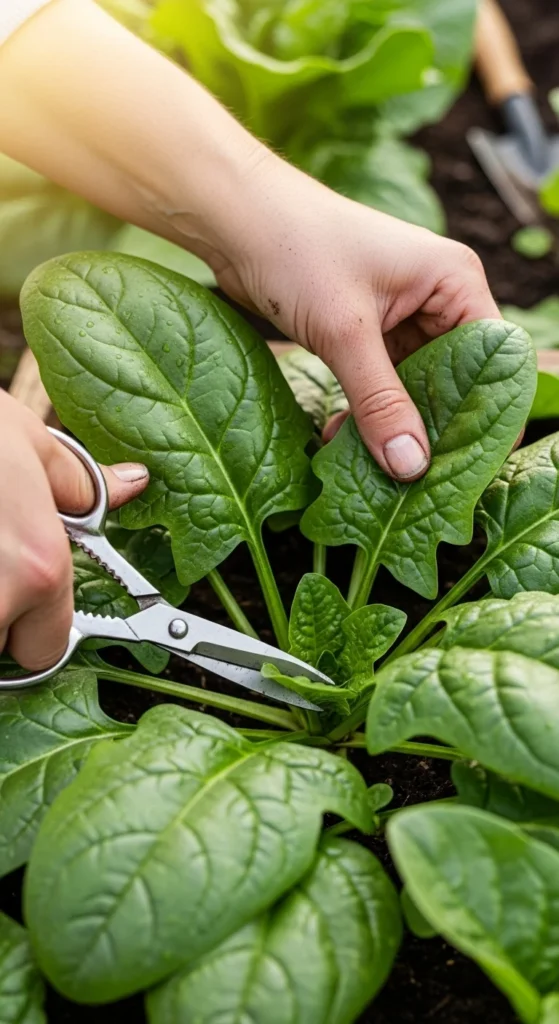
✅ Method 1: Cut Outer Leaves Only
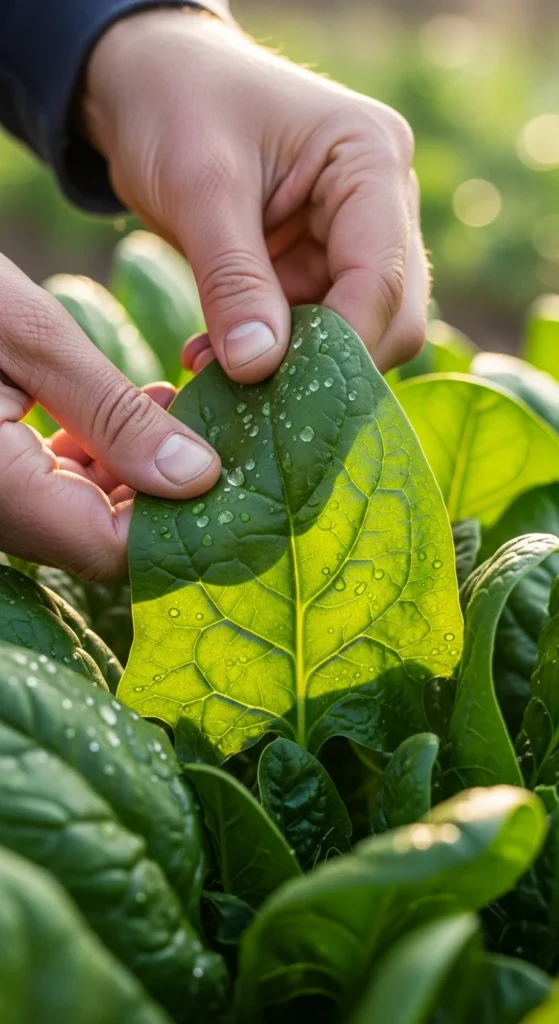
- Snip the largest leaves from the outside.
- Leave the center intact so it keeps producing.
✅ Method 2: Cut-and-Come-Again
- Cut the entire plant about 1 inch above the soil.
- New leaves will regrow in 7–10 days.
Avoid This Mistake
Never pull the whole plant out unless you’re ready to end the crop. Removing roots stops regrowth completely.
Keep Spinach Cool to Prevent Bolting
Even after the perfect start, heat can ruin everything.
To Protect From Heat:
- Add shade cloth during hot afternoons.
- Grow spinach in partial shade.
- Water frequently to cool soil.
If you live in a hotter climate, try New Zealand spinach or Malabar spinach—heat-tolerant alternatives that grow fast and produce endlessly.
Deal With Pests the Easy Way
Spinach attracts pests, but you can manage them naturally.
Common Pests
- Aphids
- Leaf miners
- Slugs
Simple Fixes
- Spray leaves with soapy water for aphids.
- Use floating row covers to block leaf miners.
- Place beer traps or crushed eggshells to deter slugs.
Grow Spinach in Containers Too
If you don’t have space, don’t worry—spinach thrives in pots.
Container Tips
- Choose pots 6–8 inches deep.
- Use high-quality potting mix.
- Water more frequently than in-ground plants.
Container-grown spinach also regrows quickly, making it perfect for small patios or balconies.
✅ Final Takeaway
Growing spinach that keeps on giving is all about timing, cool temperatures, regular care, and smart harvesting. Once you follow these steps, you’ll enjoy fresh, crisp leaves for weeks—sometimes months!

Leave a Reply