

Dreaming of a garden that practically takes care of itself while nourishing you and the planet? That’s the beauty of permaculture — a gardening approach that mimics natural ecosystems, builds soil health, and supports long-term sustainability. It’s about creating a living, self-sustaining system rather than a garden that needs constant upkeep.
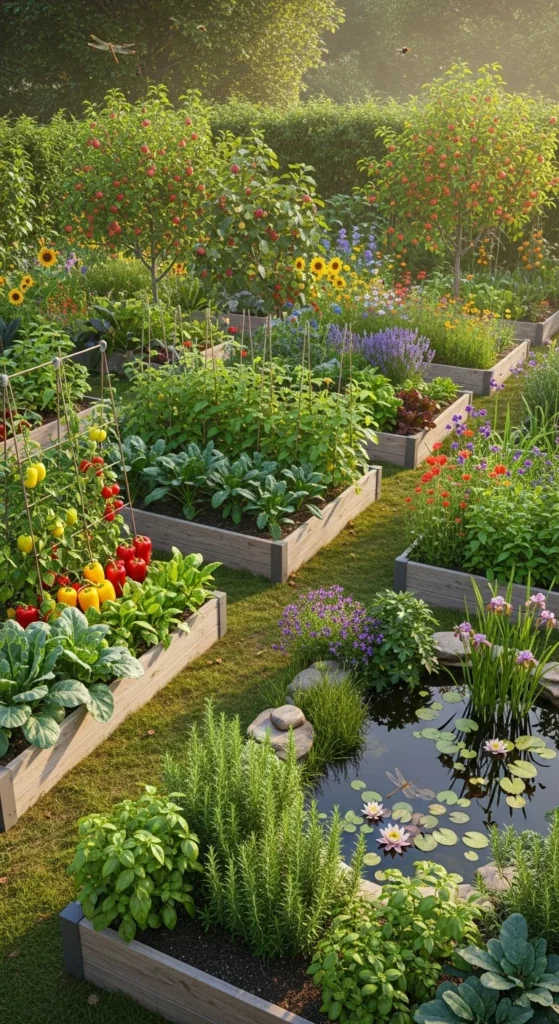
Whether you have a small backyard or a large plot, you can start a permaculture garden that thrives year after year. Let’s walk through the easy steps to build one that truly lasts.
Understand the Principles of Permaculture
Before you grab a shovel, it’s worth understanding what makes permaculture different from traditional gardening.
Permaculture revolves around three main ethics:
- Care for the Earth — protect and enrich soil, water, and biodiversity.
- Care for People — design systems that meet human needs sustainably.
- Fair Share — use only what you need and return surplus back to the system.
When you design your garden around these values, you’re not just growing plants — you’re building balance between people, plants, and wildlife.
Start by Observing Your Space
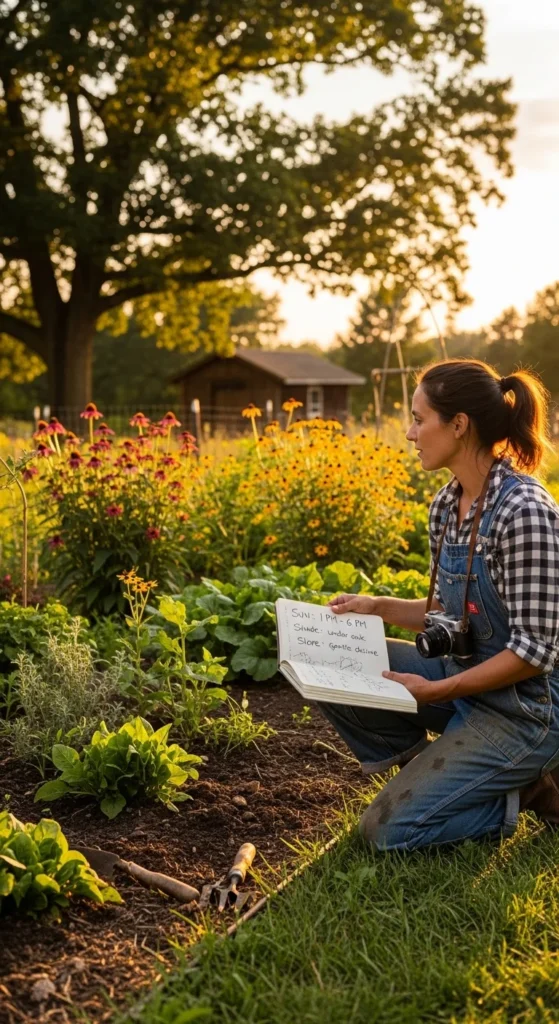
The first step in permaculture isn’t planting — it’s watching. Spend time observing your garden area to understand its patterns before making big changes.
Things to look for:
- Where the sunlight hits throughout the day
- Natural water flow after rain
- Areas with wind exposure or shade
- Soil type and how it drains
This observation phase helps you decide the best spots for planting, composting, and harvesting rainwater. You’ll design smarter when you understand how your land already works.
Build Healthy Soil First
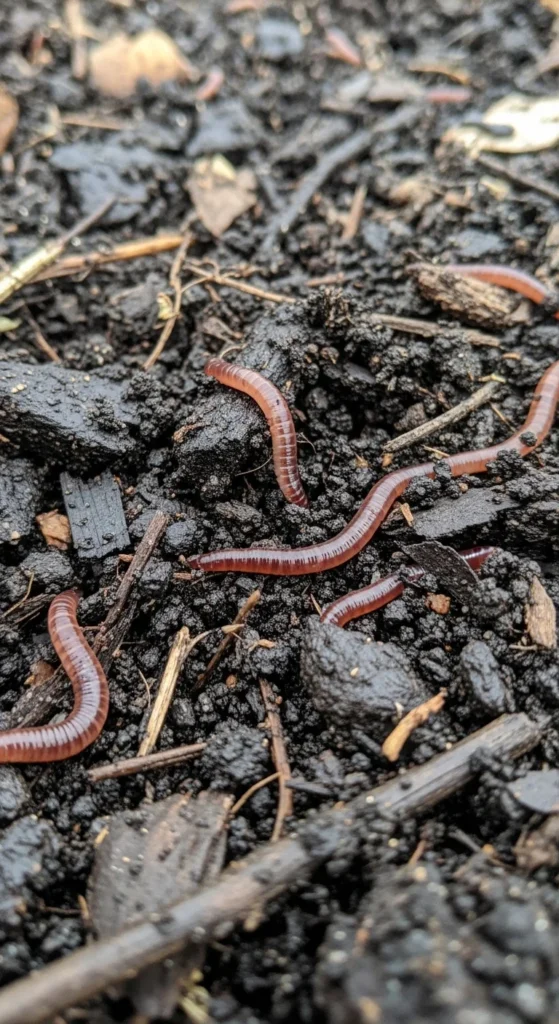
In permaculture, healthy soil is everything. It’s the foundation of a long-lasting garden that feeds itself.
Easy soil-building methods:
- Compost: Start a compost pile using kitchen scraps and yard waste.
- Mulch: Cover soil with straw, leaves, or wood chips to retain moisture.
- No-till approach: Avoid digging deeply; instead, layer organic matter on top to encourage natural decomposition.
- Add diversity: Grow nitrogen-fixing plants like clover or peas to boost fertility.
Good soil becomes richer each year, meaning less work for you and more nutrients for your plants.
Design with Nature in Mind
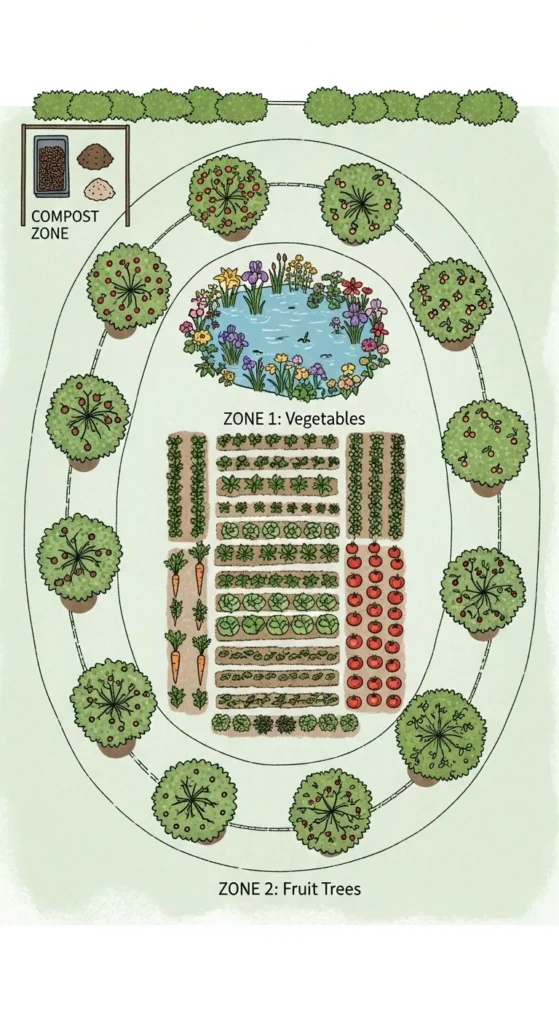
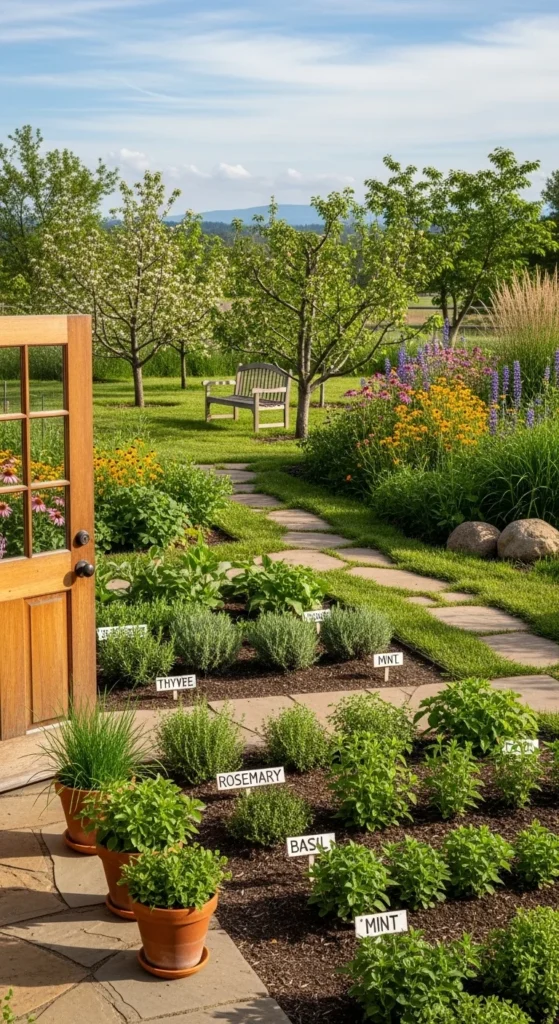
Permaculture design is all about working with nature, not against it. Organize your garden into zones based on how often you visit and what each area needs.
Example layout:
- Zone 1: Nearest to your home — herbs, salad greens, and daily-use plants.
- Zone 2: Vegetables and small fruit bushes that need regular care.
- Zone 3: Larger crops like corn or squash that need less attention.
- Zone 4: Trees, compost piles, and wild habitat areas.
- Zone 5: A natural space left untouched for wildlife and observation.
This design creates an ecosystem where every element — plants, animals, water, and soil — supports the others.
Grow a Variety of Plants That Work Together
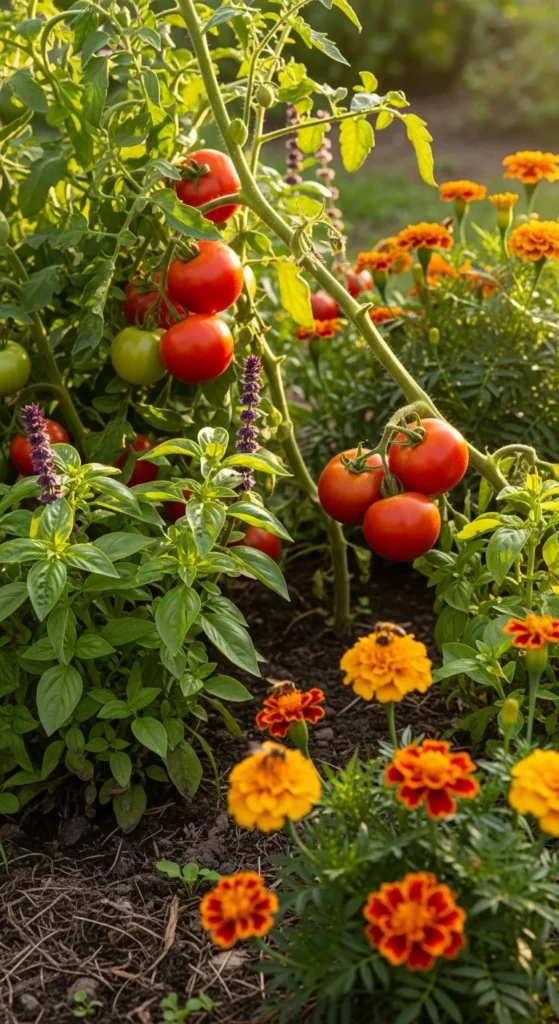
One of the easiest ways to keep your garden thriving is by planting companion crops that help each other grow. This mimics natural diversity and prevents pests from taking over.
Smart companion ideas:
- Tomatoes + Basil: Basil deters pests and improves tomato flavor.
- Corn + Beans + Squash (Three Sisters): Beans add nitrogen, corn provides support, and squash shades the soil.
- Carrots + Onions: Onions repel carrot flies.
Also, mix in pollinator plants like marigolds, lavender, and echinacea to attract bees and butterflies — nature’s best garden helpers.
Conserve Water and Energy
Sustainability means using resources wisely. In a permaculture garden, every drop of water and ray of sunlight counts.
Easy water-saving ideas:
- Install rain barrels to collect roof runoff.
- Use drip irrigation or soaker hoses instead of sprinklers.
- Plant ground covers and mulch to prevent evaporation.
- Shape garden beds with swales (shallow ditches) to direct rainwater toward plants.
The goal is simple: design a garden that feeds itself and wastes nothing.
Final Takeaway
Starting a permaculture garden doesn’t require expensive tools or fancy equipment — just patience, creativity, and a deep respect for nature. Once you build a foundation of healthy soil, smart design, and plant diversity, your garden will continue to thrive for years with minimal effort.

Leave a Reply