

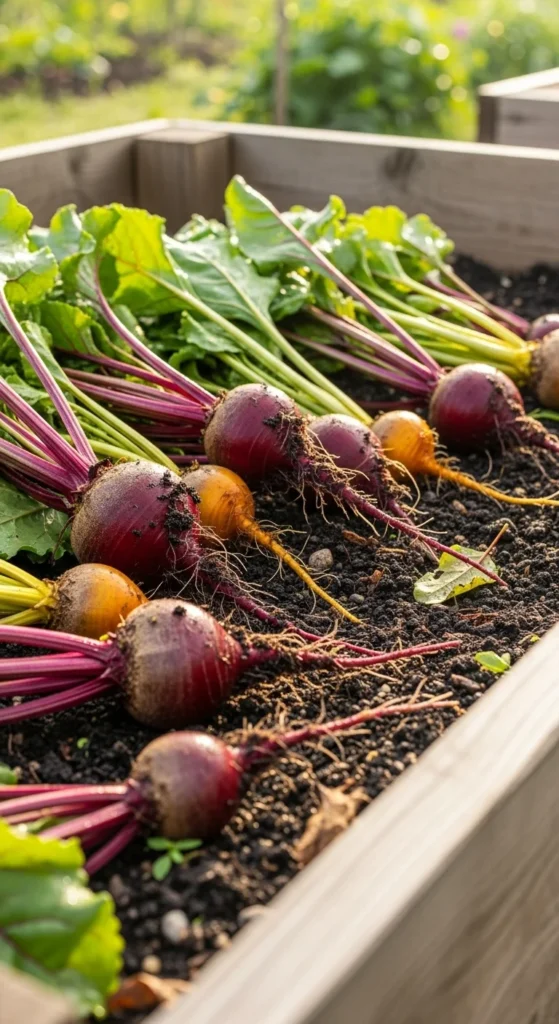
Beets are one of those garden gems that surprise you twice—once when you see their jewel-toned roots peeking from the soil, and again when you taste their natural sweetness. Whether roasted, pickled, or blended into smoothies, homegrown beets taste far better than anything from the store. The best part? They’re easy to grow, even for beginners.
If you’ve been craving earthy, sweet beets straight from your garden, here’s how to grow them perfectly—from seed to harvest.
Pick the Right Spot and Variety
Beets thrive in full sun and loose, well-drained soil. They prefer slightly acidic to neutral pH (6.0–7.0). Avoid clay-heavy or compacted soil, as it makes it hard for roots to expand.
Top beet varieties for sweetness:
- ‘Detroit Dark Red’ – Classic deep red with a strong earthy flavor.
- ‘Chioggia’ – Red-and-white rings inside and a mild, candy-sweet taste.
- ‘Golden Beet’ – Bright orange roots with a gentle, buttery flavor.
- ‘Cylindra’ – Long, uniform roots that are perfect for slicing.
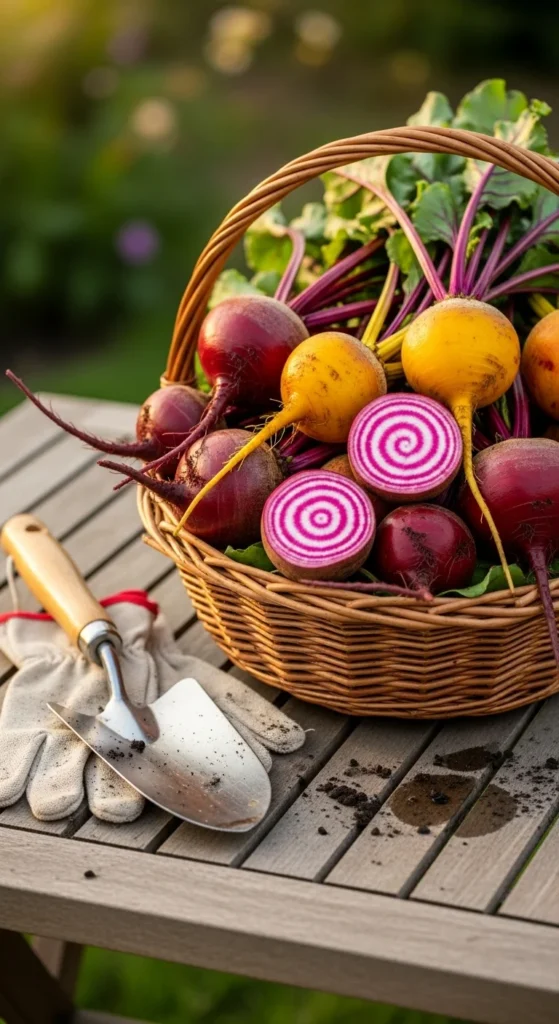
Pro Tip: Mix a few types in the same bed for a colorful harvest that looks gorgeous in salads or on the plate.
Prepare the Soil for Sweet Success
Beets develop sweetness when they grow quickly and evenly. That means the soil needs to be light, rich, and crumbly.
Steps to prepare the bed:
- Loosen the soil to at least 12 inches deep.
- Remove rocks, roots, and clumps.
- Mix in compost or aged manure before planting.
- Avoid high-nitrogen fertilizers—they make lush leaves but small roots.
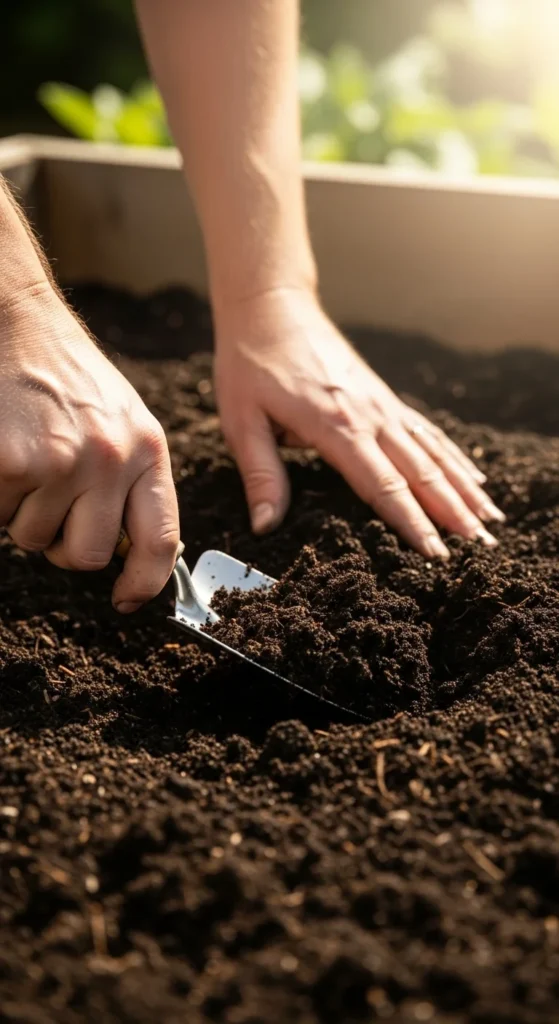
Sweetness tip: Beets taste best when grown under steady moisture and mild temperatures (50–75°F). Fluctuations in watering or temperature can make them woody or bitter.
Planting Beets from Seed
Beets are best grown directly from seed—no need for transplanting. Each seed cluster actually contains 2–4 seeds, so thinning is essential.
How to plant:
- Sow seeds ½ inch deep and 1–2 inches apart in rows spaced 12 inches apart.
- Water gently after sowing.
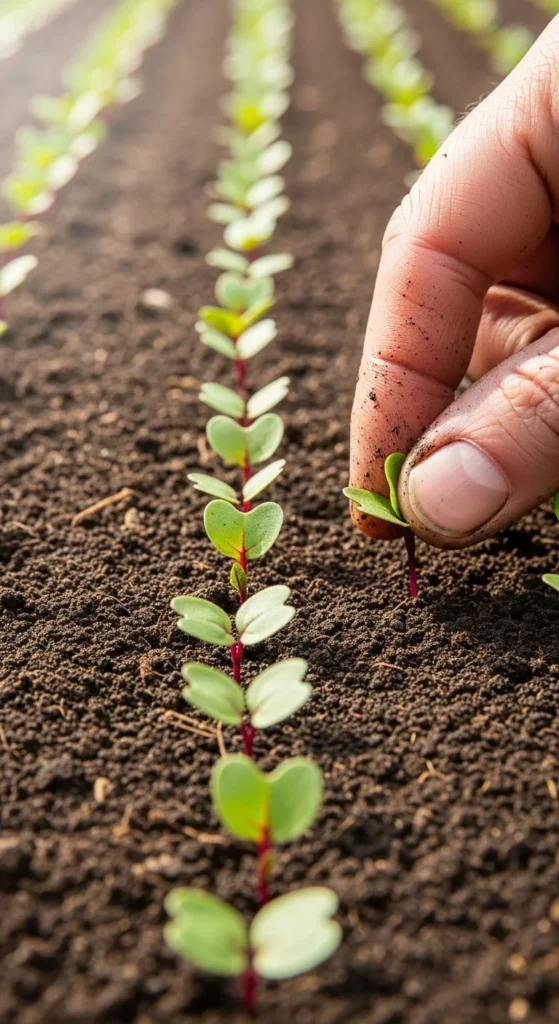
- When seedlings reach 2–3 inches tall, thin them to 3–4 inches apart to give roots room to grow.
Don’t toss those thinnings! Young beet greens are delicious sautéed or added to salads.
Keep Them Happy: Watering and Care
Beets are low-maintenance, but consistency is key.
Watering:
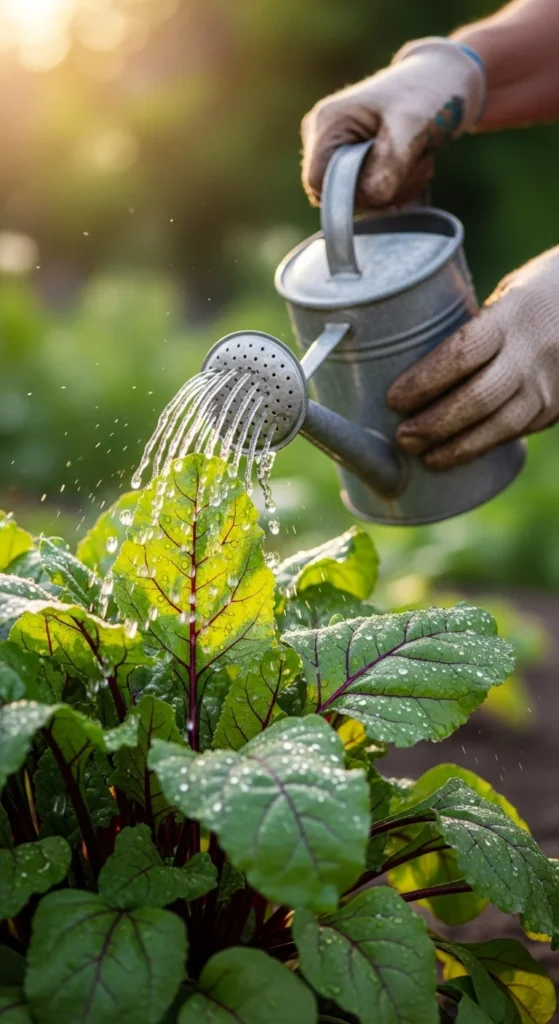
- Keep the soil evenly moist, not soggy.
- Water deeply once or twice a week, depending on weather.
- Mulch around plants to conserve moisture and prevent weeds.
Feeding:
- A light side-dressing of compost mid-season gives them a nutrient boost.
- Avoid over-fertilizing with nitrogen—focus on balanced organic fertilizer if needed.
Pest Watch:
- Leaf miners can cause white trails on leaves—remove affected foliage promptly.
- Use row covers early in the season to protect from pests naturally.
Harvesting at the Right Time
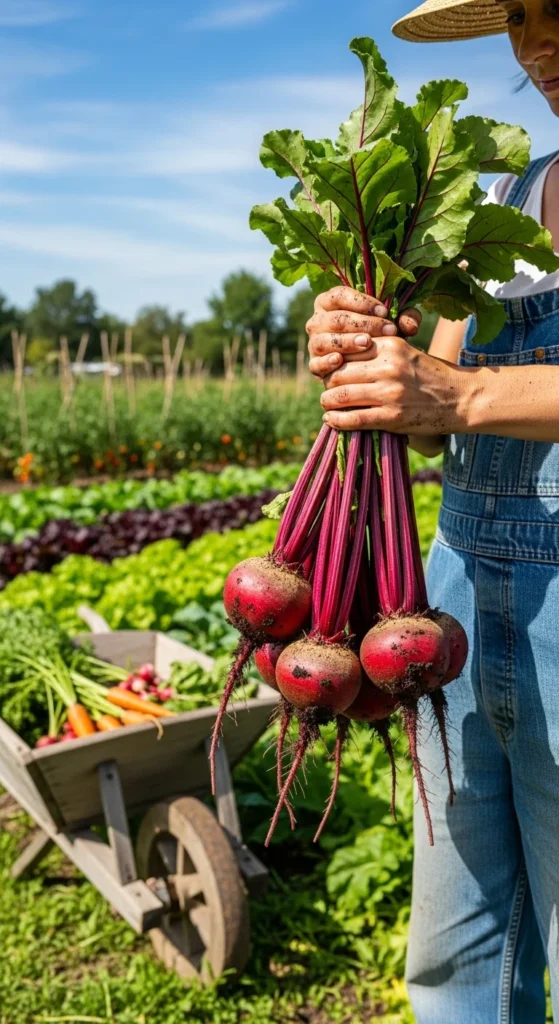
Beets are ready when they’re about 1.5 to 3 inches in diameter—usually 50–70 days after planting.
- Smaller beets are tender and extra sweet.
- Larger ones have a stronger, earthier flavor.
To harvest:
- Loosen the soil gently with a fork.
- Pull up the roots by their tops—avoid tugging too hard.
- Trim greens, leaving an inch of stem to prevent bleeding during storage.
Storage tip:
Keep roots in a cool, dark place or refrigerate them in a breathable bag for up to 3 weeks.
Bonus: Don’t Waste the Greens
Beet greens are not just edible—they’re packed with flavor and nutrients.
- Use baby greens in salads.
- Sauté mature greens with garlic and olive oil for a quick, healthy side.
They’re rich in iron, magnesium, and vitamins A and C, making them as valuable as the roots themselves.
Final Thoughts
Growing beets is one of the most rewarding gardening experiences. You plant tiny seeds, wait a few weeks, and end up with colorful, sweet roots that brighten every meal.
Whether you love earthy reds, sunny golds, or candy-striped varieties, these humble roots can easily become a garden favorite.
Leave a Reply