

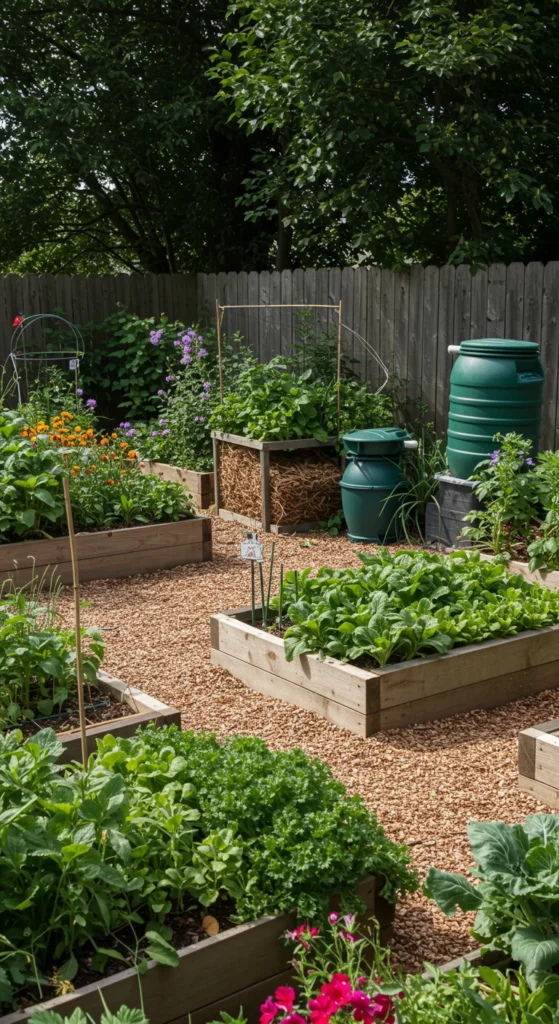
Gardening doesn’t have to drain your wallet—or the planet. By adopting simple eco-friendly practices, you can save money while creating a healthier, more sustainable outdoor space. From composting to reusing water, these ideas make gardening easier, greener, and more affordable. Let’s explore 23 practical ways you can garden responsibly without spending a fortune.
1. Compost Your Kitchen Scraps
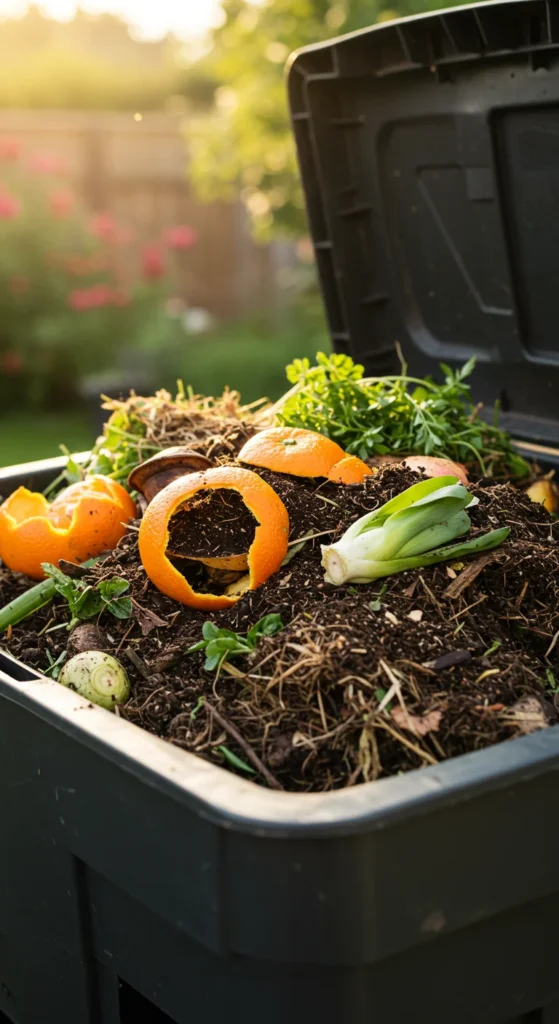
Instead of tossing food scraps, turn them into nutrient-rich compost. Eggshells, vegetable peels, and coffee grounds all break down into valuable fertilizer. Composting cuts down on waste and saves money on store-bought soil amendments. Start with a small bin or even a DIY pile using pallets. Over time, you’ll create black, crumbly compost that improves soil health and helps plants thrive naturally.
2. Collect Rainwater
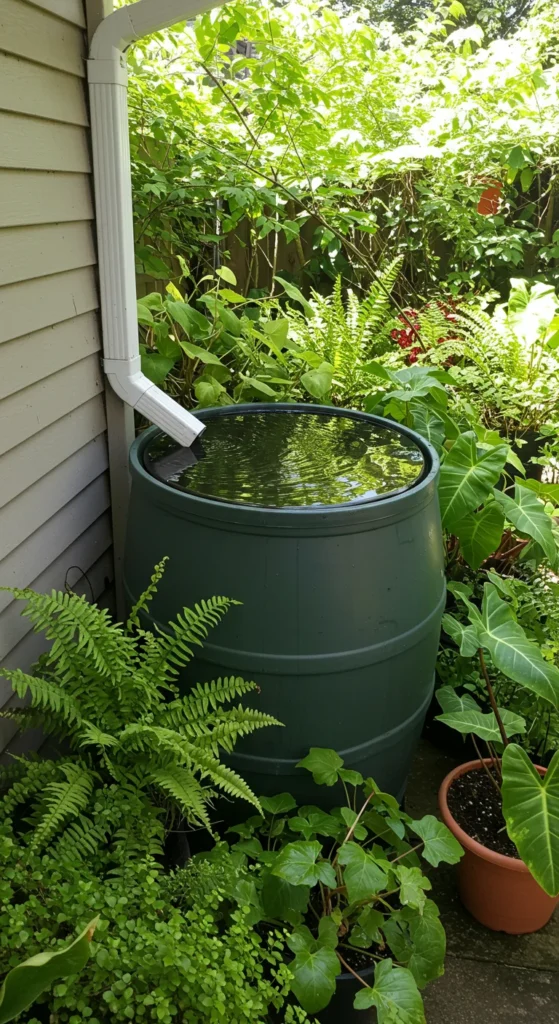
Why pay for extra water when the sky gives it for free? Set up a rain barrel under your roof’s downspout. Use the collected water for flowers, vegetables, or lawn care. Add a spigot to make filling watering cans easy. Rainwater is softer than tap water, which plants love. This practice cuts utility bills and reduces stormwater runoff.
3. Mulch with Leaves and Grass Clippings
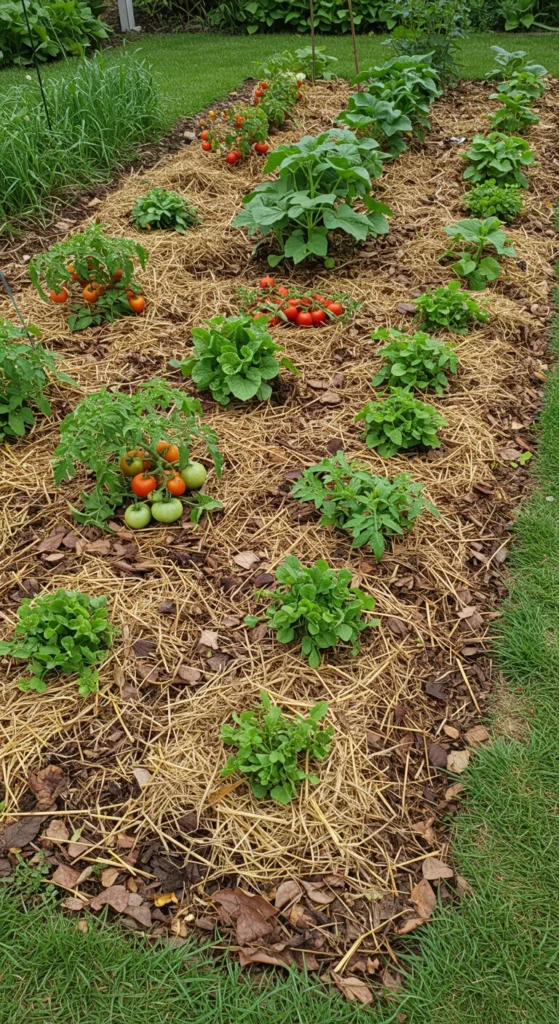
Skip store-bought mulch and use what nature provides. Collect fallen leaves or grass clippings to cover your soil. Mulch reduces evaporation, keeps roots cooler, and suppresses weeds. It’s an affordable way to recycle yard waste while improving soil over time. Plus, it makes your garden look tidy.
4. Repurpose Old Containers
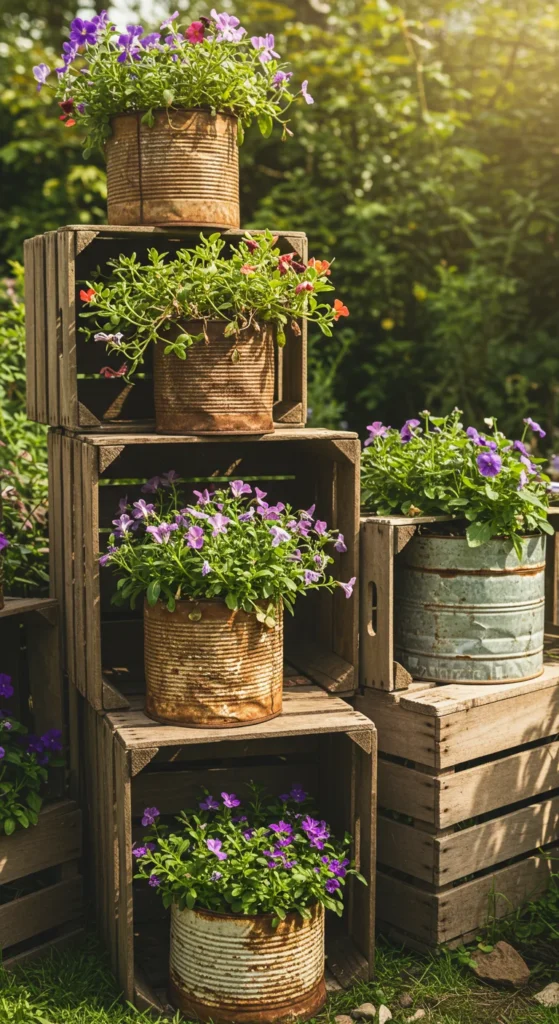
Don’t rush to buy new pots. Old buckets, crates, or even tin cans can become planters. Drill drainage holes and give them a coat of paint for charm. This keeps materials out of landfills and saves money on containers. Upcycling also adds character to your garden space.
5. Grow Perennials Instead of Annuals
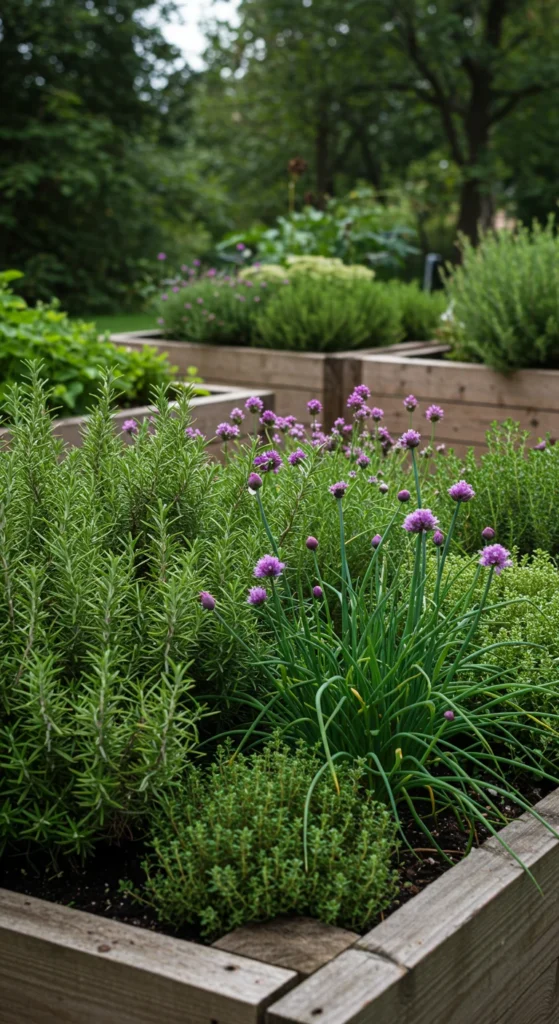
Perennials return year after year, saving money on seeds and plants. Herbs like mint, thyme, and chives are great options. Many flowers like echinacea and lavender are also perennials. They require less replanting, less maintenance, and add long-term beauty to your garden.
6. Save Seeds from Your Crops

Seed saving is simple and rewarding. Collect seeds from tomatoes, peppers, beans, or flowers after harvest. Store them in envelopes in a cool, dry place. Next season, you won’t need to buy new packets. Over time, seeds adapt to your local conditions, often performing better in your soil.
7. Practice Companion Planting
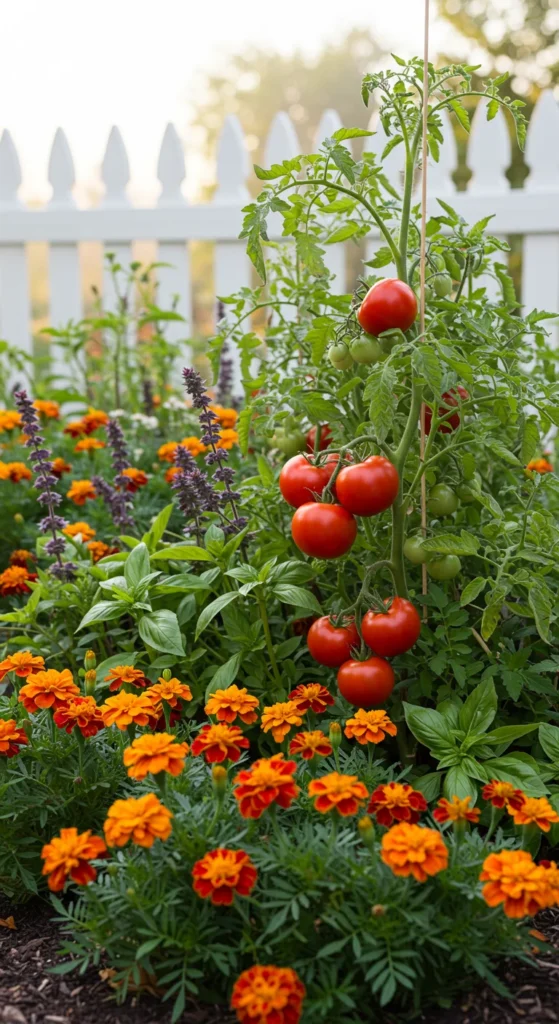
Plant certain crops together to save space and reduce pests naturally. For example, basil deters insects near tomatoes, while marigolds keep nematodes away. This eco-friendly method reduces reliance on chemical sprays and improves yields without extra costs.
8. Use Greywater for Non-Edible Plants
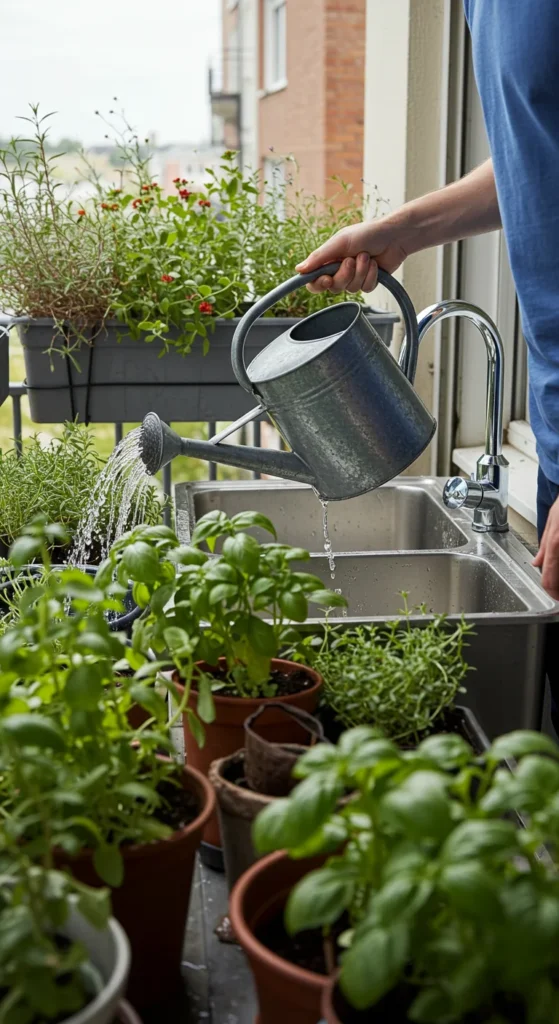
Reuse water from washing fruits or rinsing dishes for your non-edible plants. This cuts water waste and lowers your utility bill. Just avoid harsh soaps or chemicals. Plants like shrubs, ornamentals, and flowers thrive on this recycled resource.
9. Build Raised Beds from Recycled Wood
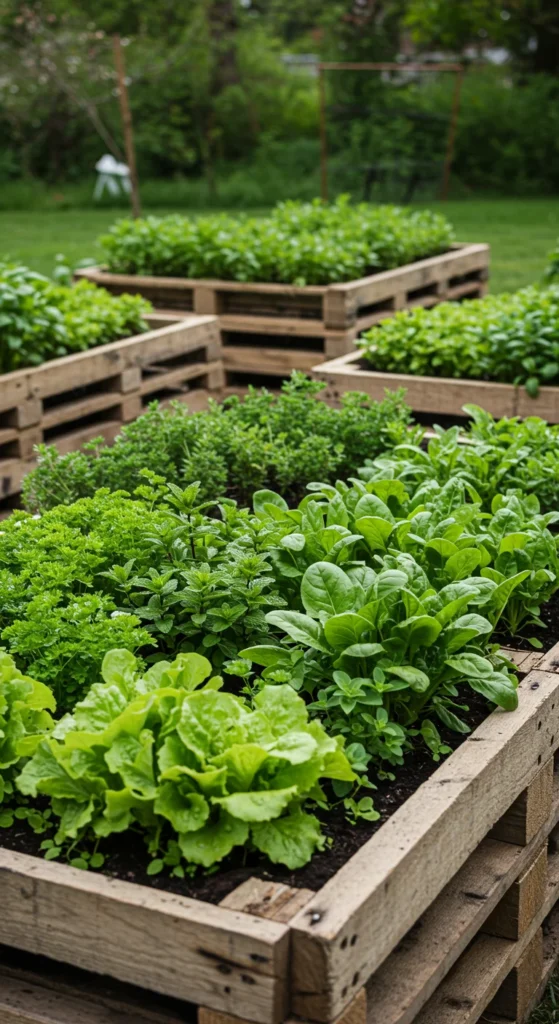
Raised beds improve drainage and make gardening easier. Instead of buying expensive kits, build them from recycled pallets or scrap wood. Line them with cardboard at the base to suppress weeds. This affordable setup lasts for years if maintained properly.
10. Make Your Own Fertilizer Tea
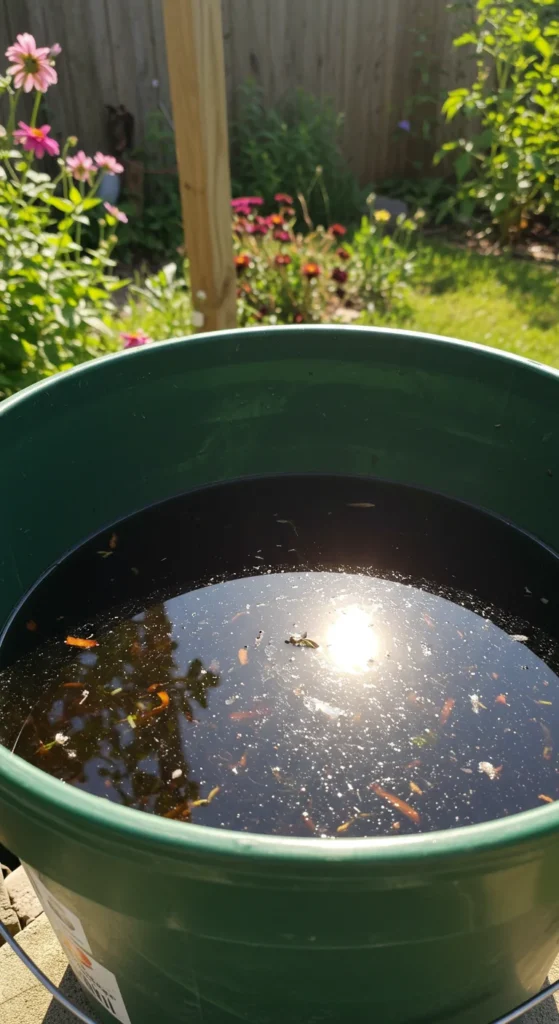
Soak compost, nettles, or comfrey leaves in water for a few days. The liquid becomes a natural fertilizer tea. Strain it and use it to feed your vegetables or flowers. It’s free, easy to make, and packed with nutrients.
11. Attract Pollinators with Wildflowers
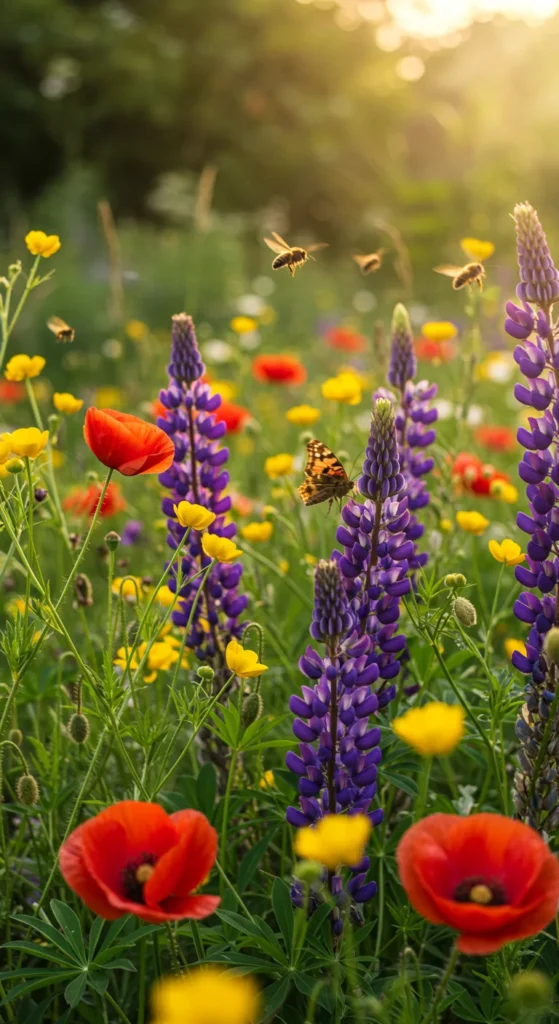
Pollinators like bees and butterflies help crops produce better harvests. Plant wildflowers or native species to attract them. These flowers are hardy, low-maintenance, and save you from hand-pollinating crops. Plus, they add beauty and color to your yard.
12. Reuse Plastic Bottles as Watering Tools
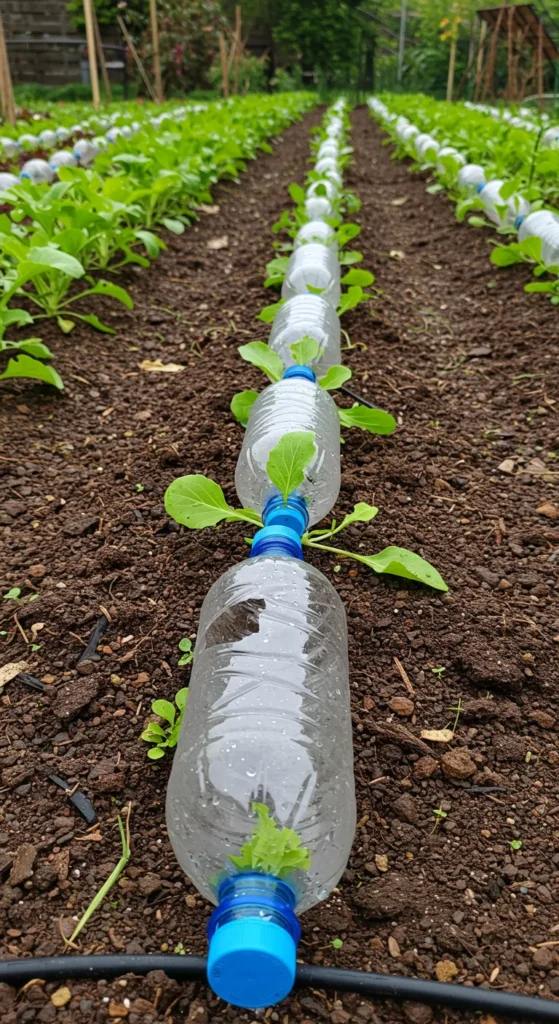
Turn old bottles into simple irrigation systems. Poke holes in the caps, fill with water, and place them upside down near plant roots. Water drips slowly, keeping soil evenly moist. It’s a free, eco-friendly substitute for commercial irrigation kits.
13. Grow Herbs Indoors Year-Round
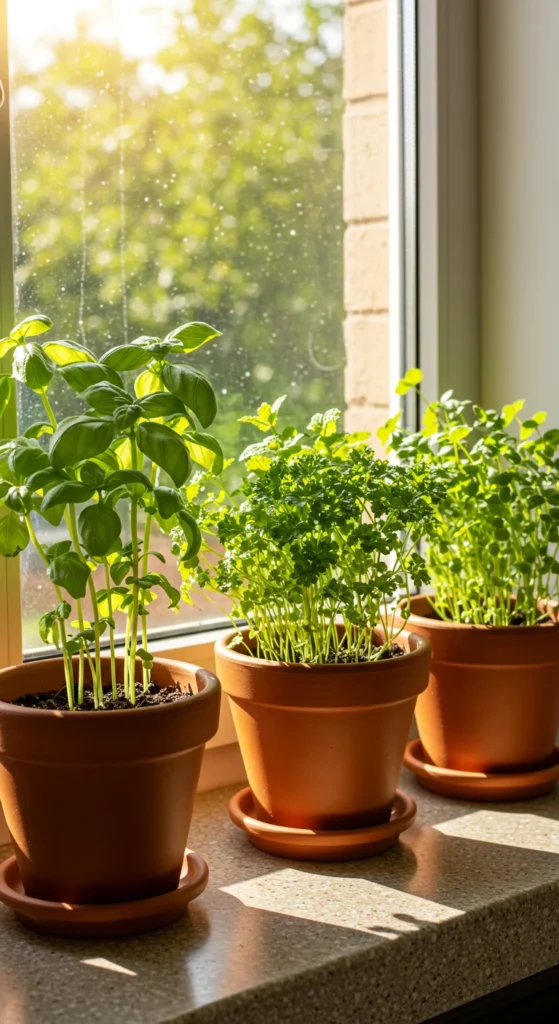
Growing herbs indoors reduces trips to the store. Basil, parsley, and mint are easy to keep alive year-round. Use small pots on windowsills or shelves. You’ll save money and always have fresh flavor within reach.
14. Choose Native Plants
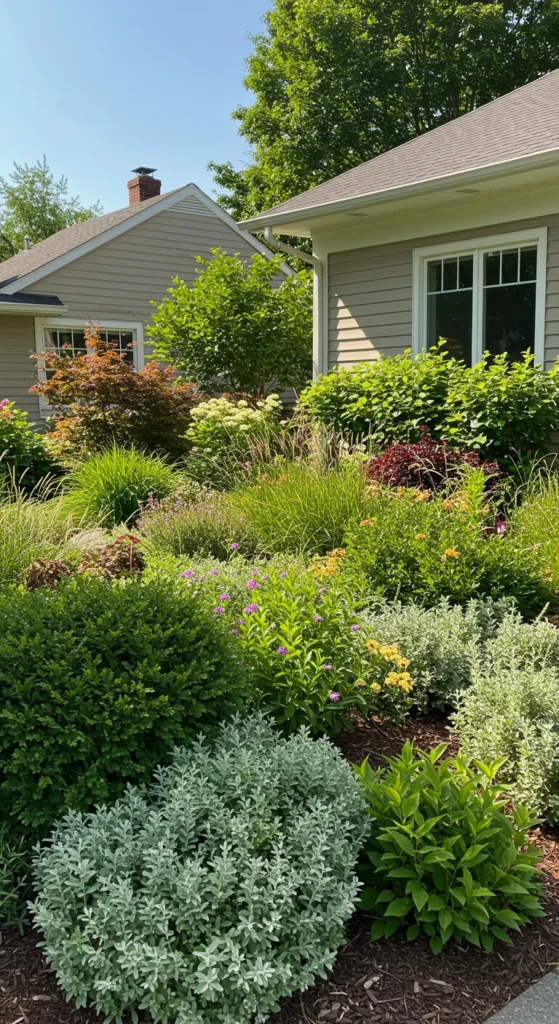
Native plants are adapted to local climates, needing less water and care. They resist pests better and thrive without expensive fertilizers. By planting native species, you cut down on costs while supporting local ecosystems.
15. Try No-Dig Gardening
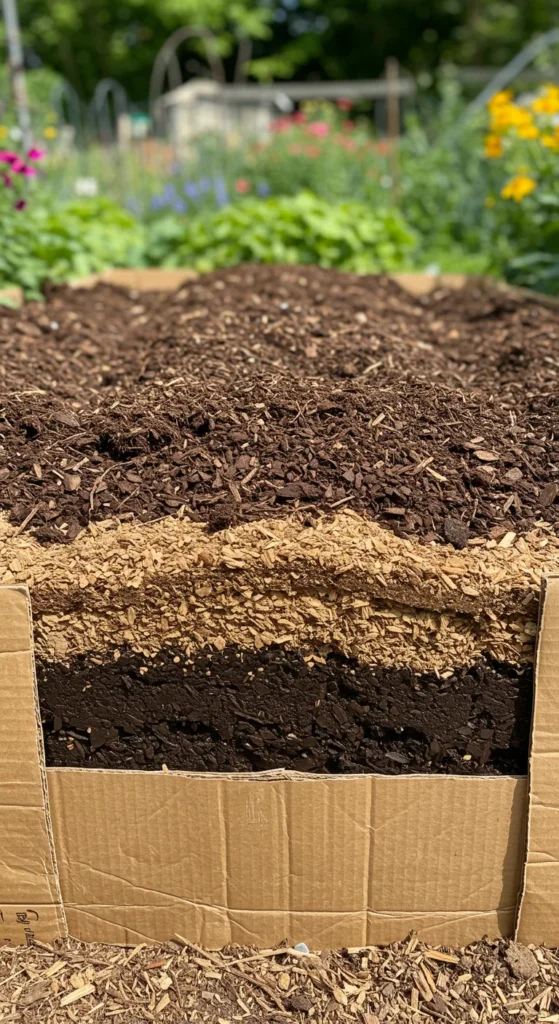
Skip tilling and layer organic materials like cardboard, compost, and straw instead. This no-dig method builds soil naturally. It saves energy, improves soil life, and requires less fertilizer over time. Plus, it’s much easier on your back.
16. Make Natural Pest Sprays
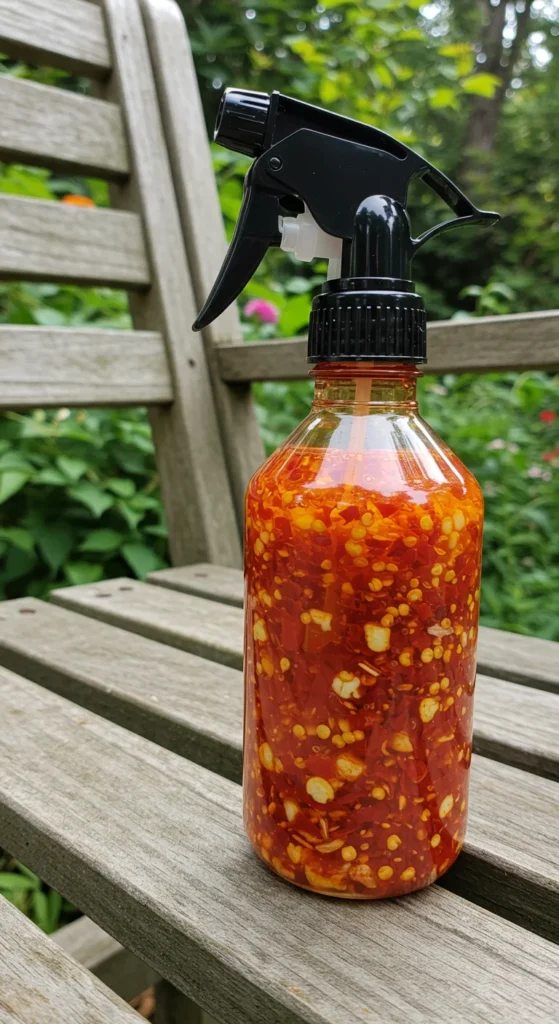
Mix garlic, chili, or neem oil with water for a natural pest spray. These homemade remedies are safer for your plants, pets, and wallet. Use them to manage aphids, caterpillars, or mites. Store-bought chemicals are costly, but this DIY option works just as well.
17. Rotate Crops Each Season
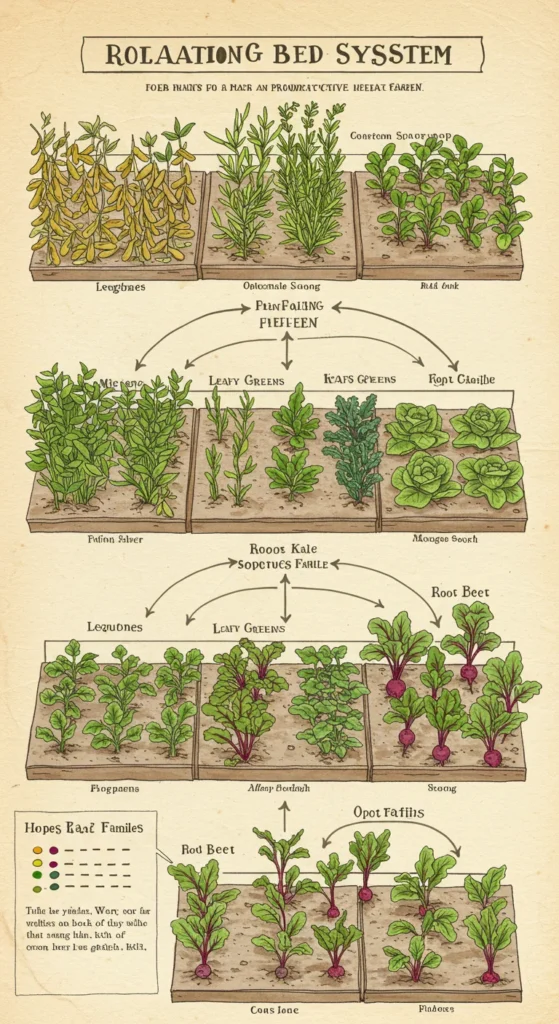
Growing the same crop repeatedly depletes soil. Rotate your plants each season to maintain balance. For example, follow heavy feeders like tomatoes with nitrogen-fixing beans. This reduces the need for fertilizers and keeps soil healthy long term.
18. Use Coffee Grounds in Soil
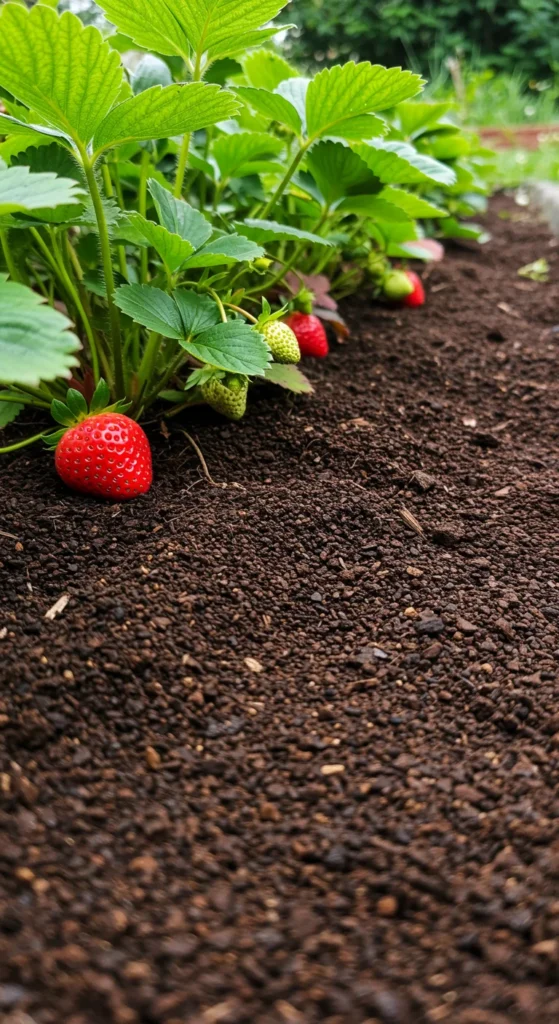
Coffee grounds enrich soil and act as a mild fertilizer. Sprinkle them around plants like roses or strawberries. They improve texture and encourage earthworms. Collect grounds from your kitchen or local café for free.
19. Dry Herbs for Later Use
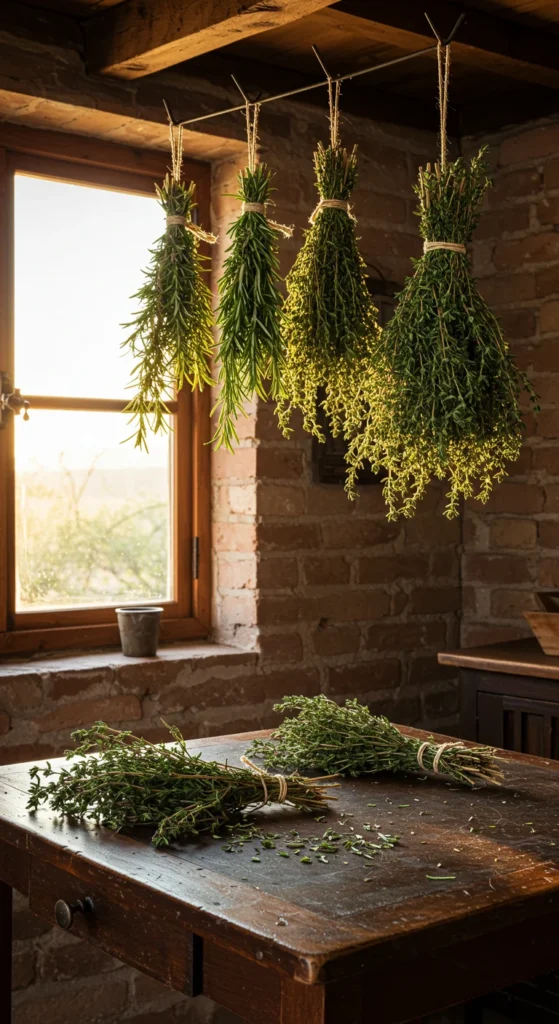
Harvest herbs and dry them for storage. Tie small bundles and hang them in a dry spot. Once crispy, store in jars. Dried herbs cut grocery costs and preserve flavor all year long.
20. Create Wildlife Habitats
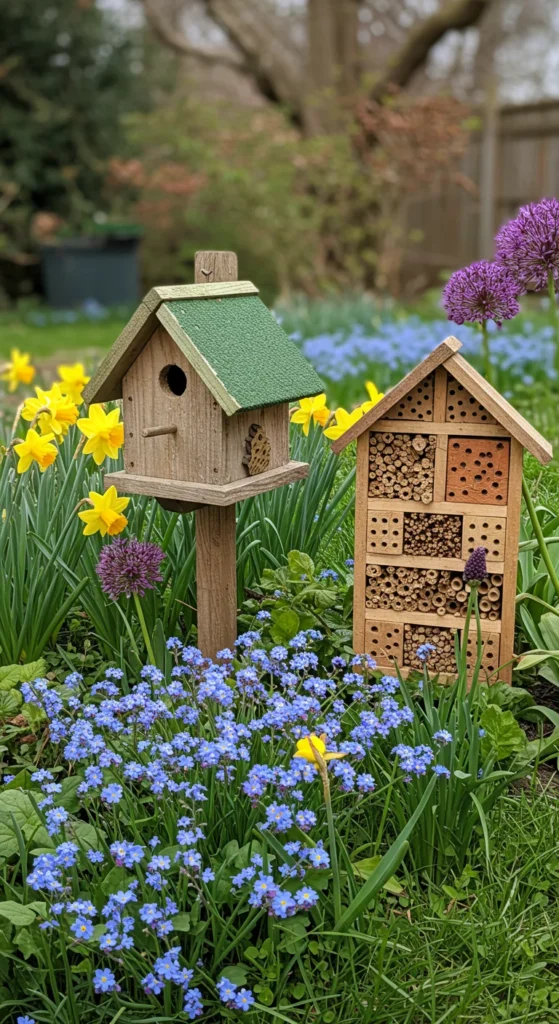
Encourage birds and beneficial insects by adding birdhouses, bee hotels, or small water dishes. They help control pests naturally, reducing the need for sprays. Wildlife adds balance and beauty to your garden ecosystem.
21. Swap Seeds with Neighbors
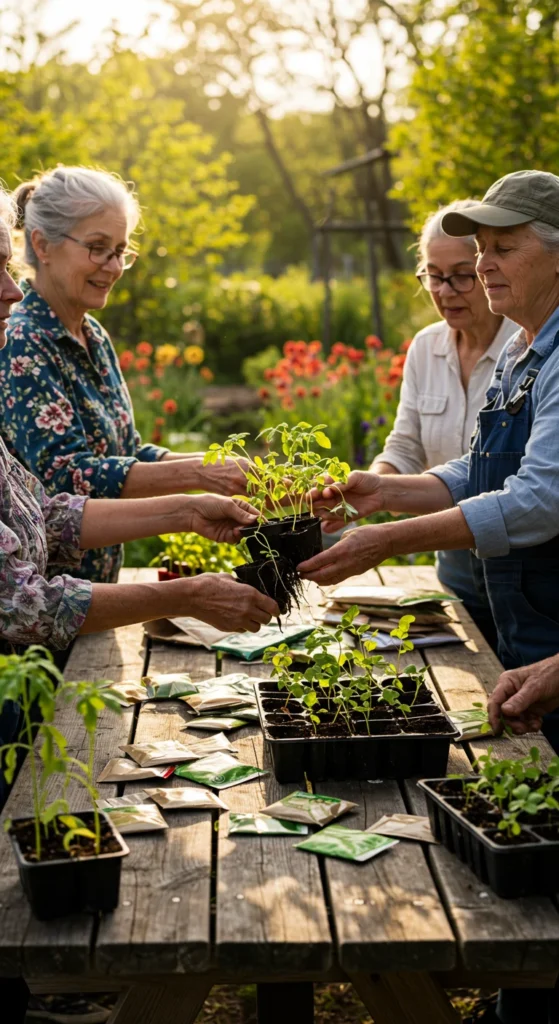
Seed swaps are a fun way to expand your garden without spending money. Trade extra seeds or seedlings with neighbors or community groups. It promotes variety and strengthens community ties.
22. Build a DIY Worm Bin
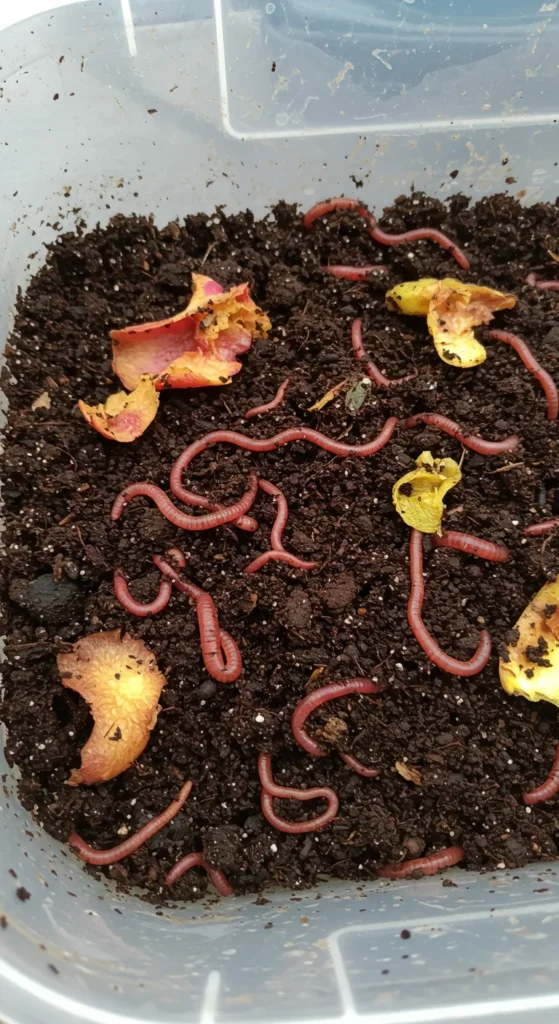
Worm composting is perfect for small spaces. Red worms break down food scraps into rich castings. Build a simple worm bin with a plastic container and ventilation holes. The resulting compost is excellent for potted plants and raised beds.
23. Store Rainwater in Recycled Containers
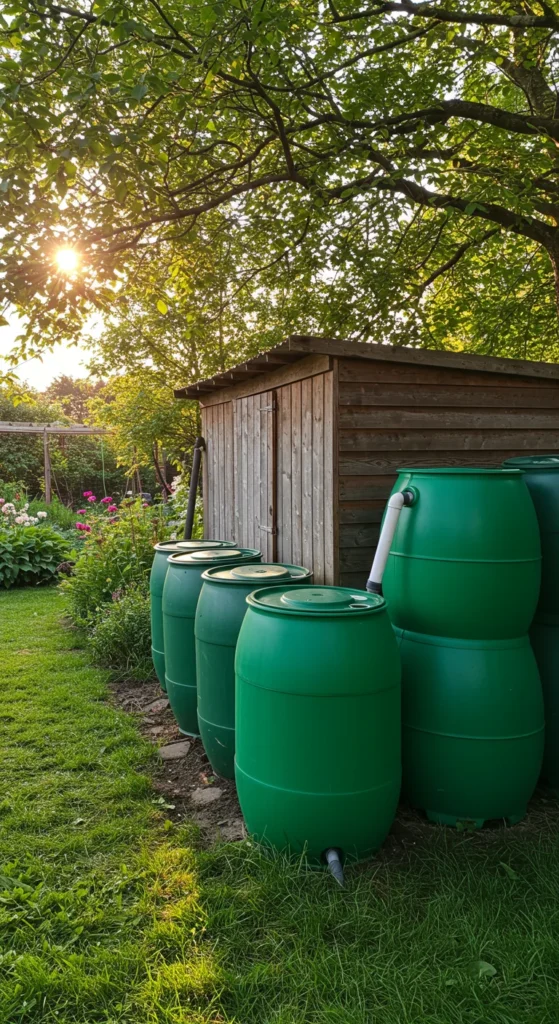
If rain barrels are expensive, repurpose old plastic drums. Clean them thoroughly, add spigots, and place them under gutters. This provides an affordable water supply for your garden.
Conclusion
Eco-friendly gardening is not just about protecting nature—it’s about saving money too. By composting, reusing resources, and making smart planting choices, you can cut costs while keeping your garden productive. Start with one or two of these 23 eco-friendly practices, and watch your outdoor space thrive with less effort and expense. Your garden, wallet, and the planet will all thank you.
Leave a Reply